Santiago de Compostela / The verdict
Is the Mercado de Abastos worth it?
Yes, before mid-afternoon: the granite market is free, still works for locals, and its Nave 5 gastro hall plus the cook-your-purchases ritual make it the city's best cheap food stop. Closed Sunday, thin on Monday seafood.
By The Real Traveler Experiences team. We earn a commission if you book through our links. It never changes a verdict.
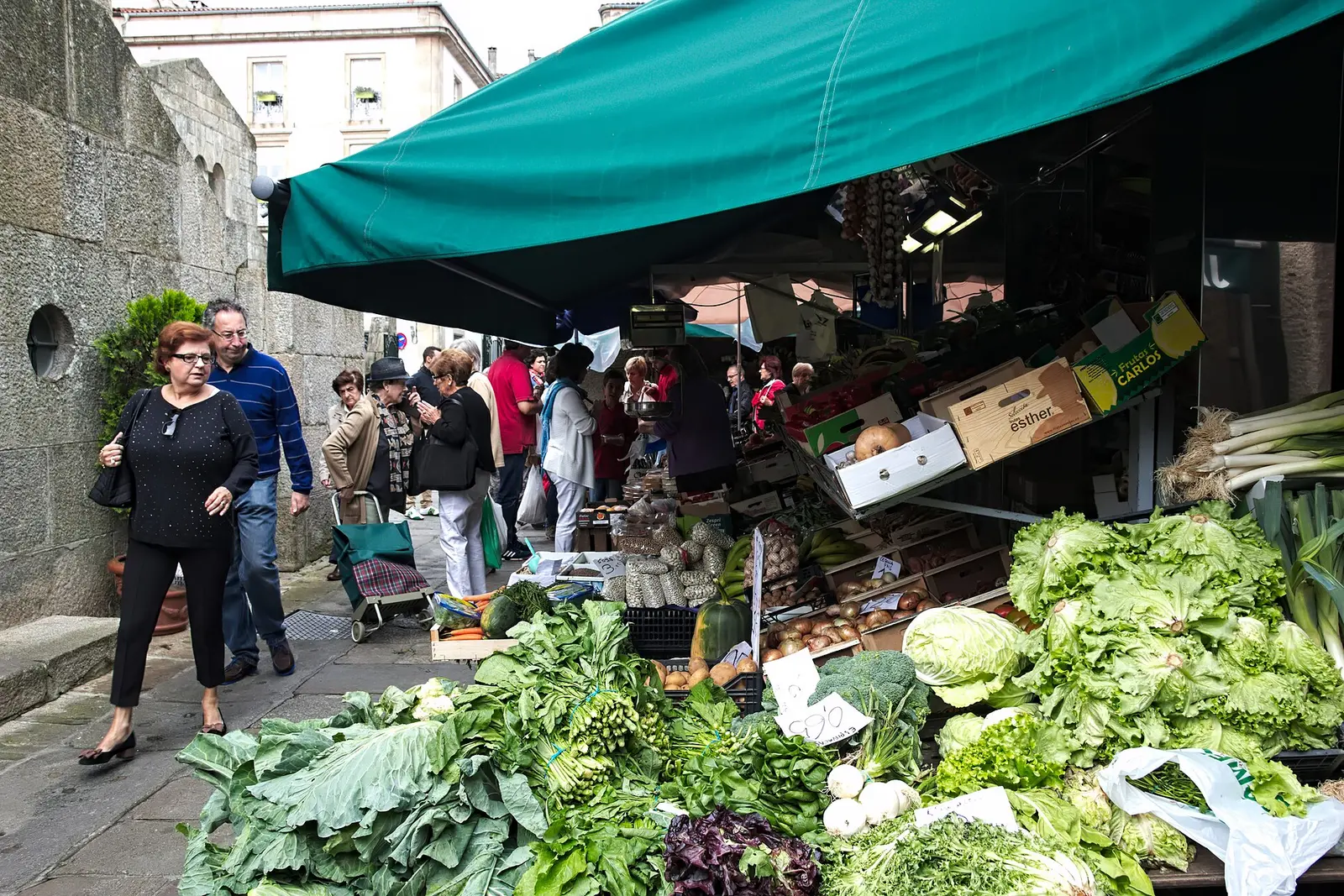
The Santiago de Compostela story
Santiago de Compostela is worth it for travelers who like old stone, food and watching people arrive somewhere they walked to. Reports describe a compact granite old town built around the cathedral, a square where pilgrims arrive after hundreds of kilometers, and a market and bar scene that makes eating the main event. Two days covers the core, and a third opens the coast.
The verdict in 30 seconds
Go
Yes, before mid-afternoon: the granite market is free, still works for locals, and its Nave 5 gastro hall plus the cook-your-purchases ritual make it the city's best cheap food stop. Closed Sunday, thin on Monday seafood.
Go if
- You want a working municipal market rather than a food court: locals still shop here daily
- You can go Thursday or Saturday morning, when rural sellers join and the building is fullest
- You like the idea of buying seafood at a stall and having it cooked for you on the spot
- You want a cheap, local-feeling lunch five minutes from the cathedral
Skip if
- Your only window is Sunday or after mid-afternoon: the market is shut Sundays and stalls close around 14:00 to 15:00
- You want the fullest seafood counters on a Monday: the fleets do not fish Sundays
- You expect a polished gourmet hall: this is a real market, uneven edges included
What it costs
- Entry: €0 (municipal market; free to wander, you pay only for what you buy or eat). Official source, checked Oct 2026.
- Cathedral rooftop guided tour (nearby): €15 (reduced rate 12 EUR; tickets at the Gelmírez Palace on Praza do Obradoiro). Official source, checked Oct 2026.
- Cathedral Museum permanent collection (nearby): €9 (reduced rate 7 EUR). Official source, checked Oct 2026.
What travelers report
Based on 12 traveler reports (Nov 2024 to Jan 2026) and the official sources linked on this page. 0 were negative.
What people like
- Accounts call it the city's second most visited spot after the Cathedral and a genuine working market, not a food hall cosplay.
- The cook-your-purchases ritual at the seafood counters and Marisco Manía gets singled out as a top cheap lunch.
- Nave 5's pulpería and small restaurants earn praise for market-fresh plates at local prices.
- Thursday and Saturday mornings, when rural paisanas join, are repeatedly described as the market at its best.
What people complain about
- It shuts completely on Sunday and winds down after about 14:00.
- Monday seafood is thin because the fleets rest on Sunday.
- The uphill walk and tight surrounding streets make car access awkward.
- Some counters sit empty at quiet hours, so timing matters more than the building itself.
How to do it right
- Go Monday to Saturday in the morning: stalls work from opening and wind down by about 14:00 to 15:00.
- Aim for Thursday or Saturday: rural paisanas sell produce outside those days and the market is busiest.
- Skip Monday for fish: the fleets do not fish Sundays, so seafood counters are thinnest.
- Head to Nave 5, the gastro nave open about 11:30 to 17:00, for the pulpería, bars and small restaurants.
- Use the cook-your-purchases service: buy seafood or meat at a stall and a market bar cooks it for a small percentage of the price.
- Enter from Rúa das Ameas beside San Fiz de Solovio church, a short walk uphill from the cathedral.
The trap to avoid
Arriving in the afternoon: the market is a morning institution, vendors close around 14:00 to 15:00, Sunday is shut entirely and the famous seafood counters run thinnest on Mondays.
Why this verdict
Yes, if you go in the morning from Monday to Saturday. The Mercado de Abastos is free to enter, a short walk from the cathedral, and still a working market where locals shop, which is what the reports value most.
The traveler accounts are positive about the food. A returning pilgrim in 2025 went straight to the market for goose barnacles, razor clams and scallops and called it a culinary highlight of Spain, a local guide describes the seafood and produce stalls and the bars that cook what you buy, and a Spanish food writer praises a lunch inside the market at a kitchen that buys straight from the stalls. Another blogger who arrived near closing time still found enough to compare prices and quality across the stalls.
The mixed reports are about timing and change. A Santiago restaurateur warns in 2026 that visitors who arrive after lunch find half the fish stalls already shut. Regional press in 2025 covered the market campaigning to win back younger local buyers as the crowd tilts toward tourists, and a study tying its future to local produce rather than visitor-facing stalls. Other coverage that year marked the hall’s 80th anniversary and profiled a lifelong stallholder, and an international food agency highlighted the market’s cultural value. The picture is a market still worth seeing, best experienced when the local trade is in full swing.
Timing and tickets
There is no ticket. You pay only for what you buy or eat.
When to go: the market trades from Monday to Saturday mornings and is closed on Sunday. Stalls wind down from around 14:00 to 15:00, so arrive by mid-morning. Thursday and Saturday are the fullest days, when rural sellers join, and Monday has the thinnest seafood because the boats do not fish on Sunday. The gastro nave, Nave 5, serves food until later in the afternoon, roughly 11:30 to 17:00.
How it works: buy seafood or meat at a stall and a market bar will cook it for a small charge based on what you paid. That is the cheapest way to eat well here, and it is what the reports single out. Allow an hour to browse, longer if you stay for lunch.
Getting there: the market is on Rúa das Ameas beside the church of San Fiz de Solovio, about five minutes uphill from the cathedral on foot. The streets around it are tight, so walk rather than drive.
What to combine: pair a morning at the market with the cathedral. The cathedral’s official visit site lists the guided rooftop tour at 15 EUR (12 EUR reduced) and the museum’s permanent collection at 9 EUR (7 EUR reduced), both sold at the Gelmírez Palace on Praza do Obradoiro. Do the market first while the stalls are full, then the rooftops or museum in the afternoon.
If you want a guide, small-group tapas walks meet beside San Fiz de Solovio and include the market among their stops. You do not need one to enjoy the market, but a guide helps if you want the dishes explained.
Book or check times
Tourism board page for the marketOfficial Mercado de Abastos site
We earn a commission if you book through our links. It never changes a verdict. How this works
See guided food tour optionspartner site
Where to stay
Staying in Santiago de Compostela?
A converted monastery with an indoor pool a short walk from the cathedral; the most comfortable base inside the historic core for travelers who want character and rest.
Old town, by the cathedral
Check rates on Expediapartner siteA garden-facing hotel on the old town's eastern edge, within a ten-minute walk of the market and the cathedral; quiet while staying central, which suits travelers who dislike lane noise.
Old town eastern edge
Check rates on Expediapartner siteA full-service hotel in the Ensanche, between the old town and the newer center, with a seasonal outdoor pool, sauna and gym. Guests describe it as a good four-star rather than a five-star.
Ensanche, Rua Alfredo Branas
Check rates on Expediapartner siteWhich area of Santiago de Compostela to stay in, based on traveler reports. Search Santiago de Compostela hotels on Expedia partner site
Getting there
Flying into Santiago de Compostela?
Compare every way from the airport first; trains and buses are often cheaper. Book a private airport transfer partner site
Questions
Is the Mercado de Abastos open on Sundays?
No. The market runs Monday to Saturday mornings; Sunday is closed and Monday has reduced seafood because the boats do not fish on Sunday.
What are the market hours?
Stalls trade mornings Monday to Saturday and close around 14:00 to 15:00. The Nave 5 gastro hall serves roughly 11:30 to 17:00.
What is the cook-your-purchases thing?
Buy seafood or meat at a market stall and the Marisco Manía bar inside cooks it for you, charging a small percentage of what you paid for the produce.
Is the market the second most visited place in Santiago?
That is the line the tourism board and local press use: it is routinely described as the city's second most visited spot after the Cathedral.
How old is the market?
The current granite building opened in 1945 to a Joaquín Vaquero Palacios design and marked its 80th anniversary in October 2025.
Where exactly is it?
On Rúa das Ameas beside the San Fiz de Solovio church, about five minutes uphill from the Cathedral.
Keep planning
More decisions in Santiago de Compostela
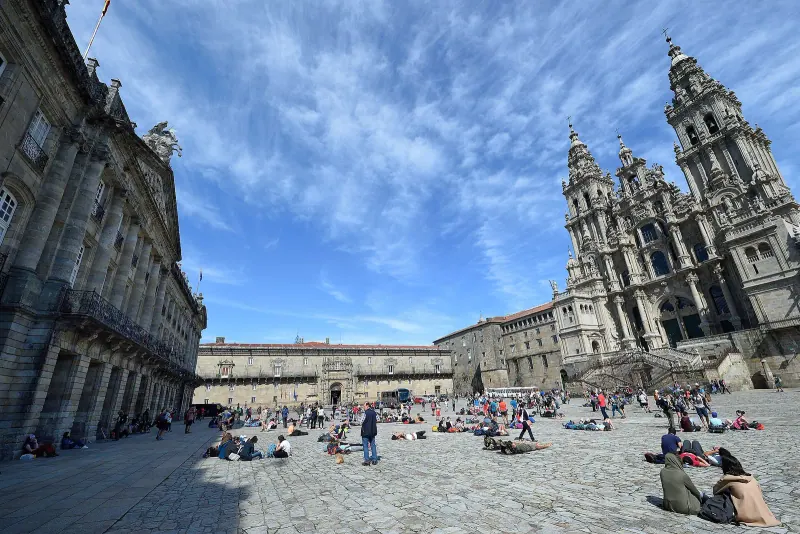 Where to stay in Santiago: which area?Our pick: Casco Antiguo, the old town

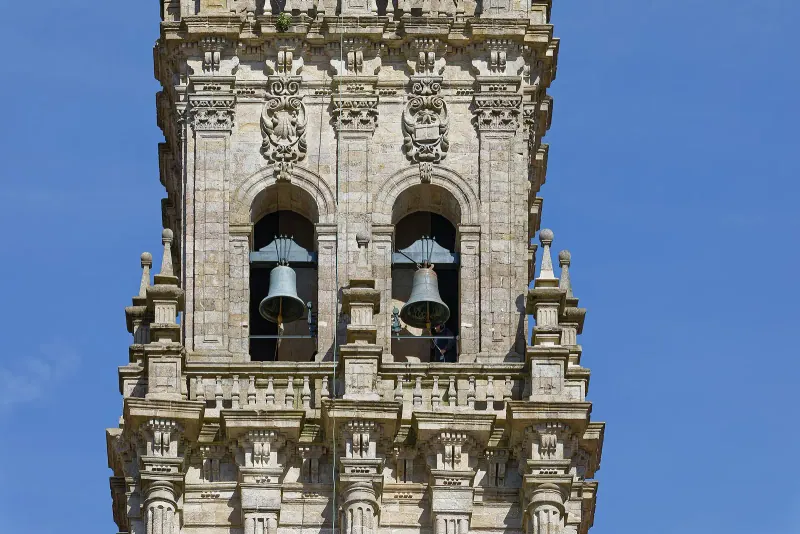 Santiago airport to the old town: which way?Our pick: Bus 6A

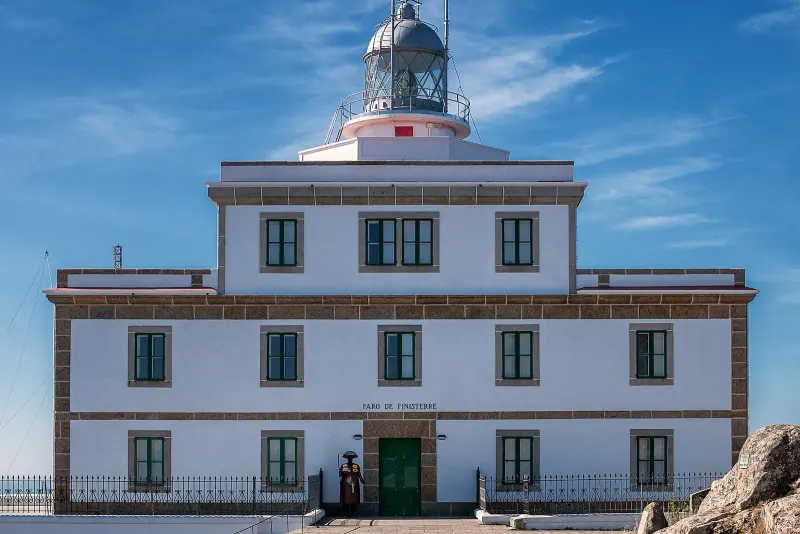 Is a Finisterre day trip worth it?Go

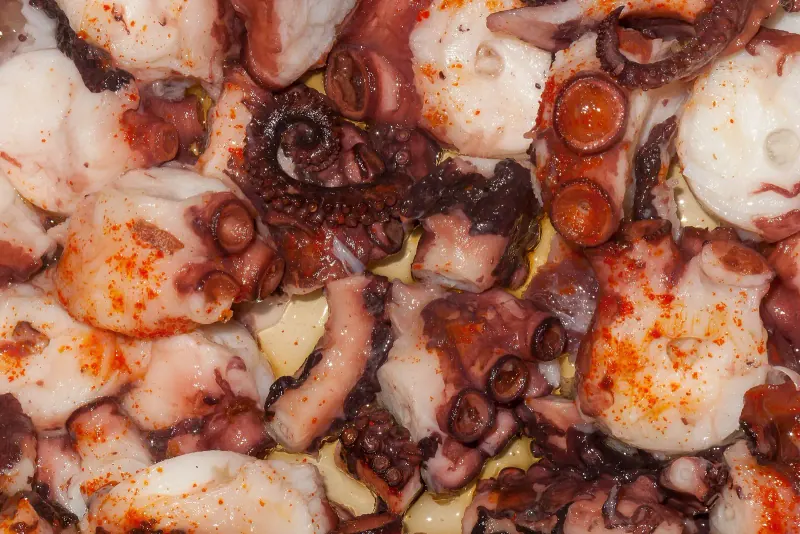 Is a Santiago food tour worth it?It depends

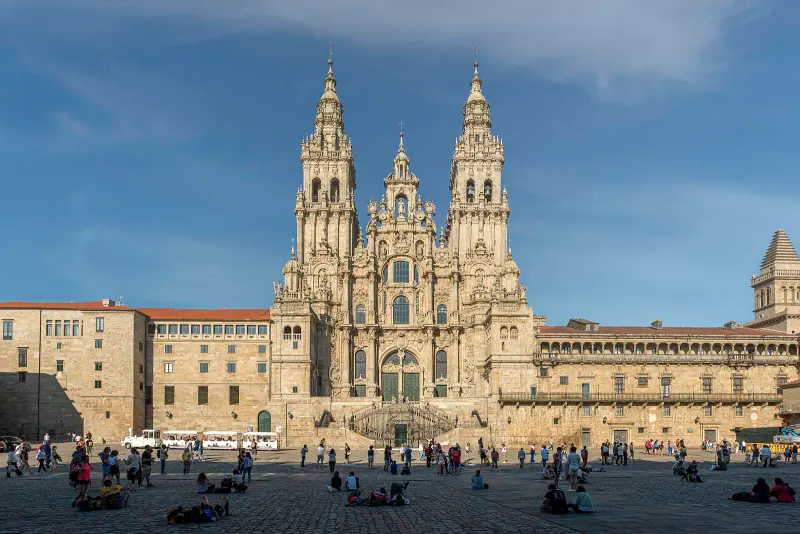 Is Santiago Cathedral worth it?Go

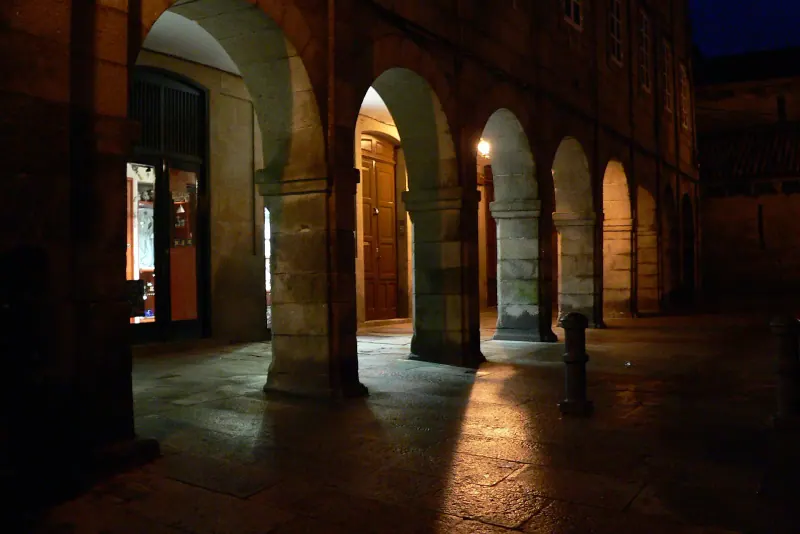 Is Santiago's old town worth it?Go

Pack for it
Gear verdicts from our sister site, Real Buyer Experiences: