


The top floors of the Gothia Towers, a minute from Liseberg, with a rooftop infinity pool, a spa and fine dining; guests rate the views and the park-side location for families.
Korsvägen, beside Liseberg
Search Expedia for this hotelpartner siteCity guide / Sweden
Sweden's second city is easier to like than the capital: friendlier, cheaper and built around seafood, Haga's cinnamon buns, the Liseberg amusement park and public ferries to a granite archipelago.

The review
Seafood, cinnamon buns in Haga, a vintage amusement park and island ferries, in a friendlier and cheaper city than the capital.
Gothenburg is worth it for travelers who like eating well, walking, water and a relaxed pace. Reports describe a friendly, walkable city built around seafood in the fish church and market hall, cinnamon buns in Haga, the Liseberg amusement park and public ferries to a granite archipelago, at gentler prices than Stockholm.
The hard truth is that it is handsome rather than spectacular, and it is not cheap by general European standards. Rain turned up on several logged days, summer evenings are the best of the year and from November to March the days are short, cold and damp.
The fix is to pick the season and the plan. Come May to September, stay within walking distance of Haga or Avenyn, use the market halls for meals, spend a day on the ferries, and book Liseberg for a weekday if you can. Two to three days covers the city; add a day for the archipelago or Marstrand.
The long read
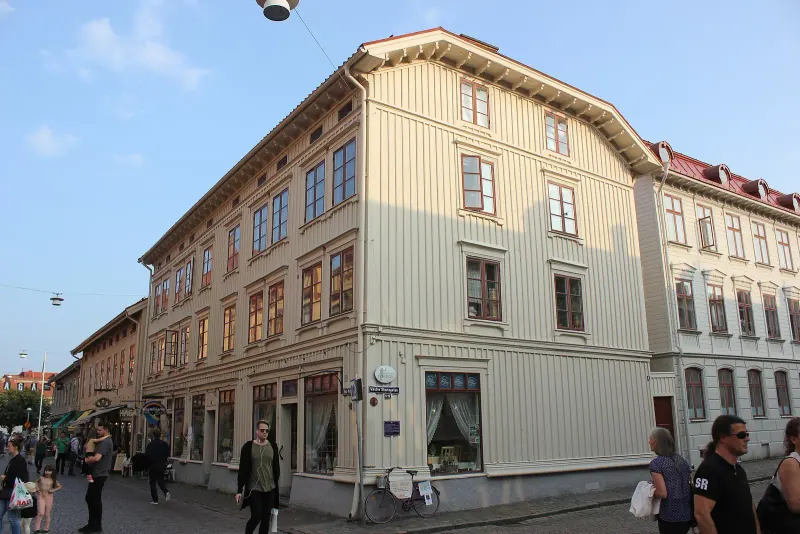
Haga is the district most travelers name first. It is a grid of cobbled lanes lined with renovated 1800s wooden houses, and walkers describe it as an easy hour on foot that stretches to two or three once coffee, small shops and secondhand stores get involved. Writers from the past year call it charming and, despite its reputation, not too touristy on a slow morning. Climb to the Skansen Kronan fort for the rooftop view, a short but steep walk that one visitor called worth the effort. See the Haga verdict for the full read.
Then comes the bun. The hagabulle, Haga's oversize cinnamon bun, dates from 1985 according to one Swedish walker, and travelers agree on one rule: share it. Even locals struggle with the size, one writer notes, and a local voice calls the giant version dry and mostly a novelty, pointing to regular buns in smaller cafes instead. The best-known cafe is a tourist magnet with a rare 1896 glass ceiling, yet a recent report found no big queue and a seat quickly.
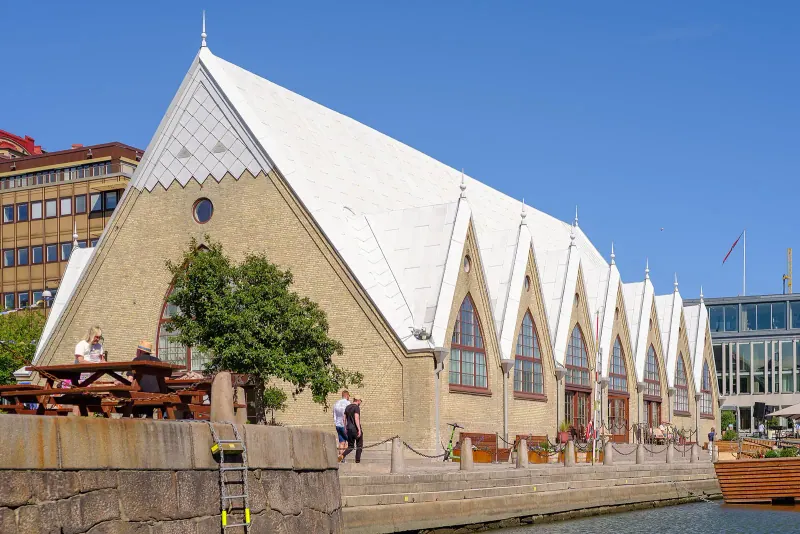
Seafood is the reason many travelers give for liking Gothenburg more than the capital. The fish church, Feskekörka, is the icon: a renovated 1874 market hall with fish counters, restaurants and a big outdoor terrace facing the canal. Travelers describe shared tables, west-coast catch and a seafood lunch that one writer called the standout meal of her trip.
The other pillar is Stora Saluhallen, the market hall where cardamom buns and oysters are the no-booking way in. A broadsheet food feature this year argued the city is a top European food break, and travelers who ate here describe it as the place where the city actually eats. Fika, the coffee-and-pastry pause, is the other habit worth adopting. A food tour can structure it if you want a guide, but the market halls work on your own.
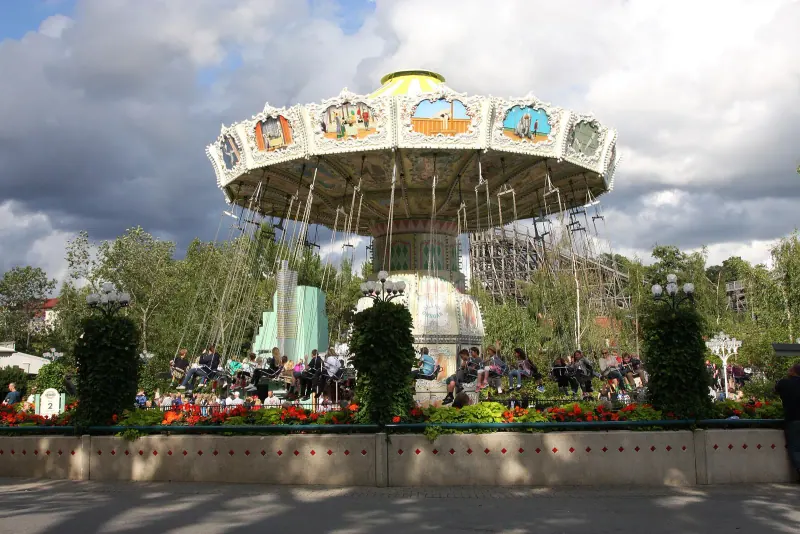
Liseberg is the amusement park locals still treat as an institution. On a good day families report riding nearly all of about 40 rides across eight hours, toddlers spending the day on the carousels and games of the rabbit-themed children's area, and park meals rated well above typical theme-park food. The gardens and coasters score highly with ride fans, and an opening-weekend report praised the way staff managed the crowds at the gates.
The same park changes character with the calendar. In late October it fills with pumpkins and scare houses, and in mid-November it becomes a Christmas market with an ice rink and igloos, drawing families who call it an annual tradition. Our Liseberg verdict covers tickets and queues. The caution is the calendar itself: check the opening dates on the park's own site, because rides can be closed for weather, maintenance or a season swap.
Ask travelers what surprised them and the answer is often the islands. Regular public ferries leave from Saltholmen and from Stenpiren in the center, run on the ordinary transit ticket, and reach islands of granite, fishing huts and small harbors within about an hour. One day report combined a walk, a meal and a swim, crossing from Donsö to Styrsö over a bridge. See the southern archipelago verdict for island by island choices.
Expect the summer shape to differ from the rest of the year. Brännö's sand-and-boulder beach is busy on a sunny day, outbound ferries fill with families, and Vrångö restaurants may mean a modest wait. Outside summer the harbors go quiet, so check the timetable and carry lunch. A few islands also have rooms for the night, such as a harbor-end hotel on Donsö, if you want the evening light with no day crowds.
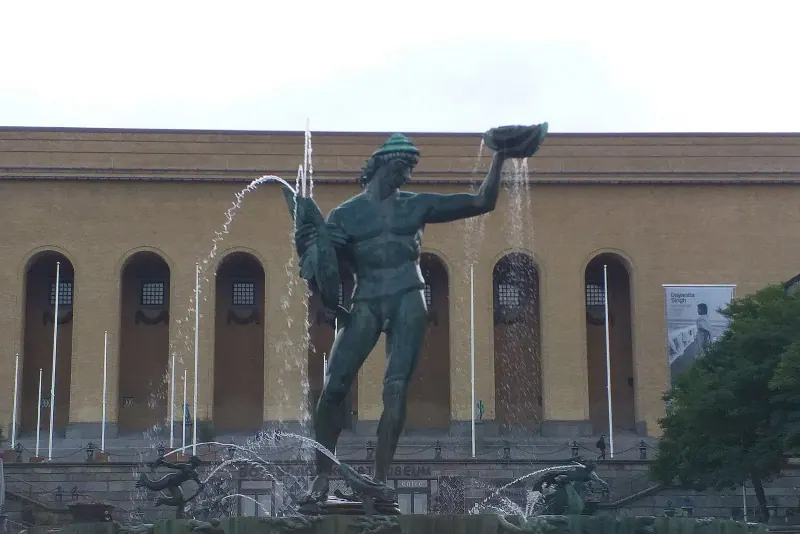
Gothenburg is handsome rather than spectacular, and travelers say it is best on foot. A couple who stayed centrally covered the whole city walking and called it made for it, and a Gothenburg-based writer found it slow, walkable and affordable. A green route links the Trädgårdsföreningen garden with Gamla Haga, and many of the sights, such as the parks and the waterfront, are free. Trams fill the gaps, and a winter report noted the city clears snow from the tram lines first.
Pair the walk with the Paddan canal boats if you want a seated overview, or the science center on a rainy day. Note that the large Västerhavet aquarium there is being renovated until next summer while the rest stays open.
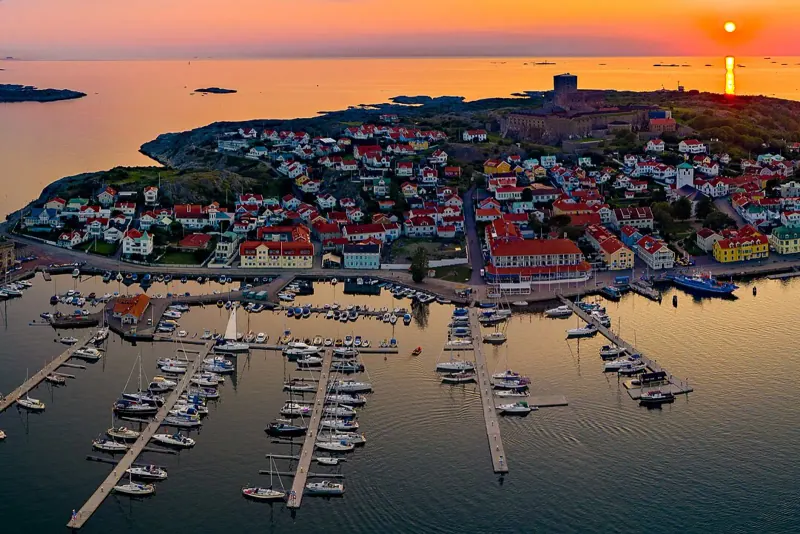
Marstrand is the classic coast day out: a fortress-topped island town where yachts crowd the harbor. Travelers drive to Koon and cross on a two-minute passenger ferry, or take a car ferry, then climb to the fortress or stroll the wooden-house harbor strip. In July the island hosts sailing races, and a summer visitor describes a packed ferry and queues at the best-known bakery, so go early. Our Marstrand verdict has the details.
Many first-time planners ask Gothenburg or Stockholm. Travelers who did both call Gothenburg friendlier, cheaper and more relaxed, and Stockholm grander, with the icons. Trains between the two take roughly three to four and a half hours in traveler accounts. The comparison helps decide, and one tidy plan from planners is four nights in the capital plus three here.
Evenings are a seasonal resource. In August the Way Out West festival fills Slottsskogen park, and a magazine writer who went called the weekend worth the trip. At the other end of the year, the Haga and Liseberg Christmas markets, glögg stands and the ice rink give the dark months a reason to exist, and in late winter the city hosts a large film festival.
The trade for the dark months is short light. Winter days are cold, damp and dark by mid-afternoon, so travelers who go then plan around museums, markets, cafes and indoor days. Those who prefer summer find the opposite: long bright evenings, open ferries and outdoor tables.
The pitfalls
Budget guides still frame the city as the cheaper, more relaxed alternative to the capital, so plan meals around the market halls and expect sit-down dinners to cost more.
Local news on a Halloween Saturday with 25,000 visitors reported hour-long queues and a family that paid SEK 4,300 for four attractions in about seven hours. Horror houses had waits of 50 to 80 minutes with no virtual queue, and a flagship ride has been stopped a day after opening, so check ride status on the day.
Rain showed up on several logged days, including a fire show in the rain at the park and a wet first evening. In February the city is cold and damp with short light, so a winter city break needs indoor plans, though the archipelago walks and Christmas markets can still work.
The island ferries run on the regular transit ticket and are covered by the regional route map, but one writer found the Donsö port quiet and advised checking the timetable and arriving on time, and frequency varies by island, so check the timetable and carry lunch. In summer the outbound boats fill with families and island restaurants can mean a wait.
Travelers advise sharing the oversize bun, because even locals struggle and a local writer calls it dry. Two reports found the path to Skansen Kronan closed or the fort shut when they arrived, so check access before planning the view.
One traveler faced a long passport queue before a nearly full airport coach, and another returning resident's pre-booked taxi did not appear at first. The coach is the default, and its former Mölndal route ended on 31 May 2026, so use the main route to the central terminal.
The big aquarium at the science center is leaking and being renovated until next summer, though the center stays open as usual, so check each attraction before building a rainy-day plan around it.
When to go
Best time
May to June and early September
Reports describe a green, uncrowded late spring with the ferries running, long evenings and outdoor tables.
Peak season
July to mid-August
Warmest and busiest: ferries fill with families, island beaches and restaurants get crowded, and the sailing and festival crowd arrives.
Shoulder season
April, late September and October
Cheaper, quieter and changeable; Liseberg switches to its Halloween programme in October with scare houses and pumpkins.
Off season
Mid-November to March
Dark, cold and damp, with fewer visitors and quiet ferries, but the city has real reasons to go in the dark months.
May to early September gives the longest days, the full ferry timetable and the outdoor tables, with June to August the warmest. Late November to mid-December suits Christmas-market trips; January to March is dark and cheap.
Getting there and around
| Airport | Distance | To the centre | How |
|---|---|---|---|
| GOT Göteborg Landvetter Airport | 25 km | about 40 min | The airport coach (Flygbussarna) stops outside the terminal and runs to the Nils Ericson terminal beside the central station, with a stop at Korsvägen, in about 40 minutes, with departures up to every 15 minutes. The operator page lists single fares from about SEK 129, and booking online or in the app gives the best price. Taxis wait outside arrivals, with one traveler reporting a flat fare of about SEK 450. Check the operator page for the current fare. (source, checked Oct 2026) |
Trams and buses cover the center, and the same transit ticket covers the archipelago ferries from Saltholmen and Stenpiren. The airport coach reaches the central bus terminal in about 40 minutes. Most sights are walkable, and traveler accounts repeatedly describe the city as made for walking.
Where to stay
We earn a commission if you book through our links. It never changes a verdict. How this works
High-end stays whose guests report the setting and service earn the rate.
The top floors of the Gothia Towers, a minute from Liseberg, with a rooftop infinity pool, a spa and fine dining; guests rate the views and the park-side location for families.
Korsvägen, beside Liseberg
Search Expedia for this hotelpartner siteA five-star townhouse hotel with 37 individually decorated rooms in a theatrical Belle Époque style and a French restaurant; guests praise the service and the central, walkable address.
Centrum, Trädgårdsgatan
Search Expedia for this hotelpartner siteA design boutique hotel with feng shui interiors and a rooftop pool and terrace open seasonally; it is a four-star property standing in for the top boutique tier, an easy walk from Avenyn.
Kungstorget, Centrum
Search Expedia for this hotelpartner siteThe splurge in the old post office by the central station with a rooftop pool; a four-star hotel standing in for the luxury tier, in a landmark building that guests rate for its position.
Centrum, by the station
Check rates on Expediapartner siteThe comfortable middle: well placed, well run, priced for a normal trip.
Playful boutique with Paris-inspired early 1900s interiors, small rooms that suit a short stay; central enough to cover the city on foot.
Centrum, restaurant streets
Check rates on Expediapartner siteA large four-star hotel on Avenyn with a gastropub, a restaurant, a gym and a small sauna pool; the pick for travelers who want the boulevard and the nightlife outside the door.
Avenyn, Kungsportsavenyn
Search Expedia for this hotelpartner siteA glass hotel by the harbor inlet and central station with good-sized rooms, a rooftop bar and free bike hire; the airport coach ends nearby, though storage in rooms is limited.
Harbor and station
Search Expedia for this hotelpartner siteThe archipelago pick: a small number of rooms above a harbor-end restaurant on Donsö, reached by public ferry; a quiet island base with sea views.
Donsö, southern archipelago
Search Expedia for this hotelpartner siteCheaper beds that travelers still rate well for location and cleanliness.
Family-run hotel dating from 1852, the city's oldest, on Drottninggatan; the affordable heritage base a few minutes from the station, within walking distance of the main shopping streets.
Centrum, Drottninggatan
Check rates on Expediapartner siteA hostel and hotel across from Slottsskogen with tram stops at the door, a kitchen and free WiFi; rooms share bathrooms, and bedding, towels and breakfast cost extra.
Linné
Search Expedia for this hotelpartner siteA budget hostel with private rooms on Vegagatan beside the big city park and the botanic garden, with a 24-hour front desk, a cafe, laundry and a sauna; Haga is a 20-minute walk or a short tram ride, and reviews are mixed, so check recent feedback.
Slottsskogen and Linné
Search Expedia for this hotelpartner siteA hostel in Majorna with private rooms for two to eight people, a tram ride of about 12 minutes from the central station and close to the west harbor cafes; the cheap bed for travelers who do not need to be downtown.
Majorna, west harbor side
Search Expedia for this hotelpartner siteQuestions
Two to three days covers Haga, the market halls, a canal boat and one big attraction like Liseberg. Add a fourth day for the archipelago ferries or a Marstrand day trip, which many travelers say gives the best sense of the coast.
Travelers call it cheaper and more relaxed than Stockholm, but restaurants and bars are still dear by general European standards. Use the market halls for lunch, buy attraction tickets in advance online or in the app, and take the public ferries instead of private boat tours.
The airport coach is the standard route, taking about 40 minutes to the Nils Ericson terminal beside the central station, with a stop at Korsvägen. The operator page lists single fares from about SEK 129, with the best price online or in the app. One traveler reported a taxi at about SEK 450; check current fares.
Yes. Families report full days at Liseberg's toddler area and rides, a science center with an indoor rainforest and shark tunnels, and canal boats. The aquarium at the science center is being renovated until next summer, so check what is open, and buy park tickets in the app for the best prices.
No. Trams cover the city, the archipelago ferries run on the same transit ticket, and the city is described as made for walking.
For a first stay, choose the center or Avenyn for walkable restaurants and trams, Haga or Linné for cafes, parks and lower prices, the harbor and station area for the airport coach, or Korsvägen for Liseberg. For a quiet night away, a small hotel on an archipelago island works.
How this guide was written. We read 40 traveler reports about Gothenburg published between Oct 2024 and Sep 2026, 1 of them mainly negative, and checked the facts against official sources in Oct 2026. Nobody on the team claims a visit; hotel picks are chosen from what guests report, never from what they pay us. How we judge.
Explore the decisions
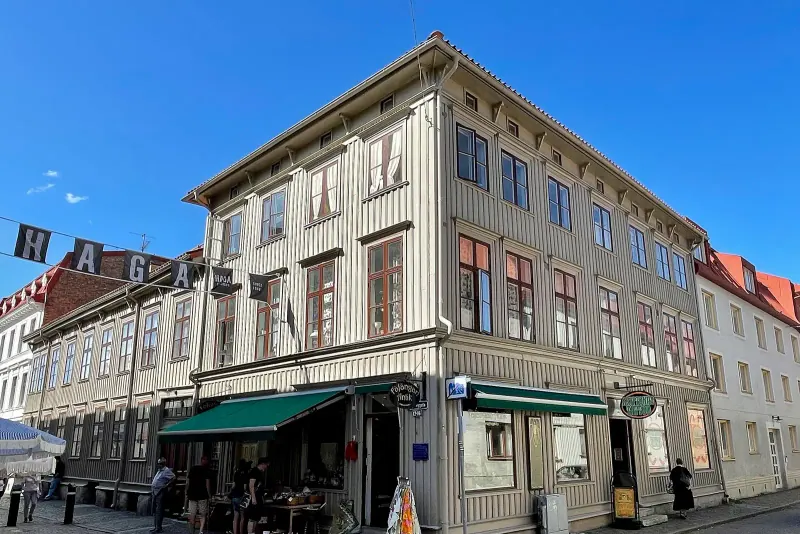 Is Haga in Gothenburg worth it?Go
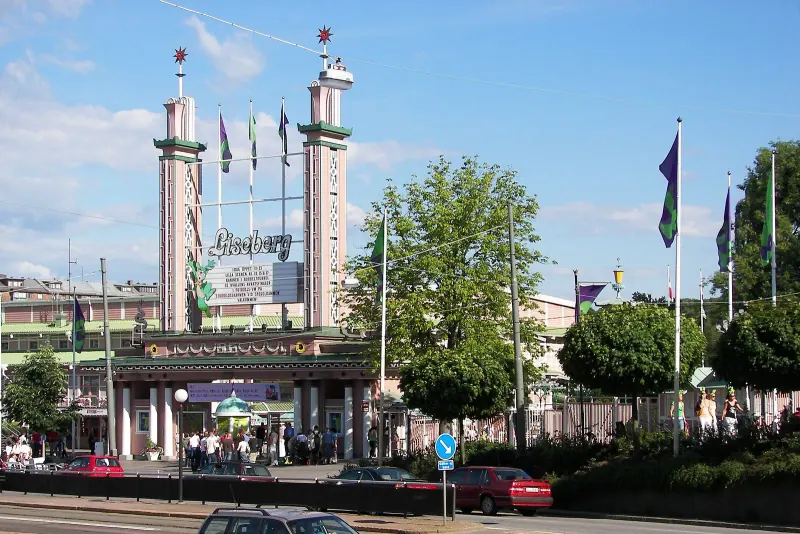 Is Liseberg in Gothenburg worth it?Go
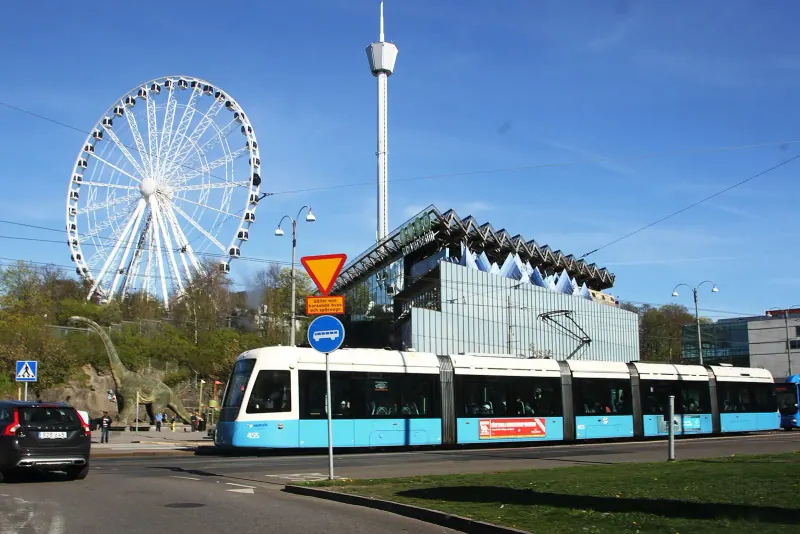 Is Universeum in Gothenburg worth it?It depends
Explore the decisions
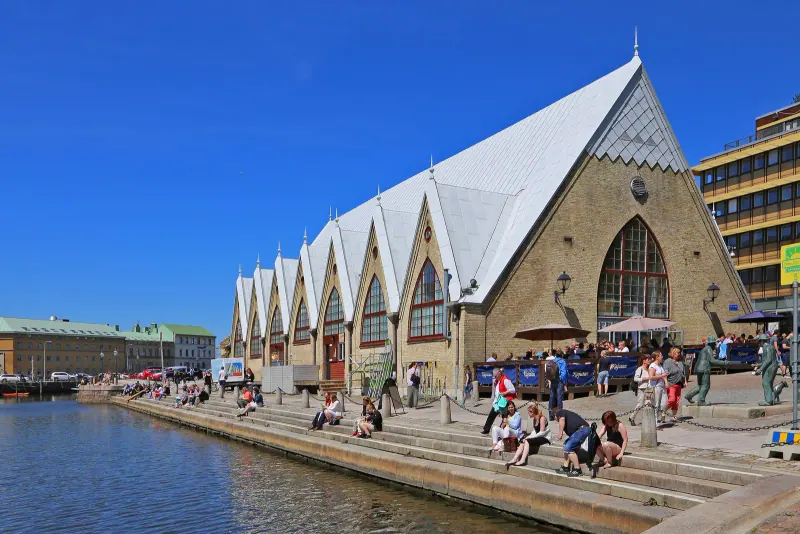 Is a food tour in Gothenburg worth it?It depends
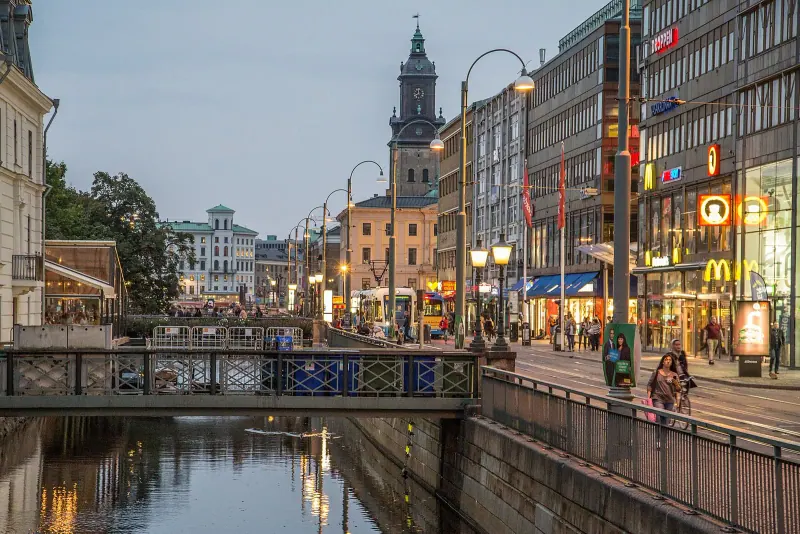 Is a Paddan boat tour in Gothenburg worth it?Go
Explore the decisions
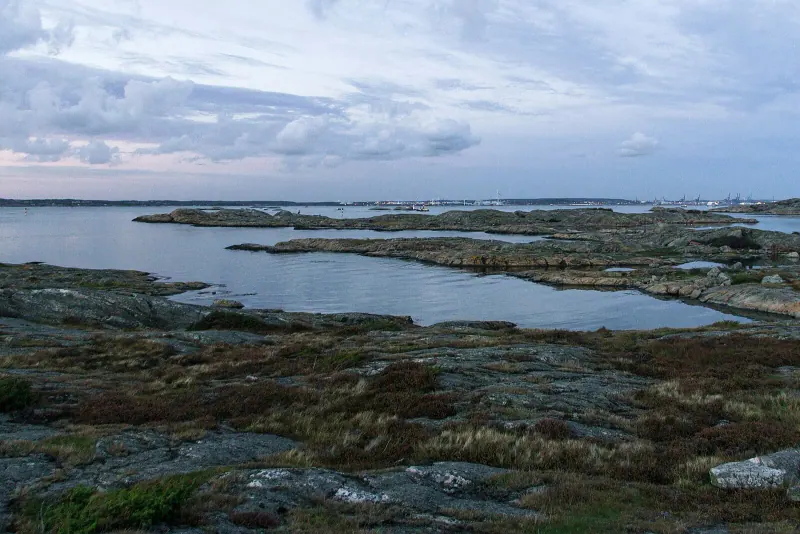 Is a Gothenburg southern archipelago day trip worth it?Go
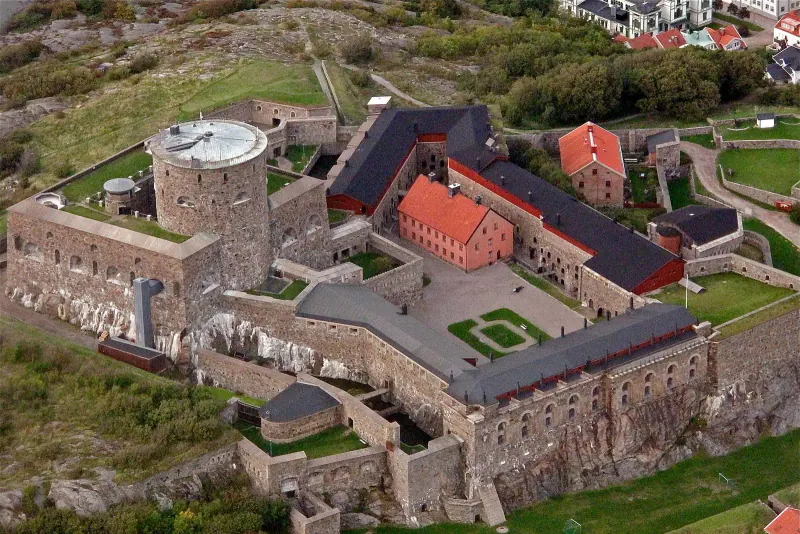 Is a Marstrand day trip from Gothenburg worth it?Go
Explore the decisions
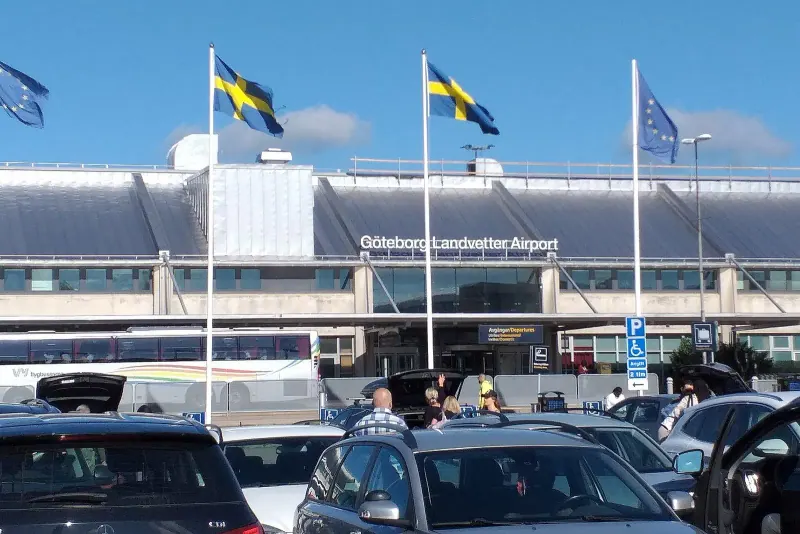 Gothenburg airport to the city: which way?Our pick: Flygbussarna airport coach
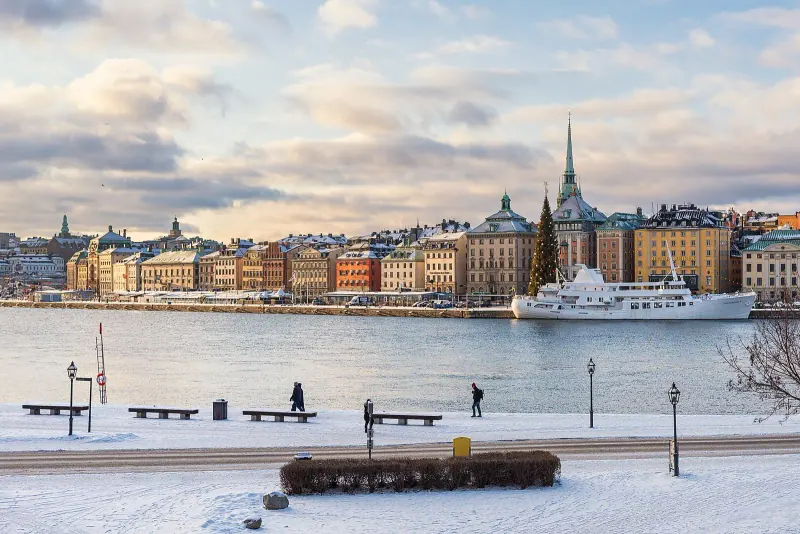 Gothenburg or Stockholm: which city to visit?Our pick: Stockholm
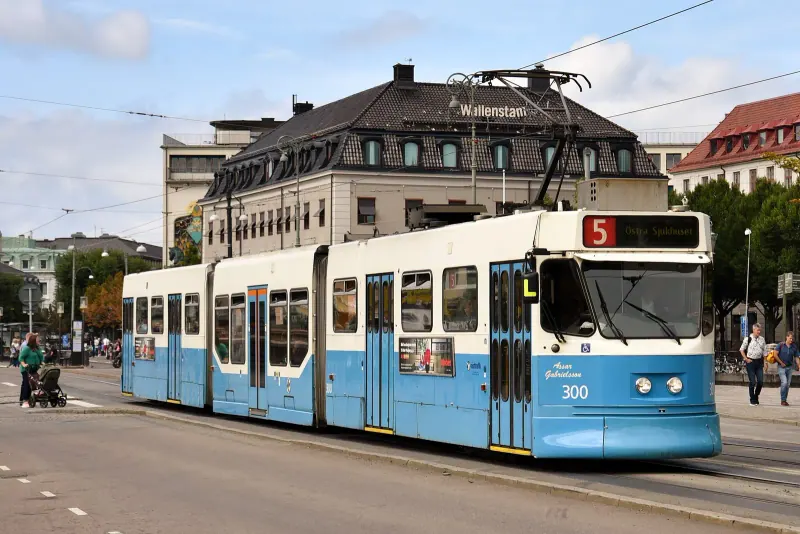 Where to stay in Gothenburg: which area?Our pick: Central Station and harbor
Plan your Gothenburg trip
Where to stay
12 hotel picksLuxury, mid-range and budget, cross-checked against traveler reports
Getting there
Airport to city, priced outGothenburg airport to the city: which way
Book a private transfer partner site
In pictures
Gothenburg airport to the city: which waya food tour in Gothenburg worth itGothenburg or Stockholm: which city to visitHaga in Gothenburg worth itLiseberg in Gothenburg worth ita Marstrand day trip from Gothenburg worth ita Paddan boat tour in Gothenburg worth ita Gothenburg southern archipelago day trip worth itKeep exploring
Gear verdicts from our sister site, Real Buyer Experiences:


