


Guests describe a 14th century townhouse a few steps from the Main Market Square, with a rooftop terrace and a spa and pool set in medieval cellars.
Old Town
Search Expedia for this hotelpartner siteCity guide / Poland
Krakow is a walkable medieval capital with Wawel, Kazimierz and Auschwitz close at hand. Reports say book Wawel and Auschwitz passes early, sleep a block off the square and keep the heavy day separate.
The review
A walkable medieval city of castle hill, Jewish quarter and heavy history, at some of Central Europe's lowest prices.
Krakow is worth it for travelers who want a beautiful, walkable medieval city with deep history at prices well below Prague or Vienna. Reports describe one of Europe's biggest medieval squares, a castle hill ten minutes away on foot, and Kazimierz, the old Jewish quarter, as the part many remember most. One traveler who visited Prague and Krakow back to back picked Krakow for equally pretty streets, fewer crowds and lower costs. Three to four days covers the core.
The hard truth is that the trip has a heavy side and some friction. Auschwitz is the reason many come and it is a sober day; entry now needs a pre-booked pass. Wawel is a set of separately ticketed rooms, Schindler's Factory sells out, the airport train costs more than people expect, and weekend stag parties are loud around the square. Winters are cold and grey, and smog peaks between late autumn and early spring.
The fixes are simple. Book Auschwitz and any Wawel rooms as early as your dates allow, sleep a street or two off the Main Square, keep the salt mine and Auschwitz on separate days and go in May, June or September if you can. Our guides cover where to stay, the airport route and Auschwitz.
The long read
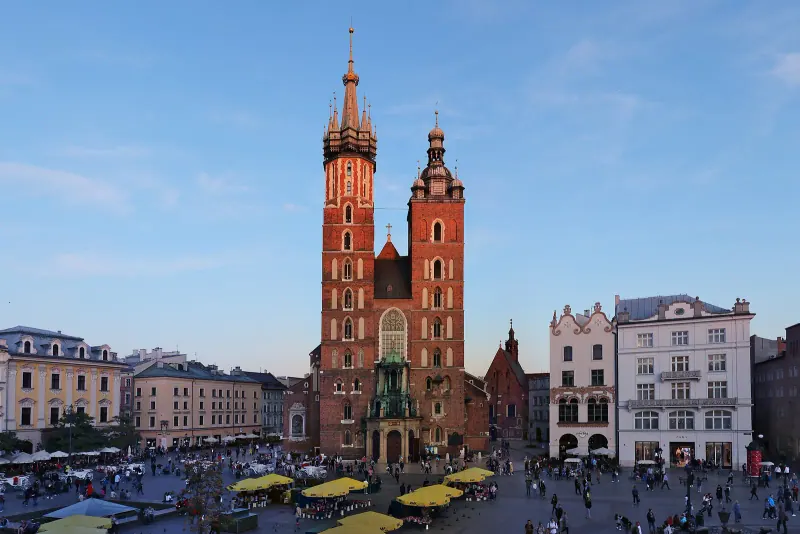
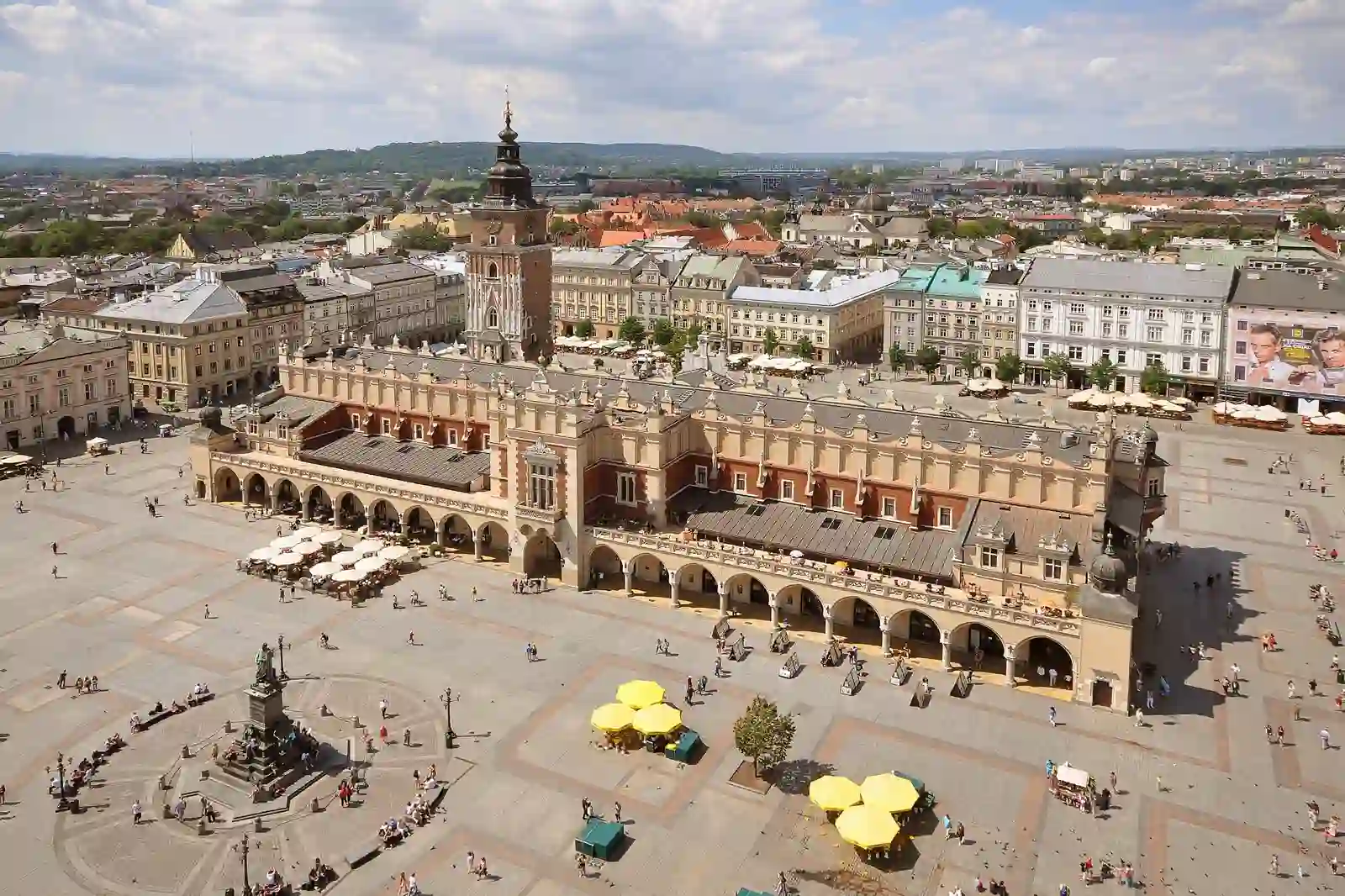
The Main Square is the reason most people come, and travelers agree it earns the trip. It is one of the largest medieval squares in Europe, ringed by townhouses, with the Cloth Hall in the middle, the two uneven towers of St Mary's Basilica at one corner and cafes spilling onto the stone. One writer says the basilica interior took their breath away, and the walk between the square, the Barbican and the Planty park ring takes under ten minutes at an easy pace. The whole core is pedestrianized, so a first day is mostly walking.
The truth is that the square is also where the tourist trade concentrates. A traveler describes the covered Cloth Hall market as a disappointing corridor of souvenirs, and several guides put the better meals and quieter drinks a few streets away, in Kazimierz or on the side lanes. Rooms next to the square cost more and ring with weekend noise. Locals and long-stay writers suggest sleeping a block or two off the main space, and a Kleparz apartment near the Old Town drew praise for being close yet calm.
A guided walk is a common first move, and a solo traveler says an arrival-afternoon tour taught him a good deal about the city. Our guide to a guided walking tour of Krakow compares the paid and free formats.
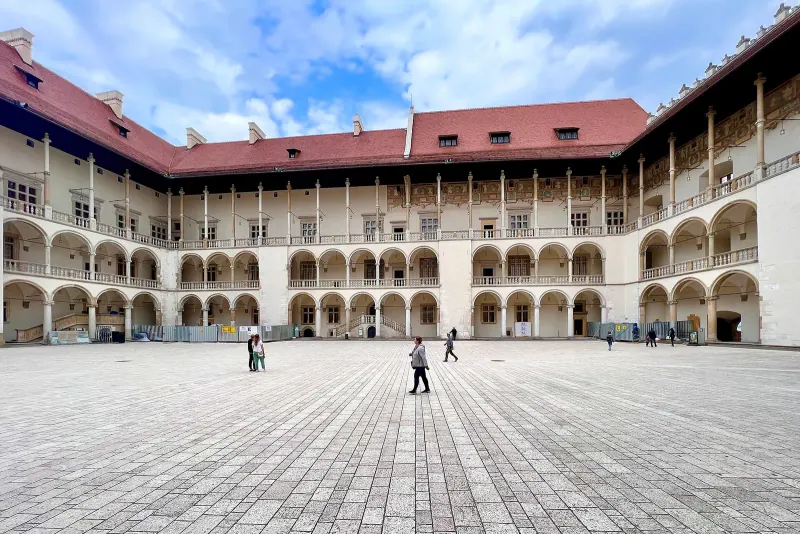
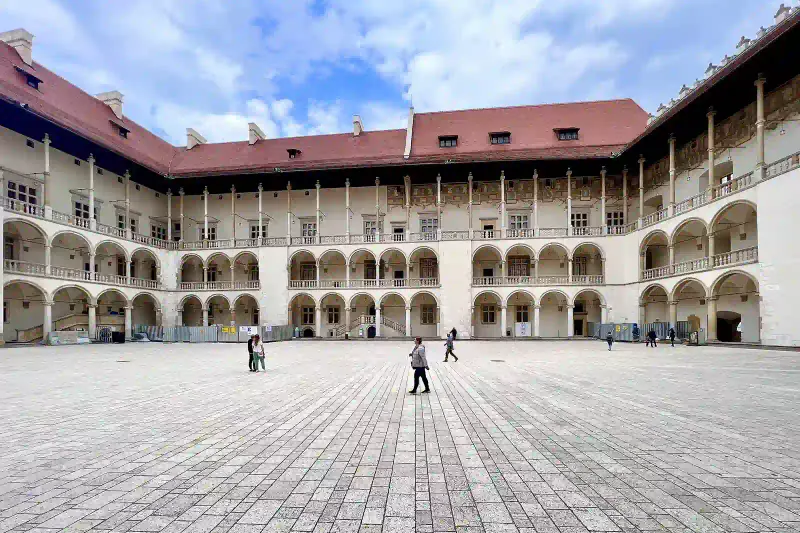
Wawel sits on a limestone hill about ten minutes on foot from the square. The cathedral holds the coronation and burial history of Polish kings, and the royal castle wraps around a Renaissance courtyard. The good news for budgets is that the hill itself is open daily from early morning until dusk, and the courtyards, ramparts and dragon's den cost nothing. A video guide and a local resident site both call those free parts the best value on the hill.
The catch is that each indoor section is its own timed ticket. Travelers describe a patchwork of exhibitions, each with a separate queue and a daily cap that sells out in season. The cathedral draws the sharpest complaints: gridlock, a strict no-photo rule and a walk-through of about 15 minutes. The fix is to pick one or two exhibitions, such as the State Rooms or the Crown Treasury, book them online ahead, and treat the rest as an outdoor walk. Details are in our Wawel castle verdict.
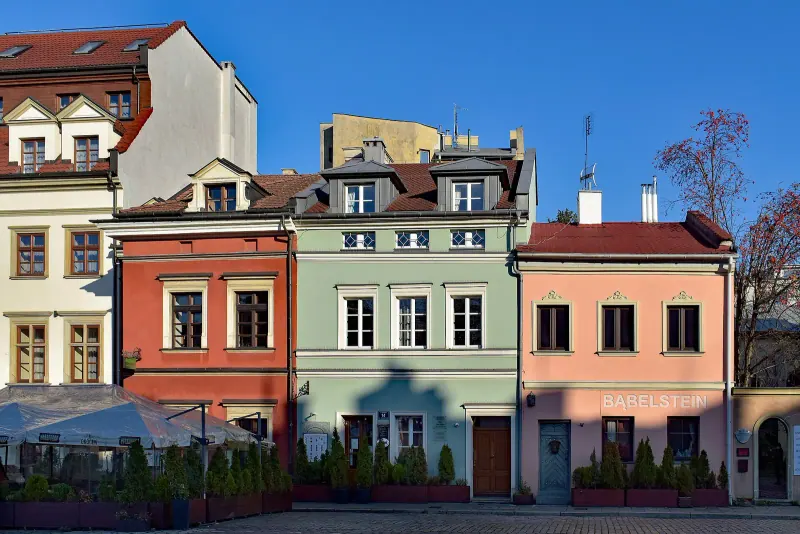
Kazimierz is the old Jewish quarter just south of the Old Town, and it is where many travelers say they felt the city most. Narrow streets hold synagogues, the Remuh cemetery, cafes in old courtyards and, around Plac Nowy, the busiest bars. One traveler booked a Jewish Quarter tour and found it deeply moving, more so than the Old Town tour the same day. Another says the area works well as a base, with a quick tram ride to the square.
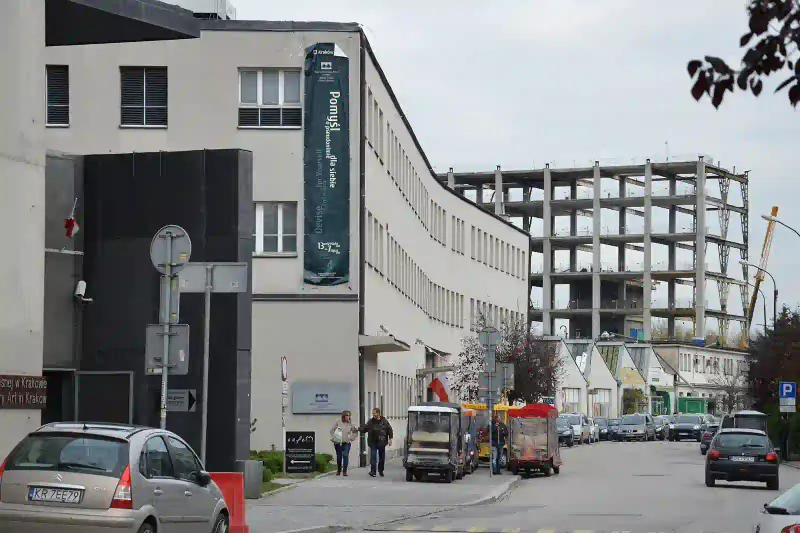
Across the river, Podgórze holds the former ghetto area and Schindler's Factory, now a museum. The most useful warning from visitors is about expectations: the exhibition is mostly about Krakow under Nazi occupation, and only a few rooms deal with Schindler himself. Reports describe online slots that sell out well ahead and a detail level that kept one couple inside for nearly three hours. Our Schindler's Factory guide explains the ticket rules, and the where to stay guide covers noise by street.
Auschwitz-Birkenau is the hardest day of a Krakow trip and, for many travelers, the one they would not skip. Writers call it a day of education rather than fun. The first camp reads like a museum, with the entry sequence and victims' names setting a quiet tone, while Birkenau, a few kilometers away, conveys the scale in near silence.
The practical rules have tightened. Since 1 March 2026 the memorial issues entry only by personalized pass booked online, with no sales on site, and the museum says it does not recommend the visit for children under 14. One traveler who booked through a reseller reported a cancellation when the agency could not secure passes. Book through the official channel or a reputable tour that includes both camps, and do not pair it with the salt mine on the same day. See the Auschwitz day trip verdict for the options.
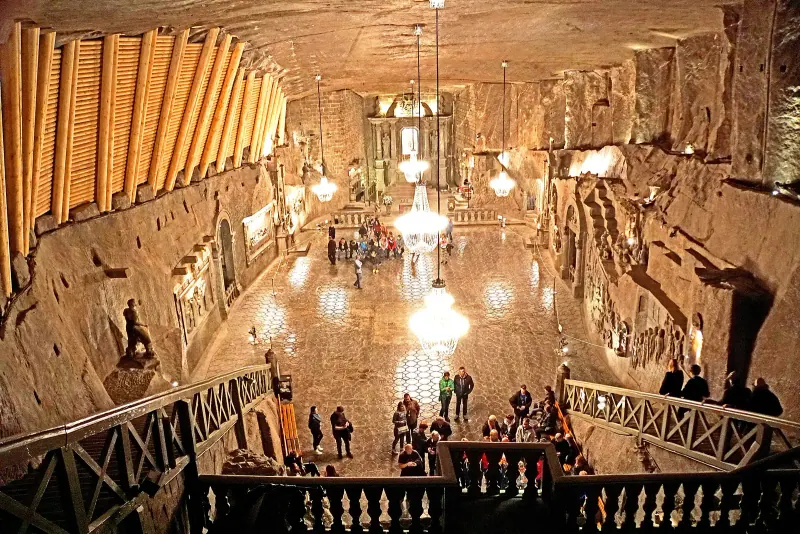
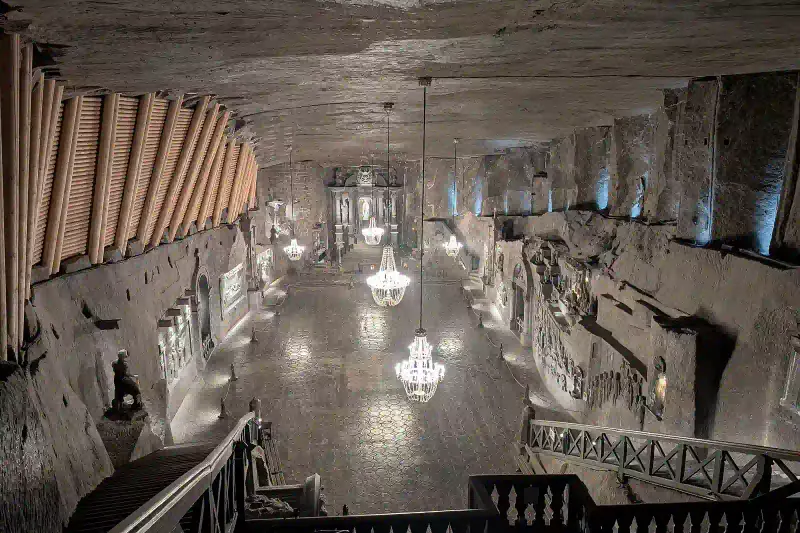
Wieliczka salt mine is the easiest half-day outside the city, reached by regional train or a short ride. Visitors describe chambers carved from salt, the polished Chapel of St Kinga as the high point, and a descent of hundreds of steps with a lift back up after about two and a half hours. It also gets mixed marks. A skeptic notes a conveyor rhythm, long corridors and tiring waits. Book a timed slot in advance; see our Wieliczka verdict.
Zakopane is the mountain alternative, about two hours each way by bus. A news report from early August described Kasprowy cable car queues of up to six hours. Pick either the town or a trailhead, start early, and see our Zakopane day trip guide. Our Krakow card review helps decide whether a pass pays off.
Krakow is cheap by Central European standards. A head-to-head report found it cheaper and less crowded than Prague, with a more local feel. A traveler who went on to Prague from Krakow called Krakow the favorite of the trip. For a side-by-side see Krakow or Prague.
Evenings are lively, and on weekends the stag-party trade raises the volume around the square and Plac Nowy. Light sleepers should ask for an inner room or stay in a quieter neighborhood. The city suits couples, history-minded friends, families with teens and budget travelers, and it is a weaker choice for travelers who want beaches, guaranteed sun or a place where heavy history is not part of the itinerary. Three to four days covers the core.
The pitfalls
Since 1 March 2026 the memorial issues entry cards only online, with none sold on site, and free passes for visits without an educator must be booked at least 7 days ahead or until spots run out. One traveler's third-party tour was cancelled two days out because the agency never secured passes.
Each Wawel exhibition has its own timed ticket and daily cap. The hill, courtyards and ramparts are free, so buy only the one or two rooms you most want, and expect the cathedral to be crowded with no photos allowed.
The airport page lists the train to the main station at 20 PLN, which adds up for a group, so compare it with a taxi or ride-hail if you are three or more. Late trains vary by season and the winter timetable may end earlier, so check it for your dates; one traveler saw ride-hail quotes differ threefold.
Only a few rooms cover Schindler himself, since the museum is about Krakow under occupation. Online slots sell out ahead, so book before you travel.
Visitors describe the salt mine as crowded and the tour as impossible to shorten, and one writer warns against combining it with Auschwitz in a single day. Book a timed slot, and keep the heavy day separate from the underground one.
A news report from early August described cable car lines of up to six hours at Kasprowy. Start early or choose Gubalowka, buy tickets online where offered, and allow about two hours each way by bus.
Writers who stayed near the square or Plac Nowy report weekend stag-party noise, and one light sleeper recommends a street or two away. In winter, an air quality monitoring report listed Krakow among the most polluted cities in January 2026, so pack a mask if you are sensitive.
When to go
Best time
late May to June, September
Warm days, long light and open terraces without the July and August crush. Reports from September describe a Krakow that still feels lively, and the Wianki midsummer festival falls in June.
Peak season
July and August
Hottest and most crowded months; Wawel exhibition slots, the Wieliczka mine and the Kasprowy cable car sell out or queue for hours, and weekend noise around the square rises.
Shoulder season
April, early May, October
Cooler and quieter with lower prices; Auschwitz and Wieliczka remain open and walking tours run in all weather, though rain is common.
Off season
November to March
Cold and grey, but cheap, quiet and festive in December. Smog peaks in winter.
Late May, June and September give warm days and long light without the summer crush. December suits the Christmas market, and January and February are cold and quiet, with smog peaking in winter.
Getting there and around
| Airport | Distance | To the centre | How |
|---|---|---|---|
| KRK Kraków John Paul II Airport (Balice) | 11 km | about 20 min | Koleje Małopolskie train to Kraków Główny takes roughly 17 to 20 minutes; the airport page lists the fare at 20 PLN, and late trains vary by season, so check the timetable for your dates. City bus 300 runs on the regular 60-minute ticket (8 PLN per the airport page), night bus 902 covers late hours, and a taxi takes about 25 minutes. (source, checked Oct 2026) |
The Old Town is pedestrianized, and trams and buses cover Kazimierz, Podgórze and beyond; the official ticket guide lists a 30-minute ticket at 6 PLN and a 60-minute ticket at 8 PLN. The airport train reaches the main station in roughly 17 to 20 minutes.
Where to stay
We earn a commission if you book through our links. It never changes a verdict. How this works
High-end stays whose guests report the setting and service earn the rate.
Guests describe a 14th century townhouse a few steps from the Main Market Square, with a rooftop terrace and a spa and pool set in medieval cellars.
Old Town
Search Expedia for this hotelpartner siteA small Renaissance townhouse on the lane that links the Main Square to Wawel, with a spa, indoor pool and rooftop terrace; guests rate it highly but note breakfast is extra.
Old Town, Kanonicza Street below Wawel
Search Expedia for this hotelpartner siteA restored medieval palace beside the Main Market Square with vaulted cellar bar, chef-led restaurant and wellness area with saunas; guests rate the service and setting highly.
Old Town, Main Square corner
Search Expedia for this hotelpartner siteLarge five star on the Vistula under Wawel, a short walk from the castle and Kazimierz, with a pool and a spa; guests rate the riverside setting and the rooms highly.
Old Town edge, by Wawel
Search Expedia for this hotelpartner siteThe comfortable middle: well placed, well run, priced for a normal trip.
Design hotel on Halicka street where guests praise clean modern rooms, a large breakfast and a quiet spot a short walk from Kazimierz bars, restaurants and the main sights.
Kazimierz edge
Search Expedia for this hotelpartner siteA boutique style 56-room four star at the north edge of the Old Town by the Florian Gate, with a rooftop terrace and sauna; guests praise the staff and the location.
Old Town, north edge by Florian Gate
Search Expedia for this hotelpartner siteSits near the Barbican with the main railway station directly across the street, which suits train arrivals, airport-train riders and early Auschwitz departures.
Old Town, opposite the main station
Search Expedia for this hotelpartner siteA four star in Podgórze on Nadwiślańska street with a rooftop pool, about a 9 minute walk to Schindler's Factory; guests praise the staff and the quiet side-of-river location.
Podgórze
Search Expedia for this hotelpartner siteCheaper beds that travelers still rate well for location and cleanliness.
Plain modern rooms on Pawia street a short walk from the main station and the square; reviewers praise the staff and cleanliness, and breakfast costs extra.
Old Town edge, near the main station
Search Expedia for this hotelpartner siteA small three star on Starowiślna street in Kazimierz with friendly staff; guests like the location and breakfast but mention tram noise, so ask for a courtyard room.
Kazimierz
Search Expedia for this hotelpartner siteA 130-room economy hotel with air conditioning and free Wi-Fi; guests rate it highly for value, and breakfast and parking cost extra.
South of Wawel, across the river
Search Expedia for this hotelpartner siteA budget hotel on Nowohucka in Podgórze, about 2 to 3 km from Schindler's Factory and 4 km from the Old Town by bus or tram, with free Wi-Fi. Guests find it good value for a short or car-based stay, though some say breakfast lacks variety.
Podgórze, Nowohucka street
Search Expedia for this hotelpartner siteQuestions
Three to four days covers the core. Plan two for the Old Town, Wawel and Kazimierz, one for Auschwitz and one for the salt mine or a mountain trip. A fifth day works for Schindler's Factory and Podgórze.
No. Travelers who compare it with Prague call it the cheaper city for rooms, meals and drinks, and the main outlays are timed tickets and day trips. Weekend rooms beside the Main Square are the exception.
Yes for teens and school-age children, who get a walkable city and a castle hill with free courtyards. The Auschwitz Memorial does not recommend a visit for children under 14, so plan that day around the adults.
No. The Old Town is pedestrianized, trams cover Kazimierz and Podgórze, and trains and buses reach Wieliczka and Zakopane. A car adds parking cost and little benefit unless you plan several mountain stops.
Writers favor the Old Town for a first stay, Kazimierz for food and a lively evening and a Kleparz or near-station base for value. Avoid rooms right on the Main Square or Plac Nowy if you sleep lightly.
The train to Kraków Główny takes roughly 17 to 20 minutes and is the fastest option, at 20 PLN per the airport page. Bus 300 uses a regular city ticket, night bus 902 runs late, and a taxi suits groups of three or more.
How this guide was written. We read 31 traveler reports about Krakow published between Jan 2025 and Oct 2026, 5 of them mainly negative, and checked the facts against official sources in Oct 2026. Nobody on the team claims a visit; hotel picks are chosen from what guests report, never from what they pay us. How we judge.
Explore the decisions
 Is Schindler's Factory museum worth it?Go
 Is the Wieliczka Salt Mine worth it?Go
 Is Wawel Castle in Krakow worth it?Go
Explore the decisions
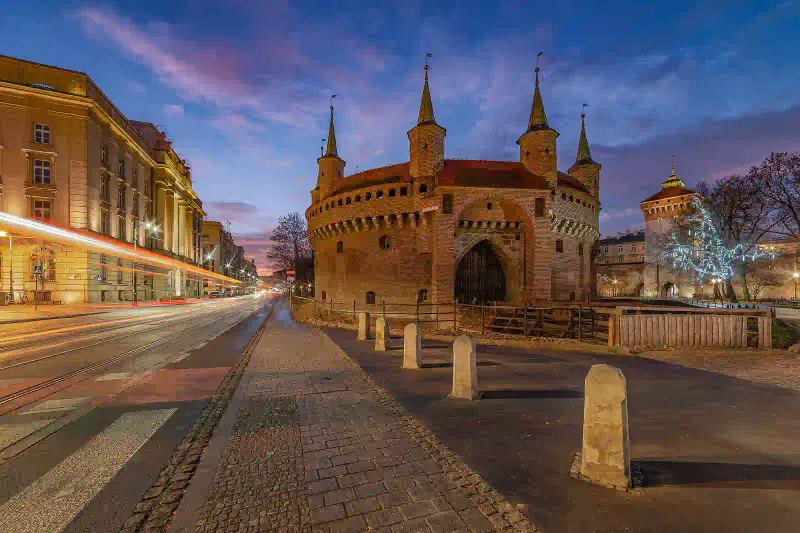 Is the Krakow Card worth it?It depends
Explore the decisions
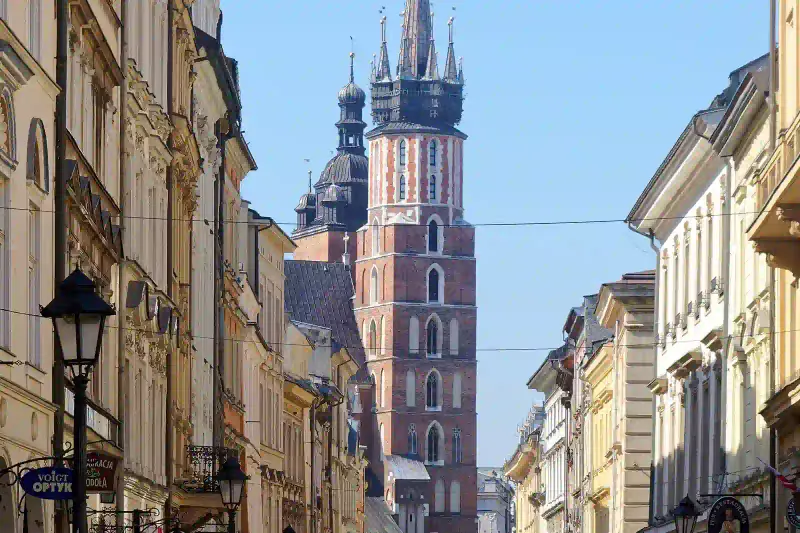 Is a guided walking tour of Krakow worth it?Go
Explore the decisions
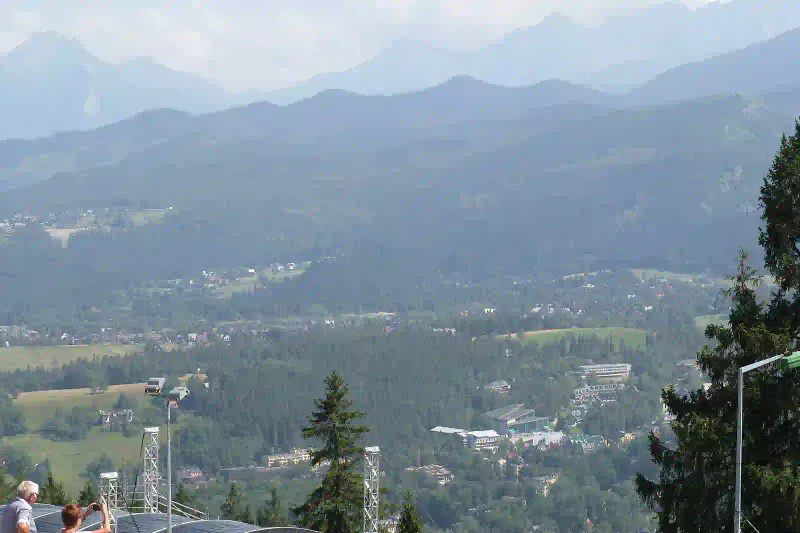 Is a Zakopane day trip from Krakow worth it?Go
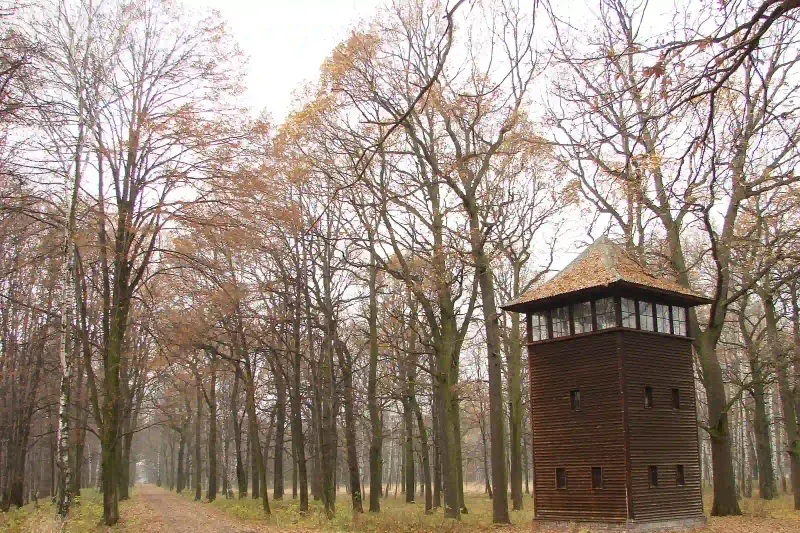 Is an Auschwitz day trip from Krakow worth it?Go
Explore the decisions
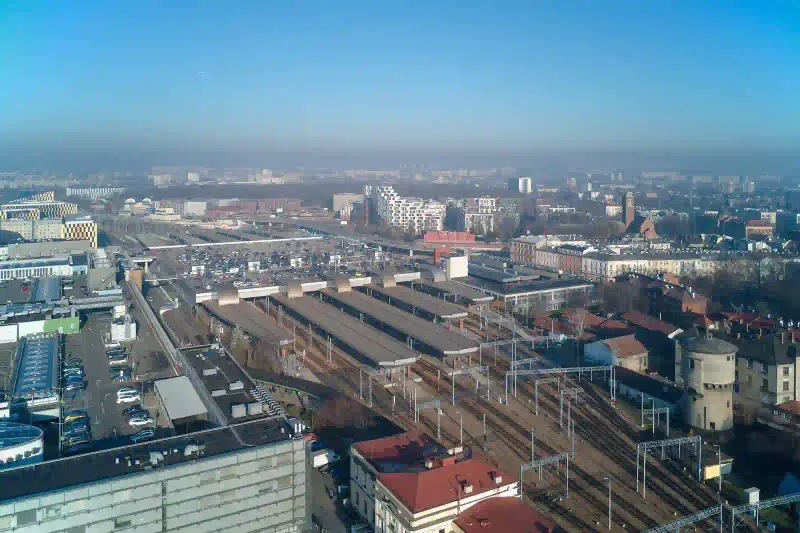 Krakow airport to the city: which way?Our pick: Train to Kraków Główny
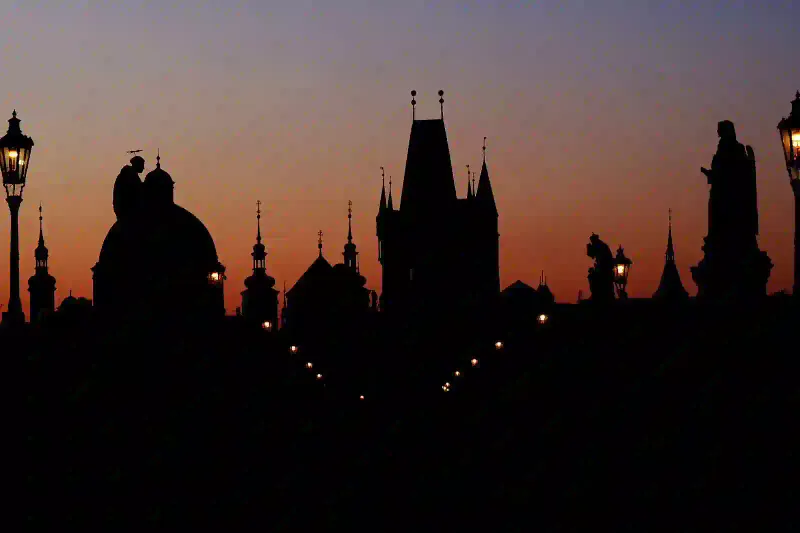 Krakow or Prague?Our pick: Krakow
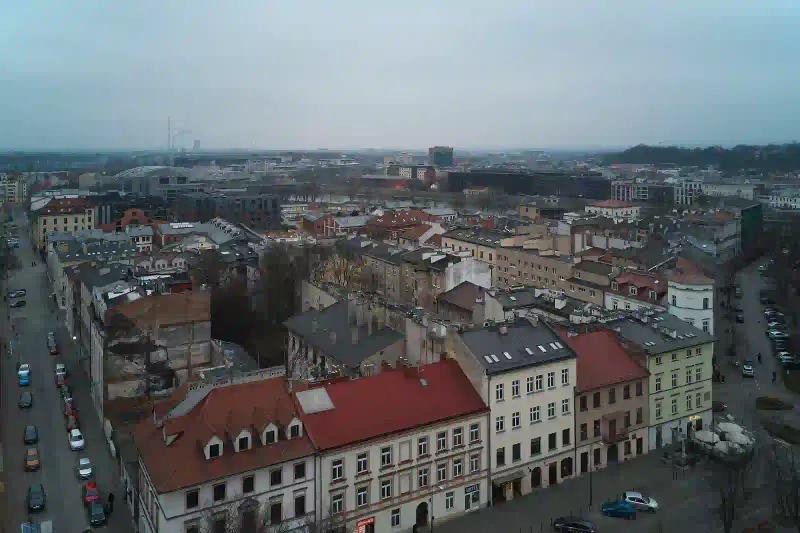 Where should you stay in Krakow?Our pick: Old Town (Stare Miasto)
Plan your Krakow trip
Where to stay
12 hotel picksLuxury, mid-range and budget, cross-checked against traveler reports
Getting there
Airport to city, priced outKrakow airport to the city: which way
Book a private transfer partner site
Tickets and passes
Krakow sightseeing passes1 verdict: does the card pay for itself
In pictures
an Auschwitz day trip from Krakow worth itKrakow airport to the city: which waythe Krakow Card worth itKrakow or Praguea guided walking tour of Krakow worth itSchindler's Factory museum worth itWawel Castle in Krakow worth itWhere should you stay in KrakowKeep exploring
Gear verdicts from our sister site, Real Buyer Experiences:


