

An 18th-century palazzo above the Spanish Steps with a courtyard, spa and one of the city's best rooftops; a splurge base for walking to the center.
Spanish Steps
Check rates on Expediapartner siteCity guide / Italy
Rome is several cities on the same ground: imperial ruins, Baroque piazzas and a loud modern capital. Our verdicts cover the Colosseum, the Vatican, passes, day trips and where to stay.
The review
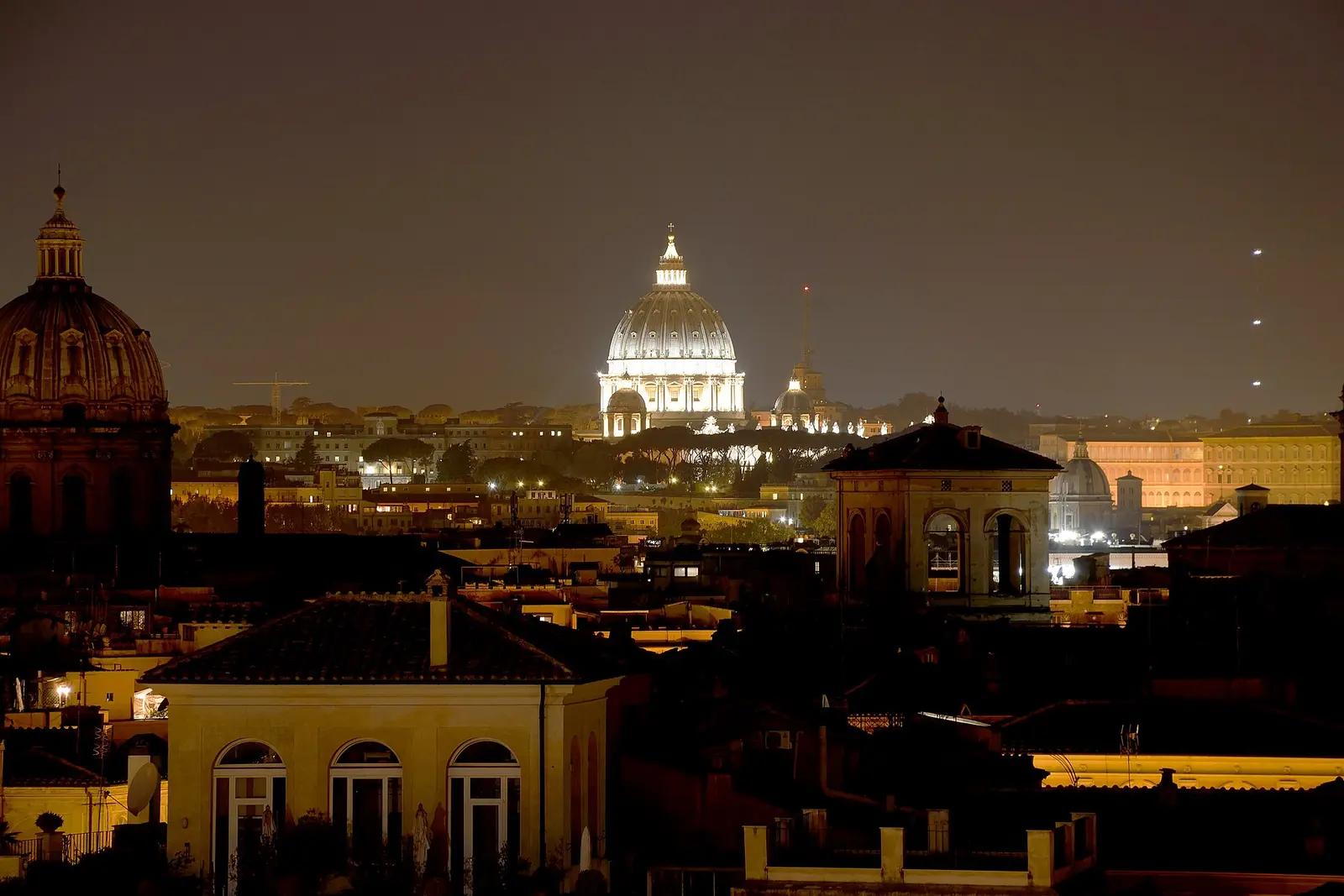
Rome rewards patience: ancient ruins, Baroque piazzas and long dinners, with crowds you plan around.
Rome is worth it for almost anyone who likes history, art or eating well, and it works best as a first big European city. Travelers describe a place that is big, messy and noisy, yet has something extraordinary around every corner, from the Colosseum to the Baroque piazzas.
The hard truth is the crowds and the logistics. Reports from 2025 and 2026 describe queues that wrap around the Vatican walls, official Colosseum tickets that vanish within minutes of release, a Trevi basin that now charges 2 euros, and summer heat that flattens even keen walkers. Some travelers leave tired and a little irritated, and writers who know both cities suggest Florence for a calmer second trip.
The fix is planning, not luck. Go in May, early June, late September or October, book timed entries as soon as they open, put the big sights in the morning, and keep afternoons for shade, lunch and quieter places such as the Capitoline Museums. Four or five days, a base in the historic center, Monti or Prati, and an evening walk with no agenda is the version of Rome that most travelers say they loved.
The long read
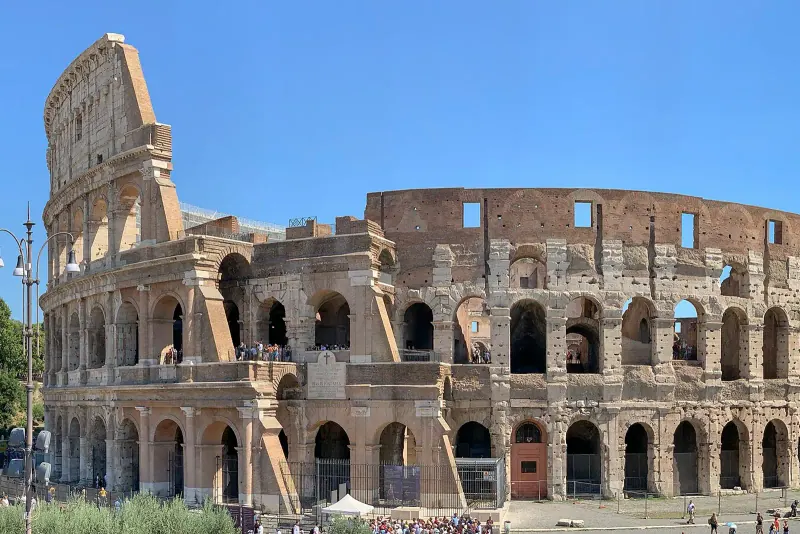
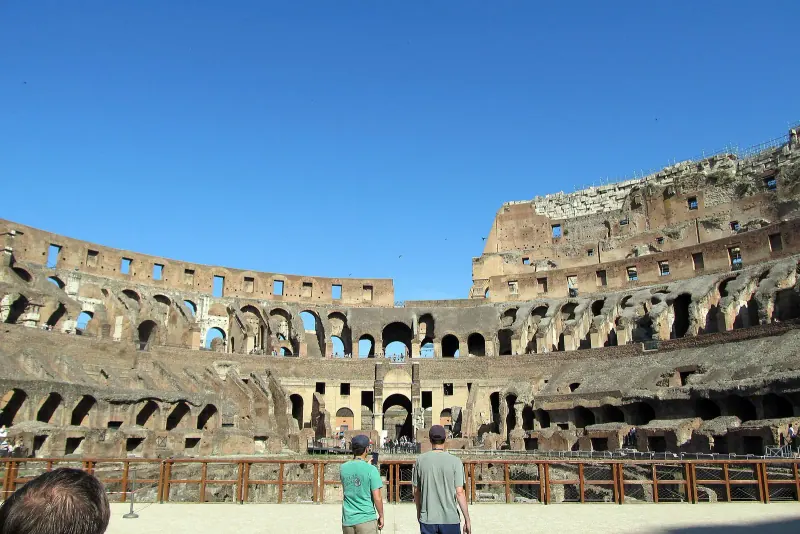
The Colosseum is the sight most travelers come for, and reactions are mostly strong. One visitor who arrived in February called it astonishing, and guided groups talk about the underground levels and the lift shafts as the part that finally explains how the games worked. A few travelers coming at the end of a long European trip say it felt slightly underwhelming after weeks of churches, though they were glad they went.
Getting in is the real work. The official 24-hour ticket covers the Colosseum, Forum and Palatine Hill, and sales open 30 days ahead. Rome's licensed guides said in April 2026 that tickets had been close to impossible to buy at release even in low season, so travelers set alarms for the release time, take a guided slot, or arrive at the booth early and accept a wait. Our Colosseum tickets verdict and the underground tour comparison go through the options.
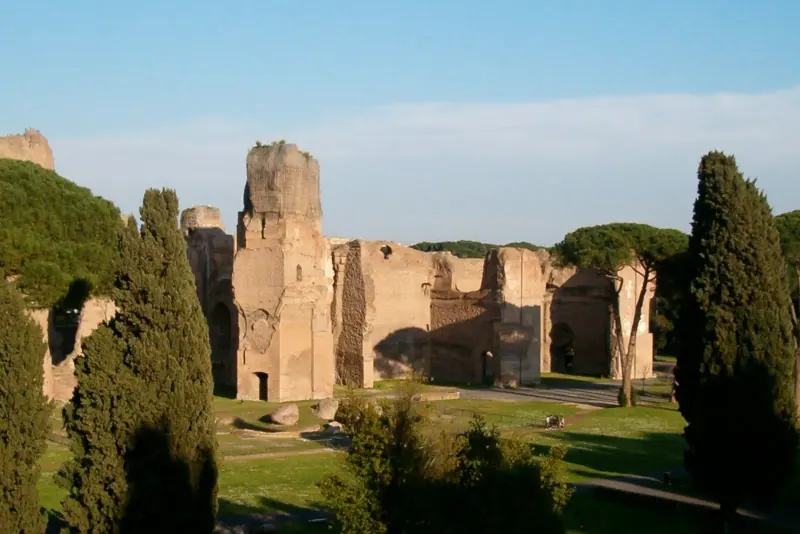
Plan the visit around weather and time of day. Reports describe the basic ticket with an audio guide in summer heat as the weakest way to see the ruins, and a rainy April visit as a slog. A guided tour, a morning start and a break in the shade of the Palatine make the same stones easier to read. For another ancient site, see the Baths of Caracalla verdict.
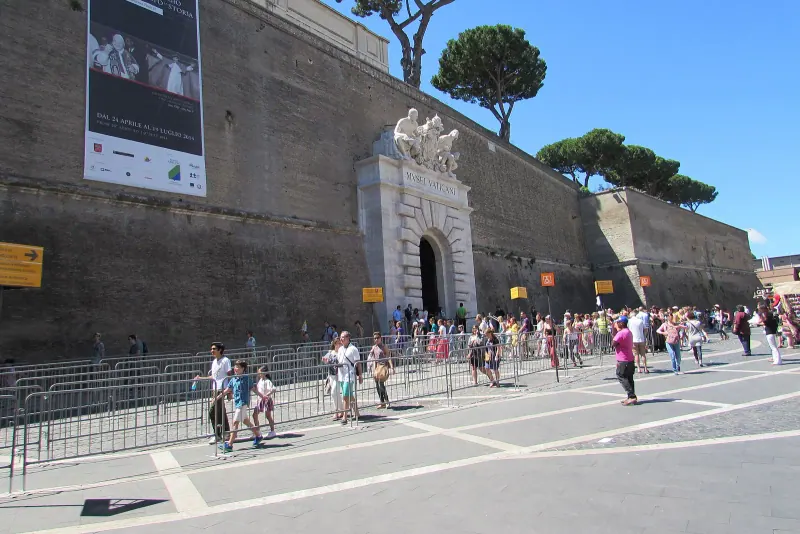
The Vatican Museums and the Sistine Chapel divide travelers more than any other stop. People who book a timed ticket or a guided early slot call it a highlight and walk past a queue that runs the length of the wall. Others report that even a 9:30 pre-booked slot meant countless tour groups and a packed chapel, and one summer visitor on a semi-private tour found no air conditioning and a long line anyway.
What helps is the earliest slot you can get and a guide who knows the quieter route. One early riser who queued at 7:30 for the 8:00 opening still took until 9:30 to get in, so arriving early without a ticket does not solve it. Pre-booking is what skips the street queue, and the official site is the safe place to buy. Our Vatican skip-the-line tickets verdict and early entry verdict compare the choices.
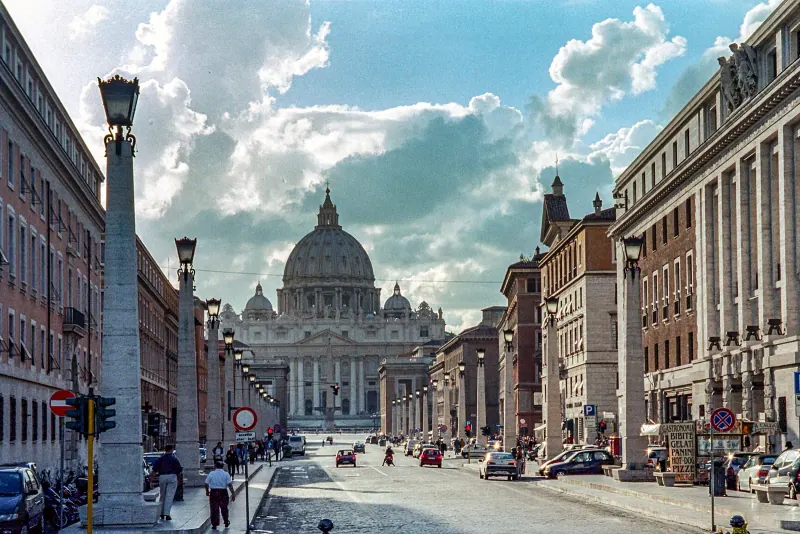
Treat the Vatican as a half-day, not a checklist. Pair it with St. Peter's Basilica the same morning, then cross the river for lunch and a quiet afternoon.
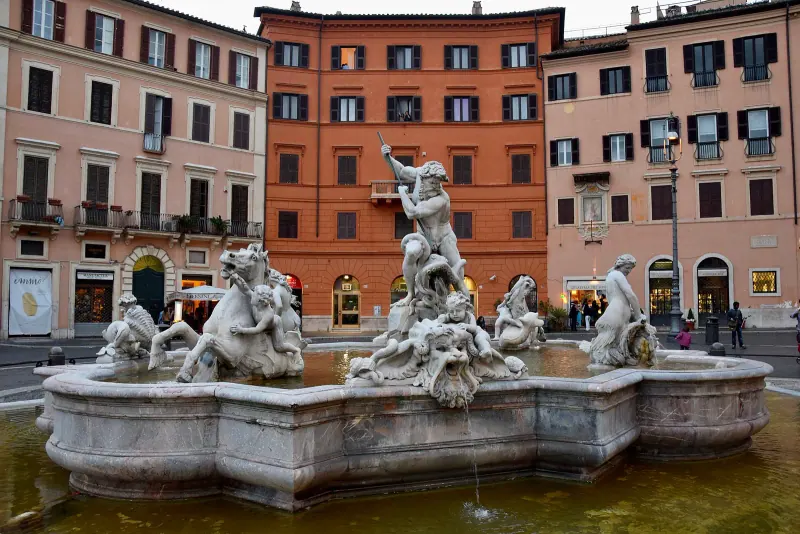
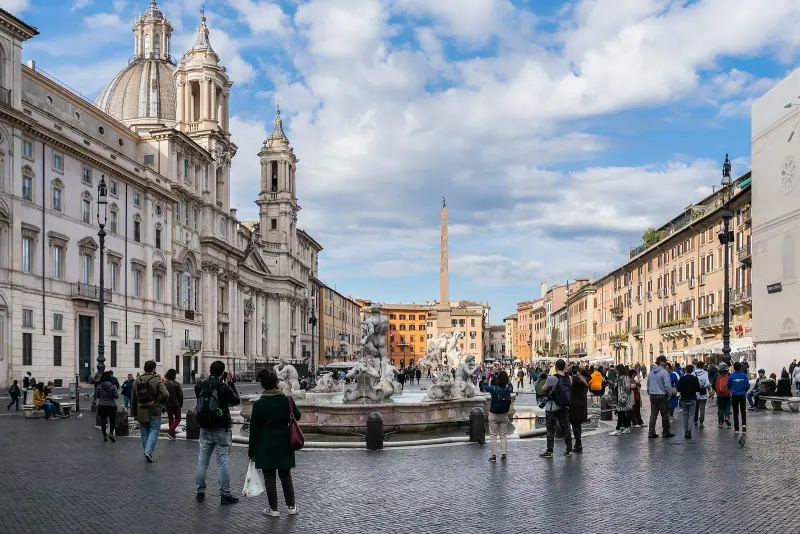
Rome is big and spread out, and a solo traveler found walking the best way to see the central sights. The historic center around Piazza Navona and the Pantheon suits first-timers for exactly that reason; the price is hotel cost and crowds.
Trastevere splits opinion: one couple spending 11 nights on a quiet street loved its lively, slightly gritty lanes, while residents found litter around Piazza Trilussa on a Saturday morning, and local police fined venues for noise this September. Our where to stay in Rome guide weighs each area, and the Rome food tour verdict and cooking class verdict cover eating with a guide.
Monti sits just above the Forum, Prati lies north of the Vatican, and the Termini area is handy for trains. Pick the area by what you will do each morning, since the big sights are spread across the city.
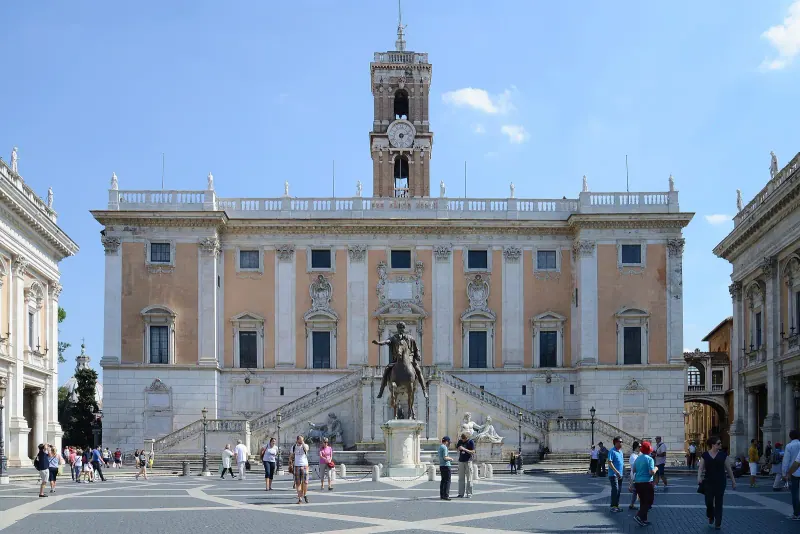
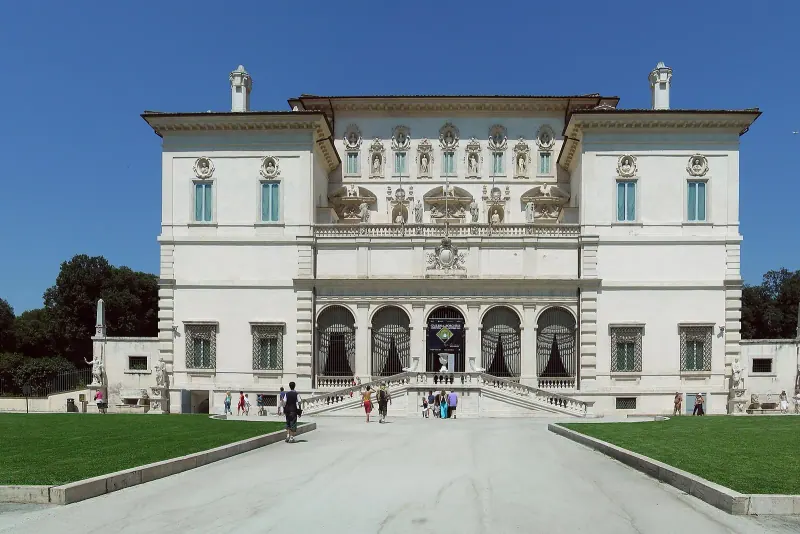
When the main sights wear you down, the second tier gives the trip some air. The Capitoline Museums sit above the Forum, and the Borghese Gallery needs a booked slot. A summer Baths of Caracalla visit and a day outside the city are other ways to step off the main circuit.
The Pantheon is the exception that proves the rule: one May report called it extremely crowded, so go early. See the Capitoline Museums verdict and the Borghese Gallery verdict.
A day outside the city breaks up the crowds. Ostia Antica is an ancient port town and Tivoli adds villa gardens and fountains. Pompeii is doable from Rome: a travel couple says it works if you accept roughly seventy minutes of train each way plus a local line to the ruins. See Ostia Antica, Tivoli and Pompeii from Rome.
The Amalfi Coast is the stretch. An Italy-based writer says the trip from Rome is possible but strongly recommends a tour, because public trains, buses and ferries take far longer. Writers who know both cities treat Florence as a separate stay. Compare them in Rome or Florence.
First-timers, couples and solo travelers report loving it, usually after lowering their expectations for calm. One traveler calls Rome big, messy and noisy but fascinating, a solo woman in early June felt safe on foot and on public transport with ordinary precautions, and a couple spent 11 nights enjoying the lively lanes of Trastevere.
Honeymooners and anyone sprinting through will hit the limits: a couple who crammed Rome into one Saturday described exhaustion and grime until an evening stroll rescued the day. Give the city four or five days, split the big sights over mornings, and it feels less like a checklist and more like a place.
The pitfalls
Rome's licensed guides said in April 2026 that official tickets were nearly impossible to buy at release, even in low season. A family that bought a tour from a seller outside the metro waited about an hour in the promised private line. Book on the official ticketing page when sales open 30 days ahead, or choose a reputable guided slot.
Travelers with 9:30 pre-booked slots still met countless tour groups, and one early riser queued at 7:30 for the 8:00 opening and got in at 9:30. A summer semi-private tour had a skip-the-line queue wrapped around the walls and no air conditioning inside. Book the earliest timed entry and buy from the Vatican site, not a lookalike seller.
The airport operator lists a fixed taxi fare of EUR 55 from Fiumicino to anywhere inside the Aurelian Walls. Confirm the fare and use the official taxi rank rather than anyone who approaches you in the terminal. The Leonardo Express train costs EUR 14 and takes 32 minutes to Termini.
A solo traveler who spent time in Rome in early June felt safe, with police visible, and named pickpocketing in Metro stations and at tourist sites as the main concern. Keep bags in front of you on crowded transit and around busy sights.
A summer Vatican Museums visitor met 98 F heat, a long line and no air conditioning inside, and a June traveler reported 85 to 93 F days. Start early, finish by early afternoon, carry water and plan a long lunch.
Residents who walked near Ponte Sisto and Piazza Trilussa early on a Saturday found streets covered in garbage after the night, though the author said this did not represent all of Trastevere. Police also fined venues more than 45,000 euros in September 2026 for loud music and tables spilling past permits. Light sleepers should choose a quieter area or a courtyard room.
A Rome resident notes that since timed Colosseum entry began, many city pass buyers who did not book the Colosseum immediately found no slots left. Buy the Colosseum slot first, then decide whether a transit pass helps.
When to go
Best time
May, early June, late September and October
Warm days with lighter crowds than July and August; a June traveler lists April to June and September to October as the pleasant, quieter months.
Peak season
July and August, plus Easter week
Heat reported above 35 C, packed queues at the Colosseum and Vatican, and higher hotel prices.
Shoulder season
March, April outside Easter, and November
Mild, sometimes rainy days. Reports from April describe rain turning the Colosseum into a slog, while crowds are still lighter than summer.
Off season
December to February
Cool, damp and short days, but the quietest and cheapest period. A January traveler found the sights nearly empty and a triple room cost about 155 euros a night against roughly 260 in early June.
May, early June, late September and October give warm days with lighter crowds than midsummer. July and August bring heat reported above 35 C and packed sights; Easter week is also very busy. January and February are the quietest and cheapest, with rain and short days.
Getting there and around
| Airport | Distance | To the centre | How |
|---|---|---|---|
| FCO Rome Fiumicino (Leonardo da Vinci) Airport | 30 km | about 32 min | Leonardo Express train to Termini EUR 14, 32 minutes, every 15 minutes; taxi fixed fare EUR 55 inside the Aurelian Walls. (source, checked Oct 2026) |
| CIA Rome Ciampino (G. B. Pastine) Airport | 15 km | about 45 min | Coaches by SIT, Terravision and Schiaffini to Termini, or ATAC bus 720 to Metro B Laurentina; taxis run on a city-set fixed fare for trips inside the Aurelian Walls, so confirm it at the rank. (source, checked Oct 2026) |
Most of central Rome is walkable, and a solo traveler found walking the best way to see the central sights. A single ticket (BIT) costs EUR 1.50 and is valid for 100 minutes; the Roma 24H pass is EUR 8.50, the 48H EUR 15 and the 72H EUR 22. Metro line A serves the Spanish Steps and the Vatican side, line B the Colosseum, and buses fill the gaps. A taxi from Fiumicino to anywhere inside the Aurelian Walls is a fixed EUR 55 per the airport operator, and Ciampino taxis also run on a city-set fixed fare you should confirm at the rank. See Fiumicino airport to Rome for the full comparison.
Where to stay
We earn a commission if you book through our links. It never changes a verdict. How this works
High-end stays whose guests report the setting and service earn the rate.
An 18th-century palazzo above the Spanish Steps with a courtyard, spa and one of the city's best rooftops; a splurge base for walking to the center.
Spanish Steps
Check rates on Expediapartner siteA long-standing five-star perched at the top of the Spanish Steps; guests praise the rooftop views, the rooftop restaurant and the spa.
Spanish Steps
Search Expedia for this hotelpartner siteA restored 18th-century palazzo with 96 rooms near Trevi and the Pantheon, a wellness focus, and a rooftop terrace guests rate highly.
Piazza di San Marcello, near Trevi
Search Expedia for this hotelpartner siteA design hotel with garden views toward Palazzo Borghese and a bar-restaurant serving Italian classics.
Campo Marzio, by Palazzo Borghese
Search Expedia for this hotelpartner siteThe comfortable middle: well placed, well run, priced for a normal trip.
Classic four-star between Termini and the forums; the reliable mid-range pick with a rooftop restaurant.
Via Nazionale, by Monti
Check rates on Expediapartner siteFamily-run boutique facing the Imperial Forums; small, personal and perfectly placed for ancient Rome on foot.
Monti
Check rates on Expediapartner siteA three-star in a restored 16th-century cloister with a garden courtyard and breakfast buffet; guests rate it very highly and it sits between Trastevere and Campo de' Fiori.
Trastevere, near Campo de' Fiori
Search Expedia for this hotelpartner siteBoutique hotel on Via Cicerone with a rooftop terrace; guests praise the breakfast, the bar and helpful staff, with many sights within walking distance.
Prati, near the Vatican
Search Expedia for this hotelpartner siteCheaper beds that travelers still rate well for location and cleanliness.
A long-running hostel with private rooms and a garden near Termini, known for solid reviews and an eco-minded approach.
Termini, Via Marghera
Search Expedia for this hotelpartner siteA small two-star near Castel Sant'Angelo and St. Peter's, praised for helpful staff and a quiet location at a modest price.
Prati, near Castel Sant'Angelo
Search Expedia for this hotelpartner siteA social hostel with private rooms and a bar a short walk from Termini; best for younger travelers who want company rather than quiet.
Termini, Via Palestro
Search Expedia for this hotelpartner siteA three-star in Trastevere with private bathrooms; recent guests mention a clean room and breakfast and a location close to the neighborhood's restaurants.
Trastevere
Search Expedia for this hotelpartner siteQuestions
Four to five days covers the Colosseum and Forum, a Vatican morning, the historic center and a food neighborhood without rushing. Add a day for Ostia Antica, Tivoli or Pompeii. One day is possible but travelers who tried it describe exhaustion.
May, early June, late September and October give pleasant weather with lighter crowds. July and August are hot and busy, and Easter week is a spike. January and February are quiet and cheaper, though cool and wet.
A solo woman in early June felt safe on foot and on public transport, with police visible. Pickpocketing is the main concern in Metro stations and at tourist sites, so use ordinary care and keep bags in front of you.
Yes. Colosseum sales open 30 days ahead and official tickets were reported close to impossible to buy at release, while Vatican queues are shortest with timed tickets or an early guided slot. Walk-up visitors report long waits.
Rome can work with children if you plan one or two big sights a day. Long queues, summer heat and cobbled walking tire small children, so book timed entries, start early, pick a central hotel and allow a midday rest.
The historic center around the Pantheon and Piazza Navona is the most walkable base for first-timers. Monti is close to the Colosseum, Prati sits near the Vatican, and Trastevere is lively but can be loud at night. The Termini area is handy for trains and often cheaper.
How this guide was written. We read 27 traveler reports about Rome published between Feb 2025 and Sep 2026, 7 of them mainly negative, and checked the facts against official sources in Oct 2026. Nobody on the team claims a visit; hotel picks are chosen from what guests report, never from what they pay us. How we judge.
Explore the decisions
 Are the Baths of Caracalla worth it?Go
 Are the Capitoline Museums worth it?Go
 Is a guided Colosseum tour worth it?It depends
 Is Castel Sant'Angelo worth it?Go
 Is the Borghese Gallery worth it?Go
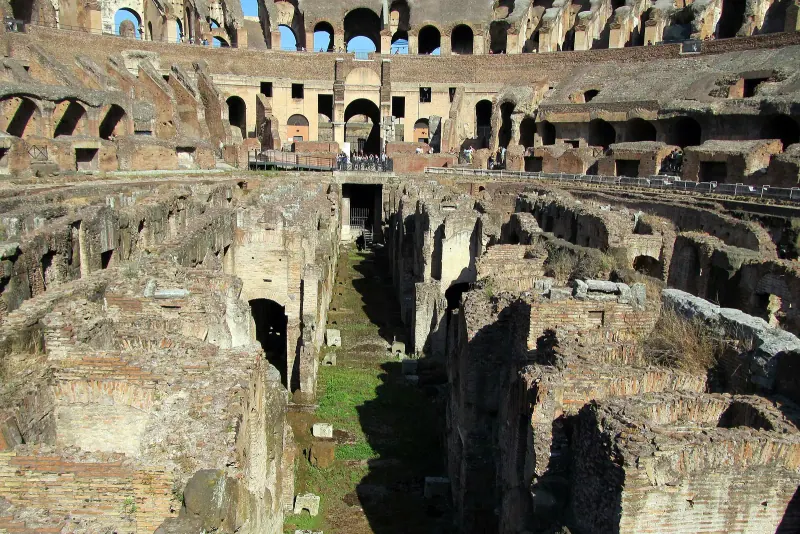 Is the Colosseum underground tour worth it?It depends
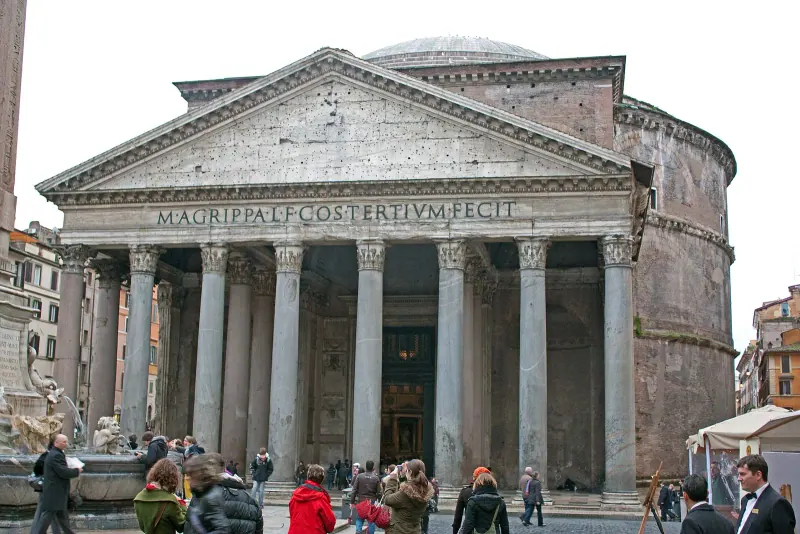 Is the Pantheon ticket worth it?Go
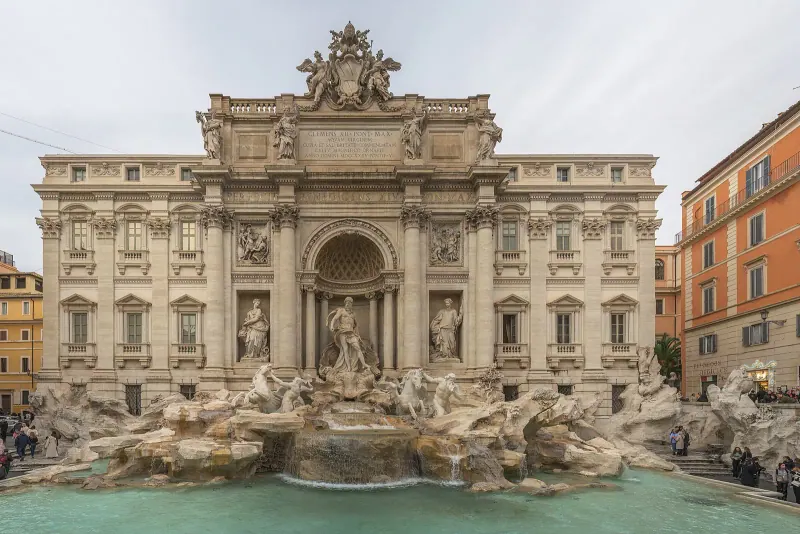 Is the Trevi Fountain worth it?Go
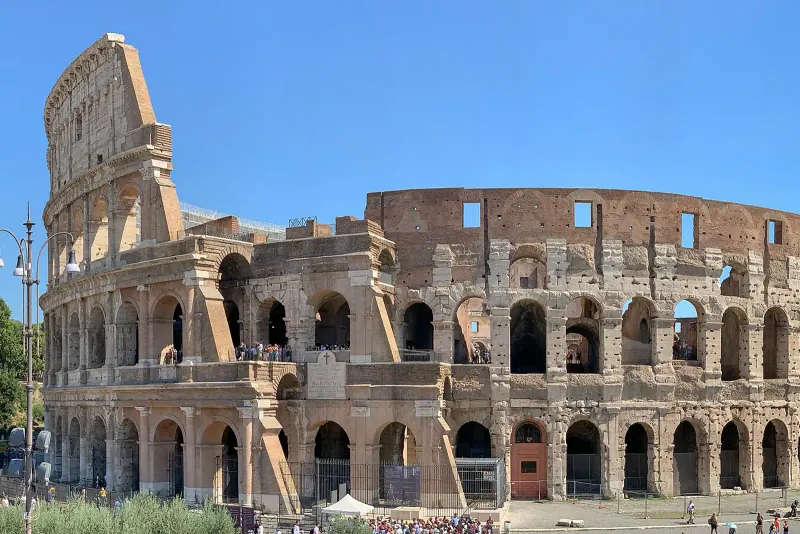 Which Colosseum ticket should you buy?Our pick: Full Experience Arena ticket
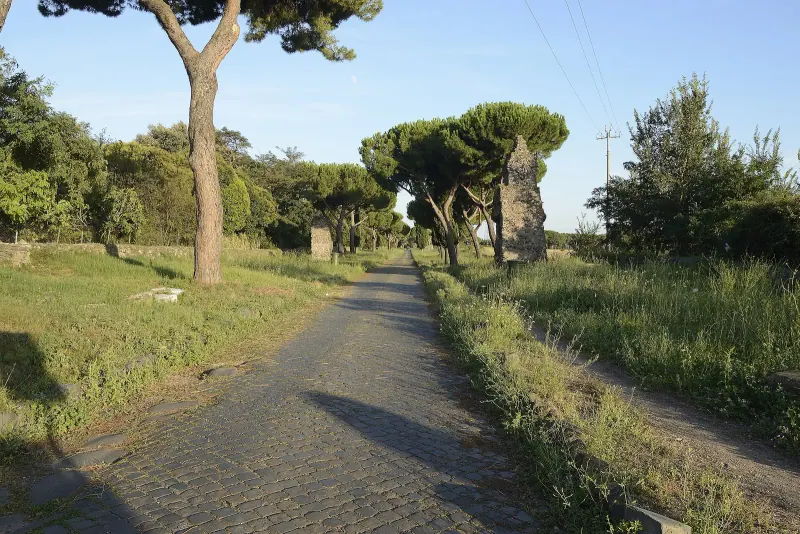 Which Rome catacomb should you visit?Our pick: Domitilla
Explore the decisions
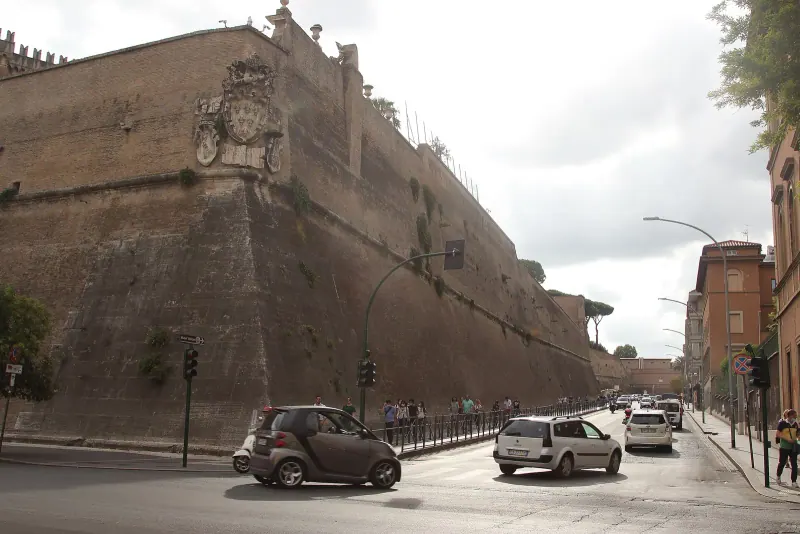 Are Vatican skip-the-line tickets worth it?Go
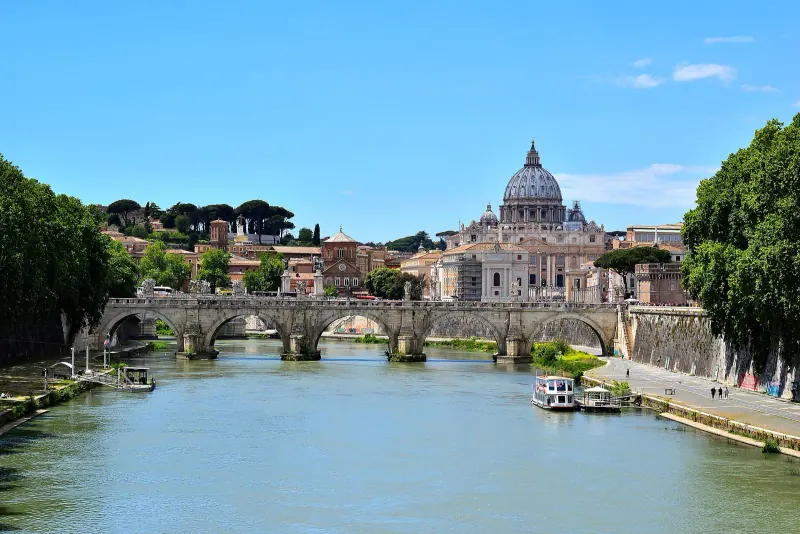 Is climbing St Peter's dome worth it?Go
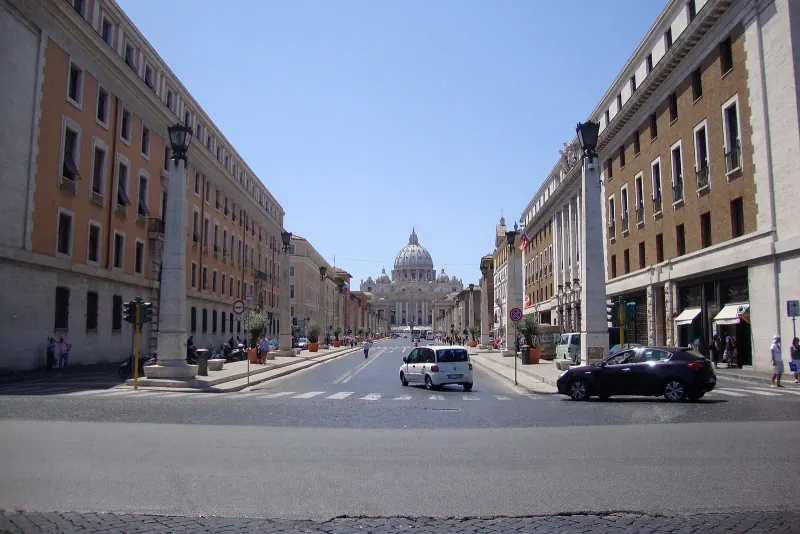 Is the Vatican Scavi tour worth it?It depends
 Is Vatican early entry worth it?It depends
 Vatican Museums: guided tour or on your own?Our pick: Self-guided with official ticket
Explore the decisions
 Roma Pass or Omnia Card: is either worth it?It depends
Explore the decisions
 Is a golf cart tour of Rome worth it?It depends
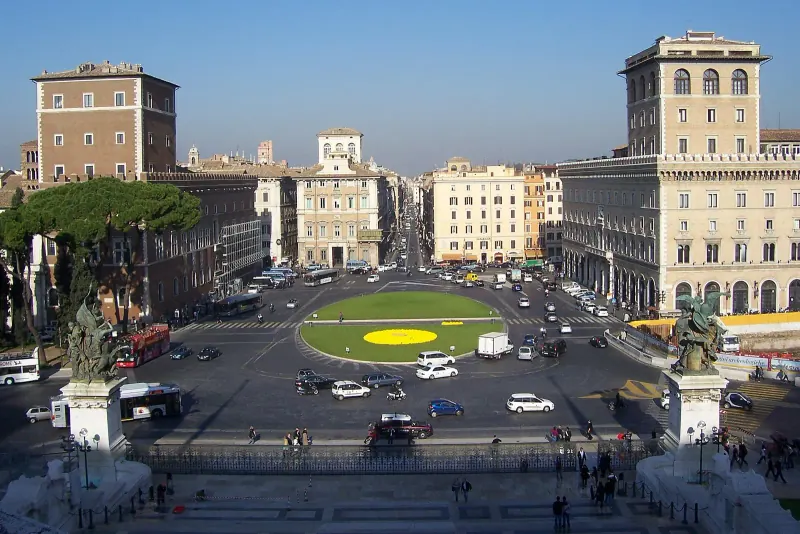 Is a hop-on hop-off bus worth it in Rome?It depends
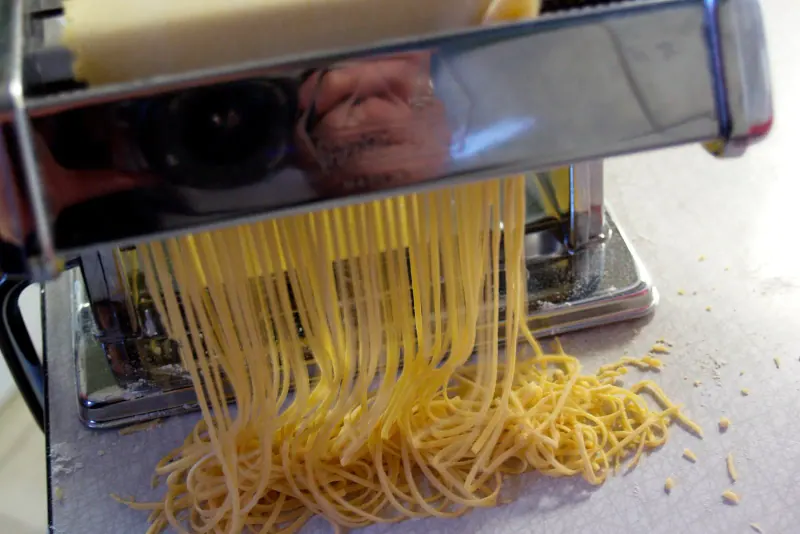 Is a Rome cooking class worth it?It depends
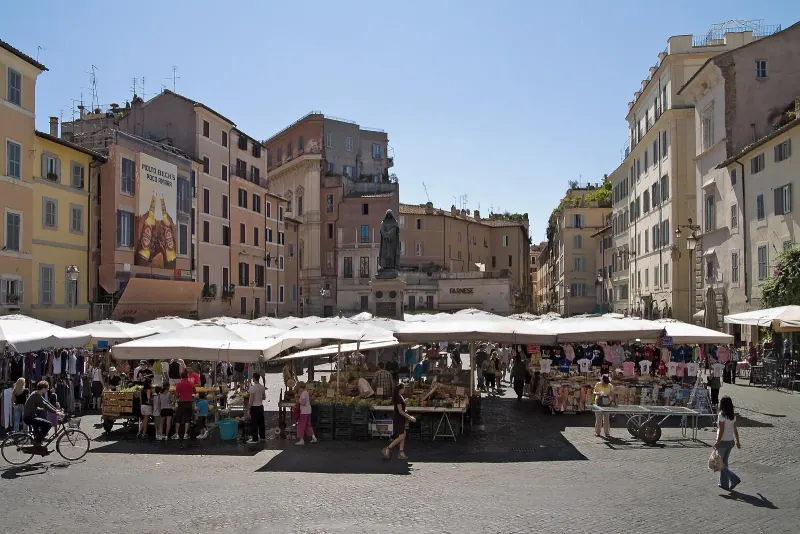 Is a Rome food tour worth it?Go
Explore the decisions
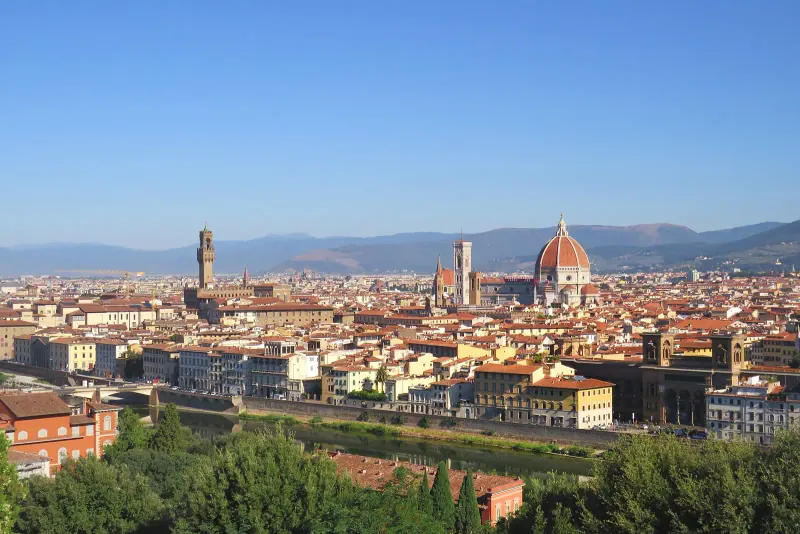 Is a Florence day trip from Rome worth it?It depends
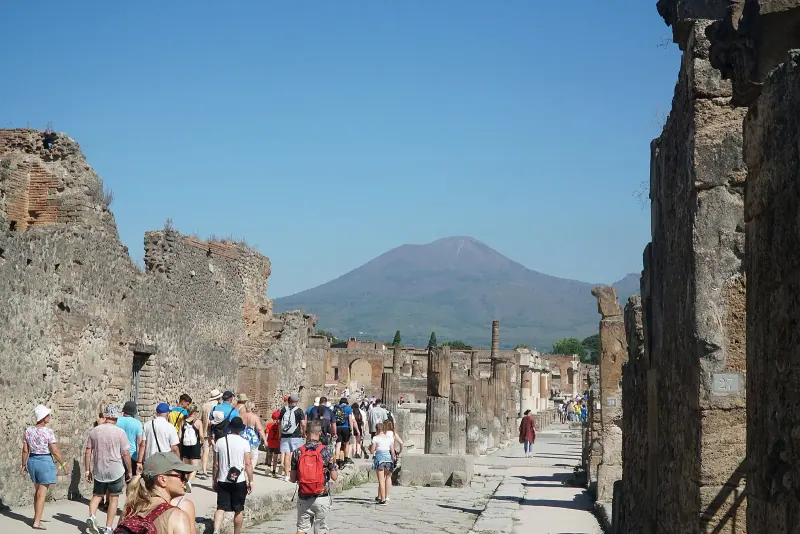 Is a Pompeii day trip from Rome worth it?It depends
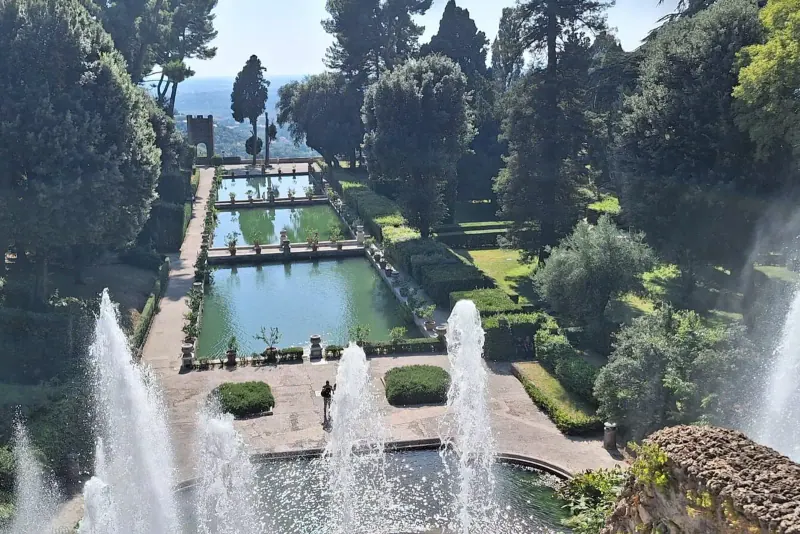 Is a Tivoli day trip from Rome worth it?It depends
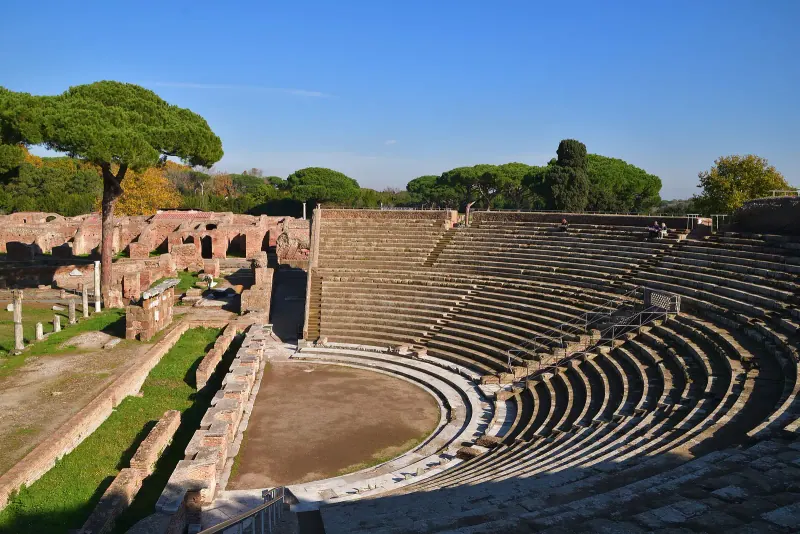 Is Ostia Antica worth it?Go
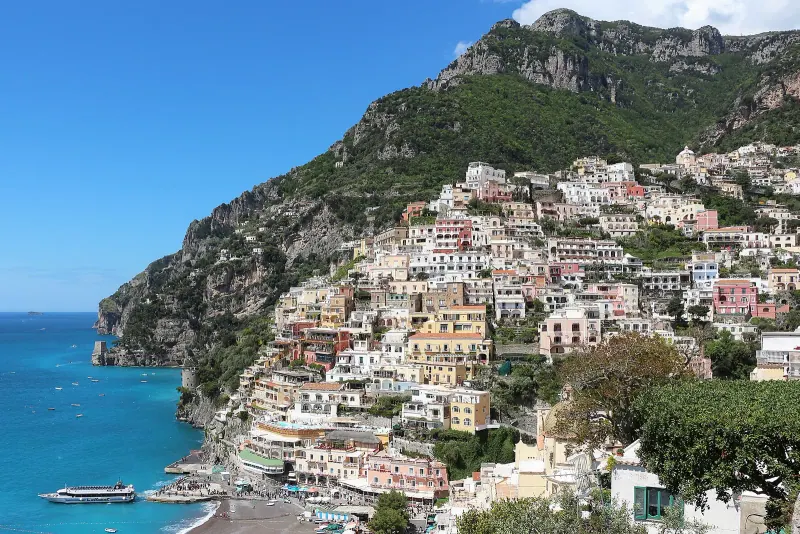 Is the Amalfi Coast worth it as a day trip from Rome?It depends
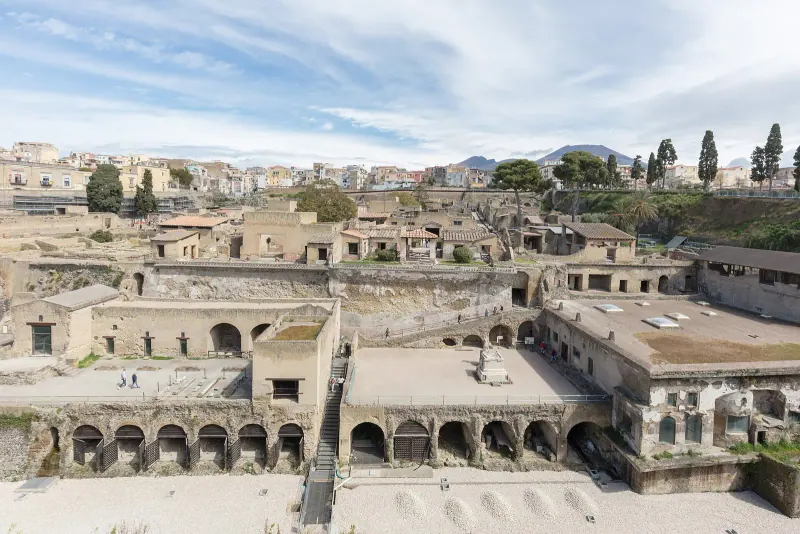 Pompeii or Herculaneum?Our pick: Pompeii
Explore the decisions
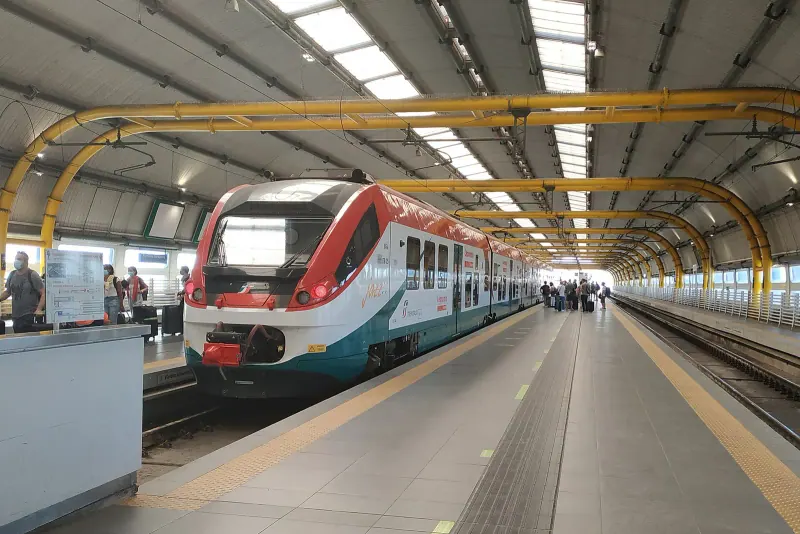 Fiumicino airport to central Rome: which way?Our pick: Leonardo Express train
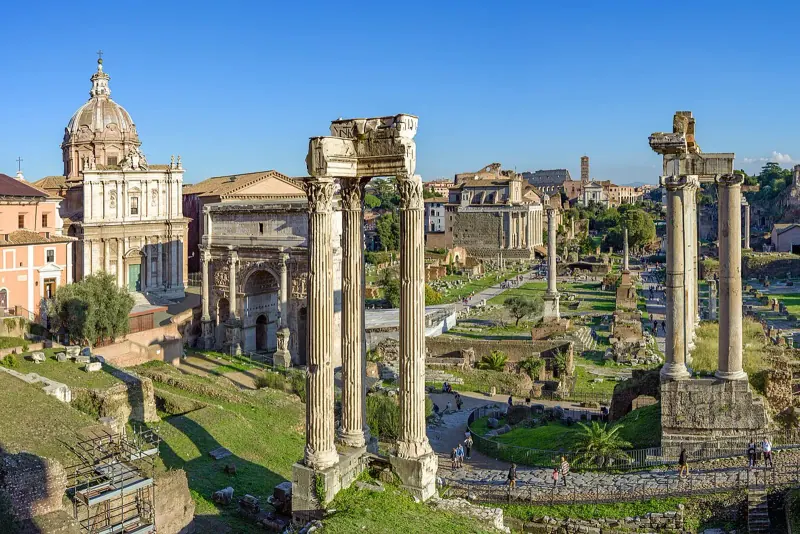 Is Rome worth visiting?Go
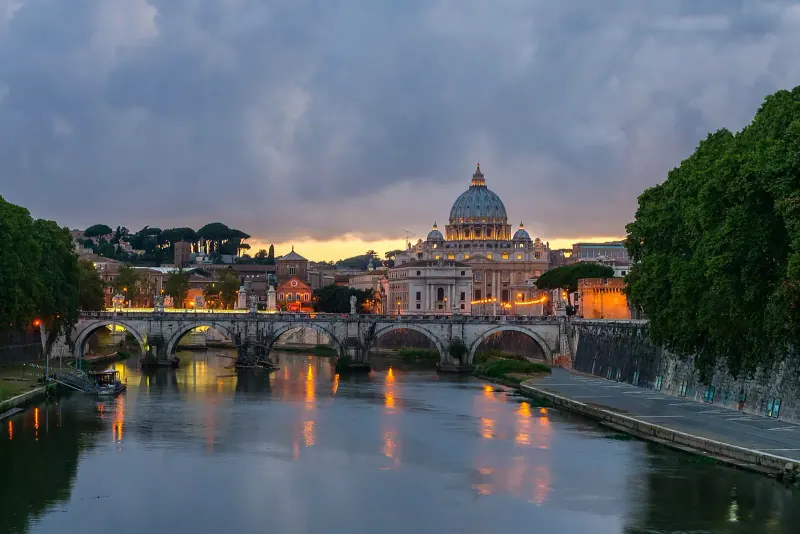 Rome or Florence?Our pick: Both cities by train
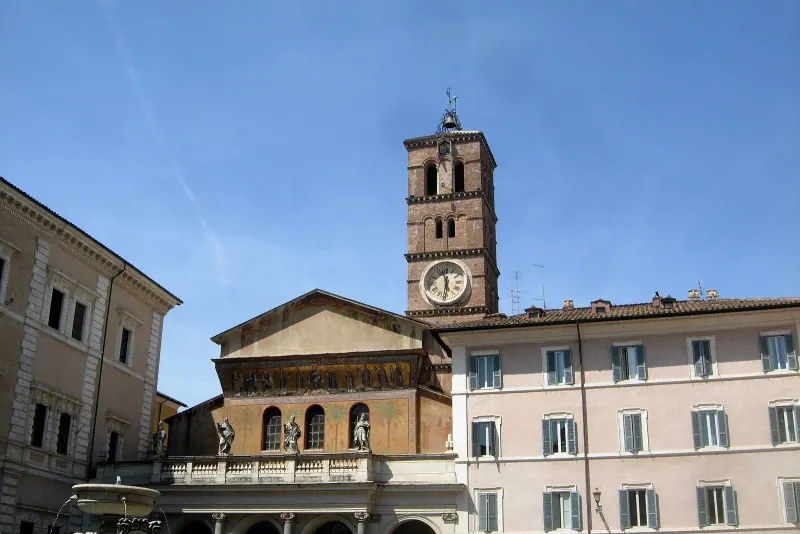 Where should you stay in Rome?Our pick: Centro Storico (Historic Center)
Plan your Rome trip
Where to stay
12 hotel picksLuxury, mid-range and budget, cross-checked against traveler reports
Getting there
Airport to city, priced outFiumicino airport to central Rome: which way
Book a private transfer partner site
Tickets and passes
Rome sightseeing passes1 verdict: does the card pay for itself
Avoid the traps
What to skip in RomeThe tickets, tours and trips most travelers can pass on
In pictures
the Amalfi Coast worth it as a day trip from Romethe Baths of Caracalla worth itthe Borghese Gallery worth itthe Capitoline Museums worth itCastel Sant'Angelo worth ita guided Colosseum tour worth itWhich Colosseum ticket should you buythe Colosseum underground tour worth itKeep exploring
Gear verdicts from our sister site, Real Buyer Experiences:


