Five-star hotel on Via Carlo Alberto, a short walk from Via Roma, Piazza San Carlo and the Egyptian Museum. Guests praise clean, well-furnished rooms; one mentions street noise.
Historic Centre
Search Expedia for this hotelpartner siteCity guide / Italy
Turin is Italy's most underrated big city. Our verdicts cover Alba, Egyptian Museum in Turin and Mole Antonelliana, the airport route and where to stay.
The review
Savoy arcades, a museum of Egyptian tombs, bicerin at dawn and the Alps at the end of the avenue, without the queues of Rome.
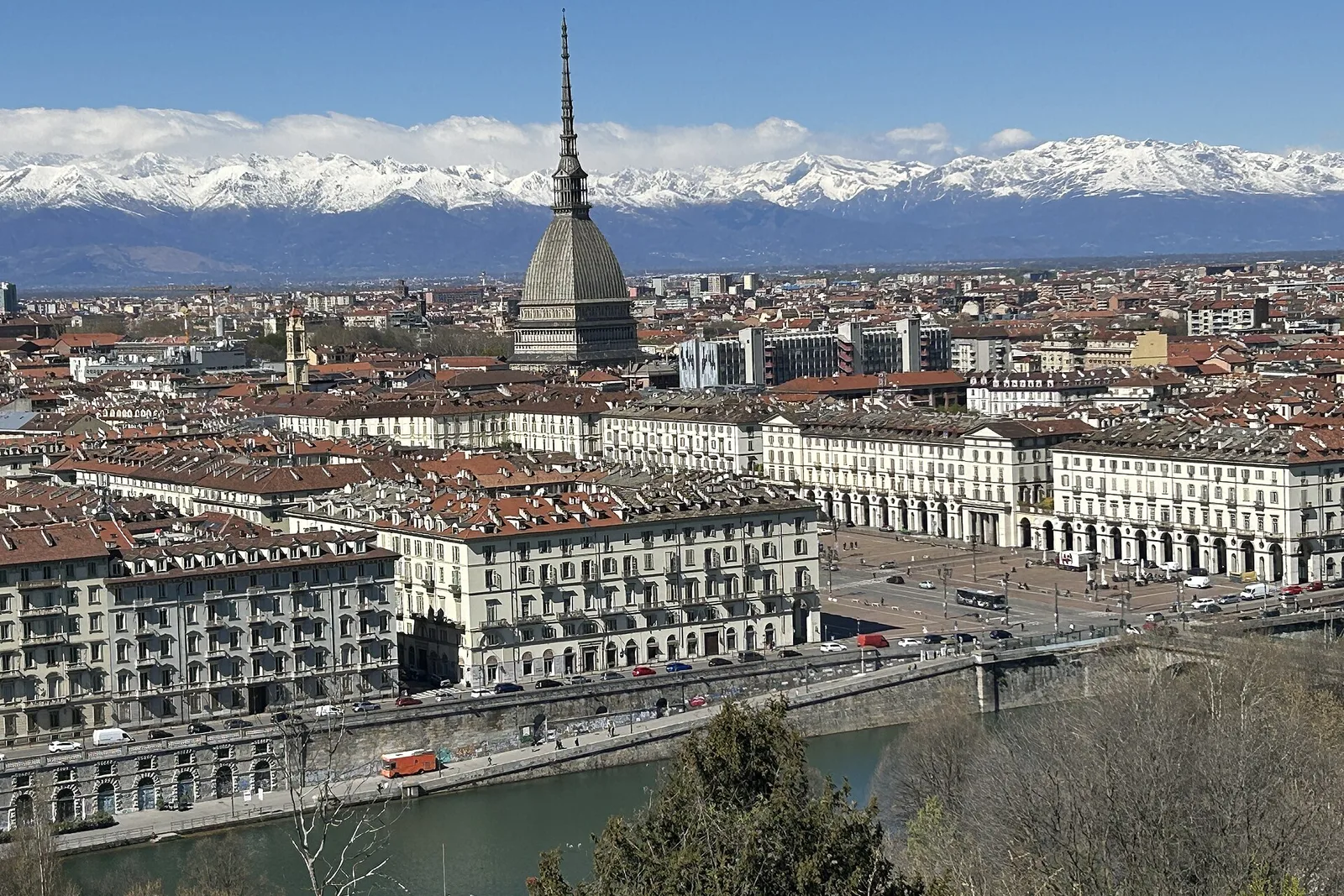
Turin is worth a trip for travelers who like museums, cafes and food more than a single famous photo. Reports describe a walkable baroque center under long arcades, an Egyptian collection that one local visitor ranks second only to Cairo, a cinema museum inside the Mole Antonelliana, and a food scene built on chocolate, vermouth and the truffle country around Alba. It suits second and third trips to Italy best, and it is far easier to book than Florence or Rome.
The hard truth is temperament and timing. Turin is formal and reserved rather than warm and theatrical, and writers say its sights are strong but spread across many modest stops. Grey and rainy days cut the view from the Mole and Superga, weekends crowd the Egyptian Museum, and several attractions close one weekday. Guides also warn that the center is a camera-enforced traffic zone and that some neighborhoods feel rough after dark.
The fix is simple. Give it two full days, book the Egyptian Museum and the Mole lift in advance, keep a weekday for the Royal Palace, and sleep in the walkable center. Add Alba on a regional train in autumn or the Superga rack tram on a clear morning. The Milan comparison helps if you are choosing between the two cities.
The long read
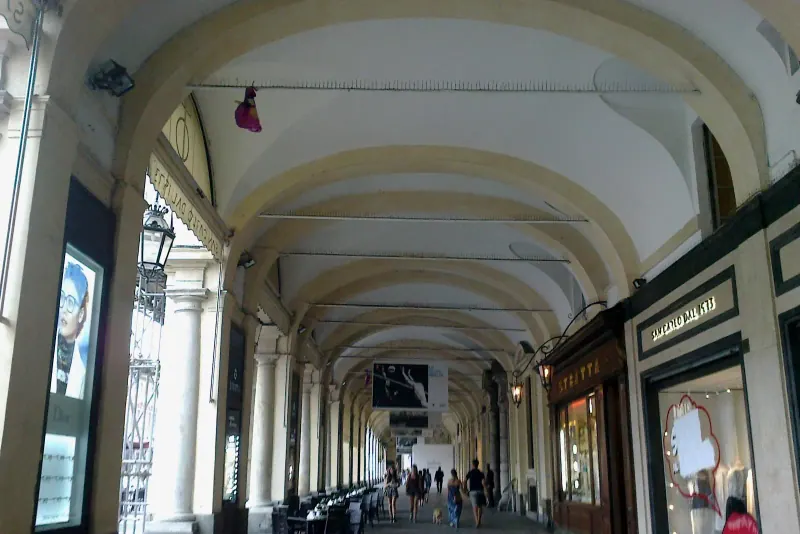
Turin is a city of straight lines. The Savoy kings laid out a grid of arcaded streets and big squares, and the Alps close the view at the end of many avenues. Travelers describe it as calm, polished and less touristy than Rome or Florence, a place that rewards walking and sitting in cafes rather than ticking off one monument.
The mood is reserved. Writers call it a destination for people on their second or third Italian trip, with less English spoken and a more local rhythm than the classic cities. That is a plus for many visitors and a letdown for those who expect Mediterranean theater.
The scale also helps. The historic center is compact, most sights sit within a short walk of Piazza Castello and Via Roma, and the hill sights sit just across the river. See our Turin or Milan verdict if you are weighing the two cities.
The Egyptian Museum is the reason many people come. One Turin resident ranks it second only to Cairo, and visitors describe rooms of everyday objects from the tombs, the Gallery of Kings and a tomb chapel that hold attention for hours. Visitors who read every caption spend about four hours there, and the weekend crowds can make the galleries hard to move through.
The Mole Antonelliana houses the National Cinema Museum, a dark, theatrical ramp of clips, posters and equipment. Many reports call it the most original museum stop in the city, though one visitor found the later floors thin on explanation. A glass lift rises through the central hall to a viewing terrace, and the lift slots sell out, so book ahead and hope for a clear day.
The Royal Palace is the third pillar. Visitors single out the Royal Armory, with more than 5,000 objects, as Turin's most underrated space, and the royal apartments as grand but heavily decorated. One visitor counts five museums on the single ticket, and the Royal Museums close on Wednesdays.
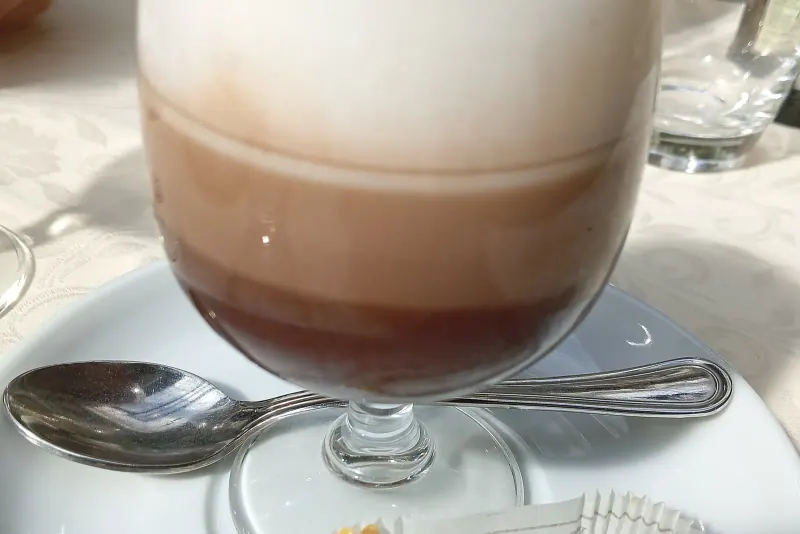
Turin is known for the bicerin, a layered drink of espresso, chocolate and cream served in its historic cafes. It pairs naturally with the chocolate stops below, and a cafe stop works best outside the busiest weekend hours.
The chocolate route is the sweet center of the city. Self-guided walks link artisan shops such as Gobino, Peyrano and Caffarel, and a small museum under a historic patisserie tells the story of gianduja, the hazelnut chocolate invented here. Visitors spend about an hour inside and enjoy the closing tasting.
The February CioccolaTo festival fills Piazza Vittorio Veneto with chocolate stands, and the 2027 edition runs from 10 to 14 February. Evenings belong to aperitivo in the Quadrilatero Romano and San Salvario, though guides warn that many kitchens close between lunch and dinner.
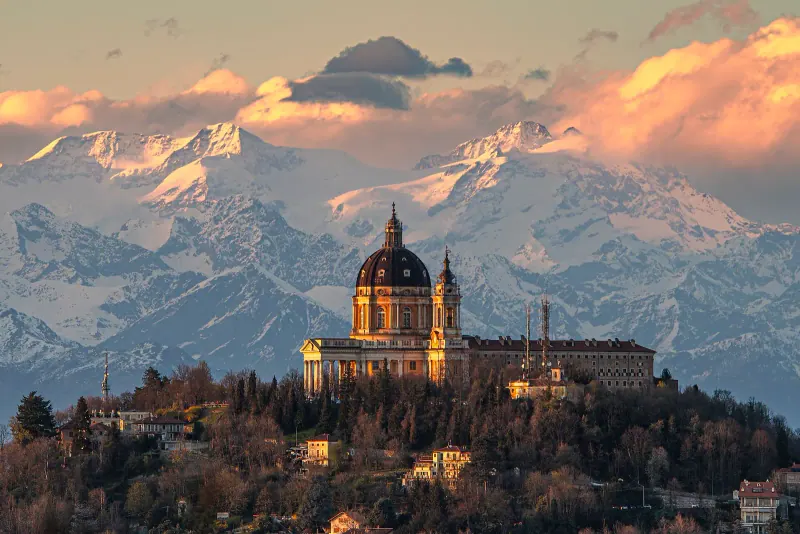
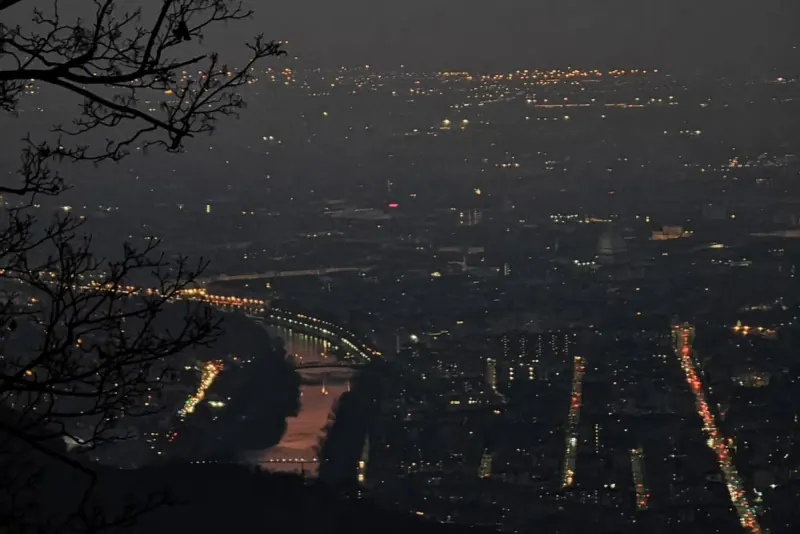
The Basilica of Superga sits on a hill east of the city. A 1934 rack tram climbs from Sassi station through the trees, and the terrace gives a wide view over the grid to the Alpine arc on a clear morning. Writers also describe the royal tombs and the Grande Torino memorial, and the operator's September 2026 notice lists Saturday service until 23:00.
The tram has its own ticket, so the city fare does not cover it. The operator's September 2026 notice says it does not run on Wednesdays. The dome climb is 131 steps, and the royal tombs are visited with a guided group.
Beyond the center, the royal residences such as Venaria Reale and Stupinigi reward a half day each. Travelers describe Venaria as large enough to justify a day, and the Piemonte card helps only if you stack several paid sights per day.
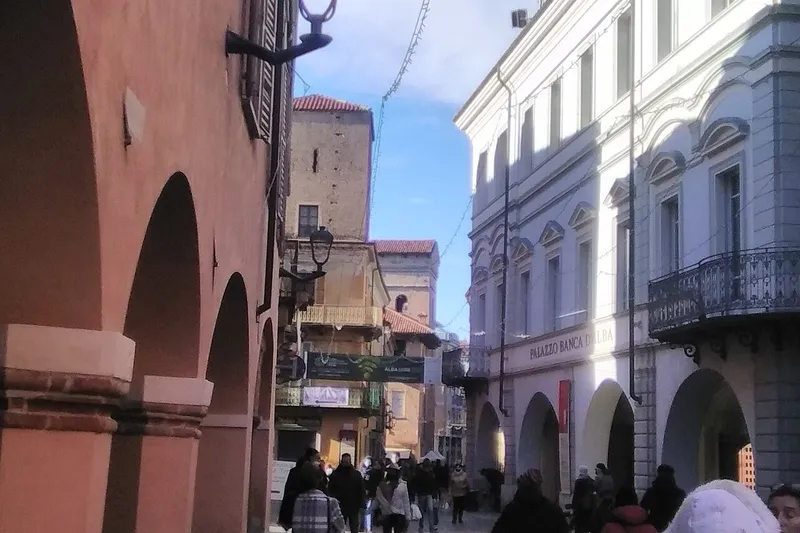
The Alba day trip is the classic Piedmont escape. A direct train from Turin reaches the small town, where towers, food shops and long lunches fill the day. Travelers who are not truffle fans still enjoy the stroll and call it a good base for a night or two.
The white truffle fair runs on weekends in autumn. Visitors describe a lively but manageable market, with smells that stay with you, free samples on the entry fee and a wine bar with no real queue. One reporter found the extras poor value, including a tasting, truffle shavings and a lunch outside town, so set a budget before you go.
A car helps for the Barolo and Barbaresco villages, and one writer who toured the Langhe by rental car calls Alba the regional capital. Without a car you can still see Alba, but heavy rain and a car-free stay left one forum poster wishing for more of the countryside.
Couples and food travelers get the most from Turin. Families find the rack tram and the cinema museum fun, though young children enjoy hands-on workshops more than the galleries. Solo travelers describe a safe, easy city with a strong cafe culture.
Most guides send first-time visitors to the historic center or the Quadrilatero Romano for atmosphere, to Crocetta for quiet elegant streets, and to San Salvario for nightlife. Local writers advise skipping Aurora and the Porta Palazzo strip at night. Our where to stay guide goes deeper.
Drivers should park outside the center. The restricted-traffic zone is camera enforced and fines follow rental cars automatically. Use the train for Alba and the airport, and keep the car for the hills and the Langhe only if you need it.
The pitfalls
A Turin resident found the Egyptian Museum so crowded on a Saturday that moving was hard, and the Mole lift slots can sell out quickly. Book timed tickets online, choose a weekday and allow a large block of time for the museum.
Several sights close one day a week, including the Royal Palace on Wednesdays, and the operator's notice says the Superga rack tram does not run on Wednesdays. Check each sight before you fix your two days.
The historic center is a camera-enforced restricted zone, and guides warn that central parking is scarce and costly. Fines follow rental cars automatically, so park outside the center or pick a hotel with confirmed parking and arrive by train.
Trains to Caselle airport were suspended from 16 June to 7 September 2025 for works, with replacement buses making the airport harder to reach. The last train from the airport leaves at 22:28 on weekdays per Trenitalia, so check the timetable before a late flight.
The Alba fair market opens only at weekends, and one visitor who arrived on a weekday found it closed. Another found the extras, including tastings and truffle shavings, poor value next to the cheap entry, so set a budget and go on a Saturday or Sunday.
One visitor booked the Mole terrace on a cloudy, rainy day and the view was severely limited. Keep the viewpoints flexible and pick clear mornings.
A worth-it review finds the card pays off only above two paid sights a day. Add up your planned entries before buying, and skip it on a slow two-day visit.
A local-written guide advises avoiding Aurora and the Porta Palazzo strip at night and skipping San Salvario with a family. Check the floor and lift details of any rental before booking.
When to go
Best time
April to June and September
Mild, clear days suit the viewpoints and the long walks under the arcades, and reservations stay easy. Reports describe pleasant weather and fewer visitors than in the classic Italian cities.
Shoulder season
October and November
Truffle season brings the Alba fair on weekends, the days shorten and fog starts to appear. Writers describe lively markets and food-focused trips with cooler weather.
Off season
December to March
Cold and often foggy, but museum lines are shorter and the lights, markets and chocolate events keep the center busy. Travelers describe a quieter, indoor trip built around museums and cafes.
April to June and September to early November are the best windows, with truffle season and the start of the Luci d'Artista light show in October. August is hot and quiet, and winter brings fog but also the lights and shorter museum lines. Check weekday closures for the sights you want.
Getting there and around
| Airport | Distance | To the centre | How |
|---|---|---|---|
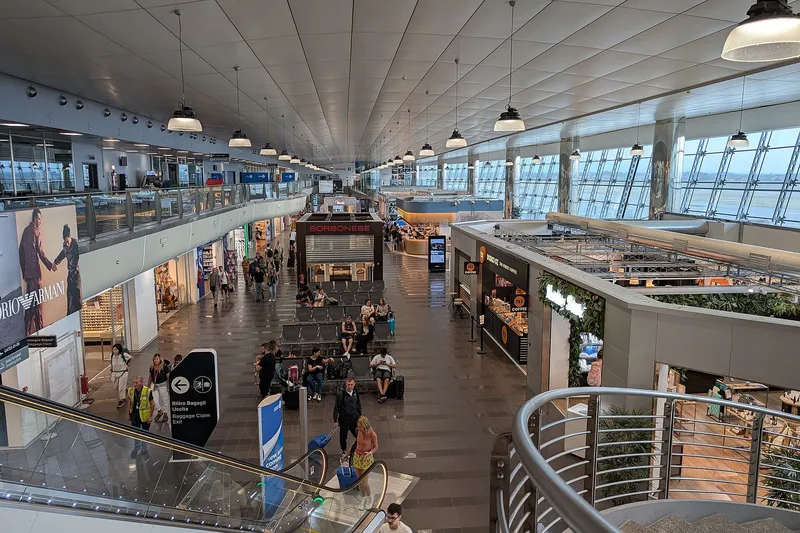
| TRN Turin Airport (Sandro Pertini, Caselle) | 16 km | about 30 min | Train to Porta Susa in about 30 minutes, EUR 3.70, every 30 minutes on weekdays; the last train from the airport leaves at 22:28. Check the timetable on the day, as the last train time can differ on third-party sites. (source, checked Oct 2026) |
| MXP Milan Malpensa Airport | 130 km | about 120 min | Direct coach to Turin takes about 2 hours to Lingotto and 1 hour 45 to Porta Susa, with fares from EUR 18 per the operator. Its page says every 30 minutes but the listed timetable shows about a dozen departures a day, so check it before booking a Malpensa flight. (source, checked Oct 2026) |
Walk the center under the arcades and use trams, buses and the single metro line for the rest. The Caselle airport train to Porta Susa costs EUR 3.70 per Trenitalia and the airport guide compares the bus. A city urban ticket does not cover the Superga rack tram, which is sold separately.
Where to stay
We earn a commission if you book through our links. It never changes a verdict. How this works
High-end stays whose guests report the setting and service earn the rate.
Five-star hotel on Via Carlo Alberto, a short walk from Via Roma, Piazza San Carlo and the Egyptian Museum. Guests praise clean, well-furnished rooms; one mentions street noise.
Historic Centre
Search Expedia for this hotelpartner siteGrande dame from the 1930s just off Via Roma with marble halls and a spa; the traditional Savoy-style stay in the heart of the grid.
Centro Storico
Search Expedia for this hotelpartner siteFive-star on Via dell'Arcivescovado with an excellent walking location; a stay review calls it comfortable and reliable for a city break.
Historic Centre
Search Expedia for this hotelpartner siteFour-star Art Deco heritage hotel on Via Sacchi opposite Porta Nuova station, the top pick below the five-star tier for travelers who want grand rooms and easy trains; guests praise helpful staff and clean rooms.
Porta Nuova
Search Expedia for this hotelpartner siteThe comfortable middle: well placed, well run, priced for a normal trip.
Boutique-styled four-star on Via XX Settembre, steps from Piazza Castello and the Royal Palace.
Centro Storico
Search Expedia for this hotelpartner siteCourtyard palazzo with garden and library; one review reports never needing a bus because the river, the cinema museum and the palace are within walking distance.
Centro Storico
Search Expedia for this hotelpartner siteFour-star suites on Corso Massimo d'Azeglio with a full spa and espresso makers in rooms; guests rate it highly for space and quiet near Parco del Valentino.
San Salvario
Search Expedia for this hotelpartner siteFour-star on Via Nino Costa about five minutes from Via Roma and six from the Egyptian Museum, with an outdoor pool and a restaurant.
Centro Storico
Search Expedia for this hotelpartner siteCheaper beds that travelers still rate well for location and cleanliness.
A small hostel with private family rooms and dorms, each with its own bathroom, about nine minutes on foot from Porta Nuova and six from Parco del Valentino; breakfast costs extra.
San Salvario, Via Silvio Pellico
Search Expedia for this hotelpartner siteQuiet, clean hotel in Crocetta about ten minutes on foot from Porta Nuova; guests describe the street as safe and calm.
Crocetta
Search Expedia for this hotelpartner siteThree-star in San Salvario with refreshed room decor and friendly staff; handy for nightlife, restaurants and the station.
San Salvario
Search Expedia for this hotelpartner siteThree-star described by guests as clean, quiet and affordable, with a buffet breakfast and Wi-Fi included; a calm base near the park.
Via Giotto, near Parco del Valentino
Search Expedia for this hotelpartner siteQuestions
Two full days cover the Egyptian Museum, the Mole Antonelliana, the Royal Palace and the cafe route. Add a third day for Alba, Superga or the royal residences, or a fourth if you want both a food day trip and a hill day.
Reports call Turin less costly than Milan and cheaper than the classic Italian cities, with strong value in food and cafes. Museum entries add up, so total the sights you plan before deciding whether the Piemonte card is worth it.
Travelers who prefer atmosphere, food and museums choose Turin, while those who want the Duomo and a bigger-city feel choose Milan. The trains between them run often, so many people see Turin on a two-day add-on. Our Turin or Milan page has the full comparison.
Reports describe the center and Crocetta as calm and safe, with more caution advised at night in Aurora and around Porta Palazzo. Usual city habits apply: watch bags on crowded trams and in markets.
No. The center is walkable, public transport covers the hills and the airport, and the restricted-traffic zone makes driving a risk. Rent a car only for the Barolo and Barbaresco villages, and park outside the center.
The historic center or the Quadrilatero Romano suits first visits, with the main sights on foot. Crocetta is quieter and elegant, and San Salvario is best for nightlife. Compare options in our where to stay guide.
How this guide was written. We read 29 traveler reports about Turin published between Feb 2025 and Sep 2026, 2 of them mainly negative, and checked the facts against official sources in Oct 2026. Nobody on the team claims a visit; hotel picks are chosen from what guests report, never from what they pay us. How we judge.
Explore the decisions
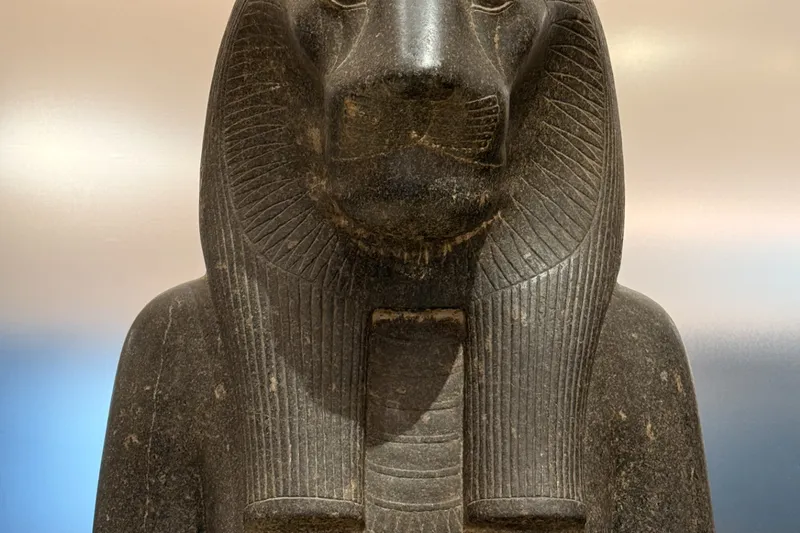 Is the Egyptian Museum in Turin worth it?Go
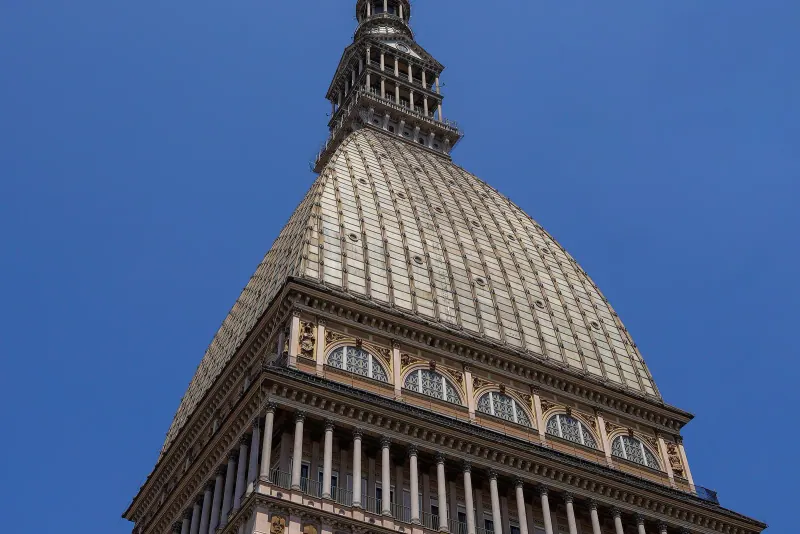 Is the Mole Antonelliana worth it?Go
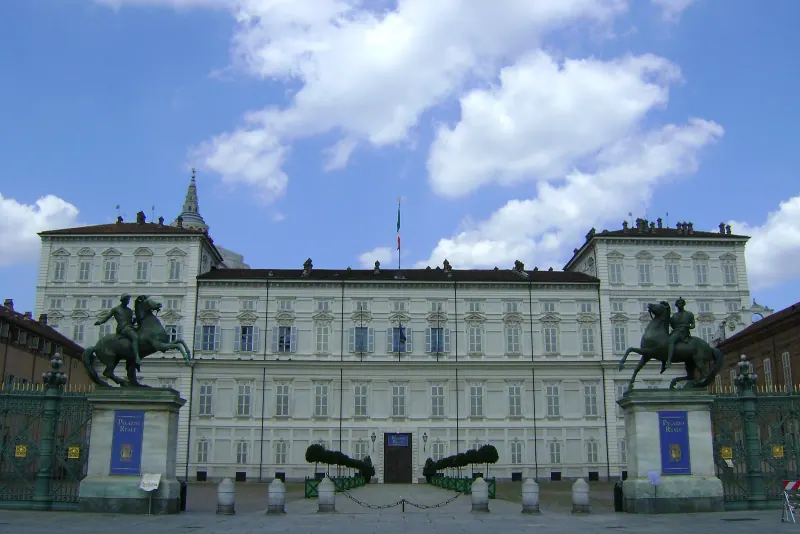 Is the Royal Palace of Turin worth it?Go
Explore the decisions
 Is the Torino+Piemonte Card worth it?It depends
Explore the decisions
 Is a chocolate tour in Turin worth it?It depends
Explore the decisions
 Is an Alba day trip from Turin worth it?Go
 Is the Superga Basilica worth the trip up?Go
Explore the decisions
 Turin airport to the city: which way?Our pick: Airport train to Porta Susa
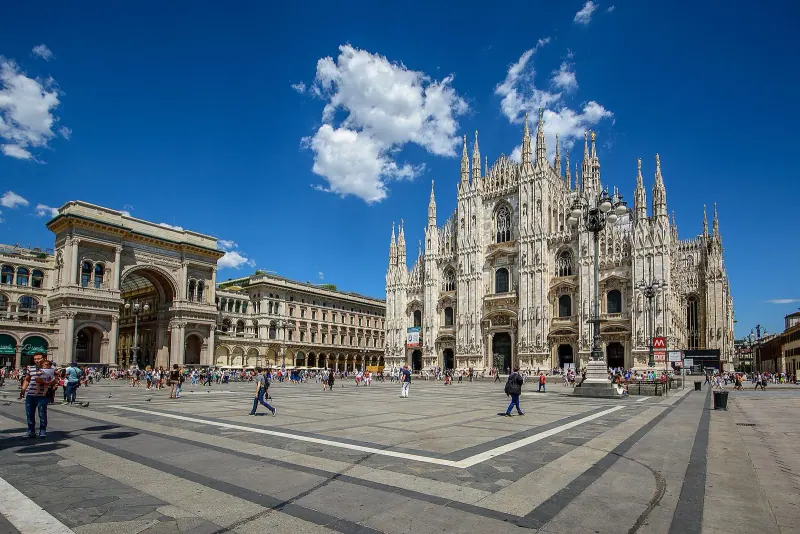 Turin or Milan?Our pick: Turin
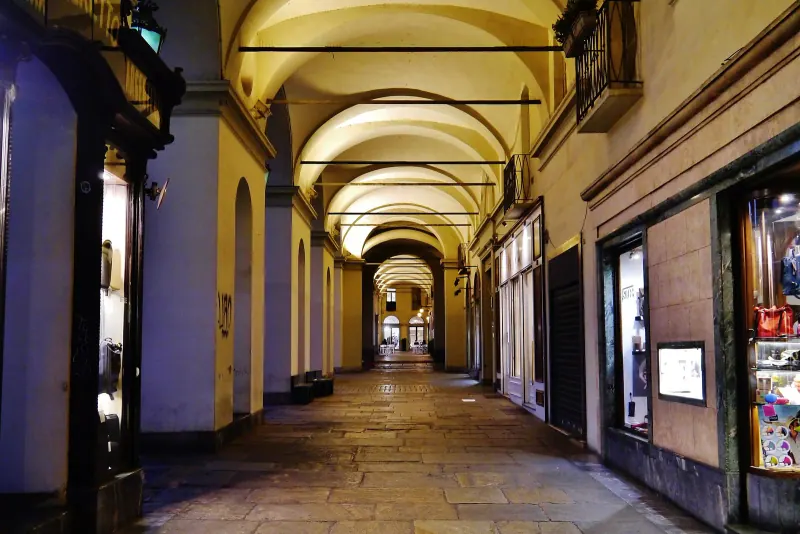 Where should you stay in Turin?Our pick: Centro Storico
Plan your Turin trip
Where to stay
12 hotel picksLuxury, mid-range and budget, cross-checked against traveler reports
Getting there
Airport to city, priced outTurin airport to the city: which way
Book a private transfer partner site
Tickets and passes
Turin sightseeing passes1 verdict: does the card pay for itself
Ski resorts
In pictures
an Alba day trip from Turin worth itthe Egyptian Museum in Turin worth itthe Mole Antonelliana worth itthe Torino+Piemonte Card worth itthe Royal Palace of Turin worth itthe Superga Basilica worth the trip upTurin airport to the city: which waya chocolate tour in Turin worth itKeep exploring
Gear verdicts from our sister site, Real Buyer Experiences: