


Five-star hotel on the river between Tate Modern and the London Eye; the splurge base for South Bank walks.
South Bank
Check rates on Expediapartner siteCity guide / England
London is worth it for what is free: world-class museums, big parks and Sky Garden. Book the one or two paid sights you want, pick your base with care, and give it four to five days.
The review
London rewards a slow plan: free museums and views, one big sight a day, and a base chosen with care.
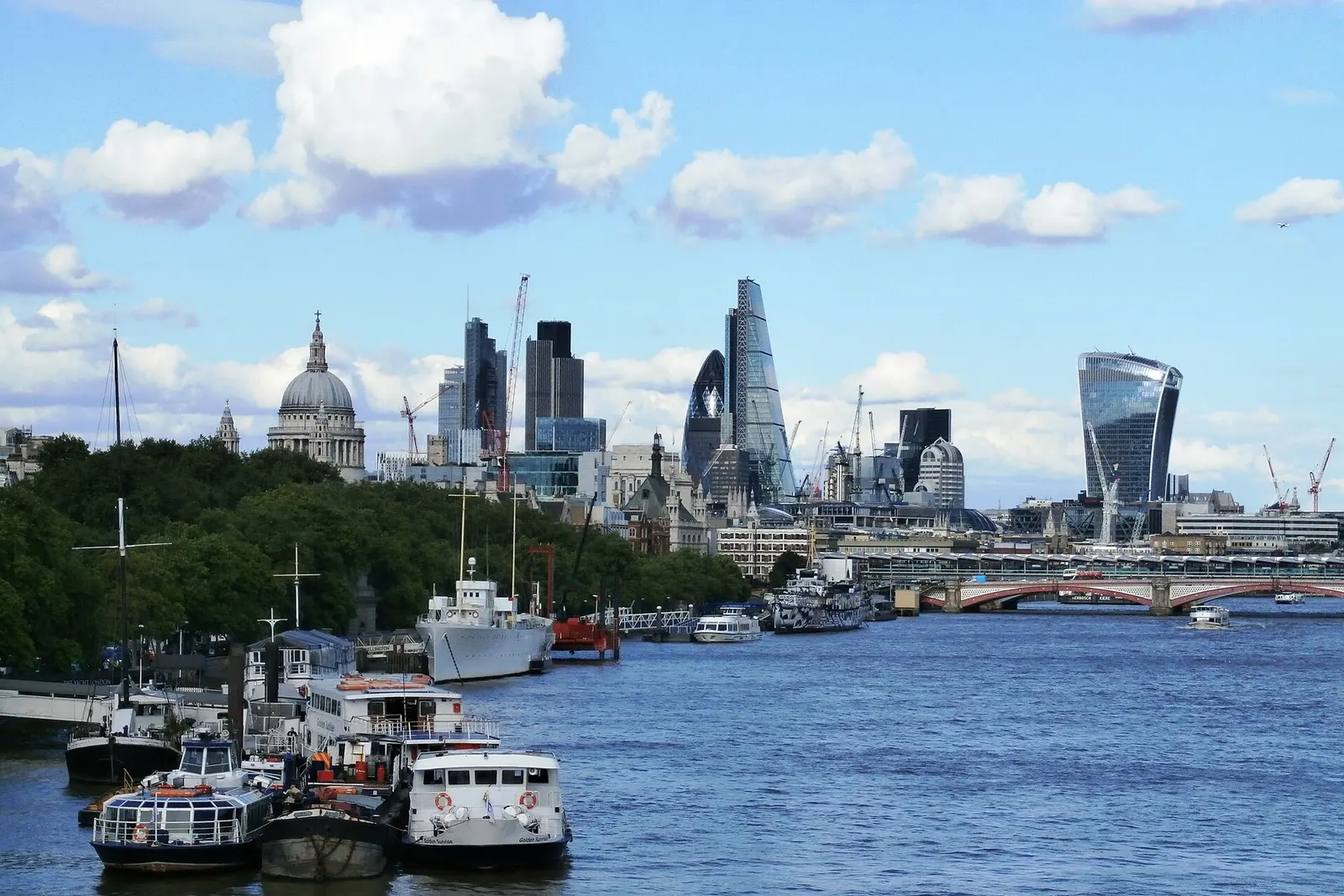
London is worth it if you treat it as a string of neighborhoods rather than one postcard. The best of it is free or cheap: the big national museums, the parks, a floor-to-ceiling view from Sky Garden and the pub and market culture in between. Travelers who plan one anchor sight a day and an evening in the nearest neighborhood describe the happiest trips, and repeat visitors say the city feels different every time.
The hard truth is price and scale. Beds are expensive year-round, the paid view attractions are often the most skippable items on the list, and the timed-ticket sights punish anyone who turns up without a booking. A family that has taken children to both London and Paris found four London days more tiring than expected, and a forum thread on a first trip with children aged 8 and 10 drew several posters who said to skip it. Heat, rain and engineering closures on the Tube add their own friction.
The fix is simple. Book the one or two paid sights you really want, mostly on weekday mornings, and lean on the free ones for the rest. Pick a hotel a short walk from a Tube station, since a cheap room that costs you sleep is the most common regret in the reports. Tap in with a contactless card, use the Elizabeth line from Heathrow, and give the city four to five days rather than trying to see it all in two.
The long read
London is not a compact old town you can cross on foot in an afternoon. It is a string of neighborhoods stitched together by the Tube, and travelers who try to cover three areas in a day report tired feet and long stretches underground. A mother who has taken her children to both London and Paris twice says four days in London wore everyone out, and suggests four to five days as the right length.
The upside is how easy the system is. Tap in and out with a contactless card and the daily cap holds Zone 1 and Zones 1-2 travel at £8.90, while buses are capped at £5.25 until the November 2026 rise. A father comparing the two cities gives London the edge for the Tube, free travel for children under 11, free museums and big parks, and gives Paris the edge on cost and weather.
The weather swings both ways. A very hot May day in 2025 halted the London Eye with passengers stuck in capsules, and a June 2026 heatwave cancelled ceremonial guard changes for several days. Winter brings cold stone interiors, which one London-based writer flags as a reason to layer up inside the Abbey. Pack for rain whenever you come and for heat in summer.
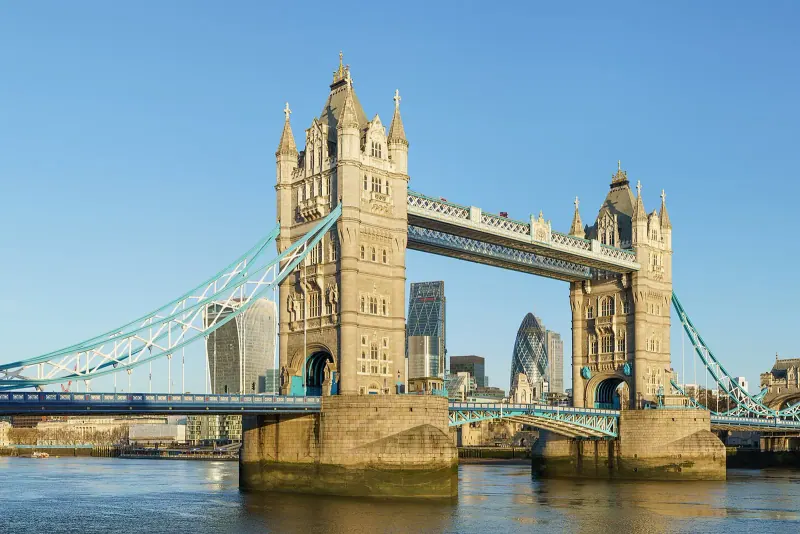
The Tower of London is the paid icon travelers rate most reliably. Reports praise the Crown Jewels, the Beefeater tours and how much there is beyond the Jewel House. Timing decides the day: a couple on a peak Saturday waited 30 to 60 minutes for the Jewels, while a family with a 9am entry went straight to them. Adult entry is about £38 on the official page, and the Tower of London verdict covers the booking tips.
Westminster Abbey is magnificent and crowded. The route is one way, so the people around you set your pace, and one visitor at 1pm described being swept along in waves. Travelers who turned up without a booked slot report waits of up to an hour in bad weather. A London-based writer suggests midweek near opening or the last hour before closing, and the Westminster Abbey verdict has the details.
The London Eye gets mixed marks. Online off-peak tickets start at £29 against £39 walk-up, and families who rode in the first slot or on a midweek late afternoon report short waits. Travel bloggers weigh the ride against free viewpoints nearby. See the London Eye verdict. Wax museums split parents the same way: one family ranked it low and called it the unexpected highlight of their trip, while another reviewer called it a tourist trap. The Madame Tussauds verdict sorts out who should go.
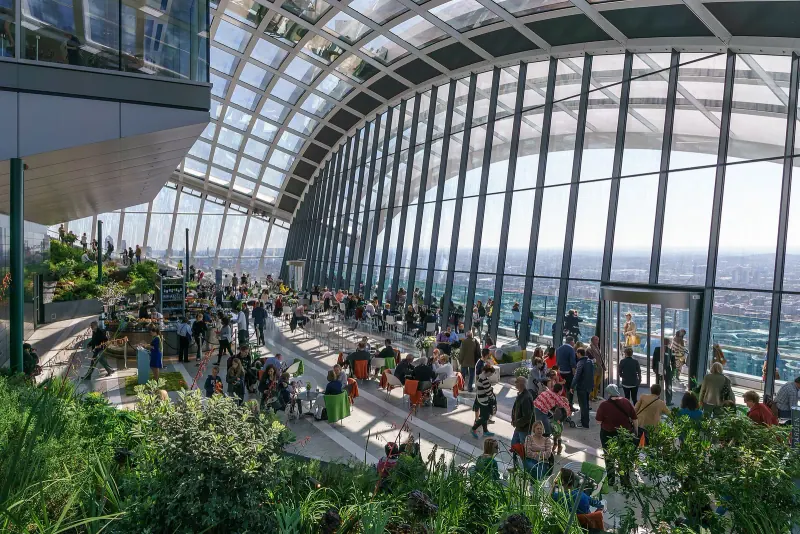
Sky Garden is the view travelers recommend most, and it costs nothing if you book. Free tickets are released every Monday morning three weeks ahead and are valid for one hour inside, and an evening door ticket from £15.50 includes a welcome drink. Reports praise the floor-to-ceiling glass and the open-air terrace. They also warn that without a ticket you may queue for hours, and one repeat visitor found it closed for a day after a fallen-tree incident.
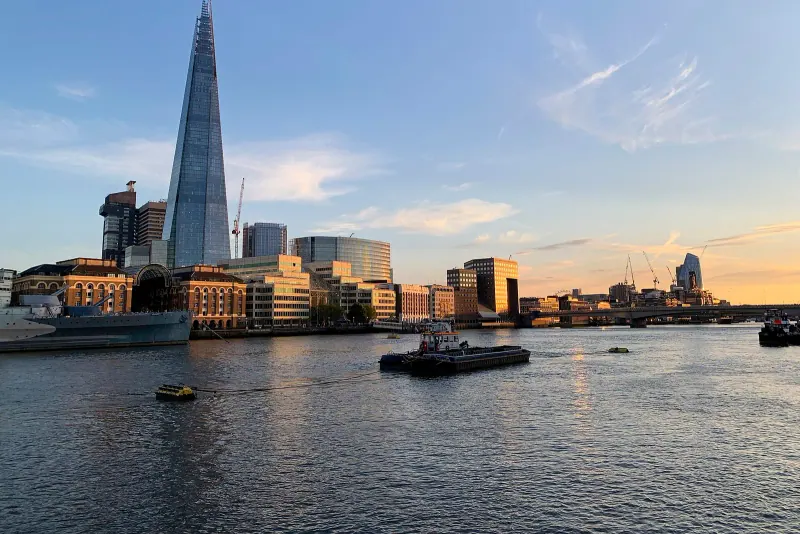
The Shard is the paid alternative, from £28 on the official site. A traveler who went up enjoyed the views but found window reflections hurt photos and points budget travelers to Sky Garden instead. The Shard or Sky Garden verdict compares them side by side.
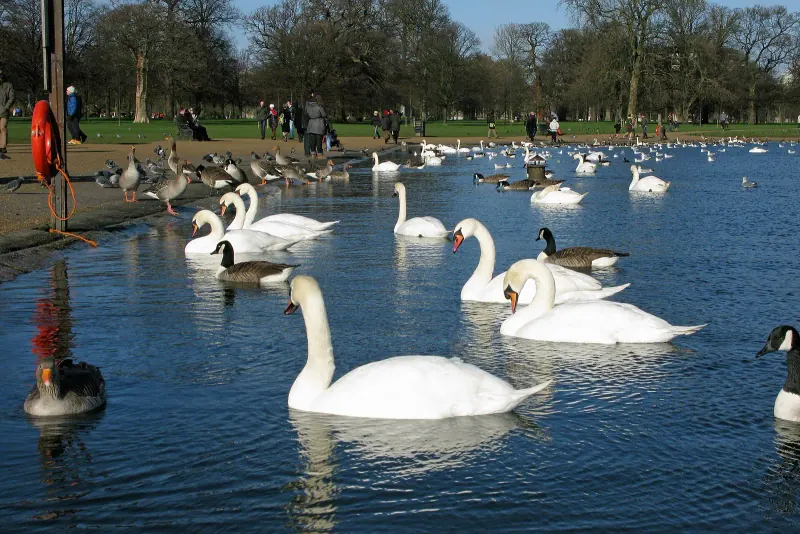
The rest of the free list is the real reason many people come. Parents on a forum thread suggested the Science Museum and Sky Garden as better uses of a children's trip than paid attractions, and forum posters note that Gloucester Road is walkable to the V&A and the Natural History Museum. In Kensington Gardens, a mother built a day with a five-year-old around the swans at the Round Pond, a free anchor before ten other child-friendly stops.
Covent Garden is the obvious base for theater and walking, and London-based writers also call it very crowded on weekends and pricey. South Kensington is one of the most beautiful areas and puts the big museums on foot. A couple who stayed three weeks across three neighborhoods loved a quiet flat in Shepherd's Bush but still ended up around Leicester Square and Soho almost daily.
Other bases have fans. A reviewer at a Bloomsbury hotel was steps from the British Museum and a short walk from Soho, a fashion editor liked a Shoreditch design hotel for its art scene and nightlife, and a family splitting six nights between Belgravia and Chelsea preferred the Chelsea base by a park and Sloane Square station. Forum posters keep returning to the same advice: choose a hotel a short walk from a Tube station.
A bad room is the thing to avoid. One traveler checked out early from a windowless budget hotel near Piccadilly Circus after dry air and mold, and another budget stay in Pimlico went wrong on a smelly bathroom, missing towels and a surprise luggage charge. Read recent reviews of the exact hotel, not just the area. The where to stay in London verdict narrows the choice to three central bases.
From Heathrow, most reports favor the Elizabeth line: a flat £15.50 at any time of day, wide aisles for luggage, and only about 14 minutes slower than the Heathrow Express at roughly half the price. The Piccadilly line is cheaper at £5.90 but stops often and feels slow, and it can be shut for planned weekend and night works, so check TfL's journey planner. See the Heathrow to central London guide. Gatwick Express reaches Victoria in about 30 minutes.
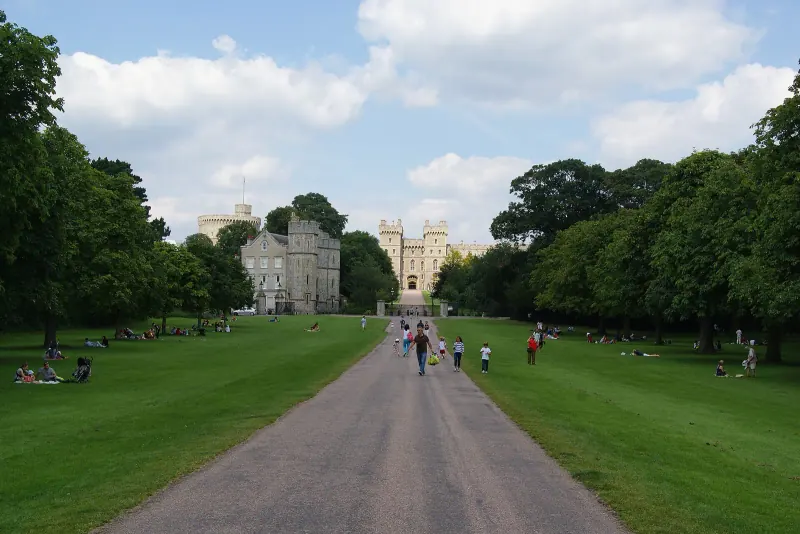
Windsor Castle is the easy train day trip. The ticket is cheaper online in advance (£32 adult) than on the day (£36), and same-day buyers have been turned away when slots were full. Travelers call the State Apartments the highlight. Read the Windsor Castle verdict before you go.
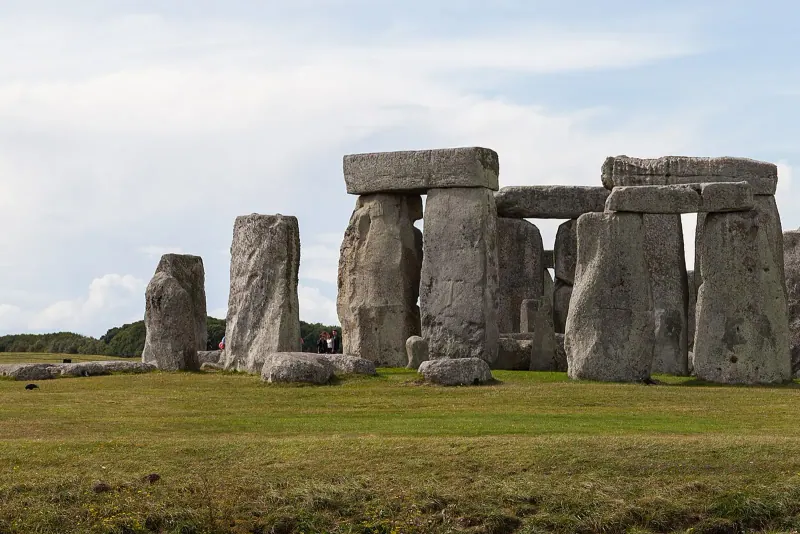
Stonehenge splits opinion. A couple at the 2025 solstice found the front too packed to see the alignment, another pair judged the paid visit not worth it and walked the free footpath from Larkhill, and a January visitor on public transport found a calm, peaceful Saturday. The Stonehenge day trip verdict covers how to go. The Harry Potter studios suit fans: plan five to six hours, bring food, and read the Harry Potter studio tour verdict.
London works for families who keep days short. A parent who took a seven-year-old to the Tower was glad they went but found the Crown Jewels walkway one of the least enjoyable parts, and parents on a forum thread said entry slots at the Harry Potter studios are strictly kept. Children ride free on the Tube under 11, per one family's comparison, which helps with a long list of sights.
Evenings are where London becomes more than the daytime list. Sky Garden's evening ticket, a West End show from a Covent Garden base, and a pub supper near your hotel are typical choices. At the Tower, the Ceremony of the Keys is booked separately at a pay what you choose price of £10 to £50. Westminster Abbey also holds a free Evensong service that one visitor combined with a daytime tour.
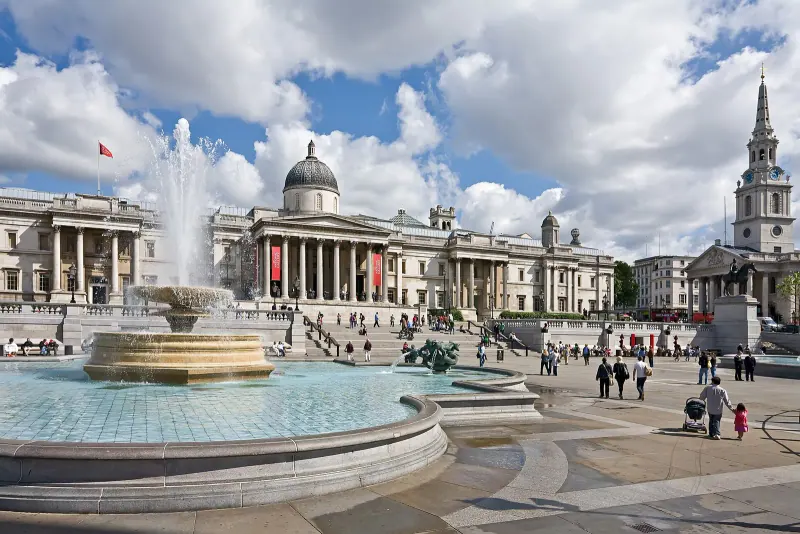
Passes are a maybe. Writers who tracked their use saved close to half on an Explorer pass spread over ten days and about 40 percent on a two-day all-inclusive pass, but one felt exhausted from fitting everything in and another found the Abbey closed early on the day. The London Pass verdict shows the break-even math, and London or Paris helps if you are still choosing between the two cities.
The pitfalls
The Abbey, the Shard, Tower Bridge and Sky Garden all work on timed entry. Travelers without a slot report waits of up to an hour in bad weather at the Abbey, and a pass user had to pre-book the Shard and Tower Bridge and found morning Tower Bridge slots mostly gone. Free Sky Garden tickets are released on Mondays three weeks ahead, and a ticketless queue can run for hours.
A couple on a peak Saturday waited 30 to 60 minutes for the Crown Jewels, while a family with a 9am entry almost walked straight in. Book a first slot and head to the Jewel House first, then do the towers and walls. The Beefeater tour is free with entry.
The Piccadilly line has planned weekend and night closures at times. Switching to the Elizabeth line when the Tube is shut is the usual fix. Check the journey planner before you leave and use the Elizabeth line as the fallback.
Two budget stays in the reports went badly: a windowless hotel near Piccadilly Circus with dry air and mold, and a Pimlico room behind reception with a smelly bathroom and a surprise luggage charge. A South Kensington hotel across from the Tube also drew complaints about slow check-in and unusable Wi-Fi. Read recent reviews of the exact property and ask about windows.
A writer on a 2-day pass saved money but arrived at the Abbey to find it closed early that day, and a 7-attraction pass user felt exhausted. A mother says four London days wore her children out. Plan one anchor sight a day and check closing times before you rely on a pass.
Online off-peak Eye tickets start at £29 while walk-up is £39, and the wheel can stop in extreme heat, as it did on a very hot May day in 2025. Book online for a date you can flex, and keep it for a clear weekday late afternoon.
A traveler who went up the Shard liked the views but found window reflections hurt photos and does not rank it among the essentials. Travel bloggers rank Sky Garden among the best free viewpoints, so book that first and add a paid view only if you have time.
When to go
Best time
May and June, and September
Long light, parks at their best and thinner crowds than July and August. A January visitor also called off-peak days calm, but spring and early fall give the best mix of weather and opening hours.
Peak season
July and August, plus school holidays and bank holiday weekends
Queues build at the Abbey, the Jewels and the Eye, and heat can disrupt attractions: the Eye halted on a very hot May day in 2025.
Shoulder season
April, October and early November
Cooler and showery, with shorter days, but timed-ticket queues are manageable. A parent on an Easter afternoon found Eye queues manageable thanks to timed slots.
Off season
November to March
Cold, damp and dark by late afternoon, but better room prices, calmer sights and reports of quiet Stonehenge and studio days.
May, June and September are the sweet spot for light, parks and thinner crowds. July and August are busiest and can bring heat that disrupts attractions, while November to March is cold and dark by late afternoon but has the best prices and quieter museums. Pack for rain whenever you come.
Getting there and around
| Airport | Distance | To the centre | How |
|---|---|---|---|
| LHR Heathrow Airport | 24 km | about 30 min | Elizabeth line to Paddington and the West End about half an hour at a flat £15.50 any time of day; Piccadilly line £5.90 to Zone 1 but slower and subject to weekend and night closures; Heathrow Express £26 on the day, from £10 in advance; a black cab typically £70 to £120. (source, checked Oct 2026) |
| LGW Gatwick Airport | 45 km | about 30 min | Gatwick Express to London Victoria in about 30 minutes, twice an hour; buying direct online saves 10 percent on adult tickets. (source, checked Oct 2026) |
| STN Stansted Airport | 55 km | about 48 min | Stansted Express to Liverpool Street in about 48 minutes, every 15 minutes in the day; advance one-way fares start at £9.90 if booked about three months ahead. (source, checked Oct 2026) |
| LTN Luton Airport | 50 km | about 32 min | Luton Airport Express from St Pancras to Luton Airport Parkway in 22 minutes, then the DART shuttle in about 4 more, 32 minutes in total; advance fares from £10 one way include the DART if you choose Luton Airport (not Parkway) when booking. Trains run half hourly Monday to Saturday and regularly on Sunday. (source, checked Oct 2026) |
Tap in and out with a contactless card: the official daily cap is £8.90 for Zones 1-2, and the bus cap is £5.25, rising to £5.55 from November 2026. From Heathrow, the Elizabeth line is a flat £15.50 and the Piccadilly line £5.90. Walk the South Bank and the Westminster stretch, which link half the sights.
Where to stay
We earn a commission if you book through our links. It never changes a verdict. How this works
High-end stays whose guests report the setting and service earn the rate.
Five-star hotel on the river between Tate Modern and the London Eye; the splurge base for South Bank walks.
South Bank
Check rates on Expediapartner siteFive-star hotel on the Strand beside Covent Garden and the theaters, so an evening at a show means a short walk home.
Strand, Covent Garden
Search Expedia for this hotelpartner siteFive-star hotel between Trafalgar Square and Westminster, a short walk to Embankment Tube station and the river.
Whitehall, Westminster
Search Expedia for this hotelpartner siteFive-star hotel in a converted bank by Bank station, with a rooftop pool and many restaurants; handy for the Tower and St Paul's.
The City
Search Expedia for this hotelpartner siteThe comfortable middle: well placed, well run, priced for a normal trip.
Compact smart rooms above Tower Hill station; the best-located mid-range base for first-timers.
The City
Check rates on Expediapartner siteThe East London pick: Shoreditch bars and restaurants on the doorstep, about a ten-minute walk to Brick Lane, for travelers who want evenings, not just sights.
Shoreditch
Check rates on Expediapartner siteReliable rooms in the County Hall building beside the London Eye and Westminster Bridge; forum posters recommend the County Hall area for its walk to a Tube station.
South Bank, Waterloo
Search Expedia for this hotelpartner siteFour-star on a quiet garden square in Earl’s Court, five minutes from Earl’s Court station, with a short Tube ride to the South Kensington museums; a calmer, cheaper base near them.
Earl’s Court, Kensington
Search Expedia for this hotelpartner siteCheaper beds that travelers still rate well for location and cleanliness.
A reviewer calls it decent value for first-timers and families, with courtyard-facing twin rooms far nicer than the standard rooms; central Bloomsbury, a walk from the British Museum. Ask about air conditioning and pub noise.
Bloomsbury
Search Expedia for this hotelpartner siteHostel with private rooms beside the British Library, King’s Cross and St Pancras (formerly YHA London St Pancras), so Eurostar and the Piccadilly line are close.
King's Cross, St Pancras
Search Expedia for this hotelpartner siteHostel with private rooms on the Northern and Bakerloo lines, cheaper than central Zone 1 and a short ride to the South Bank.
Elephant and Castle, South London
Search Expedia for this hotelpartner siteCompact budget hotel about five minutes from Paddington station, which has the Heathrow Express and the Elizabeth line; some rooms have no windows, so ask when booking.
Paddington
Search Expedia for this hotelpartner siteQuestions
Four to five days is the length that works in the reports. A mother who has taken her children to both London and Paris suggests four to five days for London, and travelers who squeezed in more sights per day reported tiredness more than satisfaction.
Yes, mainly for beds and paid sights. Tube travel in Zones 1-2 is capped at £8.90 a day, the Tower costs roughly £37 to £38 for an adult before the optional donation, and a Sky Garden slot is free if you book. Free museums and parks keep the total down.
Many families say yes, and children under 11 reportedly ride the Tube free. Parents suggest keeping days short, using free museums and parks, and booking one or two timed sights like the Tower or the Harry Potter studios. Some forum parents advise skipping it with younger children.
Covent Garden suits theater and walking but is crowded and pricey at weekends. South Kensington is calmer and close to the big museums, Bloomsbury suits the British Museum, and the City is handy for the Tower. Pick a hotel near a Tube station whichever you choose.
Most reports favor the Elizabeth line at £15.50, flat at any time of day, for wide aisles and about 14 minutes more than the Heathrow Express at half the price. The Piccadilly line is £5.90 but slower; it has planned weekend and night closures, so check the TfL planner.
Most trips do not. Tap a contactless card on the Tube and buses and daily capping holds Zones 1-2 at £8.90 a day. A sightseeing pass can pay off for three or more days of paid sights, but check its break-even before buying.
How this guide was written. We read 48 traveler reports about London published between Oct 2024 and Sep 2026, 5 of them mainly negative, and checked the facts against official sources in Oct 2026. Nobody on the team claims a visit; hotel picks are chosen from what guests report, never from what they pay us. How we judge.
Explore the decisions
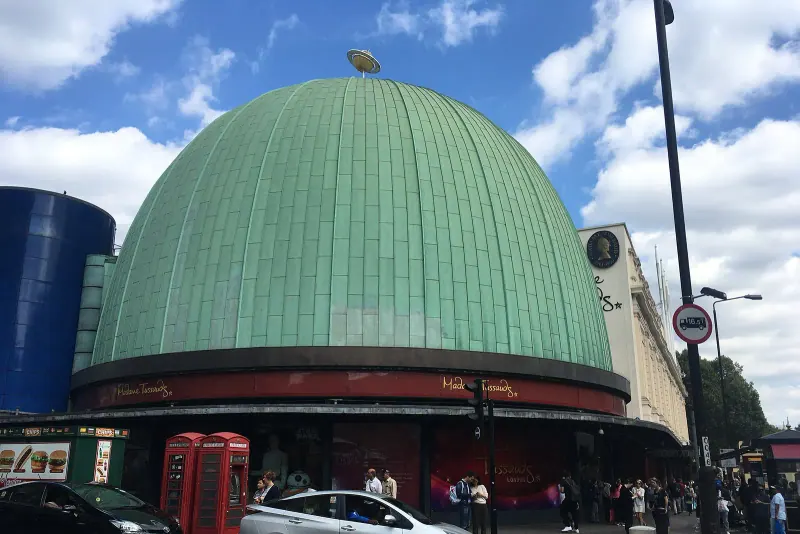 Is Madame Tussauds London worth it?It depends
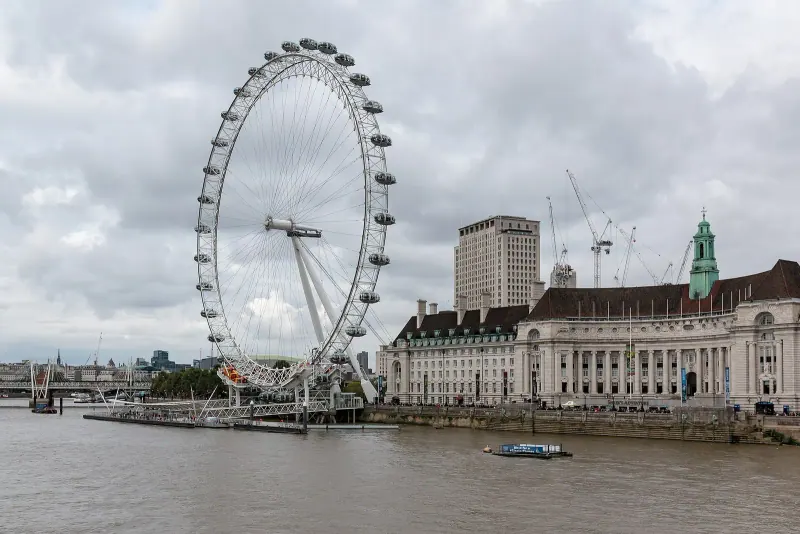 Is the London Eye worth it?Go
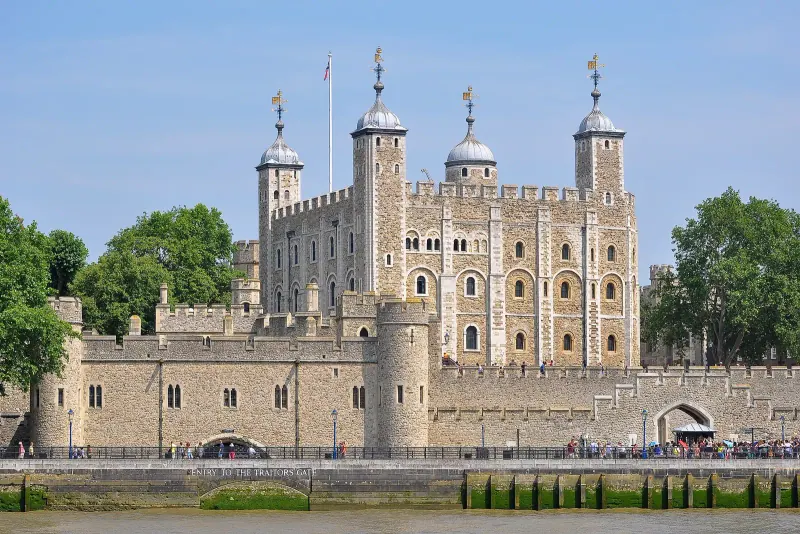 Is the Tower of London worth it?Go
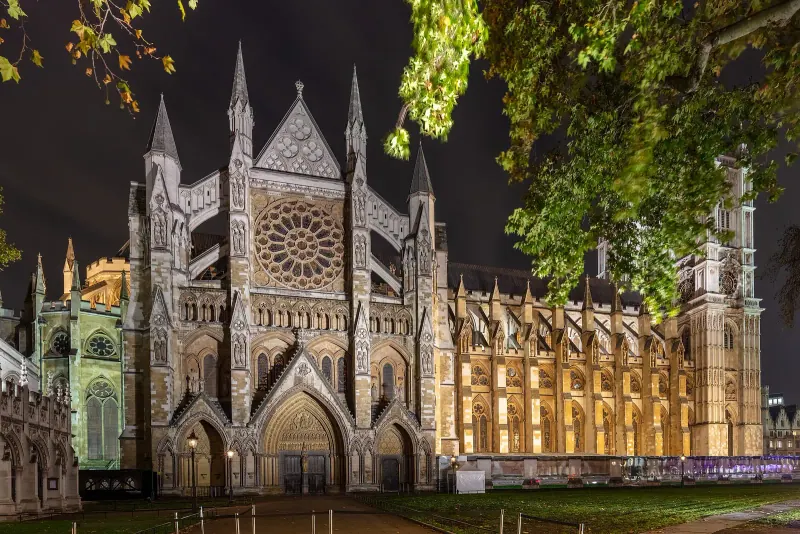 Is Westminster Abbey worth the ticket?Go
 The Shard or Sky Garden?Our pick: Sky Garden
Explore the decisions
 Is the London Pass worth it?It depends
Explore the decisions
 Is a Stonehenge day trip from London worth it?It depends
 Is the Harry Potter studio tour worth it?It depends
 Is Windsor Castle worth a day trip from London?Go
Explore the decisions
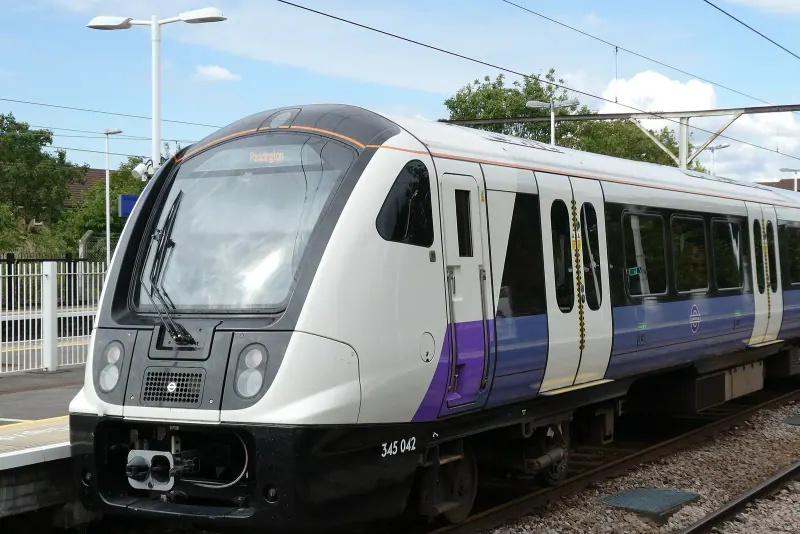 Heathrow to central London: which way?Our pick: Elizabeth line
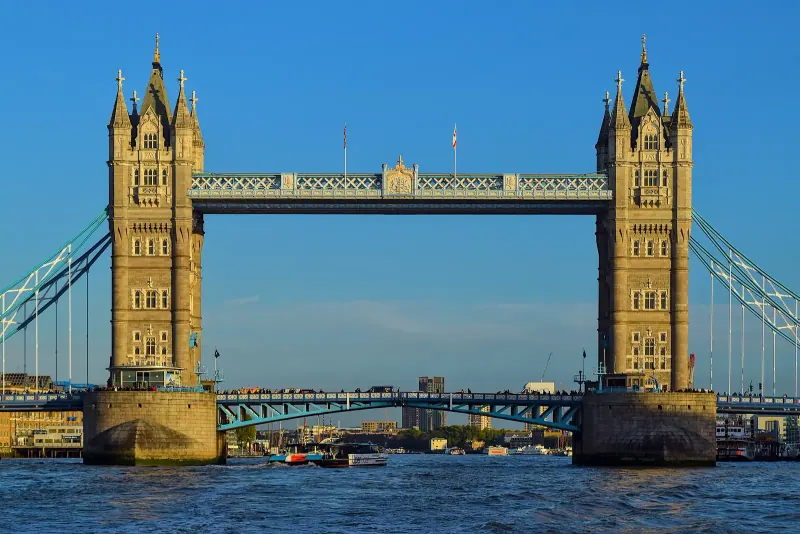 London or Paris?Our pick: Both cities by train
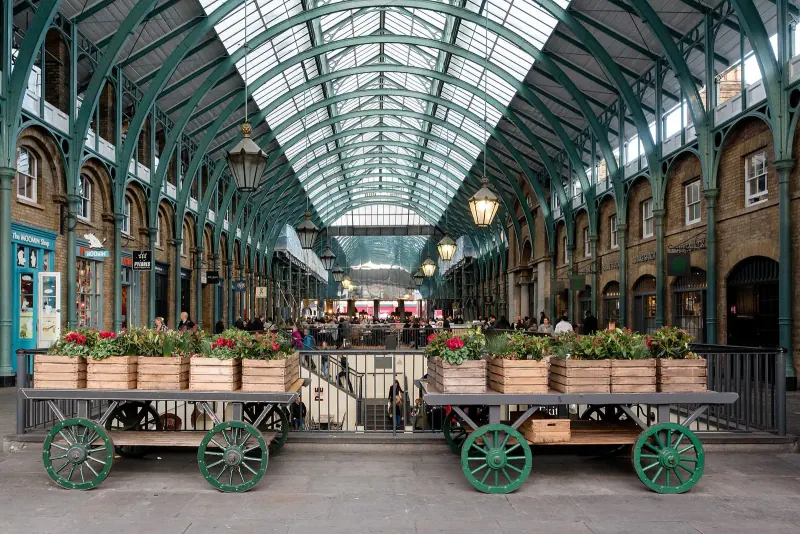 Where should you stay in London?Our pick: Covent Garden and the West End
Plan your London trip
Where to stay
12 hotel picksLuxury, mid-range and budget, cross-checked against traveler reports
Getting there
Airport to city, priced outHeathrow to central London: which way
Book a private transfer partner site
Tickets and passes
London sightseeing passes1 verdict: does the card pay for itself
In pictures
the Harry Potter studio tour worth itHeathrow to central London: which waythe London Eye worth itLondon or Paristhe London Pass worth itMadame Tussauds London worth ita Stonehenge day trip from London worth itThe Shard or Sky GardenKeep exploring
Gear verdicts from our sister site, Real Buyer Experiences:


