

A five-star on the edge of the pedestrian core with a spa and rooftop terrace. Guests praise the staff and the location; some say the rooms need renovation.
Old town, near Ferhadija Street
Search Expedia for this hotelpartner siteCity guide / Bosnia and Herzegovina
Sarajevo is where an Ottoman bazaar meets an Austro-Hungarian boulevard in one street. Our verdicts cover Bascarsija and the old town, Lukomir village and Mostar, the airport route and where to stay.
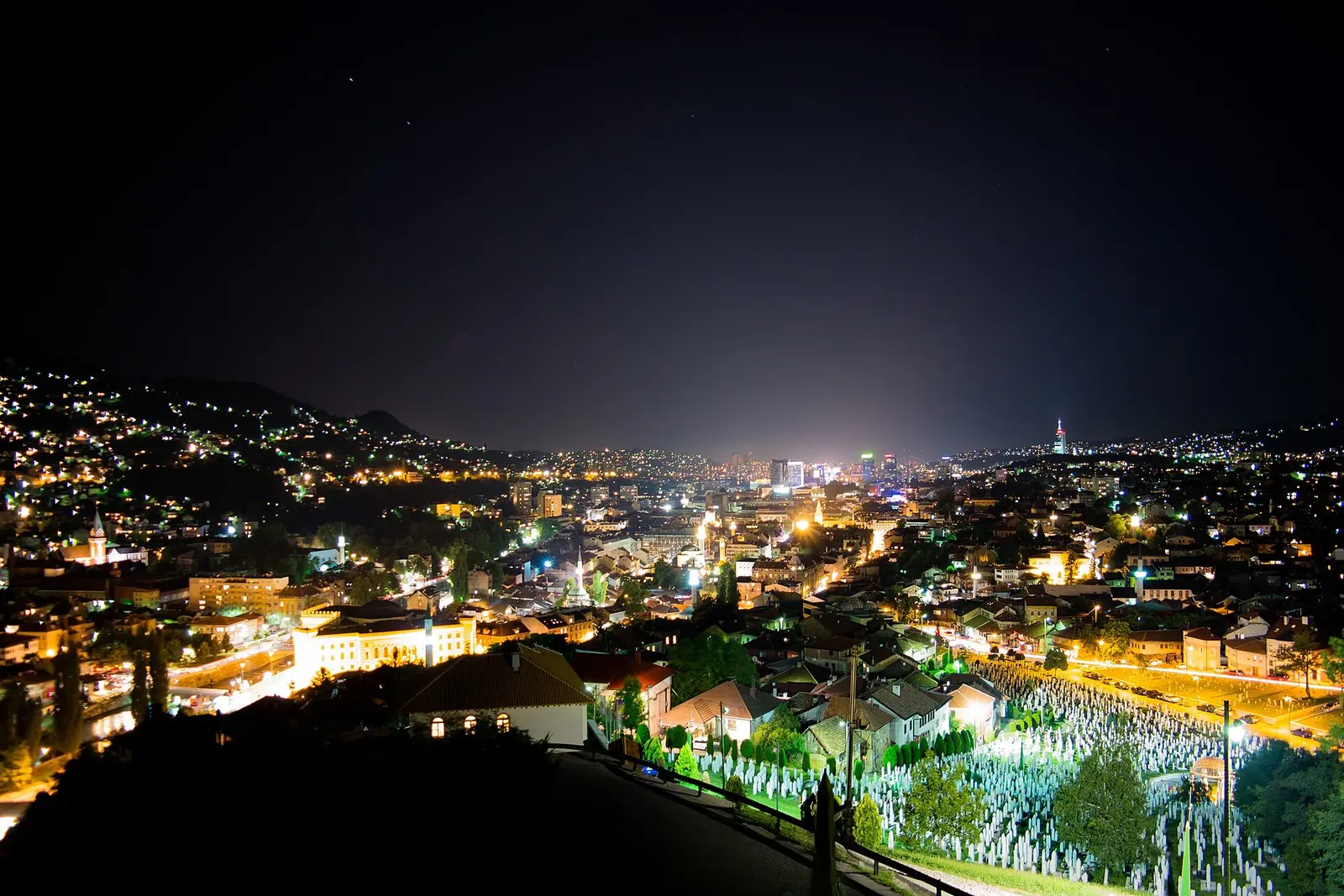
The review
An Ottoman bazaar, an empire boulevard and a siege story, in one walkable valley that stays cheap.
Sarajevo is worth it for travelers who like cities with texture, history and cheap, good food. Reports keep returning to the same picture: an Ottoman bazaar, a Habsburg boulevard and a siege story that sits just under the surface, all inside a walkable valley. Solo travelers, couples and history-minded friends describe it as one of the most distinctive and least expensive city breaks in Europe.
The hard truth is weight and polish. The war sites are spread out and make more sense with a guide, the airport is small with a thin timetable of buses, taxi drivers at the rank can overcharge, and winter air can turn bad when a temperature inversion traps smog in the valley. The infrastructure is functional rather than slick.
The fix is simple. Walk Bascarsija early before the lanes fill, book one guided war-history half day early in the stay, carry convertible marks in cash, and insist on the meter or a pre-booked ride from the airport. Two full days cover the core, a third buys Mostar by train or the Lukomir plateau, and April to June or September to October gives the best weather.
The long read
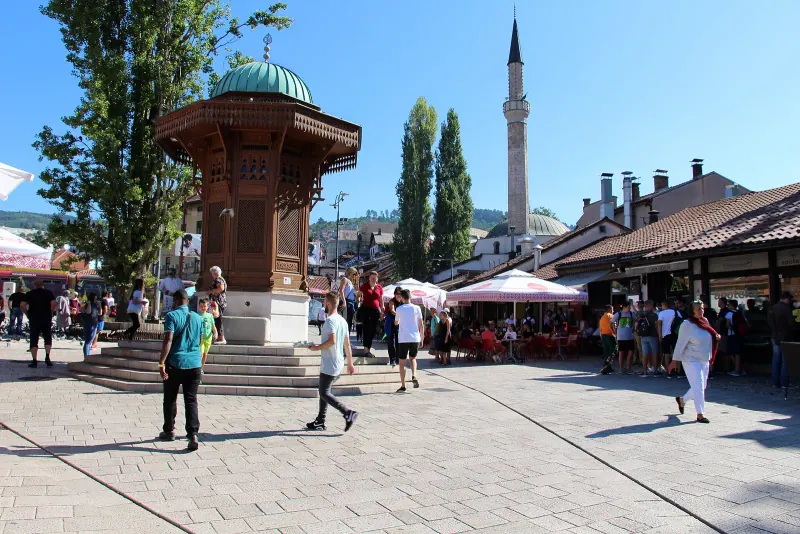
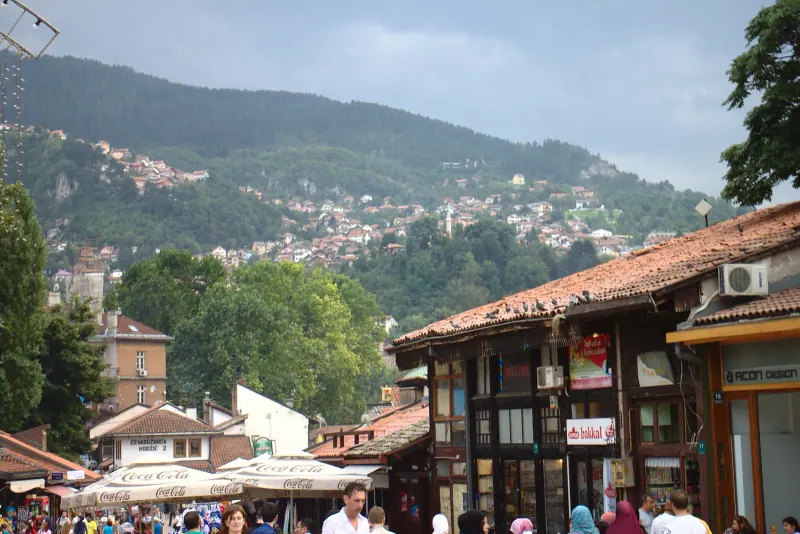
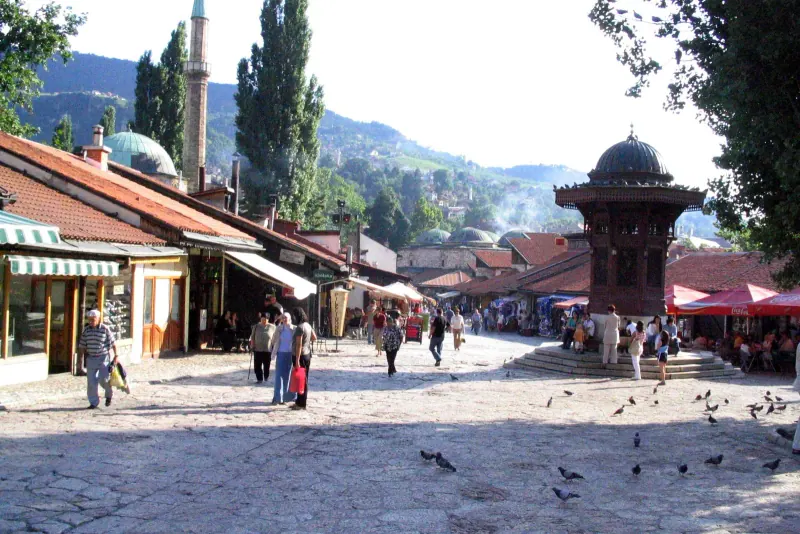
Almost every trip report opens in Bascarsija, the Ottoman bazaar at the center of the old town. Writers call it a living museum of crafts, coffee culture and five centuries of history. The spine runs from the Sebilj fountain past the coppersmith street, Morica Han and the Gazi Husrev-beg Mosque, and travelers describe the sound of hammering, the smell of grilled meat and the clink of small coffee sets drifting down the lanes.
Plan three to four hours for a proper loop. A writer who lingered between a Greek Orthodox church and a Catholic church minutes apart heard the call to prayer in between, a small scene that explains why people call the quarter a meeting of East and West.
Not everything is authentic. One city guide notes that souvenir shops are unavoidable in the front lanes, and the mosque and museum entries are small, so enter for the buildings and the context, not for a long checklist. Visitors to the Gazi Husrev-beg Mosque work around prayer times.
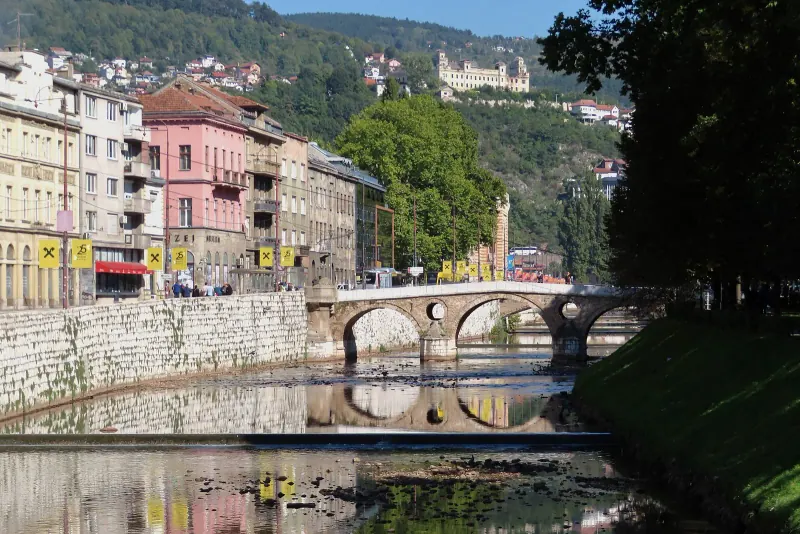
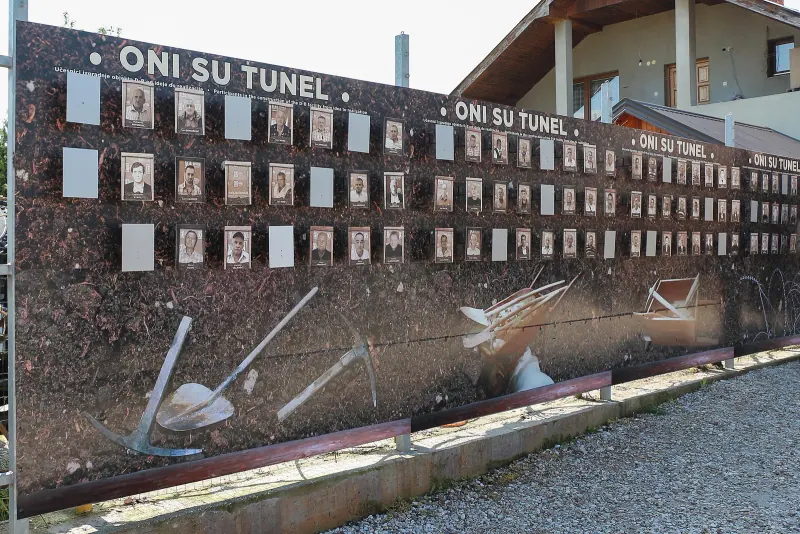
Sarajevo's story reads on the street. Walk west from the bazaar and the Ottoman lanes give way to Austro-Hungarian facades, trams and wide boulevards in a few hundred meters. The siege of the 1990s is just as present. Travelers describe it as the thing that changes how every hillside reads afterwards, and a local writer notes that commemorations at the Tunnel of Hope still draw the surviving diggers, so the history is civic memory rather than a packaged attraction.
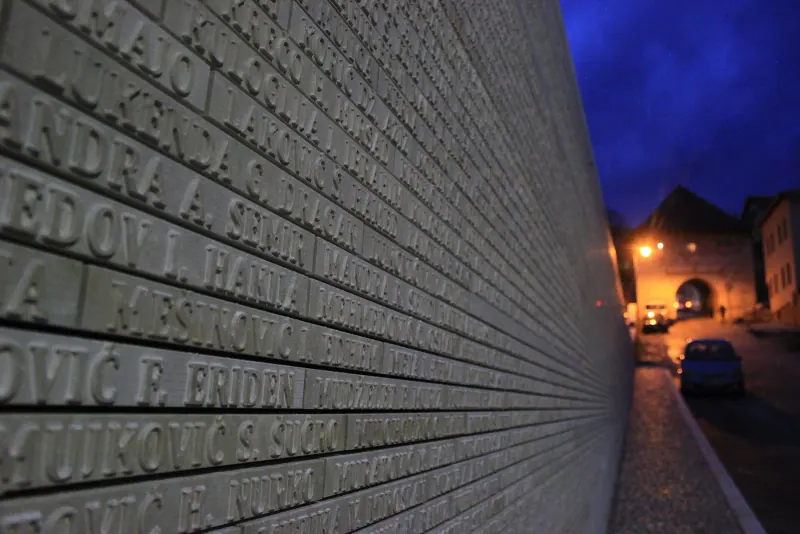
Most visitors take one guided war-history half day. A traveler who did a tour with a veteran guide describes a route from the Tunnel of Hope through the Sniper Alley vantage points and a sniper-nest hotel to the Old Jewish Cemetery, with every stop tied to the guide's own account. Another calls the Fall of Yugoslavia route the perfect half day for understanding the recent past, mixing expert history with personal stories.
The Tunnel of Hope itself divides opinion. A traveler on a group journey found the site a small, modest building that became powerful once the guide told its story, while a museum critic argues the museum under-delivers on context and charges 20 KM cash for a mostly rebuilt corridor. The practical fix is to go with a guide, or to pair a taxi trip with the city's other war sites. The museum's own page lists the cash-only entry.
Food is the other reason people rate Sarajevo above its price. Reports point to cevapi, small grilled sausages in flatbread, as the first meal,. Burek, baklava and Bosnian coffee complete the classics, and travelers report that the standards are cheap enough to eat well on a small budget without a guide.
Food tours split the field. A writer who reviewed a guided tour says you can eat well alone in Bascarsija, but that the tour earns its price through context and access to a back-alley family kitchen. One couple booked an afternoon tour that covered so much they skipped dinner, rating it excellent but flagging the 65 EUR per person price as high by Bosnian standards. A self-guided crawl of a dozen or more restaurants also works for a determined eater.
For a different evening, a traveler describes dinner in a local family home, where Bosnian hosts who lived through the war opened their kitchens and the conversation outranked the food. The city also runs street food markets beyond the bazaar, such as a 40-day market on Wilson's Promenade reported by the canton's culture ministry.
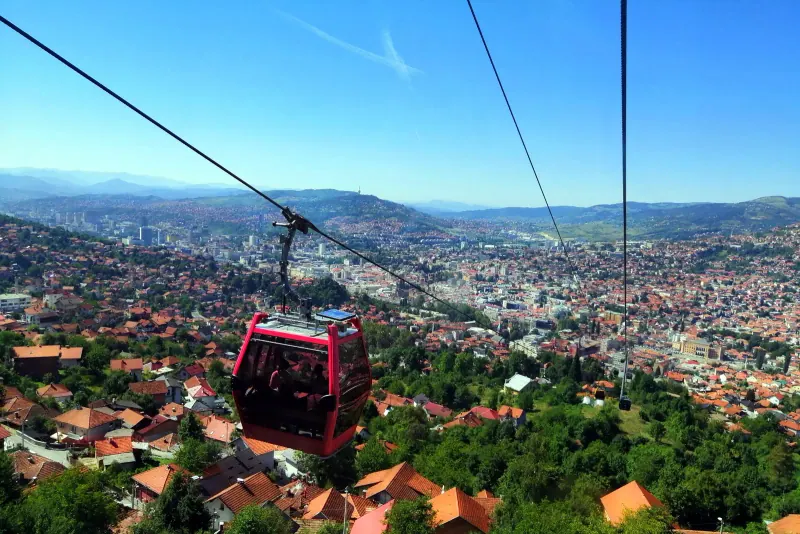
The Trebevic cable car is the easiest way up. Travelers describe a slow climb with birdsong and red-roof views, and the top has a cafe with a glass-walled patio. At the summit, the graffiti-covered 1984 bobsled and luge track is the favorite stop: visitors call walking inside it one of the highlights of a Bosnia trip, and one who reached it by road found it eerie and abandoned and says the cable car is the better route for city views.
Check status before you go. The line closed for specialized tower maintenance this spring, with reopening planned for April 20, 2026, and the operator told local press that visitor numbers rose after the April overhaul and that crowds at certain periods cannot be avoided even at full capacity. It also closes in bad weather, especially high wind, so keep a plan B for a windy day.
For a bigger day out, Lukomir is the standout hike near the city. Hikers describe a stone village on the Rakitnica canyon rim, a cash-only village lunch and the sense that it is a working village, not a theme park. A guided day takes about 12 hours from Sarajevo pickup, according to one hiking review.
Mostar is the classic add-on. By morning train, travelers describe a scenic morning ride, with one rail traveler recommending the left side for gorge views and an open buffet car. Mostar's old bridge draws crowds: a couple who went in July found it hot and busy on bridge-jumping day, and the return train ran three hours late, so build slack into the plan. News reports record that the service stopped after the October 2024 floods and resumed in February 2025, and that year-round passenger trains toward Ploce, running via Mostar, were restored later.
Group day trips by road cover more ground: a tour via Konjic, Jablanica, Pocitelj, Blagaj and Kravice to Mostar gets mixed reviews from a solo traveler who liked most of it but found it rushed.
If time is short, a regional comparison guide lists Lukomir among the day trips that tip a Sarajevo stay above Mostar for mountain scenery. Pick one trip per extra day, and check the operator's timetable before booking a train return.
Travelers consistently put Sarajevo among Europe's cheapest capitals. One traveler who visited Belgrade the year before wrote a full spend breakdown calling it one of the cheapest capitals on the continent. The tourism board reports record arrivals, nearly 855,000 in 2025, so peak hours at the sights are busier than the price tag suggests.
It is small and walkable. A solo traveler who split a Balkan trip between Bosnia and Serbia says in hindsight Bosnia deserved more time and describes Sarajevo as small, walkable and among Europe's most distinctive cities. Couples on a bus tour from Serbia found the border crossing intimidating but enjoyed an evening walking tour of the bazaar and its religious sites.
Pack light, because narrow lanes mean taxis and luggage cannot reach every door, and light sleepers should read guest notes on noise before booking. Who it suits least: anyone who wants polish, anyone avoiding heavy history, and anyone planning a January trip who minds valley smog.
Winter is quieter, colder and a real option. Visitors on the cable car in the cold describe enthusiastic views of the city, though the line closes in high wind. The Sarajevo Winter festival, a multi-week program in February and March, gives the cold months a cultural calendar, and the Olympic mountains of Jahorina and Bjelasnica are reached by road: the tourism board puts Jahorina 28 kilometers from the center and lists about 60 KM by taxi to either mountain, so check the resort pages for shuttles.
The downside is air. In January 2026 the city's air was reported as polluted to extremely polluted under a temperature inversion, with an alert in force from 16 January. Travelers who mind smog should check the daily air readings and keep an indoor plan of museums, coffee houses and food stops.
The pitfalls
A vlog caught a no-meter airport ride charging 50 KM, and the tourism board lists the metered airport to Bascarsija fare at 17 to 20 KM, cash only, plus 1 KM per bag. Insist on the meter at the marked rank, or pre-book a fixed fare.
The airport coach to the Bascarsija area is cheap at 5 KM one way but runs on a schedule tied to flights, so late arrivals and early departures may need a taxi. Check the airport's posted timetable before you rely on it, and bring KM cash.
The Tunnel of Hope museum takes no cards or foreign currency, and a hiker reports the Lukomir village lunch is cash only. The tourism board says taxi fares are paid in cash, so carry convertible marks and withdraw them on arrival.
The tourism board reports record arrivals, nearly 855,000 in 2025, so the Bascarsija lanes and main sights can be busy in peak season. Plan the old town loop for a quieter slot where you can.
A couple on a July day trip found a hot, busy Mostar and a return train that ran three hours late. The service also stopped for four months after the October 2024 floods. Check the operator page for the current timetable and keep a bus back-up.
A national news report records Sarajevo air ranging from polluted to extremely polluted under a temperature inversion in January 2026, with an alert from 16 January. Plan indoor days if you visit in deep winter.
The Trebevic line closed for specialized tower maintenance this spring, with reopening planned for April 20, 2026, and it closes in high wind. Check status on the operator's page the same morning and keep an alternate plan.
Travelers staying in the cobbled Bascarsija lanes note that taxis and luggage cannot reach every door. Pack light or choose a building on a street a car can reach, since the last stretch is on foot.
When to go
Best time
late April to June, September to October
Travelers describe mild weather, green hillsides and full cafe life, with the bazaar and Trebevic at their easiest.
Peak season
July and August
Warm, festive and busiest, with hot days in Mostar.
Off season
November to March
Colder and quieter, with a festival calendar and skiing close by; travelers on the cable car in the cold praise the views, but January air can be bad.
April to June and September to October bring mild weather and full cafe life. July and August are warm and busiest, with the film festival in mid-August. Winter is quieter, with a February and March festival and nearby skiing, but January air can be bad.
Getting there and around
| Airport | Distance | To the centre | How |
|---|---|---|---|
| SJJ Sarajevo International Airport | 12 km | about 25 min | Airport coach to the Bascarsija area 5 KM one way, 8 KM open return, timed to flights, so check the airport's timetable and expect a taxi for early or late flights; metered taxis take 20 to 30 minutes and the tourism board lists 17 to 20 KM to Bascarsija, cash only, plus 1 KM per bag, so insist on the meter at the marked rank. Check the operator pages for current fares. (source, checked Oct 2026) |
The old town is walkable and trams and trolleybuses run along the main axis; a GRAS single ticket is 2.20 KM and a day ticket 7.10 KM per the GRAS fare page. From the airport, the coach is 5 KM and metered taxis take 20 to 30 minutes and the tourism board lists 17 to 20 KM to Bascarsija, cash only. The Tunnel of Hope needs a taxi or tour, and Mostar is easiest by train; check the operator page for current times.
Where to stay
We earn a commission if you book through our links. It never changes a verdict. How this works
High-end stays whose guests report the setting and service earn the rate.
A five-star on the edge of the pedestrian core with a spa and rooftop terrace. Guests praise the staff and the location; some say the rooms need renovation.
Old town, near Ferhadija Street
Search Expedia for this hotelpartner siteA five-star where guests praise the pool, spa and city views and the central position, with extra cost for parking and food weaker than the rest of the hotel.
Marijin Dvor, west of the old town
Search Expedia for this hotelpartner siteA five-star outside the center where guests praise the staff, spa and breakfast, with an indoor pool and free parking. Best for car trips and early flights.
Ilidza, near the thermal spa riviera and the airport
Search Expedia for this hotelpartner siteA four-star standing in for luxury: a small boutique hotel with a rooftop terrace. Guests praise the location, staff and breakfast; cleanliness draws some complaints.
Old town, Ferhadija
Search Expedia for this hotelpartner siteThe comfortable middle: well placed, well run, priced for a normal trip.
A four-star close to the Latin Bridge and the Sebilj. Reviewers praise the helpful staff, the clean rooms, the location and the free breakfast buffet.
Old town, Bascarsija edge
Search Expedia for this hotelpartner siteA reliable international standard between the old town and the business district. Guests mention the attentive staff, the good location and the rooftop terrace.
City centre, river bank
Search Expedia for this hotelpartner siteA four-star with a sauna, steam room and breakfast buffet, with an airport shuttle at a surcharge, suited to travelers who want calm rather than a walk to the bazaar.
Dzemala Bijedica, west of the center on the airport road
Search Expedia for this hotelpartner siteA four-star on the main avenue west of the old town. One guest noted the air conditioning and room safe did not work well but still had a good stay.
Marijin Dvor, Zmaja od Bosne
Search Expedia for this hotelpartner siteCheaper beds that travelers still rate well for location and cleanliness.
A clean, friendly guesthouse with 24-hour reception a short walk from the old town. Guests mention small rooms and no lift.
Bistrik, by the Latin Bridge
Search Expedia for this hotelpartner siteA small property of about eight rooms that guests praise for clean rooms, helpful staff and a central location. Expect a flight or two of stairs with bags.
Bascarsija
Search Expedia for this hotelpartner siteGuests praise the owner's dinner tips and bookings, the extensive breakfast and the old town location, and rate it among the best-reviewed budget stays.
Bascarsija
Search Expedia for this hotelpartner siteA hostel with private rooms and dorms, breakfast included and a walk of about five minutes to the bazaar. Guests praise cleanliness and location; some mention noisy floors.
Near Bascarsija
Search Expedia for this hotelpartner siteQuestions
Two full days cover Bascarsija, the Latin Bridge, a war-history tour with the Tunnel of Hope and the Trebevic cable car. A third day buys Mostar by train or the Lukomir hike, and a longer Balkan route often pairs it with Mostar, Dubrovnik or Belgrade.
Travelers rank it among Europe's cheapest capitals. Reports describe cheap meals and classic dishes like cevapi and burek that a visitor can eat on a small budget. Guided food tours cost more, so compare with eating on your own.
No. The old town is walkable, trams run along the main axis, and the airport coach and taxis cover arrivals. The Tunnel of Hope needs a taxi or a tour, and Mostar is easiest by train. A car helps mainly for Lukomir or Ilidza.
Bascarsija, the old town. Travelers who stayed there say the area is the right base even when a hotel disappoints. Expect narrow lanes where taxis cannot reach every door, so pack light.
April to June and September to October bring mild weather and full cafe life. July and August are busiest and include the film festival in mid-August. Winter is quieter with a February and March festival and nearby skiing, but January smog can be bad.
Carry Bosnian convertible marks in cash. The Tunnel of Hope museum takes no cards or foreign currency, the tourism board says taxi fares are paid in cash, and a village lunch at Lukomir is cash only.
How this guide was written. We read 38 traveler reports about Sarajevo published between Feb 2025 and Sep 2026, 4 of them mainly negative, and checked the facts against official sources in Oct 2026. Nobody on the team claims a visit; hotel picks are chosen from what guests report, never from what they pay us. How we judge.
Explore the decisions
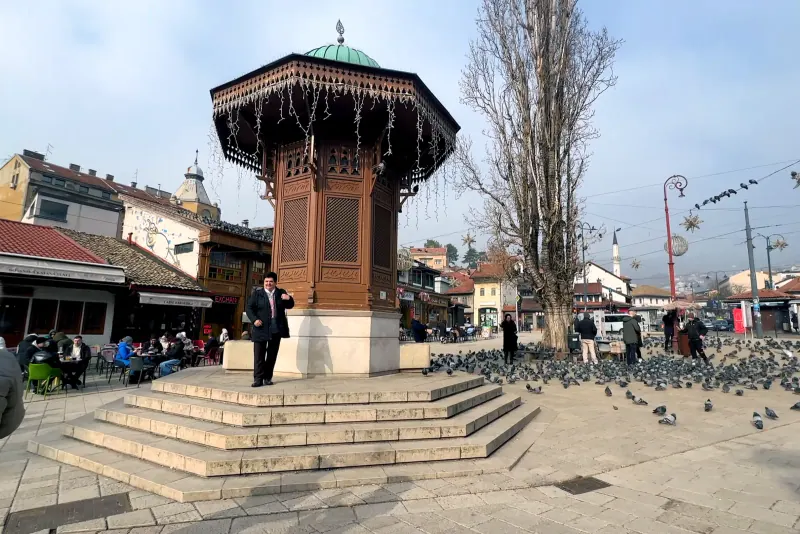 Are Bascarsija and the old town worth it?Go
 Is the Trebevic cable car worth it?Go
 Is the Tunnel of Hope worth it?Go
Explore the decisions
 Is a Sarajevo food tour worth it?Go
 Is a Sarajevo war history tour worth it?Go
Explore the decisions
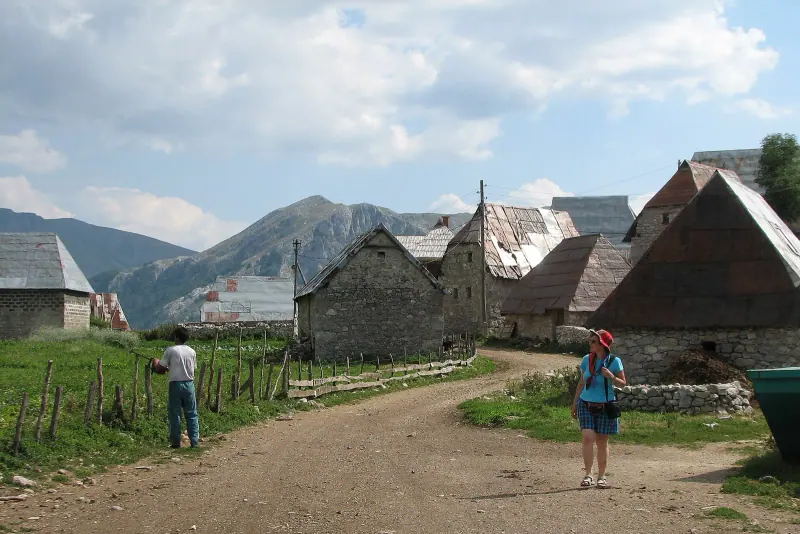 Is a Lukomir village day trip worth it?Go
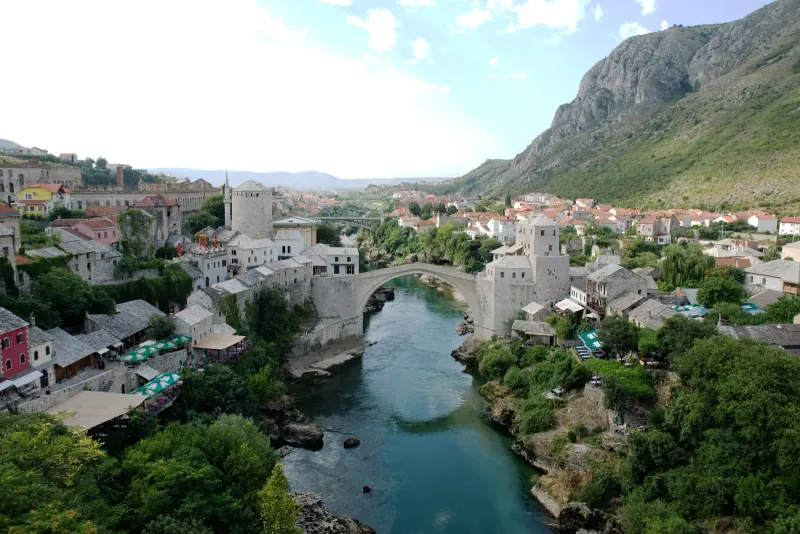 Is a Mostar day trip from Sarajevo worth it?Go
Explore the decisions
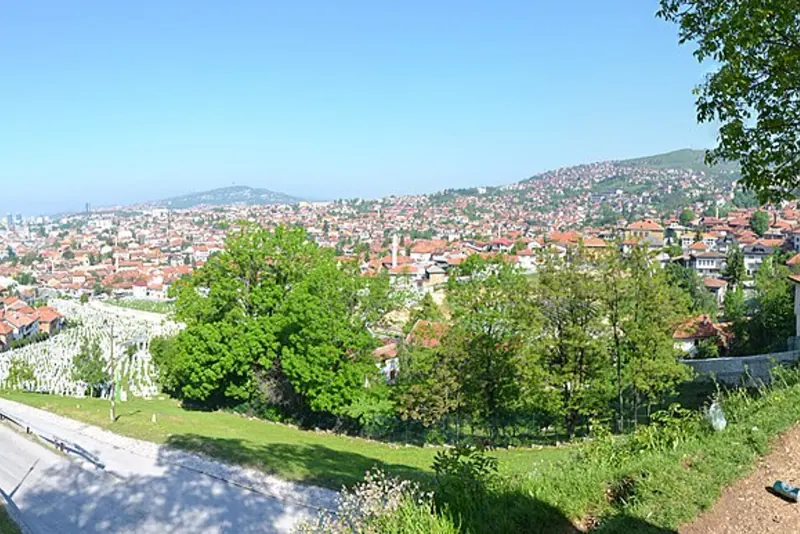 Sarajevo airport to the centre: which way?Our pick: Taxi at the official rank
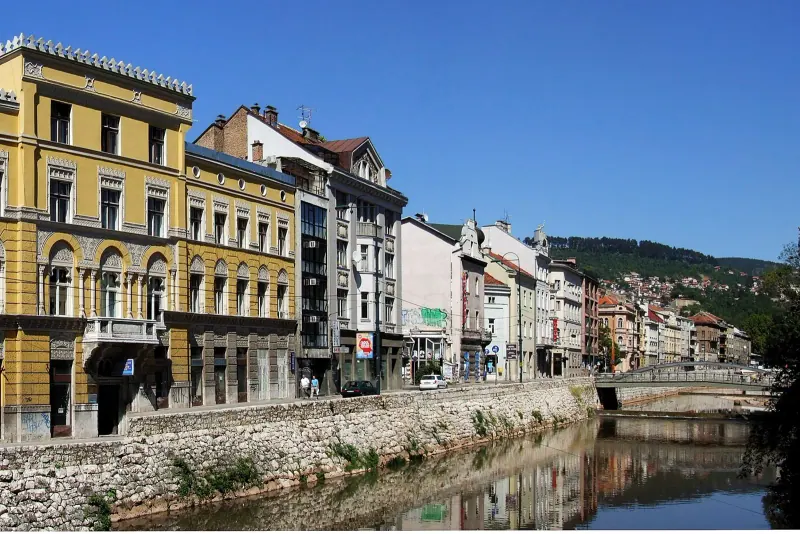 Sarajevo or Belgrade: which Balkan city?Our pick: Sarajevo
 Where to stay in Sarajevo: which area?Our pick: Bascarsija (Old Town)
Plan your Sarajevo trip
Where to stay
12 hotel picksLuxury, mid-range and budget, cross-checked against traveler reports
Getting there
Airport to city, priced outSarajevo airport to the centre: which way
Book a private transfer partner site
In pictures
Bascarsija and the old town worth ita Lukomir village day trip worth ita Mostar day trip from Sarajevo worth itSarajevo airport to the centre: which waya Sarajevo food tour worth itSarajevo or Belgrade: which Balkan citya Sarajevo war history tour worth itthe Trebevic cable car worth itKeep exploring
Gear verdicts from our sister site, Real Buyer Experiences:


