


Segovia has few five-star hotels, and this converted 17th-century convent is the standout: guests praise the spa, the quiet and the valley views, a short walk from the Alcazar and the aqueduct.
Old town
Search Expedia for this hotelpartner siteCity guide / Spain
The city Rome signed with a 29-metre aqueduct that still stands without mortar, a castle that convinced Disney fairy tales were real, and roast suckling pig carved with the edge of a plate. Our verdicts cover the aqueduct and Alcazar, the cathedral, La Granja, the cochinillo question and whether it beats Toledo.
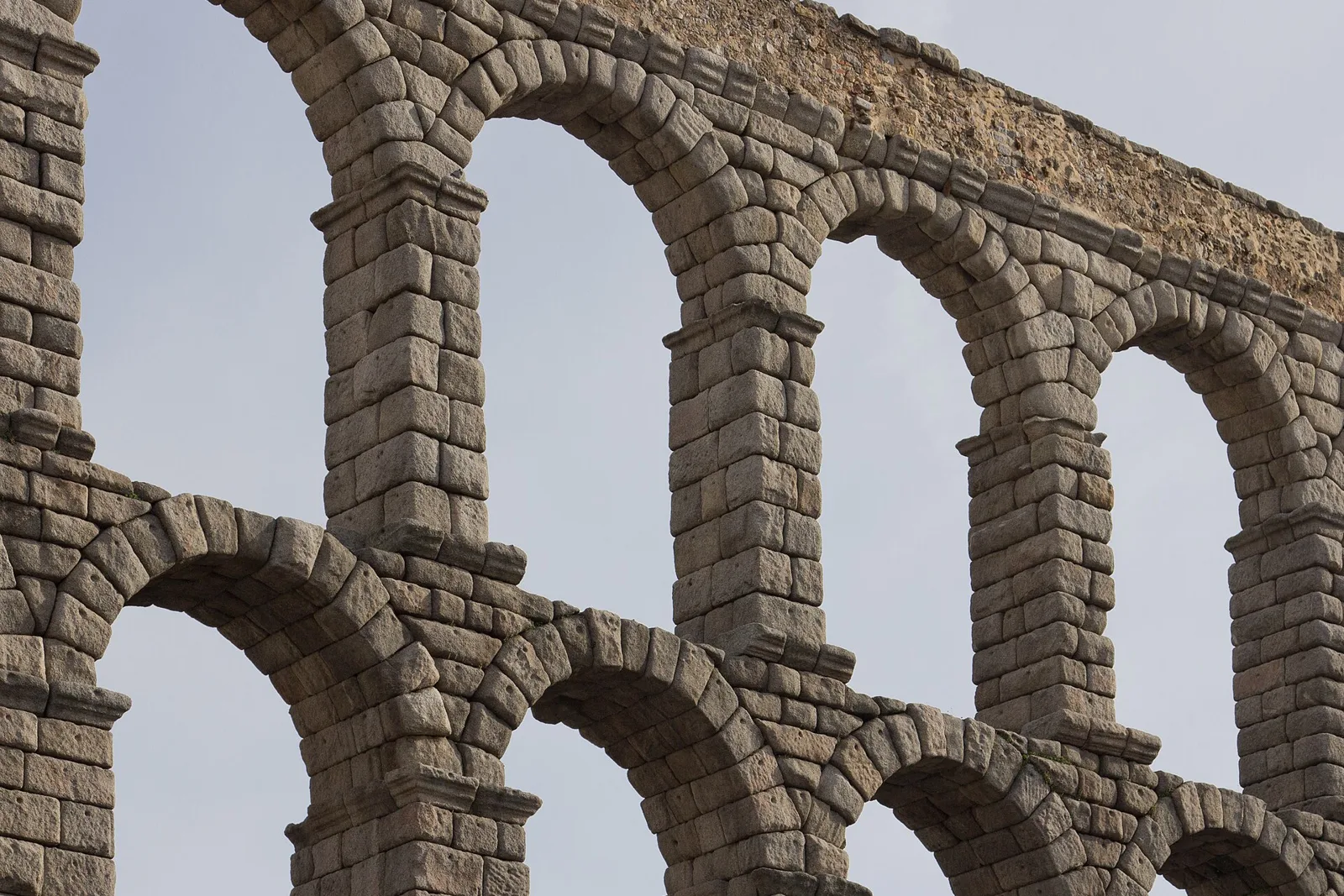
The review
A Roman aqueduct, a castle on a rock and a roast pig lunch, all inside one walkable hill town 30 minutes from Madrid.
Yes, Segovia is worth it, and it suits almost everyone who likes old stone, good food and a compact city. Travelers describe the aqueduct as far more striking up close than in photos, the Alcazar as the castle that matches the postcard, and the roast suckling pig lunch as the meal they planned the day around. It works as a long day from Madrid or, better, as a night or two.
The hard truth is timing. Day-trippers arrive in waves from late morning, restaurants fill between 2 and 4:30, Alcazar tower places can sell out on the day, and the fast-train station sits outside town on a bus line that residents and the regional ombudsman both call too thin. Summer afternoons are hot for a city built on a hill, and the famous La Granja fountains run only on a few dated show days.
The fix is simple. Walk the aqueduct early, book the Alcazar for mid-afternoon, reserve lunch ahead, and stay one night so you have the lit aqueduct and the quiet streets after the buses leave. Add La Granja or Pedraza as a second day only if you have checked the dates and passes first.
The long read
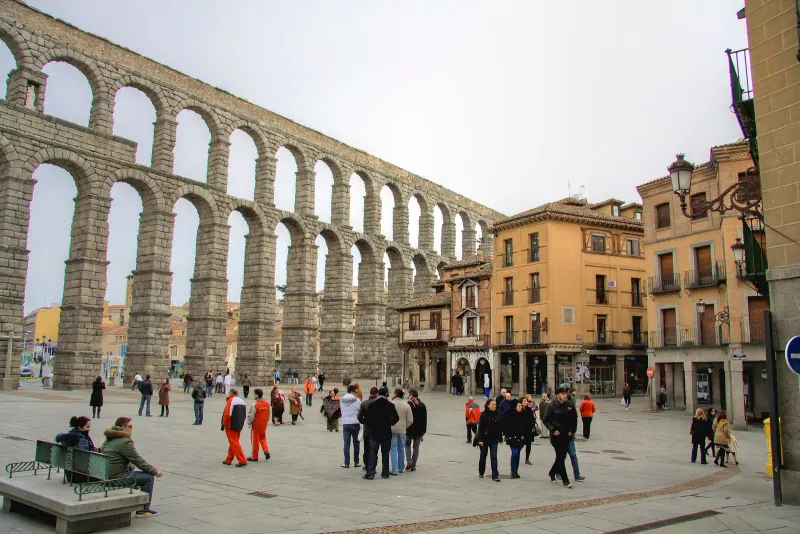
Most trips start under the aqueduct, and most travelers say the same thing: it looks bigger than the photos. A day-tripper described it as far more impressive up close, with early morning light and thin crowds. The stone spans the Plaza del Azoguejo, and the walking route follows its line up through the old town to the Plaza Mayor and on to the Jewish quarter, which is why so many guides treat the aqueduct as the spine of the day.
Plan the walk uphill. From the aqueduct, Calle Cervantes links the aqueduct square to the Plaza Mayor, where the cathedral fills one side and cafe terraces fill the rest. One backpacker called the aqueduct incredible but found the heat exhausting later in the day, so do the climb before noon or after 5 p.m. in summer.
Evening is the quiet reward. A couple who nearly skipped the city said staying two nights was the right call, with the aqueduct lit after the day crowds left as their favorite moment. For the full verdict on the walk, see our aqueduct and old town page.
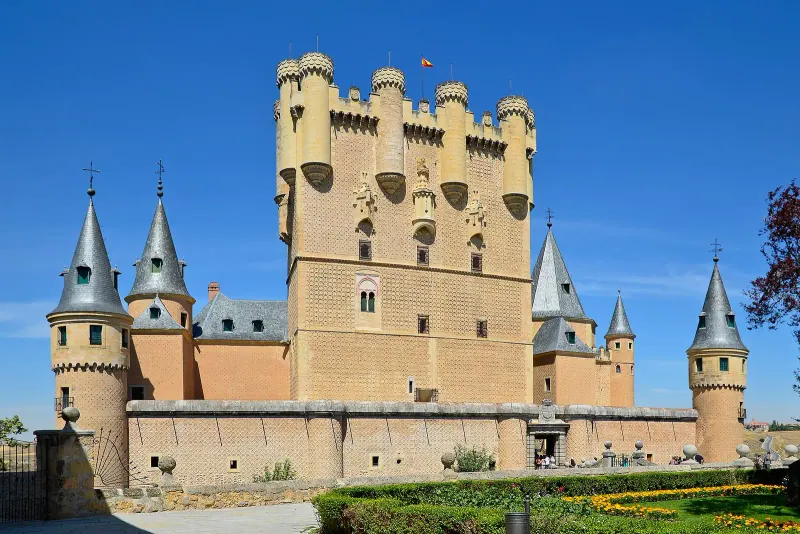
The Alcazar is the castle people picture: turrets on a rock above the meeting of two rivers. Travelers report timed entry, rooms with elaborate ceilings, and a tower climb of roughly 150 steps that rewards the vertigo with a full view over the city and the plateau. One family called the ceilings the most amazing part. Tower places are limited, so book ahead for the slot you want.
Timing matters. A visitor with an afternoon slot found the rooms almost empty, between the morning and late-day tour-group waves, while guides suggest allowing up to two hours and arriving early or late. The artillery museum labels are mostly in Spanish. See our Alcazar verdict for the booking details.
The cathedral is the quieter bet. A Spanish guide argues the value is inside: a bright nave, more than twenty chapels and a cloister moved stone by stone from an earlier church. A guided tower visit climbs to the bell level for city views. If time is short, many travelers choose the Alcazar and skip the cathedral interior, but those who go say it is calm and rewarding. Our cathedral page covers the options.
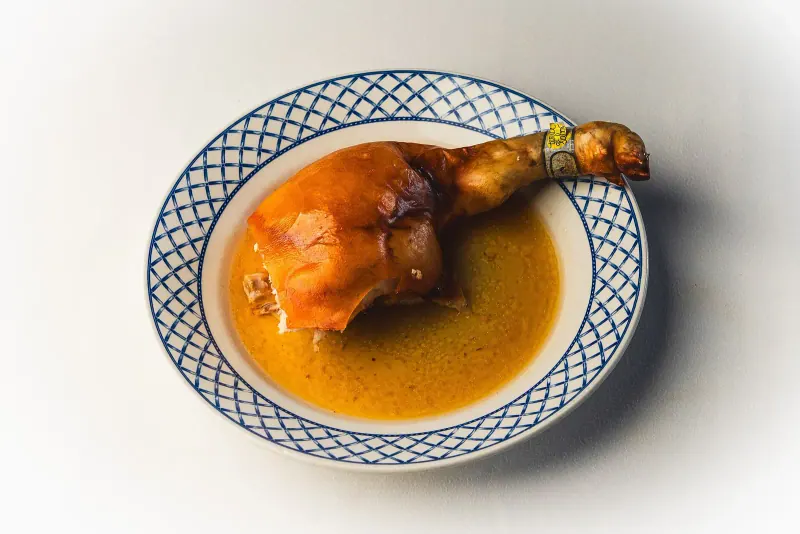
Cochinillo, roast suckling pig, is the reason many travelers come. Reports describe crisp, thin crackling over tender meat, carved at the table with the edge of a plate, which is then dropped and broken. A food columnist who comes every year says the ritual still lands, and a writer who is not a big pork eater called it really good, served plainly with no sides.
The caveats are practical. The famous houses book solid at lunch, and a regular warns that the largest dining rooms can feel rushed with tour groups. One portion is often enough for two. A pair who shared one loved the skin but found some of the meat gamey. Reserve ahead, and consider a smaller grill. Our cochinillo lunch verdict compares the options.
Beyond the pig, travelers praise the local white beans, the fried suckling dish and the local sweet that closes the meal. A January food vlog found a lively evening on Calle Infanta Isabel, where drinks arrive with a free tapa, so a light dinner after a heavy lunch is easy. The food tour verdict covers whether a guided tasting is worth it.
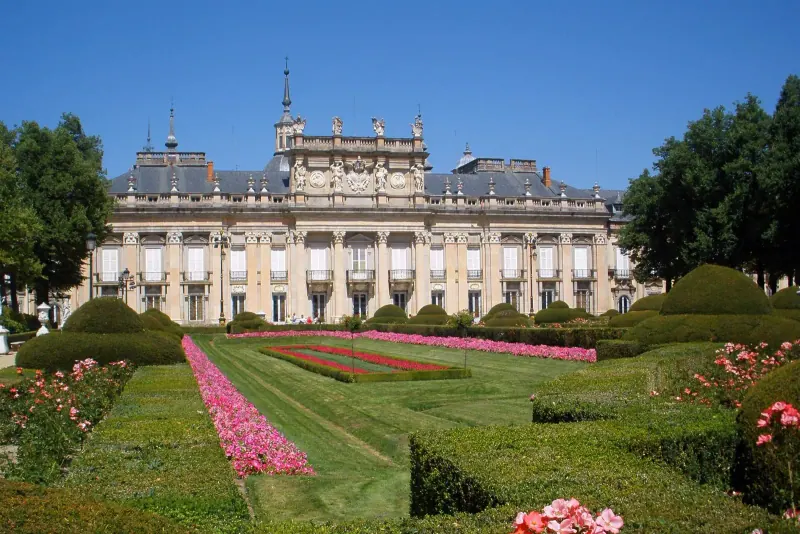
La Granja de San Ildefonso is the royal palace and baroque gardens about 11 km from Segovia. A couple who took a taxi spent nearly three hours on the rooms, church and gardens and rated it a favorite stop of their Spain trip. The catch is the fountains: they run only on dated show days, and in August 2026 every remaining show was cancelled after the reservoir fell to its lowest level in more than fifteen years. Check the calendar before you go. Our La Granja page has the details.
Pedraza is the walled village about 37 km away. Travelers describe a single stone gate, an arcaded plaza and quiet lanes that feel stopped in time, and a half day is plenty. The candle concerts in July draw tens of thousands of flames, but entry to the village is capped, and a travel piece warns that anyone without a reserved free pass is turned away. The free pass covers the village only; the concerts themselves are separately ticketed. See the Pedraza verdict.
Both trips are easier with a car. Without one, expect taxis or a bus link, and plan a long day.
The fast train is the usual choice. Travelers log about 30 minutes from Madrid Chamartin to Segovia-Guiomar, with a city bus into town. The catch is the station sits outside the center, and old-town residents complain that no public bus enters the walls and luggage trips can need two buses. The regional ombudsman has recommended more frequent buses to the station. A Madrid guide also warns that last-minute train fares can double.
The coach is slower, at roughly 80 minutes, but one day-tripper chose it for dropping her a short walk from the aqueduct with fewer transfers. Check both before you book, and for holiday weekends buy early. Our airport and train comparison walks through the routes.
From Barajas airport, the usual chain is the commuter train from Terminal 4 to Chamartin, then the fast train and city bus. Allow about two hours in total with connections.
This is the question Madrid visitors ask most. The consensus in the reports is that neither is wrong. One guide picks Toledo for one day on sheer content but gives Segovia the food win, and a third calls it the lighter, calmer, more compact visit.
If you can do both, do them on separate days: a Madrid guide puts each at six to eight hours and notes that the trains leave from different stations. Our Segovia or Toledo comparison gives the full verdict.
Most guides put the historic center first, with the Plaza Mayor and cathedral area the most atmospheric, and the aqueduct side best for tapas and a livelier evening. The Jewish quarter is the quiet-lane option. The outer districts near the station are cheaper and easier for parking and early trains, but you lose the evening walk.
Cars are the main complication. A Spanish area guide warns that cars cannot circulate or park in the historic center, and recommends choosing a hotel with parking first. Our where to stay guide compares the areas, and the twelve picks below span the old town, the aqueduct and the hilltop.
The pitfalls
Day-tripper waves hit the Alcazar and the aqueduct plaza from late morning, and a summer backpacker found walking in the heat exhausting. A visitor with an afternoon Alcazar slot found the rooms nearly empty between the tour waves. Go early or late, and use midday for lunch.
Guides advise buying the tower slot online and allowing up to two hours. The tower climb is on the order of 150 steps with no lift, so choose the slot first and plan the rest of the day around it.
Travelers report that restaurants are busy from about 2 to 4:30 and that a regular finds the biggest houses rushed with tour groups. Reserve ahead, and consider sharing one portion between two.
Segovia-Guiomar sits outside the center. Old-town residents complain that no public bus enters the walls, taxis are scarce at peak times and luggage trips can need two buses, and the regional ombudsman judged the buses to the station too infrequent. Allow extra time, and book a taxi or hotel pickup for early trains.
A Madrid guide warns that last-minute train fares can double. Book transport early for weekends and holidays, and compare train and coach before committing.
The fountains only work on dated show days, and the 2026 season lost every remaining August show when the reservoir fell to its lowest level in more than fifteen years. Two large fountains were also under renovation in May. Check the official calendar before planning the trip around them.
The July candle concerts cap village access at 5,000 people, and a national travel piece warns that anyone arriving without a reserved free pass is turned away. Reserve the pass online ahead of time, or visit on a normal day instead.
When to go
Best time
April to June and September to October
Travelers favor the shoulder months for comfortable walking weather and terrace evenings without the summer heat. May adds the Titirimundi puppet festival, and the 2026 La Granja fountain season ran from April to July.
Peak season
July and August
The hottest and busiest weeks. Reports describe tiring afternoon walks and tour-group crowds at midday.
Shoulder season
March, April and October
Cooler, calmer weeks with fewer groups. October brings the San Frutos patron-saint day, and Holy Week fills the old town with processions.
Off season
November to February
The quietest season, with cold days and few tour groups. A December day-tripper said the town never felt overwhelmingly crowded, and a couple said the lit aqueduct after dark was their favorite moment. The roast pig and tapas bars are open year-round.
April to June and September to October bring comfortable walking weather and terrace evenings; May adds the Titirimundi puppet festival. July and August are hot and crowded at midday but pleasant at dusk, and winter is the quietest season, with the Christmas market and lights from early December.
Getting there and around
| Airport | Distance | To the centre | How |
|---|---|---|---|
| MAD Madrid-Barajas Adolfo Suarez Airport | 100 km | about 120 min | Take the commuter train from Terminal 4 to Madrid Chamartin (reports put the ride at 11 to 15 minutes; check the Renfe real-time board for the last train), then a fast Avant train to Segovia-Guiomar in about 30 minutes, then city bus 11 or 12 into town in 15 to 25 minutes, paid on board. The alternative is to reach Moncloa by metro and take the Avanza coach to Segovia, about 80 minutes (coach times vary by departure). Allow about two hours in total with connections. See our airport and train guide. (source, checked Oct 2026) |
The old town is walkable end to end, and from the aqueduct to the Alcazar is a gentle uphill stroll. The fast train from Madrid Chamartin takes about 30 minutes to Segovia-Guiomar, which sits outside town; city buses 11 and 12 meet trains and take 15 to 25 minutes, paid on board. The Madrid coach takes about 80 minutes and drops closer to the aqueduct. Cars cannot circulate in the historic center, so choose a hotel with parking or park outside the walls.
Where to stay
We earn a commission if you book through our links. It never changes a verdict. How this works
High-end stays whose guests report the setting and service earn the rate.
Segovia has few five-star hotels, and this converted 17th-century convent is the standout: guests praise the spa, the quiet and the valley views, a short walk from the Alcazar and the aqueduct.
Old town
Search Expedia for this hotelpartner siteA four-star with a pool, terrace and a panoramic view over the lit old town and cathedral. It sits about 3 km out, reached by taxi or a walk, and guests call the rooms a little dated.
Hilltop above the old town
Search Expedia for this hotelpartner siteA small four-star palace conversion with 33 rooms near the cathedral. Guests praise the breakfast, the location and the courtyard feel, though one reports a noisy alley on the street side.
Old town, Plaza de San Facundo
Search Expedia for this hotelpartner siteA four-star hotel on Calle Juan Bravo, a few steps from Plaza de las Sirenas, and a modest stand-in for this tier. Guests praise the spacious rooms and rooftop terrace views, and a few mention parking trouble.
Old town, Calle Juan Bravo
Search Expedia for this hotelpartner siteThe comfortable middle: well placed, well run, priced for a normal trip.
A classic four-star building at the gates of the old town with a gym and rooftop terrace. Guests describe the location as fantastic for the aqueduct and first morning light.
Foot of the aqueduct
Search Expedia for this hotelpartner siteA small 22-room hotel a few minutes from the Alcazar and cathedral. Guests praise the cleanliness and the location, though some mention street works and thin WiFi.
Old town, Calle Daoiz
Search Expedia for this hotelpartner siteA historic three-star on the main square. Guests call the position unbeatable, with balconies over the plaza and the Alcazar and aqueduct a short walk away.
Plaza Mayor
Search Expedia for this hotelpartner siteA three-star near the aqueduct with a rooftop terrace. Guests praise the location and renovated rooms, while noting dated common areas and some noise.
Avenida del Padre Claret, near the aqueduct
Search Expedia for this hotelpartner siteCheaper beds that travelers still rate well for location and cleanliness.
A simple one-star guesthouse with private bathrooms about a minute from the aqueduct. Guests like the position; the top rooms mean six flights of stairs with no lift. Some guests mention small rooms, so check recent reviews.
Old town, beside the aqueduct
Search Expedia for this hotelpartner siteA small hostal about 50 metres from the Plaza Mayor with private bathrooms and heating. Guest scores are modest and reports on the rooms are mixed, so read recent stays and treat it as a position-first pick.
Old town, Calle Cronista Lecea
Search Expedia for this hotelpartner siteA small family-run guesthouse under five minutes from the Plaza Mayor and cathedral, with private bathrooms and family rooms. Guests note thin walls and no lift.
Old town, Calle Juan Bravo
Search Expedia for this hotelpartner siteA one-star guesthouse in the lower town, roughly a 10 to 15 minute walk from the old town centre, with air-conditioned, soundproofed rooms and private showers; the value pick if you accept the walk.
Calle Santa Catalina, lower town about 1 km from the aqueduct
Search Expedia for this hotelpartner siteQuestions
One long day covers the aqueduct, Alcazar, cathedral and a roast pig lunch, but travelers say one night is better because the lit aqueduct and quiet lanes after the buses leave are the memorable part. Add a second day for La Granja or Pedraza.
Both work. The fast train from Madrid takes about 30 minutes, so day trips are easy. Overnight guests get the quiet evening streets, a relaxed roast pig lunch and no rush for the last train. If you only have a day, start early and book the Alcazar slot first.
No, the old town is walkable and the fast train plus city bus gets you there. Cars cannot circulate or park in the historic center, so if you drive, book a hotel with parking. A car helps only for La Granja and Pedraza as a second day.
Most travelers say yes: crisp skin, tender meat and the plate-carving ritual. Expect busy dining rooms from about 2 to 4:30, reserve ahead and consider sharing one portion between two. Smaller grills can feel less rushed than the biggest houses.
Travelers split. Toledo wins for a bigger monument and shopping day, Segovia for food, compactness and the aqueduct. If you can only do one, pick Toledo for a bigger monument day and Segovia for a lighter, calmer visit. Do both on separate days.
Yes. The center is compact, the Alcazar looks like a storybook castle and the aqueduct impresses all ages. Tower climbs and cobbled hills are the main challenges. Family guides also recommend the cathedral bell tower tour and a sit-down roast pig lunch.
No. They run on a small number of dated show days, and water supply decides whether they go ahead; in August 2026 every remaining show was cancelled because the reservoir was so low. Check the official calendar before you plan around them.
How this guide was written. We read 48 traveler reports about Segovia published between Nov 2024 and Sep 2026, 2 of them mainly negative, and checked the facts against official sources in Oct 2026. Nobody on the team claims a visit; hotel picks are chosen from what guests report, never from what they pay us. How we judge.
Explore the decisions
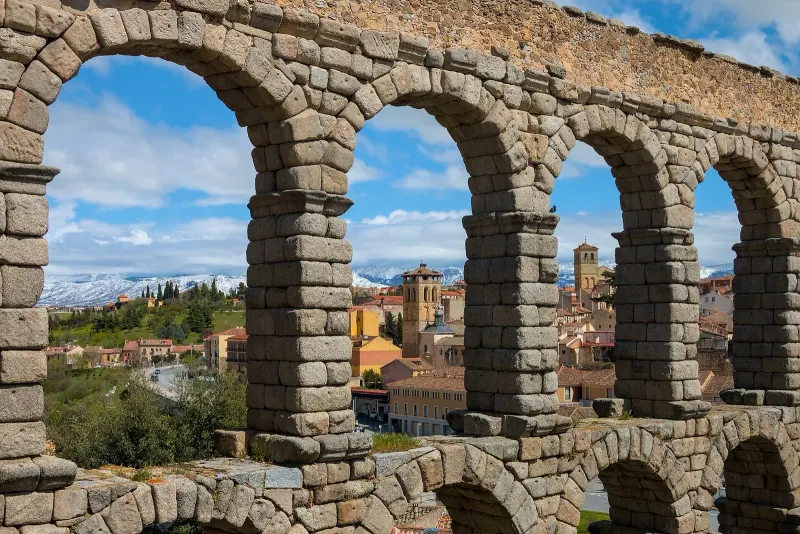 Are Segovia's aqueduct and old town worth it?Go
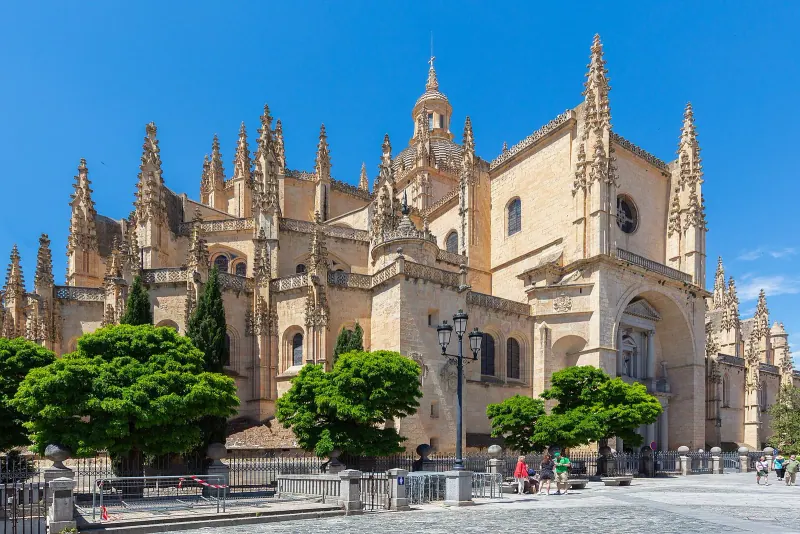 Is Segovia Cathedral worth it?Go
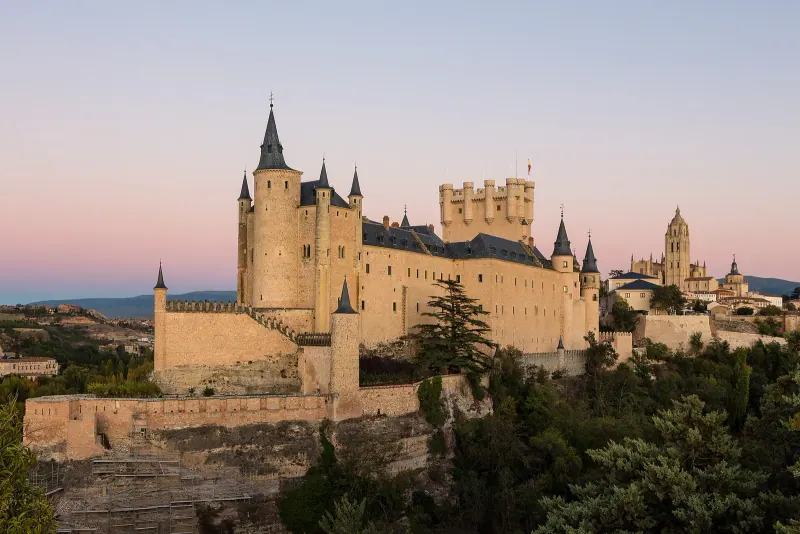 Is the Segovia Alcazar worth it?Go
Explore the decisions
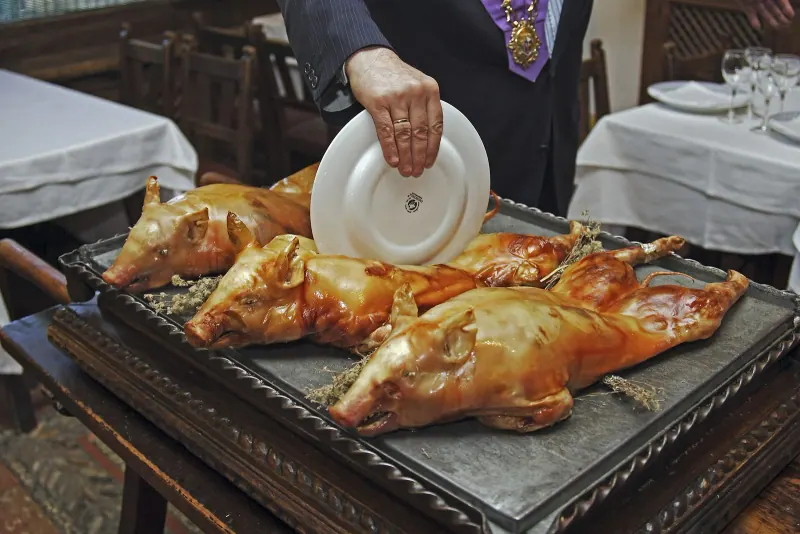 Is a cochinillo lunch in Segovia worth it?Go
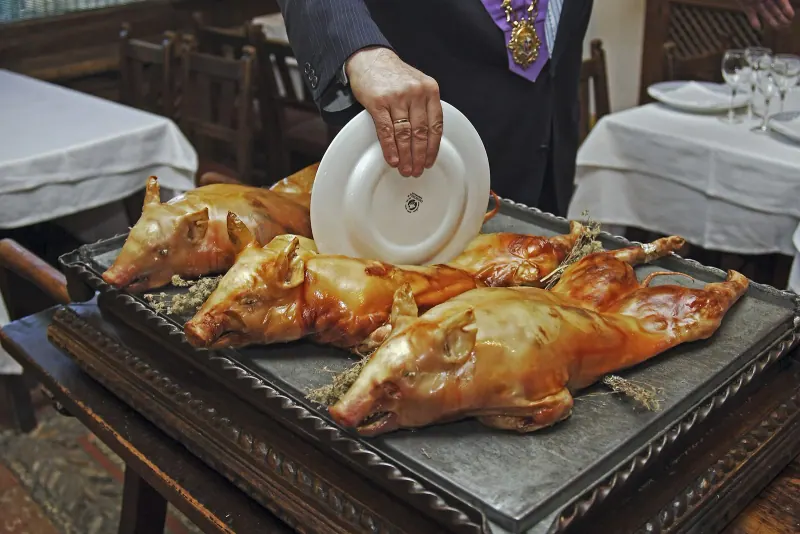 Is a Segovia food tour worth it?It depends
Explore the decisions
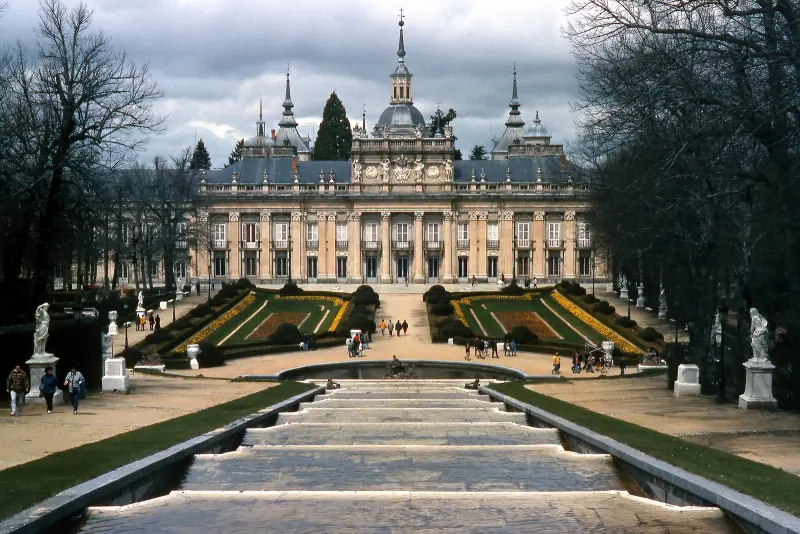 Is a La Granja palace day trip from Segovia worth it?Go
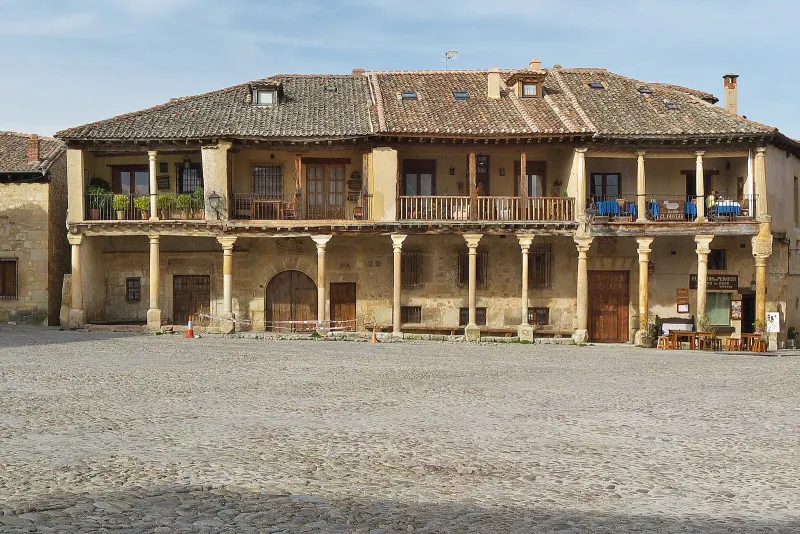 Is a Pedraza day trip from Segovia worth it?It depends
Explore the decisions
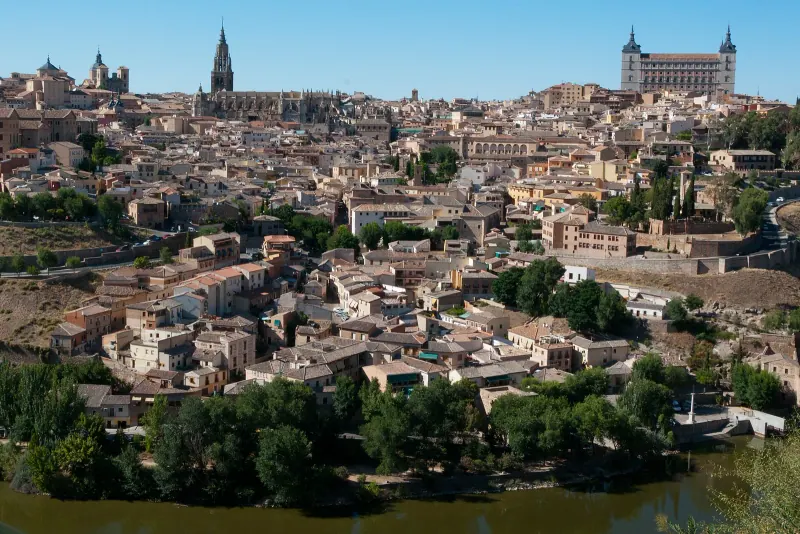 Segovia or Toledo: which city?Our pick: Toledo
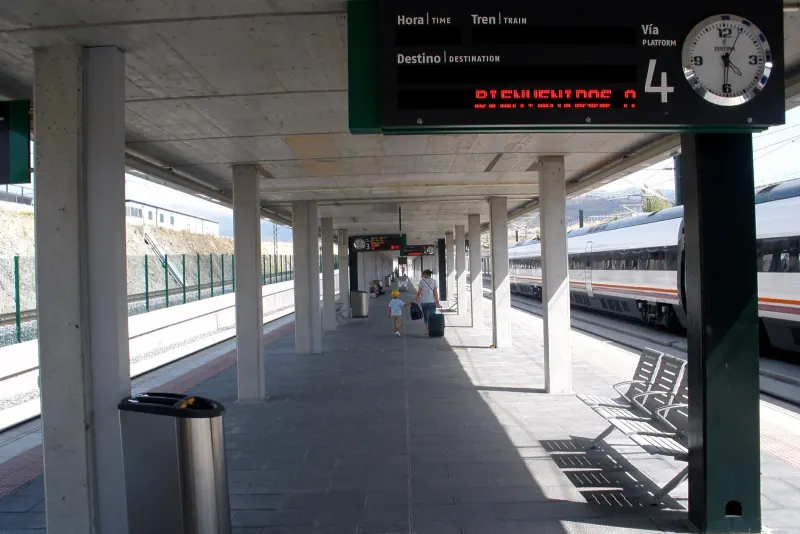 Segovia: which airport or train route?Our pick: High-speed train to Segovia Guiomar
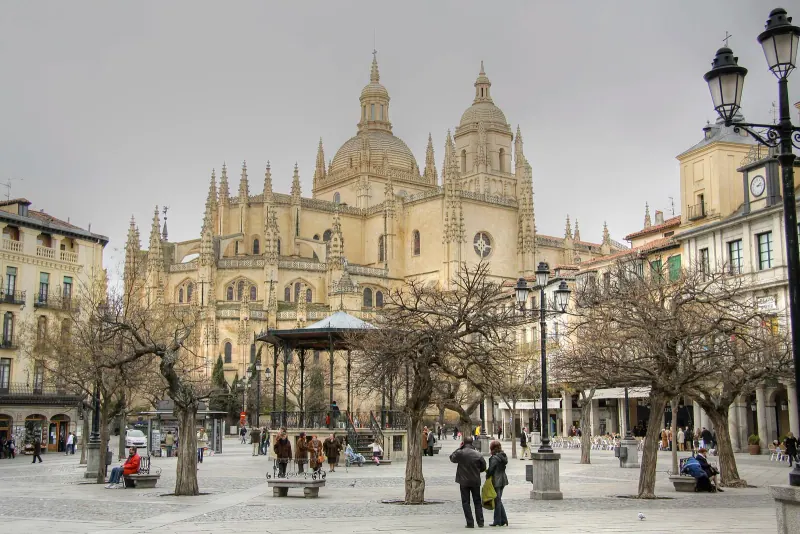 Where to stay in Segovia: which area?Our pick: Casco Antiguo
Plan your Segovia trip
Where to stay
12 hotel picksLuxury, mid-range and budget, cross-checked against traveler reports
Getting there
Airport to city, priced outSegovia: which airport or train route
In pictures
a cochinillo lunch in Segovia worth ita La Granja palace day trip from Segovia worth ita Pedraza day trip from Segovia worth itSegovia: which airport or train routethe Segovia Alcazar worth itSegovia's aqueduct and old town worth itSegovia Cathedral worth ita Segovia food tour worth itKeep exploring
Gear verdicts from our sister site, Real Buyer Experiences:


