Zagreb is Croatia's inland capital, and most travelers meet it as a gateway on the way to the coast or [Plitvice](/zagreb/plitvice-day-trip/). Our verdicts cover Museum of Broken Relationships, Plitvice Lakes and Samobor, the airport route and where to stay.
A walkable, cafe-powered capital with a gas-lit old quarter, real markets and fair prices, best given two unhurried days.
Best time
Late April to June, September to mid October
How long
Two days cover the Upper Town, the Lower Town and one or two museums. Add a third day for Samobor, and a fourth for Plitvice.
Cost level
Moderate
Nearest airport
Zagreb Franjo Tuđman Airport (ZAG)about 40 min to the centre
Zagreb is worth two real days if you like cities that run on cafes, markets and small museums rather than monuments. Travelers describe a compact capital where the medieval Upper Town sits above a grid of Austro-Hungarian squares and parks, everything is walkable, and prices stay well under the coast. A long-stay writer calls it plainer than Split but a real local city.
The hard truth is that it is not a postcard city. There is no sea, and the charm is small scale. Works in progress also affect a visit: the cathedral exterior and towers are still wrapped in scaffolding, the funicular only reopened in May 2026 after a long rebuild, and a plaster ceiling fall at the Dolac market hall in October 2025 left the open-air stalls scattered across nearby streets during the renovation. Anyone with a tight coastal schedule is told to skip the city, and the Zagreb or Split verdict lays out that trade.
The fix is to plan around what works. Walk the Upper Town in the morning, spend the afternoon in the Lower Town parks and museums, and add the Museum of Broken Relationships, a food tour or the Zagreb Card if you want structure. Use the city as a base for Plitvice or the easy Samobor outing. Advent, from 28 November 2026, is the season when the city is at its most attractive.
Go if
Travelers who want a real capital with cafes, markets and parks instead of a resort town
Couples and solo travelers on a two or three day city break
Food lovers after strukli and a morning at the Dolac market
Budget-minded visitors who want Croatia without coastal prices
Anyone building a route that links Plitvice with the coast
Skip if
You want beaches, islands or sea views: the coast is hours away
You have a tight coastal itinerary and only one spare day
You need a checklist of monumental sights: Zagreb's charms are small scale
You dislike hills and stairs, since the Upper Town sits above the center
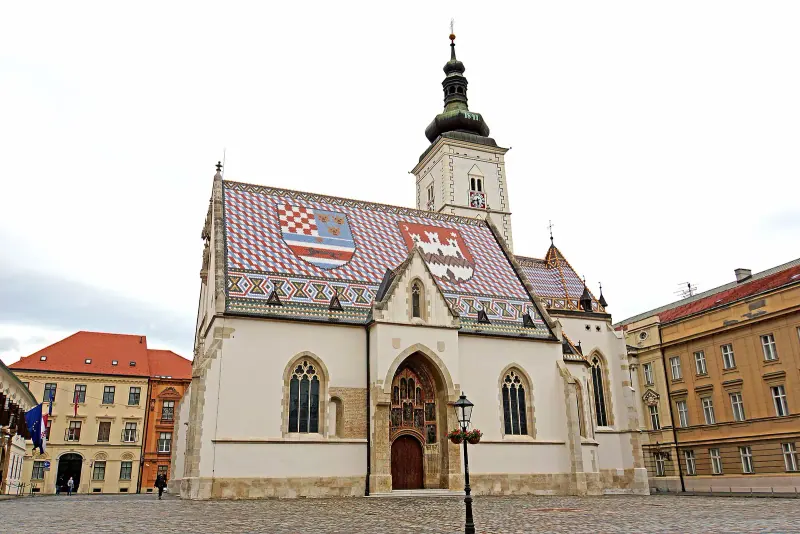
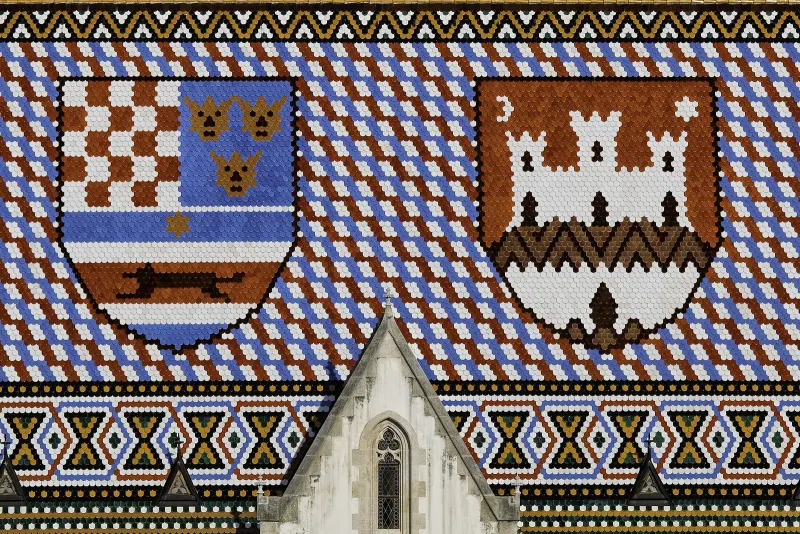
The Upper Town is the part of Zagreb that most reports start with. Two old settlements, Gradec and Kaptol, sit on a hill above the center, and the usual loop runs from the Stone Gate past the tiled roof of St Mark's Church to the Lotrščak Tower and the viewpoint promenade. A walking-tour video covers that loop in real time and is a fair preview of how compact it is.
Small rituals set the mood. A cannon fires from the Lotrščak Tower at noon every day, and the video catches it on the way through. The tower is listed at 3 EUR for adults by the city museum group and is closed on Mondays. The funicular, called the shortest public-transport funicular in the world by the city itself, reopened in May 2026 with improved accessibility after a rebuild of more than a year; the ride is 66 meters and takes about a minute.
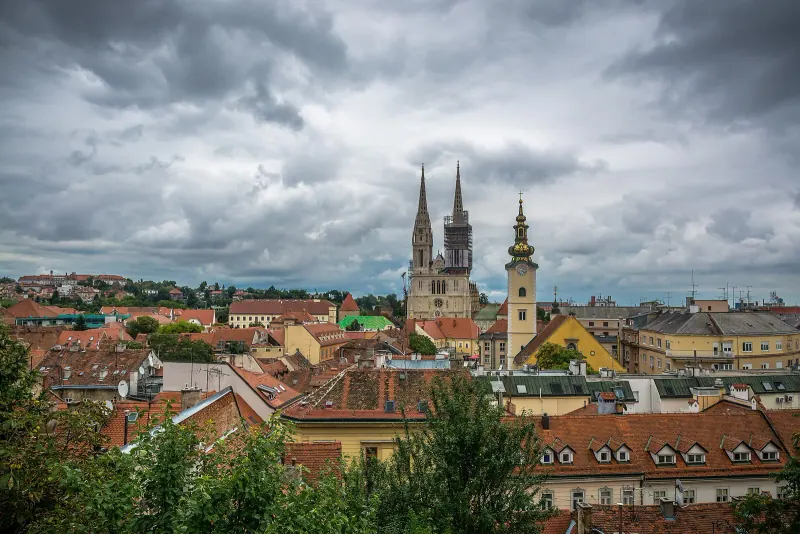
Expect scaffolding. The cathedral is open, with its interior structural work done, but the towers and exterior remain wrapped, the building last stood free of scaffolding in 1990, and the heritage protection chief expects the whole job to end in 2030 at the earliest. It is still worth seeing, but plan photos around the cranes.
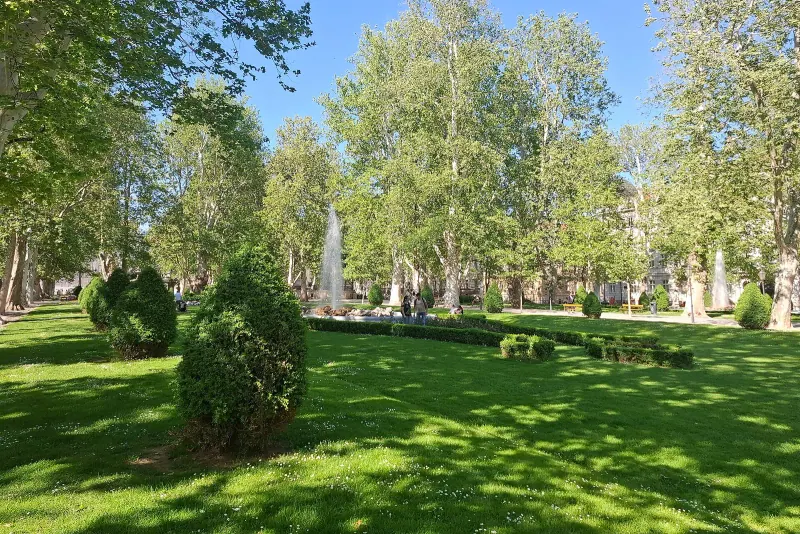
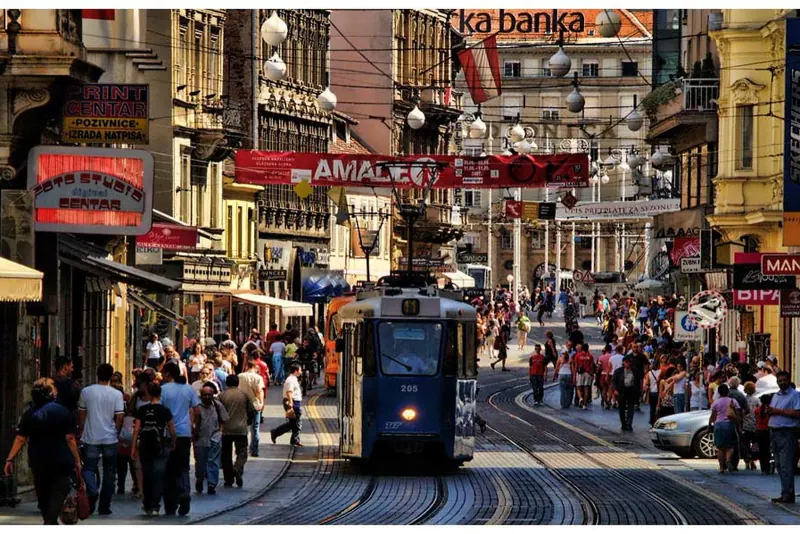
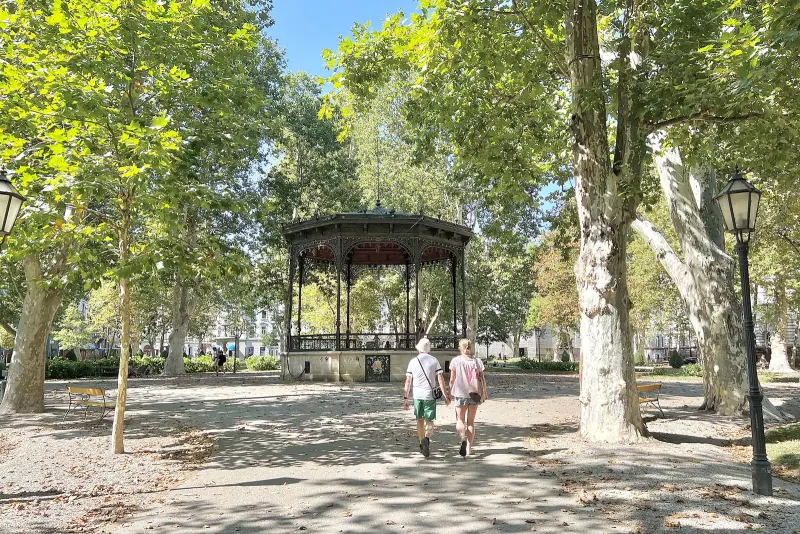
Below the hill, the Lower Town is a grid of Austro-Hungarian squares, parks and museums, and city neighborhood guides call it the most convenient base. Its flat streets suit walking, and trams cover the rest, so a first visit rarely needs a car.
Most of the hotel picks below sit here or at its edges, spread between the station end, the main square and the foot of the Upper Town. The where to stay verdict maps the neighborhoods in more detail.
Food, Dolac and the coffee habit
Food is the easiest way to get a feel for the place. Strukli, baked or boiled cheese pastry, is the dish every list names, and a news feature traces how a strukli-only bistro turned it into the city's signature. A review of that bistro loves the dish but warns the room is small and gets busiest at peak lunch hours.
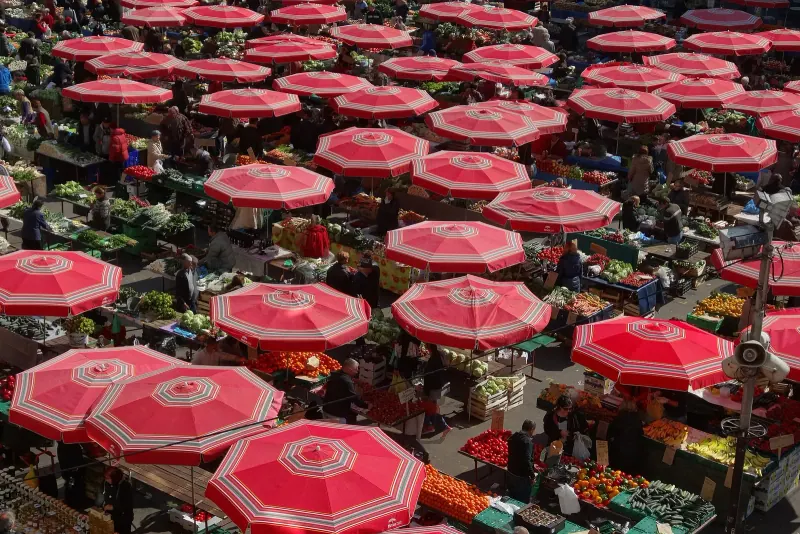
Dolac, the open-air market under red umbrellas, is the morning stop for produce. The 2025 and 2026 story is disruption: part of the plaster ceiling fell in the indoor hall in late October 2025, and after emergency repairs it reopened on 11 December 2025 with the fish and dairy sections open. The open-air stalls were moved to Pod zidom, Ivana Tkalčića street, Splavnica and the western side of the main square while the city plans a full renovation. The market still trades, just more spread out than the old photos suggest.
A guided food tour is the fastest route to a proper strukli, and the same stops also work as a DIY route.
Museums, rain and small pleasures
Zagreb's museums are small and odd, which suits a wet afternoon. The Museum of Broken Relationships is the one visitors bring up most. The museum lists adult entry at 9 EUR and opens daily, 9:00 to 21:00 from October to May and 9:00 to 22:00 from June to September.
The Museum of Illusions is the family option for an hour or two. For a heavy sightseeing day, the Zagreb Card bundles public transport with free entry to covered attractions, sold in 24-hour and 72-hour versions; check the current price on the official page, which lists 38 EUR.
Day trips to Plitvice and Samobor
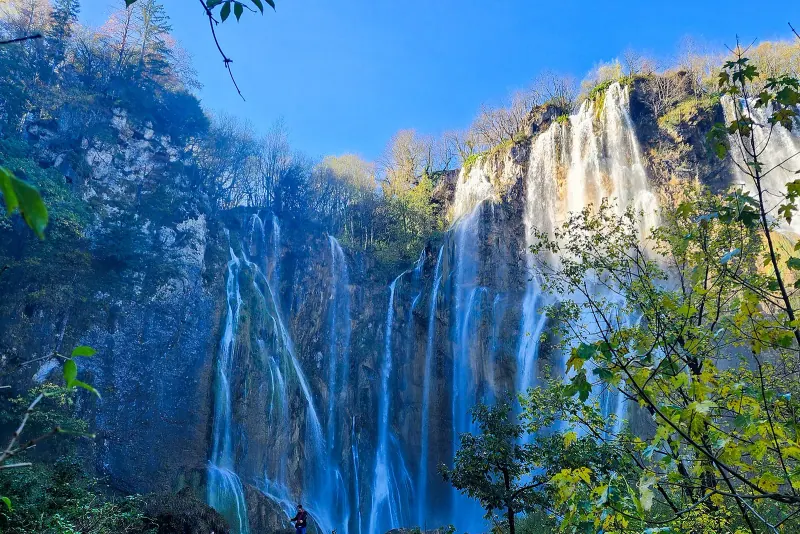
Zagreb's best excuse is the lakes. The Plitvice day trip is about two hours each way by coach. Reports are split: travelers praise the waterfalls, but a midday arrival means crowds on the two-person-wide boardwalks and a long queue for the boat. One family took the 8:00 first slot, reached quiet paths and waited ten minutes for the boat.
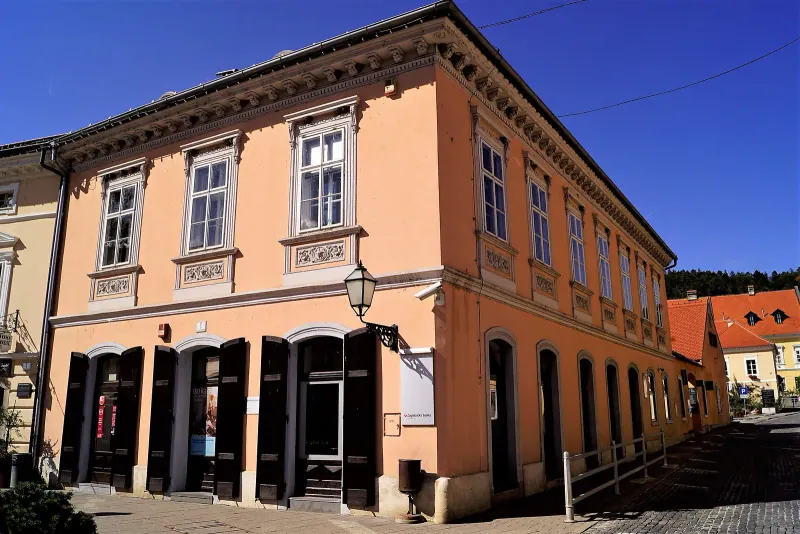
The park's 2026 price list shows an adult day ticket of 40 EUR before 4 p.m. from June to September (25 EUR after 4 p.m. in June to August, after 3 p.m. in September), 23 EUR in April, May and October, and 10 EUR from November to March. A two-day ticket is 60 EUR in the summer band. Samobor is the gentler option, a small town that works as a half day.
Zagreb or the coast
Many itineraries treat Zagreb as a gateway. The Zagreb or Split comparison describes Zagreb as plainer but a real local city, while Split is beautiful and heavily touristed with a seasonal economy.
The plain summary from the logged reports: yes to Zagreb for a cheap, walkable, local capital, and no if the plan is sun and swimming.
The pitfalls
What goes wrong in Zagreb
Dolac market is split up
Part of the hall's plaster ceiling fell in late October 2025, and the hall reopened on 11 December 2025 after emergency repairs. The open-air plateau under the red umbrellas is the part displaced, with vendors moved to Pod zidom, Ivana Tkalčića street, Splavnica and the western side of the main square until further notice. Old photos and older guides show a layout that does not match today.
Scaffolding on the cathedral
The cathedral is open, and interior structural work is done, but the exterior and towers stay wrapped and the heritage protection chief puts completion no earlier than 2030. Expect cranes in photos of the towers.
Stale airport fares online
Some guides still quote an 8 EUR shuttle fare, while the operator timetable lists 9 EUR one way, and the airport's published taxi maximum to the center is 35 EUR. There is no rail link, and bus 290 to Kvaternik Square is the cheaper but slower option.
Midday crowds at Plitvice
Reports describe boardwalks blocked by crowds and a long queue for the boat on midday day trips. Enter at opening, as one family did on the 8:00 slot, or arrive late, when the lower 25 EUR ticket applies (after 4 p.m. in June to August, after 3 p.m. in September).
Upper Town cobbles and stairs
The Upper Town sits on a hill, so a stay there means steep streets and stairs with luggage. The funicular costs 0.66 EUR and runs daily from 06:30 until about 22:00, so it helps, but Lower Town stays are easier on arrival day.
A short coastal schedule
Verdict pieces say travelers with a tight coastal timeline should skip Zagreb, since the sea is hours away and the center can fill a day fast. Entering Croatia at Zagreb and leaving from the coast saves the backtrack.
When to go
Zagreb by season
Best time
Late April to June, September to mid October
Mild days, full terraces and open parks, with fewer midday crowds than summer. Reports favor these months for Plitvice and the Upper Town loop.
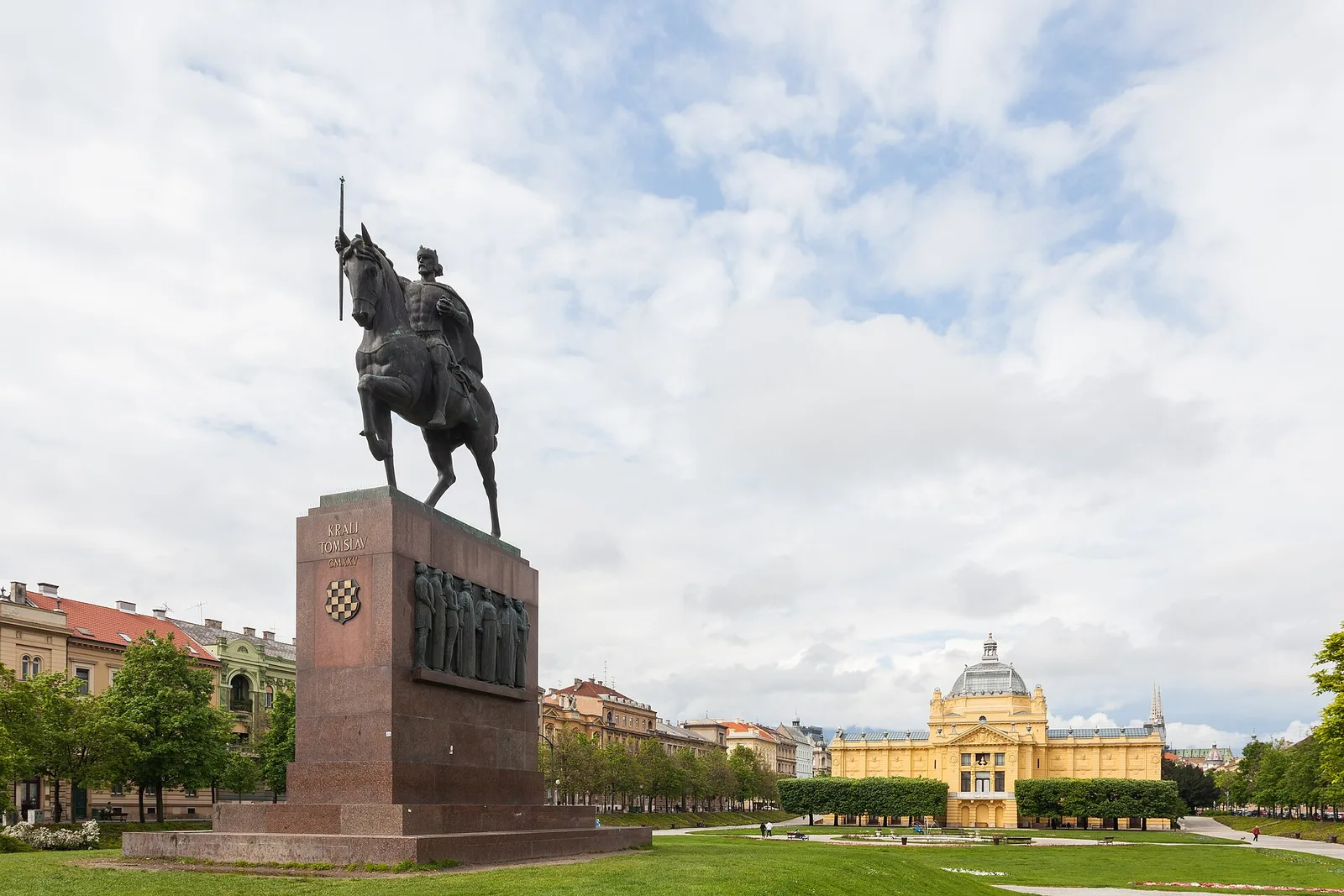
Zagreb Classic open-air concerts on King Tomislav Square (the 2026 edition ran from 19 June to 3 July)
Baš Naš Sunset Festival on the Gradec plateau (a free summer series that ran from mid June to early July in 2026; sources differ by a day, so check the dates)
Peak season
July and August
Hot and partly emptied as locals leave, with the peak Plitvice ticket at 40 EUR before 4 p.m. (25 EUR after, in June to August) and the Upper Town best at dusk. Evenings suit terraces, and Plitvice is cooler in the early morning.
Shoulder season
March to mid April and October to mid November
Cooler and quieter, with lower Plitvice tickets, 23 EUR in April, May and October, and an easy pace in the museums and cafes.
The cathedral interior, open again with the scaffolding gone
Plitvice at the 23 EUR rate in October and again from April
Off season
Late November to February
Cold, quiet and cheaper, with museums and cafes as the main shelter. The big draw is Advent, spread across the center rather than one square.
Advent in Zagreb from 28 November 2026 to 7 January 2027, with set-up from 25 to 27 November
Night of Museums with free entry across Croatia (the 2026 edition was on 30 January; check the 2027 date)
Plitvice at the 10 EUR winter ticket from November to March
Late April to June and September to mid October bring mild days and full terraces. Advent, from 28 November 2026 to 7 January 2027, is the city's big draw, and July and August run hot with many locals away.
Getting there and around
Airports near Zagreb
Airport
Distance
To the centre
How
ZAG Zagreb Franjo Tuđman Airport
16 km
about 40 min
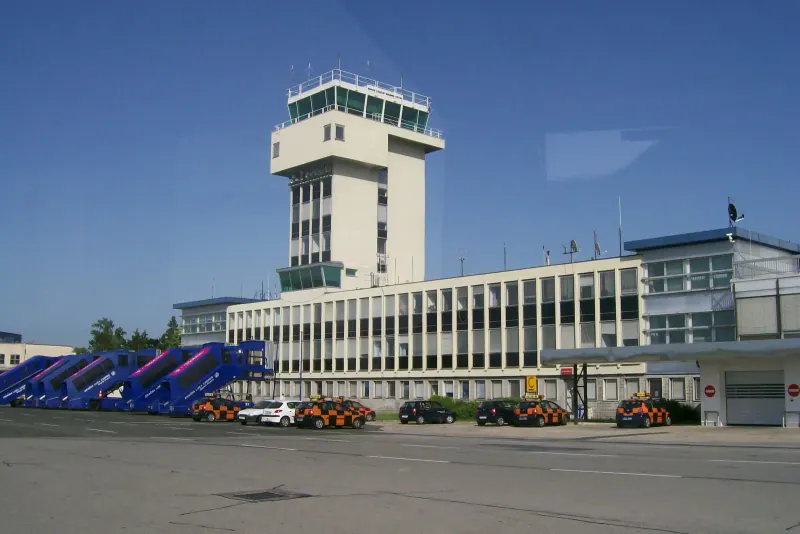
The Pleso Prijevoz shuttle runs from the airport to the Zagreb central bus station in about 35 to 40 minutes, and its timetable lists 9 EUR one way for adults. ZET bus 290 runs to Kvaternik Square in about 45 to 50 minutes. There is no rail link. The airport's published maximum taxi fare to the center is 35 EUR. (source, checked Oct 2026)
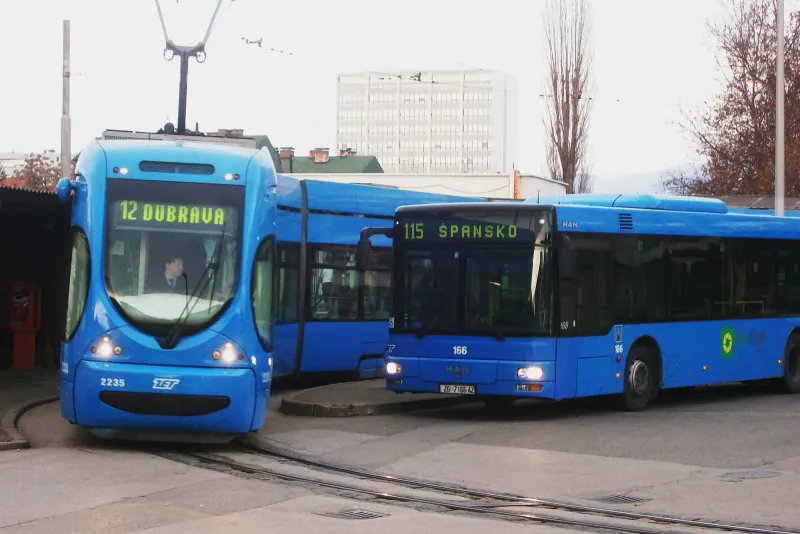
The center is flat and walkable, and trams cover the rest. ZET lists a 30-minute ticket at 0.53 EUR, a 60-minute ticket at 0.93 EUR and a day ticket at 3.98 EUR, and tickets bought from the driver cost more. The Upper Town funicular costs 0.66 EUR one way and runs daily from 06:30 until about 22:00. The airport bus is a separate ZET line, so check the timetable for its fare.
Where to stay
12 hotels that fit this trip in Zagreb
We earn a commission if you book through our links. It never changes a verdict. How this works
Luxury
High-end stays whose guests report the setting and service earn the rate.
Esplanade Zagreb Hotel
The five-star 1925 art deco landmark by the station. Reviews praise the grand rooms and the easy base for Samobor and Plitvice day trips, with the main square a 15 minute walk. A phased renovation of all rooms runs through 2026 and 2027, so ask which wing is finished.
A five-star boutique with a spa and sauna. Guests praise the friendly staff and the restaurants nearby, with Zrinjevac six minutes and the main square ten minutes on foot.
A four-star boutique hotel on the pedestrian cafe street Tkalčićeva, at the foot of the Upper Town. Guests praise the setting and its bistro restaurant.
A cheap central hostel on Ilica with private rooms and dorms and 24-hour reception. A social base for solo travelers near the main square and nightlife; reviews are mixed on noise and upkeep.
A quieter hostel with private rooms that discourages party crowds, in a residential district a tram ride from the center. Guests rank it among the best-rated budget stays in the city.
Residential street about 3.7 km from the center, 15 minutes by tram
Two days cover the Upper Town, the Lower Town and one or two museums. Add a third for Samobor and a fourth for Plitvice. A single day works only as a stopover on the way to the coast.
Is Zagreb expensive?
Reports call it far cheaper than Dubrovnik or Split. The Museum of Broken Relationships lists adult entry at 9 EUR, the Lotrščak Tower 3 EUR, and a ZET day ticket costs 3.98 EUR.
Is Zagreb worth visiting in winter?
Yes, if you accept cold and short days. Advent runs from 28 November 2026 to 7 January 2027, museums and cafes stay open and prices drop. Plitvice has a 10 EUR winter ticket from November to March.
How do I get from Zagreb airport to the center?
The Pleso Prijevoz shuttle takes about 35 to 40 minutes to the main bus station and lists 9 EUR one way. Bus 290 to Kvaternik Square is the cheapest option, and the airport's published maximum taxi fare to the center is 35 EUR.
Do I need a car in Zagreb?
No. The center is walkable and trams cover the rest, so a car adds parking costs. Rent one only for the coast or Plitvice, or take a coach to Plitvice, about two hours each way.
Which area is best for a first stay?
Travelers put first-timers in the Lower Town for walkability and tram access. Choose the Upper Town only if you want the hilltop setting and accept steep streets and stairs, with the funicular as help.
How this guide was written. We read 13 traveler reports about Zagreb published between Jun 2025 and Sep 2026, and checked the facts against official sources in Oct 2026. Nobody on the team claims a visit; hotel picks are chosen from what guests report, never from what they pay us. How we judge.