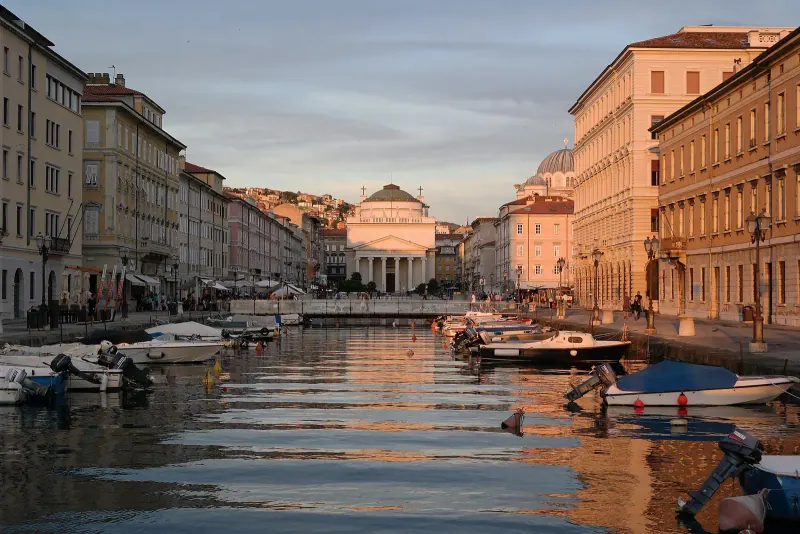
A Habsburg port where grand squares, old cafes and a rocky sea meet, best for slow days and patient travelers.
Best time
late May to June, September to early October
How long
Two full days cover the square, San Giusto, Miramare and a cafe crawl. Add a third for Grotta Gigante, Duino or a day trip to Ljubljana.
Cost level
Moderate
Nearest airport
Trieste Airport (Friuli Venezia Giulia) (TRS)about 30 min to the centre
Trieste is worth it for travelers who like big squares, old coffee houses and a sea that belongs to daily life. It is not a city for ticking off famous sights. Reports describe a Habsburg port with a square so large one writer called it perhaps the largest they had seen, a short canal lined with cafes, a white castle on the cliffs at Miramare and a limestone plateau of caves and wine farms behind the city. Writers who know both argue it gives you the Adriatic elegance of Venice with far fewer people.
The hard truth is that Trieste asks you to meet it halfway. The bora can empty the seafront in winter, August brings heat and crowded bathing rocks, the Barcolana weekend fills the hotels, and Monday closures in the cooler months catch people out. The best viewpoints sit up a hill or down 500 steps. Several writers add that the canal looks nothing like Venice and that the cafes beside it charge for the view.
The fix is simple. Stay in the flat Borgo Teresiano grid, buy a 24 hour bus ticket for the Miramare and cave days, book the cave and weekend Miramare slots ahead, and come in late spring or September. Keep one evening free for Piazza Unità and the Canal Grande when the lamps come on. Two to three days is the dose most travelers recommend.
Go if
Travelers who want grand squares, historic cafes and a working port without Venice crowds
Coffee and food lovers drawn to a mix of Italian, Austrian and Slovenian kitchens
Couples after a sea view at dusk, Miramare Castle and a slow evening aperitivo
Rail travelers linking Venice, Ljubljana and the Slovenian coast
Swimmers who like rocky city lidos in summer and caves and wine farms on the Karst
Skip if
You want Renaissance art blockbusters; Trieste is Habsburg, not Medici
You arrive in a winter bora week with no indoor plans
You need sandy beaches; the city swims from rocks, platforms and steps
You expect a Venice style canal city; the Canal Grande is one short canal
The long read
What Trieste is like, from the reports
Piazza Unità at dusk and the Canal Grande
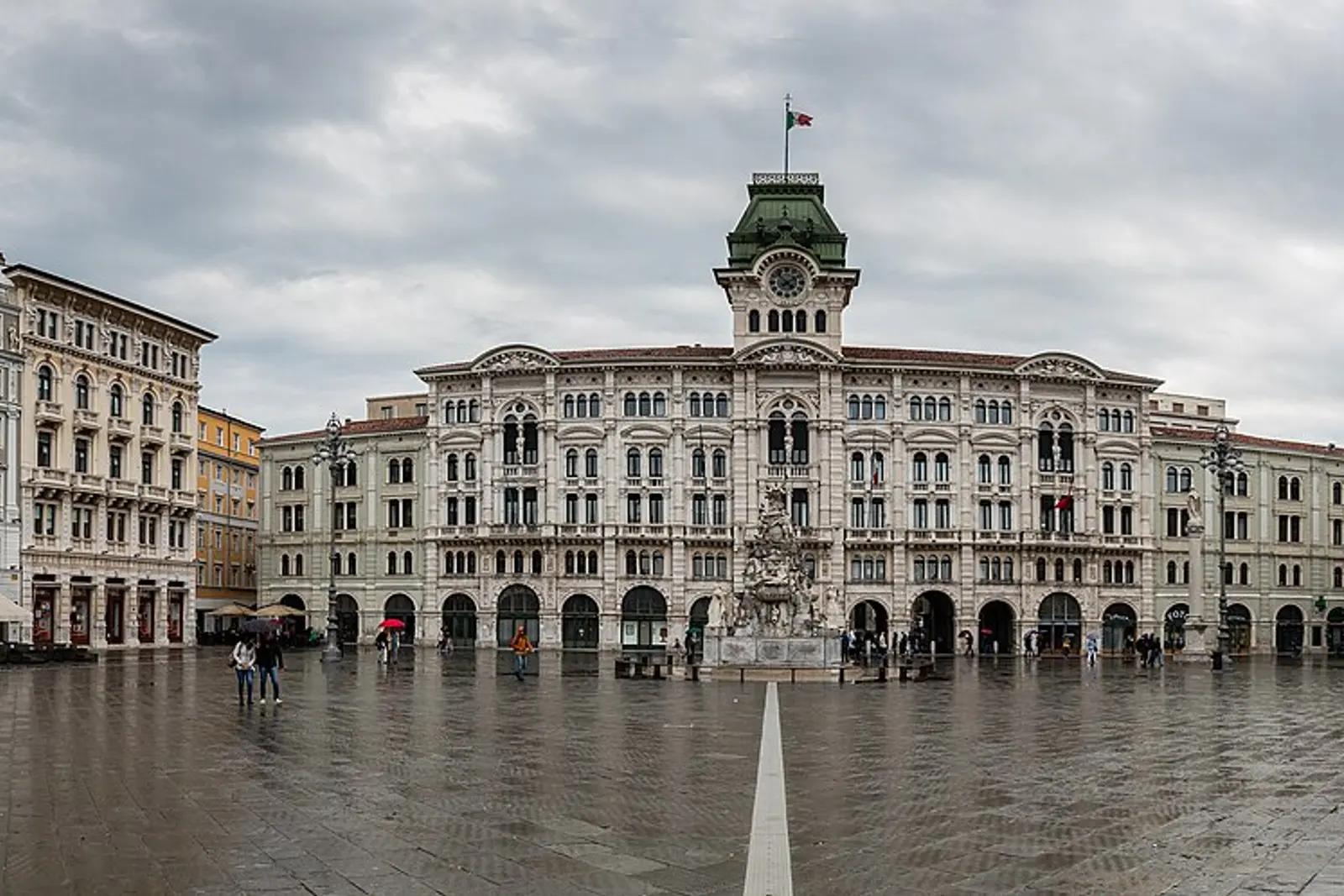
Everything starts at the sea. Piazza Unità d'Italia opens straight onto the water, framed by grand Habsburg palaces, and travelers keep returning to its sheer scale. One writer called it perhaps the largest square they had seen, and another still stops to admire it after crossing it several times a week. Students lounge on its steps by day. In the evening the blue lamps set in the paving come on, and a visitor who left early regretted missing them.
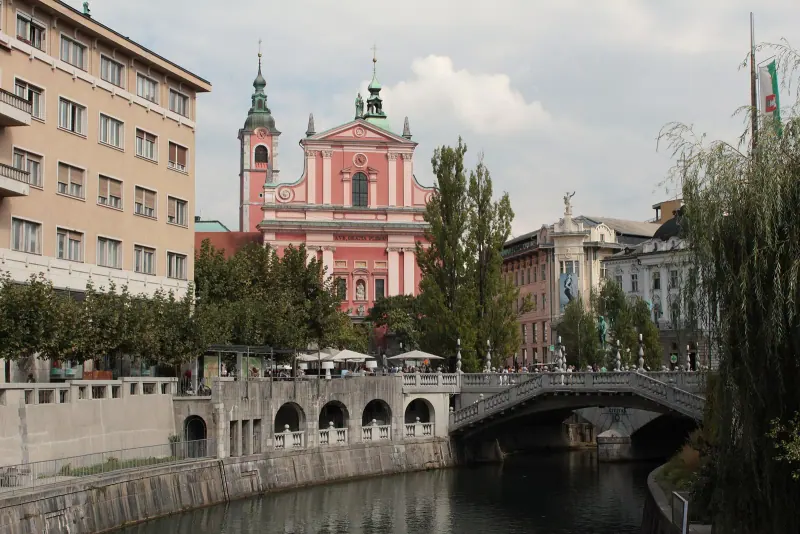
Walk out along the Molo Audace at sunset and the promenade turns gold, a scene a solo traveler photographed with the whole waterfront behind. Behind the square, the Borgo Teresiano grid runs flat to the Canal Grande, a short canal with moored boats, cafes and the Joyce statue on the bridge. A language student found it a good place for an aperitivo.
Set expectations on the canal. An expat who knows the city says it looks nothing like Venice, and that the cafes on both banks charge for the view while the food is weaker than a few streets back. Treat it as a pleasant lead in to the square, not a destination. The longer account is in the Piazza Unità verdict.
Historic cafes and the Triestine table
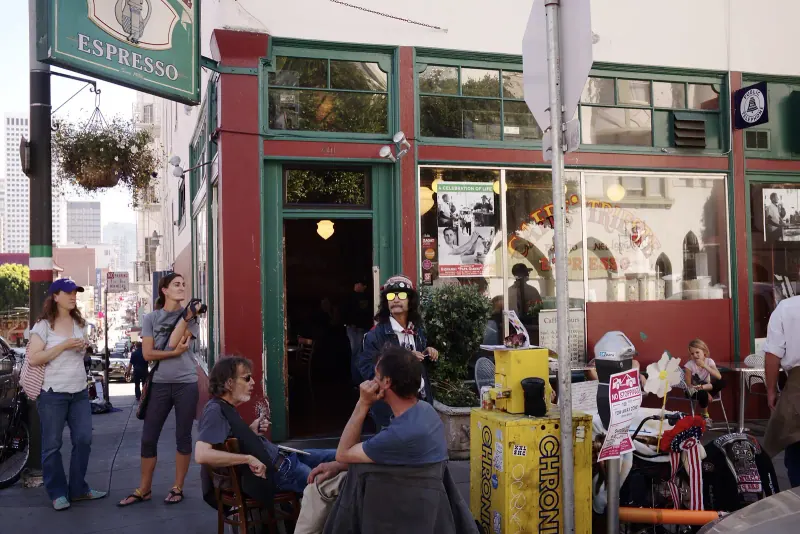
Coffee is the city's old habit. A feature says the Habsburgs built Trieste for shipping and that it was kept for coffee and literary salons, so the historic coffee houses are the point, not a detour. The Caffè San Marco, in the regional tourism listing, shows how much the details matter: it closes on Sunday afternoons from mid June to mid September, so check hours before you plan a Sunday there.
The table is as mixed as the history. A local born food writer catalogs dozens of dishes, from jota, a bean and sauerkraut soup, to cevapcici, and frames the cooking as a meeting of Italian and Habsburg kitchens. A city guide says the signature plates alone justify a day, so treat meals as part of the sightseeing.
Then there are the osmize, farm cellars on the Karst that open for short spells to sell their own wine, cold cuts and eggs. Local press expects packed farmyards from Easter through May, and a city explainer calls them a symbol of Triestine identity. They are lived traditions, not stage sets. Check the open list before you go, and read the food tour verdict if you prefer a guide.
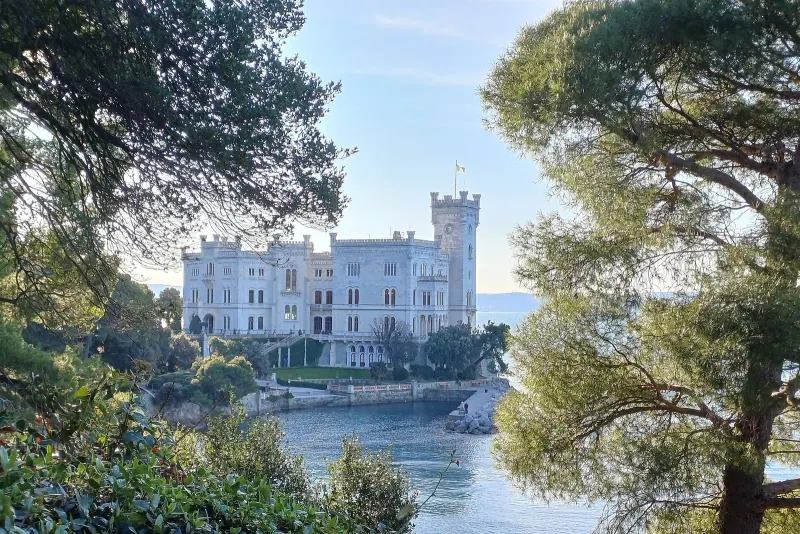
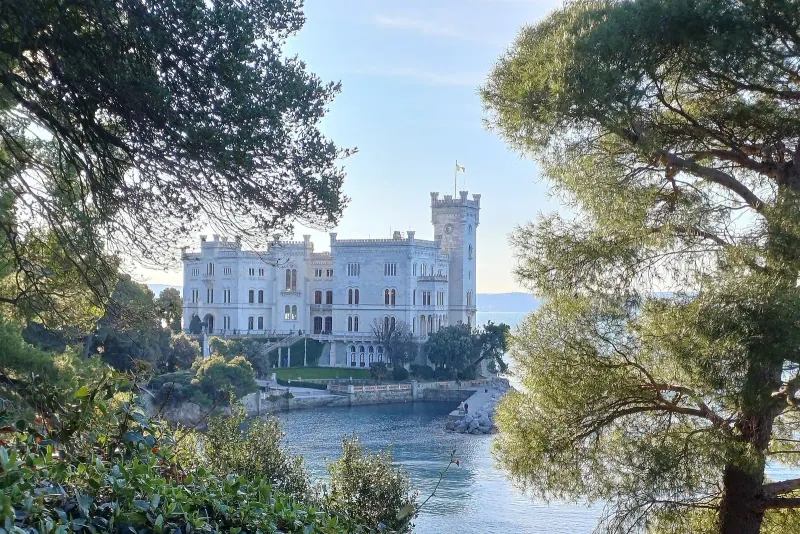
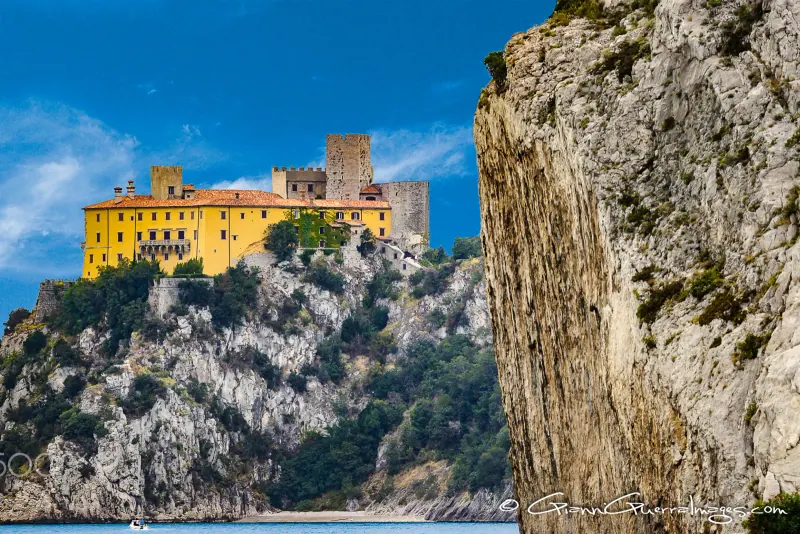
Maximilian's white castle on its cliff is the city's signature excursion, and reports treat it as a half day. One visit guide splits it into the interiors, the free park and the bookable Castelletto. A family calls the gardens and the Adriatic views the highlight of a Trieste stop, and a May 2026 report finds the entry fee reasonable and the newly restored historic kitchens worth seeing. The park was built on bare rock, and an art traveler praises it for that.
Getting in is where trips go wrong. The paper reported the car park shut for a month of works, then descending into chaos in the August rush, and a late spring visitor warns that August weekends make parking impossible and the site crowded. The calmer routes are bus 6 or 36 from the station or the seasonal boat from the coast. A weekend ticket office can also jam under timed entry, so book ahead. See the Miramare verdict.
South of the castle the coast is where locals spend summer. Barcola, the long promenade toward Miramare, is the city's answer to a beach: you swim from platforms and steps, not sand. It sits a bus ride from the squares, so base here only if swimming is the plan.
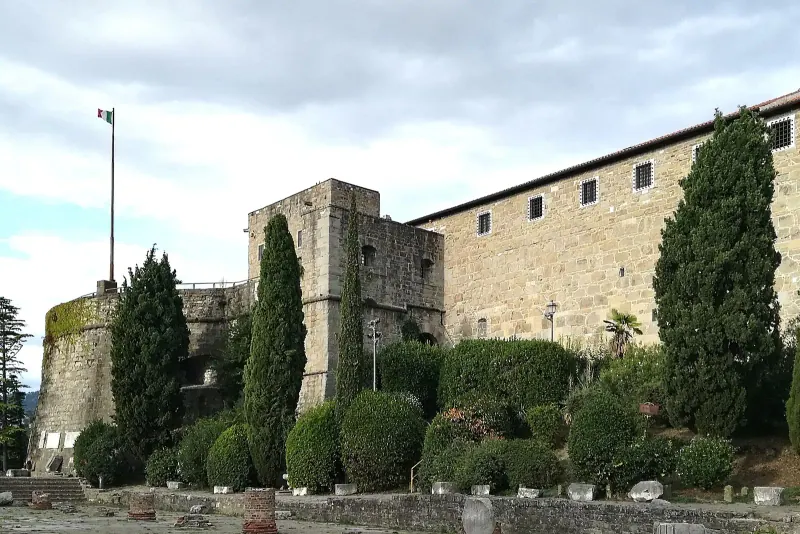
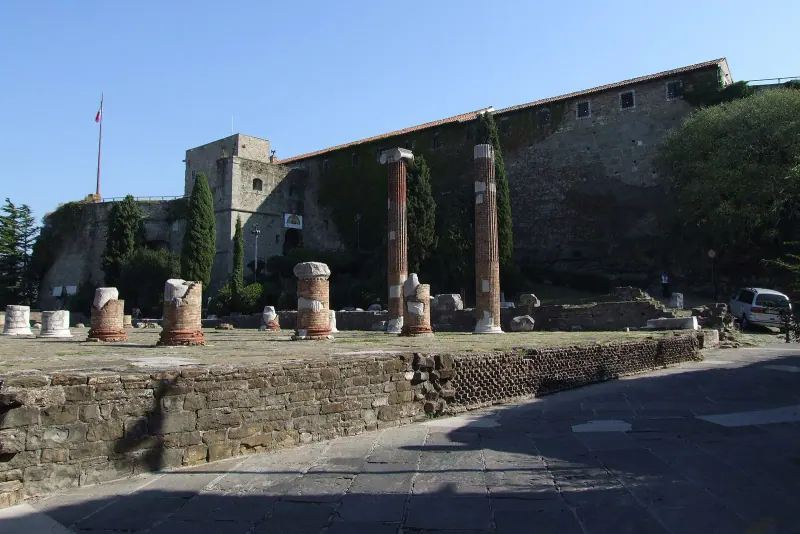
Above the square, the old town climbs to the cathedral and the Castello di San Giusto. Travelers rank the castle among the top stops for the panorama alone, and a morning walk before the September heat reads the thick walls as an Austrian fortress built on a Venetian core. Entry covers the ramparts and bastions, the armory and the lapidarium, and local news reported free August twilight tours of the bastions with the wall bar open until midnight.
The climb is the catch. One writer called the lanes up a bit of a slog, and a regional feature warns that the direct lane is steep while an elevator at the car park and bus 24 spare the effort. An art traveler adds that most visitors ride up, glance at the wrong mosaic and leave in fifteen minutes, which wastes the hill. Give it an hour, walk the ramparts and look for the rooftops and gulf.
The lanes behind the square hold antique shops and small restaurants, and a quiet walk through them shows a city that is lived in. Opening times shift by season: the castle closes on Mondays from 11 October to 31 March, and the cave closes on Mondays from September to February. Details are in the San Giusto verdict.
The Karst: Grotta Gigante, Duino and the Rilke path
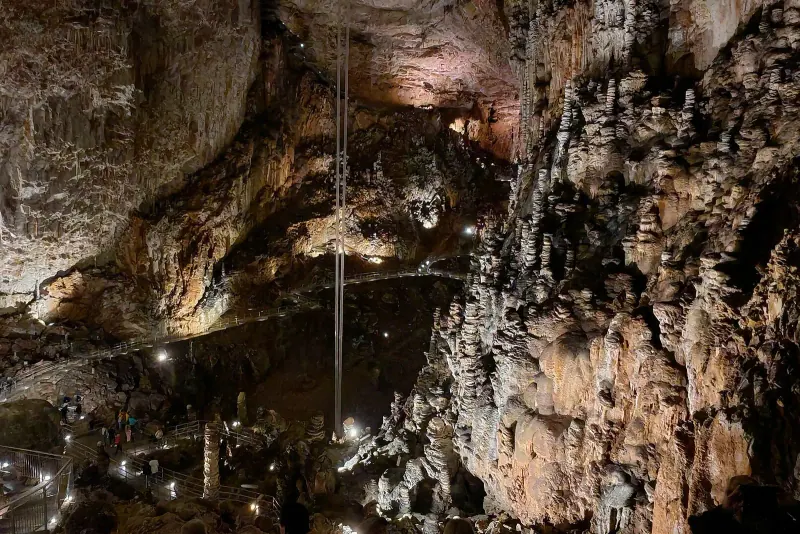
The plateau behind the city is a different Trieste. Grotta Gigante is a single chamber so large that travelers struggle to take in its scale, and a caving club called the nearly 100 meter main hall with its pendulums the highlight. A couple found the bilingual guide well informed. The tour is booked in advance and runs about an hour.
Prepare for the cave. Visitors step from 35 C heat into about 11 C, so bring a jacket and sturdy shoes. The climb back is 500 damp steps, and several travelers saw people struggling, including a student group left breathless. High season tours can reach about fifty people, while a rainy morning in March produced a tour of four. See the Grotta Gigante verdict.
Up the coast, Duino Castle sits over the cliffs with furnished state rooms, a terraced park, a wartime bunker and, in 2026, a permanent exhibition of about 300,000 toy bricks. The Rilke path from Sistiana to Duino is about 1,700 meters and ninety minutes with stops. It is uneven, not for strollers, and closes in dangerous bora. A misty November walk showed the quiet cliffs at their best. Read the Duino verdict.
Venice, Ljubljana and who Trieste suits
Trieste works as a base for rail and bus hops. Venice is about two hours by train, and writers argue the city rewards those who skip Venice's crowds, though forum voices put it plainly: Venice is unique and has more to see, Trieste is the comfortable base. The full comparison is in Trieste or Venice.
Ljubljana is the favorite day trip. The direct bus takes about an hour and a half and is rated the best option in route guides, while the scenic regional train takes about three hours with a change at Villa Opicina. A one day itinerary finds the Slovenian capital light on headline sights but pleasant enough that a day is the right dose. Plan it with the Ljubljana verdict.
Who does it suit? Couples, coffee lovers, rail travelers and anyone who likes a city that feels lived in, with a seafront that is not built for tourists. It suits families less in winter and anyone who wants sandy beaches or a long list of museums.
The pitfalls
What goes wrong in Trieste
The bora wind
The bora is a cold, gusty wind that arrives mostly in winter. The Duino castle site says the Rilke path closes in dangerous bora conditions. Check the forecast before planning the Molo Audace or the cliff walk, and keep an indoor cafe plan.
Barcolana weekend
Barcolana, the big October regatta, drew about 550,000 visits from October 1 to 12 in 2026, with about 62 percent of them on October 10 and 11. Expect rooms and trains to be tight and prices high. Book months ahead or choose another weekend.
Miramare on weekends and in August
The car park shut for a month of works and then descended into chaos in the August rush. An art traveler warns that the ticket office jams at weekends under timed entry. Take the bus or the seasonal boat and book your slot ahead.
Hills, steps and the station walk
San Giusto is a steep climb through the old lanes, and Grotta Gigante ends in 500 steps. Use bus 24, bus 42 and a taxi for heavy bags.
Monday closures
Grotta Gigante is closed on Mondays from September to February and runs every day from March to August. San Giusto castle is closed on Mondays from 11 October to 31 March. The regional listing for Caffè San Marco says it closes Sunday afternoons from mid June to mid September. Check hours the day before.
August heat and crowded weekends
Travelers went from 35 C heat into the 11 C cave, and a late spring writer warns that August weekends crowd Miramare. Go early or choose June or September.
Airport tickets and strikes
An arriving traveler had to hunt for the walkway tunnel, buy a ticket at one machine and validate it at another. Local news listed airline cancellations at the airport alongside a rail strike. Arrive early, check strike calendars, and keep a bus backup.
Cafes that charge for the view
An expat who crosses the square weekly warns that the cafes beside the Canal Grande charge for the view and serve weaker food than places a few streets back. Walk a block or two inland for the better cup and plate.
When to go
Trieste by season
Best time
late May to June, September to early October
Mild weather, warm sea and soft light at Miramare, with the Karst farms open and fewer crowds than July and August.
Miramare gardens in late spring light
Sea swimming off the Barcola rocks from June
Osmize farm cellars open on rotation
Peak season
July and August
Hot days, crowded bathing rocks and busy weekends at Miramare, with summer evenings long and the free castle twilight tours running.
Barcola lido swimming off the rocky platforms
Free twilight tours at San Giusto in August
Evening aperitivo on the Canal Grande
Shoulder season
April, May and October
Spring brings osmize from Easter and fresh light, while October brings the Barcolana regatta and busier hotels around the second Sunday.
Osmize season from Easter through May
Barcolana regatta in the second week of October
Eight Breg osmize open on Barcolana weekend
Off season
November to March
Cold, foggy and sometimes windy, with the city quiet and the cafes at their best, and reduced hours at castles and the cave.
Christmas trees lit in Piazza Unità in late November
Christmas market in the center from early December to early January in the 2025 season
Historic cafes at their quietest in winter
Grotta Gigante tours Tuesday to Sunday through February at a steady 11 C
Late May to June and September to early October give warm sea and light that travelers praise. July and August are hot and busy on the rocks, and the Barcolana weekend in the second week of October fills hotels. Winter is quiet, foggy and windy but good for cafes and the Christmas season.
Getting there and around
Airports near Trieste
Airport
Distance
To the centre
How
TRS Trieste Airport (Friuli Venezia Giulia)
33 km
about 30 min
Walk the covered walkway to the rail halt and take a regional train to Trieste Centrale. The airport bus station also runs regional buses toward Trieste. The airport taxi consortium lists an indicative fare of EUR 75 to the center, with luggage and tolls included. (source, checked Oct 2026)
VCE Venice Marco Polo Airport
145 km
about 150 min
A direct coach runs from Venice Marco Polo to Trieste Airport in about 1 hour 25 minutes, where a regional train continues to Trieste Centrale; or take the airport bus to Venezia Mestre and a regional train of about two hours. Check fares on the operator pages. (source, checked Oct 2026)
LJU Ljubljana Jože Pučnik Airport
115 km
about 75 min
The airport is 25 km north of Ljubljana; shared shuttles reach Trieste in about 75 minutes, or take a bus to Ljubljana and the InterCity coach to Trieste in about 90 minutes. Check the coach operator's page for fares. (source, checked Oct 2026)
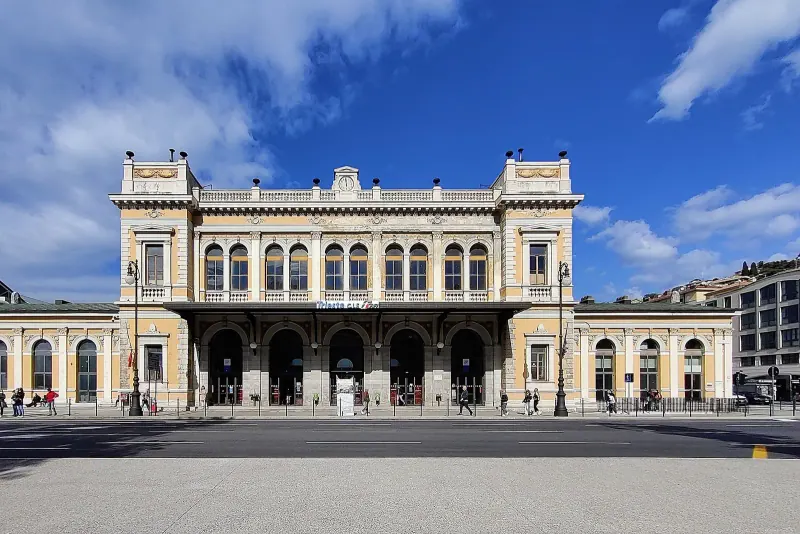
The center is flat and walkable, and the station is about ten minutes from Piazza Unità. Trieste Trasporti sells 60 minute and 24 hour urban tickets; the 2026 tariff lists EUR 1.50 and EUR 3.35 respectively. Bus 6 or 36 from the station reaches Miramare, bus 42 reaches Grotta Gigante in about 35 minutes per one blog, and bus 24 climbs to San Giusto.
Where to stay
12 hotels that fit this trip in Trieste
We earn a commission if you book through our links. It never changes a verdict. How this works
Luxury
High-end stays whose guests report the setting and service earn the rate.
Savoia Excelsior Palace
The grand waterfront palace beside the square; a stay reviewer calls the position the whole point, with the pier and cafe quarter a few steps away. Listed as four-star on several sites, so it stands in as the top seafront address.
A five-star boutique hotel with about 37 rooms on the sea-view square, with an indoor pool, sauna and spa, and the city's five-star address on the main square.
A seven-room boutique wine farm on the Karst with saunas, a whirlpool, a pool, organic wine and a cellar that opens onto Karst caves, about 5 km from Duino Castle; not a five-star, but the countryside splurge of the region.
A 58-room hotel on the coast about 800 m from Miramare with sea-view rooms, a spa, a lift to the beach and late May to mid September bathing. Not five-star, but the best-regarded coast stay.
The comfortable middle: well placed, well run, priced for a normal trip.
DoubleTree by Hilton Trieste
A converted insurance headquarters with preserved grand rooms and a spa; a stay essay praises the walk to everything position near the canal and square.
A family-run hotel in the old town about five minutes from Piazza Unità, with local art and antiques, though guests mention street noise, no lift and a tricky arrival by car.
A sea-facing hotel on the Barcola promenade, formerly the Greif Maria Theresia, with a terrace restaurant over the gulf, a spa and a gym; bus 6 or 36 runs to the station, and some guests mention street noise.
Cheaper beds that travelers still rate well for location and cleanliness.
Hotel Centrale Trieste
A small 3-star hotel of 24 rooms about 800 meters from the station in the pedestrian center, with luggage storage and a convenient position for the budget minded.
An affordable hotel under ten minutes on foot from both the station and Piazza Unità; guests praise the location, friendly staff and cleanliness, with small bathrooms and basic breakfast as the trade.
A simple 12-room hotel on the Bay of Grignano just above Miramare, where sea views from most rooms and the restaurant terrace are the draw; reviews are mixed, so pick it for the position, not the fittings.
Yes, for travelers who like grand squares, historic cafes and a working port without Venice crowds. Reports say two to three days is the right dose, and that it disappoints those who want Renaissance art or sandy beaches.
How many days do I need in Trieste?
Two full days cover the square, San Giusto, Miramare and the cafes. Add a third for Grotta Gigante, Duino or a Ljubljana day trip. A single day works if you pair the square with Miramare and skip the caves.
Is Trieste expensive?
Reports describe it as calmer and far less touristy than Venice, and the flat, walkable center keeps transport costs low. The 2026 urban tariff lists a 60 minute ticket at EUR 1.50 and a 24 hour ticket at EUR 3.35.
What is the best area to stay?
Borgo Teresiano around the Canal Grande is the first time default: flat, full of cafes and about ten minutes on foot from both the station and the square. The Rive suit splurge stays, and Barcola suits summer swimmers.
Do I need a car?
No. The center is walkable and buses reach Miramare, San Giusto and Grotta Gigante. Much of the center is a pedestrian zone, and Miramare parking was chaotic in August, so a car adds more trouble than help.
What is the bora?
The bora is a strong cold wind that blows mostly in winter. It can close the Rilke path at Duino. Check the forecast, dress for gusts and plan cafe stops.
When is the Barcolana regatta?
Barcolana is held in the second week of October, with the main race on the second Sunday. In 2026 the events ran from October 1 to 12, with the main race on October 11 and about 550,000 visits. Book rooms months ahead.
Can I swim in Trieste?
Yes, though not from sand. Locals swim from the rocky platforms and steps along Barcola, and summer is the season for it.
How this guide was written. We read 44 traveler reports about Trieste published between Mar 2025 and Oct 2026, 1 of them mainly negative, and checked the facts against official sources in Oct 2026. Nobody on the team claims a visit; hotel picks are chosen from what guests report, never from what they pay us. How we judge.