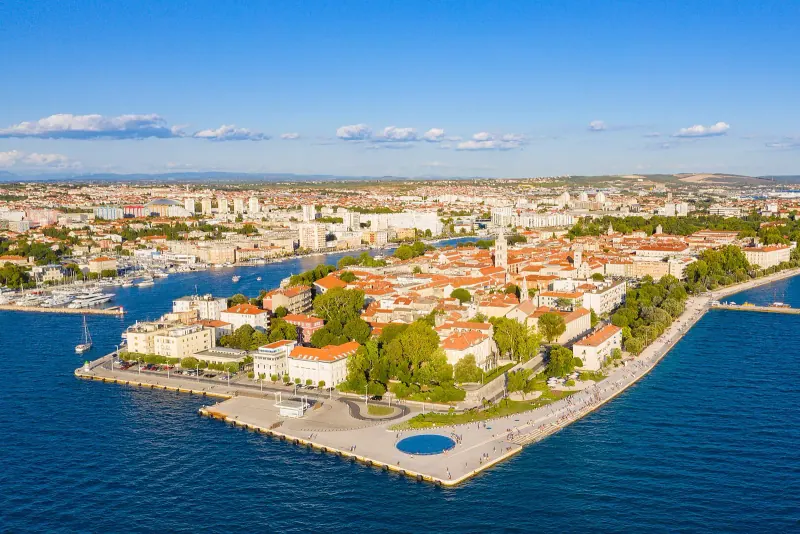
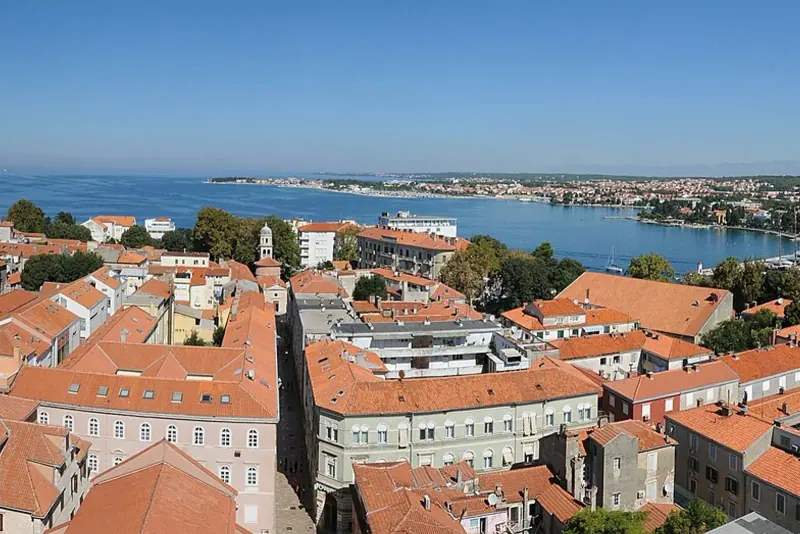
Zadar is a calm Roman and Venetian old town on a peninsula, with a Sea Organ that plays the waves at sunset and the Kornati, Plitvice and Paklenica parks within a day's reach.
A calm Roman and Venetian peninsula with a sea that plays music, and three wild parks within a day's reach.
Best time
June, and September to early October
How long
Two to three days cover the old town, the Sea Organ sunset and one boat day. Add a fourth day for Plitvice or Paklenica, or a week if you want to island-hop and swim.
Cost level
Moderate
Nearest airport
Zadar Airport (Zemunik) (ZAD)about 20 min to the centre
Zadar is worth it for travelers who want a walkable old town, a free sunset ritual at the Sea Organ and easy day trips by boat and coach, without the crowds of Dubrovnik or the pace of Split. Reports describe it as relaxed and less polished than the big names, with a compact peninsula where almost everything is on foot.
The hard truth is that the town is not a beach resort and not a sight-heavy museum city. The city beaches are a mix of concrete platforms, pebble and a little sand, the real sand lies outside the old town, and July and August bring heat, packed sunsets and restaurant prices that startle some visitors. Boat schedules are lighter in the cold months.
The fix is timing and a plan. Go in June or from September to early October, give the Sea Organ an afternoon visit as well as the sunset, book one boat day to Kornati and Telašćica, and add either Plitvice or Paklenica rather than both at once. Pick the old town if you want evenings on foot, or Borik and Kolovare if the sea matters more.
Go if
Couples and solo travelers who want a calm old town with a free sunset show
Boat days to the Kornati and Telašćica with a swim stop in clear water
Hikers and families who want Paklenica canyon walks or the Plitvice lakes from one base
Travelers who find Split too busy and Dubrovnik too crowded
Short city breaks of two to three days with a day trip built in
Skip if
You want a long sandy beach in town; the city beaches are mostly pebble and concrete
You need a big list of ticketed sights; the old town is lovely but compact
You plan to come in winter mainly for island boat trips, which run reduced schedules
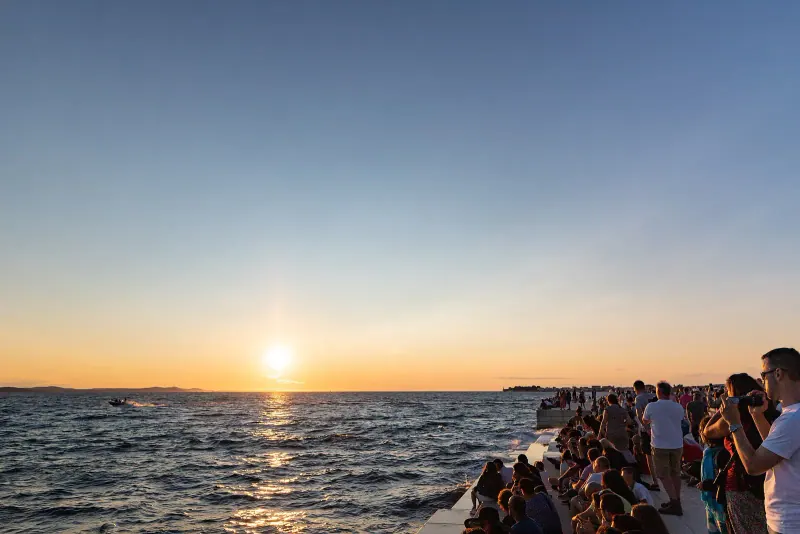
The Sea Organ is the reason many people come to Zadar, and the reports keep backing it up. It is a set of marble steps on the waterfront where the waves push air through pipes below and the stone hums, sighs and swells. It opened in 2005, it is free at any hour, and the architect behind it was interviewed in the regional daily for its twentieth anniversary as the sound the city is known for.
The sound depends on the sea. On a calm morning the organ murmurs, and travelers who stayed for the sunset describe locals gathering, applause at sundown and the tones swelling whenever a boat passes and its wake rolls in. Next to it the Greeting to the Sun is a wide disc of glass that stores daylight and lights up after dark, which is why guides treat the pair as the natural close of the day.
The catch is the crowd. Reports describe the promenade as packed at sunset in summer, so come in the afternoon for a quieter listen and stay for the light if you do not mind company.
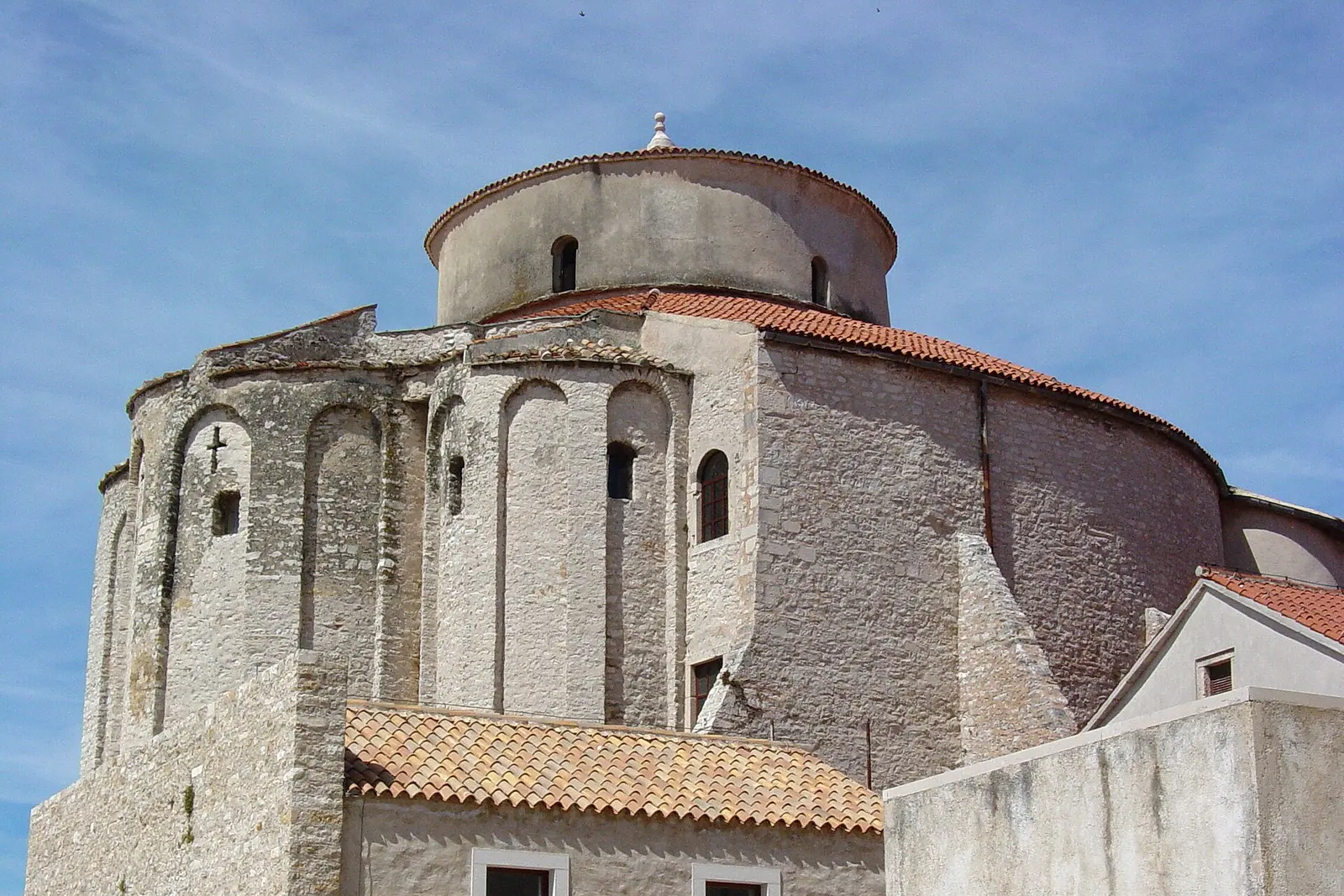
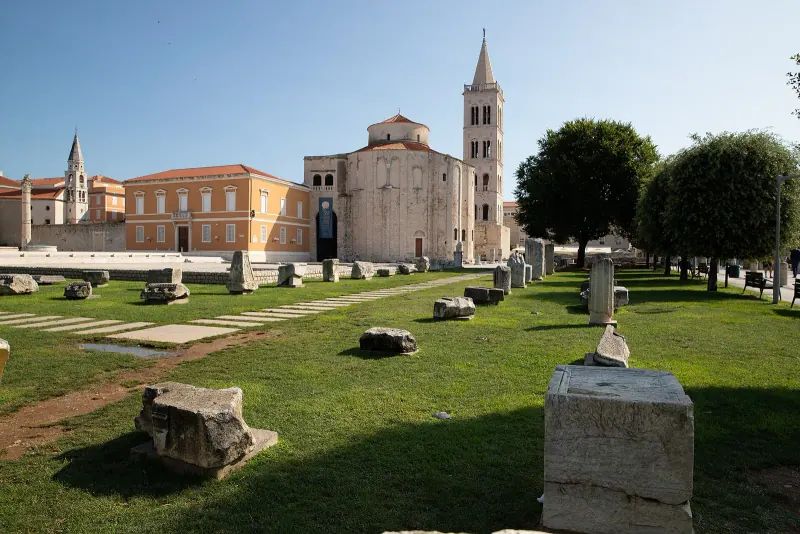
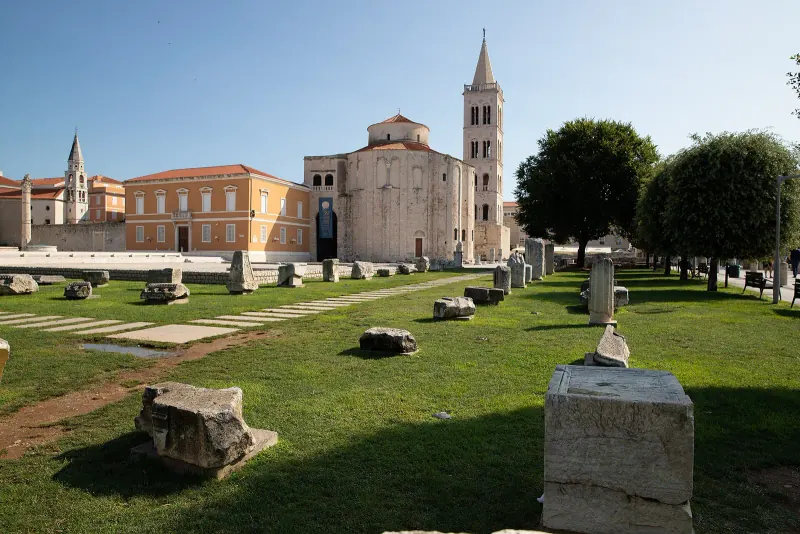
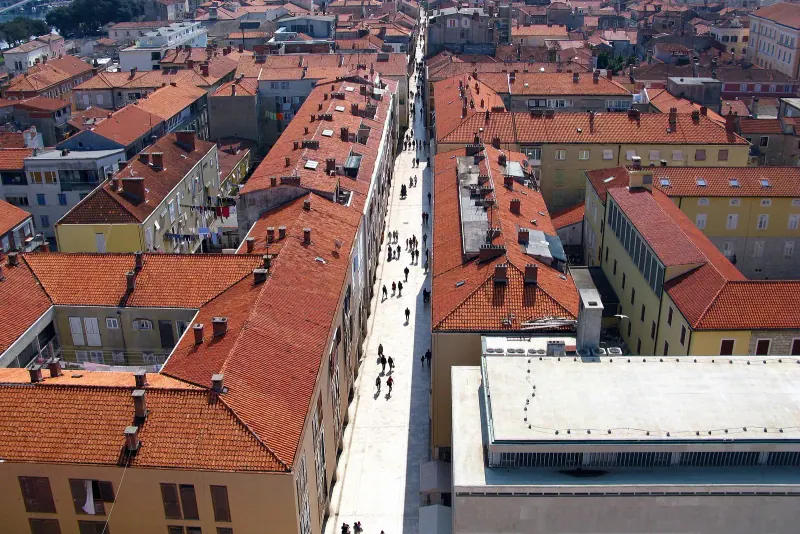
The old town is small, stone-paved and easy to walk. A self-guided loop from the Land Gate of about two miles passes some twenty-six sights in around an hour, from the Roman forum to the round church of St Donatus and the Five Wells Square, with excavations still underway at the forum.
Writers who know both cities describe Zadar as less crowded than Dubrovnik and less chaotic than Split, with a relaxed, lived-in feel. One resident calls it a fit for travelers who want history without fighting crowds for a sunset photo. The polished stone streets can be slippery, and the bell tower is a mixed bag: one visitor called the steps unsafe and the bells deafening, and a March visitor found it closed out of season.
Evenings are the old town at its best. A back-alley konoba full of locals, a sea bass dinner and the lit-up lanes get good marks, though on a summer holiday weekend reports describe no reservations to be had, too many people and drinks priced for the setting.
Beaches: Kolovare, Borik and where the sand is
Zadar is a city with swim spots rather than a beach town. Kolovare is the nearest, a short walk from the old town, and families like Kolovare and Borik for shallow water, lifeguards and playgrounds. Borik lies northwest of the center, with a resort strip, hotels and beach bars.
Expect pebble, rock and concrete platforms more than soft sand. Sandy stretches lie further out, so water shoes and low expectations help. The sea itself gets good marks from travelers, with swim stops at Kornati such as Lojena beach on Levrnaka drawing praise for turquoise water.
For a proper beach day, boat trips to Sakarun on Dugi Otok or a drive to the sandy shore at Nin are the usual answers.
Kornati and Telašćica by boat
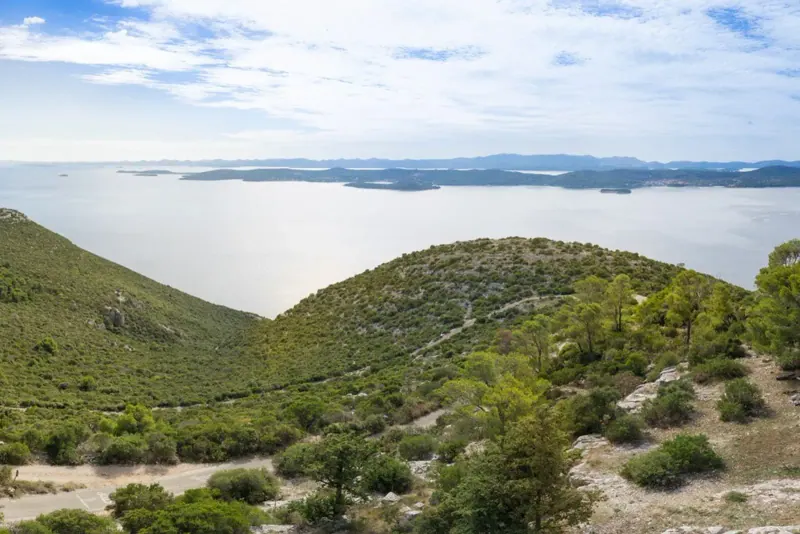
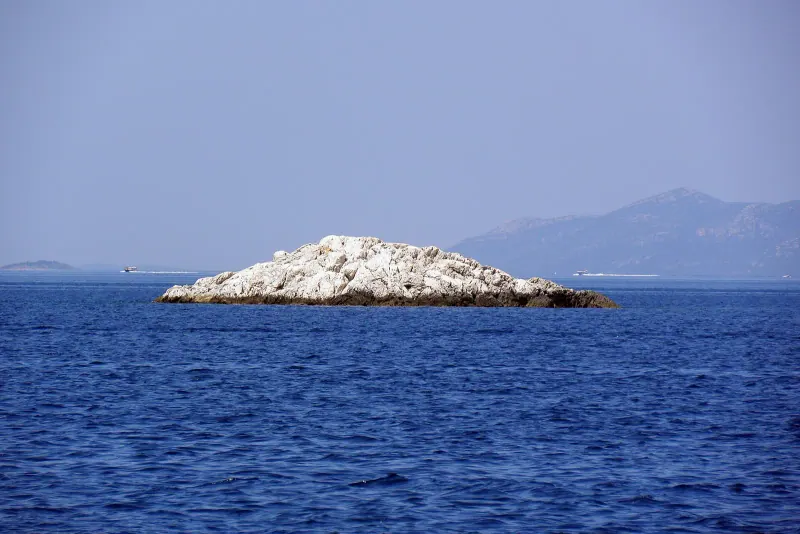
The boat day is the highlight for many travelers. Reports describe full days of about eight hours with a barbecue lunch, a swim and snorkel stop in turquoise water, the Crown cliffs at Kornati and the cliff viewpoint at Telašćica. Travelers have seen dolphins on the way home and called the day great value, and one rated it among the best of a three-week Balkans trip.
It is not flawless. Some report an average lunch, no snorkel masks on board, a swim stop with no changing room and few toilets, and Lake Mir too cold to swim on the day one writer went. Stops differ by operator, so read the listing for the number of stops before booking.
Conditions matter. In June 2026 a skipper reported that mooring buoys were still not in place three weeks into the season and a marina pontoon on Žut collapsed and flipped a boat. Both are reminders to pick a licensed operator.
Plitvice and Paklenica: two parks, two kinds of day
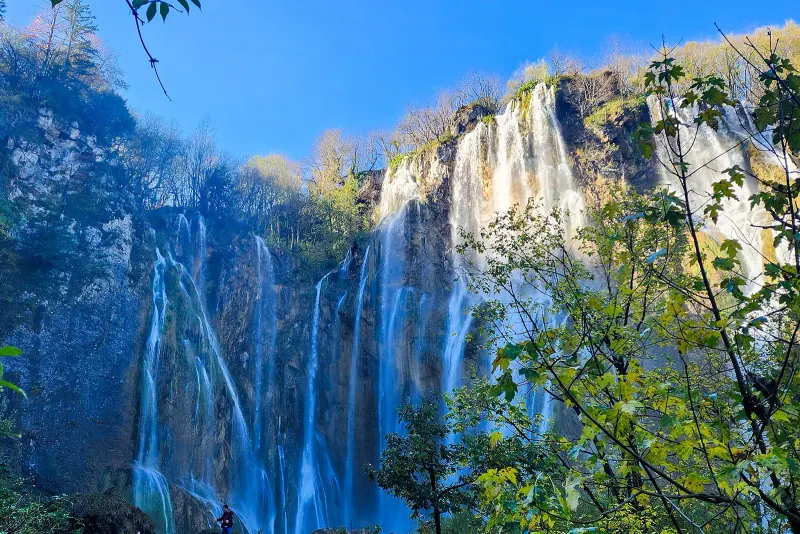
Plitvice is the famous one, and travelers rate it as a highlight of Croatia. The coach from Zadar takes roughly two hours to the first entrance, and the electric boat and panoramic train are included in the ticket. The downsides are consistent: busy walkways in summer and boat queues. The park sells tickets online for a chosen entrance and time slot, may sell out, and encourages buying in advance. Forum regulars suggest an overnight or an early or late entry rather than a midday rush.
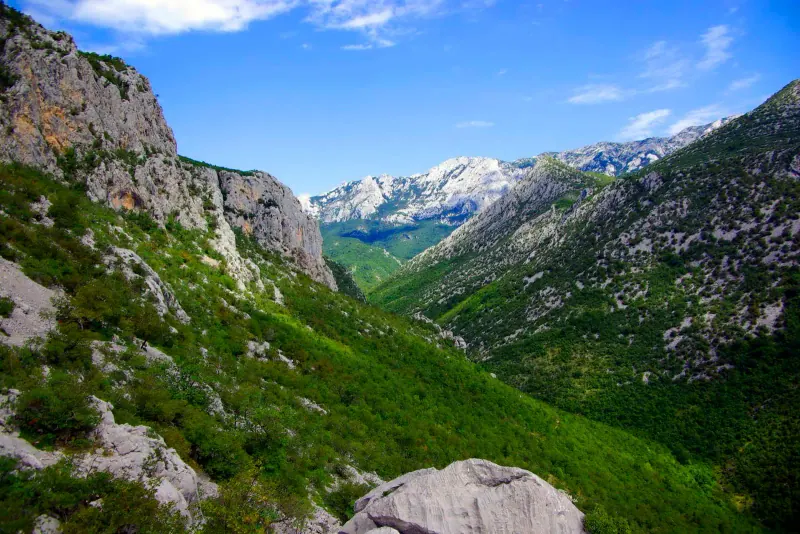
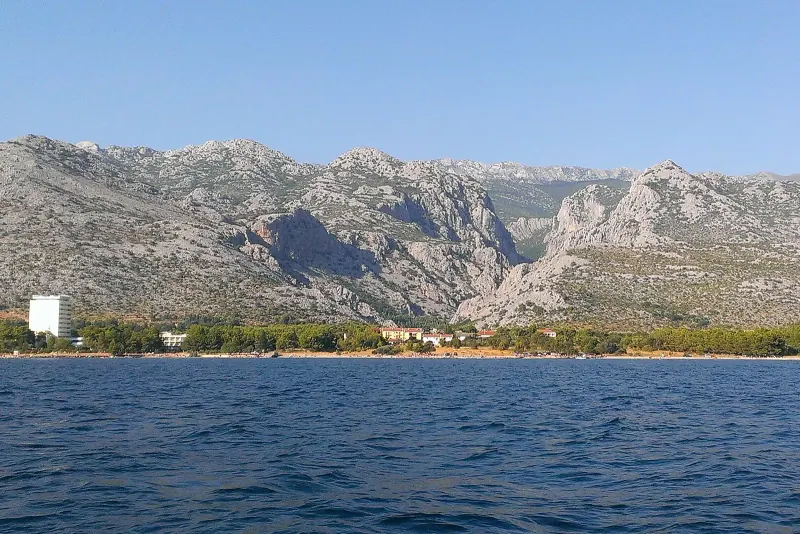
Paklenica is the quieter, more physical alternative about 45 minutes by car. Hikers walk the Velika Paklenica canyon beneath 400 m cliffs, with a wide marked trail on the first half and climbers on the walls. A solo traveler without a car found it quiet in September but noted weak bus links back to Zadar. The Mala Paklenica canyon is much harder, with scrambling that suits practiced hikers.
Pick one per trip unless you have four days. Both are easy to overdo in the heat, and mountain rescue reported dozens of call-outs in summer 2026 for dehydration and injuries.
Food, markets and prices
Dalmatian food is the quiet strength. A magazine writer on a Zadar food walk enjoyed black risotto, local prosciutto, Pag cheese and grilled meats with regional wine and a local craft beer. The main green market and the fish market in the old town are recommended for anyone who wants to try produce or put a picnic together.
Prices run higher than many expect. A couple who spent a week in April called eating out pricey, and a holiday visitor in August complained of a 16 EUR spritz. A back-alley konoba full of local diners was a highlight for one solo traveler, and the markets help keep costs in check.
Zadar or Split, and who it suits
Writers who know both cities find Zadar much calmer than Split even in high season, with an equally beautiful old town. Split has the famous palace, more nightlife and more boat trips, but its old town is very busy in summer and restaurants there charge tourist prices. Zadar suits slow, walking-led trips; Split suits first-timers who want a bigger list of sights.
Couples enjoy the sunset ritual and the boutique stays in the old town. Families head for Kolovare and Borik for shallow water. Hikers use Zadar as a base for Paklenica and Plitvice, and a car makes those days easier. The modern town beyond the walls is described as plain and residential, so the old town is the draw.
The pitfalls
What goes wrong in Zadar
Sunset crowds at the Sea Organ
Reports describe the promenade packed at sunset in summer, so the music competes with the crowd. Come in the afternoon for a quieter listen, and expect the loudest tones when a boat wake rolls in.
Heat and rescues in Paklenica
Zadar mountain rescue logged 33 call-outs by August 2026, with Paklenica among the busiest areas, mostly dehydration and fractures. Travelers describe a hot, rocky first climb, and the Mala Paklenica canyon needs real scrambling, so carry water and start early.
Plitvice sell-outs and queues
The park sells tickets online for a chosen entrance and entry time, says they may sell out and encourages buying in advance, while travelers report boat queues and busy railing-free walkways in summer. Book ahead and choose an early or late entry.
Boat day details differ by operator
Travelers report average lunches, no snorkel masks on board and a swim stop with no changing room and few toilets. Listings do not always say how many stops there are, so read the operator page and ask what the park ticket covers before paying.
Kornati season starts late
In June 2026 a skipper said the park's mooring buoys were still missing three weeks into the season, and boats anchored in banned bays. Check the current conditions with a licensed operator before planning a boat day outside the summer months.
Old town prices and holiday crowds
On a Croatian public holiday in August a visitor found no reservations available, too many people and a 16 EUR spritz. Book dinner ahead in July and August and compare menu prices before sitting down on the main lanes.
Slippery stone and cobbles
A newspaper travel writer found the old town stone polished slippery, and a repeat visitor warns about dragging luggage over cobblestones. Wear shoes with grip and pick a hotel near the walls if you travel with large bags.
Outdated airport fares
Some pages still quote an older airport shuttle fare. The airport's own page lists 5 EUR one way with luggage, valid for 90 minutes on the city network, so check that page rather than a third-party guide.
When to go
Zadar by season
Best time
June, and September to early October
Warm sea, open boats and thinner crowds than midsummer. A March visitor recommends late September or early October for fewer people, and a solo hiker found the Paklenica canyon quiet in September.
Kornati and Telašćica boat days run in full
Plitvice and Paklenica walks without peak heat
Peak season
July and August
Hotter, busier and more expensive according to repeat visitors, with a packed Sea Organ sunset and full restaurants on holidays.
Longest swimming and boat season
Shoulder season
April, May and October
Quiet and mild, good for the old town and the parks, with the sea cool outside summer.
Zadarska Koka cruising regatta, listed by the regional tourist board for late October (24 October in 2026)
Boat days to the Kornati and Telašćica run into early October
Off season
November to March
Quiet and mild with shorter days. Many tourist businesses and some konobas close, and ferries and boat trips run reduced schedules. A March visitor found the bell tower closed.
Advent Zadar runs from 24 November 2026 to 2 January 2027 with concerts, workshops and food stalls
Zadar Christmas Run on 27 December 2026
Museum of Ancient Glass (check current opening hours)
Plitvice lakes and Paklenica canyon, quieter outside summer
June and September to early October give warm sea, open boats and thinner crowds. July and August are hot, busy and the most expensive. November to March is quiet and mild, with Advent in the old town as the main draw.
Getting there and around
Airports near Zadar
Airport
Distance
To the centre
How
ZAD Zadar Airport (Zemunik)
8 km
about 20 min
Liburnija airport shuttle about 20 minutes to the old town via the Gaženica ferry port and the bus station, 5 EUR with luggage and valid 90 minutes on city buses; a taxi stand is opposite the arrivals exit and runs around the clock. (source, checked Oct 2026)
SPU Split Airport
125 km
about 180 min
No direct bus to Zadar. Take the airport shuttle or city bus to Split bus station, then an intercity coach north to Zadar; allow two to three hours door to door, or about an hour and a half by car or private transfer on the A1 motorway. Check coach timetables with the operators. (source, checked Oct 2026)
The old town is a pedestrian peninsula, so most sights are on foot. The airport shuttle costs 5 EUR with luggage and the ticket works for 90 minutes on city buses. Island ferries and long-distance coaches leave from the Gaženica port area and the main bus station, a short bus or taxi ride from the old town. A car helps for Paklenica and the beach suburbs but parking is the tricky part.
Where to stay
12 hotels that fit this trip in Zadar
We earn a commission if you book through our links. It never changes a verdict. How this works
Luxury
High-end stays whose guests report the setting and service earn the rate.
Falkensteiner Hotel & Spa Iadera
Five-star spa resort at Petrčane on the Punta Skala peninsula, outside the city, with a private beach, indoor and outdoor pools. Guests rate it highly; plan on a car or transfer.
Five-star waterfront hotel in the rebuilt former Maraska factory, a short walk from the old town, with a spa. Opened in 2025 as Croatia's first Hyatt-branded hotel.
Top boutique pick inside the walls: a Relais and Chateaux property beside the Venetian walls, with a spa and an acclaimed restaurant. Guests praise the setting and service.
Adults-only boutique in a restored heritage building steps from the main sights, with individually designed rooms and an in-house gallery; a characterful luxury base on the peninsula.
The comfortable middle: well placed, well run, priced for a normal trip.
Art Hotel Kalelarga
Four-star boutique on the Kalelarga main street with art-themed rooms and cooked-to-order breakfast. Guests praise the staff, the breakfast and quiet, clean rooms.
Four-star family resort at Borik with a spa, indoor pool and kids club. Guests say the facilities are well maintained; it sits a few kilometers from the old town.
Budget hostel on Trg kneza Višeslava, about five minutes on foot across the park from the old town, with dorms, private rooms and a shared kitchen; a simple base for travelers who spend the day out.
Small hostel in the old town near the waterfront promenade and the Sea Organ, about five minutes from the ferry port and 15 from the main bus station; it takes guests aged 18 to 40 only.
Two to three days cover the old town, the Sea Organ sunset and one boat day. Add a fourth for Plitvice or Paklenica. A week works if you want to swim, island-hop and walk the parks without rushing.
Do I need a car in Zadar?
Not for the old town, the Sea Organ or the airport shuttle. A car helps for Paklenica and the beach suburbs, but parking in and near the old town is the tricky part, so choose a hotel with spaces if you drive.
Can I swim in Zadar city?
Yes, at Kolovare and Borik, but the beaches are mostly pebble, rock and concrete with little sand. Sandy options are further out, such as Nin or Sakarun by boat. Boat-trip reports from July to early October describe swims in clear water.
Is Plitvice a realistic day trip from Zadar?
Yes. The coach takes roughly two hours each way and the park ticket includes the boat and train. Travelers advise an early or late entry, and the park says tickets are sold online for a chosen entrance and entry time, may sell out, and are best bought in advance.
Is Zadar good for families?
Reports favor Kolovare and Borik for shallow water, lifeguards and playgrounds, and boutique stays for couples sit in the old town. Strollers are of little use in the Paklenica canyon, and one visitor found the bell tower stairs unsafe.
How this guide was written. We read 42 traveler reports about Zadar published between Mar 2025 and Aug 2026, 3 of them mainly negative, and checked the facts against official sources in Oct 2026. Nobody on the team claims a visit; hotel picks are chosen from what guests report, never from what they pay us. How we judge.