

A 17th-century palazzo on the main street with frescoed ceilings and period furnishings, a five-star a short stroll from the Campo.
Banchi di Sopra, steps from the Campo
Search Expedia for this hotelpartner siteCity guide / Italy
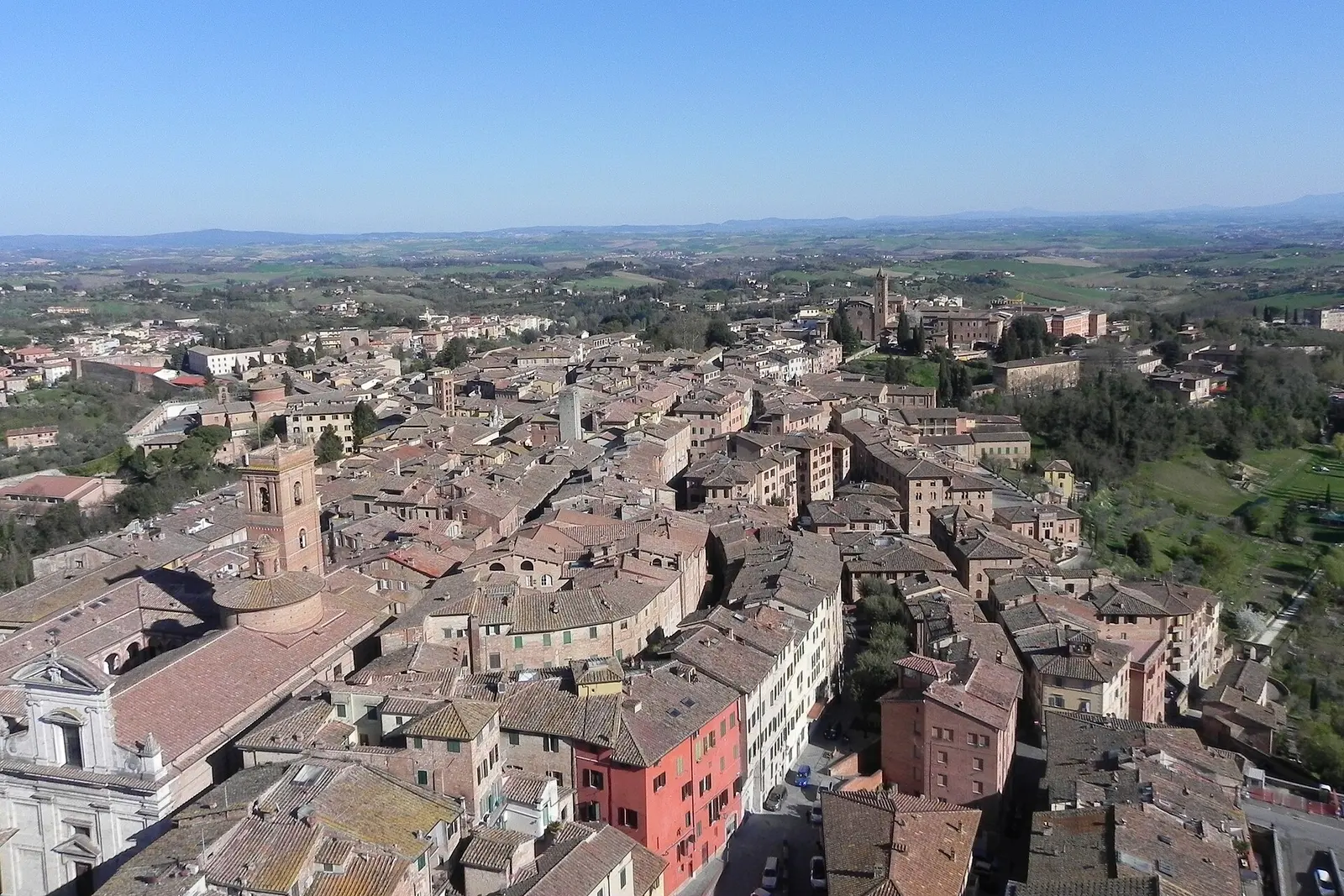
Siena is the medieval counterpoint to Florence: a brick hill town around a shell-shaped square, with a striped cathedral and a horse race that still rules the calendar.
The review
A compact medieval hill town built around a shell-shaped square, a striped cathedral and the Palio.
Siena is worth it for travelers who want a smaller, calmer Tuscan city with real medieval character. The Campo, the striped cathedral and the contrada lanes carry the trip, and reports agree it feels quieter and slower than Florence.
The hard truth is logistics and legs. There is no airport, the train station sits downhill, the center is a restricted traffic zone and the lanes are steep and stony. Day-trip crowds fill the Campo from late morning, and Palio days on 2 July and 16 August sell out lodging months ahead, with heat and rain both a risk.
The fix is to sleep inside the walls for at least one night, take the Florence bus instead of the train, buy cathedral tickets ahead and plan the countryside with a car or a small-group tour. Go in May, June, September or October if you can.
The long read
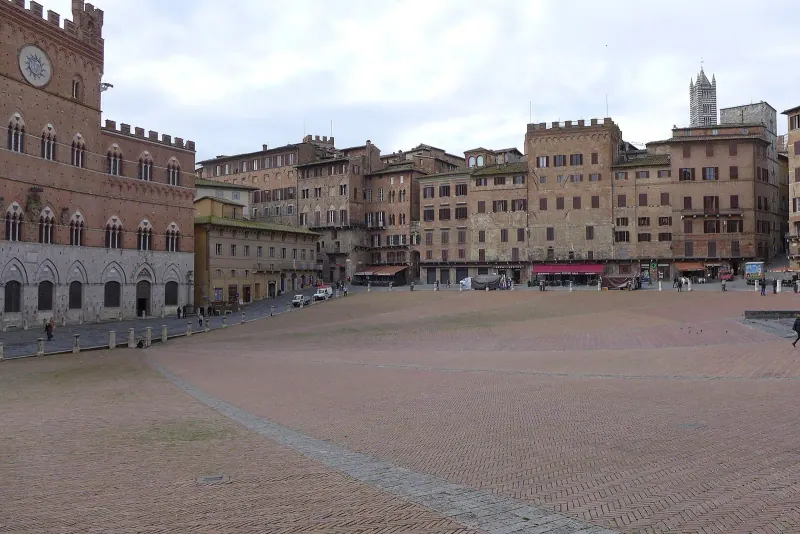
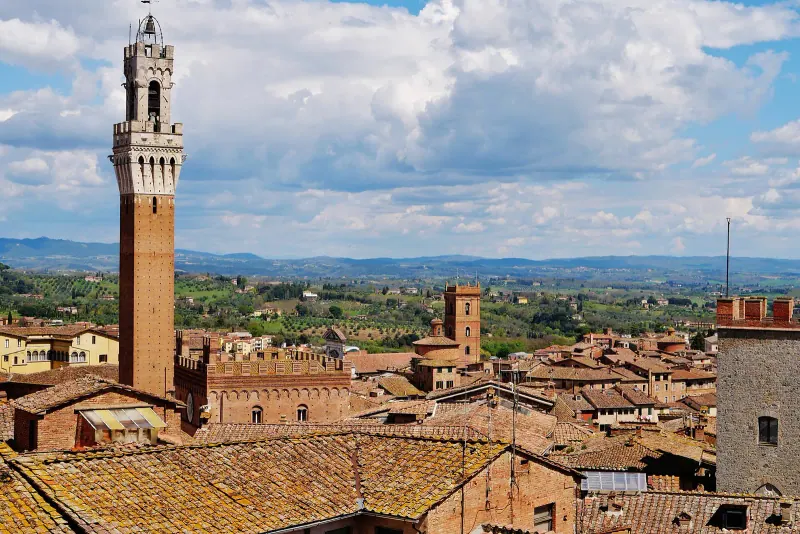
Start where everyone starts: Piazza del Campo. The square slopes like a shell toward the Palazzo Pubblico, and travelers describe the same ritual: grab a spot on the bricks, look up at the tower, and let an hour pass. It is one of the few big Italian squares where sitting down is the main event.
Go early or late. Day trippers fill the Campo from late morning until late afternoon, and reports from August and the Palio weeks describe a crowd that feels like another city. In the quiet hours, the same square reads as a village living room, with locals crossing it on the way to work.
Siena is built for walking, and that is the whole point. Travelers who gave it two nights report that the pleasure is in the lanes between the sights, not in ticking off a long list. Wear shoes you trust: the streets are steep and stony.
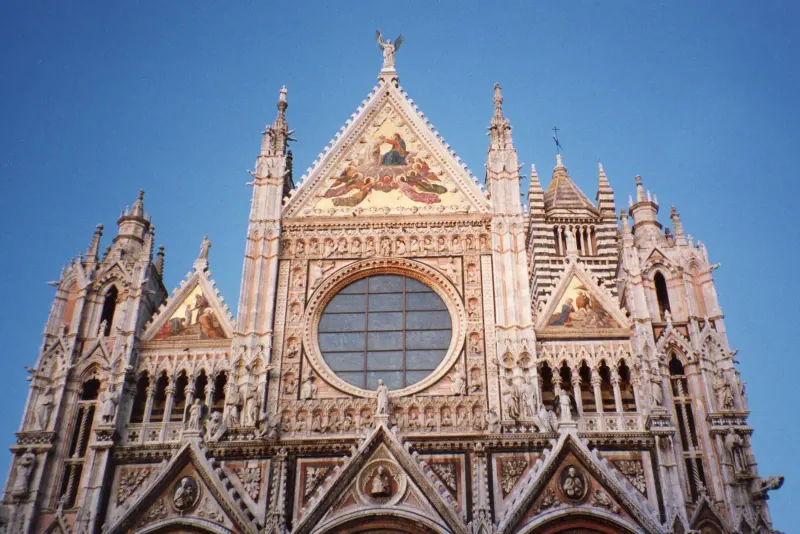
The cathedral is the main paid sight, and reports rank it among the best things in the city. The black and white striped marble outside is striking, and the inlaid floor inside is the reason people linger. Visitors who saw it uncovered felt lucky. A couple who went in January saw the interior as sumptuous but very crowded.
Buy ahead if you can. One traveler lined up in pouring rain for tickets and regretted it, and another warns that the Gate of Heaven walkways fill early. Expect unanimous praise for the nave and mixed views on the extras.
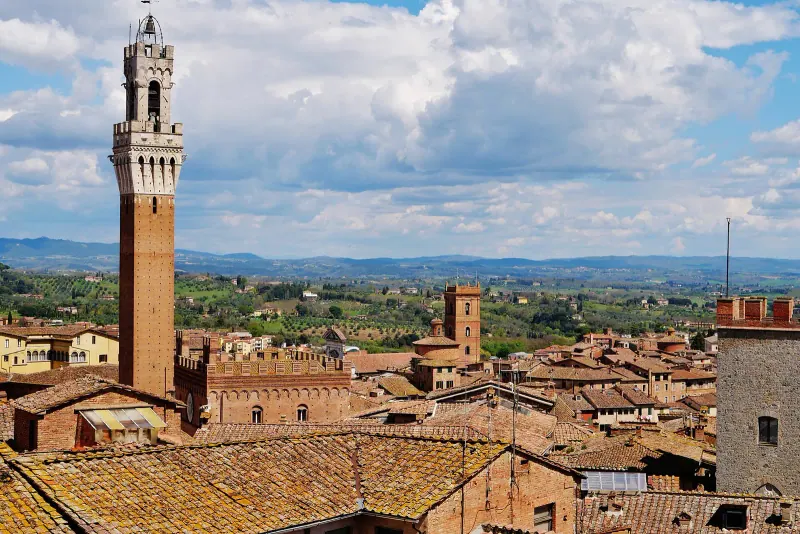
For views, you have two choices. The Torre del Mangia is a long climb up a narrow spiral, and the top gives you rooftops and the fan-shaped Campo. Tickets are sold only on site, in groups of 25 about every 45 minutes, and it can close for wind or rain, so check the Comune page before you count on it. A gentler option is the cathedral's unfinished wall, which one writer suggests as an easier viewpoint.
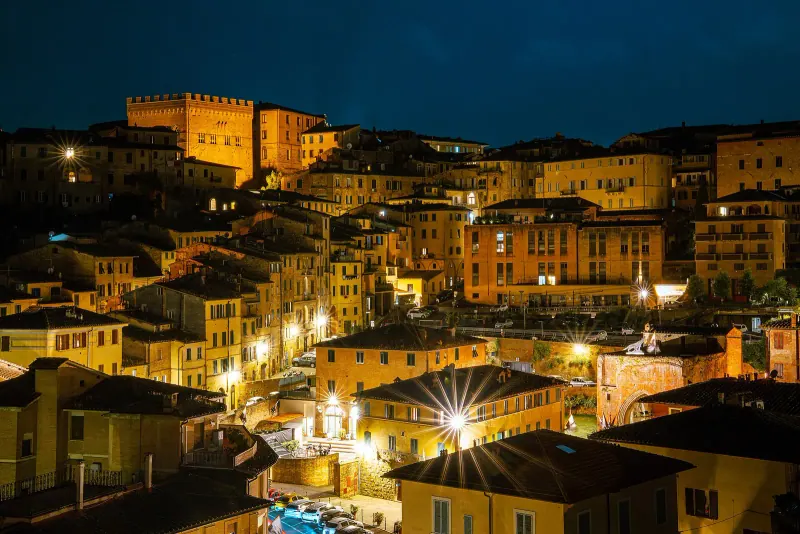
Siena is divided into seventeen contrade, neighborhood clans with their own colors, fountains and museums. Walk the lanes and you will see their flags change every few blocks. A guided walk with someone who grew up here is the best way to learn who feuded with whom, and travelers who took one returned to the contrada museums on the guide's tip.
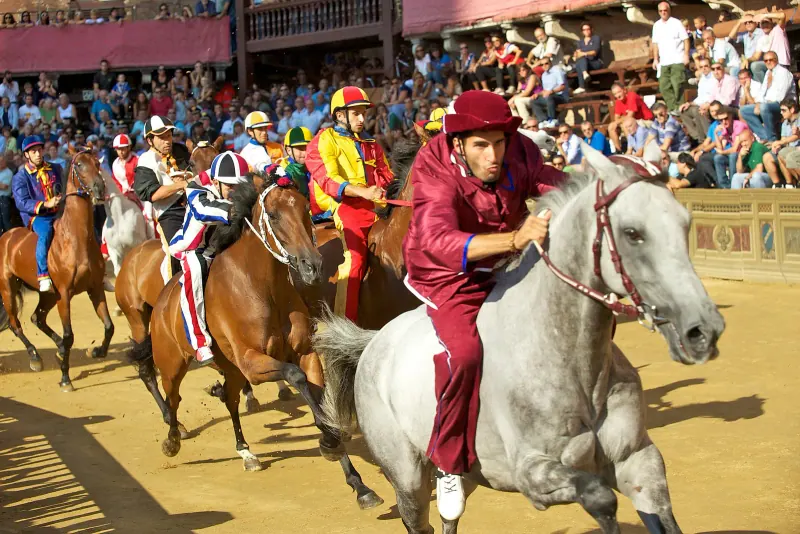
The Palio is the horse race around the Campo, run on 2 July and 16 August, with ten of the seventeen contrade competing each time. It is about 90 seconds of racing wrapped in days of parades, tests and dinners. Travelers who stood in the free center describe heat, a dense crowd with no way to leave early, and a moment when the ground seems to shake as the race starts.
It is also the riskiest day to plan. Rain postpones or cancels the race, and reports describe both. The city fills up months ahead. If you only want the atmosphere, the lead-up events and the evening street dinners that each contrada holds the night before are calmer ways in.
Siena rewards a stay of at least one night. Day-trippers see the Campo and the Duomo; people who sleep here get the empty evenings and the early-morning light on the cathedral that one traveler enjoyed photographing in the quiet morning.
Inside the walls is the easiest base for a first stay. The hills mean rooms near the Campo or the Duomo save the most legwork, and a few guests like the villa hotels just outside the walls for parking and calm. Drivers should note that the center is a restricted traffic zone, so book a hotel with parking arranged and do not trust the GPS to the door.
The food story is the region's. Day tours and long lunches at wine estates dominate the reports, along with the contrada dinners staged in the streets before the Palio. In the colder months, the big seasonal market in the Campo each December brings regional food and craft stalls into the square.
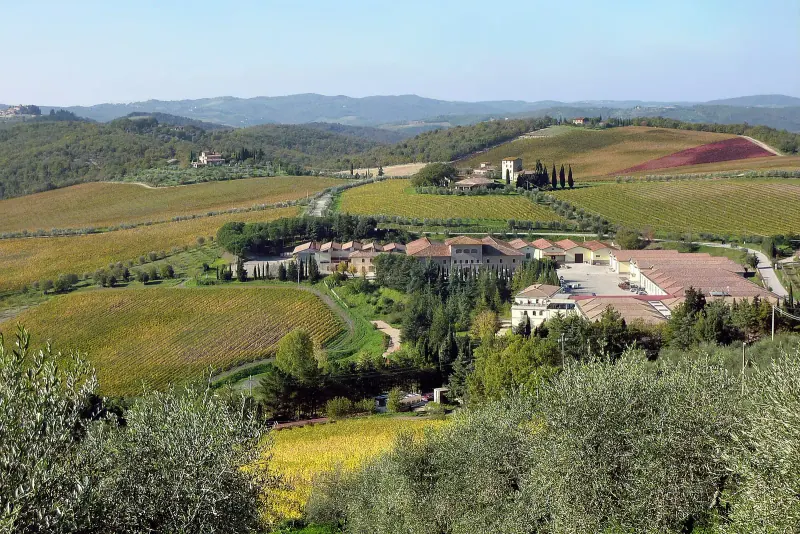
Siena is a good hub for the hills, and a car or a small-group tour is what makes it work. A bus-based Chianti tour ended with a tasting and a long lunch at an abbey estate, a relief after the city crowds. A self-drive day also worked, as long as tastings were booked ahead and one person stayed sober.
San Gimignano divides travelers. The towers and lanes are lovely, but at peak times one traveler found the crowds and prices enough to recommend Volterra instead. Go early, go in the shoulder season, or skip it for a less famous hill town.
The Val d'Orcia is the great drive south: Pienza, Montalcino, Montepulciano and the cypress roads. It wants a full day or more, and the roads can clog on Friday afternoons. In autumn, travelers found some countryside kitchens closed for the season, so book dinner before you drive out.
Travelers who know both cities usually say the same thing: Florence for the museums, Siena for pace, price and the road south. Siena is smaller and calmer, which makes it easier with a toddler, and it works as a base for the countryside.
It suits couples, families with kids who can handle hills, history lovers who like a coherent medieval plan, and people who want Tuscany without the Florence scale. It suits people who need flat ground less well, and anyone who wants a long list of museums.
If you have a single day, see the Campo, the cathedral and a few lanes. If you have two or three, add a wine day and slow evenings, and the city starts to feel like a place instead of a stop.
The pitfalls
Travelers who stood in the free center of the Campo describe heat, a dense crowd and no way to leave early. Rain has postponed or cancelled recent races, so build in a spare day, and book rooms months ahead.
One couple stood in pouring rain for cathedral tickets and wished they had bought ahead. Another traveler advises booking the Gate of Heaven walkways early because they fill fast. Check the opening hours before you commit a day.
Tower tickets sell only on site, and groups of 25 go up about every 45 minutes, so a later slot is likely. A local staff answer says wind or rain can close the tower. Check the Comune di Siena page for current opening before you plan around the climb.
A driver reached a hotel by the Campo only after staff warned them not to follow the GPS into the restricted zone. Ask your hotel for the approved route and parking, or leave the car outside the center.
The train station is outside the old town, so you need a bus or a walk uphill. A rail traveler took a regional train from Florence and then a bus to the edge of the old town, paying by card tap, and a solo traveler says the Florence bus is quicker and drops you closer to the center than the train.
Part-time Tuscany residents were fined on the Florence airport tram for unvalidated tickets when the car was too packed to reach the validator, and they saw inspectors checking again on a later ride. Validate early or tap a card on board.
San Gimignano is a popular day trip from Siena, but one traveler found the peak-season crowds and prices enough to recommend Volterra instead. Go early in the day, visit in the shoulder season, or choose a quieter hill town.
In autumn, an Italian traveler struggled to find dinner in the Val d'Orcia because the agriturismo cook only works in season. Wine-road drivers also report heavy Friday late-afternoon traffic. Book dinner ahead and drive early.
When to go
Best time
May, June, September and early October
Reports favor late spring and early fall for warm days without the August crush and for far easier walking in the hills.
Peak season
July and August
Heat and Palio crowds fill the Campo, and travelers report rooms booked months out.
Shoulder season
March, April and late October
Quieter lanes and cheaper rooms, while rain can slow a day.
Off season
November to February
Short days and rain are the trade for emptier streets.
May, June, September and early October give warm days without the August crush. The Palio on 2 July and 16 August is electric but crowded and sold out early. November to February is quiet, with a Christmas market in the Campo in early December.
Getting there and around
| Airport | Distance | To the centre | How |
|---|---|---|---|
| FLR Florence Peretola (Amerigo Vespucci) Airport | 70 km | about 105 min | Shuttle bus (about 20 minutes, every 30 minutes) or tram to Santa Maria Novella, then the Autolinee Toscane 131 or 131R bus from the Santa Caterina bus station beside the train station to Siena in about 1h20, ticket EUR 9.30. Check the operator for the current timetable. (source, checked Oct 2026) |
| PSA Pisa Galileo Galilei Airport | 105 km | about 115 min | The People Mover to Pisa Centrale takes about 5 minutes (6:00 to midnight), then a regional train changing at Empoli, about 1h45 to 2h in total. A taxi or private transfer is faster. (source, checked Oct 2026) |
Everything inside the walls is on foot. From Florence, the 131R express bus takes about 1h20 and drops nearer the old town than the station does. Drivers should leave the car outside the restricted zone. For Chianti and the Val d'Orcia you want a car or a small-group tour.
Where to stay
We earn a commission if you book through our links. It never changes a verdict. How this works
High-end stays whose guests report the setting and service earn the rate.
A 17th-century palazzo on the main street with frescoed ceilings and period furnishings, a five-star a short stroll from the Campo.
Banchi di Sopra, steps from the Campo
Search Expedia for this hotelpartner siteA 14th-century former monastery with 22 rooms in old monastic cells, a pool and a restaurant, set in gardens; guests praise the helpful staff.
Just outside the walls, about 2 km from the Campo
Search Expedia for this hotelpartner siteA countryside resort beyond the city, a car ride from Siena, with two restaurants, indoor pools and a spa for travelers who want a resort base.
Castelnuovo Berardenga, Chianti hills southeast of Siena
Search Expedia for this hotelpartner siteA small boutique residence in a historic palazzo on the baptistery square, the top in-town pick below five-star level, with a handful of rooms a minute from the cathedral steps.
Piazza San Giovanni, beside the Duomo
Search Expedia for this hotelpartner siteThe comfortable middle: well placed, well run, priced for a normal trip.
A family-run hotel in a historic palazzo near the Campo with a garden, terrace and library; guests single out the breakfast, staff and building.
Near the historic center
Search Expedia for this hotelpartner siteA four-star with a rooftop terrace, an on-site restaurant and free parking, with staff that guests praise.
Via Paolo Mascagni, about 10 minutes on foot from the Campo
Search Expedia for this hotelpartner siteA frescoed neoclassical villa hotel about five minutes from the Campo, with a garden restaurant and a quiet position near San Domenico.
San Domenico area
Search Expedia for this hotelpartner siteA hillside boutique hotel with a seasonal pool, garden, rooftop terrace and free breakfast, calmer than the center and a short ride from it.
Hillside north of the center, Scacciapensieri
Search Expedia for this hotelpartner siteCheaper beds that travelers still rate well for location and cleanliness.
A plain, convenient hotel on the northern wall with panoramic views, a garden and parking, better for practicality than character.
Northern edge of the walls, near the station side
Search Expedia for this hotelpartner siteAn 18th-century villa just outside Porta Romana with a breakfast terrace over the hills, parking and a walk of about 13 minutes to the Campo.
Via Piccolomini, beside Porta Romana
Search Expedia for this hotelpartner siteA small two-star among the closest hotels to the Campo, with private bathrooms and a terrace over the medieval rooftops.
Near Piazza del Campo
Search Expedia for this hotelpartner siteA 14th-century former pilgrim hostel run by a religious community, quiet with a library and breakfast buffet; ask for a balcony room facing the Duomo.
Near San Domenico, about 4 minutes from the Campo
Search Expedia for this hotelpartner siteQuestions
One full day covers the Campo, the cathedral and a wander. Two or three nights lets you add a Chianti or Val d'Orcia day and quieter evenings, which travelers say is when Siena feels best.
Not for the center, which is walkable and closed to most traffic. A car or a small-group tour helps for the countryside. Drivers should park outside the center and avoid following GPS into the restricted zone.
They suit different trips. Travelers who know both say Florence wins on museums and Siena wins on pace, price and as a base for the countryside. Many fit both in a Tuscany week.
A family with a toddler found Siena smaller and less hectic than Florence. The hills and stony lanes tire little legs, so plan a stroller-friendly route, and avoid Palio weeks, when the crowds are dense.
The Palio runs on 2 July and 16 August each year, with ten of the seventeen contrade racing. Rain can postpone the race, so keep a spare day, and book lodging months ahead.
The regional 131R express bus from the Florence bus station runs in about 1h20 and drops closer to the old town than the train station does. Travelers prefer it to the train.
How this guide was written. We read 34 traveler reports about Siena published between Jan 2025 and Oct 2026, 4 of them mainly negative, and checked the facts against official sources in Oct 2026. Nobody on the team claims a visit; hotel picks are chosen from what guests report, never from what they pay us. How we judge.
Explore the decisions
 Is attending the Palio di Siena worth it?Go
 Is climbing the Torre del Mangia in Siena worth it?Go
 Is Siena Cathedral worth it?Go
Explore the decisions
 Is a Chianti wine tour from Siena worth it?Go
 Is a walking tour in Siena worth it?Go
Explore the decisions
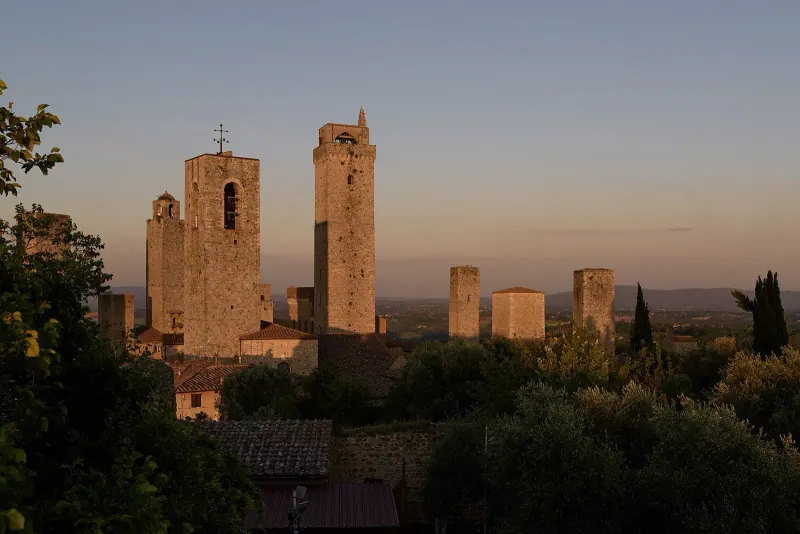 Is a San Gimignano day trip from Siena worth it?Go
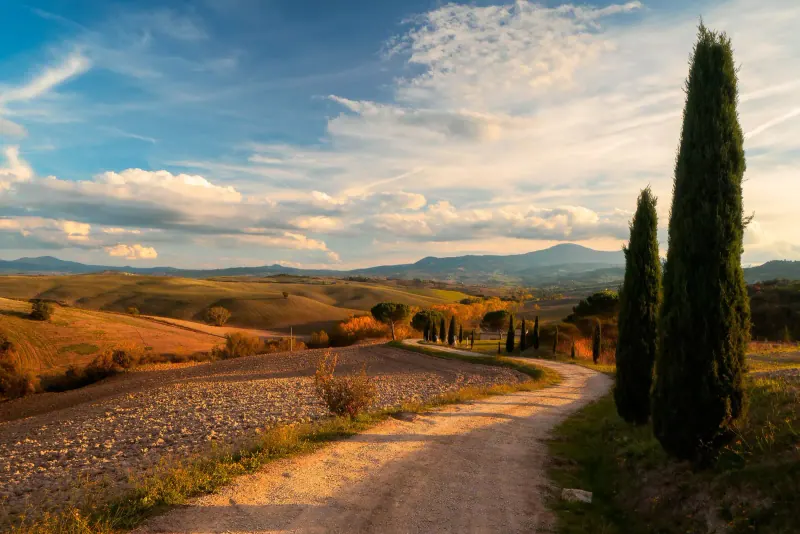 Is a Val d'Orcia day trip from Siena worth it?It depends
Explore the decisions
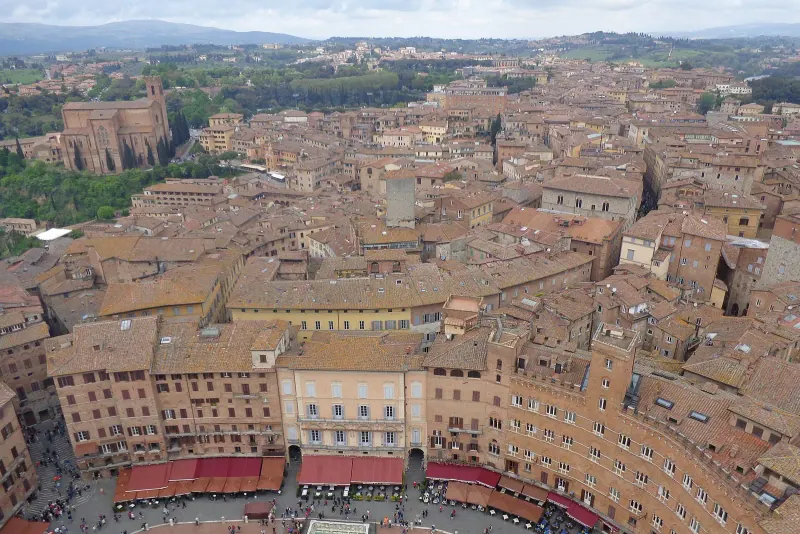 Florence and Pisa airports to Siena: which way?Our pick: Florence airport, then the 131R bus
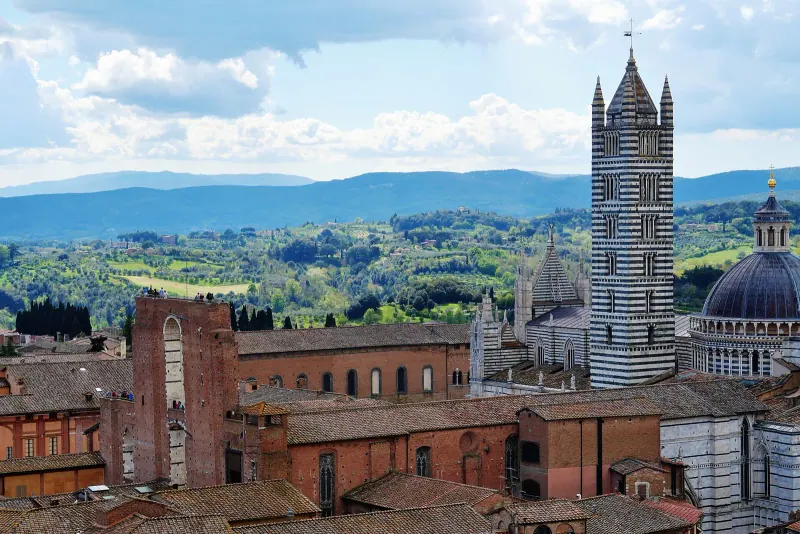 Siena or Florence: which to visit?Our pick: Split nights between both
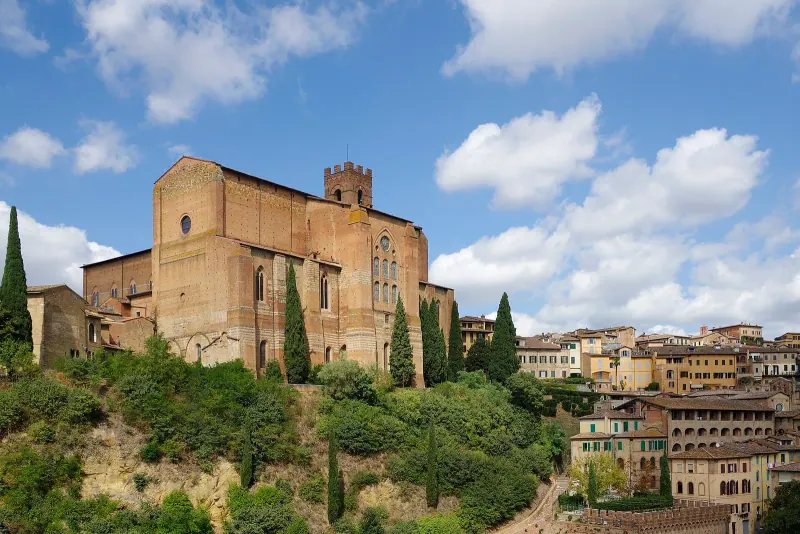 Where to stay in Siena: which area?Our pick: Inside the walls, around Piazza del Campo
Plan your Siena trip
Where to stay
12 hotel picksLuxury, mid-range and budget, cross-checked against traveler reports
Getting there
Airport to city, priced outFlorence and Pisa airports to Siena: which way
Avoid the traps
What to skip in SienaThe tickets, tours and trips most travelers can pass on
In pictures
a Chianti wine tour from Siena worth ita San Gimignano day trip from Siena worth itFlorence and Pisa airports to Siena: which waySiena Cathedral worth itSiena or Florence: which to visitattending the Palio di Siena worth ita walking tour in Siena worth itclimbing the Torre del Mangia in Siena worth itKeep exploring
Gear verdicts from our sister site, Real Buyer Experiences:


