


A five-star on Boulevard Royal a short walk from Place d'Armes and the Ville Haute, with a pool and spa. The safest full-service luxury base for the old town.
Ville Haute edge, Boulevard Royal
Check rates on Expediapartner siteCity guide / Luxembourg
Luxembourg City is a fortress capital on a gorge: casemates, a river quarter below the old town, free transport and calm evenings. Two days suits it, and the countryside is a bus ride away.
The review
A fortress town split by a gorge, free to ride around, calm after dark and best in small doses.
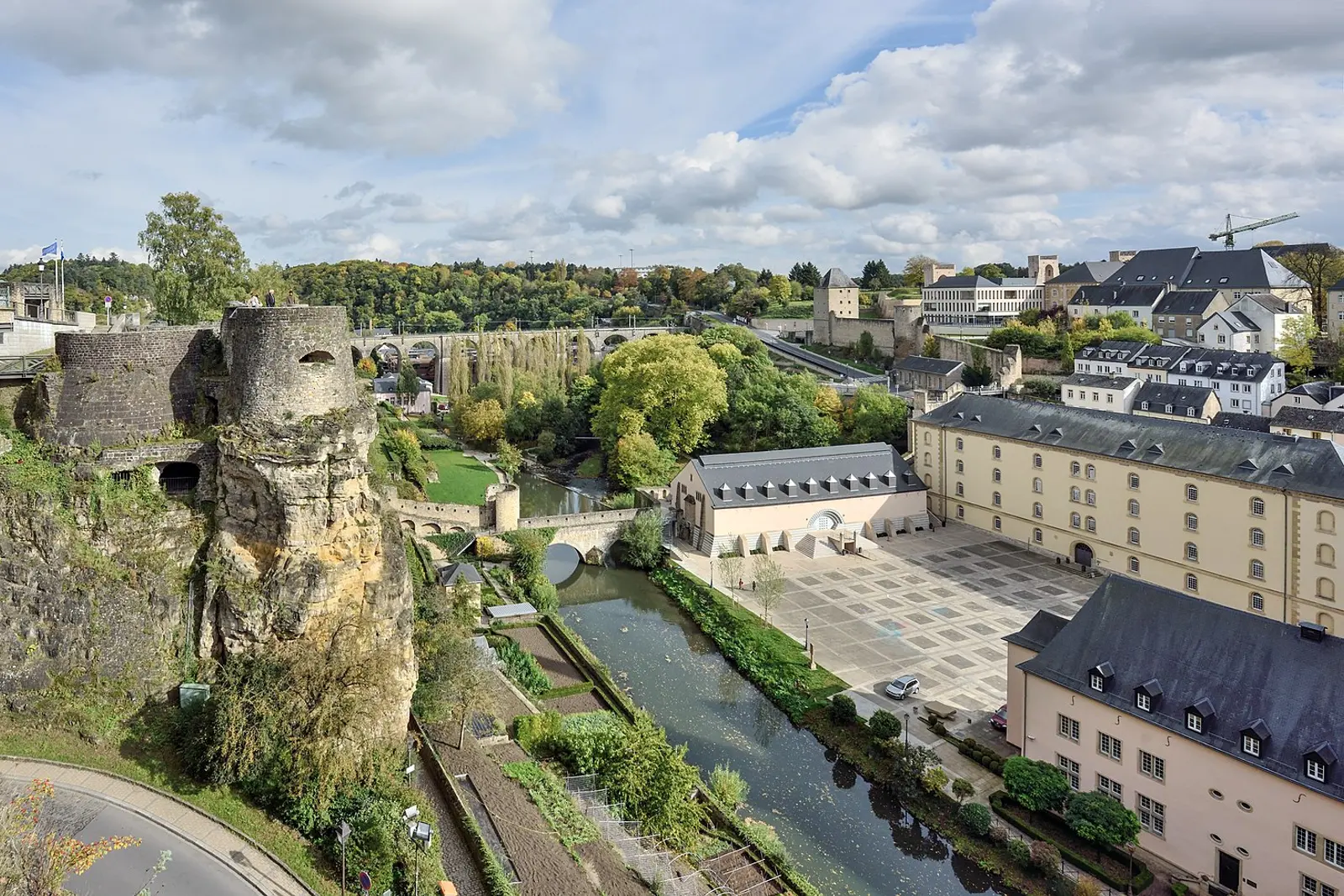
Luxembourg City is worth it for two days, especially as a calm break between bigger capitals. Travelers keep returning to the same picture: a compact old town on a sandstone promontory, tunnels carved into the rock, and a river quarter far below that you reach by lift or a steep path. Short-break writers favor it for the setting, the calm and how little logistics it asks of you.
The hard truth is that it is small, quiet and expensive. One first-time visitor found the center modern and administrative at first, and a two-day itinerary warns that much of it shuts on Sundays. Evenings are gentle rather than lively, the terrain means stairs and climbs, and the sights are done quickly. Anyone expecting nightlife or a long list of blockbusters tends to leave early.
The fix is to pace it. Walk the Corniche, take the Pfaffenthal lift down, go underground at the Bock, then spend the second day on a day trip, since public buses, trams and second-class trains are free nationwide. Vianden, the Mullerthal trails and the Moselle cellars all sit on that network, which is what turns a thin city into a satisfying base.
The long read
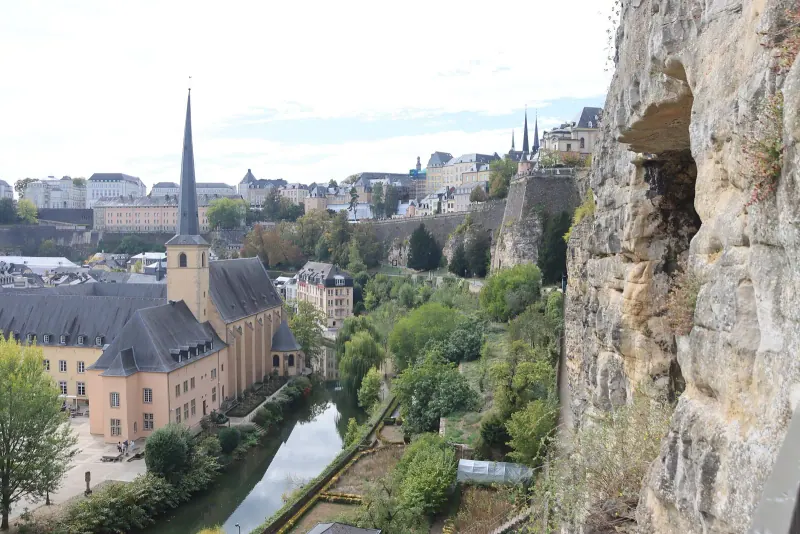
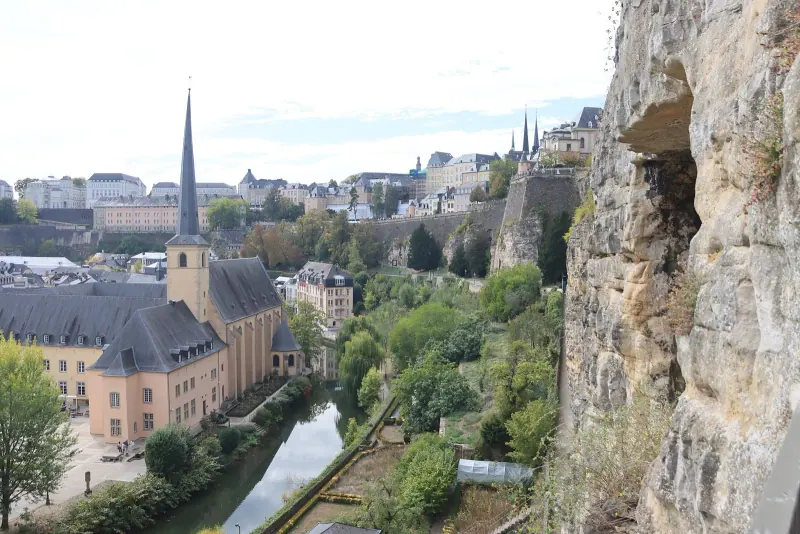
The Bock promontory is where the city's story starts, and travelers rank it among the best things here. One travel writer named the promontory and its tunnels his favorite sight in the city. The ramparts give wide views over the gorge, and the casemates run beneath them: cool, damp tunnels with narrow steep stairs and low headroom, according to visitors. It feels like walking through a fortress that was built to be hidden.
The reports are specific about what to expect. The galleries are dark and a little claustrophobic, the footing is uneven, and a narrow spiral staircase leads down. Those with claustrophobia are warned off. Inside, the content is lighter than the setting suggests: a returning traveler found a handful of cannons and signs, with 45 minutes enough to see everything. A winter visitor liked the maps, history panels and the Castle Bridge section, but found passages that led nowhere and one closed stretch. One traveler spent a while finding the way out.
Plan around the timing. Entry is by timed slot, and hours change by season: the official page lists the first slot at 09:45 and the last admission at 17:00 in the mid season (to 8 November) and at 19:00 in July and August, then shorter days from 9 November, and a January visitor arrived early to a closed entrance. Check the official casemates page for the slot you want, and treat it as a 45 minute stop, not a half day. The guided option got a thumbs up from a cruise-stop visitor who said the tour was worth taking.
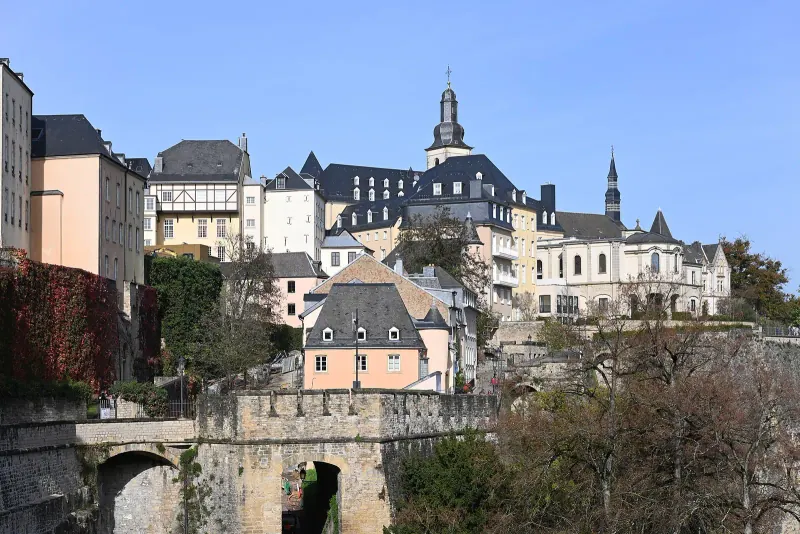
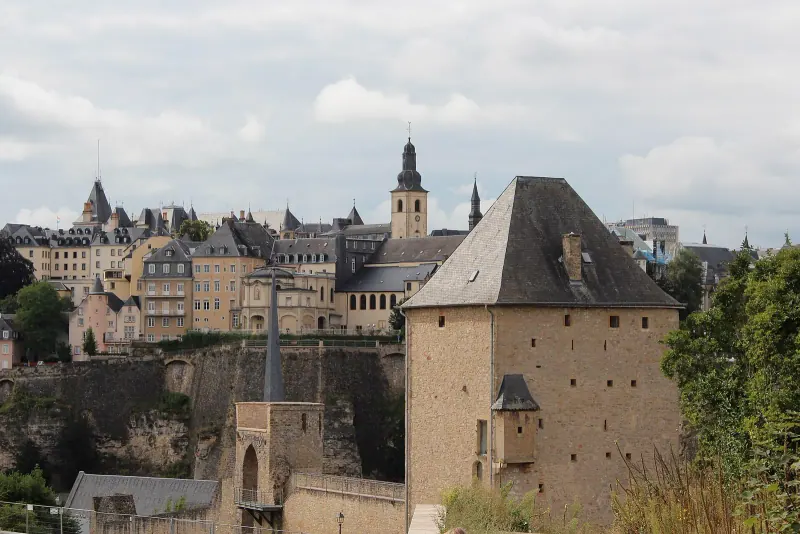
The Chemin de la Corniche is the postcard. Its panoramic views over the Grund and the Alzette valley are the draw, and even a Luxembourg resident calls it a tourist route yet one of the most beautiful walks in the city. It is free, short and easy, which makes it the best first hour. Pont Adolphe adds vertigo-inducing views, and the high battlement gardens are praised too.
Below it, the Grund is where the old town changes character. Travelers describe picturesque streets, riverside views and many bars and restaurants, and one couple called it one of the coolest neighborhoods in the city. A first-timer who was not charmed at first said the city made sense after walking the Corniche and dropping into the Grund.
The price of the view is the climb. A rainy-afternoon walker found the path down to the river way too steep and partly washed out, and others warn that the climb back up is a challenge. The practical fix is the lift: an elevator spares the hike back to the upper town, and the Pfaffenthal panoramic lift is free. Use a lift one way, walk the other, and keep sturdy shoes on.
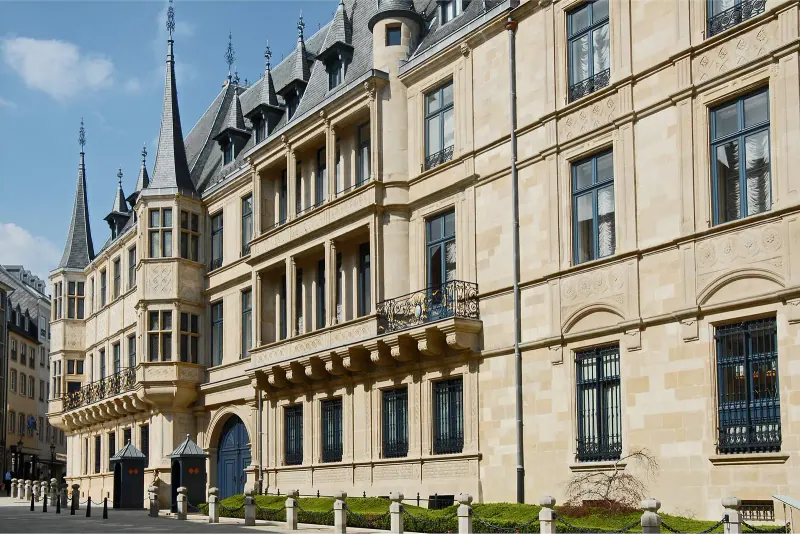
The Ville Haute is compact enough that the upper-town sights sit minutes apart, and that is the main argument for a central room. A highlights guide maps nearly everything a first-timer needs into the old town and Grund. The Grand Ducal Palace is the anchor: an ornate Renaissance facade with balconies and crests, which one couple judged among the smallest palaces they had seen in Europe.
The interior is only open on guided tours in summer, and demand is real. A local outlet covering the 2026 season reported difficulty booking places. A reporter on a July 2026 tour described a security check, bags left at the entrance, no photos inside and about 75 minutes through the staircase, dining hall, map room and private apartments. A January visitor found tours not running, so winter travelers see the facade only.
The old squares are where the cafes cluster. A recent city review singled out the cafe and dining scene around them as a highlight, and a solo traveler praised the value and multilingual staff at a lunch spot. Expect polite, calm and a little formal rather than boisterous.
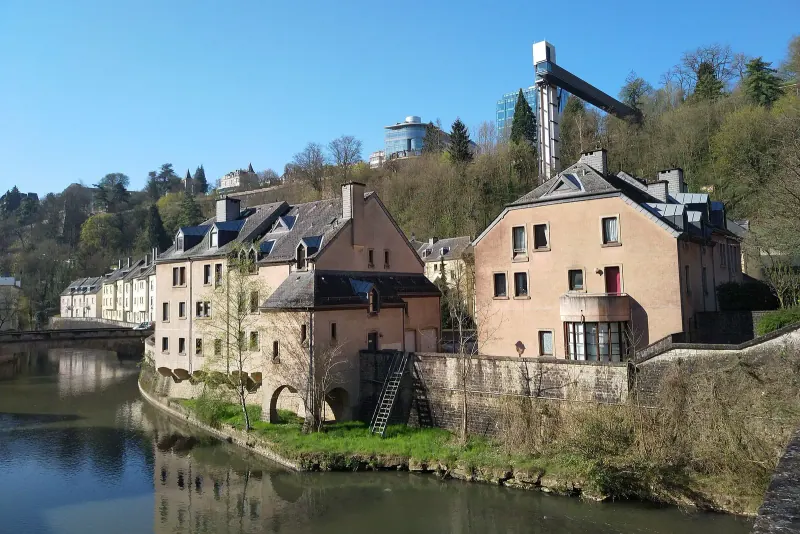
Kirchberg is the plateau across the gorge, reached by the tram. A hotel review calls it the city's modern zone, a short tram ride from the old town, with a pink marble cocktail bar, and a stay report on a Kirchberg five-star praises the rooms and the tram link. It suits travelers who want space and modern rooms and who will ride the tram into the center for dinner.
The station quarter is the budget base. Residents tell national media it is slowly improving with new businesses, while other residents report drug activity and antisocial behavior spreading toward Hollerich. Reports do not call it dangerous, but it is the district where the cheaper beds come with rough edges, so walk back by the busier streets late at night.
Evenings overall are gentle. A city review finds that hotel location mostly decides your evenings, not your sightseeing, and a resident-focused guide describes the old town as premium and the neighborhoods around the center as quiet. Plan dinner and a walk, not a late night.
The local food is hearty. Travelers who ate their way around the old town describe dumplings with bacon and cream, potato fritters and generous portions, with pastry cases that make the compact center feel like a food circuit. A tasting walk through town counted stops from a Riesling pate and cremant-paired ham to a dumpling finale, and called it a strong introduction to a cuisine few people can name.
Prices are the catch. Restaurant mains run well above neighboring countries, and a solo traveler found good value at lunch, which is the cheaper time to eat out. The wine side is the Moselle: reports describe cooperative and family cellars an hour or less away on free transport, with many cellars closing tours in winter.
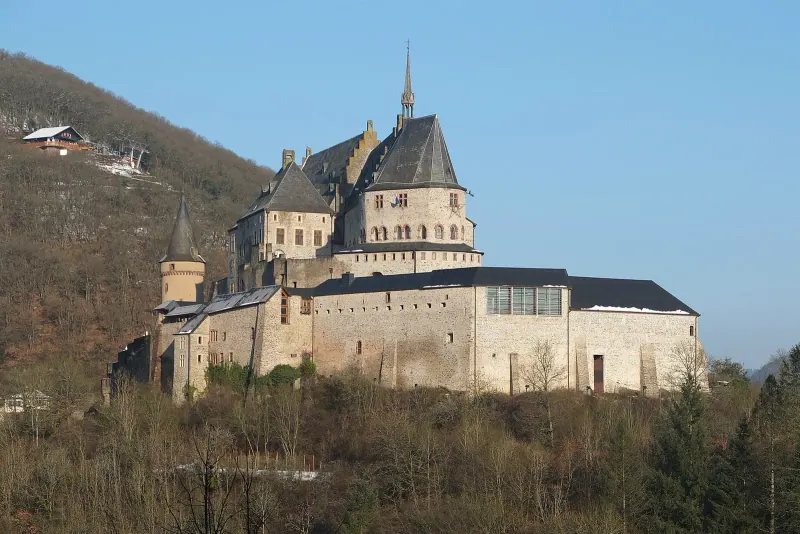
Vianden is the day trip travelers rate highest. The free train to Ettelbruck and a bus onward get you there in about an hour and a half, according to day-trip guides, and the castle, chairlift and old lanes make a full, easy day. The chairlift ride is called the standout moment and the approach and setting do most of the work, while the interior rooms feel thin without the audioguide. Arrive early: a guide says early arrival beats the parking squeeze, and the late-July medieval festival pushed parking kilometers outside town.
The Mullerthal is hiking country. There is no train, buses usually run hourly, and a tram to Kirchberg plus bus 201 reaches Echternach in about an hour. The E1 loop is about 13.5 km, signposted, with the Wolfsschlucht narrowing until you turn sideways. The Schiessentumpel waterfall bridge crowds on sunny Sundays and school holidays, and a local hiker recommends five quieter trails instead.
The Moselle is the wine trip. A wine writer did it as a day trip on free train and bus, reaching a cooperative in about an hour. Book tastings ahead, and expect thin bus service on the east side of the country. The 2026 harvest started unusually early, with winemakers expecting a high quality vintage.
The pitfalls
A two-day itinerary flags that the center largely shuts on Sundays. If you arrive or leave on a Sunday, plan that day around outdoor walks, the Corniche and the lifts, and book a table in advance rather than count on finding one.
Entry is by timed slot, hours change by season (the official page lists shorter days from 9 November), and a January visitor reached a still-closed entrance. The stairs are narrow and steep, headroom is low, and visitors warn off anyone with claustrophobia. Allow 45 minutes, check the official hours first and wear shoes with grip.
A rainy-afternoon walker found the path to the river far too steep and partly washed out, and couples warn that the climb back is a challenge. Use the lifts, which are free, and check that the Pfaffenthal lift is not in its monthly maintenance closure.
The interior opens on guided tours in summer, around 75 minutes, with bags left at the door and no photos. The 2026 season saw strong demand and trouble booking, and a January visitor found no tours running. Book early or settle for the facade.
Taxi fare complaints climbed to 390 in 2025 from 244 the year before. Free trams and buses cover the airport and the center, so only use a cab for late arrivals, and pre-book rather than negotiate at the rank.
Mullerthal buses usually run hourly and there is no train, a tasting guide warns that buses on the east side of the country run thin, and free travel ends at the border. Check return times before you hike or taste, and book tastings ahead.
Vianden's medieval festival pushed cars kilometers outside town, and the Schiessentumpel waterfall bridge crowds on sunny Sundays and school holidays. Go early, or choose the quieter trails and a weekday.
Residents report drug activity and antisocial behavior spreading toward Hollerich, while others say the station district is slowly improving. It is a practical base for trains and cheaper rooms; use the busier streets late at night.
When to go
Best time
May, June and September
Warm days, long light and the fullest set of open castles, trails and cellar tours. The casemates run on their mid-season schedule.
Peak season
July and August
The busiest weeks: summer palace tours, festivals and long days, with Vianden and the waterfall bridges crowded on sunny days.
Shoulder season
March, April, October and early November
Quieter streets and lower crowds, with the casemates still on seasonal schedules and cooler walking weather.
Off season
mid-November to February
Cold, quiet and early dark, but the center is lit for the Christmas season, and the museums and cafes stay open. Many Moselle cellars close their tours.
May, June and September give warm days, long light and the fullest set of open castles and trails. July and August bring the Schueberfouer fair and festivals. Late November to early January is Winterlights season, with the Christmas markets; January and February are quiet and cold.
Getting there and around
| Airport | Distance | To the centre | How |
|---|---|---|---|
| LUX Luxembourg Findel Airport | 6 km | about 25 min | The tram line stops at the airport and runs through the center to the stadium, and public transport is free. Bus lines 16 and 29 also run to the center, every 10 to 15 minutes according to the airport page. Travelers describe the ride into the center as about 25 minutes. Taxis wait at the rank outside the terminal. (source, checked Oct 2026) |
Buses, trams and second-class trains are free nationwide, since 1 March 2020; first class on trains is the one exception and the free travel ends at the border. The airport tram stops at Findel and runs through the center. The Pfaffenthal lift is free and runs daily from 5:45 to 1:00, apart from a monthly maintenance closure. The center is walkable but steep.
Where to stay
We earn a commission if you book through our links. It never changes a verdict. How this works
High-end stays whose guests report the setting and service earn the rate.
A five-star on Boulevard Royal a short walk from Place d'Armes and the Ville Haute, with a pool and spa. The safest full-service luxury base for the old town.
Ville Haute edge, Boulevard Royal
Check rates on Expediapartner siteA five-star on the main square with 28 individually designed rooms and suites, praised for its location and staff. A Relais & Chateaux property in a historic townhouse, so ask about room access before booking.
Old town, Place d'Armes
Search Expedia for this hotelpartner siteA design-led five-star above the Petrusse valley with views over the gorge, a short walk from the cathedral. Good for travelers who want luxury close to the Ville Haute.
Boulevard d'Avranches, above the Petrusse valley
Check rates on Expediapartner siteA five-star on the Kirchberg plateau with about 109 rooms and a 24-hour gym, beside the Philharmonie and the museums; a stay report praises the rooms and the tram link.
Kirchberg
Search Expedia for this hotelpartner siteThe comfortable middle: well placed, well run, priced for a normal trip.
An 11-room four-star boutique in a medieval house beside the palace, the most characterful stay inside the old walls. Parking is limited. Four-star rather than five, so it sits here, not in the top tier.
Old town, beside the palace
Check rates on Expediapartner siteA three-star of about 35 rooms on Rue Notre-Dame in the Ville Haute, near City Hall and Place Guillaume II. Listings show a multilingual 24-hour desk and individually decorated rooms; check room size before booking.
Ville Haute, Rue Notre-Dame
Search Expedia for this hotelpartner siteA three-star design hotel of about 145 rooms in Kirchberg with a rooftop terrace and a pink marble cocktail bar, a short tram ride from the old town; the pick for a young crowd and modern rooms over old-town atmosphere.
Kirchberg
Search Expedia for this hotelpartner siteA three-star on the edge of the old town, about a five minute walk to Pont Adolphe and eight to the main square. A plain, central base without the old-town premium.
Ville Haute edge, Avenue Marie-Therese
Search Expedia for this hotelpartner siteCheaper beds that travelers still rate well for location and cleanliness.
The national youth hostel in the Pfaffenthal valley with breakfast and mostly dormitory beds; the Pfaffenthal lift connects it to the upper town. Guests praise staff and location, and warn about the steep approach with heavy bags.
Pfaffenthal, valley level
Search Expedia for this hotelpartner siteA three-star in the station quarter on Rue d'Anvers, a short walk from the station. A plain, central budget base for trains and the tram.
Station quarter, Rue d'Anvers
Search Expedia for this hotelpartner siteA basic chain hotel in the Cloche d'Or district south of the center, one of the cheaper options in the city; breakfast and parking cost extra. Not walkable to the old town.
Cloche d'Or, south of the center
Search Expedia for this hotelpartner siteA 68-room three-star Art Deco hotel in the station quarter, close to rail for Vianden and the Moselle. The station quarter is cheaper but has rough edges late at night.
Station quarter
Search Expedia for this hotelpartner siteQuestions
Two days cover the Ville Haute, the casemates, the Grund and Kirchberg. Add one or two days for Vianden, the Mullerthal or the Moselle. Travelers on a single day see the Corniche and the old town but skip the casemates or the Grund.
Travelers describe dining and hotels as premium. Restaurant mains cost more than in neighboring countries. The offset is that buses, trams and second-class trains are free nationwide, and the Corniche and lifts cost nothing.
Yes. Buses, trams and second-class trains have been free nationwide since 1 March 2020, including the airport tram. First class on trains is the exception, and free travel ends at the border.
A 2026 short-break comparison favors Luxembourg for the gorge setting, the calm and how little logistics two days demand. Brussels offers more attractions and nightlife, so the choice is calm and polish against energy and variety.
The old town and the Ville Haute edge put the sights on foot. Kirchberg offers space and tram links. The station quarter is cheaper and handy for trains, with rougher edges at night.
Reports describe a calm, clean capital. The documented caveat is the station quarter, where residents report drug activity spreading toward Hollerich. Use the busier streets late at night.
How this guide was written. We read 44 traveler reports about Luxembourg City published between Feb 2025 and Sep 2026, 2 of them mainly negative, and checked the facts against official sources in Oct 2026. Nobody on the team claims a visit; hotel picks are chosen from what guests report, never from what they pay us. How we judge.
Explore the decisions
 Are the Bock casemates worth it?Go
 Is the Grand Ducal Palace worth it?Go
 Are Luxembourg's old town and the Grund worth it?Go
Explore the decisions
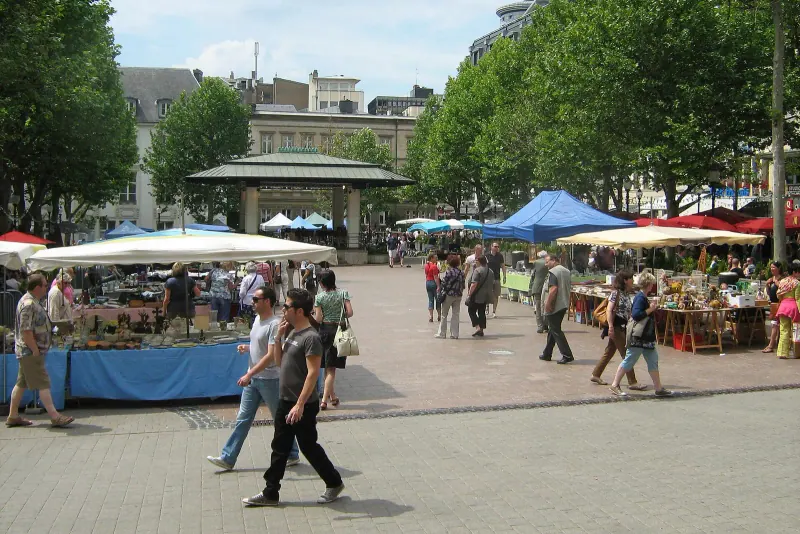 Is a Luxembourg food tour worth it?Go
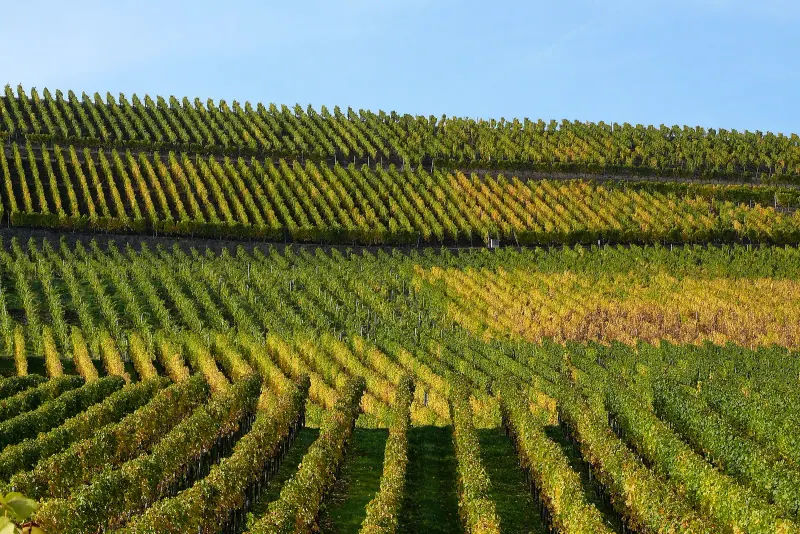 Is a Moselle wine tour from Luxembourg worth it?It depends
Explore the decisions
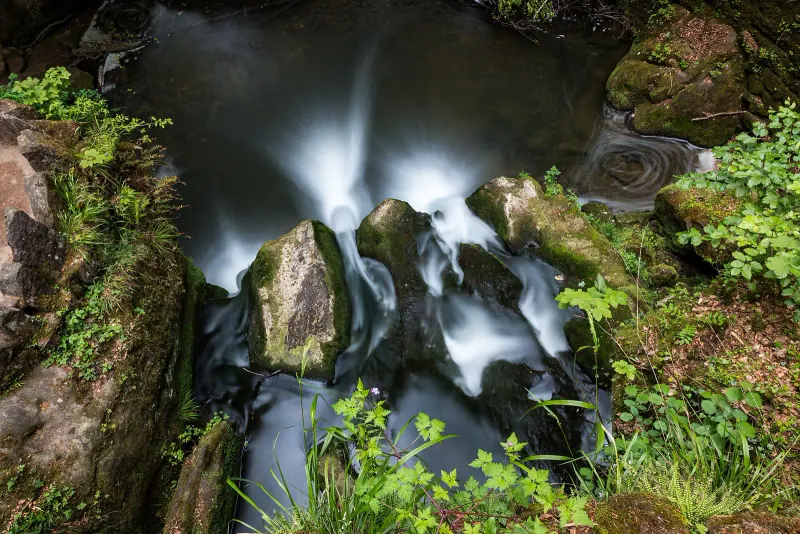 Is a Mullerthal day trip worth it?Go
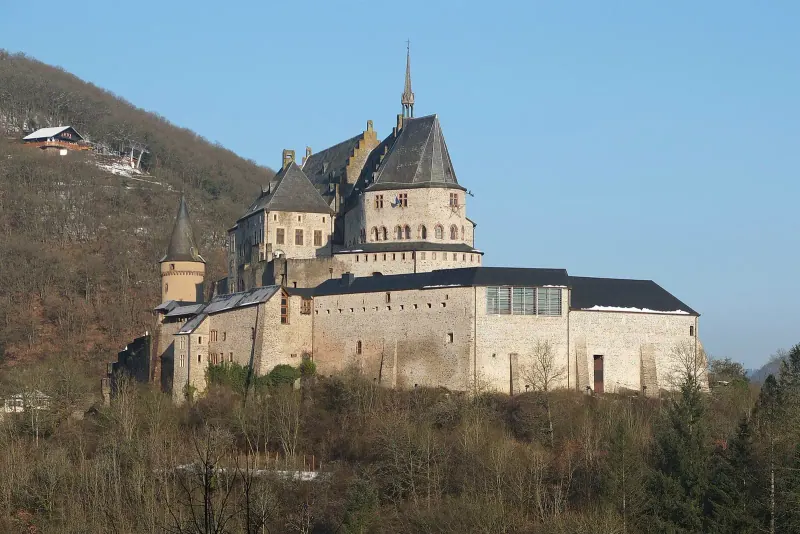 Is a Vianden Castle day trip worth it?Go
Explore the decisions
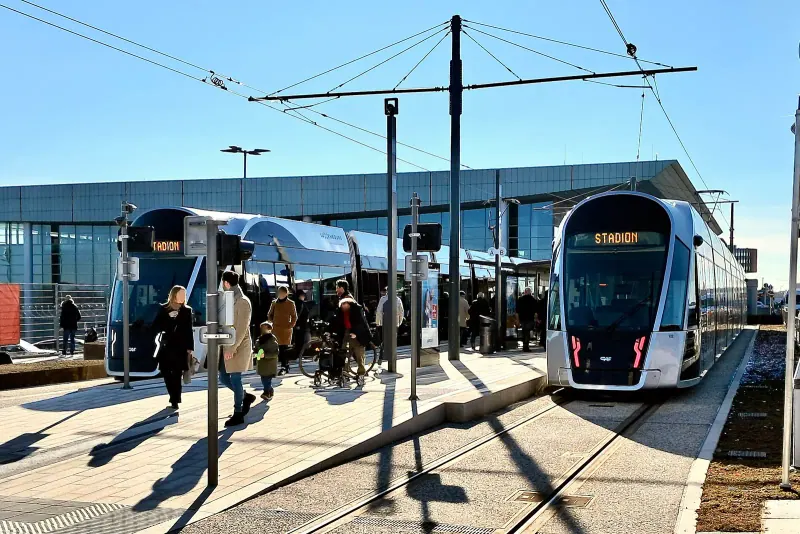 Luxembourg airport to the city: which way?Our pick: Tram T1
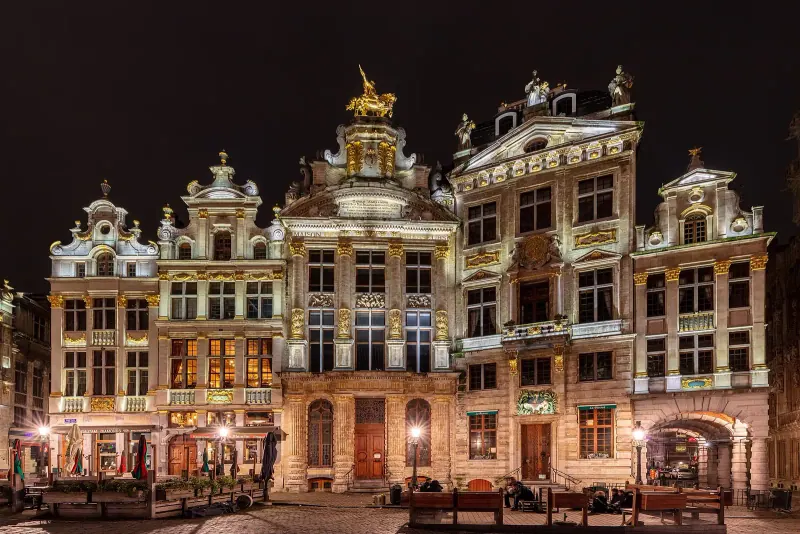 Luxembourg or Brussels: which city break?Our pick: Luxembourg City
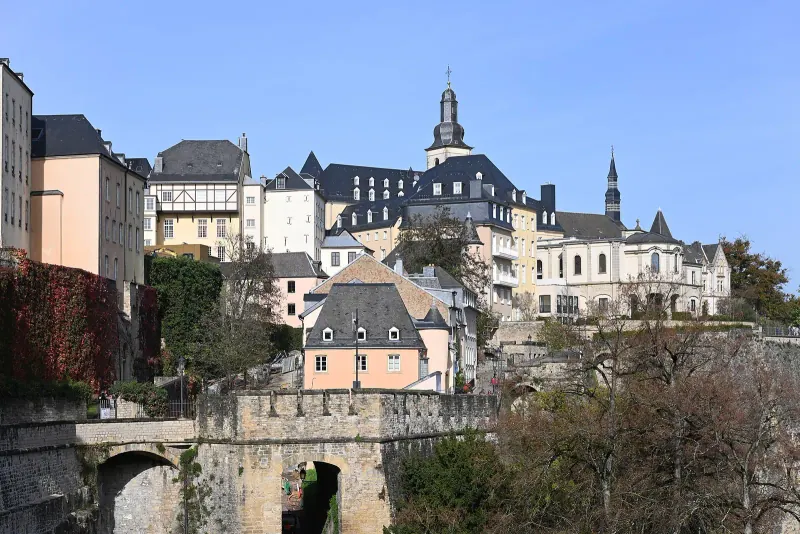 Where to stay in Luxembourg City: which area?Our pick: Ville Haute (Old Town)
Plan your Luxembourg City trip
Where to stay
12 hotel picksLuxury, mid-range and budget, cross-checked against traveler reports
Getting there
Airport to city, priced outLuxembourg airport to the city: which way
Book a private transfer partner site
In pictures
the Bock casemates worth itthe Grand Ducal Palace worth itLuxembourg airport to the city: which waya Luxembourg food tour worth itLuxembourg's old town and the Grund worth itLuxembourg or Brussels: which city breaka Moselle wine tour from Luxembourg worth ita Mullerthal day trip worth itKeep exploring
Gear verdicts from our sister site, Real Buyer Experiences:


