

A palace-style five-star hotel in the old town, a short walk from the cathedral. Guests praise the walk-to-everything location and the distinctive interiors.
Ciutat Vella
Search Expedia for this hotelpartner siteCity guide / Spain
Valencia is Spain's most liveable big city: a flat old town, the Turia park, paella where it was born and city beaches by tram. Our verdicts cover the City of Arts and Sciences, the Oceanografic, the Albufera, the airport route and where to stay.
The review
Valencia is Spain's easy, flat, beach-and-paella city, best from spring to autumn and loud only in Fallas week.
Yes, Valencia is worth it for travelers who want a real Spanish city with a beach, great rice and far fewer crowds than Barcelona. Writers who chose it over its bigger rival describe a pedestrianized old town that works as a living city rather than a theme park, with roughly a quarter of the tourist traffic for similar sun, history and food. The cathedral, the Silk Exchange and the Central Market sit within a short flat walk, and the Turia park carries bikes and strollers toward the City of Arts and Sciences.
The hard truth is that Valencia has no single postcard icon, and its best-known complex is easy to overspend on. The outdoor site at the City of Arts and Sciences is free, while the aquarium is the one paid venue our travelers write about. The beaches are a tram ride from the old town, summer is humid, and Ruzafa is loud at night. Fallas week in mid-March brings daily fireworks at 14:00, huge crowds and fires in every neighborhood.
The fix is simple. Base in Ciutat Vella or Ruzafa and ask for a quiet lane, put the money into the Oceanografic and a paella class, cycle the Turia, and give the beach its own half day. Go in spring or early autumn, or in winter for the quiet, and plan Fallas only if you want the noise. Our Valencia or Barcelona verdict and where to stay guide cover the two big choices.
The long read
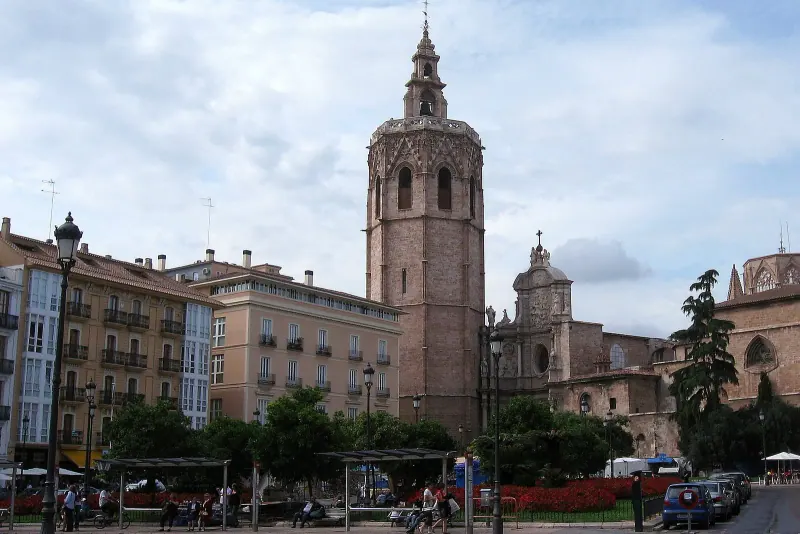
Valencia's center rewards slow walking. Travelers describe a pedestrianized old town with markets, plazas and orange-tree courtyards, where the cathedral, the Silk Exchange and the Central Market sit a few minutes apart on flat streets. A traveler who picked Valencia over Barcelona reports about a quarter of the tourist traffic for the same heat, history and food, and a long-time Spain resident says Barcelona's landmarks are now hard to enjoy because of crowding.
The cathedral is the anchor. A blogger who arrived minutes after the 10:30 opening followed the full audio tour and found the Holy Chalice always ringed by people, so an early start helps. A few minutes away, the Silk Exchange draws some of the warmest writing in our logs: twisted pillars in the Hall of Columns, a golden chamber in the old maritime tribunal and a local writer who says skipping it would be a crime.
The catch is that central barrios have bars and restaurants that stay open late, so light sleepers should ask for a quieter lane. Local news also confirms that new tourist apartments are vetoed across most of Ciutat Vella, so hotels and hostels are the realistic choice there.
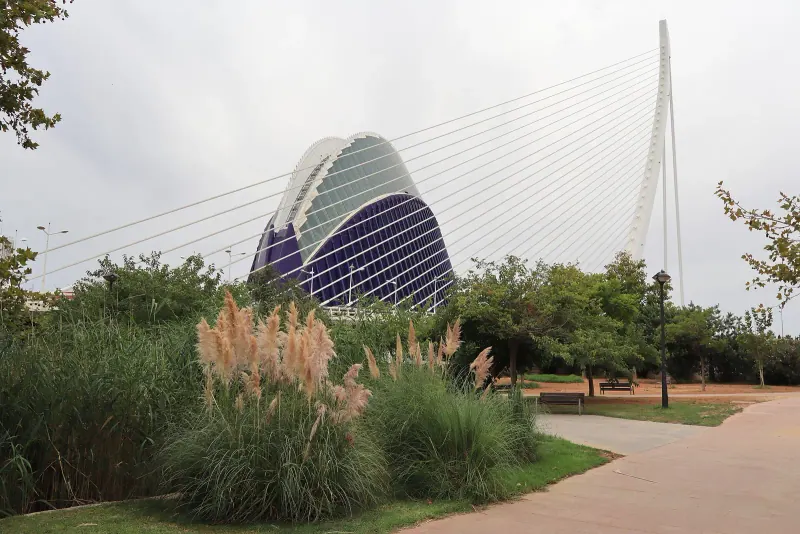
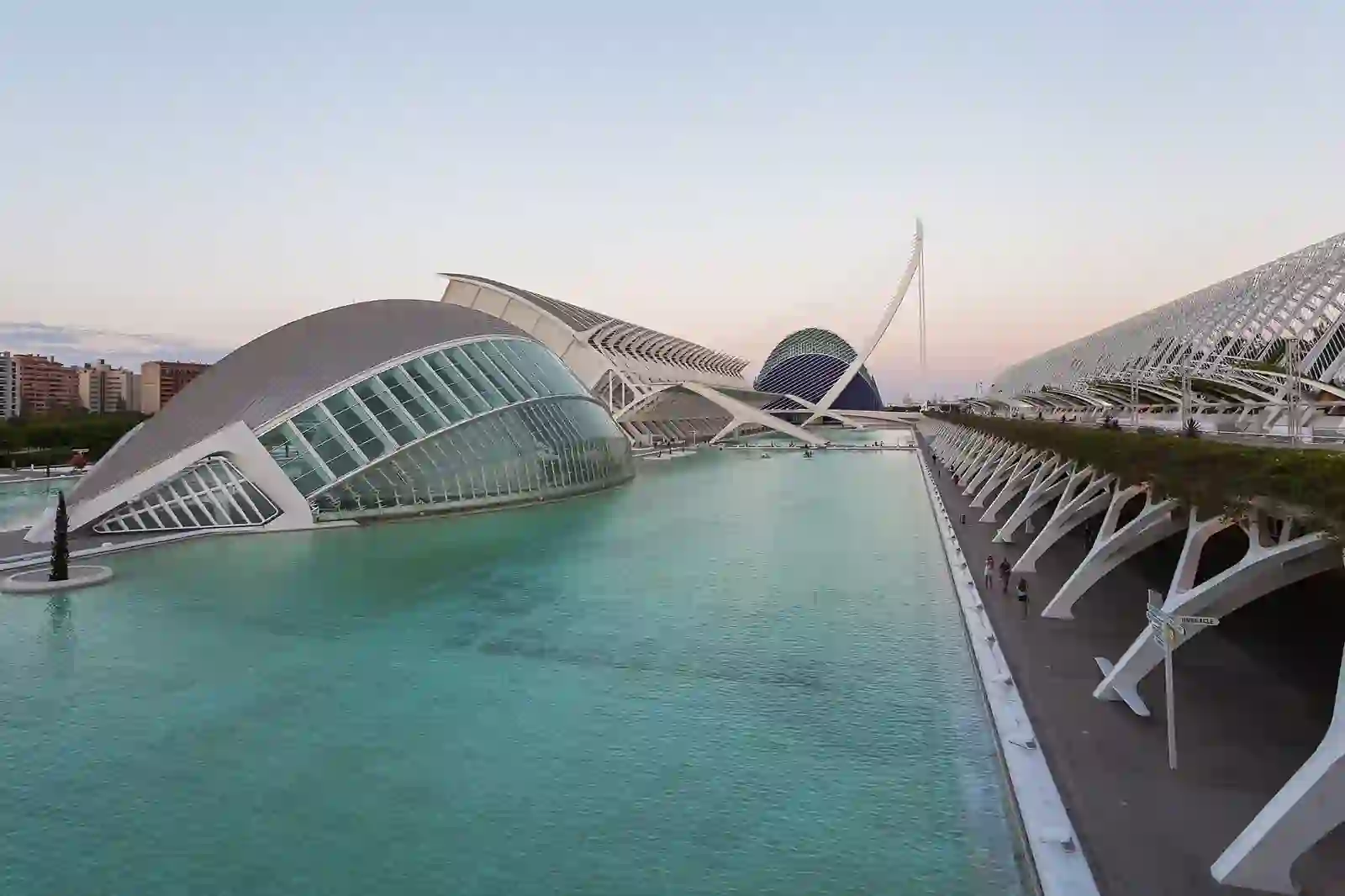
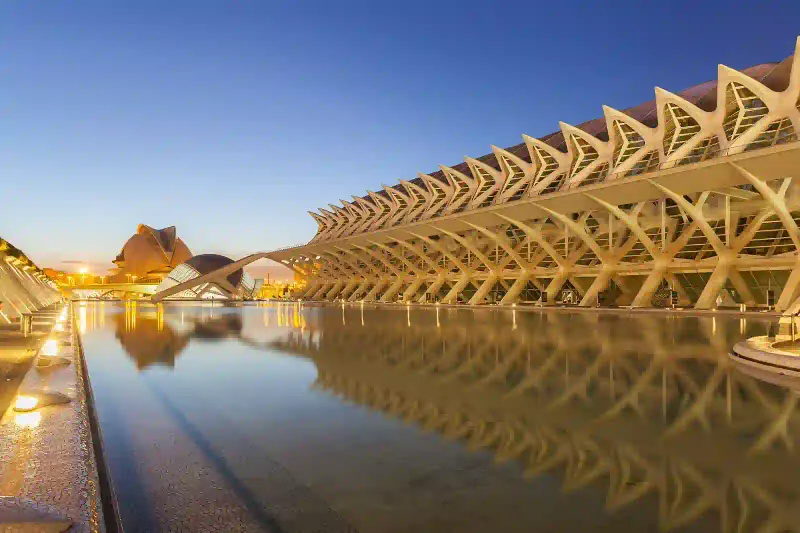
The City of Arts and Sciences is the postcard Valencia does have: white futuristic buildings, pools and walkways at the end of the Turia park. The outdoor site is free to walk, so you can see the white buildings and pools without buying a ticket. Decide in advance which building, if any, you want to pay for.
Inside, the ranking is clear. The Oceanografic is the paid attraction travelers write about most, and a family logged a full day there with no meltdowns. Easter and holiday weekends are another story, with crowds and higher prices, and food inside is costly.
The Turia is the city's best free pleasure. A former riverbed, it now carries about nine kilometers of gardens, bridges and bike lanes from the Bioparc side to the City of Arts. A traveler who hired a bike called the ride a treat, and a guided group advises single file because locals ride fast. It is flat, shady in patches and easy for beginners.
Paella is the reason many people book. Writers who took a paella class in Ruzafa describe a start in the market, tapas and sangria, and instructors who teach the rules: beans and snails belong in the pan, chorizo does not. Another traveler cooked the classic chicken, rabbit and bean version in a group of about twenty and came away with technique rather than just lunch.
For the real thing in its home setting, travelers head to the Albufera lagoon and the village of El Palmar. A couple spent an afternoon there on a boat ride of about 45 minutes, then ate paella they rank among their favorite day trips. The Albufera sunset trip is atmospheric, with egrets over the water and reed channels, but timing matters: a family found the bus back crowded enough that many stood, the boat commentary was in Spanish only and the boat turned back before the best light.
Organized half-day tours trade control for convenience. One writer found the coach full in warm months, the boat short and the included paella only okay in a restaurant built for volume. The lagoon also has an environmental story: it was declared clean again in 2025 after flood debris was removed, but regional news reported black water in the channels near El Palmar after heavy rain that October, so check the news if the water matters to you.
Valencia is a city beach city, not a resort town. The sand at Malvarrosa and Las Arenas is a tram or metro ride from the old town, and the season runs from late spring into October. The official beach forecast showed about 22 to 23 degrees C for the sea in mid-to-late October, so swimming is realistic into autumn.
El Cabanyal is the barrio that sells the beach side. A resident expat puts the tram to the center at 15 to 20 minutes, and two writers who stayed two months called it their favorite neighborhood, with a seaside village feel. It is not walking distance to the sights.
Ruzafa is the food barrio. A couple renting there for two months found it very loud at night, with restaurants open to midnight, yet livable on Spanish hours and about a twenty minute walk from the center. The Eixample is the classier, pricier option. A simple rule from travelers: sleep in Ciutat Vella for sightseeing, in Ruzafa for dinners, and in El Cabanyal if sand matters most.
Valencia sits between Barcelona and Madrid in profile, and the two cities are easy to string together. A train review reports a scenic 2 hour 45 minute coastal ride from Barcelona, and an eight-day rail trip found the leg took just under three hours and cost about 40 pounds per person when booked three months ahead. Companions who paid at the station spent far more, so book early.
Travelers who did the sums find Valencia gentler on both crowds and costs. A ten day trip through the three cities flagged pickpocket hotspots in Barcelona and Madrid and none for Valencia, and a traveler who chose Valencia and Seville over the bigger names stands by the decision. For the head-to-head, see our Valencia or Barcelona verdict.
One more point on who it suits. Valencia is not the place for a checklist of icons. It is for people who like to wander, eat a long lunch and ride a bike, and who accept that the best moments are a market, a courtyard, a plate of rice and a sunset on the lagoon.
The pitfalls
The main Fallas days usually run from March 15 to 19. The 2026 program had a mascletà at 14:00 each day in the City Hall square, with people gathering up to an hour before, and the burning of the City Hall falla at 23:00 on March 19. The 2027 program was not yet published at the time of our check, so confirm dates, but expect noise, crowds and full hotels in that week.
The outdoor City of Arts and Sciences site is free to walk. The aquarium is the paid venue travelers in our logs describe most, so decide which building you want before you buy and pay only for that one.
A family who went for the sunset boat found the return bus crowded enough that many stood, the boat commentary was in Spanish only and their boat turned back before the best light. Aim to be on the water well before sunset, and order the rice ahead.
A couple renting in Ruzafa called the barrio very loud at night, with restaurants open to midnight, though livable on Spanish hours. Ask for an inner room or a quiet lane, and read recent guest comments before booking.
A visit on Easter Saturday found the aquarium swamped by crowds and raised prices, and the writer would not repeat it then. Other travelers report that cafe and restaurant food inside is costly. Go on a weekday outside school holidays and eat before or after.
The airport sits in a special fare zone, and the single ticket costs 4.80 euros plus a small fee for the reusable card. Tickets come from station machines. If you hold a 24 to 72 hour tourist card, the airport journey is already included.
Official climate averages put July and August around 26 degrees C with humidity near two thirds, so afternoons feel hotter than the number. Plan museums and long walks for mornings and evenings, and keep the beach for mid-day.
When to go
Best time
April to June and September to mid-October
Warm days, a sea that is still swimmable in autumn (about 22 to 23 degrees C at Malvarrosa in October per official forecasts) and fewer crowds than midsummer. Travelers rate the Turia ride and the old town best in these months.
Peak season
July and August
Hot and humid, with daily averages around 26 degrees C and humidity near two thirds, and the busiest beaches.
Shoulder season
March and early November
Pleasant temperatures and mid-range crowds, except Fallas week, usually March 15 to 19, when the center is packed and noisy. The 2026 program had daily mascletàs at 14:00 from March 1 to 19 in the City Hall square; check the official program for the year you travel.
Off season
December to February
Mild, quiet and good for sightseeing indoors and out. A February trip report found the Silk Exchange pleasant at opening, and the Albufera is a wetland reserve where the tourist board lists birdwatching through the year.
April to June and September to mid-October give warm days, a sea that is still swimmable and manageable crowds. July and August are hot and humid, with the busiest beaches, and March 15 to 19 is Fallas, a loud and crowded festival. Winter is mild and quiet, which suits museums and the old town.
Getting there and around
| Airport | Distance | To the centre | How |
|---|---|---|---|
| VLC Valencia Airport (Manises) | 8 km | about 20 min | Metro lines 3 and 5 stop at the airport and reach the center in about 20 minutes, every 15 to 20 minutes. A single ticket is 4.80 euros plus a small fee for the reusable card; the tourist card includes the airport journey. Bus line 150 also serves the airport, takes about 45 minutes and runs every 20 to 30 minutes from about 6:21 to 22:36 Monday to Saturday per the tourist board; we could not confirm the fare, so check at the stop. Taxis start from a 12 euro minimum plus a 5.40 euro airport supplement. See our airport to city guide. (source, checked Oct 2026) |
The old town is flat and walkable, and bikes own the Turia park. Metro and tram lines reach the beaches and the museums; travelers put the tram from El Cabanyal to the center at 15 to 20 minutes. The metro from the airport costs 4.80 euros for a single ticket plus a small fee for the reusable card (see Valencia airport to city).
Where to stay
We earn a commission if you book through our links. It never changes a verdict. How this works
High-end stays whose guests report the setting and service earn the rate.
A palace-style five-star hotel in the old town, a short walk from the cathedral. Guests praise the walk-to-everything location and the distinctive interiors.
Ciutat Vella
Search Expedia for this hotelpartner siteThe beachfront spa resort, with a hydrotherapy circuit, indoor and outdoor pools and a kids club. Guests praise the staff and the sea-front setting, and the old town is a short tram or metro ride away.
Malvarrosa beachfront
Search Expedia for this hotelpartner siteA design hotel of 66 rooms with a spa and indoor pool, on the Eixample side of the old town. Guests rate it highly for service and calm rooms after a day of sightseeing.
Eixample
Search Expedia for this hotelpartner siteA historic five-star with a spa, indoor pool and two restaurants. Guests describe quiet rooms and an excellent breakfast, but note it is about a 20 minute walk to the old town.
Alameda, Eixample
Search Expedia for this hotelpartner siteThe comfortable middle: well placed, well run, priced for a normal trip.
A four-star behind the city hall plaza with a rooftop terrace. Guests rate it highly for the central position, five minutes from the market and the main train station.
Ciutat Vella
Search Expedia for this hotelpartner siteA four-star with a spa and gym on the grid streets south-east of the old town, toward the Turia and the City of Arts. Guests praise the friendly staff, cleanliness and an easy walk to the center.
Eixample
Search Expedia for this hotelpartner siteA 73-room four-star on the edge of Ruzafa with a seasonal outdoor pool. Guests say it stays quiet at night despite the central position, and praise the breakfast.
Ruzafa
Search Expedia for this hotelpartner siteA beachfront hotel with a spa and a restaurant on the promenade, a short walk from the sand. A good base for travelers who put the beach ahead of the old town.
Malvarrosa beach
Search Expedia for this hotelpartner siteCheaper beds that travelers still rate well for location and cleanliness.
A hostel a short walk from the cathedral and the city hall plaza, with a 24 hour desk and free WiFi. Guests rate it highly for the location and value, so check the room type before booking.
Ciutat Vella
Search Expedia for this hotelpartner siteA small 22-room pension with a rooftop terrace, about 15 minutes on foot from the Colón market and the City of Arts. Rooms range from shared-bath singles to private-bath doubles; guests call it clean and comfortable.
Eixample, beside Ruzafa
Search Expedia for this hotelpartner siteA hostal with private rooms, listed with private bathrooms per a guest review, close to Ruzafa and the City of Arts. Guests note small rooms, some noise and self check-in machines. A cheap base for travelers who want their own room.
Ruzafa side of the Eixample
Search Expedia for this hotelpartner siteA simple two-star hotel in the El Cabanyal and Malvarrosa strip, roughly a 14-minute walk from the Malvarrosa sand per its listing, so budget for the walk or a short ride. Guests praise the helpful staff. Do not confuse it with the similarly named Sol Playa Suites at the same address.
Malvarrosa beach
Search Expedia for this hotelpartner siteQuestions
Two to three days cover the old town, the Turia gardens and the City of Arts and Sciences. Add a half day for the beach and a half day for an Albufera sunset trip. Travelers who stay longer use it as a base for trains to Barcelona and Madrid.
It depends on what you want. Barcelona has the bigger landmarks and the heavier crowds; Valencia is calmer, flatter and gentler on prices. A long-time Spain resident recommends Barcelona for first-timers but Valencia if you want to enjoy the sights or are returning. See our verdict for the details.
Take metro line 3 or 5 from the airport station, about 20 minutes to the center, for 4.80 euros plus a card fee. Bus line 150 also serves the airport (about 45 minutes, every 20 to 30 minutes, roughly 6:21 to 22:36 Monday to Saturday per the tourist board), but we could not confirm its fare, so check at the stop. Taxis start at a 12 euro minimum plus an airport supplement.
Ciutat Vella suits first-timers who want to walk to the sights, Ruzafa suits food lovers, and El Cabanyal or Malvarrosa suit beach-first stays. El Cabanyal is about 15 to 20 minutes from the center by tram. Light sleepers should ask for a quiet lane, especially in Ruzafa.
The outdoor site is free to walk. If you buy one ticket, the aquarium is the venue travelers in our logs write about. Decide in advance which building you want.
The main Fallas days are usually March 15 to 19; in the 2026 program the daily mascletà at 14:00 in the City Hall square ran from March 1 to 19. Check the official program for your year. Go if you want fireworks, crowds and street parties. Skip that week if you value sleep or quiet sightseeing.
Yes, the city beaches are swimmable from late spring into October. The official beach forecast showed about 22 to 23 degrees C for the sea in mid-to-late October. Winter is too cold for most swimmers, so use it for sightseeing instead.
How this guide was written. We read 33 traveler reports about Valencia published between Dec 2024 and Aug 2026, 1 of them mainly negative, and checked the facts against official sources in Oct 2026. Nobody on the team claims a visit; hotel picks are chosen from what guests report, never from what they pay us. How we judge.
Explore the decisions
 Is the City of Arts and Sciences in Valencia worth it?Go
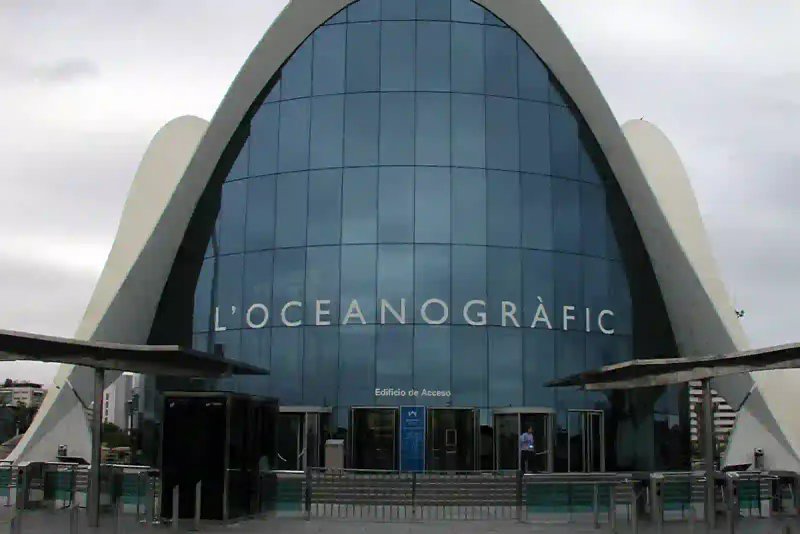 Is the Oceanografic aquarium in Valencia worth it?Go
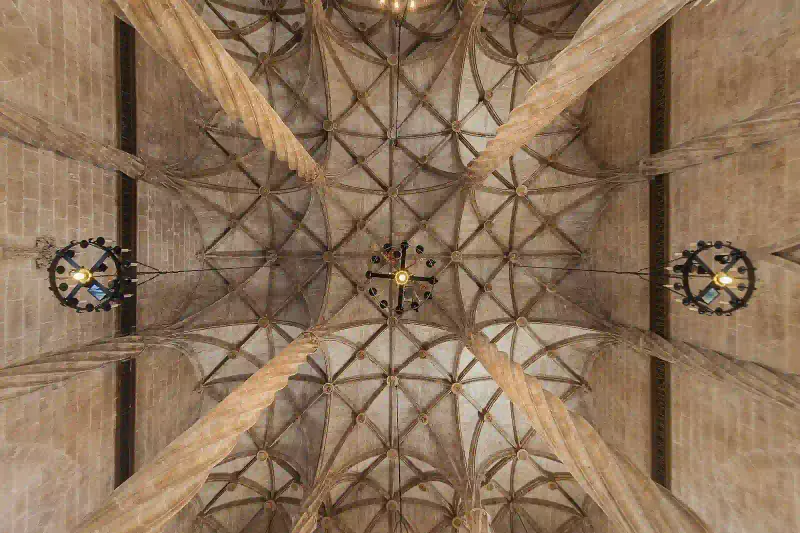 Is the Silk Exchange (La Lonja) in Valencia worth it?Go
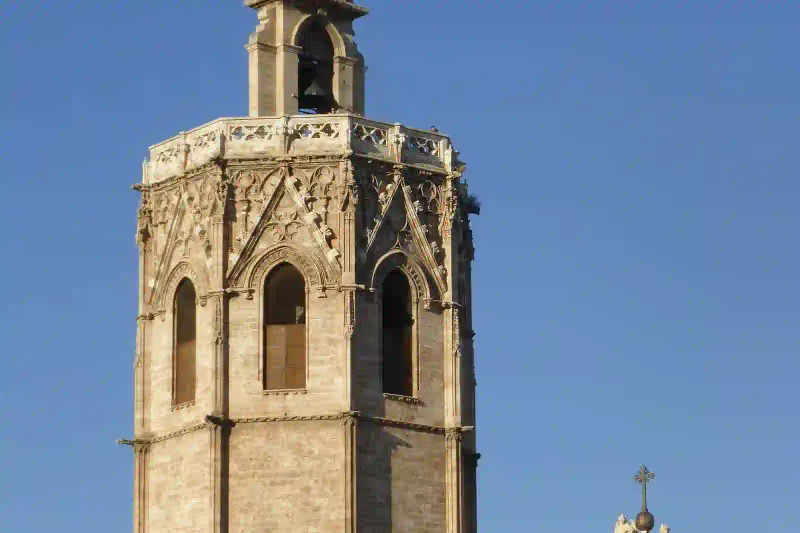 Is Valencia Cathedral and the Miguelete tower worth it?Go
Explore the decisions
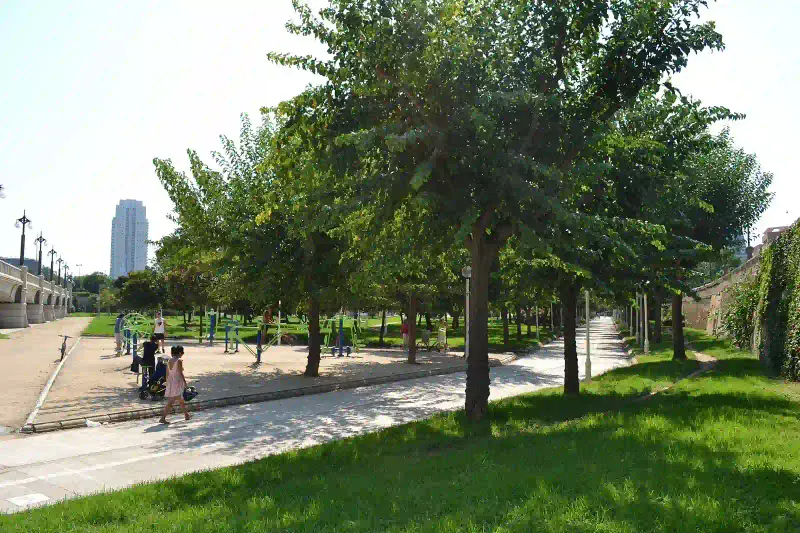 Is a bike tour of the Turia gardens in Valencia worth it?Go
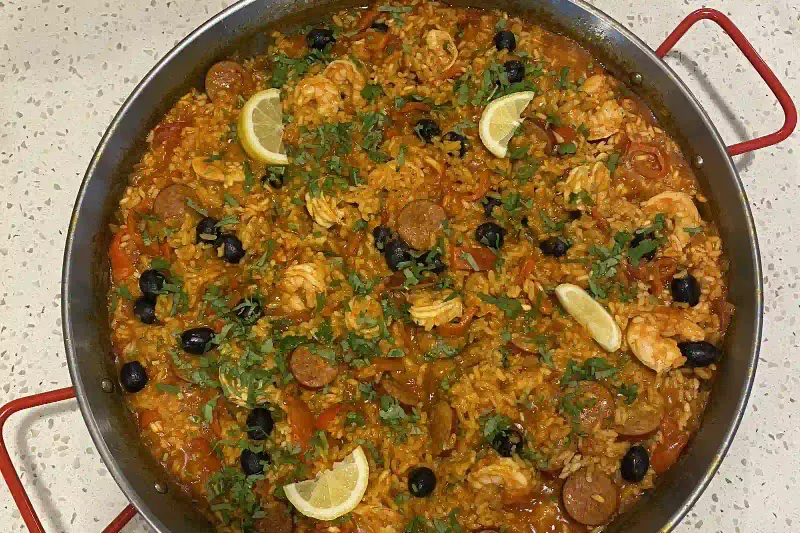 Is a paella cooking class in Valencia worth it?Go
Explore the decisions
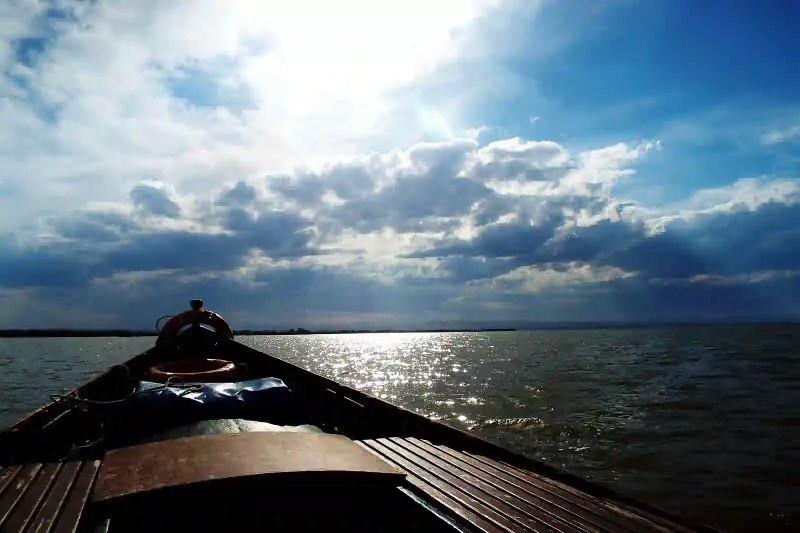 Is an Albufera sunset boat trip from Valencia worth it?Go
Explore the decisions
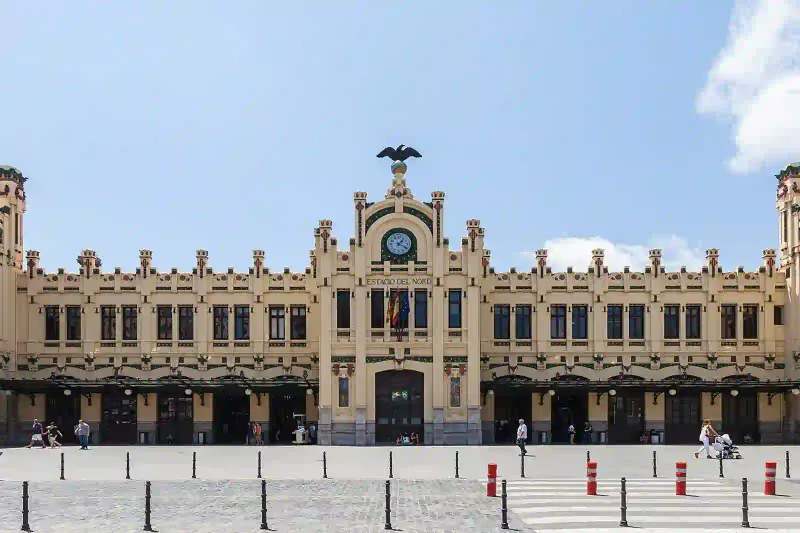 Valencia airport to the city: which way?Our pick: Metro lines 3 and 5
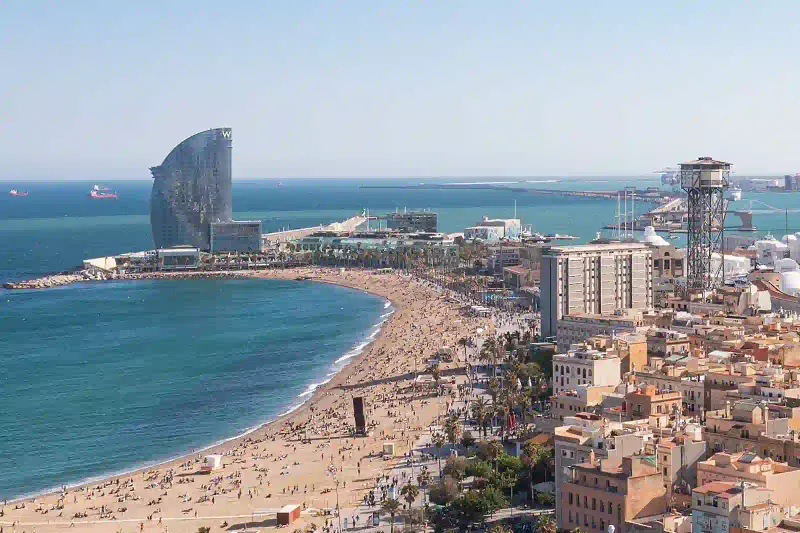 Valencia or Barcelona?Our pick: Valencia
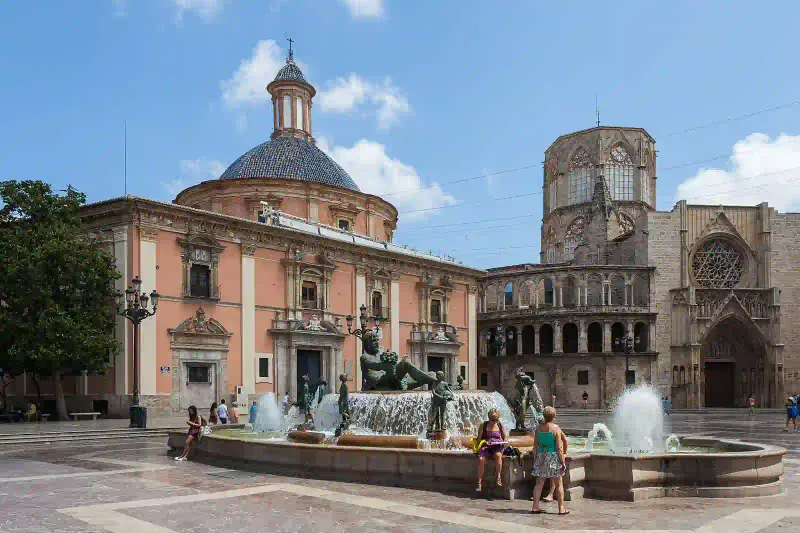 Where should you stay in Valencia?Our pick: Ciutat Vella
Plan your Valencia trip
Where to stay
12 hotel picksLuxury, mid-range and budget, cross-checked against traveler reports
Getting there
Airport to city, priced outValencia airport to the city: which way
Book a private transfer partner site
In pictures
an Albufera sunset boat trip from Valencia worth itthe City of Arts and Sciences in Valencia worth itthe Oceanografic aquarium in Valencia worth ita paella cooking class in Valencia worth itthe Silk Exchange (La Lonja) in Valencia worth itValencia airport to the city: which waya bike tour of the Turia gardens in Valencia worth itValencia Cathedral and the Miguelete tower worth itKeep exploring
Gear verdicts from our sister site, Real Buyer Experiences:


