


The classic luxury address on Karl Johans gate, with a spa and pool and a location guests call unbeatable for the station, shops and Opera.
Sentrum
Check rates on Expediapartner siteCity guide / Norway
Oslo is a compact fjord capital where Munch, a free sculpture park and polar ships sit near forest and ferries. Reports say take the regional airport train, plan around the Scream and budget for high prices.
The review
A small, calm capital where fjord, forest and big museums sit close together, and the bill is the hurdle.
Oslo is worth it for travelers who like art, water and fresh air more than grand old streets. Reports describe a compact center on the fjord, a free sculpture park, a polar ship you can board, a ski jump with a city view and ferries that double as cheap boat trips. Two to three days covers the highlights. Visitors who came for medieval grandeur or big-city buzz often call it fine rather than special, and several rate the city best as a first stop before Bergen and the fjords.
The hard truth is cost, the Scream and the season. Travelers say there was almost nothing in their price range when they booked late, and restaurants and drinks sting. The National Museum holds the 1893 version, while the Munch building shows one of three versions at a time on rotation, so the sighting depends on timing. Winter days are short and dark. Packages and passes can also lose money: the Norway in a Nutshell bundle cost far more than the same legs booked separately, and the Oslo Pass only pays off for museum-goers.
The fix is simple. Take the regional train from the airport, pick Sentrum for ease or Grünerløkka for cafes, book the Munch building ahead, and plan free sights such as the Opera roof and the sculpture park around the paid ones. Come from late May to August for long light evenings and island swimming, or in winter for saunas, skating and the Christmas market. Our Oslo or Bergen and airport transfer guides help with the first two choices.
The long read
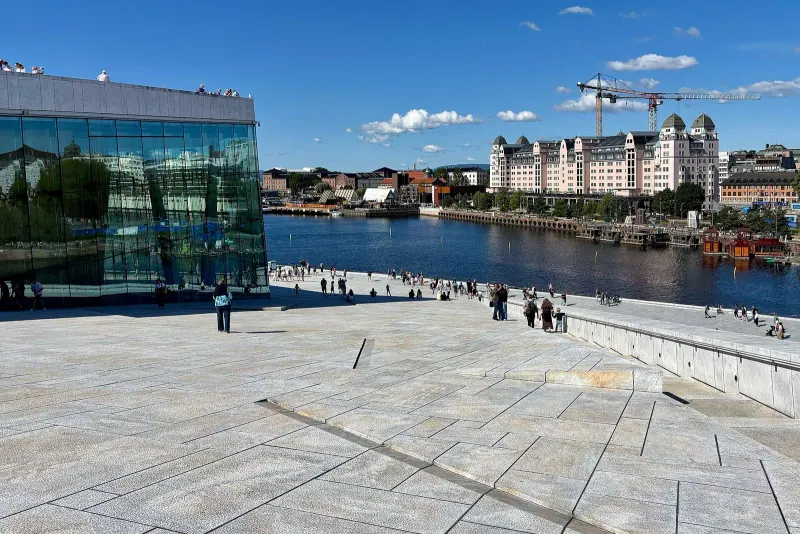
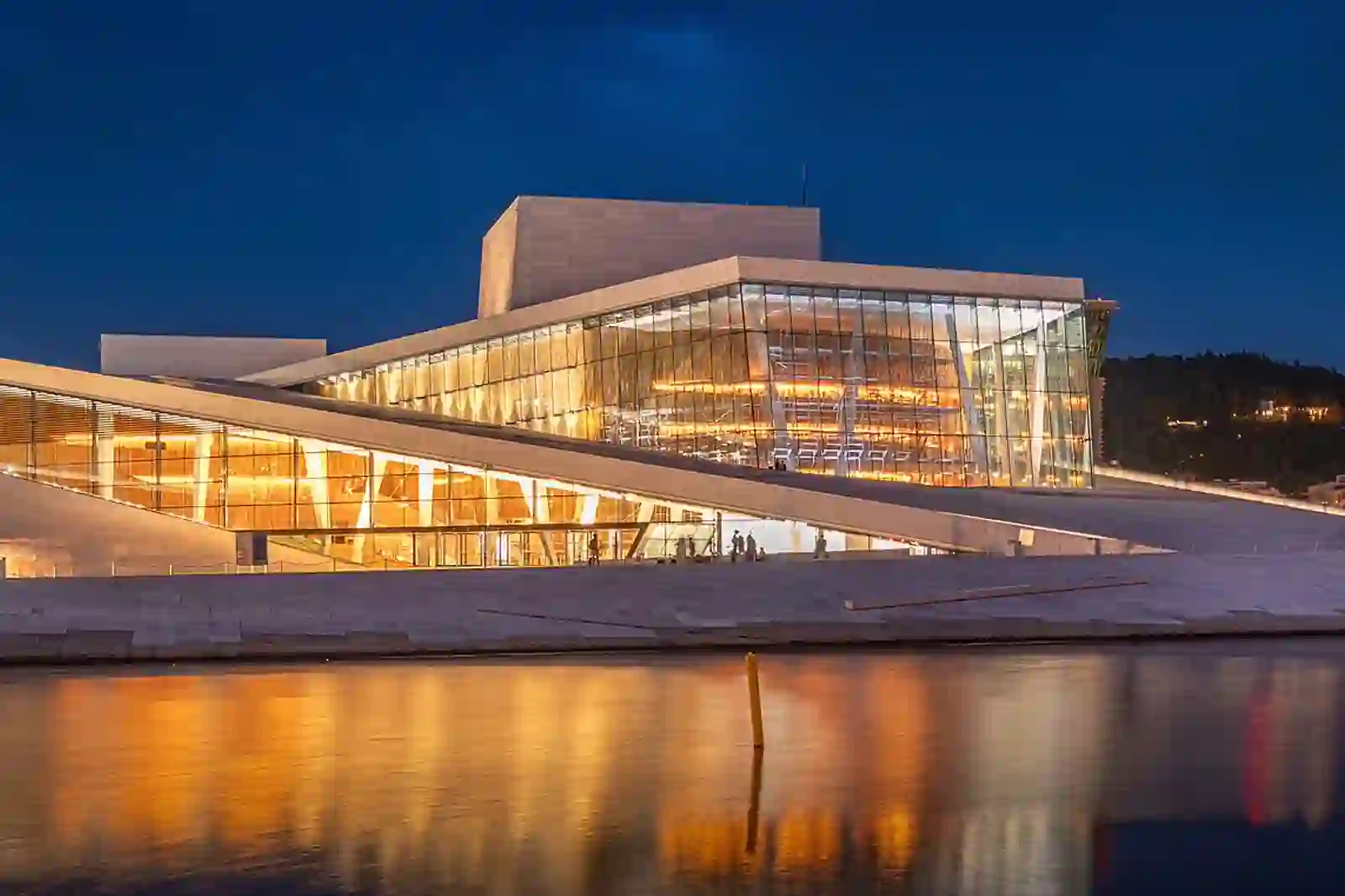
The first thing visitors notice is how small and calm the center feels. Oslo sits on a fjord, and most first-day sights are within walking distance of the main station: the Opera House with its sloped marble roof you can climb, the Karl Johans gate main street, the fortress and the new Munch building on the water. A 2025 couple said crowds felt spread out even on sunny July days, and a 2026 know-before-you-go guide calls the center compact enough for a short stay.
Travelers who expected a grand old town are more mixed. Reports describe a modern, glassy waterfront rather than medieval lanes, and one visitor who split ten days between Oslo and Bergen called Oslo fine rather than special next to walkable Bergen. A writer who used to live in Oslo gives the fairest balance: spend longer in Bergen for fjords and scenery, and give Oslo your time for museums, city life and a more international food scene.
The practical upshot is to treat Oslo as a base for walks and short rides, not a checklist of monuments. Walk the Opera roof at the end of the day, take a tram or ferry when your legs tire, and keep the evenings light.

Art is the main reason to come. The Munch building on the waterfront gets strong marks for its scale, its interactive rooms and a top-floor view over the fjord. One couple spent most of a day there and felt done after four hours. The friction is crowds at the Scream rooms, where a July 2025 couple found the room packed while the rest of the city felt calm. The official site lists adult tickets at NOK 280 by day and NOK 200 after 18:00, free for children under 18, with late evening hours on Wednesday to Saturday.
Manage the Scream expectation before you go. The National Museum lists the 1893 version in its collection as on display, while the Munch building says on its own page that it shows one of three versions at a time and rotates them. An April 2025 visitor caught one of the rotating versions on show, which fits the museum's rotation. Art fans do both museums and enjoy the contrast; travelers who only want to say they saw it should check which version is out first.
Vigeland sculpture park is the free counterweight. The park is always open and costs nothing, and travelers describe more than 200 bronze and granite figures that range from playful to raw, with the Monolith as the high point. Reports flag no written explanations at the sculptures, plenty of steps and a lot of nude figures, so read up before you go and bring comfortable shoes. Families budget one to two hours. The museum beside it is closed on Mondays and charges a small fee; check the official page for current hours.
A few travelers on short stays call the big western parks too far out for limited time. The tram makes it easy, so most reports still recommend it, especially on a bright day.
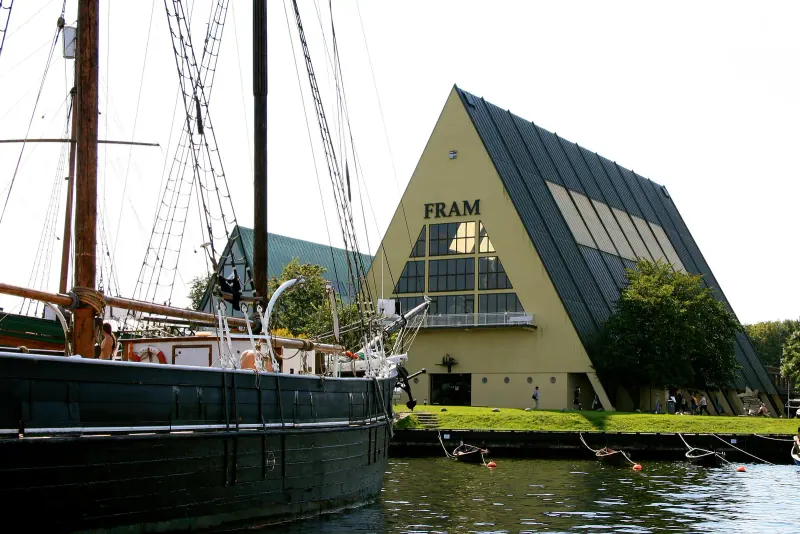
Bygdøy is the museum peninsula, and its star is the Fram, the polar ship you can walk aboard. Travelers describe exhibit levels wrapped around the hull, cramped cabins that make the expedition conditions real, and a polar room that is properly cold in July. A diary on a rainy day recommends it for exactly that kind of weather. Bygdøy needs a bus or ferry each way, and posters planning a short stay say the Fram and one other museum fill a day.
One big Bygdøy name is not available. The Viking Ship Museum has been closed for years, and the University of Oslo says the new Museum of the Viking Age is not open yet, with a 2027 target; guides advise visiting the Historical Museum in the center for Viking objects in the meantime. Check the official page before you plan around it.
Holmenkollen is the other half-day out. The jump tower gives what several visitors call the best panorama of the city and fjord, with a short lift and a nerve-wracking look down the jump from the start gate. Go first thing to avoid crowded lifts, say April visitors. A visitor who does not ski called the whole stop wasted and rated the city hall roof and the fortress views higher, so match it to your taste. The official hours run 10:00 to 16:00 from October to April, with adult admission at NOK 200; check the page for summer hours.
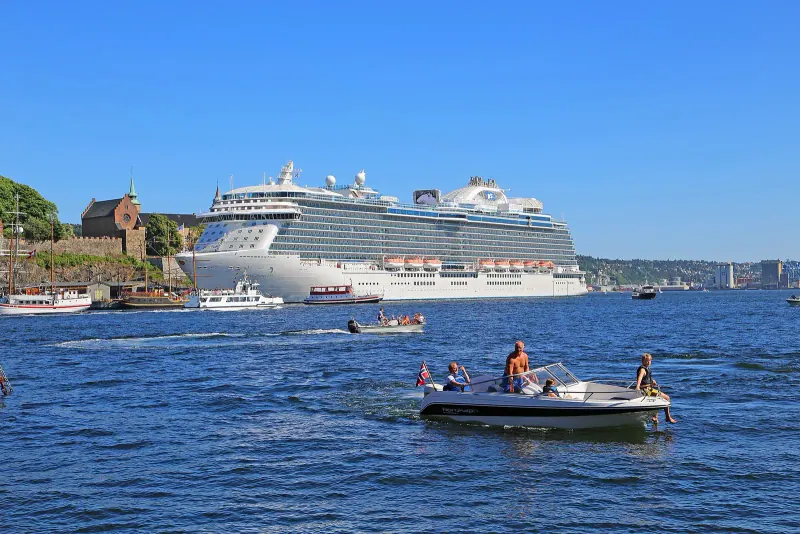
Oslo's fjord is calm and sheltered, not the dramatic western kind. The sightseeing cruises earn praise even so. A quiet electric boat got good marks even at minus 13 degrees in January 2025, and a 2025 diary calls a sailing-ship trip past the Opera House and small islands peaceful.
The best value is the public ferry. Travelers name island hopping on the regular boats as a highlight of the Oslo leg, and Visit Oslo confirms that a standard public transport ticket or the Oslo Pass covers the inner-fjord routes between Aker Brygge, Hovedøya, Lindøya, Nakholmen, Bleikøya, Gressholmen and Langøyene. Summer line B1X runs from Aker Brygge to Hovedøya.
The islands are where Oslo becomes a beach city. Visit Oslo names the best swimming on the east side of Gressholmen, the south side of Rambergøya and at Nakholmen, and warns that Lindøya swimming is limited to marked spots because of soft ground. It also stresses not missing the last ferry back, and notes there is no water taxi. Pack food and a swimsuit, and check the Ruter timetable the day before.
Guides agree on the shape of the city. Sentrum is the transit heart, close to everything and the best first-timer base, but noisy and short on neighborhood feel. Grünerløkka is the former industrial district with cafes, vintage shops and riverside bars, and the river walk from Sentrum leads to the food hall there. Frogner is the calmer, upscale west side near the palace park and the sculpture park, and Aker Brygge and Tjuvholmen are the sleek harbor edge. A former resident also points out an east-west divide worth knowing before you book.
Food is the weak point for budgets and the strong point for variety. Travelers report high prices at restaurants and bars, and say the city has a more international food scene than Bergen. Self-catering helps, and some budget stays advertise a guest kitchen or kitchenettes. Eat lunch out and cook dinner if you are watching money.
Book early. A December 2025 diary says that months ahead there was almost nothing in the couple's price range, and a family found a serviced apartment in a design hotel comfortable but pricey. Mid-range hotels such as those below stay central, and station-area hotels let you walk almost everywhere, since transit is easy and staying in the middle matters less than it seems.
Many visitors treat Oslo as the start of the classic rail-and-ferry loop through the fjords. The Oslo to Bergen line earns praise for the scenery, with travelers rating it among the best rides they have taken, and an October 2025 rider found it full even off season. Several advise riding east to west so the best scenery comes last, and booking Bergen to Oslo in daylight if you can.
The Norway in a Nutshell package is easy but costs more. One November 2025 write-up worked out that booking the legs separately cost almost half the package price. Others still call the package good for first-timers who want simplicity, and a solo traveler found the twelve-hour day easy and sociable. See our Nutshell guide for the trade-off.
Plan around the crowds at Flåm. A 2025 port-call report says one large cruise ship can overrun a village of about 350 people, and a July 2025 rider called the Flåm Railway the one disappointing activity of the trip, with a crowded waterfall stop and tickets booked days ahead. Check the cruise calendar and consider staying a night in the fjord villages rather than racing through.
The pitfalls
Reports say the airport signs push the express, while the regional train takes about 23 minutes against 19 and costs roughly half as much. Check the next regional departure first and take the express if the wait is long. Flytoget and Vy sell separate tickets, and the Oslo Pass covers only the local Vy train.
The National Museum holds the 1893 version, while the Munch building says it shows one of three versions at a time on rotation. Crowds gather at the Scream rooms, so book a timed ticket, go early or choose the late evening hours.
One November 2025 write-up found the same legs cost almost half the package price when booked separately. The package saves effort, not money, and a cruise report says a single large ship can crowd Flåm, so check the ship calendar.
Reviewers say so much of Oslo is free that the pass pays off mainly for museum-goers, and one two-day pass user broke even at two or three sights a day. The sculpture park and the Opera roof cost nothing, so count your paid stops before you buy.
The old Viking Ship Museum on Bygdøy is closed and the University of Oslo says the new Museum of the Viking Age is not open yet, with a 2027 target. Skip it from a 2026 itinerary and see Viking objects at the Historical Museum in the center.
Visit Oslo warns that the last boat back from the islands should not be missed, and there is no water taxi. Check the Ruter timetable the day before, pack food and leave a margin.
Sunrise and sunset tables show about six hours and forty five minutes of daylight in mid January, and the June solstice day runs nearly 13 hours longer than the December one. Front-load outdoor plans into the middle of the day and save museums and saunas for the dark hours.
When to go
Best time
Mid-May to June, and September
Reports describe long light evenings, warm days and fewer queues at the Munch building and Bygdøy than in July, with 17 May a lively day for the national parade.
Peak season
July and August
The longest days, the warmest water and the busiest sights. Travelers report packed Scream rooms and midday crowds on Bygdøy even when the streets feel calm.
Shoulder season
April, early May and October
Cooler and quieter, with lifts at Holmenkollen emptier early in the morning and trains still busy on the Bergen line. Pack layers for rain.
Off season
November to March
Short, cold days with snow possible, but the city turns cozy. The Christmas market, skating and urban saunas are on, and indoor sights are quiet.
Mid-May to August gives the long light evenings, ferries to the islands and the best fjord weather, and 17 May brings the national day parade. Winter is cold and dark, but the Christmas market, saunas and skating make up for it, and January and February suit those who want snow and forest trails.
Getting there and around
| Airport | Distance | To the centre | How |
|---|---|---|---|
| OSL Oslo Airport (Gardermoen) | 47 km | about 20 min | The Flytoget express reaches Oslo S in about 19 to 20 minutes, with trains every 10 minutes by day; its fare page lists the adult single at NOK 276. The regional Vy train takes about 23 minutes per the Vy airport page and costs roughly half the express fare per traveler reports, but runs less often and can be crowded. Flytoget and Vy sell separate tickets. The Oslo Pass covers the local Vy train but not the express. (source, checked Oct 2026) |
The center is walkable, and trams, buses, the metro and fjord ferries handle the rest. The airport express reaches Oslo S in about 19 to 20 minutes and the regional train costs about half as much per traveler reports. The Oslo Pass covers Ruter zones 1, 2, 3, 4V and 4N, including the local Vy train to the airport but not the express, and costs NOK 580 for 24 hours, 845 for 48 and 995 for 72 on the official page.
Where to stay
We earn a commission if you book through our links. It never changes a verdict. How this works
High-end stays whose guests report the setting and service earn the rate.
The classic luxury address on Karl Johans gate, with a spa and pool and a location guests call unbeatable for the station, shops and Opera.
Sentrum
Check rates on Expediapartner siteA five star design hotel on the harbor next to the Astrup Fearnley museum, with a spa and two restaurants, for a quieter waterfront stay away from the main street.
Tjuvholmen
Search Expedia for this hotelpartner siteA restored Art Deco building with a rooftop pool, a spa and several restaurants; guests praise the look and the comfort, and it sits west of the center near Frogner.
Frogner
Search Expedia for this hotelpartner siteA family-run five star hotel on Stortingsgata beside the National Theatre, home to Theatercaféen; guests praise the attentive staff and the breakfast, with some dated hallways.
Sentrum
Search Expedia for this hotelpartner siteThe comfortable middle: well placed, well run, priced for a normal trip.
The character pick: a 1918 theatre turned boutique hotel on Stortingsgata, two minutes from Karl Johan and a short walk to the station.
Sentrum
Check rates on Expediapartner siteA modern four star hotel by the station and the Opera House, which guides name as the best central mid-range choice with sleek rooms and an easy rail link.
Bjørvika
Search Expedia for this hotelpartner siteA contemporary hotel in Grünerløkka a few minutes from the food hall with a river walk outside and a breakfast buffet; guests like the location and easy access to the center.
Grünerløkka
Search Expedia for this hotelpartner siteA four-star in an 1890 building on Eilert Sundts gate near Palace Park and Frogner Park with breakfast included; guests praise the front desk and the breakfast and note that rooms are small but well kept.
Majorstuen
Search Expedia for this hotelpartner siteCheaper beds that travelers still rate well for location and cleanliness.
A no frills budget base on Prinsens gate, about 250 meters from Oslo S, with private bathrooms; the smallest rooms are tiny but suit solo travelers who just need a central bed.
Sentrum
Check rates on Expediapartner siteA large three star hotel on Storgata at the edge of Grünerløkka; guests praise the breakfast buffet, helpful staff and value, and the station is about a 12 minute walk.
Grünerløkka
Search Expedia for this hotelpartner siteA long-running guesthouse on Parkveien a short walk from the Royal Palace; some rooms have kitchenettes and guests choose private or shared bathrooms.
Frogner
Search Expedia for this hotelpartner siteThe hostel pick, about 4 km from the center with private single and twin rooms, a breakfast buffet and a guest kitchen; a tram stop is a six minute walk.
Sinsen, north of the center
Search Expedia for this hotelpartner siteQuestions
Two to three days covers the center, the sculpture park, Bygdøy and the Munch building. Add a day for island hopping or Holmenkollen, and a full extra day if you plan the train to Bergen. Visitors who like museums and city life tend to favor Oslo over Bergen.
Yes. Travelers report high prices at restaurants and bars and little choice in lower price bands when booking late. Budget with free sights, picnic lunches, a hotel or guesthouse with a kitchen, and a clear count of paid museums before buying any pass.
Only if you pack in paid sights. Reviewers say a two-day pass paid off at two or three sights a day, while the sculpture park and Opera roof are free. The official pass covers transport in zones 1, 2, 3, 4V and 4N, including the local Vy train to the airport but not the express.
Take the airport express for speed or the regional train for about half the cost. Both reach Oslo S in about 20 to 25 minutes. Airport signs push the express, so check the next regional departure and confirm which train you board before you buy.
Not the painted 1893 version most people picture. The National Museum lists that version as on display, while the Munch building shows one of three versions at a time on rotation, so what you see depends on timing. Check the museum website before you book.
Sentrum is the easiest first-timer base, close to the station and Karl Johan but noisy. Grünerløkka suits cafes and nightlife, Frogner is calmer and upscale, and Tjuvholmen and Aker Brygge are the sleek harbor edge. Oslo transit is easy, so a central base matters less than it seems.
How this guide was written. We read 46 traveler reports about Oslo published between Jan 2025 and Sep 2026, 3 of them mainly negative, and checked the facts against official sources in Oct 2026. Nobody on the team claims a visit; hotel picks are chosen from what guests report, never from what they pay us. How we judge.
Explore the decisions
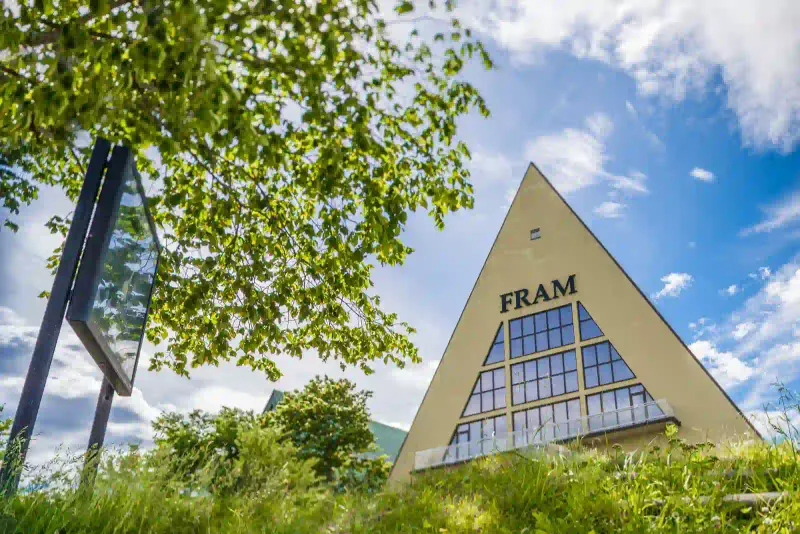 Is the Fram Museum in Oslo worth it?Go
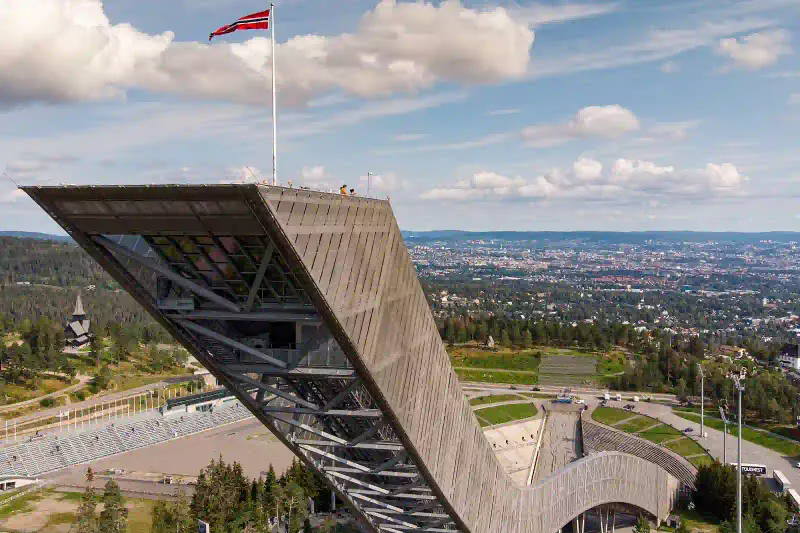 Is the Holmenkollen ski jump worth it?It depends
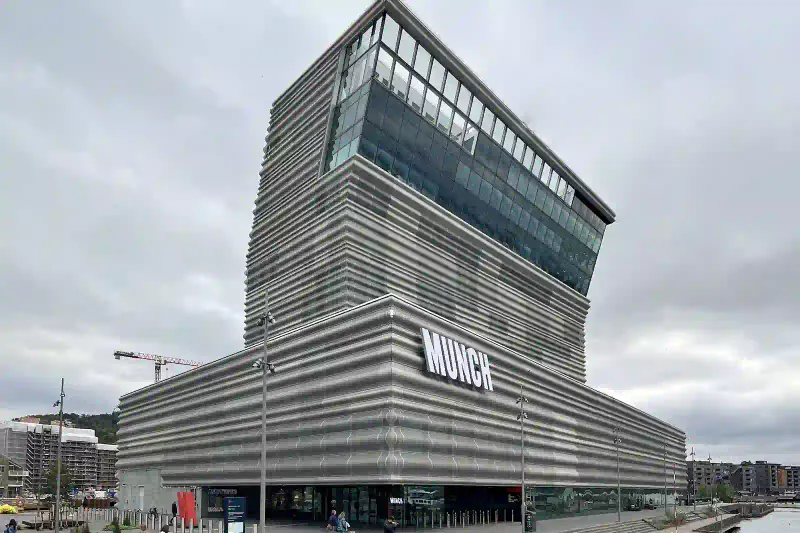 Is the MUNCH museum in Oslo worth it?Go
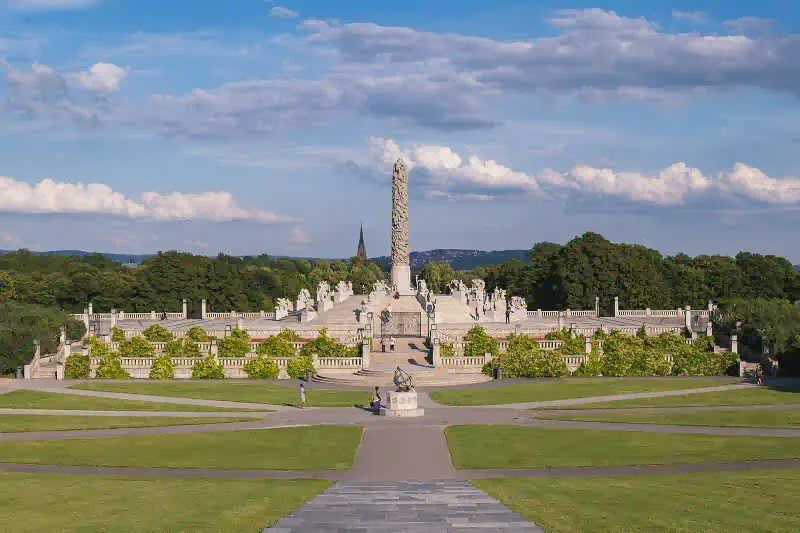 Is Vigeland Park in Oslo worth it?Go
Explore the decisions
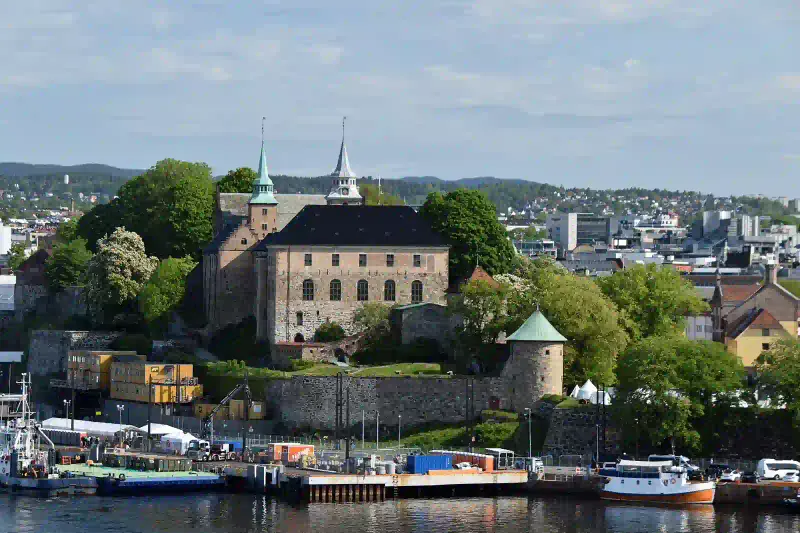 Is the Oslo Pass worth it?It depends
Explore the decisions
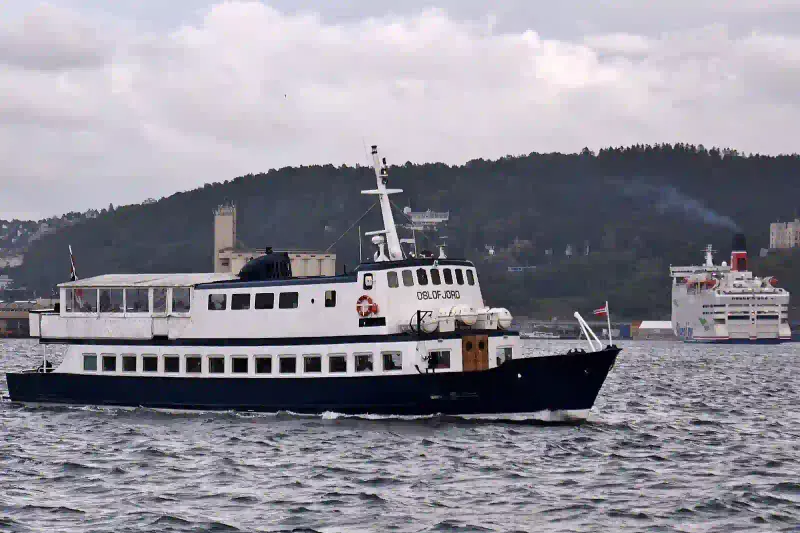 Is an Oslofjord boat tour worth it?Go
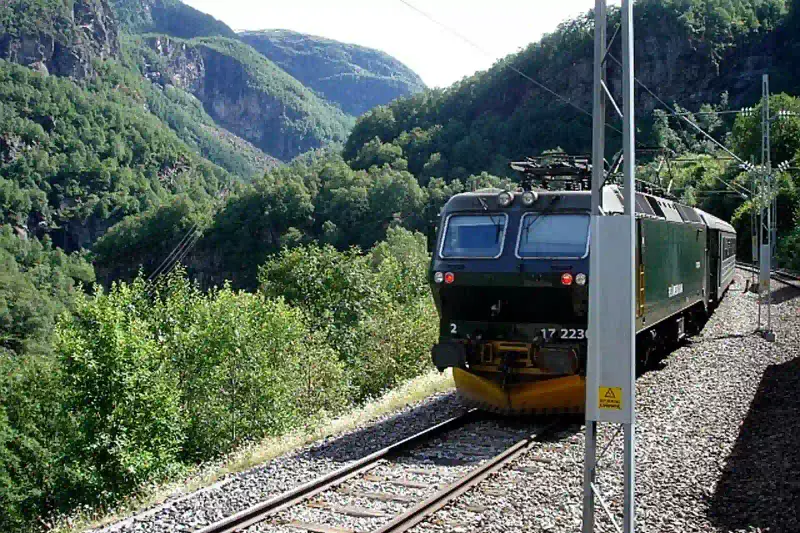 Is the Norway in a Nutshell tour worth it?It depends
Explore the decisions
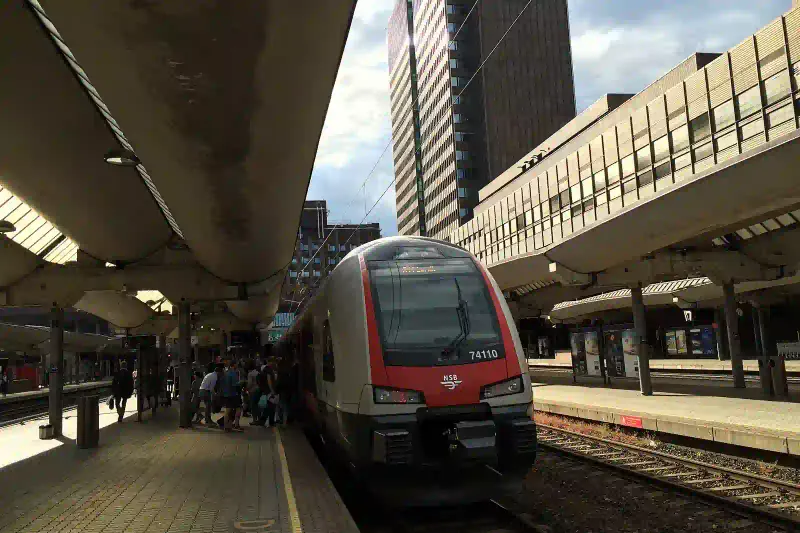 Oslo airport to the city: which way?Our pick: Vy regional train
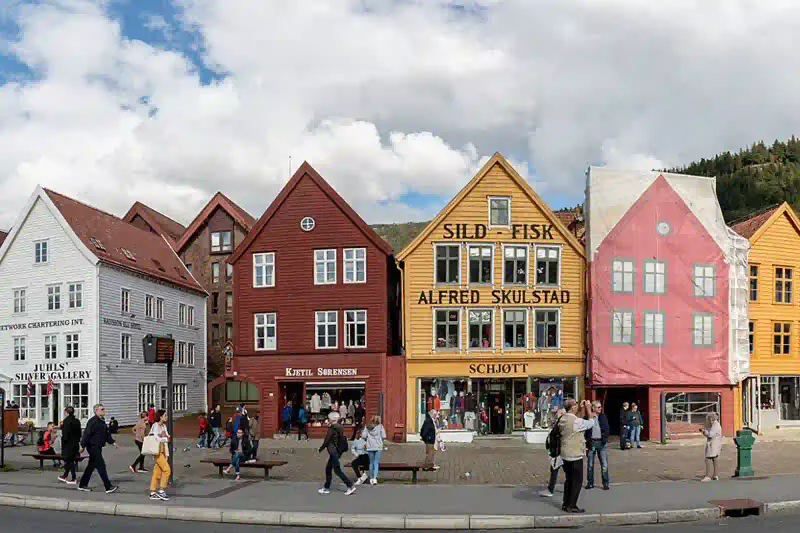 Oslo or Bergen?Our pick: Oslo
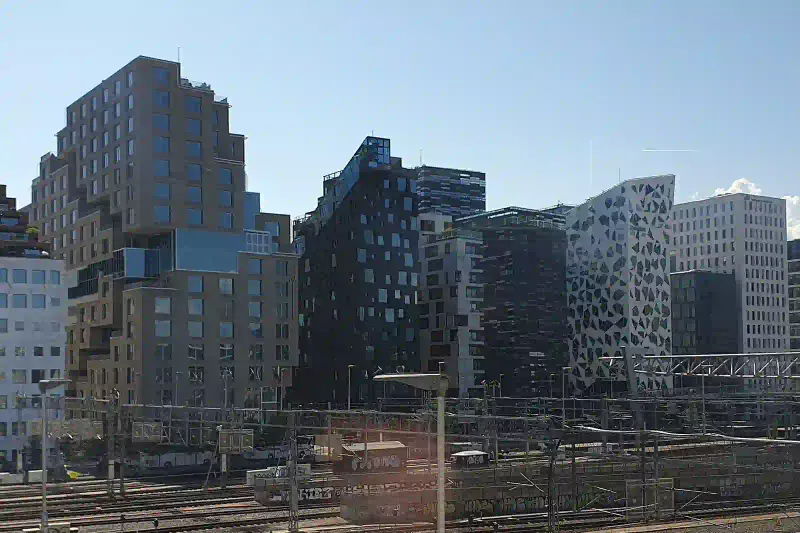 Where should you stay in Oslo?Our pick: Sentrum
Plan your Oslo trip
Where to stay
12 hotel picksLuxury, mid-range and budget, cross-checked against traveler reports
Getting there
Airport to city, priced outOslo airport to the city: which way
Book a private transfer partner site
Tickets and passes
Oslo sightseeing passes1 verdict: does the card pay for itself
In pictures
the Fram Museum in Oslo worth itthe Holmenkollen ski jump worth itthe MUNCH museum in Oslo worth itthe Norway in a Nutshell tour worth itOslo airport to the city: which wayOslo or Bergenthe Oslo Pass worth itan Oslofjord boat tour worth itKeep exploring
Gear verdicts from our sister site, Real Buyer Experiences:


