

The art nouveau Gresham Palace sits two minutes from the Chain Bridge, with Danube or courtyard rooms, an indoor pool and a spa; the pick for riverfront grandeur.
Lipótváros (District V)
Search Expedia for this hotelpartner siteCity guide / Hungary
Budapest is a river capital of thermal pools, castle-hill views and ruin bars at prices that still feel kind. Reports say base in District V or VI, book Parliament early and go to the baths on a weekday.
The review
A grand river capital of steaming thermal pools, castle-hill views and loud ruin-bar nights, at prices that still feel kind.
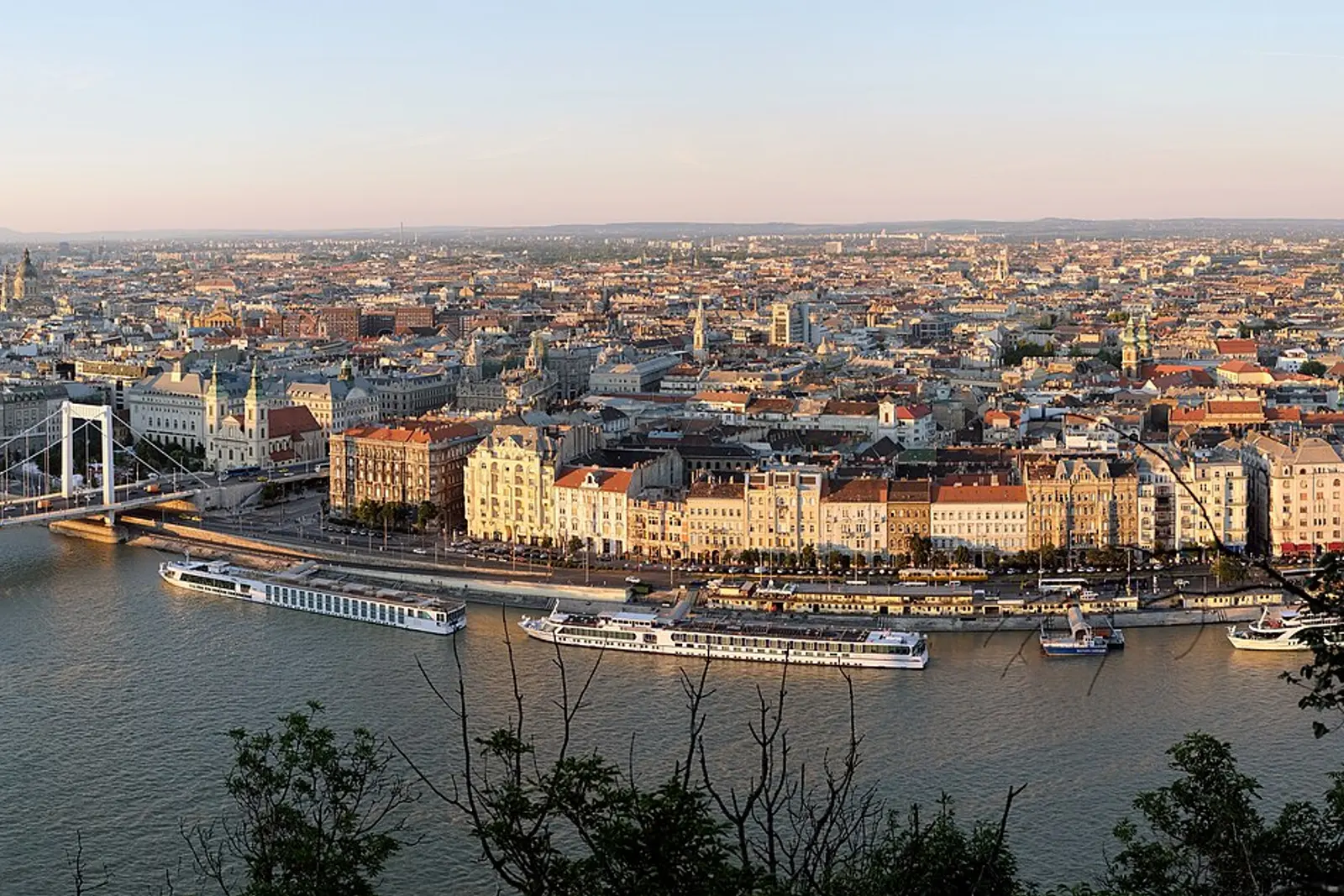
Budapest is worth it for travelers who want a grand river capital with steaming thermal pools, a lively night scene and prices that sit well below Vienna. Reports describe stately Pest with its Parliament dome and wide boulevards, hilly Buda with the castle district and Fisherman's Bastion, and a lit-up skyline from the water that one couple rated 10 out of 10. Three days covers the core, and the city suits couples, friends and curious first-timers best.
The catch is polish and logistics. The city is scruffier than Vienna, the party streets of District VII stay loud until four to six in the morning, the Parliament tour sells out weeks ahead, and Széchenyi is crowded at weekends. The Gellért baths are closed for renovation, with coverage describing a multi-year shutdown, and children under 14 are barred from Széchenyi and Rudas. Several travelers lost money or patience to ticket and booking mix-ups.
The fixes are simple. Sleep in District V or VI, book Parliament as early as your dates allow, go to the baths on a weekday morning or evening, reach the bastion before 9 am, and take the 100E bus from the airport. Our guides cover where to stay, the Széchenyi baths and the airport ride.
The long read
Budapest is two cities facing each other across the Danube. Pest is flat, grand and busy: the Parliament, St. Stephen's Basilica, Andrássy Avenue and the Grand Boulevard, with transit close at hand and streets that travelers describe as walkable and well lit. Buda is hilly and quiet. The castle district has cobbled lanes, Matthias Church and river panoramas, but reports say restaurants close early, few bars stay open and the hill is a climb, so it feels romantic for a night and sleepy for a week.
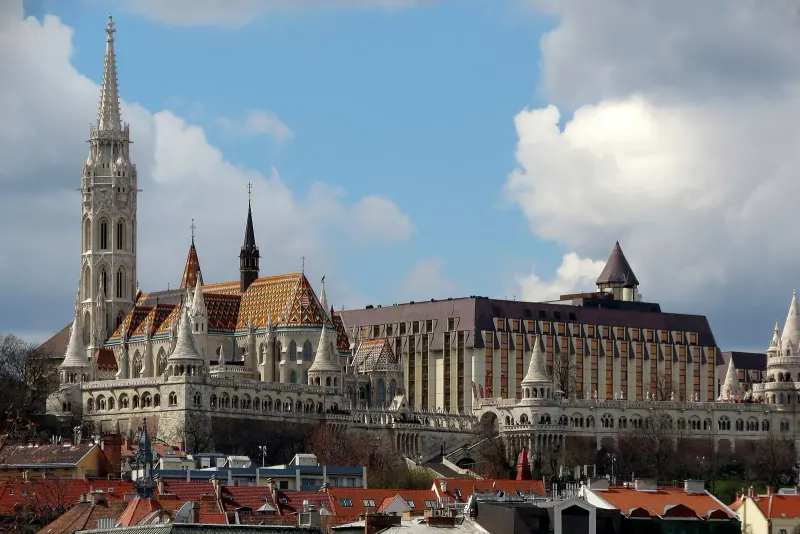
The best free view in the city is Fisherman's Bastion. The terraces stay open around the clock, the upper turrets charge a fee and frame the same panorama as the free level below, so most travelers skip them. A trial in January 2025 fenced off the lower terrace and charged for it, and the fence came down about a day later after public criticism. The real problem is crowds: one writer called it the most crowded place in the city and still worth it, and another found the terraces nearly empty before 9 am. Our Fisherman's Bastion guide has the hours.
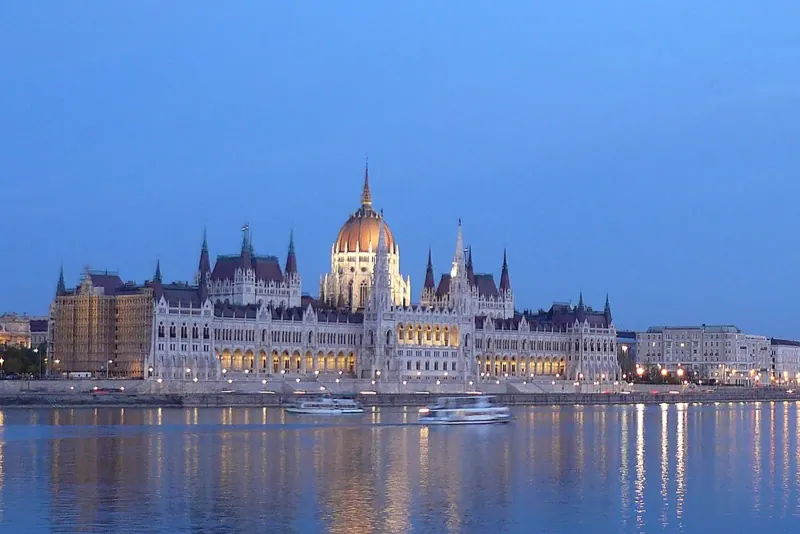
The Parliament interior is the other big draw, and it is where plans go wrong. The tour is about 45 minutes and runs through the grand staircase and the dome hall where the Holy Crown is kept, and photos are banned in that hall. Official slots sell out weeks ahead. One couple found tickets gone almost four weeks out, another caught a single slot that opened online the next morning, and a forum regular explained that the price for non-EEA visitors was doubled because tours kept selling out. Book as soon as your dates are fixed, using our Parliament tour guide.
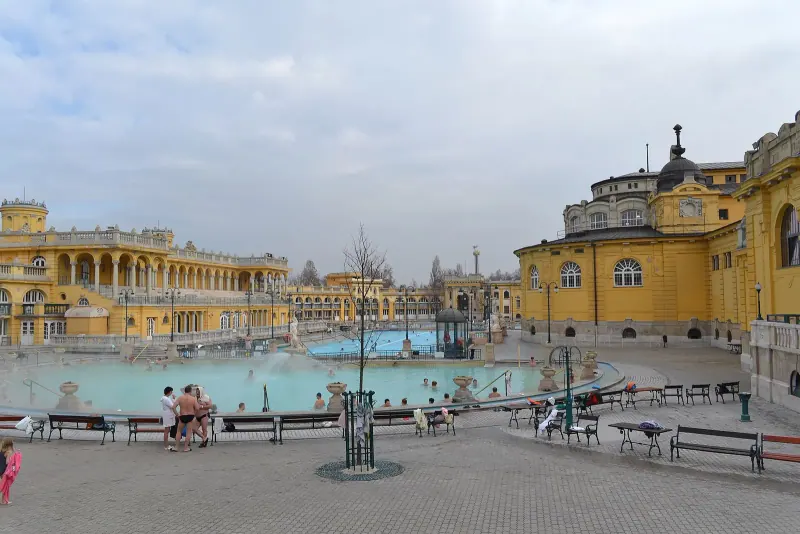
Széchenyi is the bath most travelers come for: a yellow neo-baroque palace in City Park with steaming outdoor pools. A December trip found the pools magical in the snow, with crowds far smaller than summer and only the freezing dash from the changing rooms to complain about. Another traveler called it worn but clean and worth it, and advises renting a robe. Weekday mornings and evenings are calmer, because prices rise and crowds thicken at weekends, and a private cabin for changing and valuables was a small comfort one couple liked. The Dante section with its Finnish sauna and cold plunge drew praise, while the snow room was only a partly working ice machine.
Rudas and Lukács are the two other baths that reports keep pointing to. Rudas is the pick for atmosphere, with an Ottoman dome over the central pool and a rooftop pool with Danube views, while Lukács is the other name reports keep pointing to. A rule that surprises families: children under 14 have been barred from Rudas for some time, and since August 1, 2025 from every pool at Széchenyi as well. Check opening hours and mixed or single-sex days on each bath's own site before you go.
The Gellért baths, the Art Nouveau complex under the hotel on the Buda riverbank, closed on 1 October 2025 for a renovation officially planned to reopen in 2028, and the reopening date could slip, so do not plan a trip around them. You can still admire the facade from the street. Széchenyi has its own phased works that began in 2025, and the bath stays open while they run, though one traveler noted that some indoor areas were affected. Our Széchenyi guide covers tickets and what to pack.

The ruin bars are the city's signature evening: drinking rooms built into derelict buildings in District VII, with mismatched furniture, courtyards and a maze of rooms behind each door. Szimpla Kert is the best known, and guides describe both its charm and its tourist crowds, with an easier time if you arrive before about 6 or 7 pm. Travelers who want a quieter drink are pointed to the smaller bars on the streets around it.
The noise is real. A local guide says Kazinczy utca, Akácfa utca, Gozsdu udvar and Klauzál tér stay loud until four to six in the morning from Thursday to Saturday, and one traveler whose apartment sat five minutes on foot from the party district wrote a whole post titled around the lack of sleep. Safety reports are mild: one traveler felt fine walking back at 1:30 am, but advises staying in the well-lit center and avoiding Districts VIII, X and XIII, and a resident warns about clip-joint bar approaches where a stranger invites you for a drink.
The calmer night is on the water. Travelers who took evening cruises past the lit Parliament, the castle and the bridges describe it as the most memorable moment of the trip, and a one-hour sightseeing or prosecco cruise gets the same view as a dinner cruise for much less. The one logged dinner cruise found the soup, fish and dessert pleasant but more international than Hungarian, so many travelers eat on land first. See our dinner cruise guide.
District V, the Belváros and Lipótváros, is the easy first-time base. Reports say it is walkable to the Basilica, the river and Parliament, though one repeat traveler found it too busy and full of pricier tourist restaurants. District VI, Terézváros along Andrássy Avenue, is the calmer runner-up, and a December stay there found a courtyard room kept out the traffic noise.
District VII, the old Jewish quarter, trades sleep for nightlife on the core streets. If you want ruin bars on your doorstep, pick a hotel on a side street or a high floor and bring earplugs. The Castle District suits a quiet, romantic night or two, but expect early closing times. Since January 2026 District VI bans short-term private rentals, which leaves hotels, guesthouses and licensed hostels as the legal options there. Our where to stay guide walks through each district.
Most travelers take the 100E express bus from the airport to Deák Ferenc tér. Reports call it direct and frequent, about 25 to 40 minutes, but note there is no luggage space on board, the ticket machines at the stop are crowded, and one rider needed a fellow passenger's help with the kiosk. The slower 200E bus plus the M3 metro is cheaper, though one traveler described a very crowded bus and chaotic ticket buying; check the BKK site for which ticket covers both legs. Some travelers go straight to the official taxi rank, where an attendant quotes the fare, and avoid unlicensed cabs in arrivals. See the airport guide.
The Budapest Card is a close call. The city transport operator took it over in July 2025, and travelers who ran the numbers found it only pays off for packed itineraries: one saved just 4 euros over three days, a lighter plan lost 24 euros, and another skipped it for a monthly transit pass. The headline baths and Parliament are only discounted or excluded. Our Budapest Card guide has the break-even.
Budapest and Vienna sit about two and a half hours apart by direct train, and most reports treat them as a pair. A Budapest-based writer puts it plainly: Vienna is tidier and wealthier, Budapest scrappier, cheaper and more alive. A three-city comparison called Vienna the most expensive of the trio and Budapest affordable with the best views and nightlife, and one sisters' trip left Budapest as the writer's favorite.
Trains are comfortable but not flawless. One couple lost a reserved carriage to a rolling stock shortage and another found their train skipped the main eastern station after a line closure, so leave slack on the day you travel. Our Budapest or Vienna guide helps you choose or split the days.
The pitfalls
Official slots disappear weeks ahead, and travelers report buying through resellers after finding every online slot gone. Non-EEA visitors pay double the EEA rate. Book as soon as dates are fixed and check the official site again the morning after it appears sold out.
Closed since 1 October 2025 for a renovation officially planned to reopen in 2028. The date could slip, so do not plan around it. Széchenyi, Rudas and Lukács are the baths that are open.
Children under 14 are barred from Rudas for some time and, since August 1, 2025, from Széchenyi. Weekends cost more and are crowded, and phased works at Széchenyi have affected some indoor areas. Go on a weekday morning or evening and check the current rules before you travel.
A resident's guide says the core streets around Kazinczy, Akácfa, Gozsdu udvar and Klauzál tér stay loud until four to six in the morning from Thursday to Saturday. One traveler also lost a night to a smart lock fault. Book on a side street, a high floor, or in District V or VI.
Travelers who ran the math found savings of only 4 euros on a packed three-day plan and losses of 24 euros on a lighter one. The famous baths and Parliament are only discounted or excluded. Buy a transit ticket and pay for sights as you go unless you plan many museums.
The 100E has no luggage racks, so heavy bags are awkward, and reports describe crowded ticket machines and a confusing kiosk. Walk past the first machines to free ones, pay by card on board where offered, and use the official taxi rank rather than unlicensed cabs.
A long-term resident warns that strangers inviting you for a drink may lead to clip-joint bills. A traveler who felt safe walking back from the ruin bars at 1:30 am still advises staying in the well-lit center and avoiding Districts VIII, X and XIII after dark.
Two couples on the Vienna to Budapest line reported a lost reserved carriage and a train that skipped the main eastern station after a closure. Leave slack on travel days and check platform and station announcements on arrival.
When to go
Best time
May, June, September and early October
Mild weather and long days for walking Castle Hill, the riverfront and evening cruises, with fewer midday crowds than July. Reports favor weekday mornings at the baths in these months.
Peak season
July and August
Hot days, wall-to-wall midday crowds at Fisherman's Bastion and packed weekends at Széchenyi. Go early or late, and book Parliament and cruises ahead.
Shoulder season
April and late October
Cooler and quieter than summer with shorter days. Good for sights and cruises, and weekday bath slots are easier to get.
Off season
November to March
Cold and grey, with January highs reported around 2 to 3 C, short days and fewer visitors after the New Year. December is the exception, with festive crowds that one couple found heavier than Vienna's. Hotel rates fall in January and February.
May, June, September and early October give mild weather and long days. July and August are hot and crowded at the baths and on Castle Hill at midday. November to March is cold and grey, but the Christmas markets, steaming outdoor pools and an ice rink in City Park give winter a draw of its own, and hotels are cheaper after the New Year.
Getting there and around
| Airport | Distance | To the centre | How |
|---|---|---|---|
| BUD Budapest Ferenc Liszt International Airport | 20 km | about 40 min | Express bus 100E runs direct to Deák Ferenc tér around the clock for a flat 2,500 HUF single ticket, about 40 minutes by the BKK route (travelers report 25 to 40). The slower 200E bus runs to the M3 metro line and costs less; the 100E ticket is not valid on it, and the BKK site lists the fare and which ticket covers the bus and metro legs, so check it before you buy. Taxis wait at the official rank in arrivals with the fare quoted by an attendant. (source, checked Oct 2026) |
Pest is flat and walkable, and metro, trams and buses cover the rest, with a funicular or bus for Castle Hill. The BKK price page lists a 90-minute ticket at 850 HUF, and inspectors check metro rides, so validate before you ride. From the airport the 100E express bus is a flat 2,500 HUF to Deák Ferenc tér.
Where to stay
We earn a commission if you book through our links. It never changes a verdict. How this works
High-end stays whose guests report the setting and service earn the rate.
The art nouveau Gresham Palace sits two minutes from the Chain Bridge, with Danube or courtyard rooms, an indoor pool and a spa; the pick for riverfront grandeur.
Lipótváros (District V)
Search Expedia for this hotelpartner siteA music-themed boutique beside the Basilica with a rooftop bar; the pick for character over marble.
By St. Stephen's Basilica (District V)
Search Expedia for this hotelpartner siteA five-star Belle Époque palace with 185 rooms, 24-hour room service and a grand brasserie on the Grand Boulevard, within a short walk of the ruin-bar quarter.
Erzsébetváros (District VII)
Search Expedia for this hotelpartner siteA five-star Belle Époque building near the Elisabeth Bridge with a rooftop bar and a celebrity-chef restaurant; the pick for a polished, newer stay.
Belváros (District V), near Váci utca
Search Expedia for this hotelpartner siteThe comfortable middle: well placed, well run, priced for a normal trip.
A neoclassical four-star a block from the Chain Bridge; the upscale-value answer in the walkable center.
Lipótváros (District V)
Search Expedia for this hotelpartner siteOn Andrássy Avenue with transit close by; a December guest found the area walkable and well lit and a courtyard room kept street noise out.
Terézváros (District VI)
Check rates on Expediapartner siteA 60-room independent hotel near the Great Market Hall and Váci utca; guests mention the breakfast and helpful staff, and a bohemian, creative feel.
Near the Great Market Hall (District V, Pest, by the river)
Search Expedia for this hotelpartner siteBuilt around the remains of a 13th-century Dominican cloister beside Matthias Church and Fisherman's Bastion; the quiet Buda base with funicular access to the center.
Castle District (Buda)
Search Expedia for this hotelpartner siteCheaper beds that travelers still rate well for location and cleanliness.
Private rooms described as clean and airy, a paid breakfast buffet and a metro stop close by; sits at the edge of the nightlife district, so ask for a quiet room.
Király utca (District VI, at the edge of the nightlife quarter)
Search Expedia for this hotelpartner siteA three-star with soundproofed rooms, free WiFi and safes; guests praise the helpful staff and the location, five minutes from the Oktogon tram stop.
Central Pest, near Oktogon and the Opera
Search Expedia for this hotelpartner siteA 60-room three-and-a-half-star hotel on the Buda side with air conditioning and public transport nearby; the calmer, cheaper base across the river.
Buda, near the Gellért Monument and Gellért Hill
Search Expedia for this hotelpartner siteHostel-style private rooms that reviewers call reliable, clean and good value, steps from the Great Market Hall and Liberty Bridge.
Ferencváros (District IX), by the Great Market Hall
Search Expedia for this hotelpartner siteQuestions
Three days covers Parliament, the castle district, one thermal bath and the ruin-bar quarter, with an evening river cruise. Add a fourth day for a second bath, the Great Market Hall or a train day trip, and more if you pair it with Vienna.
No. Reopening is officially planned for 2028. Coverage from October 2025 described a shutdown of about three years for renovation. The date could slip. Széchenyi, Rudas and Lukács are open, though Széchenyi has phased works that began in 2025.
Travelers describe it as affordable compared with Vienna and Prague, with the biggest costs being the Parliament tour for non-EEA visitors, the 2,500 HUF airport express bus and bath entry. Hotels are cheaper in January and February.
Reports are reassuring in the lit center, and one traveler felt fine walking back from the ruin bars at 1:30 am. Stay out of Districts VIII, X and XIII after dark, and decline strangers who invite you to a bar, since a resident warns of clip-joint bills.
It works for castle walks, boats and parks, but children under 14 are barred from Rudas and Széchenyi (since August 2025), which removes the two best-known baths. Check each bath's own rules and choose a quiet hotel away from District VII.
District V is the easiest first-time base, walkable to Parliament, the Basilica and the river. District VI along Andrássy Avenue is calmer, and the Castle District is quiet but closes early. District VII is the loud ruin-bar quarter.
How this guide was written. We read 61 traveler reports about Budapest published between Dec 2024 and Oct 2026, 5 of them mainly negative, and checked the facts against official sources in Oct 2026. Nobody on the team claims a visit; hotel picks are chosen from what guests report, never from what they pay us. How we judge.
Explore the decisions
 Are the Széchenyi Baths worth it?It depends
 Is the Fisherman's Bastion worth it?Go
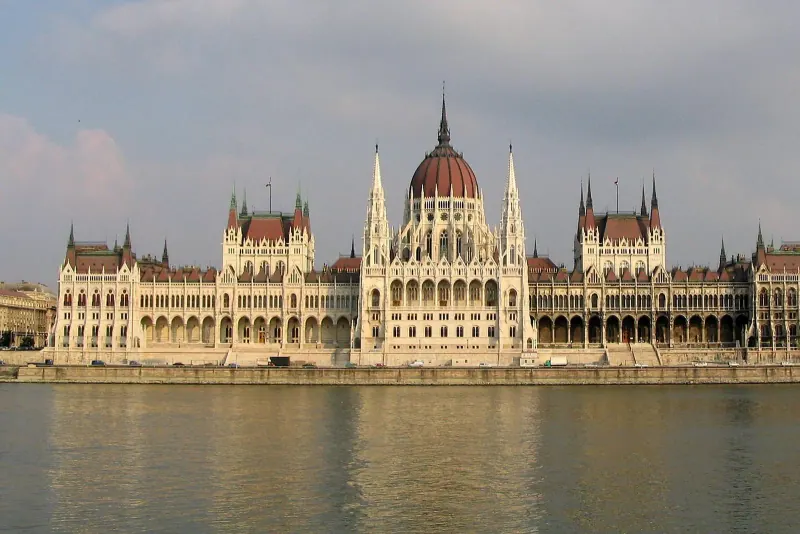 Is the Hungarian Parliament tour worth it?It depends
Explore the decisions
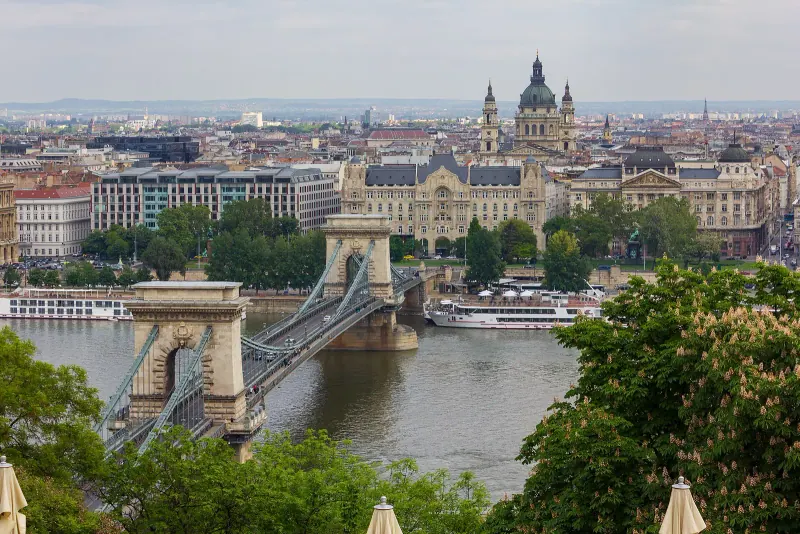 Is the Budapest Card worth it?It depends
Explore the decisions
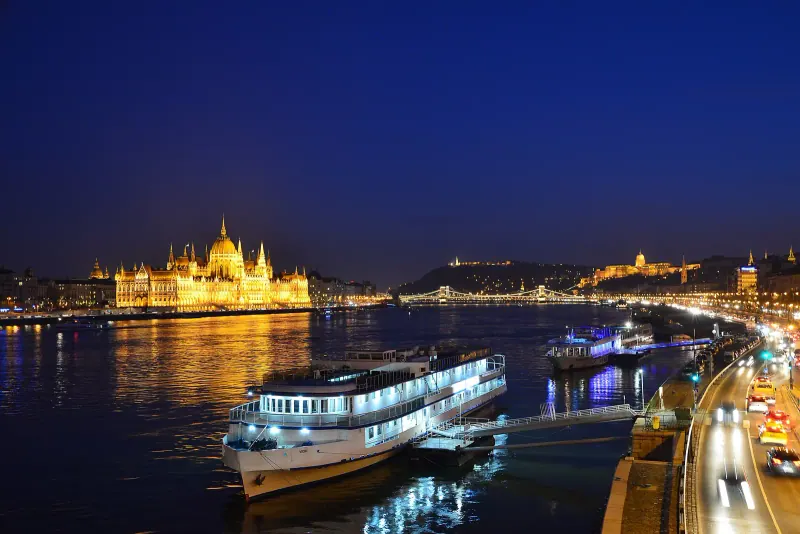 Is a Danube dinner cruise in Budapest worth it?It depends
Explore the decisions
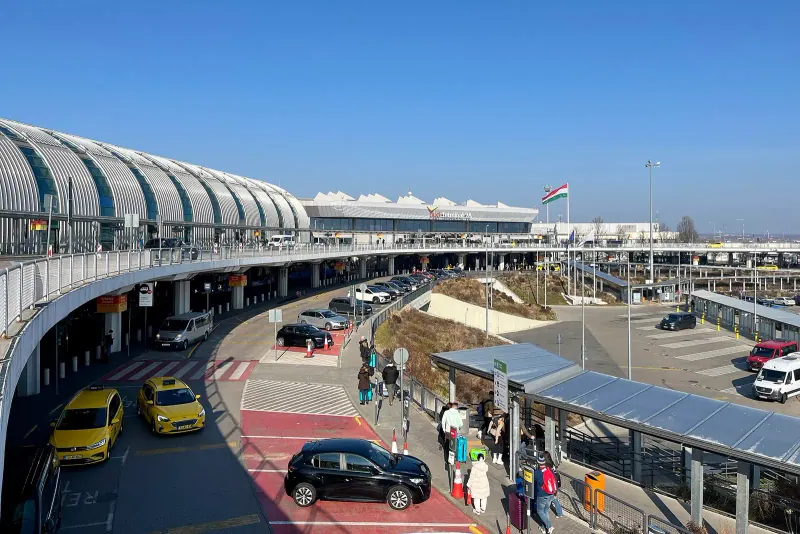 Budapest airport to the center: which way?Our pick: 100E Airport Express bus
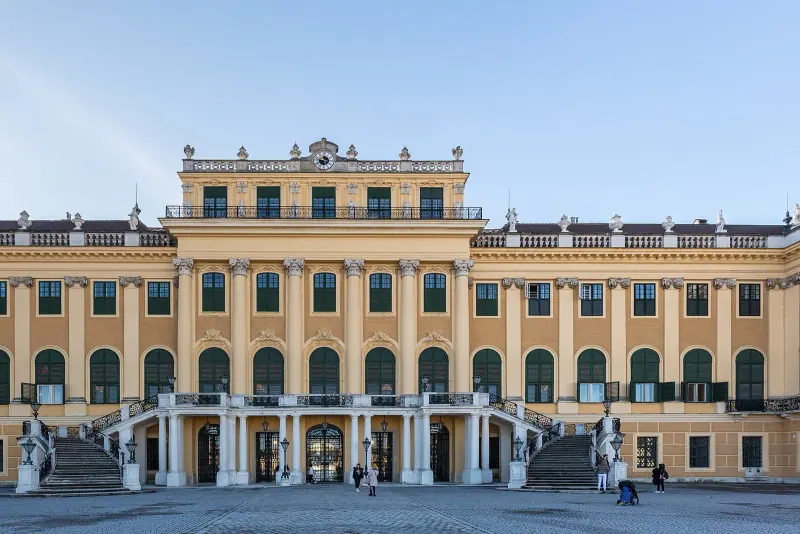 Budapest or Vienna?Our pick: Budapest
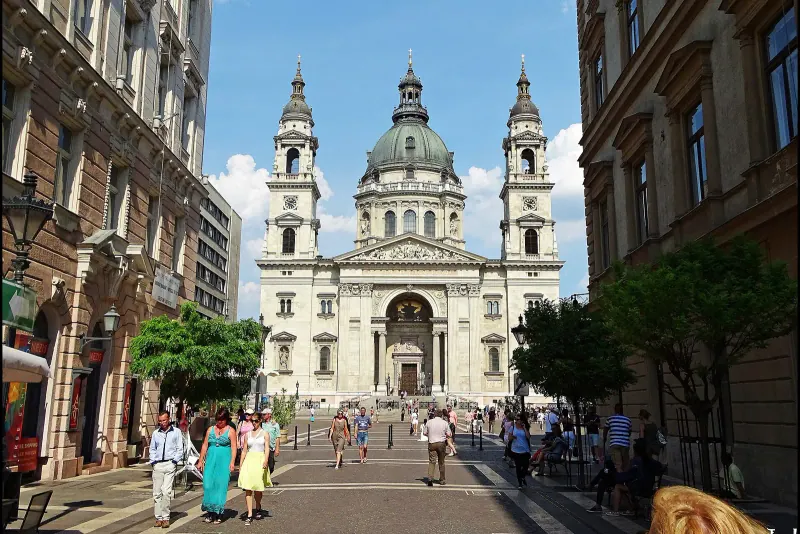 Where should you stay in Budapest?Go
Plan your Budapest trip
Where to stay
12 hotel picksLuxury, mid-range and budget, cross-checked against traveler reports
Getting there
Airport to city, priced outBudapest airport to the center: which way
Book a private transfer partner site
Tickets and passes
Budapest sightseeing passes1 verdict: does the card pay for itself
In pictures
Budapest airport to the center: which waythe Budapest Card worth itBudapest or Viennaa Danube dinner cruise in Budapest worth itthe Fisherman's Bastion worth itthe Hungarian Parliament tour worth itthe Széchenyi Baths worth itWhere should you stay in BudapestKeep exploring
Gear verdicts from our sister site, Real Buyer Experiences:


