


Five-star resort in the Quinta do Lago estate, about 20 minutes by car from Faro airport, with a large infinity pool, a full spa, three restaurants and golf nearby.
Quinta do Lago, Almancil
Search Expedia for this hotelpartner siteCity guide / Portugal
Faro is the Algarve's working capital: a walled old town, a marina and the Ria Formosa lagoon, with island beaches by boat and Olhão and Tavira along the coast.
The review
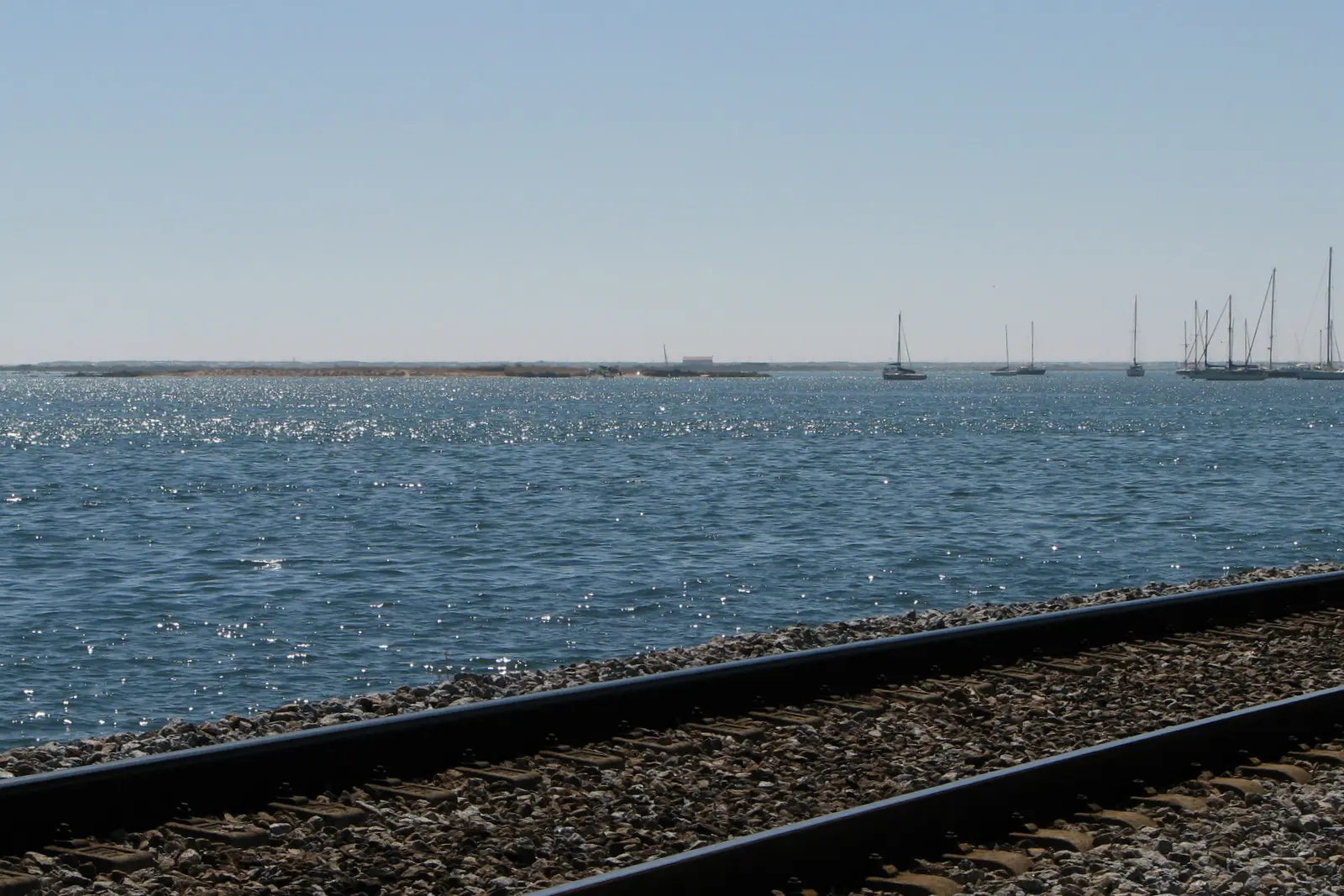
A walkable working city on the lagoon, with island beaches by boat and the eastern Algarve by train.
Faro is worth it as a short stay and a smart base, not as a beach resort. Travelers describe a walled old town with storks on the rooftops, a marina where locals sit, local-priced restaurants and the Ria Formosa lagoon starting at the end of the street. It suits people who like a real town, a cheap flight in and day trips by boat and train.
The hard truth is that the city has no beach of its own. The sand is on the barrier islands across the lagoon, and the best of it, Ilha Deserta, takes a 45 minute boat. The old town and cathedral fit into a morning or a day, nightlife is modest, winter can feel deserted, and the dramatic cliffs and sea caves everyone photographs are west of here around Lagos and Benagil. Border queues at the airport made headlines in 2025.
The fix is to plan around it. Give Faro one to three nights, spend a day on the island beaches, add Olhão and Tavira by train, and make the west-coast trip a deliberate one with a car or a tour, or split the stay with Lagos. April to June and September to mid-October are the sweet spots.
The long read
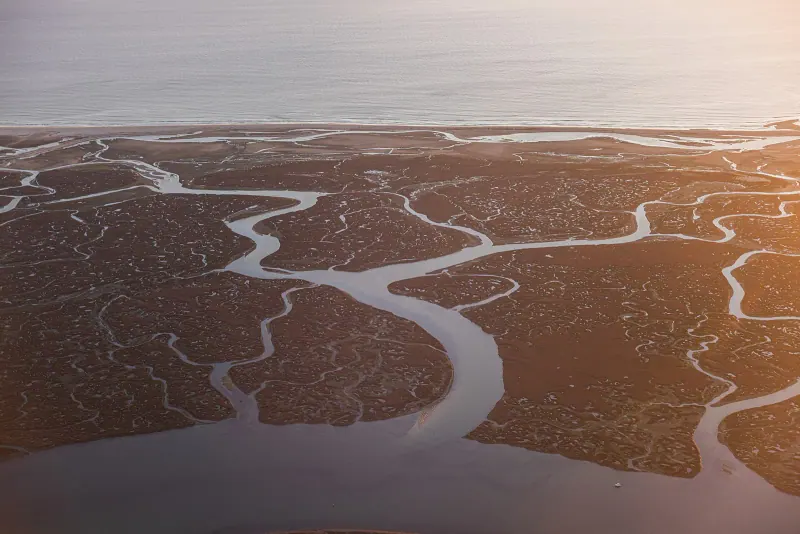
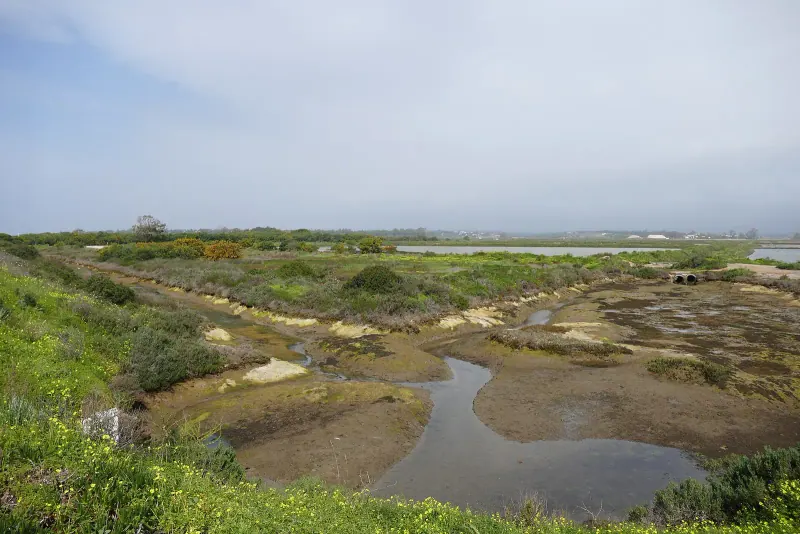
The reason to care about Faro is the water. The Ria Formosa is a shallow lagoon of channels, salt flats and mudflats, held back from the Atlantic by a chain of low sandbar islands, and it starts at the end of the old town street. Travelers describe a different Algarve from the cliff-and-cove version: flat horizons, flamingos and storks, boats working the channels and long beaches with almost nothing built on them.
Ilha Deserta is the one people write about most. Reports describe seven kilometers of sand, no roads, no houses and a single restaurant, reached by a 45 minute catamaran from the marina area. A correspondent who went to test the hype said it lived up to it, and local news puts the summer water at 20 to 24 degrees, warm for the Atlantic. The crossing costs 5 euros one way on the operator's own booking page, and one Portuguese feature makes the point neatly: you pay for the boat, and the quiet is what you are buying. Culatra and Farol are the other options, with a car-free fishing village on Culatra.
The catch is logistics. There is almost no shade on the sandbars, nothing to buy on Deserta beyond the one restaurant, and local guides say to carry in everything including water. Outside summer the boats thin out and sailing times change by season, so check the day's timetable before you commit. For a closer look at the lagoon itself, small boats and a transparent-hull circuit now leave from Faro, and the Ria Formosa boat tour verdict and the Ilha Deserta verdict break down what each costs and gives you.
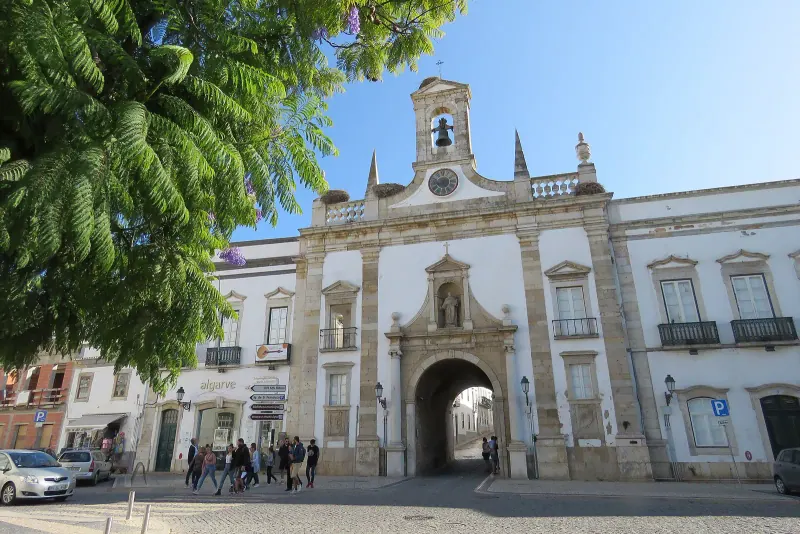
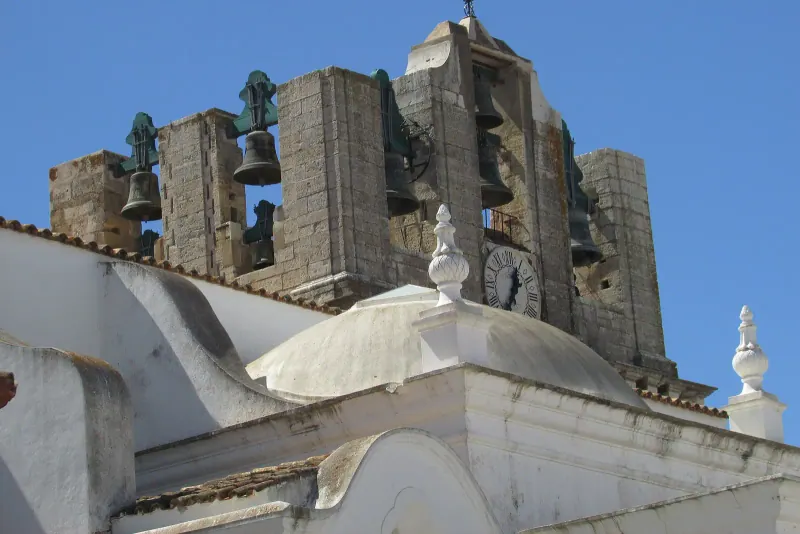
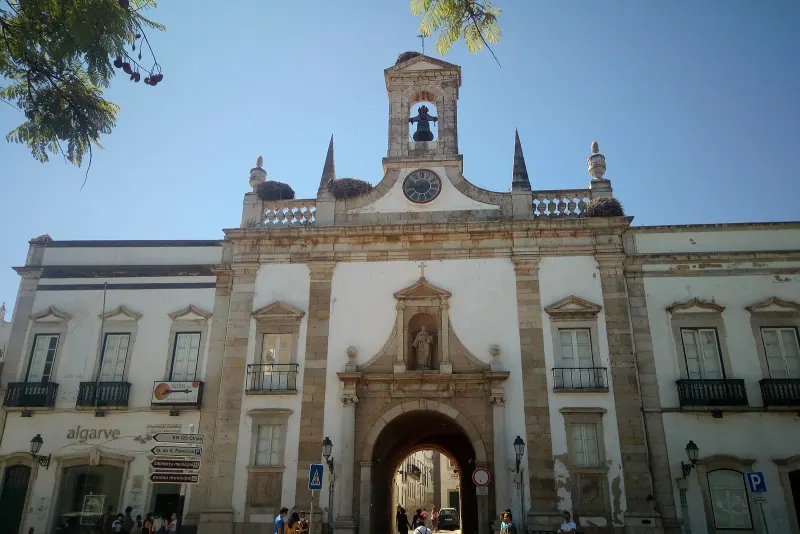
Cidade Velha is small, walled and easy. Travelers describe cobbled lanes, whitewashed houses, orange trees and two old gates, with storks nesting on rooftops and chimneys. A walking route takes about half a day, and several reports agree that the highlights fit into one or two days. A birthday weekend in early April found the city relaxed rather than crowded, and a family on an Easter break found the center easy with a pram.
The cathedral is the one ticketed sight, and the bell tower is what visitors single out. Climb it for the view across the rooftops to the lagoon, and expect a narrow staircase and no lift. The cathedral lists a 5 euro adult ticket with the tower included, and it closes to tourist visits on Sundays and from 3 pm on Saturdays, which matters on a weekend. The old town and cathedral verdict has the details.
The marina side is where Faro feels like a real town. The gardens, cafes and ferry pier sit along the waterfront by the old town gate, and the train and bus stations are at the edge of the same walkable grid. That is why so many travelers choose to sleep here: you can arrive by train, walk to a hotel, and reach the island boats without a car.
Food is a quiet strength. Reports praise petiscos, grilled fish, clams and oysters from the lagoon, and the wine-and-small-plates bars that have opened in the old town. A regional newspaper described a new wine bar there as packed, and bloggers who ate their way through the city in May called it a good month for it.
The main reason the bill stays low is that Faro is priced for residents rather than visitors. A comparison of Algarve bases makes this point directly, and a solo-travel guide ties it to the city being a working town where restaurants stay straightforward. Several reports also point out that the oyster farms and the lagoon boat tastings are reachable without any tour.
If you want guidance rather than wandering, the evening food tours are well reviewed for generous portions and small groups, and the Faro food tour verdict weighs one against eating on your own.
Faro works because the coast to the east is within easy reach. Olhão is the working fishing port a short train ride away: a market, a waterfront with ferries to Culatra and Armona, and a less polished feel than Tavira.
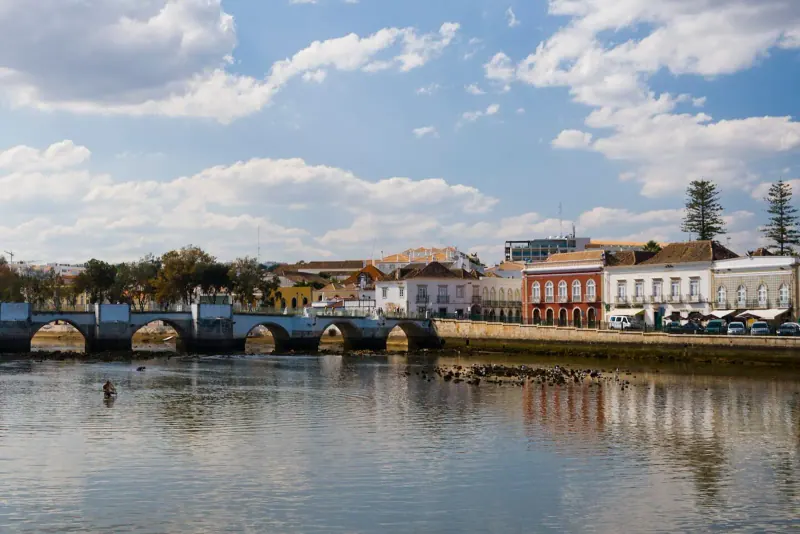
Tavira is the prettier town. Travelers describe cobbled streets, a castle, churches, a Roman bridge over the river and a short ferry to a long island beach that rarely feels overcrowded even in summer. One forum poster summed up the usual verdict by calling Faro's citadel worth seeing but Tavira the queen. A Czech couple say two to three days covers the town and its surroundings, and name September to mid-October as the best window, with August bringing heat above 30 degrees and crowds.
By train the cost is small. Faro to Olhão is 1.60 euros one way and Faro to Tavira is 3.60 euros one way on the CP regional fare table, which lists Faro to Lagos at 8.30 euros; half fares are half those amounts. The Faro or Tavira verdict helps decide whether to base in one of the two.
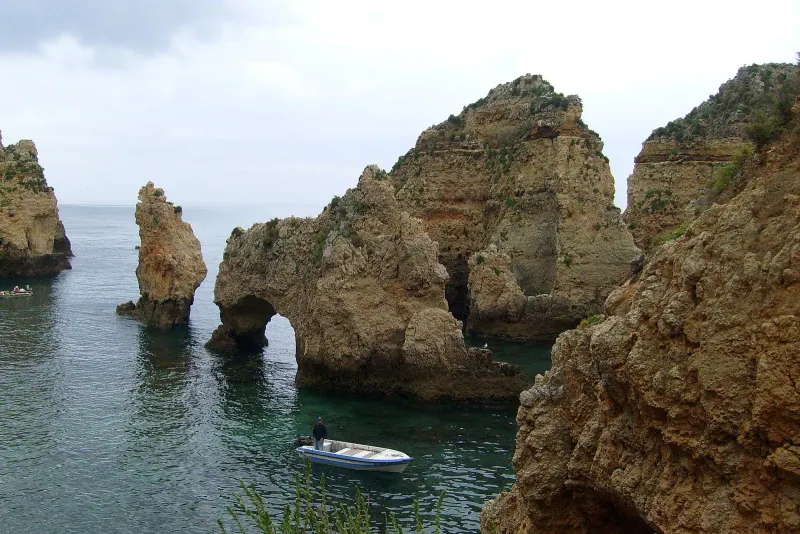
The famous cliffs and sea caves are west of Faro, not in it. Lagos and the grotto boats of Ponta da Piedade are the signature scenery, and travelers repeatedly name Lagos the better base for a first Algarve trip with a short stay. A forum thread has replies recommending splitting a stay between Lagos in the west and Tavira or Faro in the east, and another reply finds Faro too big for a short coastal break.
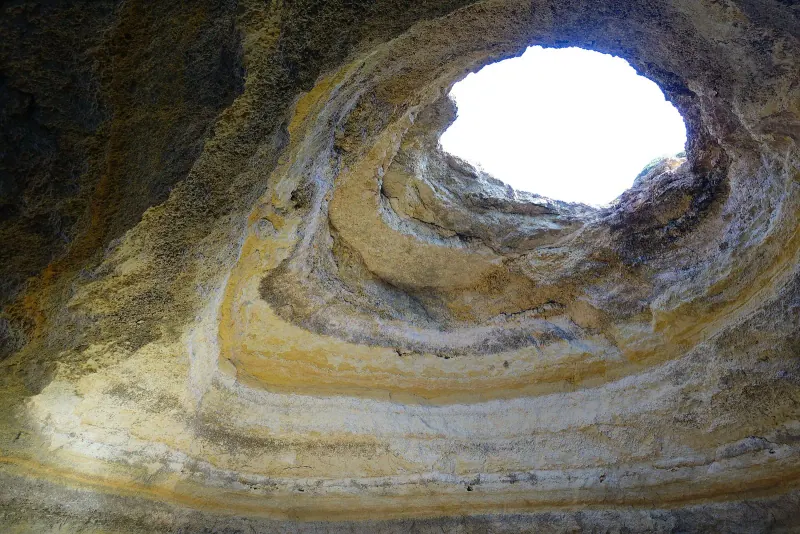
Benagil is the hardest of these to do from Faro. A guide gives roughly 60 kilometers and an hour by car, parking at the village is tight in summer, and since the 2024 rules landing on the sand, swimming and unguided kayak rental are banned, with the cave seen from a boat or a guided paddle. Regional news also reports rescues of swimmers in the unmonitored zone. See the Benagil verdict and the Lagos and Ponta da Piedade verdict.
The simple plan is to treat Faro as the east-side base and make one or two deliberate trips west, or to split the stay. The Faro or Lagos verdict covers the choice in detail.
Faro suits travelers who want a real Portuguese city, a cheap flight in and out, and the lagoon on the doorstep. Couples and solo travelers describe a relaxed town, and families with prams call the center easy. Budget-minded visitors benefit from local prices and from the trains and buses that start beside the marina.
It suits beach-first travelers less well. The sand is across the lagoon, so every beach day involves a boat or a bus. Nightlife is modest, and a solo traveler who came in winter found the town quiet and sometimes deserted from November to March. If you want resort energy, Lagos and the central Algarve do it better; if you want a calm, affordable base with access to islands and the eastern towns, Faro fits well.
The pitfalls
Regional news reported passport waits of more than three hours at Faro in May 2025, and one traveler measured 38 minutes in July after new entry-exit machines were installed. Leave generous time on both ends and check current conditions.
Faro's beaches are on barrier islands across the lagoon, reached by ferry or by the Praia de Faro bus. Local guides present the island boats as the way to reach the real beaches, so a beach day needs a timetable, a ticket and a bag of supplies, especially on Ilha Deserta where there is one restaurant.
Regional news reports that Tavira island ferry times change by season and had just been altered in April 2025, and travelers describe thinner service outside summer. Deserta costs 5 euros each way on the operator page. Check the day's schedule and the last return before you cross.
Benagil is about 60 km and an hour by car from Faro, with tight summer parking. Since 2024 landing on the beach, swimming and unguided kayak rental are banned, so the cave is seen from a boat or a guided paddle, and swimmers have been rescued in the unmonitored zone. Plan a tour or an early start.
A solo traveler found Faro quiet and sometimes deserted from November to March. The cathedral closes to tourist visits on Sundays and from 3 pm on Saturdays, and churches in general close on Sundays, so a weekend stop can miss the one ticketed sight.
Forum replies favor Lagos for a short coastal break and find Faro too big for it, and Lagos is about 1 hour 40 minutes by regional train. The Praia do Camilo staircase near Lagos has also been closed since winter storm damage, so check access to west-coast beaches before planning around them.
When to go
Best time
late April to June, September to mid-October
Warm days, workable crowds and the best balance for the island beaches. Bloggers praise May for eating and walking, and travelers name September to mid-October as the best window for Tavira.
Peak season
July and August
Hot, with heat above 30 degrees reported, the warmest sea at the islands, 20 to 24 degrees, and the longest boat queues. Couples warn that Faro is very busy then.
Shoulder season
March to mid-April, late October
Mild weather, quieter streets and easier hotel rates. A birthday weekend in early April found the city relaxed rather than crowded.
Off season
November to February
A solo traveler found Faro quiet and sometimes deserted from November to March, and another returning visitor describes boats near-empty and the beaches deserted outside peak season. Island services thin out.
April to June and September to mid-October give warm days without the August heat and crowds. July and August are hot, busy and the best time for swimming at the islands. From November to March the city is quiet, and some island services thin out.
Getting there and around
| Airport | Distance | To the centre | How |
|---|---|---|---|
| FAO Faro Airport | 7 km | about 15 min | Bus 16 runs from the airport to the Terminal Rodoviario in about 15 minutes, with a stop at the rail station, and bus 14 runs a few services a day in about 20 minutes; the ticket is bought onboard and fares change, so check the operator page for the current price. Taxis wait outside arrivals; agree or check the fare first, since night, weekend and oversize baggage rates add to it. Allow extra time at passport control in peak periods. (source, checked Oct 2026) |
| LIS Lisbon Humberto Delgado Airport | n/a | about 210 min | Not a quick option: Intercidades and Alfa Pendular trains run from Lisboa Oriente to Faro, and sample timetables show about 3 hours 30 minutes. Choose it only if your flight is cheaper or you are combining Lisbon and the Algarve. (source, checked Oct 2026) |
The center is walkable and the island boats leave from the waterfront by the old town gate. From the airport, bus 16 is paid onboard and takes about 15 minutes to the bus terminal; check the Próximo fare page. Regional trains run east and west from the station by the marina, with Olhão at 1.60 euros, Tavira at 3.60 euros and Lagos at 8.30 euros one way on the CP regional fare table. A car helps for Benagil and the west coast.
Where to stay
We earn a commission if you book through our links. It never changes a verdict. How this works
High-end stays whose guests report the setting and service earn the rate.
Five-star resort in the Quinta do Lago estate, about 20 minutes by car from Faro airport, with a large infinity pool, a full spa, three restaurants and golf nearby.
Quinta do Lago, Almancil
Search Expedia for this hotelpartner siteThe five-star golf resort that opened as Anantara Vilamoura and has been run by Accor since April 2025 ahead of a planned Fairmont rebrand, with several pools, a spa and separate family and adults-only areas, a 10 minute drive from the marina; check the current name before booking.
Vilamoura, beside the Victoria golf course, about 30 minutes by car from Faro airport
Search Expedia for this hotelpartner siteFive-star hotel facing the Olhão marina and the Ria Formosa, with indoor and outdoor pools, a spa and balcony rooms; about 15 km from Faro airport.
Olhão marina
Search Expedia for this hotelpartner siteA restored 16th-century convent hotel with a garden, pool and spa, a few minutes' walk from the Roman bridge; rated among the top hotels in Tavira.
Tavira, by the river
Search Expedia for this hotelpartner siteThe comfortable middle: well placed, well run, priced for a normal trip.
Four-star hotel on the marina avenue with a rooftop terrace and pool, family friendly and an easy walk to the old town gate, station and island boats.
Faro marina front
Search Expedia for this hotelpartner siteA three-star of 38 rooms with a rooftop terrace on Rua do Bocage, about five minutes on foot from the marina, the old town and the station, so no car is needed.
Faro, just outside the old town walls
Search Expedia for this hotelpartner siteFour-star hotel on the Tavira riverwalk, five to seven minutes on foot from the castle and Roman bridge, with two pools and a spa; one 2026 guest found rooms dated.
Tavira riverwalk
Search Expedia for this hotelpartner siteAn adults-only guesthouse of eight rooms in a renovated 19th-century building in the Olhão old town, with a rooftop terrace and the harbor close by; breakfast is paid separately.
Olhão old town
Search Expedia for this hotelpartner siteCheaper beds that travelers still rate well for location and cleanliness.
A dependable two-star in the city center about ten minutes on foot from the station and a short walk to the marina and old town gate; guests call the staff friendly and the rooms clean but small.
Faro center
Search Expedia for this hotelpartner siteThe city's youth hostel beside the Jardim Alameda, about ten minutes on foot from the center; cheap beds in a walkable city with trains and buses close.
Faro center
Search Expedia for this hotelpartner siteTavira's youth hostel, with dorm beds and private double and twin rooms, the town's main hostel for small budgets.
Tavira
Search Expedia for this hotelpartner siteA small three-star pension of about 15 rooms on Rua Vasco da Gama, close to the Olhão waterfront, with a rooftop terrace.
Olhão waterfront
Search Expedia for this hotelpartner siteQuestions
One day covers the old town, cathedral and a short boat trip. Two to three nights works if you also want a day on the island beaches and day trips to Olhão and Tavira, which several travelers describe as the right amount for the city.
It is a good base for the eastern Algarve and the lagoon, with cheap trains to Olhão and Tavira. For the western cliffs, Lagos and Benagil, travelers prefer to base in Lagos or to split the stay, since Lagos is about 1 hour 40 minutes by regional train.
Not in the center. The beaches are on the barrier islands across the Ria Formosa, reached by ferry from the waterfront, or by bus to Praia de Faro. Ilha Deserta costs 5 euros each way on the operator page and is the most praised.
Bus 16 takes about 15 minutes to the Terminal Rodoviario for under 3 euros onboard, with contactless cards accepted. A taxi runs about 10 to 15 euros, with tolls and large baggage extra. Allow extra time at passport control in peak months.
Not for the city, the islands, Olhão or Tavira, which work by foot, boat and train. A car helps for Benagil and the west coast, though guided boat trips and tours also cover them, and summer parking at Benagil is tight.
Reports say Faro is priced for locals rather than tourists, so restaurant bills stay low and it is the cheapest base with lagoon access.
How this guide was written. We read 34 traveler reports about Faro published between Jan 2025 and Aug 2026, 3 of them mainly negative, and checked the facts against official sources in Oct 2026. Nobody on the team claims a visit; hotel picks are chosen from what guests report, never from what they pay us. How we judge.
Explore the decisions
 Are Faro old town and the cathedral worth seeing?Go
Explore the decisions
 Is a food tour in Faro worth it?It depends
 Is a Ria Formosa boat tour from Faro worth it?Go
Explore the decisions
 Is a Benagil Cave day trip from Faro worth it?It depends
 Is a Lagos and Ponta da Piedade day trip from Faro worth it?Go
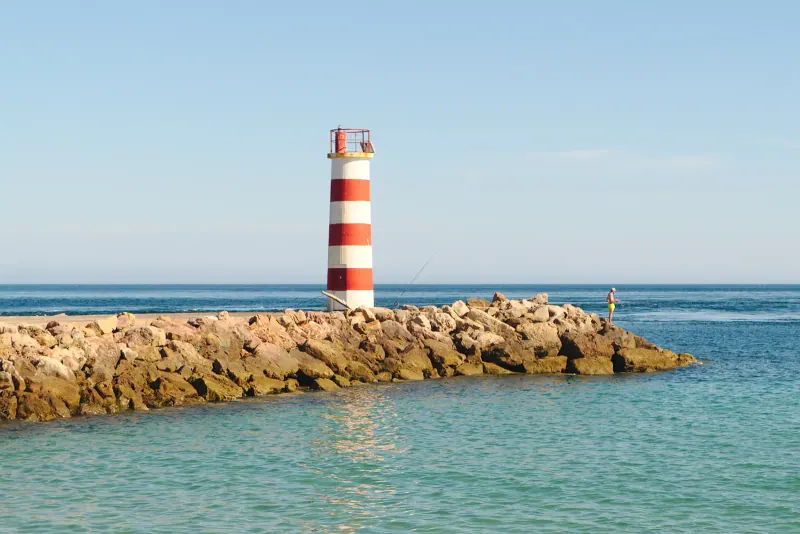 Is the Ilha Deserta beach trip from Faro worth it?Go
Explore the decisions
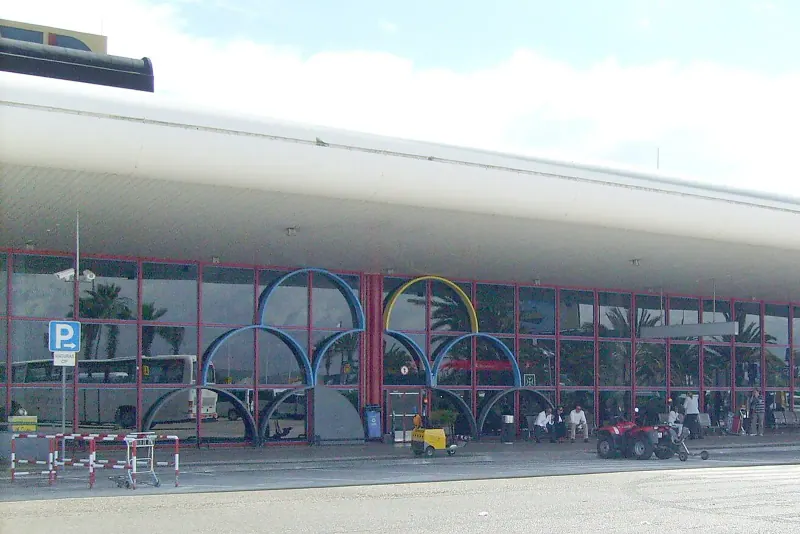 Faro airport to the centre: which way?Our pick: Proximo bus 16
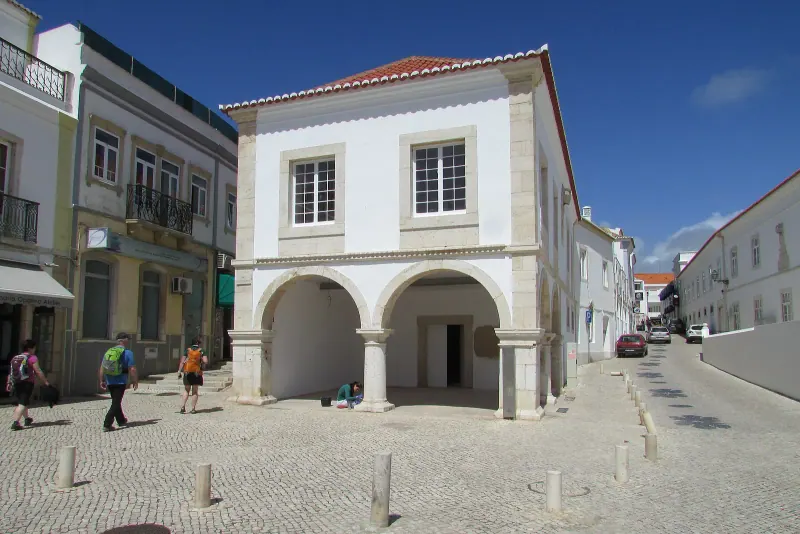 Faro or Lagos: which Algarve base?Our pick: Lagos
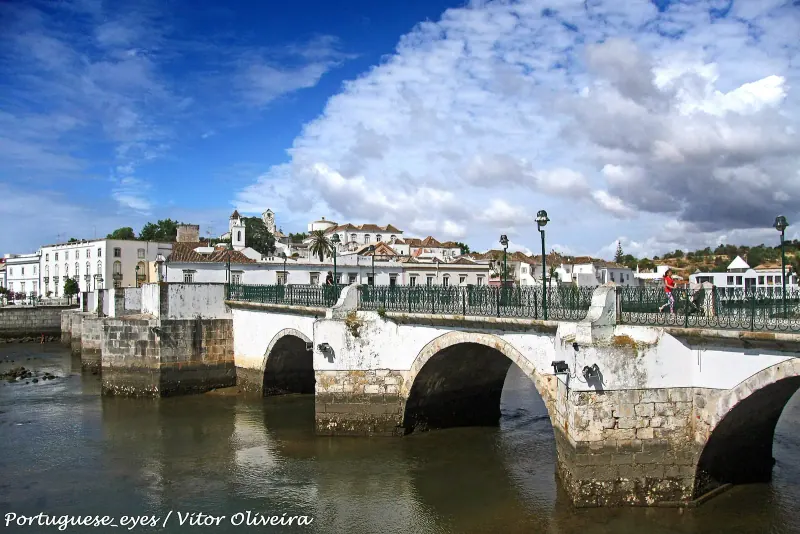 Faro or Tavira: which to visit?Our pick: Tavira
 Where to stay in Faro: which area?Our pick: City center and marina
Plan your Faro trip
Where to stay
12 hotel picksLuxury, mid-range and budget, cross-checked against traveler reports
Getting there
Airport to city, priced outFaro airport to the centre: which way
Book a private transfer partner site
In pictures
a Benagil Cave day trip from Faro worth itFaro airport to the centre: which waya food tour in Faro worth itFaro old town and the cathedral worth seeingFaro or Lagos: which Algarve baseFaro or Tavira: which to visitthe Ilha Deserta beach trip from Faro worth ita Lagos and Ponta da Piedade day trip from Faro worth itKeep exploring
Gear verdicts from our sister site, Real Buyer Experiences:


