


Five-star, with 101 designed rooms, a spa and a restaurant overlooking Lough Atalia, a short walk from the station and the center.
Lough Atalia, east of Eyre Square
Search Expedia for this hotelpartner siteCity guide / Ireland
Galway is Ireland's music-and-seafood small city on the Atlantic: Quay Street pubs and buskers, the Salthill promenade, oysters, and day trips to the Cliffs of Moher, Connemara and the Aran Islands.
The review
Ireland's music-and-seafood small city on the Atlantic, built for evenings out and a launch pad to the cliffs and islands.
Galway is worth it for anyone who wants Ireland's west coast with a lively evening scene attached. Travelers describe a small, walkable city where music spills out of Quay Street pubs by 7pm, buskers fill the pedestrian lanes, oysters come with stout, and the Cliffs of Moher, Connemara and the Aran Islands sit within day-trip reach. It suits couples, friends, solo travelers and food-minded visitors better than anyone chasing a long list of monuments.
The hard truth is that Galway is a two-night town, not a week-long city break. Travelers call the Spanish Arch a quick photo stop, warn that nights can feel like one big stag or hen party, and report that prices climb sharply in festival and race weeks. There has been no commercial airport since 2011, the cliffs are a long day that depends on the weather, and rain and wind are part of the deal.
The fix is simple. Base yourself in or near the Latin Quarter for two nights, walk the harbor and the Salthill promenade in the daytime, go out early for music before the late crowds arrive, and book the Cliffs or Aran Islands day on the clearest forecast you can find. Avoid late July unless the festivals are the point, and add a Dublin leg if this is your first trip to Ireland.
The long read
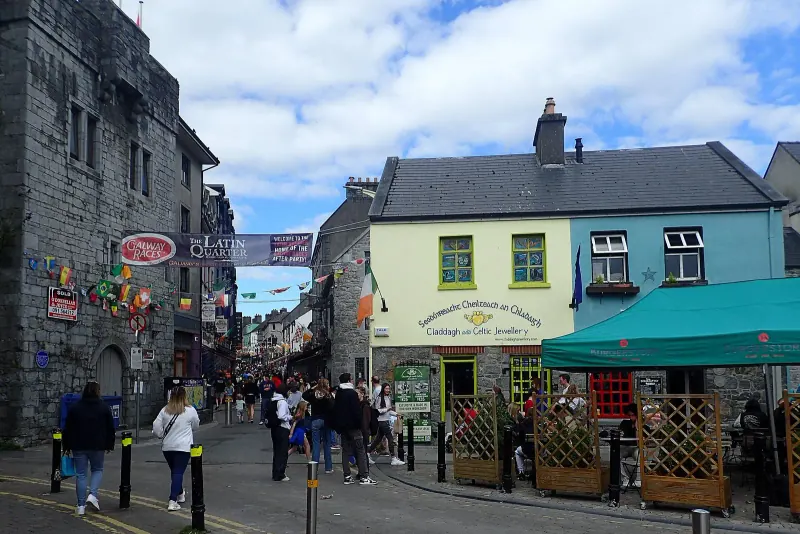
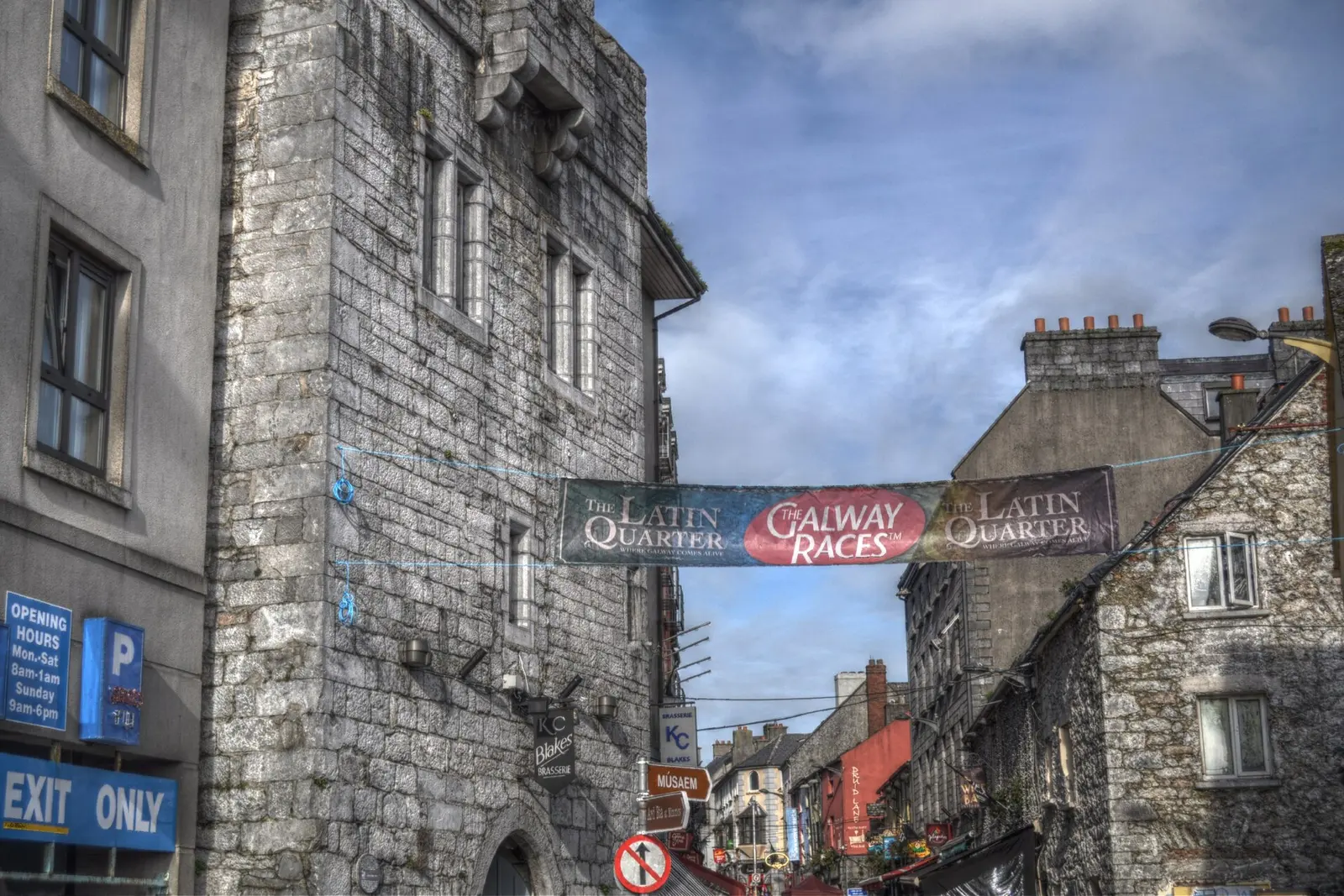
Quay Street is where most first evenings in Galway begin. Travelers describe it as the beating heart of the Latin Quarter, a cobbled, mostly pedestrian run of pubs, restaurants and local boutiques where music is playing from about 7pm. One first-night diary counted trad coming out of every pub and a packed room where finding a seat was a matter of luck. Daytime brings buskers, a Galway Girl statue near Eyre Square and a medieval lane pattern between the Spanish Arch and O'Brien's Bridge that walking guides call the city's bohemian heart.
The sessions are the draw, and they reward the early arrival. Travelers report getting a table right in front of the musicians at a Latin Quarter pub, with a piper and a band close enough to hear properly for the price of a pint, while others found the music hard to make out from anywhere but next to the players. A touring folk duo found the upstairs room of one Quay Street pub so packed that the session was the highlight of the night. A forum thread on a Saturday pub tour is a useful caution: staff told the poster most pubs skip trad that night, though replies disputed it and one said the street buskers were the best music of the whole trip.
The quarter is lively and, as one weekend guide puts it, yes, touristy. The city council counts more than 50 places to eat and 15 bars in the area, and it has trialed a busking code of conduct after bands blocked Middle Street, a sign of how busy the lanes get. The best advice from reports is to walk it in the morning, when the charm shows before the drinking starts, and to come back for an early evening set.
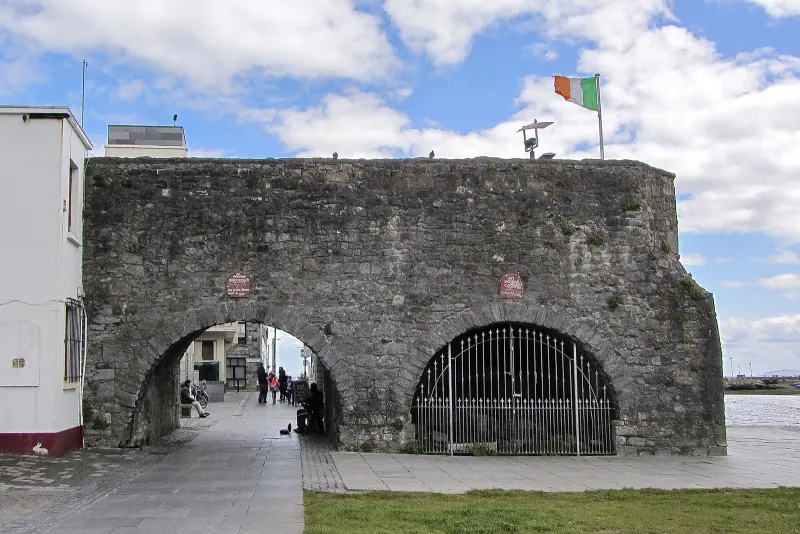
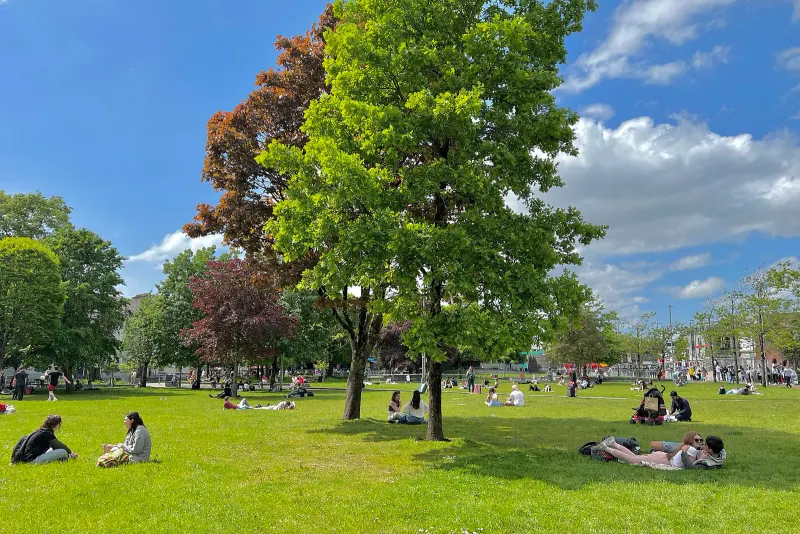
The Spanish Arch is a small remnant of the 1584 town wall, standing where the River Corrib meets the bay. Travelers who like history enjoy the story of the arch and the neighboring Caoc Arch, the 1755 tsunami damage and the swans that gather in the basin. A two-year resident calls it a favorite evening hangout, where locals and visitors sit on the grass on sunny days. One July itinerary calls it a little underwhelming as a sight on its own, so treat it as a stop on a longer waterfront walk.
Next door, the free City Museum has three floors of galleries, including the Claddagh village and a Galway hooker boat, open Tuesday to Saturday. Across the water, the Claddagh was the old fishing village where the famous ring was born. Travelers visit the Thomas Dillon's shop, which claims to be the ring's original maker and keeps a small museum at the back, and the basin still hosts the restored hooker fleet at the annual blessing of the boats. Reports also warn that the fleet itself faces rising repair costs and scarce timber, which is a reminder that the harbor is a working tradition, not a stage set.
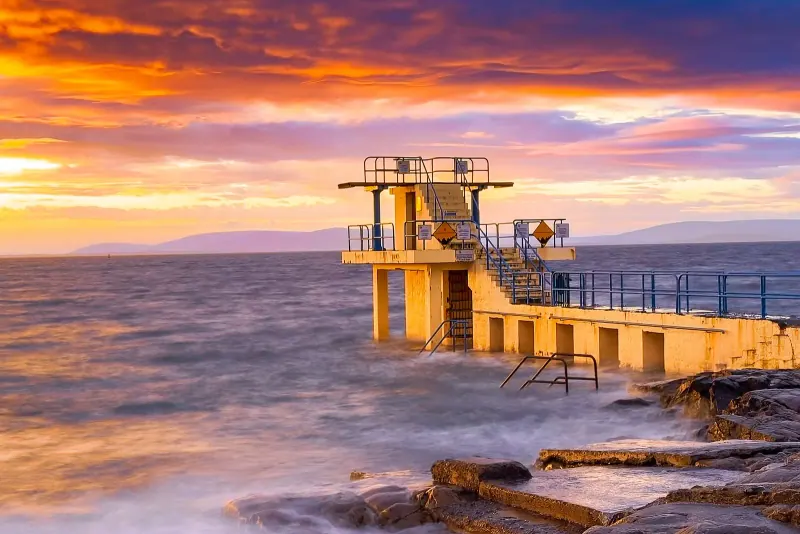
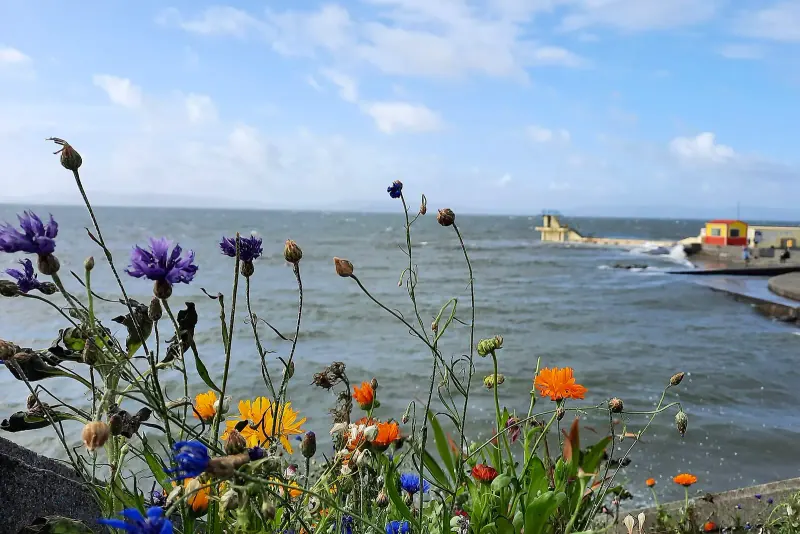
Salthill is the seaside resort about 3 km west of the center, with a two-mile promenade and what the regional tourism site calls a Golden Half Mile of hotels, pubs and restaurants. Travelers walk the prom for sunset over Galway Bay and for the Blackrock diving tower, which one student rated ten out of ten, though low tide ruled out the highest board. Swimmers describe a cold, choppy water shock followed by a worthwhile swim.
The weather shapes everything here. A campervan traveler swam on a grey, blustery June day, and the council has closed Salthill car parks and put the prom under watch during storms, including Storm Bram in December 2025. A cruise passenger on a Sunday bus tour found traffic slowing the ride through Salthill, so walking or a short taxi often beats the bus.
Galway Cathedral, on the river side of the city, gets stronger reviews than its stone exterior suggests. A photographer made it the main goal of a Galway stop and ranked it second among the Irish churches on the trip, while another traveler ducked in out of the rain and was welcomed to sit through a midweek Mass. Respect services and keep voices low.
Galway's food reputation rests on oysters, seafood, cheese and a short supply chain. A chef's restaurant guide praises producers within 60 miles and the Saturday market where island oyster shuckers work on the street, and a trip leader calls the town a culinary revolution where tasting menus sit beside pubs serving oysters and stout. The Churchyard Street market, near St Nicholas' church, draws long weekend queues for its bagels, crepes and sushi.
Food tours are a popular first-day option. An editor's comparison describes the flagship as a 2.5-hour, six-stop walk through the Latin Quarter, with rivals starting from Eyre Square and the Spanish Arch. The food is also a reason to book ahead. One July stay during the arts festival found every dinner reservation taken and pubs with queues out the door, so reserve a table before you arrive in festival weeks.
The calendar helps. Blas na Bealtaine, the May food festival, runs 20 or more events including seafood boat tours, and the Oyster and Seafood Festival fills the last weekend of September with free street events and the World Oyster Opening Championship.
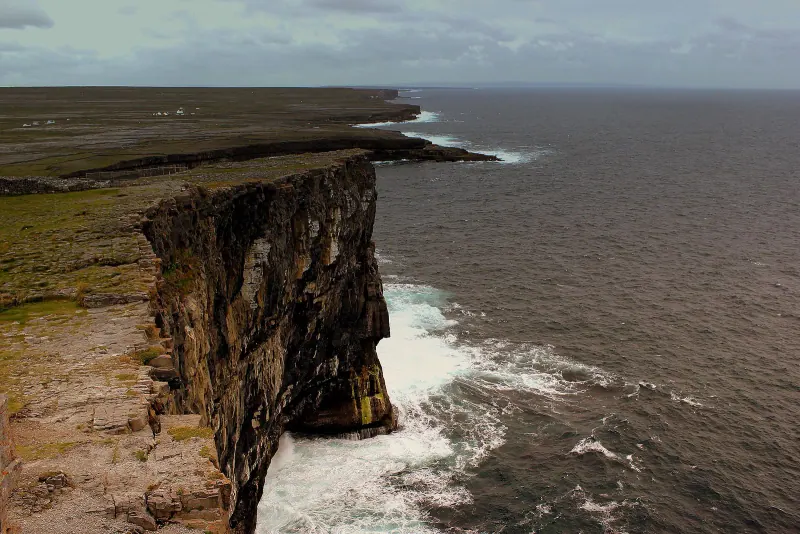
The Cliffs of Moher are the headline day trip, and the reports split on weather. A weekend traveler on a day tour got a rare sunny day and found two hours exactly right for the viewing points and the walk toward Hag's Head. A road-trip diary arrived in fog so thick the cliffs were invisible, though the ticket desk honored the entry the next day. An Ireland-based creator sums it up: eight out of ten, and the verdict flips with the weather. Dress for wind either way.
Practical details move around. A transport guide lists a local bus at about 20 euros return with no admission, and an express at about 45 euros that includes entry and two hours on site. Entry rose 25 percent to a 15 euro gate rate in 2025, and in September 2026 the southern section of the coastal walk, from Liscannor to Hags Head, was still closed while the Doolin side stayed open.
The Aran Islands are the other great day out. The ferry leaves from Rossaveel, reached by bus from Eyre Square, and Inis Mor day trippers get about 4.5 hours ashore. Travelers rent bikes or e-bikes at Kilronan pier, ride a pony trap or take a van tour to Dun Aonghasa, the stone fort on the cliff, and the Wormhole. Some wish they had stayed overnight. Others had a rainy crossing with seasick passengers, so a smooth sunny day gives a very different island.
Connemara, with its lakes, bogs and mountain roads, is the third option, and the Ballynahinch and Clifden area is where travelers who want more than a day base themselves.
Neighborhood guides give a clear map. The Latin Quarter is the most expensive base but puts the music at your door. Salthill is quieter and family friendly, with sea views along the prom, though a car-free forum poster said it limited their evenings. Eyre Square and the station side suit short stays and early buses, with some noise worries that replies say are quiet with windows closed. Woodquay and Newcastle are the budget edge.
Prices are the caution. A race week analysis found Galway accommodation about 17 percent higher than the week before, and short-term lets now outnumber long-term rentals nearly ten to one in the county, which squeezes supply. Book early for July, late September and December, and prefer hotels in festival weeks.
Comparison guides agree on the order. Dublin first for a first trip, Galway for repeat travelers or when the west coast is the point, and the ideal first trip is three nights in Dublin plus two in Galway. The ride between them is about two and a half hours by train or coach, so the combination is easy.
Galway wins for atmosphere, music, seafood and Atlantic access. Dublin wins for museums, depth of sights and transport options. A five-day Dublin, Galway and Aran Islands itinerary shows the pattern in practice, with the long westward leg breaking up the trip.
The pitfalls
A price analysis found Galway accommodation almost 17 percent dearer during race week than the week before. One July stay during the arts festival found every dinner reservation taken and pubs with lines out the door. Book rooms and tables well ahead, or avoid late July and early August.
One diary reached the cliffs in fog so thick nothing could be seen, though the desk honored the ticket the next day. Another traveler found two hours right on a clear day. The southern section of the coastal walk, Liscannor to Hags Head, was still closed in September 2026 while the Doolin side stayed open, and entry rose 25 percent in 2025, so check the weather and the trail status first.
A rainy September day had both sailings leaving about 30 minutes early and seasick passengers on the morning crossing. A couple's tour described swells of up to 10 feet on the cliffs cruise. Island days also give only about 4.5 hours ashore, so check the day's forecast and sailing times.
Travelers describe cold, grey, choppy days at Blackrock and Salthill. In December 2025 the council closed Salthill car parks and watched the promenade during Storm Bram and an orange wind warning. Pack a waterproof layer and have an indoor plan such as the City Museum.
One two-day blog says Galway felt like one big stag or hen party at night and advises going out early. A weekend guide calls the Latin Quarter lively and touristy, and a busking code of conduct trial followed complaints about bands blocking Middle Street. Go to the pubs early and walk the lanes in the morning.
Commercial flights ended on 31 October 2011 and the aerodrome licence was revoked in 2013, so everyone arrives by coach, train or car.
A Galway-based guide says an overnight stay on Inis Mor feels like days away, and a comparison guide frames Galway as a base for two nights rather than a long city break. Plan at least one extra night if you want the islands or Connemara without rushing.
When to go
Best time
May and June, September to early October
Longer evenings and the best odds of dry days, with fewer crowds than July. A repeat traveler calls October a sweet spot for weather and crowds, and the Oyster Festival fills the last weekend of September.
Peak season
July and early August
Festival and race season. The arts festival ran 13 to 26 July in 2026, and race week lifts accommodation almost 17 percent, with dinner tables hard to find. Expect the highest prices and the biggest crowds.
Shoulder season
April, early May, mid October to early November
Quieter streets and lower hotel rates, with changeable weather. Spring suits the Latin Quarter and food markets, and autumn gives clearer light for the harbor and the bay.
Off season
Mid November to March
Cold, wet and windy, with short days, but the pubs and sessions are quieter and local. Storms can close the Salthill prom, so keep a flexible plan.
May and June and September into early October give long evenings, the best odds of dry days and the Oyster Festival, while October is described by repeat travelers as a sweet spot for weather and crowds. July is festival and race season with the highest prices. November to March is quiet, wet and windy, with the Christmas market in Eyre Square and music sessions that locals say are best in winter.
Getting there and around
| Airport | Distance | To the centre | How |
|---|---|---|---|
| SNN Shannon Airport | 90 km | about 75 min | Bus Éireann Route 51 connects Shannon Airport with Galway, with 16 return services a day between the two on the official route page. Tickets can be bought at the self-service kiosk in the Arrivals Hall or on the bus, and the stops are just outside the terminal. Check the timetable for the first and last departures. Allow about 75 to 90 minutes and check the Expressway timetable for the current fare. (source, checked Oct 2026) |
| DUB Dublin Airport | 210 km | about 150 min | Direct coaches run from Dublin Airport to Galway coach station in about two and a half hours without changing, and the tourist board lists the operators and timetables. The train from Dublin Heuston also takes about two and a half hours. (source, checked Oct 2026) |
The center is compact and largely pedestrian, so most travelers walk everywhere, including to the Spanish Arch, Eyre Square and the Salthill promenade, which runs about 3 km from the city. Dublin is about two and a half hours by coach or train, and Shannon is linked by the Bus Éireann Route 51 service. For the Aran Islands, a bus runs from Eyre Square to the Rossaveel ferry. For the Cliffs of Moher, travelers choose between a cheaper local bus with no admission and a pricier express that includes entry and two hours on site.
Where to stay
We earn a commission if you book through our links. It never changes a verdict. How this works
High-end stays whose guests report the setting and service earn the rate.
Five-star, with 101 designed rooms, a spa and a restaurant overlooking Lough Atalia, a short walk from the station and the center.
Lough Atalia, east of Eyre Square
Search Expedia for this hotelpartner siteFive-star 18th-century manor about two miles from the city with a golf course and a dining room in restored Pullman carriages.
Bushypark, on Lough Corrib
Search Expedia for this hotelpartner siteCountry house hotel on a large estate by the Owenmore River, with a riverside bar, a sauna and free breakfast; the out-of-town Connemara base.
Recess, Connemara
Search Expedia for this hotelpartner siteA 4.5-star standing in for a fifth: Galway's grand 1852 railway hotel on Eyre Square, beside the buses and the Latin Quarter.
Eyre Square
Search Expedia for this hotelpartner siteThe comfortable middle: well placed, well run, priced for a normal trip.
Four-star seafront spa hotel a short walk from the Salthill prom with an indoor pool and bay views, for guests who want sea air and quiet evenings.
Salthill seafront
Search Expedia for this hotelpartner siteReliable modern four-star a short walk from the center with parking and family rooms.
Sandy Road, west of the center
Search Expedia for this hotelpartner siteFormerly a Jurys Inn, a classic chain hotel with easy walking access to the pubs, lanes and sights, ranked among the best placed in the quarter.
Quay Street, Latin Quarter
Search Expedia for this hotelpartner siteFour-star Victorian castle hotel above Clifden, about 80 km from Galway in Connemara, with gardens and a traditional dining room; the out-of-town pick for a slow Connemara night.
Clifden, Connemara
Search Expedia for this hotelpartner siteCheaper beds that travelers still rate well for location and cleanliness.
Solid central option right on Eyre Square, seconds from the buses and the Latin Quarter.
Eyre Square
Search Expedia for this hotelpartner siteHostel with private ensuite rooms and pod-style dorms, praised for privacy at a low price and a position beside Eyre Square.
Merchants Road, near Eyre Square
Search Expedia for this hotelpartner siteHostel with private double rooms, en suite twin and family rooms, liked by couples and small groups for the position near the stations.
Near the train and coach stations
Search Expedia for this hotelpartner siteHostel with dorms and private rooms in walking distance of the sights, on the cheaper north side of the river.
Woodquay, north of the Latin Quarter
Search Expedia for this hotelpartner siteQuestions
Two nights cover the Latin Quarter, the harbor, the Salthill promenade and the cathedral. Add one or two more for the Cliffs of Moher, the Aran Islands or Connemara. Travelers who try to fit the cliffs and the islands into one trip often feel rushed.
They suit different trips. Guides say Dublin for a first visit to Ireland, with more sights and transport, and Galway for atmosphere, music, seafood and the west coast. The ideal first trip combines three nights in Dublin with two in Galway, connected by a coach or train of about two and a half hours.
Galway has had no commercial flights since 2011. Take a direct coach from Dublin Airport, the train from Dublin Heuston, or the Bus Éireann Route 51 service from Shannon. Once in town the center is compact and walkable, and buses run to the ferry port and the cliffs.
May, June, September and early October give the best mix of long days, drier weather and manageable crowds. July is busy and costly with the arts festival and race week. Winter is cheap, wet and windy but has the Christmas market and quiet music sessions.
Travelers describe Salthill as the quieter, family friendly base with a long promenade and a diving tower, and the free City Museum suits a rainy morning. Pubs and the Latin Quarter get loud on weekend nights, so families tend to stay near Salthill.
Most travelers say yes on a clear day and shorter on a foggy one. Dress for wind and book the best forecast. Local buses cost less but include no admission, while the express includes entry and two hours at the cliffs. A section of the coastal walk was still closed in late 2026.
How this guide was written. We read 41 traveler reports about Galway published between Jan 2025 and Oct 2026, 5 of them mainly negative, and checked the facts against official sources in Oct 2026. Nobody on the team claims a visit; hotel picks are chosen from what guests report, never from what they pay us. How we judge.
Explore the decisions
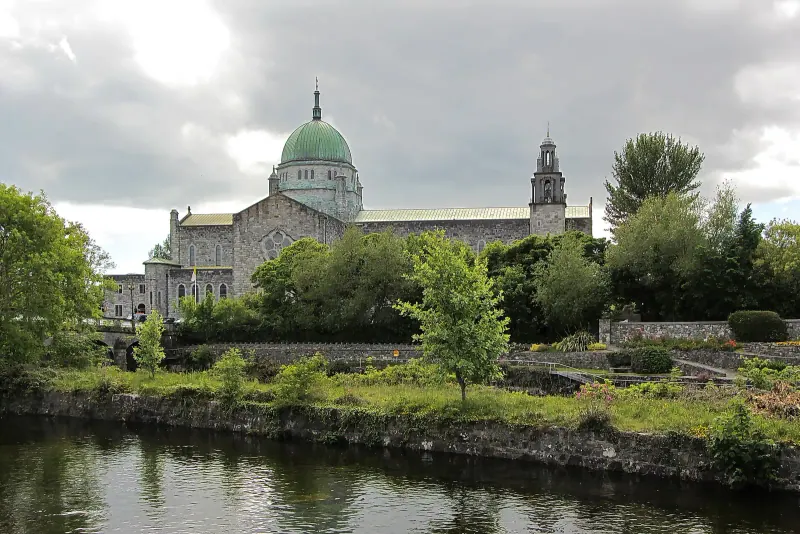 Are Galway Cathedral and Salthill worth it?Go
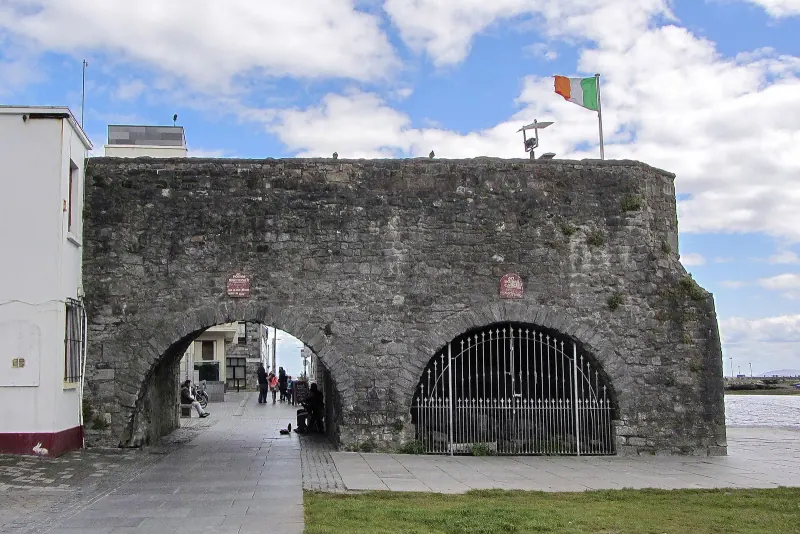 Are the Claddagh and Spanish Arch worth it?Go
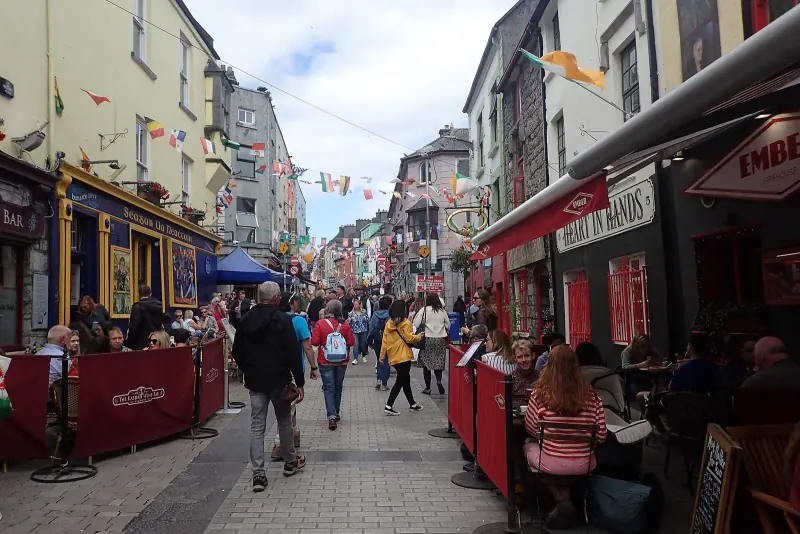 Is Galway's Latin Quarter worth it?Go
Explore the decisions
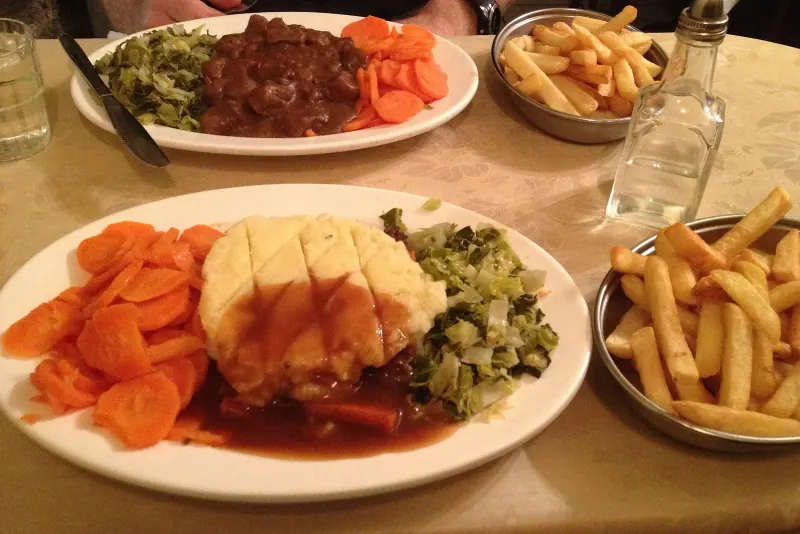 Is a Galway food tour worth it?Go
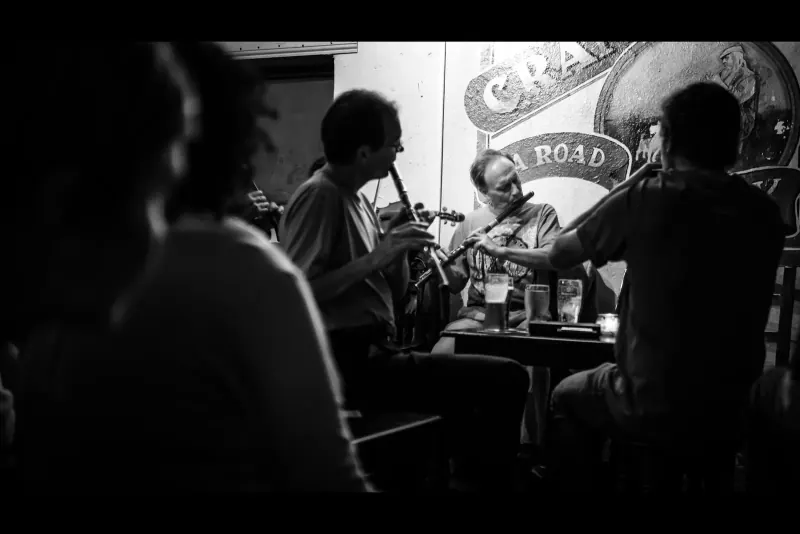 Is a Galway pub music tour worth it?It depends
Explore the decisions
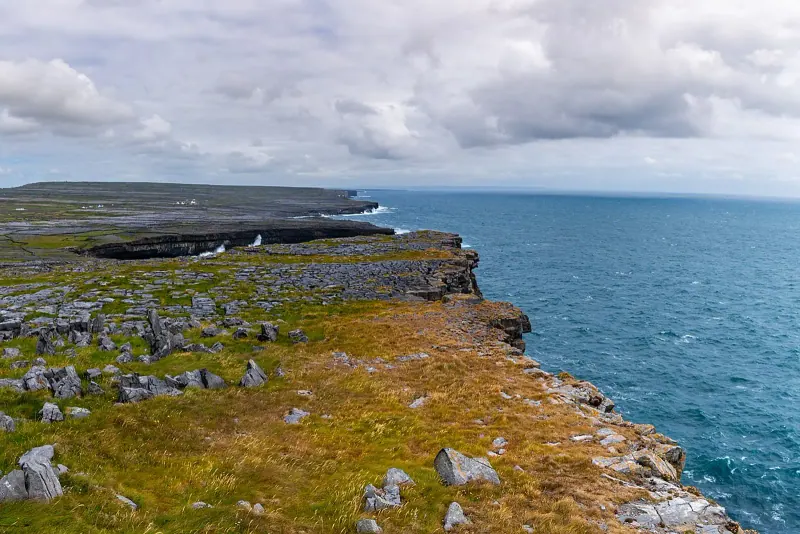 Are the Aran Islands from Galway worth it?Go
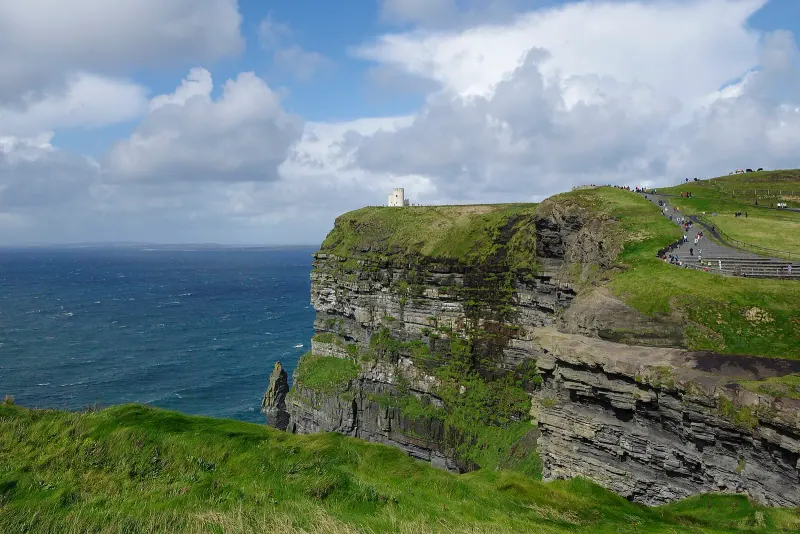 Is the Cliffs of Moher from Galway worth it?Go
Explore the decisions
 Galway or Dublin: which Irish base?Our pick: Dublin
 Galway: which airport or route?Our pick: Dublin Airport (DUB), then the express coach or train
 Where to stay in Galway: which area?Our pick: Eyre Square and the Latin Quarter
Plan your Galway trip
Where to stay
12 hotel picksLuxury, mid-range and budget, cross-checked against traveler reports
Getting there
Airport to city, priced outGalway: which airport or route
In pictures
the Aran Islands from Galway worth itthe Claddagh and Spanish Arch worth itthe Cliffs of Moher from Galway worth itGalway: which airport or routeGalway Cathedral and Salthill worth ita Galway food tour worth itGalway or Dublin: which Irish basea Galway pub music tour worth itKeep exploring
Gear verdicts from our sister site, Real Buyer Experiences:


