


Five-star boutique hotel in the historic center, a short walk from the cathedral square, with a rooftop bar, spa and restaurant; the top address in the old town itself.
Historic center, near Piazza del Duomo
Search Expedia for this hotelpartner siteCity guide / Italy
Catania is Sicily at full volume: a lava stone baroque centre, a roaring fish market and Etna on the skyline. Our verdicts cover the food, the monastery, Etna, the day trips and where to stay.
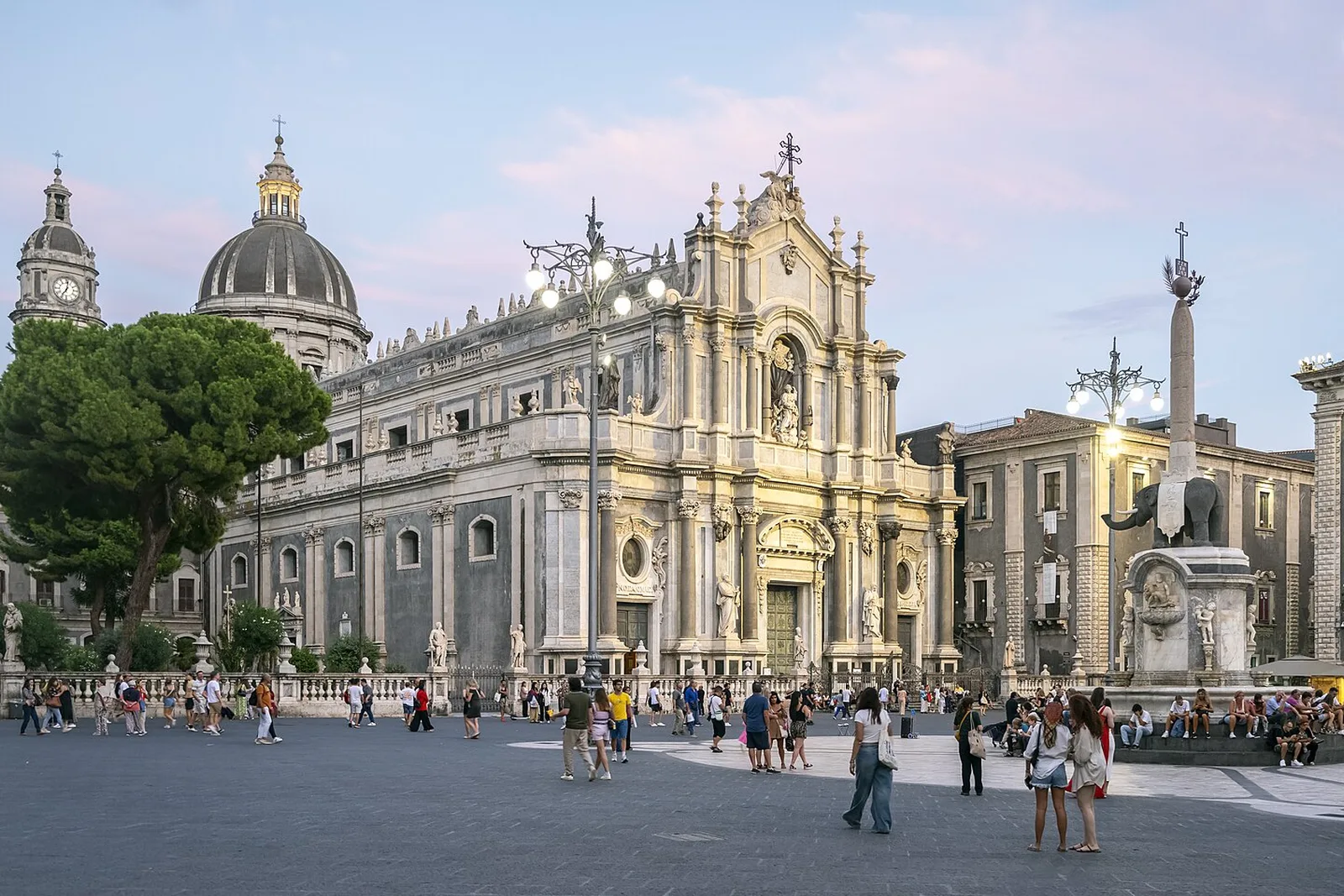
The review
Catania is Sicily at full volume: lava stone streets, a roaring fish market and Etna on the skyline, for travelers who can take some grit.
Catania is worth it for travelers who want a working Sicilian city with real street life, serious food and the easiest base for Etna, Syracuse and Taormina. It is not a postcard town. Reports describe a baroque center rebuilt in dark lava stone, a fish market that shouts at you before breakfast and a volcano on the skyline that doubles as the main day trip.
The hard truth is the grit and the moving parts. Residents advise against sleeping near the station, west of Piazza Dante or south of Castello Ursino after dark, and the vendors themselves call the fish market a shadow of its former self. Etna is not a sure thing: civil protection raised the alert to yellow in June 2026, and ash can disrupt flights. Check the Alibus timetable for the last bus, and Taormina is crowded on cruise days.
The fix is a short, well chosen stay. Sleep in the center near the Duomo and Via Etnea, give the city two nights, add one flexible day for Etna and one for Syracuse by train, and travel in April to June or September to October. Book Etna with a plan B, eat where locals queue and treat Catania as the base it does best.
The long read
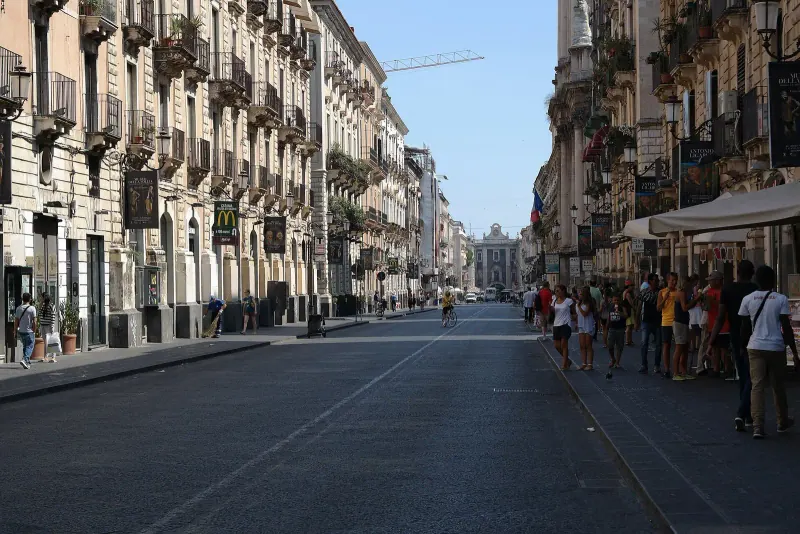
Catania does not charm you in the first minute. Travelers describe graffiti, scooters, honking and blackened facades, then a turn once they reach the Duomo square and the long straight line of Via Etnea. One blogger calls it gritty but beautiful.
The look comes from the volcano. The center was rebuilt after earthquakes and eruptions in dark lava stone, and an architecture journal traces five centuries of rebuilding at the Benedictine monastery alone. The result is a city that feels lived in, with a working university inside the monastery and vendors who treat the market as their daily job.
The center is compact and easy to cover on foot, which is why one-day itineraries cluster around the Duomo and the market. Safety reports are reassuring in the main areas: a solo woman asking about nights near the Duomo and Via Etnea was told it is fine, with the warning not to stay near the airport. Residents add that the zones near the station and south of Castello Ursino are better avoided after dark.
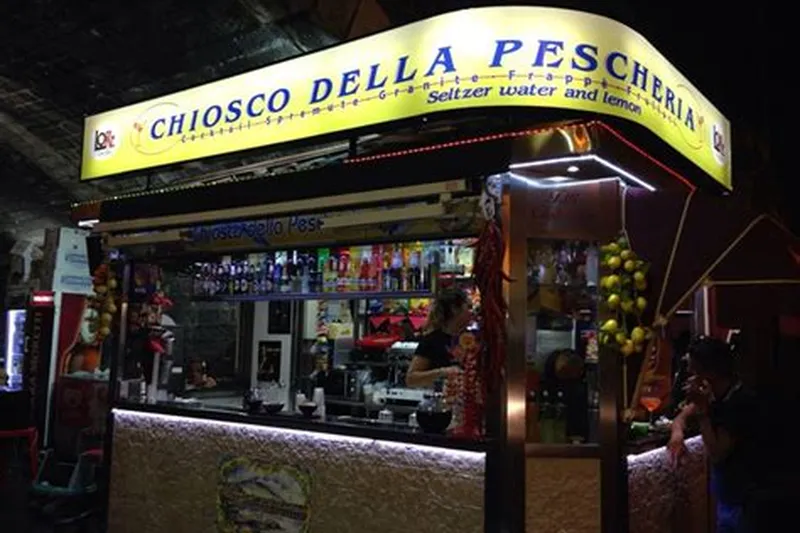
The fish market behind the Amenano fountain is the city's signature scene. Writers describe a maze of stalls, swordfish and octopus on ice, and vendors calling out prices in a daily piece of street theater. A Catania daily calls it the liveliest fish market in Sicily, and a market guide says it is where the city drops the tourist gloss.
There is a caveat. Vendors told the regional paper the Pescheria is a shadow of its former self and asked for parking and transport fixes. First-timers find the shouting overwhelming, so go with an appetite and an open mind rather than a camera first. It is a market, not a show.
The eating extends well beyond the stalls. A former resident calls Catania a food city first and lists where locals eat, and a food writer treats the eating as the reason to start a Sicily trip here. If you want a guide, a walking food tour from the Elephant Fountain is a common choice, and our food tour verdict and fish market verdict cover the options.
Walk from the Duomo up Via Etnea and you pass the baroque set pieces the city is known for, all in black and pale stone. It takes a morning. The Elephant Fountain, the cathedral and the street itself are free, and the centre is flat enough that one-day itineraries cover the main sights.
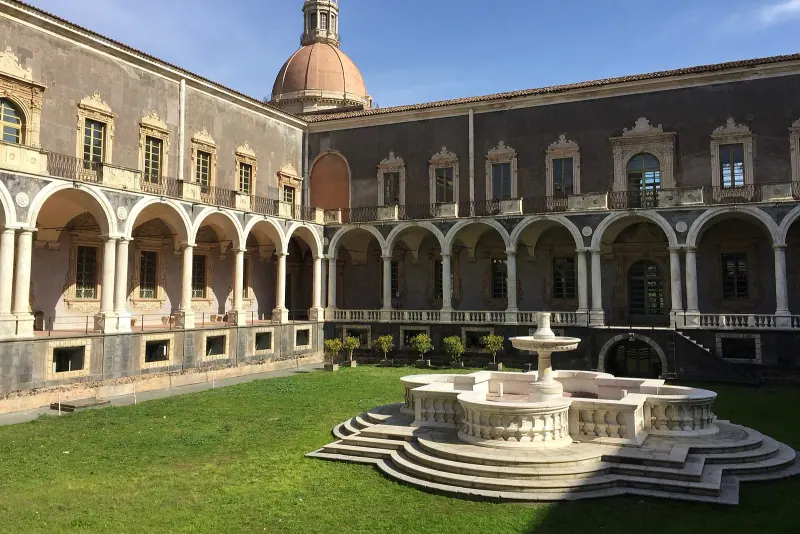
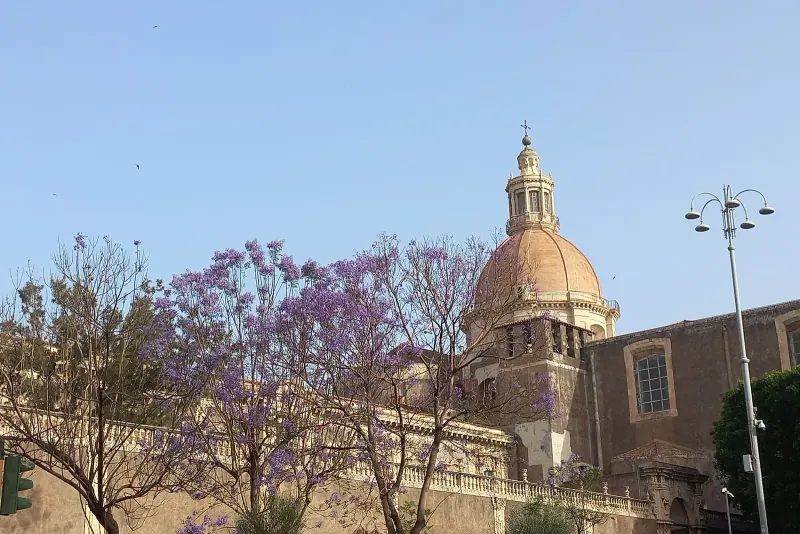
The Benedictine monastery is the surprise. It is one of the largest monastic complexes in Europe, and the university uses much of it as a campus. A local report states plainly that you can only see it on a booked guided tour, and a feature on the two cloisters calls them among its most beautiful spaces.
In summer 2026 the university magazine and a local listings site covered evening visits and a cloister concert, which suggests the monastery works as a night venue as well. Our monastery verdict covers the tour.
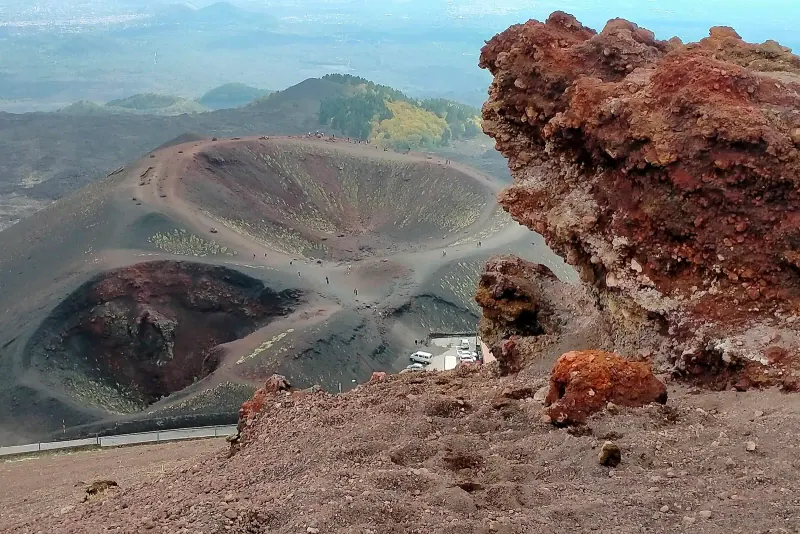
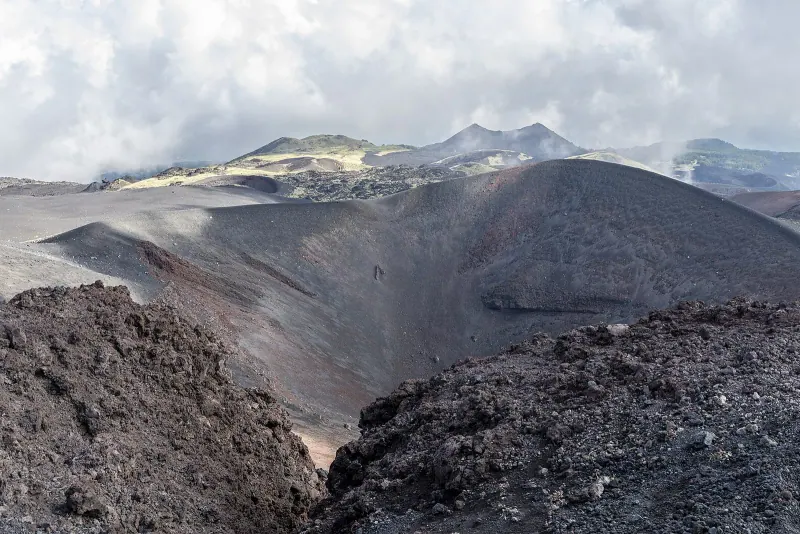
Most travelers come for Etna, and the reports are positive. One writer calls the guided summit tour the high point of a ten day Sicily road trip. The usual entry point is Rifugio Sapienza, the highest place reachable by car, where guided hikes and tours start. The cable car climbs from about 1,920 to 2,500 meters in roughly 15 minutes. Hours change by season and weather, so check the operator before you go.
At the base the choice between cable car, 4x4 and guided trek confuses people. For the craters, a certified guide is part of the product. A south side hiking review treats the guide as part of the experience, not a surcharge.
Access can shift with activity. Italy's civil protection raised the alert to yellow in June 2026, and official monitoring bulletins from August 2026 describe sustained Strombolian activity at the Voragine crater with ash and lava in the Valle del Bove. Ash can disrupt flights, so check your airline before travel. Book with a flexible plan and read the current bulletin before you go. For a slower route, a rail fan and a national newspaper both describe the old Circumetnea line looping around the mountain, though it now starts in a suburb. Our Etna verdict has the detail.
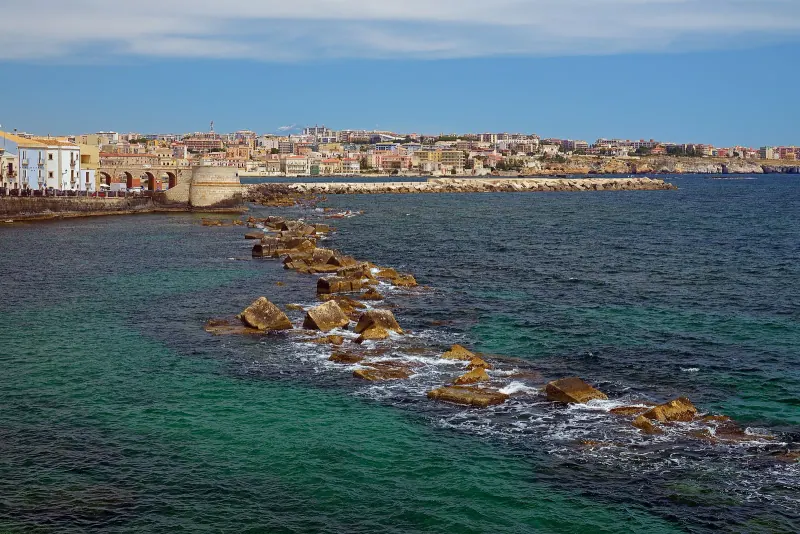
Syracuse is the stronger day. Writers pair the Neapolis archaeological park with Ortigia's lanes, cathedral square and market, and give each about half a day. Go to the park at opening because shade is scarce and coach groups arrive around 11. Ortigia is free to wander. One blogger found the bus ran 20 to 40 minutes late and calls the train the more reliable leg. See the Syracuse day trip verdict.
Taormina divides opinion. A cruise visitor calls it unquestionably worth it, then describes a crowded Corso Umberto and a Greek theater that fills once the tour buses arrive. A family calls it touristy and expensive in places, and a blogger who stayed 48 hours urges readers not to day trip at all because mornings and evenings are the best time. One visitor adds that stepping onto a side street changes the experience. Our Taormina verdict weighs it.
Both trips work as one day each from Catania. If you can give Taormina a night, do.
Repeat visitors favor the historic center for first-timers and the station area for early trains, and a resident suggests the metro for budget areas such as Borgo. Stay near the Duomo and Via Etnea and most sights are walkable. Our where to stay verdict compares the areas.
Catania suits solo travelers, couples, food lovers and anyone building an east Sicily loop. One traveler who based a full week in the city wished for a different split, which is the common advice: use Catania for two or three nights plus day trips, then move on. Families with small children and travelers who want polish will like Taormina or Ortigia better.
Comparison writers split along clear lines. Choose Catania when Etna, Taormina and Syracuse drive the plan, and Palermo when you want the layered heritage and the biggest street-food scene. One writer calls the two fire versus sea.
The practical answer is often both. Travelers who fly into one city and out of the other avoid backtracking. Catania Fontanarossa closed 2025 above 12.3 million passengers, so flights are not scarce. Our Catania or Palermo verdict goes deeper.
The pitfalls
Italy's civil protection raised Etna to yellow alert in June 2026, and official bulletins from August 2026 log sustained eruptive activity. Ash can disrupt flights into Catania, so check your airline before travel. Book a flexible tour, check the current bulletin and keep a second plan for the day.
Check the AMTS timetable for the last Alibus; late arrivals may need a taxi. AMTS says its ordinary 90-minute and daily city tickets are not valid on it, so buy the EUR 4 Alibus ticket. One traveler waited about 30 minutes for a fairly full bus.
A resident guide warns against beds near the station, west of Piazza Dante and south of Castello Ursino after dark. The Duomo and Via Etnea area drew reassuring replies from other travelers. Choose the center and walk back before late evening.
Vendors call out prices and first-timers find the noise overwhelming. Market sellers also told the regional daily the Pescheria is a shadow of its former self, so expect fewer stalls than the photos suggest. Go in the morning and eat nearby.
The Benedictine monastery can only be seen on a booked guided visit, according to an Italian travel report. It is also a working university campus by day. Reserve before arriving and consider the evening visits offered in 2026.
The 2026 bathing ordinance lists fixed no-swim stretches, including the port, the canal at Via Villini a Mare, Piazza Europa, the Acquicella mouth, Ognina and Li Cuti. Check the current ordinance before planning a swim and do not treat the city coast as the beach holiday.
A traveler found the Syracuse bus 20 to 40 minutes late and called the train more reliable. Taormina was wall to wall with tour groups on a cruise ship day. Take the train where possible and arrive early.
When to go
Best time
April to June, September to October
Warm days without the worst heat, and Taormina is quieter than in summer.
Peak season
July and August
Hot and crowded: the Syracuse ruins bake by midday and Taormina is packed.
Off season
November to March
Quiet, with the market and food scene running as normal. Etna and flights can still be disrupted by ash, since ash can disrupt flights.
April to June and September to October give the best mix of warm days and manageable crowds, and spring and autumn are quieter than summer in Taormina. July and August are hot, the Syracuse ruins bake by midday and Taormina is packed. November to March is quiet, with the fish market, food scene and Sant'Agata in early February, but Etna conditions can change fast.
Getting there and around
| Airport | Distance | To the centre | How |
|---|---|---|---|
| CTA Catania Fontanarossa Airport | 5 km | about 20 min | AMTS Alibus to Stazione Centrale and the centre, EUR 4 ticket valid 90 minutes on other AMTS lines; ordinary city tickets are not valid on it. Check the AMTS timetable for the last bus. Reports give about 15 to 20 minutes to the centre. After the last bus, take a taxi and agree the fare before riding. (source, checked Oct 2026) |
Walk the center: the Duomo, the fish market and Via Etnea are minutes apart. The Alibus runs from the airport to Stazione Centrale and the centre for a EUR 4 ticket valid 90 minutes on other city bus lines; ordinary city tickets are not valid on it. For Syracuse, travelers rate the train as more reliable than the bus; for Taormina they use the bus out and the train back.
Where to stay
We earn a commission if you book through our links. It never changes a verdict. How this works
High-end stays whose guests report the setting and service earn the rate.
Five-star boutique hotel in the historic center, a short walk from the cathedral square, with a rooftop bar, spa and restaurant; the top address in the old town itself.
Historic center, near Piazza del Duomo
Search Expedia for this hotelpartner siteFive-star seafront hotel on Viale Kennedy south of the historic center; the pick for guests who want resort-style space rather than old-town lanes.
Viale Kennedy, seafront south of the centre
Search Expedia for this hotelpartner siteArt Nouveau villa with 18 rooms, a garden and buffet breakfast in the Old Town near Via Crociferi; a top boutique pick, rated 4-star by some booking sites.
Old Town, near Via Crociferi
Search Expedia for this hotelpartner siteEarly 18th century building turned boutique stay, mixing contemporary and neoclassical rooms, with breakfast and a rooftop terrace, about ten minutes on foot from the cathedral and port.
Via Gisira, near the port
Search Expedia for this hotelpartner siteThe comfortable middle: well placed, well run, priced for a normal trip.
Four-star grand hotel on Via Etnea with a rooftop restaurant facing Etna and a gym; the polished full-service base on the main street.
Via Etnea
Search Expedia for this hotelpartner siteDependable four-star in Borgo-Sanzio, about eight to ten minutes on foot from Via Etnea and a 20-minute walk from the cathedral, with a courtyard restaurant; a calmer base for value-minded guests who accept the walk.
Borgo-Sanzio, Via Finocchiaro Aprile
Search Expedia for this hotelpartner siteBaroque palace shell with a design hotel interior and a roof terrace over the centre, two minutes off Via Etnea; a character pick for couples.
Centro Storico
Search Expedia for this hotelpartner siteFour-star in a renovated aristocratic building a few minutes from the Duomo, with a rooftop terrace and bar; guests praise the location above all.
Via Alessi, between Via Etnea and Via Crociferi
Search Expedia for this hotelpartner siteCheaper beds that travelers still rate well for location and cleanliness.
Small guesthouse on Via Verdi, about a 15-minute stroll from Via Etnea, with a terrace and a library; mostly shared-bathroom rooms and dorms that guests rate among the best low-cost stays in the city.
Via Giuseppe Verdi, Borgo-Sanzio
Search Expedia for this hotelpartner siteHostel with dorm beds and private doubles on Viale XX Settembre, one minute from Via Etnea, about twelve minutes on foot from the Borgo metro stop, with a breakfast buffet and a garden courtyard.
Borgo-Sanzio
Search Expedia for this hotelpartner siteB&B with private rooms by Castello Ursino, three minutes from Piazza Duomo and the fish market, about a kilometer from the station; cheap and central but on the edge of the zone residents avoid after dark, with mixed reports on cleanliness and check-in.
Vicolo della Lanterna, by the fish market and Castello Ursino
Search Expedia for this hotelpartner siteHostel in the fish market area on Via Fornai, 400 to 500 meters from the Duomo, with free breakfast and dorm beds with shared bathrooms; cheap for first-timers, but same dark-hours caution as Castello Ursino.
Via Fornai, near Castello Ursino
Search Expedia for this hotelpartner siteQuestions
Two nights cover the city: the Duomo, Via Etnea, the fish market and the monastery. Add one day for Etna and one for Syracuse or Taormina, so four nights is a comfortable minimum for most travelers.
Travelers describe the Duomo and Via Etnea area as fine at night. Residents advise avoiding the area near the station, west of Piazza Dante and south of Castello Ursino after dark. Use normal city care in crowds, such as at the market.
Not for the city, Syracuse or Taormina, which work by train and bus. A car helps for villages around Etna. One traveler took the Alibus to the airport to collect a rental car, which avoids driving in the center.
The city coast is not the draw. The 2026 bathing ordinance lists fixed no-swim stretches, including the port, Piazza Europa, the Acquicella mouth, Ognina and Li Cuti. Check the current ordinance before you plan a swim.
The historic center near the Duomo is first for first-timers, Borgo-Sanzio suits budgets near the metro. Avoid beds near the station and south of Castello Ursino.
The summit craters need a certified guide, and access changes with volcanic activity. Italy's civil protection raised the alert to yellow in June 2026. Book flexible tours and read the current bulletin before you go.
How this guide was written. We read 43 traveler reports about Catania published between Feb 2025 and Sep 2026, 1 of them mainly negative, and checked the facts against official sources in Oct 2026. Nobody on the team claims a visit; hotel picks are chosen from what guests report, never from what they pay us. How we judge.
Explore the decisions
 Is the Catania fish market worth it?Go
 Is the Monastero dei Benedettini in Catania worth it?Go
Explore the decisions
 Is a food tour in Catania worth it?Go
 Is a Mount Etna tour from Catania worth it?Go
Explore the decisions
 Is a Syracuse day trip from Catania worth it?Go
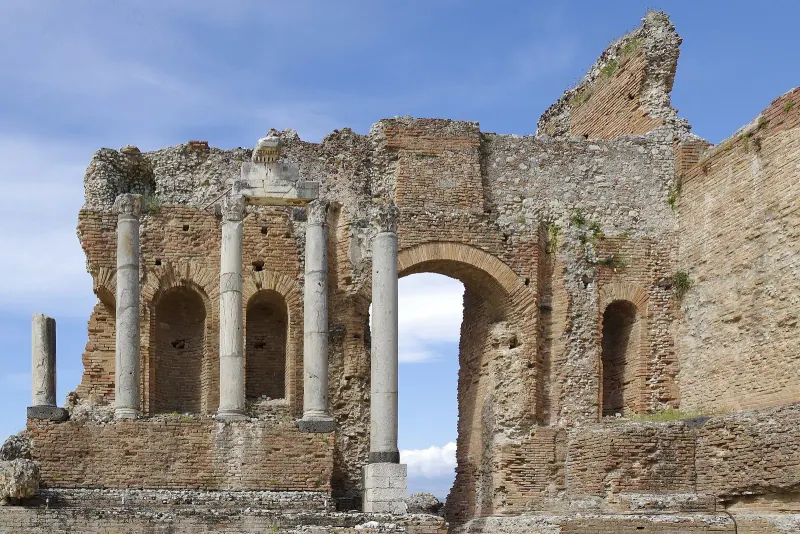 Is a Taormina day trip from Catania worth it?It depends
Explore the decisions
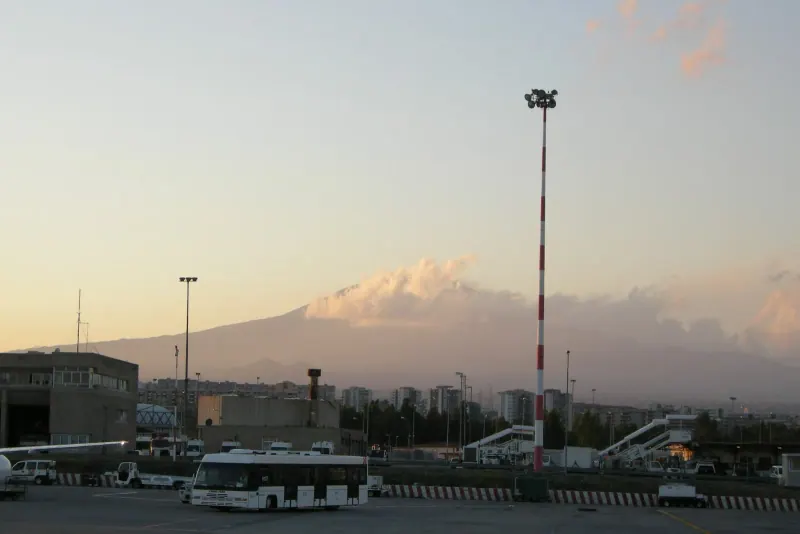 Catania airport to the city: which way?Our pick: AMTS Alibus
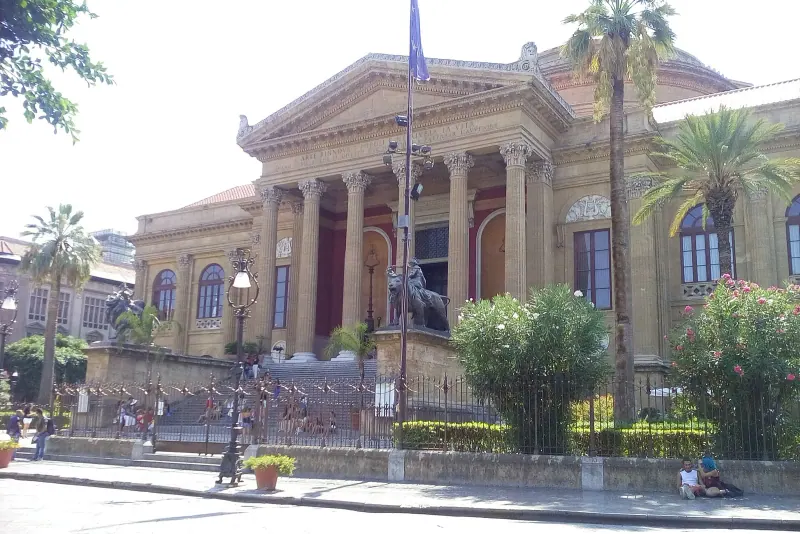 Catania or Palermo?Our pick: Palermo
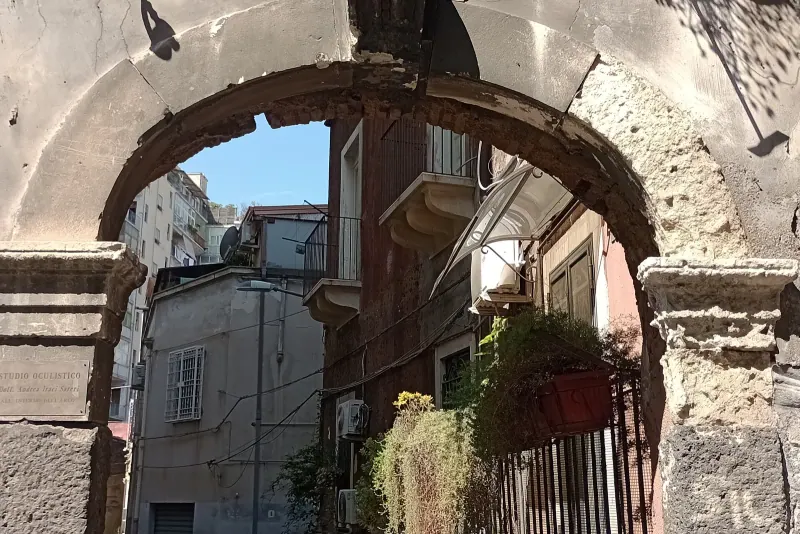 Where should you stay in Catania?Our pick: Centro Storico and Via Etnea
Plan your Catania trip
Where to stay
12 hotel picksLuxury, mid-range and budget, cross-checked against traveler reports
Getting there
Airport to city, priced outCatania airport to the city: which way
Book a private transfer partner site
In pictures
Catania airport to the city: which waythe Catania fish market worth ita food tour in Catania worth itCatania or Palermothe Monastero dei Benedettini in Catania worth ita Mount Etna tour from Catania worth ita Syracuse day trip from Catania worth ita Taormina day trip from Catania worth itKeep exploring
Gear verdicts from our sister site, Real Buyer Experiences:


