The splurge: a 15th-century Grand Canal palazzo with antiques, Murano glass and one of the great hotel terraces in Europe.
San Marco
Check rates on Expediapartner siteCity guide / Italy
Venice is a car-free lagoon city that rewards an overnight stay. Reports say sleep in Cannaregio or Dorsoduro, book the big sights ahead and keep the San Marco crowds to the edges of the day.
The review
A car-free lagoon city of palaces and back canals that pays you back for sleeping over and sidestepping the midday crush.
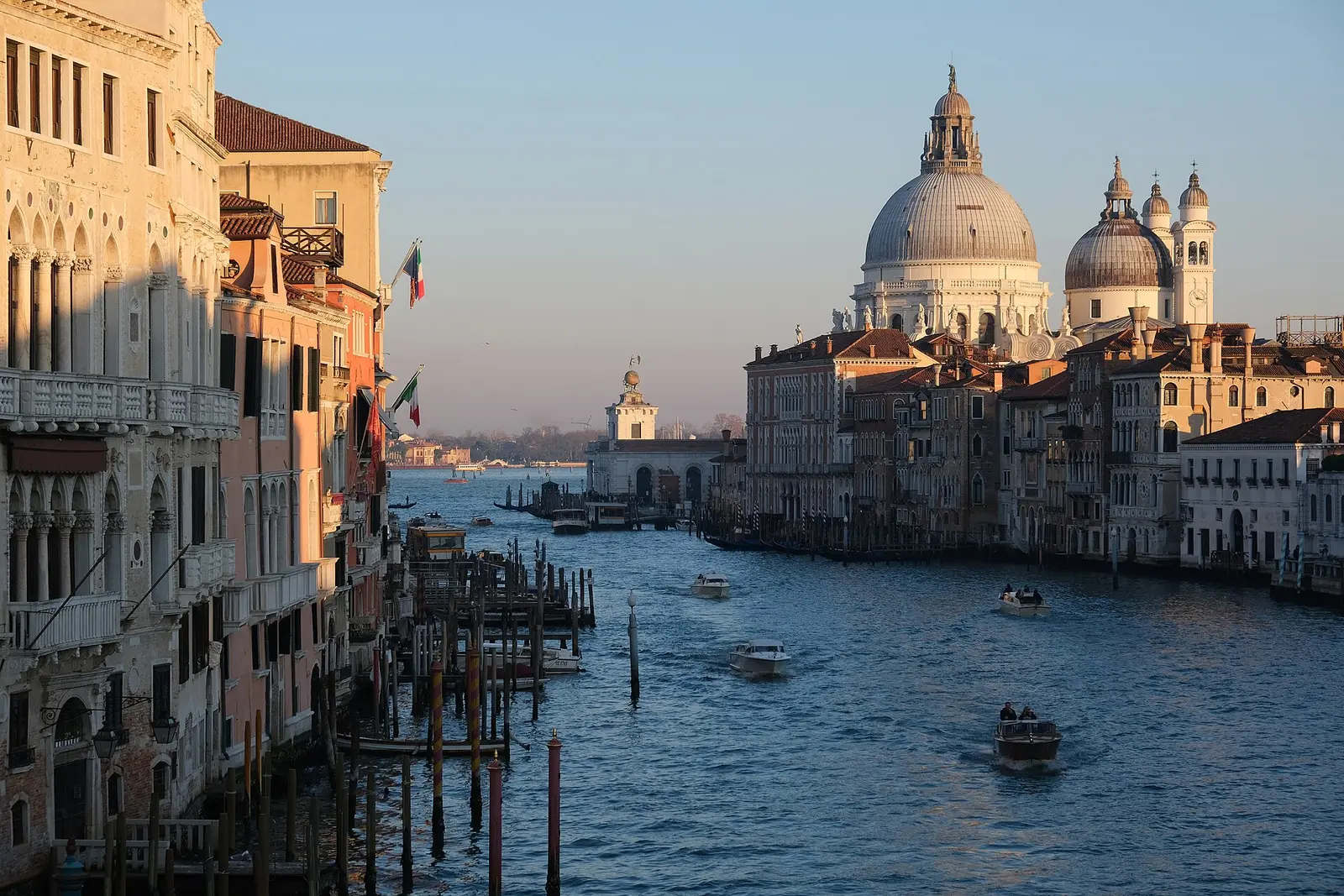
Venice is worth it for travelers who want atmosphere more than a checklist, and it works best when you sleep in town. Reports describe a city with no cars, a maze of narrow calli, bridges and canals, and a skyline of domes and palaces that looks the same as it does in old paintings. St Mark's Basilica, the Doge's Palace and the Grand Canal earn their fame. The better moments in the reports come early, late and in the back streets of Cannaregio, Dorsoduro and Castello.
The hard truth is the crowd and the cost. Travelers describe the area around San Marco and the Rialto Bridge as brutal from about 11am to 4pm, when day-trippers and cruise passengers fill the lanes. Boats at San Marco can be packed, gondoliers near the busiest stands push hard, and rooms in San Marco are priced well above the quieter districts. The resident population of the historic center has fallen below 48,000, and the city has trialed a day-visitor access fee to manage the flow. Bags, bridges and winter high water add friction for anyone who dislikes logistics.
The fix is simple. Stay at least two nights, ideally in Cannaregio, Dorsoduro or Castello, and use the early morning and evening for the postcard spots. Book the Doge's Palace and St Mark's ahead, do Murano and Burano on a weekday morning, and skip the Grand Canal gondola at midday. The area guide compares the districts, the day trip or overnight verdict explains why sleeping over wins, and the airport guide covers the ride in.
The long read
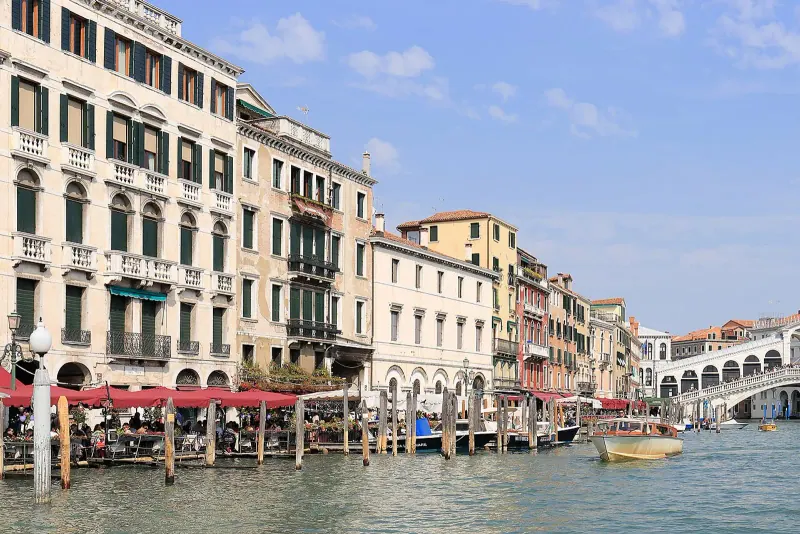
The first thing reports mention is the silence. There are no cars, so footsteps, church bells and the slap of water carry through the lanes. Travelers who sleep in town describe an early-morning city of delivery boats, empty bridges and shuttered doorways, and a late-evening city where the day-trippers have gone and the lamps come on along the canals. One writer who disliked Venice on a rushed first trip loved it on a later, longer stay for exactly that reason.
The second thing is the pressure in the middle of the day. Several writers put the worst crowding around San Marco and the Rialto Bridge between about 10 or 11am and 4pm. Repeat travelers say the answer is not to avoid those places but to see them at the edges of the day, then walk ten minutes in any direction. The back canals of Cannaregio, Castello and Dorsoduro are where reports sound most relaxed.
The trade is that the city is both a living place and a stage set. The historic center's resident population has fallen below 48,000, down from 104,000 in 1975, and the authorities have tried a day-visitor fee and other measures. For travelers the useful lesson is to behave like a guest in someone's neighborhood: stay overnight, spend locally, and step out of the main flow.
Where you sleep shapes the trip more than any ticket. Guides and forum posters agree that San Marco is the most central and the most expensive, and that it is crowded almost all day. It suits a short stay where convenience beats calm. Stays there are also the easiest way to spend a lot and still hear the crowd under the window.
Cannaregio is the district most often recommended for value and calm. It sits near the station, has the old ghetto and long canal-side walks, and is described as feeling authentic and quiet while still close to the main sights. Dorsoduro is a short walk over the Accademia Bridge from San Marco, with galleries, a university crowd and a lively bar scene that runs late. Two forum travelers named it much quieter than San Marco.
Castello and Santa Croce are the residential options. Castello quiets down the further you walk from St Mark's Square, and Santa Croce has its own maze of alleys and sits close to the bus and car arrivals at Piazzale Roma. Mestre on the mainland is far cheaper and about 10 minutes from the island by train, but travelers pay for the saving in time and in evening atmosphere. Our area guide goes district by district.
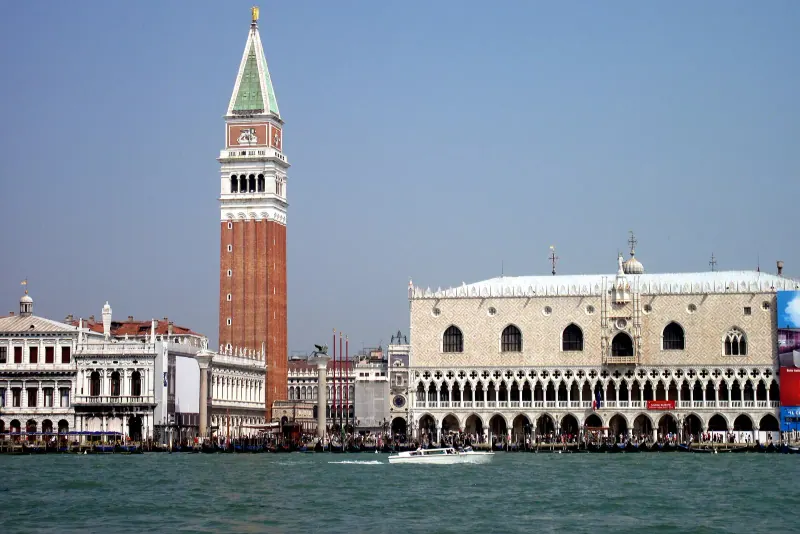
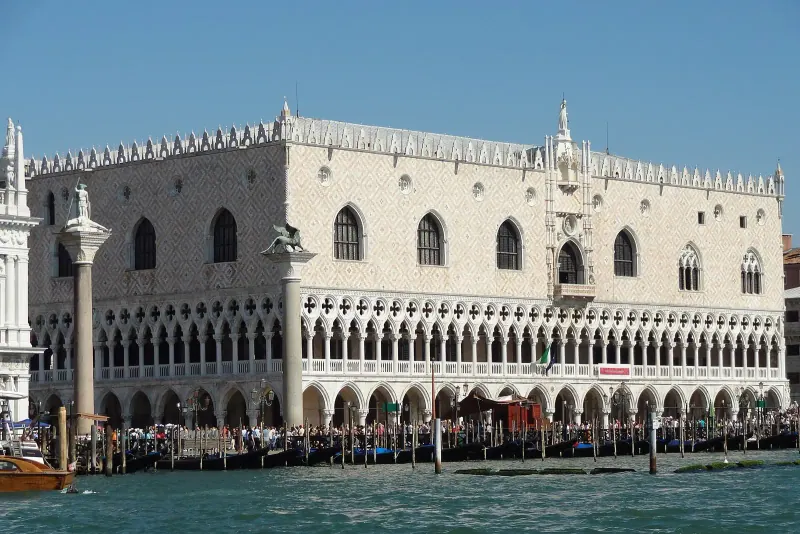
The Doge's Palace is the sight travelers most often call a highlight once they commit to it. One family who had skipped it on earlier trips said the switch from the gilded council halls to the prisons across the Bridge of Sighs was the most striking part. Reports advise booking ahead and arriving early, and the narrow passages and steep stairs can be hard for anyone with limited mobility or claustrophobia. Our Doge's Palace verdict explains the ticket options.
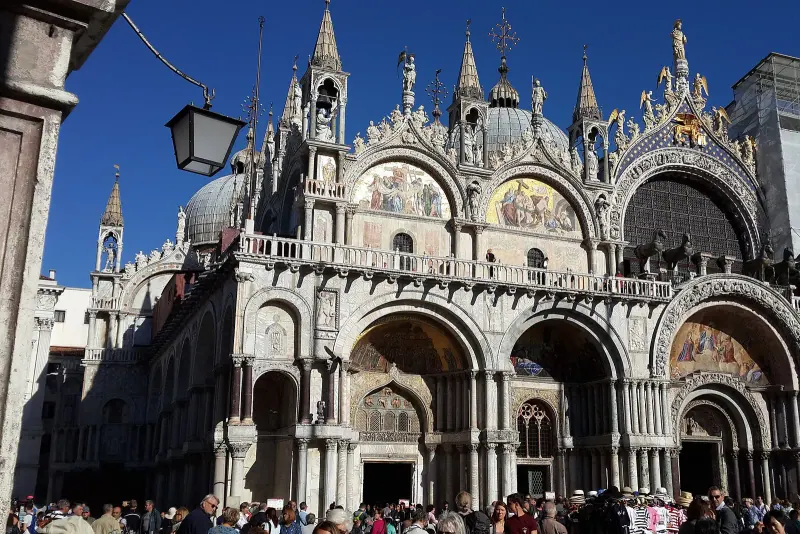
The basilica and the campanile reward planning more than spontaneity. Travelers describe queues at the ticket booths, timed slots that sell out, and a bell-tower elevator that is slow in peak season. The reward is a 360 degree view of the lagoon, the city and on a clear day the Alps, though fog can hide the distance in winter. One forum thread compared the San Marco tower with the one on San Giorgio Maggiore and found the island tower nearly queue-free with superb views. See the St Mark's Basilica and campanile verdicts.
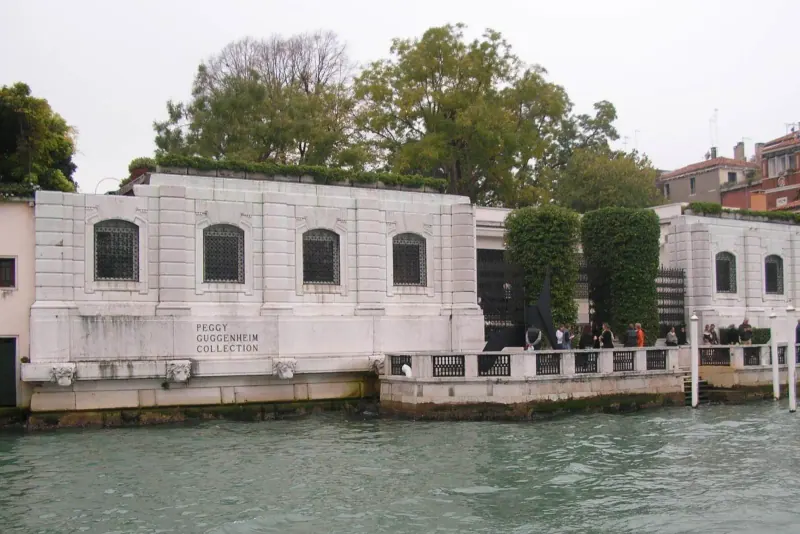
Not every highlight is on the main strip. The modern art museum on the Grand Canal is described as a restful break with an intimate garden and a terrace over the water, best at the quiet edges of the day with a ticket bought ahead. Our Peggy Guggenheim guide has the details.
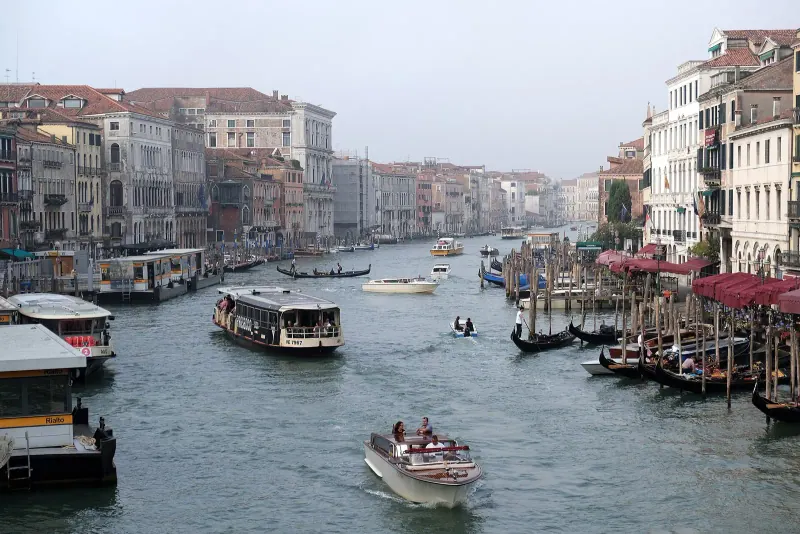
The public boats are the city's buses, and travelers who plan them save money. The common mistake in the reports is paying for several single fares before realizing a day pass would have cost less. A couple who bought a 24-hour pass for a Murano and Burano day, which takes three boat rides, used it for a sunset Grand Canal run, then waited over an hour to board a packed boat at San Marco. Forum posters say tapping a contactless card at each boarding caps the day's cost at the pass rate, though one reported phone taps failing in June 2026. The vaporetto pass verdict compares the options.
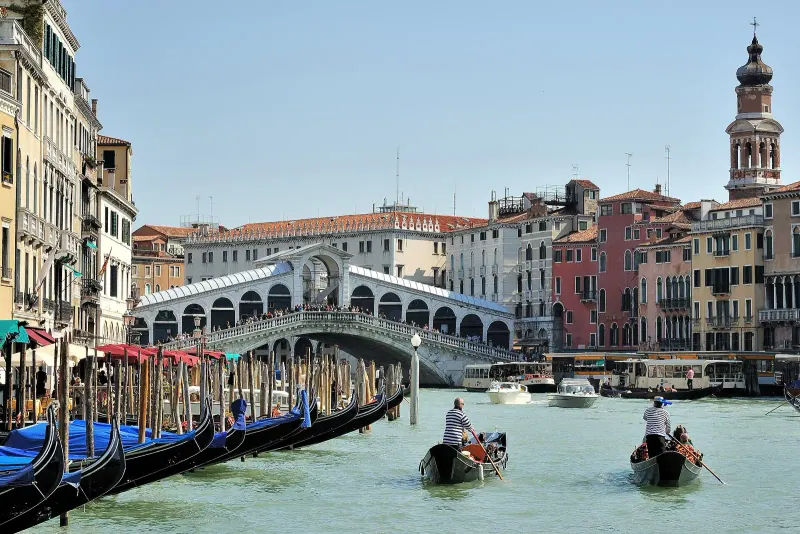
The gondola is the most debated purchase in the reports. Travelers who rode early, just after 9am, or who walked a few minutes into Dorsoduro found a quiet ride on side canals. Those who boarded at the busiest stands, such as the stations near St Mark's and the Rialto at midday, describe a rushed gondolier, a choppy Grand Canal stretch and a sales pitch. The fare is per boat, so splitting it among up to five people cuts the cost. Travelers cite about 90 EUR for a short daytime ride; confirm the rate and agree it before you step in. See the gondola verdict.
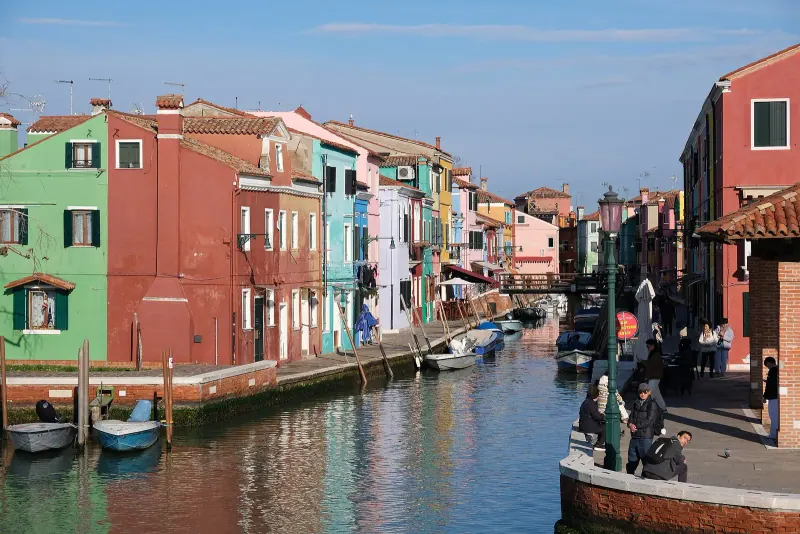
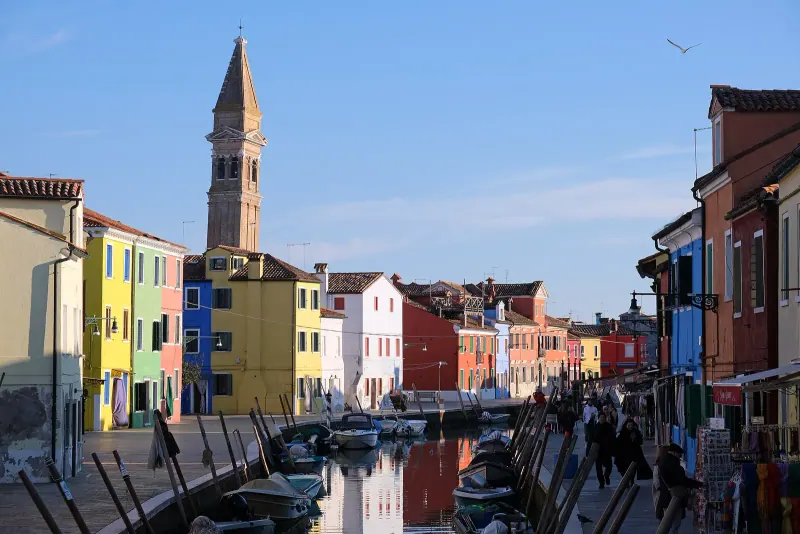
Burano is the island reports sound happiest about: bright houses, a fishing-village feel and seafood priced below central Venice. It is also now well known and busy rather than undiscovered, and photographers say it is almost empty early in the day and heavily visited by the afternoon. Plan two to three hours there, go first thing, and expect a wait for the return boat at busy times.
Murano is where reports split. Writers who came for working glass furnaces were disappointed to find canal-front galleries and shops, and one never saw glass being made, so ask where a demonstration is scheduled before you go. Most travelers do not need a guided tour for either island, and independent restaurants away from the boat stops are recommended.
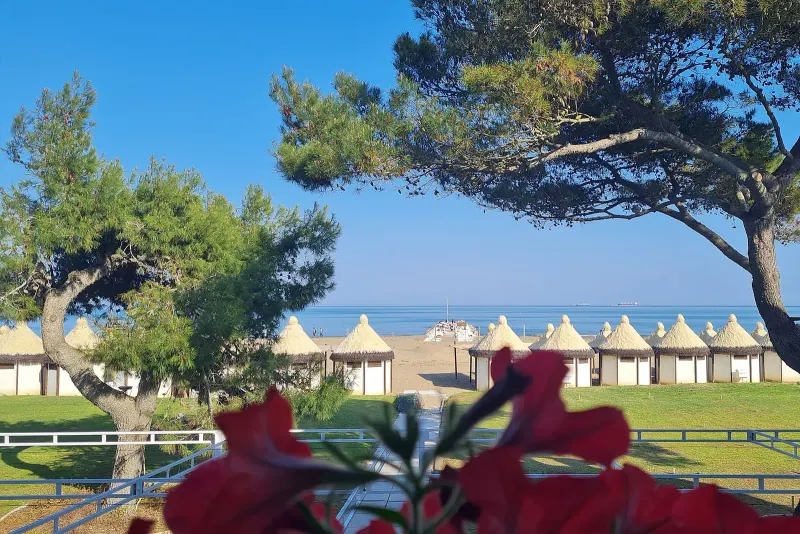
The Lido gives a different mood. One writer rented a bicycle on a clear October day and rode its length on wide boulevards before taking ferries on to Pellestrina and Chioggia, calling it open and relaxed after Venice's alleys. Another forum poster found little of interest there beyond the beach walk and ordinary main-street restaurants. It suits a slow day or a bike ride rather than a headline sight. See the Murano and Burano verdict and the Lido guide.
Evening is when Venice gets its character back. Travelers who stay overnight describe Piazza San Marco and the canals as calm after the last day-trippers leave, and the back streets of Cannaregio and Dorsoduro as pleasant and lit after dark. Safety guides rate the city low risk, with the usual care for pickpockets in crowds and for poorly lit streets around Mestre station. Eating is cheapest and best away from the main squares, and Burano's seafood is cited as better value than the center.
Families and couples are the groups that appear most often in the reports. A family of four who arrived on a December day trip found the day unhurried and fully worthwhile. Couples praise the slow, car-free evenings. Anyone traveling with a stroller or heavy bags should expect many stepped bridges, so pack light and choose a base close to the boat or bus stop you will use.
Budget travelers should plan for the cost. Rooms in San Marco are the most expensive, Cannaregio and Castello offer better value, and Mestre cuts the bill further for a long commute. If money is tight, one night in town plus an early morning often beats two nights somewhere that costs a lot and feels the same.
The pitfalls
Several writers describe San Marco and the Rialto Bridge as brutal from about 10 or 11am to 4pm, with day-trippers and cruise passengers filling the lanes. See the big sights at opening or after 4pm, and use the middle of the day for the back canals, a museum or lunch away from the squares.
Travelers report persistent sales pitches near the Rialto, a rushed ride at busy stands in the middle of the day, and a Grand Canal stretch that is choppy and crowded. One solo traveler walked ten minutes into Dorsoduro and got the official day rate on a quieter route. Agree the fare and the duration before boarding.
Reports warn about paying for several single fares in one afternoon instead of a pass, and about a pass that goes unused. One couple waited over an hour for a packed boat at San Marco. Map your trips first and walk to a quieter stop if the queue is long.
A safety page warns that unlicensed operators at Piazzale Roma, Tronchetto and the station quote arrivals several times the legitimate fare, sometimes saying the official boat is not running. Writers add that private water taxi totals often end above the advertised rate, so get the full price including night and luggage surcharges before leaving the dock.
One writer was disappointed that the canal-front Murano shops were galleries and never saw glass being made. Ask where and when a demonstration is scheduled before you ride out, and buy glass on the island rather than from stalls in Venice.
Day-trippers report a clock-watching day and long queues. The city charged a day-visitor access fee on 60 days from April 3 to July 26, 2026, with a higher price for late booking and overnight guests exempt, and the city council approved a 2027 calendar of 72 days from Good Friday, March 26, with the fee reported at up to EUR 10. Booking and payment rules are still to be set, so check the official access-fee portal for the day-by-day dates before you plan.
Travelers report that timed bell tower slots sell out and that ticket-booth lines can run an hour or more at peak times. Book the Doge’s Palace and the basilica ahead and keep a spare plan if a tower closes in high wind.
Writers describe damp cold, fog that can hide the view and flooding that is most likely from autumn into winter, usually passing within hours. The city's tide centre publishes forecasts, so pack waterproof boots, check opening hours, and leave slack in the schedule.
When to go
Best time
April to June, late September to early October
Reports pick these months for soft light, comfortable walking weather and crowds that are heavy but manageable if you start early. Book rooms and sights ahead.
Peak season
July and August
Hot, humid and the most crowded months. Travelers describe packed boats, long queues at the big sights.
Shoulder season
Late March, October to mid-November
Cooler, quieter and cheaper, with a good chance of clear days. From autumn, high water becomes possible, so pack waterproof footwear.
Off season
December to February
Cold, damp and dark early, with fog over the canals and the lowest crowds of the year. Reports say hotel prices and queues fall, some venues keep shorter hours, and high water can flood the lowest streets for a few hours.
Reports favor April to June and late September to early October for light and bearable crowds. July and August are hot and packed. Winter is cold and damp, with high water possible from autumn, but it is the emptiest and moodiest Venice, with Carnival from January 23 to February 9 in 2027.
Getting there and around
| Airport | Distance | To the centre | How |
|---|---|---|---|
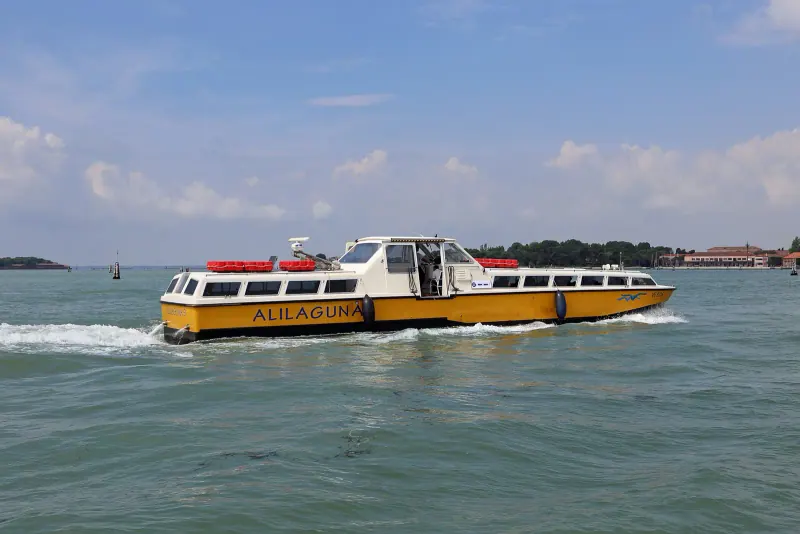
| VCE Venice Marco Polo Airport | 13 km | about 20 min | The ACTV AeroBus line 5 runs to Piazzale Roma in about 20 minutes, with an airport ticket around EUR 10 one way. The Alilaguna water bus costs EUR 18 one way or EUR 32 return and calls at several lagoon stops, taking about an hour to San Marco. A private water taxi is fastest and costliest; agree the full fare first. (source, checked Oct 2026) |
| TSF Treviso Antonio Canova Airport | 40 km | about 70 min | The ATVO express bus runs to Piazzale Roma in about 70 minutes, EUR 14 one way or EUR 24 return, timed to flights; tickets at the airport counter or machine and at the ATVO office in Piazzale Roma. (source, checked Oct 2026) |
Walk, and use the vaporetto for the Grand Canal and the islands. A single boat ride costs more than a pass pays back after two or three trips, and travelers report that tapping a contactless card at each boarding steps up to the day rate. From the airport, an ACTV bus to Piazzale Roma takes about 20 minutes and the Alilaguna boat costs EUR 18 one way (see Marco Polo airport to Venice). Read the vaporetto pass verdict before buying a pass.
Where to stay
We earn a commission if you book through our links. It never changes a verdict. How this works
High-end stays whose guests report the setting and service earn the rate.
The splurge: a 15th-century Grand Canal palazzo with antiques, Murano glass and one of the great hotel terraces in Europe.
San Marco
Check rates on Expediapartner siteGuides single it out as the resort of Venice, with a large saltwater pool, gardens, tennis and a private boat shuttle to San Marco on the quiet island of Giudecca.
Giudecca
Search Expedia for this hotelpartner siteAlso branded Danieli, a Four Seasons Hotel on some booking pages. A group of three palazzi on the Riva degli Schiavoni, a three-minute walk to St Mark's, with a rooftop terrace and lagoon views; reports note many rooms sit in the newer wing.
Castello
Search Expedia for this hotelpartner siteAn 18-room boutique palazzo on the Grand Canal with a private water dock and garden; guests praise easy check-in and spectacular rooms, away from the San Marco crowd.
Santa Croce
Search Expedia for this hotelpartner siteThe comfortable middle: well placed, well run, priced for a normal trip.
A quiet four-star on the Cannaregio canal near the ghetto; the calm, good-value end of town with the station in reach.
Cannaregio
Check rates on Expediapartner siteFamily-run boutique behind St Mark's with a rare interior garden; the personal pick in the busiest sestiere.
San Marco
Check rates on Expediapartner siteA 26-room restored 14th-century palazzo on the San Barnaba canal in quiet Dorsoduro; guests rate it very good, though the decor is traditional and breakfast is not included.
Dorsoduro
Search Expedia for this hotelpartner siteAn intimate, quiet hotel in a residential corner of Santa Croce, near the Frari and a walk from Rialto (the station is about 13 minutes on foot); canal-facing rooms can hear early-morning boat noise.
Santa Croce
Search Expedia for this hotelpartner siteCheaper beds that travelers still rate well for location and cleanliness.
A low-priced one-star near the station praised for its location, friendly owners and breakfast; some guests mention small rooms and shared bathrooms.
Santa Croce
Search Expedia for this hotelpartner siteA small family-run two-star near San Toma in the calmer Dorsoduro district; listings show a clean, good-value base with modest rooms.
Dorsoduro
Search Expedia for this hotelpartner siteA central hostel with private doubles and dorms near the Cannaregio canal; a guest called it clean with a relaxed atmosphere. Summer heat in the rooms is mentioned, so check for fans or cooling.
Cannaregio
Search Expedia for this hotelpartner siteA design hostel with private rooms, a bar and a cafe on Giudecca; the trade is a boat ride to the main sights, best for a night or two.
Giudecca
Search Expedia for this hotelpartner siteQuestions
Two nights is the minimum most reports recommend, and three lets you add Murano and Burano without rushing. A single day from Milan works if you book the big sights ahead, but travelers call it a clock-watching day of choosing what to skip.
The crowd is real around San Marco and the Rialto Bridge from about 10 or 11am to 4pm. Travelers who sleep in town, start early and spend the middle of the day on back canals say the city is calm and rewarding in the evening and morning.
Yes, it is one of Europe's pricier cities, and San Marco rooms cost far more than Cannaregio or Dorsoduro. Mestre on the mainland is much cheaper but costs time. Eating away from the main squares and using a boat pass only when you take several rides keeps costs down.
In 2026 the city ran a day-visitor fee on 60 days from April 3 to July 26, with a higher price for late booking; overnight guests were exempt but had to register. The city council has approved a 2027 calendar of 72 days from Good Friday, March 26, with the fee reported at up to EUR 10; the day-by-day dates and booking rules are still to come, so check the official portal before you travel.
Families report that the car-free streets, boat rides and bright Burano houses work well, while long museum days and crowded boats at midday do not. Pack light because of stepped bridges, book early entries, and keep the schedule short with a rest in the afternoon.
April to June and late September to early October give soft light and bearable crowds. Winter is cold and damp with the emptiest streets and possible high water, and Carnival runs January 23 to February 9 in 2027 if you want masks and a busy atmosphere.
Cannaregio and Dorsoduro are the districts reports recommend most for calm and value, with Castello and Santa Croce as quiet residential options. San Marco is the most central and expensive. Our area guide compares them district by district.
How this guide was written. We read 46 traveler reports about Venice published between Nov 2024 and Sep 2026, 3 of them mainly negative, and checked the facts against official sources in Oct 2026. Nobody on the team claims a visit; hotel picks are chosen from what guests report, never from what they pay us. How we judge.
Explore the decisions
 Is St Mark's Basilica worth the ticket?It depends
 Is the Doge's Palace worth it?Go
 Is the Peggy Guggenheim Collection worth it?Go
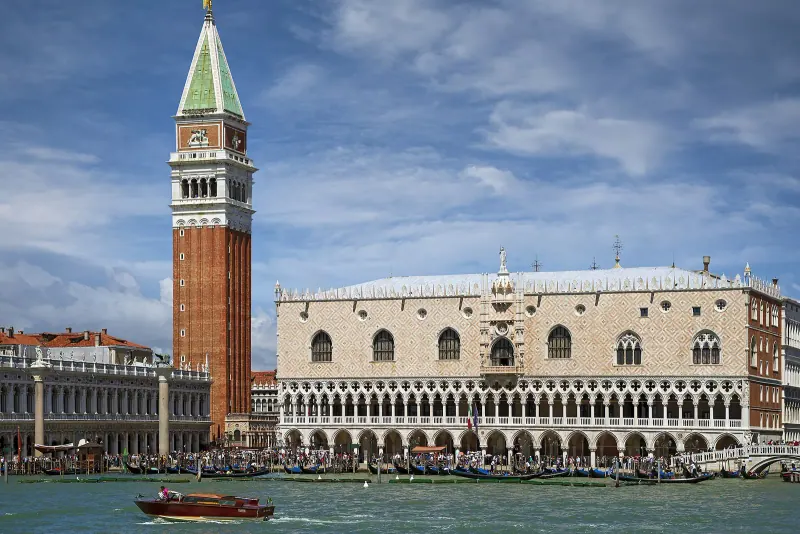 Is the St Mark's bell tower worth it?Go
Explore the decisions
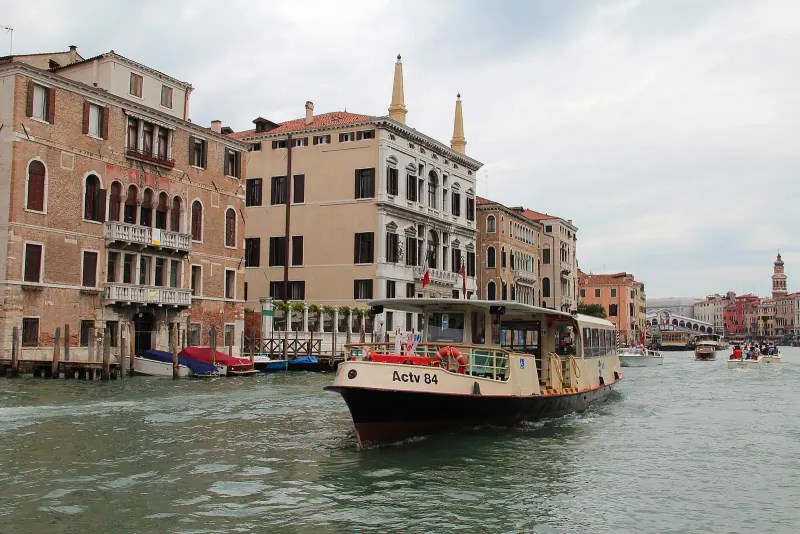 Is a Venice vaporetto pass worth it?It depends
Explore the decisions
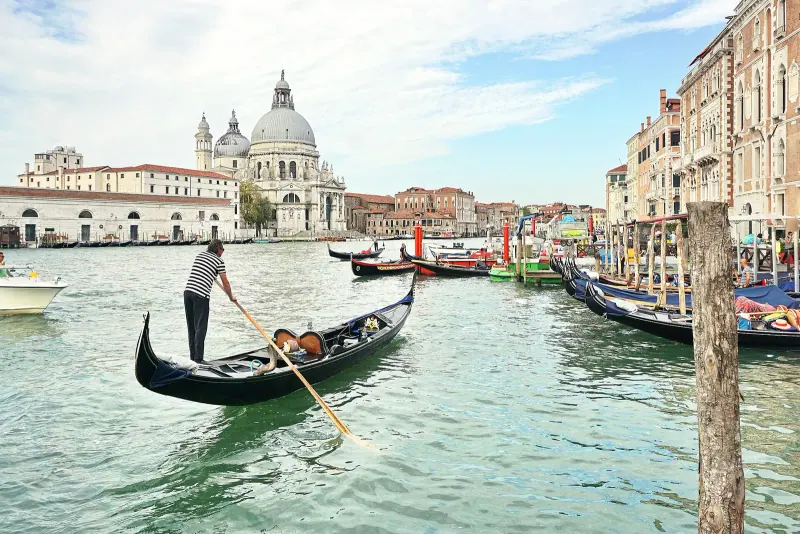 Is a gondola ride in Venice worth it?It depends
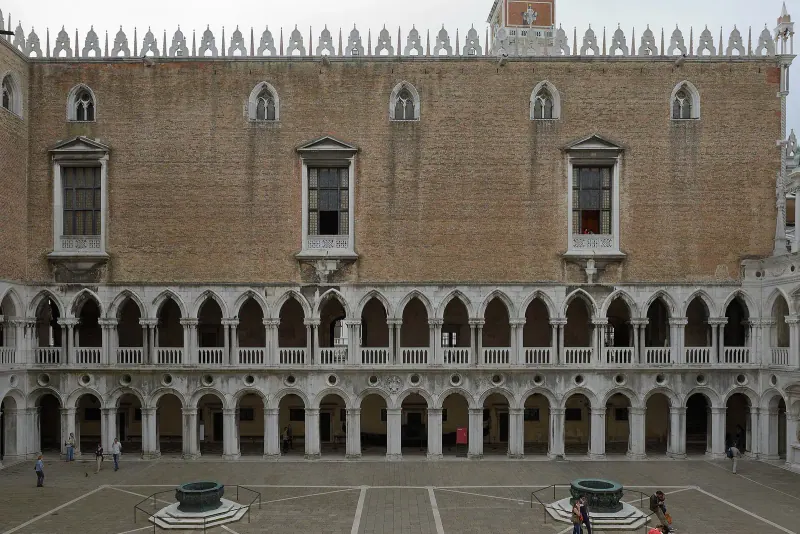 Is the Doge's Palace Secret Itineraries tour worth it?It depends
Explore the decisions
 Is a Murano and Burano trip worth it?Go
 Is the Lido worth a trip from Venice?It depends
Explore the decisions
 Marco Polo airport to Venice: which way?Our pick: Alilaguna public water bus
 Venice: day trip or overnight stay?Our pick: One overnight stay
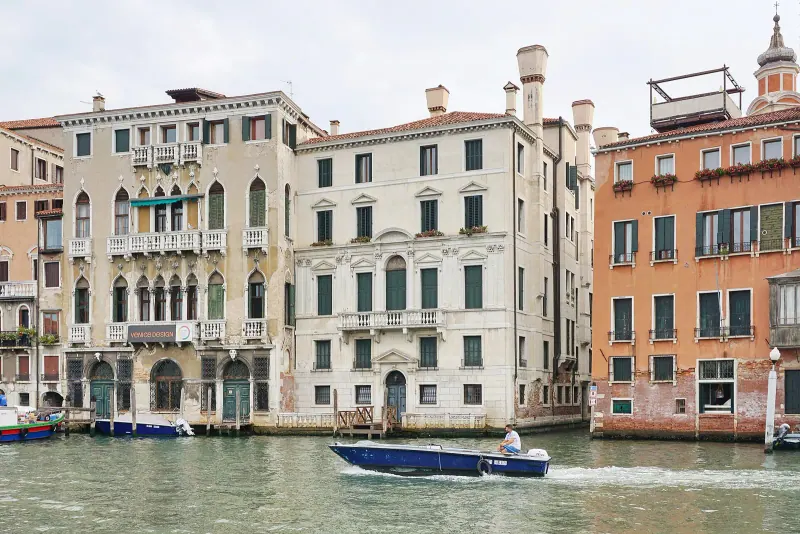 Where should you stay in Venice?Our pick: San Marco
Plan your Venice trip
Where to stay
12 hotel picksLuxury, mid-range and budget, cross-checked against traveler reports
Getting there
Airport to city, priced outMarco Polo airport to Venice: which way
Book a private transfer partner site
Tickets and passes
Venice sightseeing passes1 verdict: does the card pay for itself
Avoid the traps
What to skip in VeniceThe tickets, tours and trips most travelers can pass on
Ski resorts
In pictures
the Doge's Palace worth itthe Doge's Palace Secret Itineraries tour worth ita gondola ride in Venice worth itthe Lido worth a trip from VeniceMarco Polo airport to Venice: which waya Murano and Burano trip worth itthe Peggy Guggenheim Collection worth itSt Mark's Basilica worth the ticketKeep exploring
Gear verdicts from our sister site, Real Buyer Experiences: