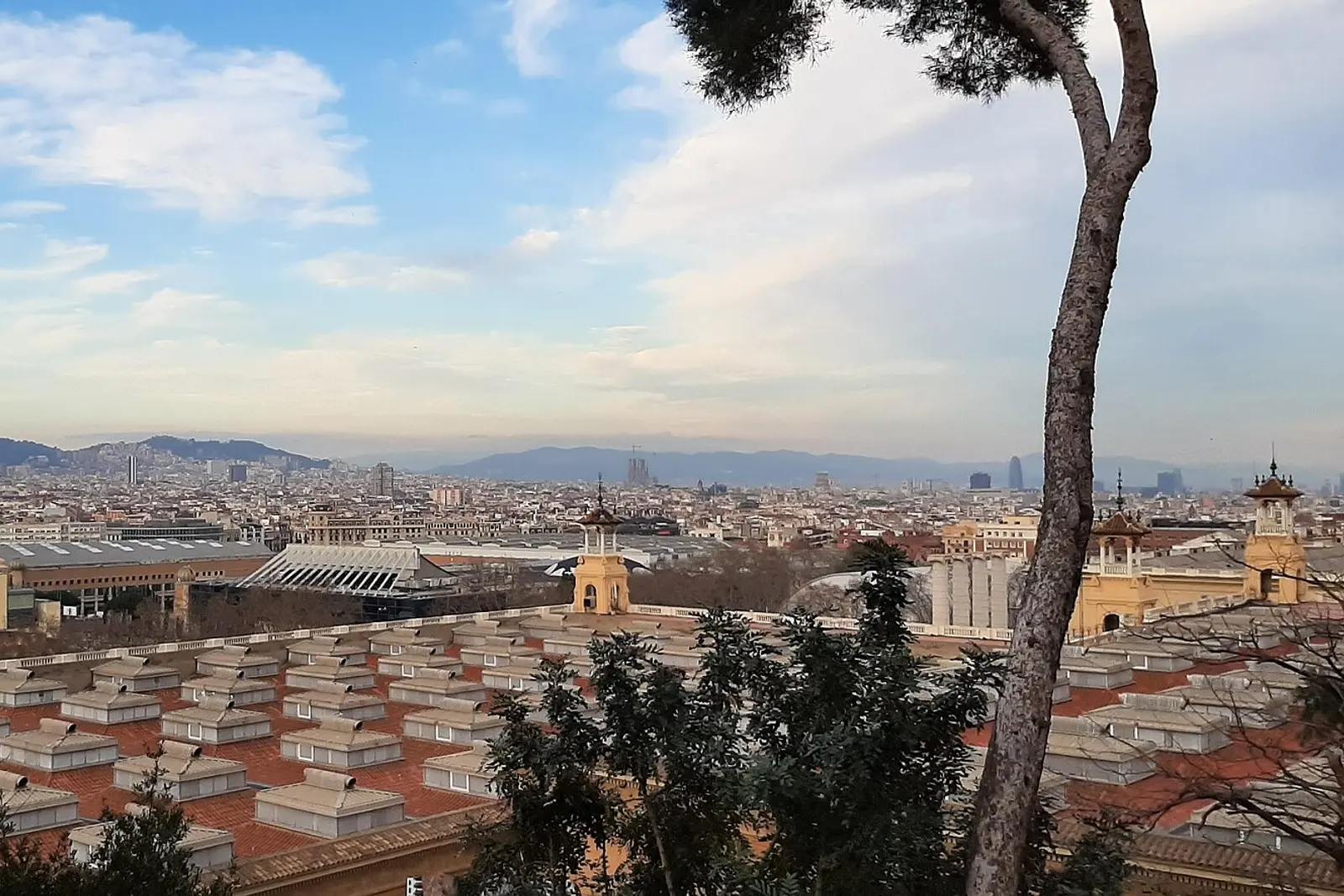
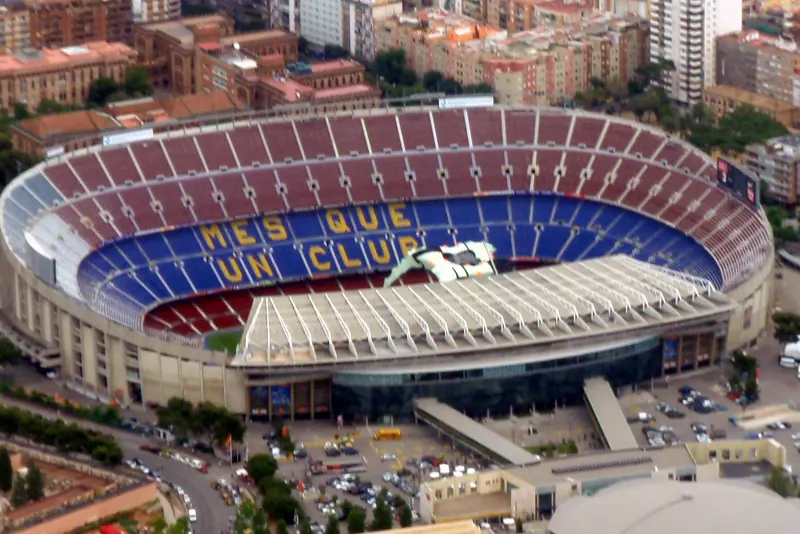
Barcelona sells two trips in one: Gaudi's architecture and a city beach. Our verdicts cover Sagrada Familia, Park Guell, Montserrat, the airport route and where to stay, backed by traveler reports.
Gaudi's buildings, a city beach and a serious food scene, with crowds you can plan around.
Best time
May, June, September and October
How long
Three to four days cover the Sagrada Familia, Park Guell, the Gothic quarter, a beach afternoon and a food quarter or two; add a day for Montserrat. Base in Eixample or Gracia, as our Barcelona area guide lays out.
Cost level
High
Nearest airport
Barcelona-El Prat Airport (BCN)about 35 min to the centre
Barcelona is worth it for travelers who want a city of architecture and a beach in the same trip. Gaudi's buildings look grown rather than built, the food runs from market counters to tasting menus, and the metro reaches the sea. Reports agree it earns its fame, and it earns its crowds.
The hard truth is that it is one of Europe's most visited cities, and the center shows it. Queues build at the Sagrada Familia and the hill park, pickpockets work the tourist corridors. Barceloneta is the famous beach and the most crowded one, and July and August are hot, sticky and packed.
The fix is timing and territory. Book the big sights ahead, pick the first morning slot, eat in Gracia, Sant Antoni or Poble Sec, and swim at Bogatell or Nova Icaria when Barceloneta is full. Come in May, June, September or October, and stay in Eixample or Gracia.
Go if
Architecture you cannot see anywhere else, from Gaudi to the Gothic quarter
A city trip that also gives you a beach
Tapas bars, markets and a serious food culture
Distinct neighborhoods you explore on foot and by metro
A first Spain trip with strong transport links
Skip if
Peak-season crowds at one of Europe's highest tourist densities would spoil it
You want an untouristed, sleepy Spanish city
You are on a tight budget in July or August
You expect a quiet beach day at Barceloneta on a summer weekend
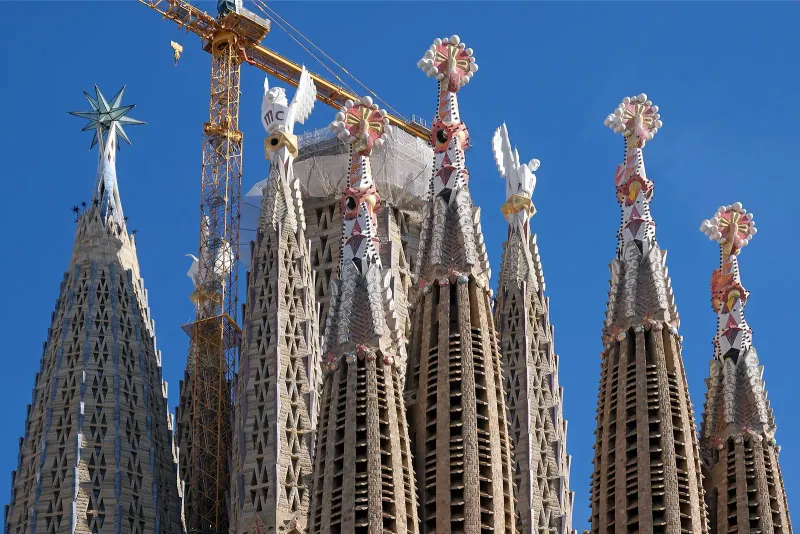
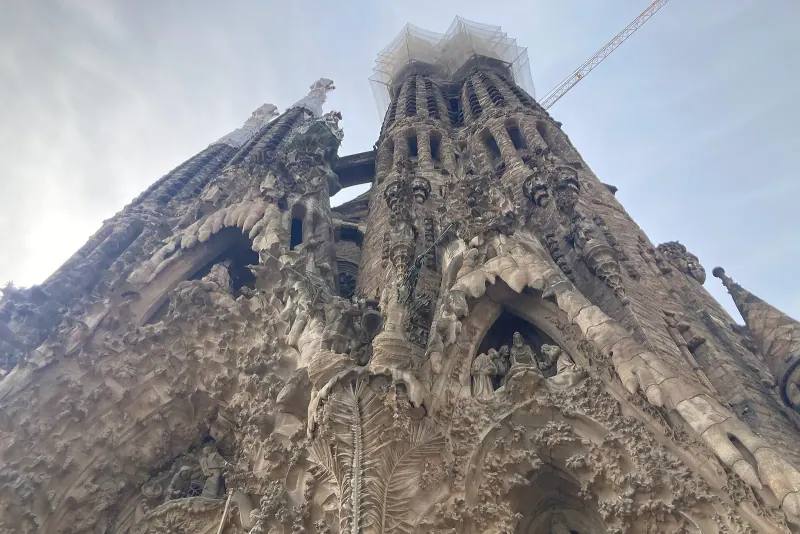
Barcelona sells a city of architecture and a city with a beach, and travelers who plan for both tend to leave happiest. The architecture is the headline. Writers describe the Sagrada Familia as the most beautiful church they have seen, with light and color that still amaze people on a second or third look. They also describe a security check stricter than an airport's, a loud, packed nave at midday and tower views that are limited by grilles. Tickets can sell out a week ahead, so booking early is the first rule of the trip.
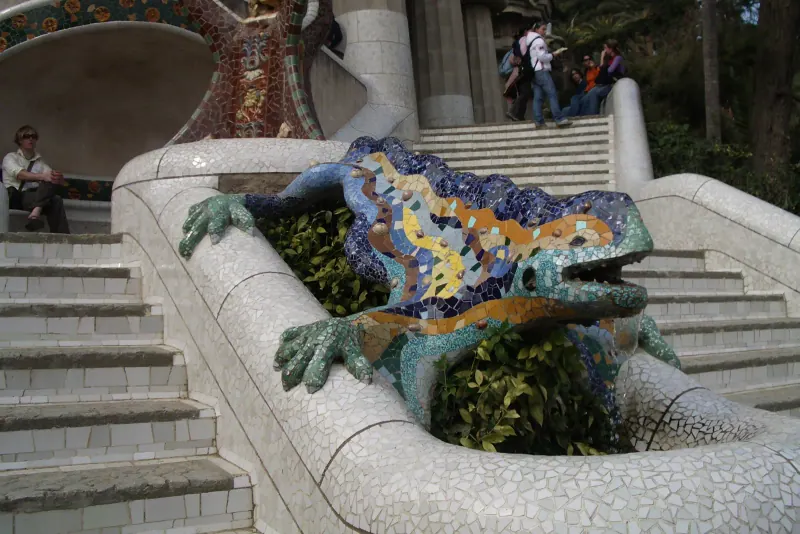
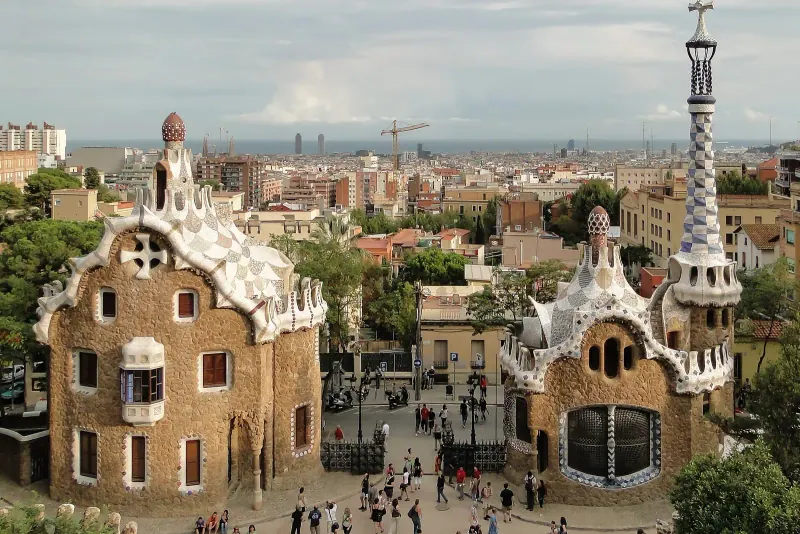
The hill park is the second pillar. Reports from Park Guell praise the mosaic dragon, the gingerbread gatehouses and the viaducts, and nearly everyone says the first morning slot is the one to book, because the staircase is covered in people within half an hour of opening. Timed tickets, steep approach streets and a residents-only window in the early morning and late evening are the details that catch people out.
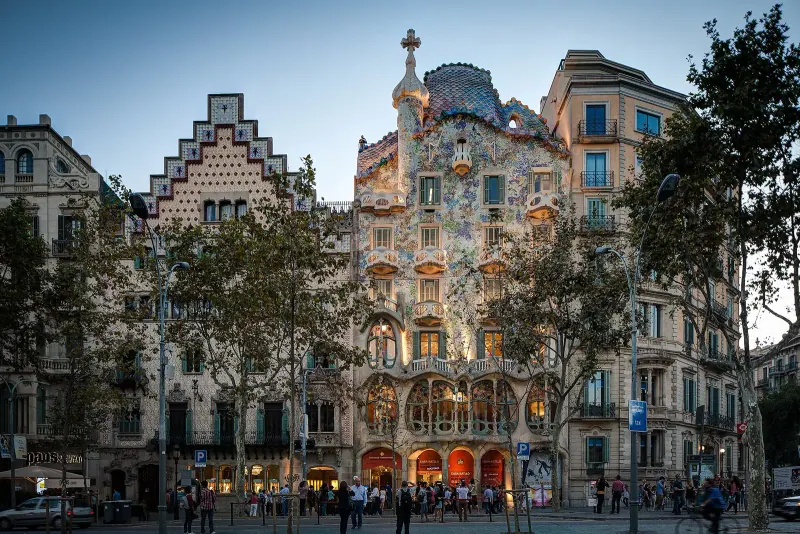
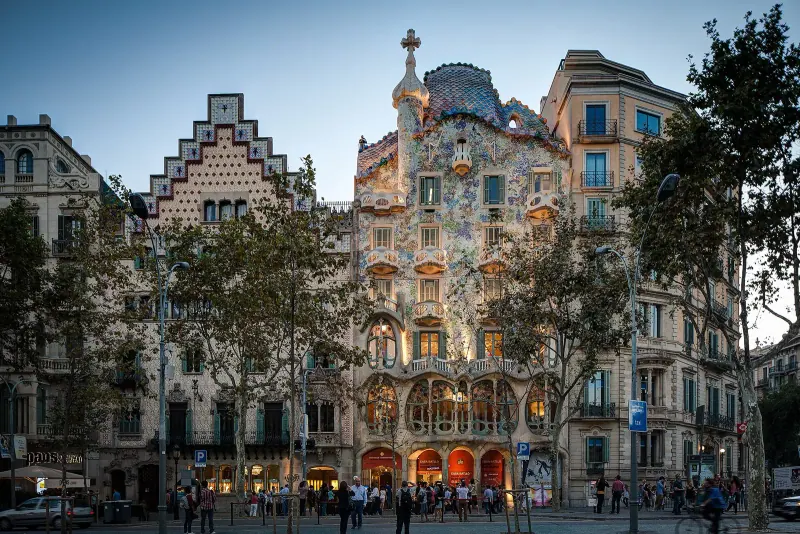
In town, the houses on Passeig de Gracia reward a single, well chosen visit. Travelers lean toward Casa Batllo over Casa Mila for a first go, and the rooftop at golden hour, with a glass of cava among the tiled chimneys, is the moment people remember. Pair one or two of these with free time on the street, because the city also works as a place to walk.
The city beaches: Barceloneta, Bogatell and Nova Icaria
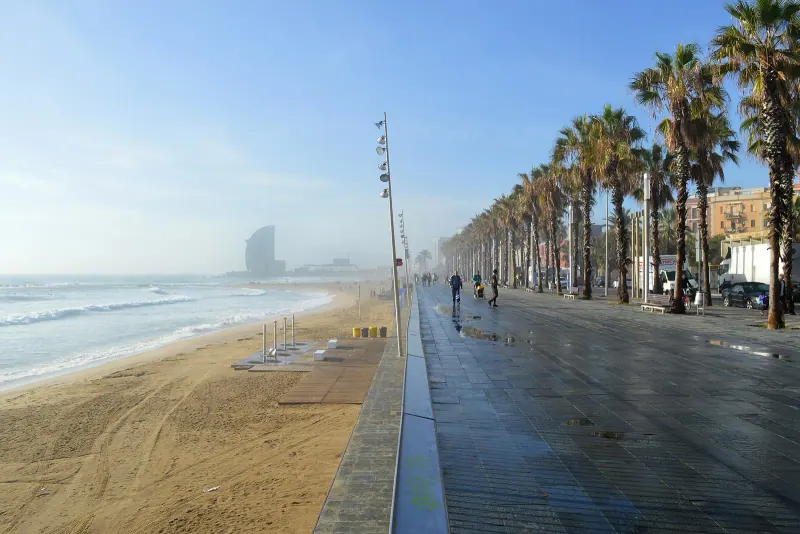
Barcelona is one of the few big European cities where a swim is a metro ride away. The city council calls Barceloneta one of the most historic beaches in the city, a 422 meter stretch near the old town, and it is the one every first-timer ends up on. A Barcelona-based blogger who covers the neighborhoods adds that the district can feel rough around the edges at night.
For more room, the city's own beach guide points north along the seafront. Nova Icaria is described as one of the quieter beaches, with a playground and volleyball courts, and Bogatell, about 700 meters long, is set up for outdoor sport. A day can combine the two with lunch in between.
Keep the usual city caution with your bag, since the pickpocket reports from the market and the airport bus stop show how the city's thieves work. Go early or on a weekday if the point is a quiet swim.
Residents and Barcelona-based writers agree on the base for a first trip: Eixample. Its wide, well-lit streets and metro hub make it one of the safest central areas, and most of the big Gaudi houses sit on or near its main avenue. The cost is atmosphere, since it feels less historic than the old town. Our where to stay guide walks through the trade-offs.
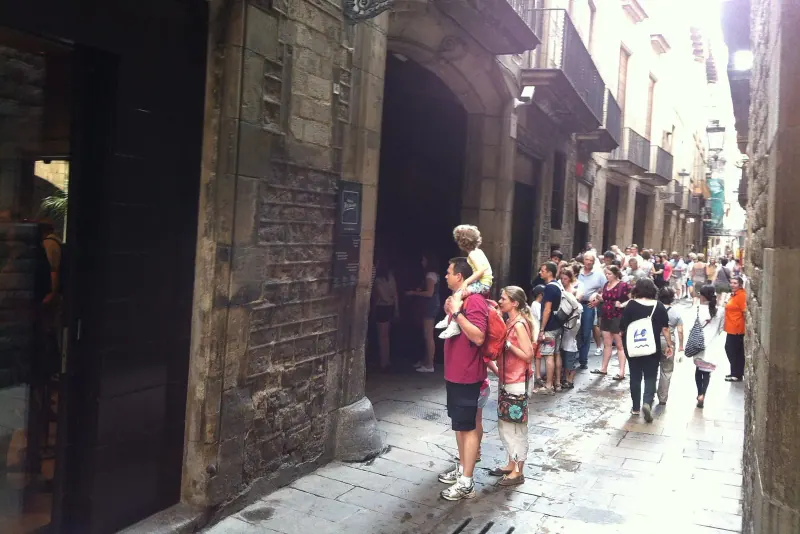
Gracia is the usual second choice for travelers who want a village feel: calm squares, local cafes and a metro line that reaches the center. El Born has more old-town character with about half the crowd of the Gothic Quarter, but its narrow streets fill with bar-hoppers until 3am from Thursday to Sunday. A hotel next to the Ramblas means noise all night, and the lower end is best avoided.
El Raval is the district that splits opinion. A Barcelona-based writer reports the most incidents there but mostly petty theft, and calls it alive but not always calm. Pick a room in Raval only after checking the street, and keep a cheap base in Gracia or Eixample in mind as the alternative.
Markets, tapas and where to eat
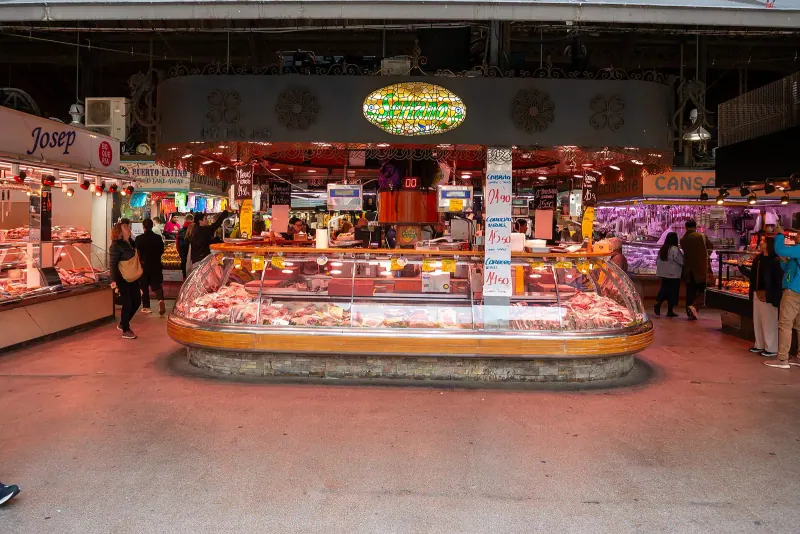
Food is a reason to come, and the best of it is not where the crowds are. La Boqueria is the famous market, and reports split on it. Food-focused writers say it is worth it if you arrive around the 8am opening and head past the entrance stalls to the counter bars, and one resident calls it undeniably tourist-oriented but still a real food culture. Others describe a market that long ago turned to quick tourist sales and priced out its old vendors.
Treat the entrance as a photo spot, eat at the counter bars further in, and shop in the neighborhood markets for lower prices and fewer crowds.
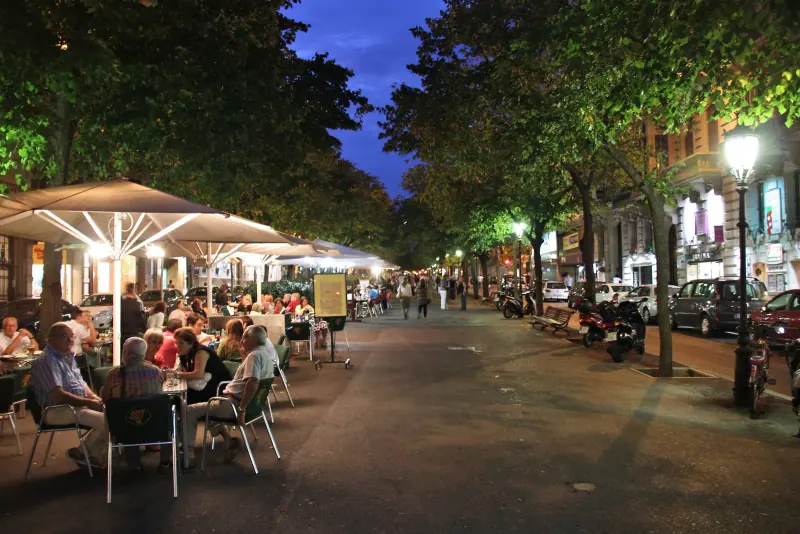
Outside the market, travelers recommend eating in Gracia, Sant Antoni or Poble Sec rather than the Gothic core. A short tapas crawl, a late dinner and a glass of local vermouth cover most of what people say they loved.
Montserrat, art and flamenco
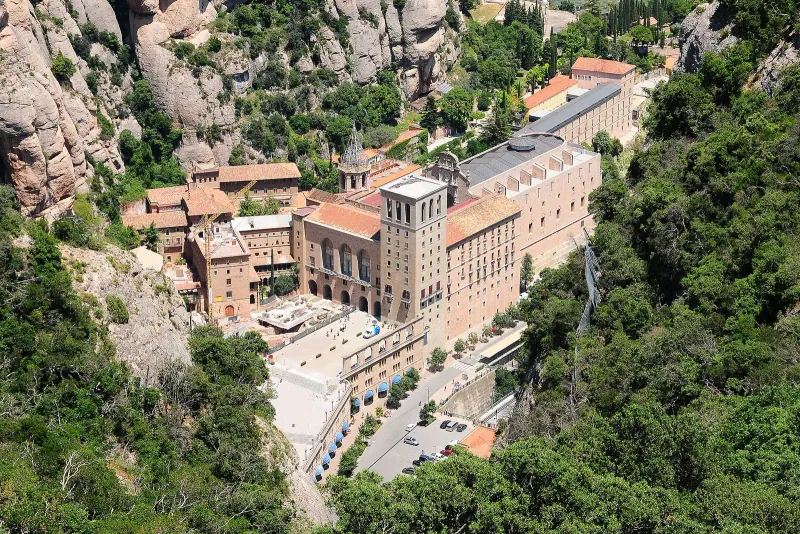
The Montserrat day trip is the most common escape, and reports say it earns the day if you like mountains and trails. Writers praise the setting, the cable car and the hikes, and one Barcelona-based writer recommends local mel i mato. Others warn of a long line for the Black Madonna, a crowded car park on weekends and ticket confusion on public transport, so a weekday morning start helps. With three days or less in the city, several would stay in town.
For art, the Picasso collection in a Gothic palace is the pick most travelers rate on par with Gaudi's work, especially the Las Meninas series. The free Thursday evening and first-Sunday slots get crowded, so pay for a quiet slot if the day matters. Our Picasso Museum verdict has the details.
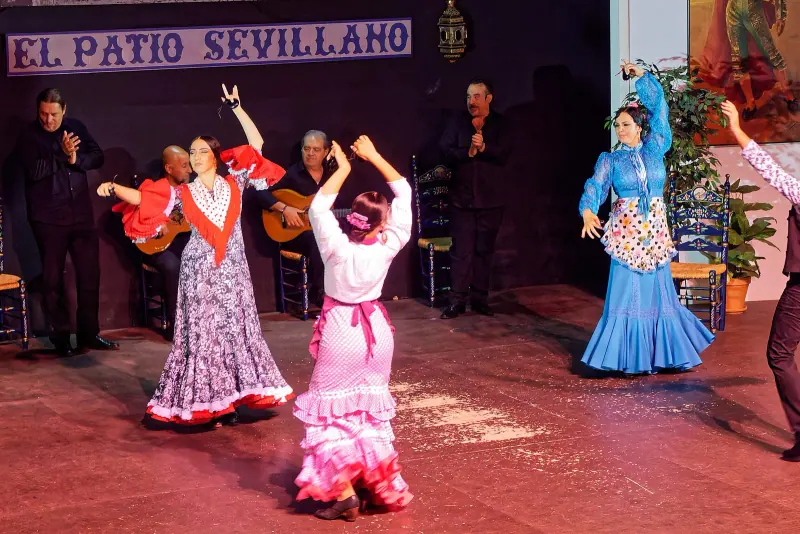
Evenings are for flamenco. Reports favor the small, unamplified tablaos with a short, intense show, and warn against buffet dinners and cheap venues with first come, first served seating. Read our flamenco show verdict before you book.
Who Barcelona suits, and how to spend less
Barcelona suits architecture fans, food travelers and anyone who wants a city break with a beach. It is a poorer fit for travelers who want a quiet, untouristed Spanish town, and the center shows the strain of mass tourism, with residents protesting at the hill park and a city plan to ease the pavement crowd at the Sagrada Familia.
The money is in the planning. The Barcelona Card works for museum-heavy stays of three days or more, but reviewers say it is poor value for the classic Gaudi itinerary because the headline sights are not included. Our Barcelona Card verdict shows the break-even. City museums are also free on the first Sunday of each month, so a flexible traveler can plan around it.
Three to four days covers the major sights, the beach and a food quarter or two; add a fifth for Montserrat. May, June, September and October give warm days without the worst of the summer crowds.
The pitfalls
What goes wrong in Barcelona
Sagrada Familia and Park Guell sell out
Reports describe Sagrada Familia tickets sold out a week before a trip, and timed entries at the hill park that run out fast, with afternoons busier than mornings. Book both before you fly, and pick the first morning slot at the hill park, since the dragon staircase fills within half an hour of opening.
The market entrance is priced for tourists
Writers say the stalls at the front of the main market are tourist-priced and that the counter bars further in are the real reason to go. Arriving at the 8am opening or after the mid-morning rush helps, and the neighborhood markets sell the same produce for less.
Pickpockets in the tourist corridors
Travelers report pickpockets at the unstaffed Placa Espanya airport bus stop and in the dense midday aisles of the main market, and a Barcelona-based writer says El Raval has the most reported incidents in the city, mostly petty theft. Keep phones and wallets in zipped inner pockets.
Buying the Barcelona Card for the wrong trip
Reviewers say the card excludes Sagrada Familia, Park Guell and the hop-on bus, and that it breaks even only at about three or four included museums. First-timers whose plan is mostly Gaudi sights usually lose money on it, so price your own itinerary before buying.
Airport metro and train disruptions
Local news records the airport metro line cut for part of a day by vandalism in October 2025, and metro access to the airport closed from early morning until about midday in March 2026 after smoke was detected in the tunnels. Keep the express bus in mind as a second way into town, and note that the T-casual ticket is not valid at the airport metro stations.
Noise in the party streets
A five-year resident warns that El Born fills with bar-hoppers until 3am from Thursday to Sunday and that a hotel near the Ramblas means noise all night. If you sleep lightly, ask for an inner room or pick a base in Eixample or Gracia.
Montserrat is harder than it looks
A traveler who chose public transit over a taxi needed four tickets and nearly three hours to reach the mountain, and others report long Black Madonna lines at midday and an overcrowded car park on weekends. Buy a combined ticket, leave early on a weekday and keep the return leg validated.
Barceloneta on summer weekends
Barceloneta is the closest beach to the old town and, per the city council, one of the city's most historic; reports describe it as packed on summer weekends. A Barcelona-based blogger says the district can feel rough around the edges at night. Go early or on a weekday, or head north along the seafront to Nova Icaria or Bogatell, which the city describes as quieter and sportier.
When to go
Barcelona by season
Best time
May, June, September and October
Warm days for the beach and long walks, with queues at the big sights shorter than in the summer peak. The city council's high bathing season runs from 30 May to 13 September.
Peak season
July and August
Hot and busy, with Barceloneta at its most crowded on summer weekends. Plan the big sights at opening time and the beach for early or late hours.
Off season
November to March
The beach half of the trip drops out, but winter brings the best of the city's calendar of traditions.
Fira de Santa Llucia, the Christmas craft market in front of the cathedral, running from late November to just before Christmas
Cavalcada de Reis on 5 January, when the Three Kings arrive by sea and parade through the center in the evening
Santa Eulalia in mid-February, the city's winter festival with giants, human towers and fire runs
May, June, September and October give warm days for the beach without the worst crowds. July and August are hot, sticky and packed, while winter is mild and cheaper but drops the beach half of the trip and brings the Christmas market, the Three Kings parade and the Santa Eulalia festival.
Getting there and around
Airports near Barcelona
Airport
Distance
To the centre
How
BCN Barcelona-El Prat Airport
n/a
about 35 min
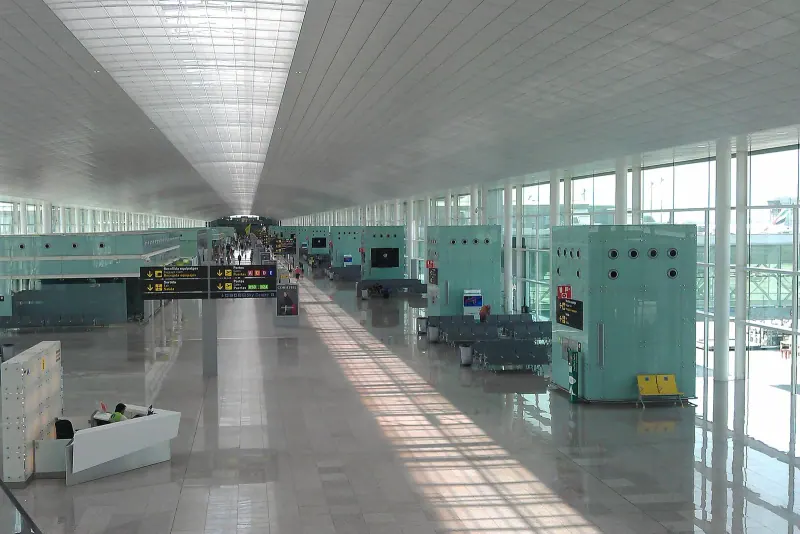
The Aerobus runs to Placa Catalunya in about 35 minutes on average to the city centre with a ticket price of 7.75 EUR on the city tourist board's ticket page (its FAQ says from 6.50 EUR per journey), and the R2 Nord train from Terminal 2 reaches Sants in about 20 minutes. Metro line L9 Sud serves both terminals but needs a separate airport ticket of 5.90 EUR, and the regular T-casual is not valid there. See our airport to city guide. (source, checked Oct 2026)
GRO Girona-Costa Brava Airport
n/a
about 75 min
A direct coach runs from the terminal to Barcelona Nord bus station for 22 EUR one way, coordinated with the low-cost flight schedule; allow around 75 minutes. Girona is a low-cost option sold as Barcelona, so allow the extra time. See our Girona airport guide. (source, checked Oct 2026)
The metro is cheap, frequent and reaches the beach, and the center is walkable. A single one-zone ticket is 2.90 EUR and a 10-trip T-casual is 13 EUR, per the transport operator's fares page, valid until the next fare change. From the airport, the Aerobus, the R2 Nord train and metro L9 Sud all reach the city (see Barcelona airport to city).
Where to stay
12 hotels that fit this trip in Barcelona
We earn a commission if you book through our links. It never changes a verdict. How this works
Luxury
High-end stays whose guests report the setting and service earn the rate.
Mandarin Oriental Barcelona
Designer interiors by Patricia Urquiola across 120 rooms inside a modernist mansion on Passeig de Gracia, with a pool and top-end dining; the splurge pick for guests who want the avenue at the door.
A five-star tower of 483 rooms with two outdoor pools, a spa and a 24-hour gym by the Port Olimpic seafront, the choice for guests who want the beach half of the trip with resort comforts.
A Passeig de Gracia landmark since 1918, with a rooftop terrace, a seasonal pool with a swim-up bar, a spa and a Mediterranean restaurant; guests rate it very highly for service and location.
A restored medieval building beside the Roman walls near the cathedral, with a rooftop plunge pool, a library and a restaurant; guests rate it exceptional for atmosphere and walkable old-town location.
The comfortable middle: well placed, well run, priced for a normal trip.
Casa Bonay
A 19th-century townhouse with a courtyard cafe, a natural-wine bodega and a loyal local following; the independent boutique pick that still sits on the Eixample grid with metro access.
A three-star hotel with a rooftop terrace and pool, three minutes on foot from Urquinaona metro and about six from the cathedral; guests rate it exceptional for value and a walkable center.
A four-star, 88-room design hotel a short walk from Passeig de Gracia and Casa Mila, with a bar and gym; guests praise the central Eixample location and the calm of the area.
A small, boutique four-star at the foot of Montjuic with an outdoor pool, a spa and yoga classes; guests rate it exceptional, and Poble Sec puts good tapas bars and the Ramblas within a short walk.
Cheaper beds that travelers still rate well for location and cleanliness.
Hotel Via Augusta
A two-star with 87 rooms a minute from the Gracia FGC station on Via Augusta, with an eco certification; guests rate it well for value and for a quiet residential street, with the center a short train ride away.
An eco-certified hostel in Gracia with private rooms as well as dorm beds, a terrace and garden, and a library; guests rate it exceptional, though some note noise from doors and bunk beds.
A hostel on Passeig de Gracia near Diagonal with shared dorms and a family room, a terrace and a library; guests describe the location as the draw for the price.
A hostel between the Ramblas and the cathedral with mostly dorm beds and a few triples plus a bar and laundry; guests say the location is outstanding, though bathrooms are shared.
Three to four days cover the Sagrada Familia, Park Guell, the Gothic quarter, a beach afternoon and a food quarter or two. Add a fifth day for Montserrat if you like mountains, since several travelers advise skipping it with three days or less.
Is Barcelona safe for tourists?
Reports describe it as safe in the violent-crime sense, with petty theft as the real nuisance. Pickpockets work the airport bus stop and the main market. Keep valuables in zipped inner pockets, and be careful at night in El Raval and Barceloneta.
Which area should I stay in?
Eixample is the pick for a first trip because residents and writers call it clean, well lit and well connected by metro. Gracia suits travelers who want a village feel, and El Born gives old-town atmosphere at the cost of weekend noise until 3am.
Is the Barcelona Card worth it?
Usually not for a Gaudi-focused trip. Reviewers say the card excludes Sagrada Familia, Park Guell and the hop-on bus, and it breaks even only at about three or four included museums. It suits museum-heavy stays of three days or more.
Can you do Barcelona with a beach and the city in one trip?
Yes, it is one of the few big cities where that works. Barceloneta is the beach closest to the old town and the one most visitors pick, while Nova Icaria and Bogatell further along the seafront are described as quieter. Go early or on a weekday.
Do I need a car?
No. The metro reaches the beach and most sights, and the center is walkable. The airport has the Aerobus, the R2 Nord train and metro line L9 Sud. A car is only useful for day trips, and Montserrat works by train and cable car.
How this guide was written. We read 37 traveler reports about Barcelona published between Feb 2025 and Sep 2026, 6 of them mainly negative, and checked the facts against official sources in Oct 2026. Nobody on the team claims a visit; hotel picks are chosen from what guests report, never from what they pay us. How we judge.