


The island's grand five-star in a 19th-century building with landscaped gardens near Las Canteras. Guests praise quiet rooms and the restaurant.
Las Palmas
Search Expedia for this hotelpartner siteCity guide / Spain
Gran Canaria packs dunes, a real city, pine peaks and quiet harbor villages into one small island. Our verdicts cover the Maspalomas dunes, Puerto de Mogan, Roque Nublo, the north and where to stay.
The review
A small island with a desert, a real city, pine peaks and quiet fishing villages, best done in two bases.
Gran Canaria is worth it for travelers who want sun and variety in one week: a golden dune field at Maspalomas, a proper city with a surfable reef beach at Las Canteras, and a mountain interior around Roque Nublo and Tejeda. Writers who have done several Canary Islands call it the most compact way to get beach, culture and hiking without long transfers, and an easier first Canary than Tenerife for city lovers.
The catch is that the island is really three places with three climates. The south is purpose-built resort country that locals and some visitors call touristy and pricier. Las Palmas is cooler, cloudier and windier than the south. The mountain roads are slow, the west-coast road has closures after storms, and Roque Nublo and the dunes now run on rules that surprise people who arrive unprepared. The sand is golden Atlantic sand, not Caribbean white, and Teide on Tenerife remains the bigger volcano draw.
The fix is to pick bases on purpose. Spend two or three nights in Las Palmas near Vegueta and Las Canteras, then move south to Meloneras or Maspalomas, or choose Puerto de Mogan for a quieter harbor. Book the Roque Nublo reservation first, walk the dunes early, drive the mountains and the west coast with a small car and extra time, and use the Global buses for the airport and resort corridor.
The long read
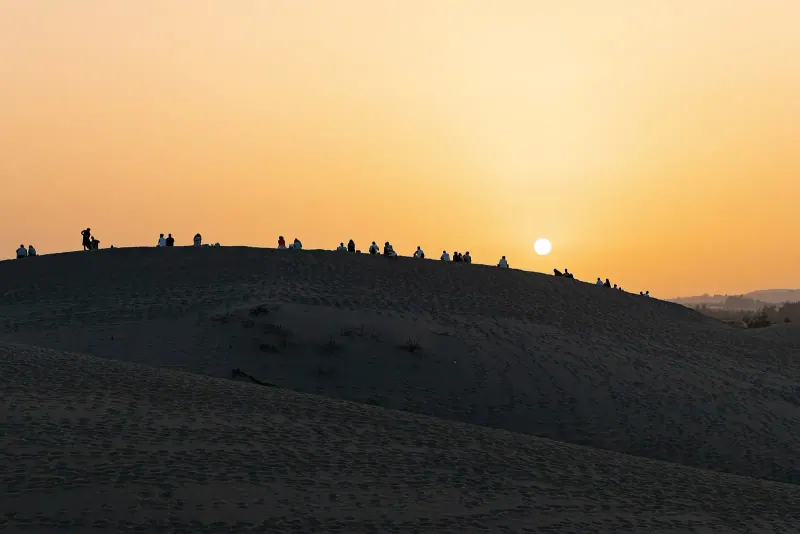
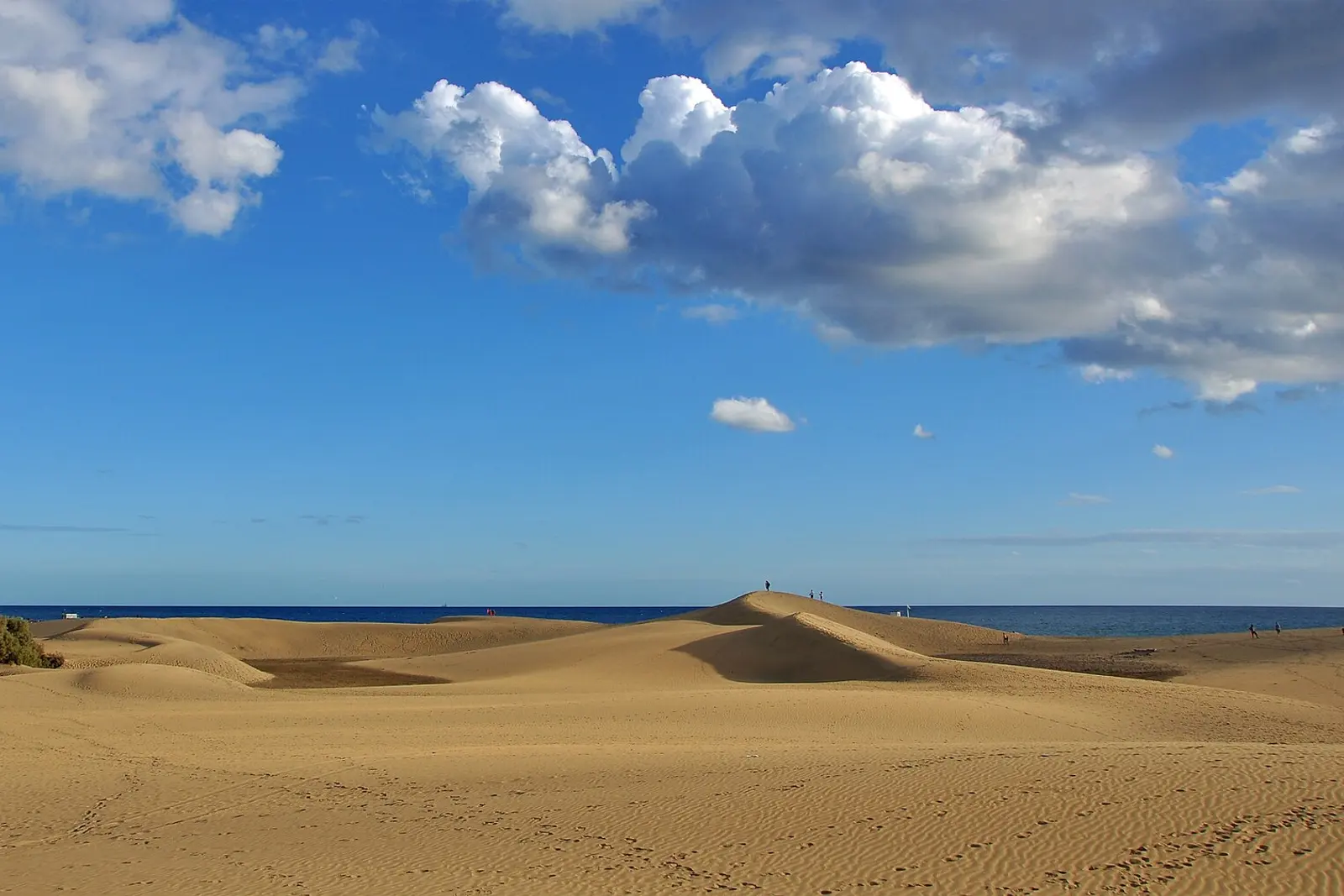
The dunes are the picture most people carry of Gran Canaria: a small Sahara of soft ridges pressed against a blue Atlantic, with a lagoon behind and a lighthouse at one end. Writers who walked them say they are bigger and more impressive than photos suggest, and one made the dune walk the top activity of the whole stay. The reserve covers about 404 hectares, it is free and open around the clock, and travelers allow two to three hours for a proper crossing from Playa del Ingles to the lighthouse.
Timing changes the experience. Sunrise and sunset draw the crowds, with sensors counting about 1,000 people a day at the main viewpoint in those windows. A photographer argues the early morning is better for pictures, because the wind has wiped the ridges clean of footprints by then. Others like the late afternoon for the color. Either way, the sand is deep and tiring, there is no shade, and the wind can blow sand across the whole route.
The dunes now come with rules. Visitors report marked paths and boardwalks, roped-off regrowth zones and a sunset patrol that steers people out of restricted areas. Stay on the marked route, bring water, and check the wind forecast before you go. Parking is free by the Cita centre on the Riu side, and there is no car access to the sand itself.
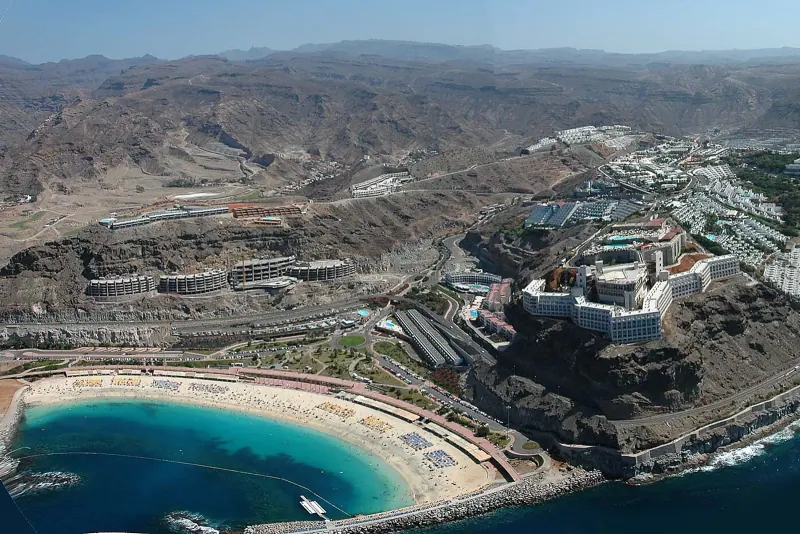
The southern coast is where the island's sun is most reliable, and travelers split it into clear personalities. Playa del Ingles is the lively, dated resort strip, favored by people who want sun and evenings. Meloneras, next to the lighthouse, is described as quiet and upmarket but purpose-built. Writers who stayed in several bases name Maspalomas or Meloneras the easiest first-time base.
Puerto de Mogan is the prettiest of the lot. Travelers describe bougainvillea-covered lanes, small canals and a harbor with restaurants at the water. The Little Venice nickname is marketing, yet the harbor quarter is still called the most charming corner of the south coast.
Mogan sits at the far end of the GC-1, which adds 20 to 30 minutes versus the central resorts, and many restaurants close for a siesta from about 15:00 to 17:00. Plan lunch accordingly.
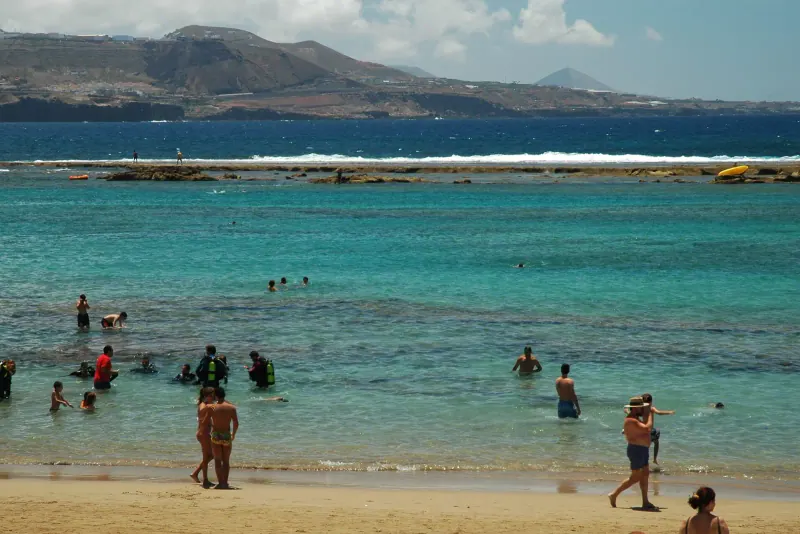
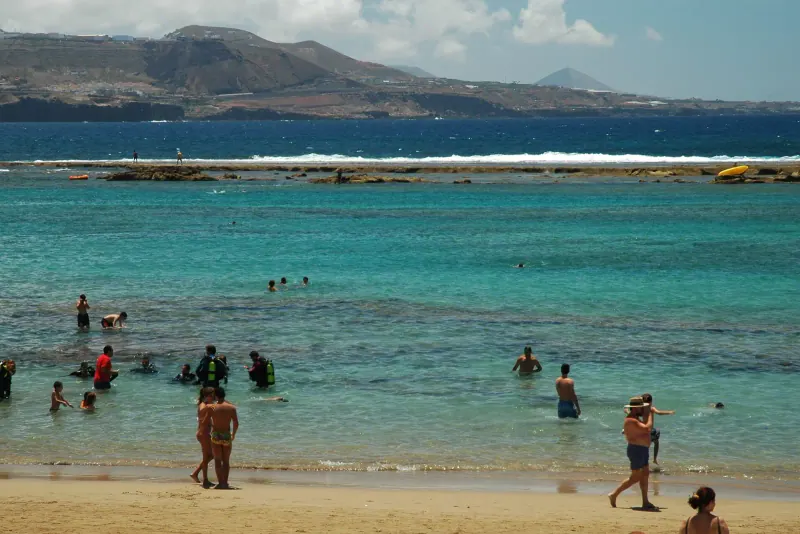
Las Palmas is the part of Gran Canaria that surprises people who expected only resorts. Las Canteras is a long city beach protected by a natural reef, with a promenade lined with cafes and shops. Residents and repeat visitors recommend staying near it for a real-city feel that works on foot.
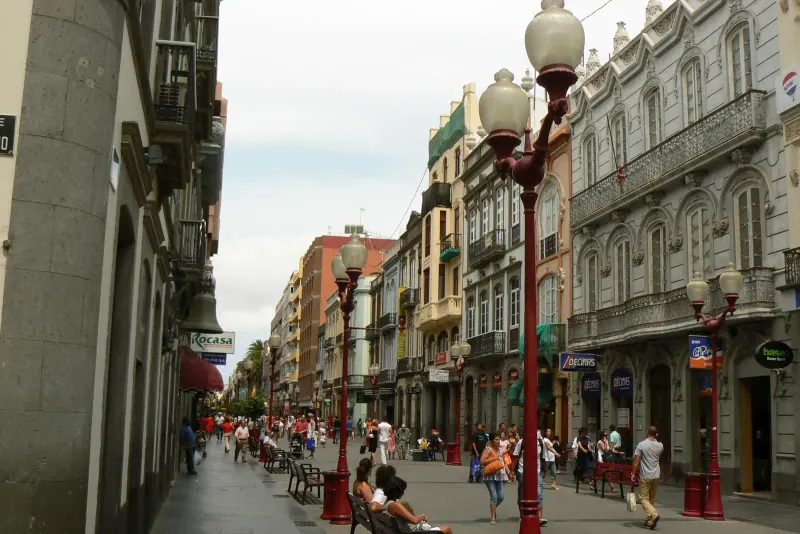
Vegueta is the old town: cobbled streets, colonial houses, the cathedral square and a covered market. Writers describe it as calm and authentic, with few tourists on weekday mornings, and a craft and culture market on Sundays. The Thursday tapas night still runs but is gentler than its party-era reputation, so arrive early.
The trade-off is climate. Residents say the capital is cooler, cloudier and windier than the south, and cruise days bring crowds to Vegueta and Las Canteras. Driving in the city is described as stressful, which is another reason to use buses and walk.
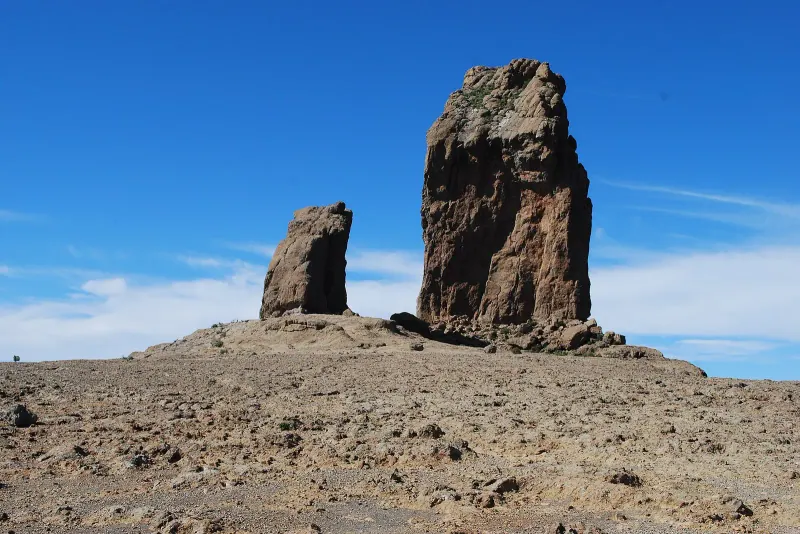
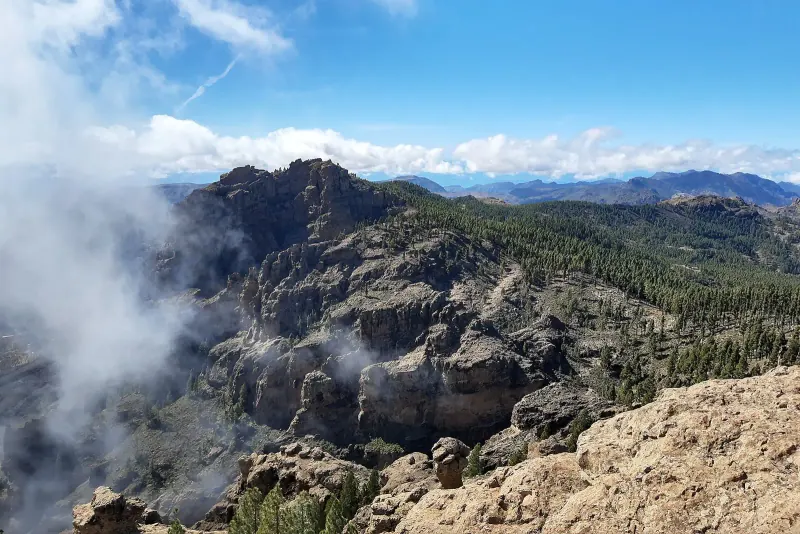
The interior is the reason many travelers call the island a miniature continent. Pine forest, ravines and stone villages sit under the monolith of Roque Nublo, the island's signature short summit walk, which now runs on a reservation system.
Access is regulated. Since February 2025 entry needs a prior reservation, with hourly slots checked by QR code, a cancellation window and penalties for no-shows. Regional news reports more than 100,000 visits under the system. Go early to beat both the crowds and the afternoon cloud, and wrap up warmly, since the mountains are cold and windy even when the coast is warm.
Tejeda makes a good base for hikers. One two-week traveler stayed near Vegueta on foot, then moved inland to Tejeda for hiking with a rental car.
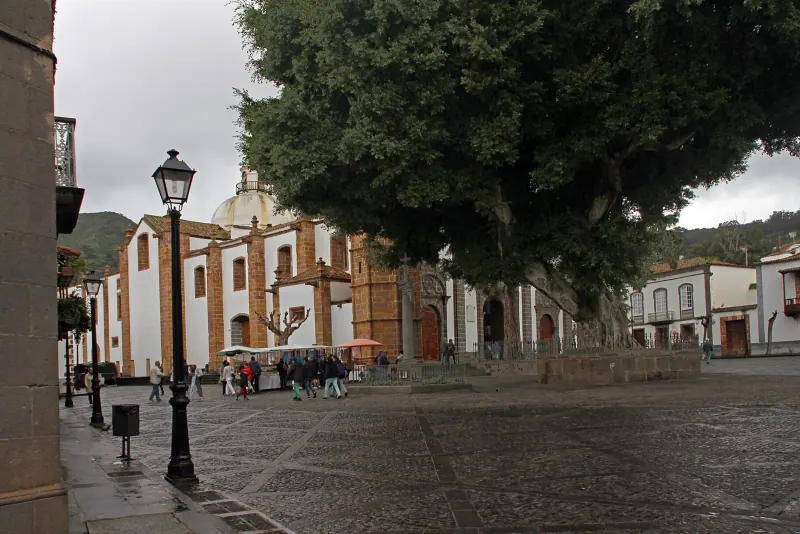
The north is greener and slower. Teror is described as an authentic village of carved wooden balconies and a small pedestrian center, with a Sunday market that dates to 1872 and sells chorizo, cheese and sweets to locals more than to tourists. San Mateo hosts a winter Potaje Fest with tastings and a mass stew lunch.
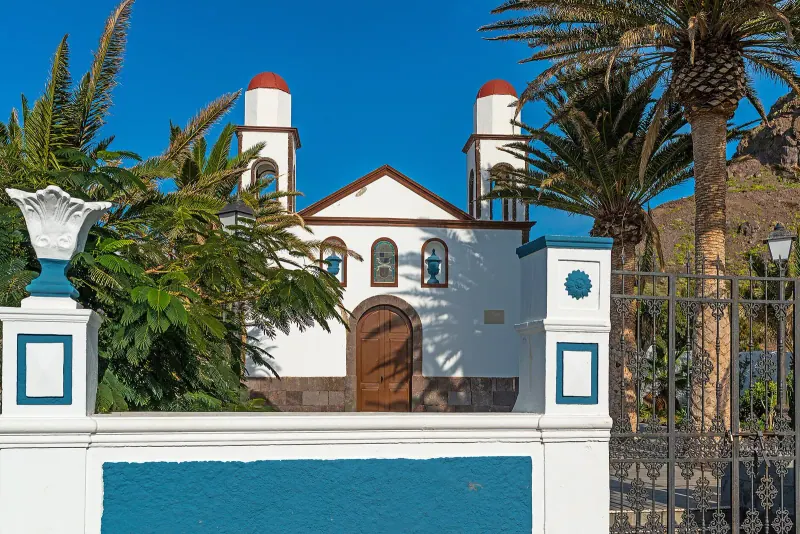
On the west coast, Agaete and Puerto de las Nieves have a calm white village under volcanic cliffs, stone beaches that call for shoes, and free sea pools. A five-day traveler called the Agaete valley quietly stunning under grey cloud and suggested basing there instead of the tourist zone. The glass-floored Mirador del Balcon on the GC-200 is worth the detour for late afternoon light.
The GC-200 itself is dramatic but unreliable. The Anden Verde stretch stays closed, dead-end signs force turnarounds, and storm rockfalls closed the road between La Aldea and Mogan in March 2026. Check conditions before setting out.
Canarian food is Atlantic rather than mainland Spanish. Writers point to markets, gofio, wrinkled potatoes, cheese and local wine as the through-line, with Teror chorizo as a signature bite. The Sunday market in Teror and the covered market in Vegueta are the easy places to start.
In the mountains, village events add depth, such as the winter Potaje Fest in San Mateo with tastings and a mass stew lunch.
In the resorts, restaurant quality is more variable. Locals and repeat visitors tend to eat in Vegueta, in the north villages and at harbor restaurants in Mogan before the siesta closure.
The pitfalls
Stay on the marked paths in the Maspalomas reserve. A patrol of about ten officers works the sunset window, loudspeakers warn visitors in several languages, and one writer warns that leaving the paths risks a fine. The sand is deep, there is no shade, and wind can blow sand across the route.
Since February 2025 entry to the Roque Nublo protected area requires a prior reservation, with hourly slots checked by QR code and penalties for no-shows. The La Goleta car park is closed, so drivers use the shuttle option. Book before you arrive.
The GC-200 is spectacular but unreliable. The Anden Verde stretch stays closed, dead-end signs force drivers to turn back, and rockfalls after a March 2026 storm closed the road between La Aldea and Mogan overnight. Check conditions before committing a day to it.
Puerto de Mogan sits at the far end of the GC-1 and adds 20 to 30 minutes versus the central resorts. Repeat visitors warn that day trips from Las Palmas to the south cost extra driving time, and residents say the capital is cooler, cloudier and windier than the south.
Many restaurants in Puerto de Mogan close for a siesta from about 15:00 to 17:00, which catches late lunchers. Eat at the harbor before 15:00, and remember that the town sits at the far end of the GC-1.
When two cruise ships dock together, the lanes of Vegueta get busy, and cruise passengers spill onto Las Canteras. Weekday mornings are the calm window in the old town.
When to go
Best time
March to May and late October to November
Warm, sunny days in the south, easier sea temperatures than in midwinter and fewer crowds than the Christmas weeks. Mountain hikes work well, though the north can sit under grey cloud.
Peak season
December to February and July to August
Winter-sun demand fills the south from December, and prices climb around Christmas. Summer brings beach crowds, and Las Palmas can sit under cloud while the south is clear.
Off season
Late January to early March
The sea is at its coolest and the mountains are cold, but the island's best local events fall here. Carnival runs through the city streets and the almond trees bloom in the highlands.
The south is sunny most of the year, so October to April is winter-sun season and December to February is the busiest and priciest. March to May and late October to November give warm days with fewer crowds and a sea that is easier to swim in. Las Palmas stays cooler and cloudier, and the mountains are cold and windy at any time of year.
Getting there and around
| Airport | Distance | To the centre | How |
|---|---|---|---|
| LPA Gran Canaria Airport | 20 km | about 25 min | Global bus line 60 runs to Las Palmas (San Telmo and Santa Catalina) with Aena listing fares of EUR 2.30 to San Telmo and EUR 2.95 to Santa Catalina. Line 66 serves the southern resorts to Playa del Ingles (EUR 3.50) and on to the Maspalomas lighthouse (EUR 4.05). Line 1 runs from Las Palmas to Puerto de Mogan (EUR 6.80 from the airport), and line 91 serves the Mogan coast as far as Playa del Cura (Puerto Rico EUR 5.45). Confirm current timetables and fares on the airport page. (source, checked Oct 2026) |
Global buses link the airport, Las Palmas and the southern resorts. Aena lists the airport bus to Las Palmas at EUR 2.30 to San Telmo, EUR 3.50 to Playa del Ingles and EUR 6.80 to Puerto de Mogan. A rental car is the sensible tool for Tejeda, the north villages and the west coast, but inland roads are narrow and winding, so allow more time than the map suggests. Roque Nublo is reached by timed reservation, with a shuttle option for drivers and walkers.
Where to stay
We earn a commission if you book through our links. It never changes a verdict. How this works
High-end stays whose guests report the setting and service earn the rate.
The island's grand five-star in a 19th-century building with landscaped gardens near Las Canteras. Guests praise quiet rooms and the restaurant.
Las Palmas
Search Expedia for this hotelpartner siteFive-star resort near the Maspalomas lighthouse with several pools, a spa and a casino. It suits a big-resort beach week, though one guest disliked the view and towels.
Meloneras
Search Expedia for this hotelpartner siteFive-star beachfront landmark about a three-minute walk from the lighthouse, with a spa, two pools and a kids club. The classic base for the dunes end of the island.
Maspalomas
Search Expedia for this hotelpartner siteLarge resort on the Mogan coast with three pools and a spa, about five minutes by car from the Puerto de Mogan harbor. Rated five stars on booking sites rather than by an official classification; guests praise helpful staff and breakfast, though one recent guest found some areas tired.
Taurito, on the Mogan coast
Search Expedia for this hotelpartner siteThe comfortable middle: well placed, well run, priced for a normal trip.
High-rise base near Santa Catalina Park and the port with a rooftop pool; solid mid-range for the north, a bus ride from Vegueta.
Las Palmas
Search Expedia for this hotelpartner siteFour-star hotel with four pools near the dunes at the southern end of the strip. Guests praise the location and food; others say it needs refreshing.
Playa del Ingles
Search Expedia for this hotelpartner siteMountain village hotel with a spa and free parking, a quiet base for Roque Nublo and the highland hikes. Guests rate it highly for the setting and calm.
Tejeda
Search Expedia for this hotelpartner siteA four-star hotel in gardens a short walk behind the Puerto de Mogan harbor, with two pools and a spa; the pick for staying in the harbor town itself rather than on the hillside above it.
Puerto de Mogan
Search Expedia for this hotelpartner siteCheaper beds that travelers still rate well for location and cleanliness.
Simple city hotel near the port and Santa Catalina Park, within reach of Las Canteras, with free WiFi and breakfast available.
Las Palmas, near Santa Catalina Park
Search Expedia for this hotelpartner siteAdults-only three-star near the Yumbo Centre. Guests praise the central spot, friendly staff and pool area, but call rooms dated and note loud music at times.
Playa del Ingles
Search Expedia for this hotelpartner siteSmall rural hotel near Roque Nublo with a terrace, garden and outdoor pool; a low-cost base for the interior hikes.
Tejeda
Search Expedia for this hotelpartner siteThree-star rural hotel by the Agaete valley with free parking and a breakfast buffet, handy for the west coast and the north.
Agaete
Search Expedia for this hotelpartner siteQuestions
Five to seven days works well. Spend two or three nights in Las Palmas and the north, two or three in the south around Maspalomas or Meloneras, and give one day to the interior around Roque Nublo and Tejeda.
Writers who tried several bases name Maspalomas or Meloneras the easiest first-time choice for sun and beaches. Las Palmas near Las Canteras suits those who want a city that works on foot, and Puerto de Mogan is the prettiest harbor base.
Not for Las Palmas and the south, where Global buses link the airport and resorts. A car helps for Tejeda, the north villages and the west coast, but inland roads are narrow and slow, so allow extra time.
It depends on the trip. Gran Canaria wins on dunes, a real city and compact variety, while Tenerife wins on Teide and bigger landscapes. Many first-timers prefer Gran Canaria for an easier week that mixes beach, city and mountains.
Yes. Since February 2025 the protected area needs a prior reservation, with timed slots and penalties for no-shows. Book ahead through the official channel, because it is the only way in.
How this guide was written. We read 27 traveler reports about Gran Canaria published between Dec 2024 and Sep 2026, 1 of them mainly negative, and checked the facts against official sources in Oct 2026. Nobody on the team claims a visit; hotel picks are chosen from what guests report, never from what they pay us. How we judge.
Explore the decisions
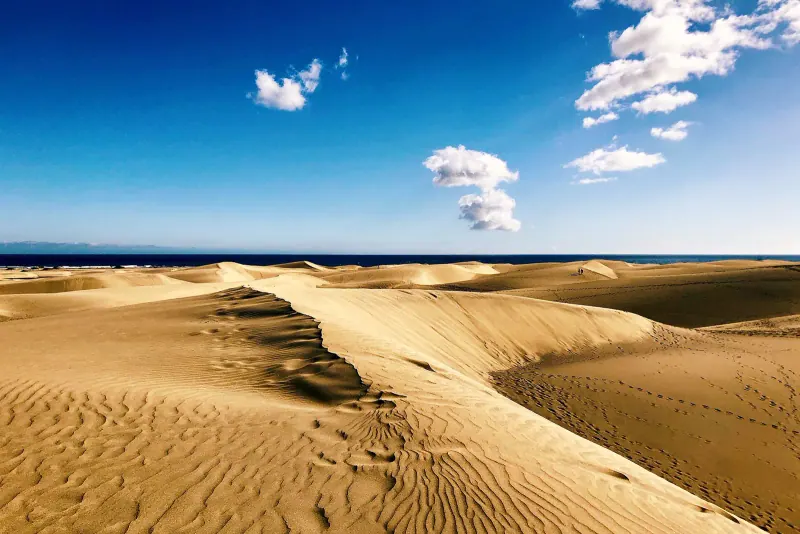 Are the Maspalomas dunes worth it?Go
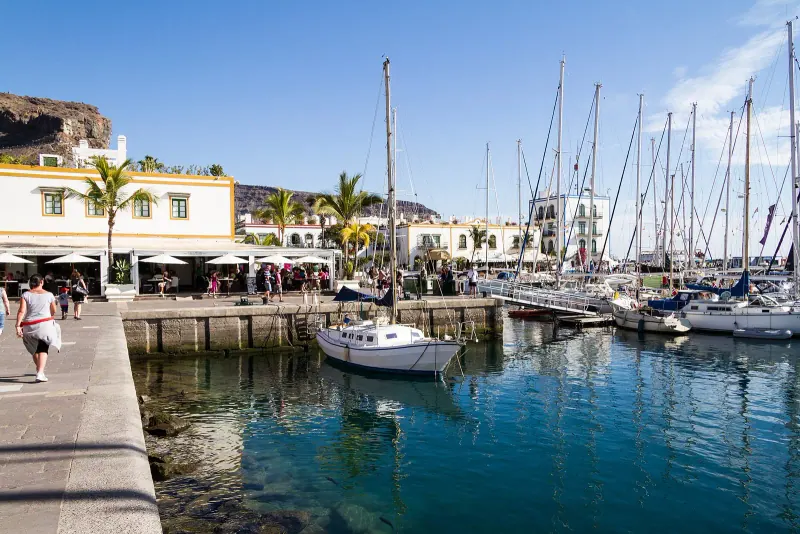 Is Puerto de Mogan worth it?Go
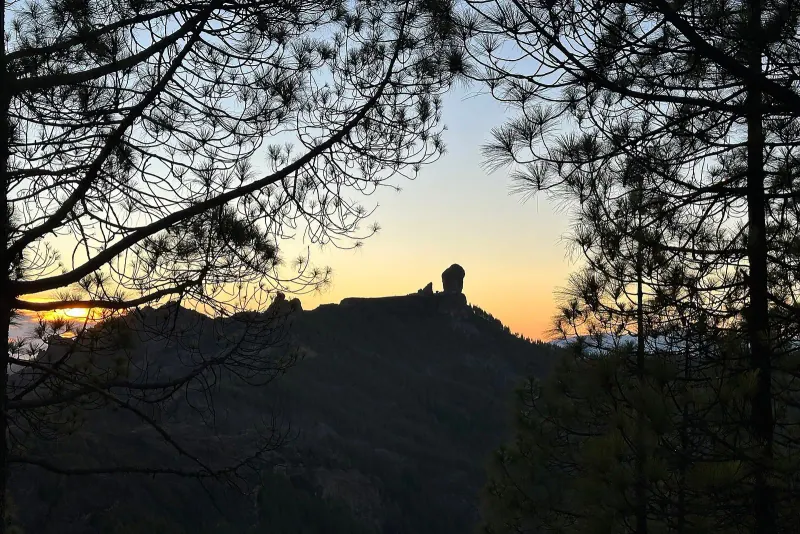 Is the Roque Nublo hike worth it?Go
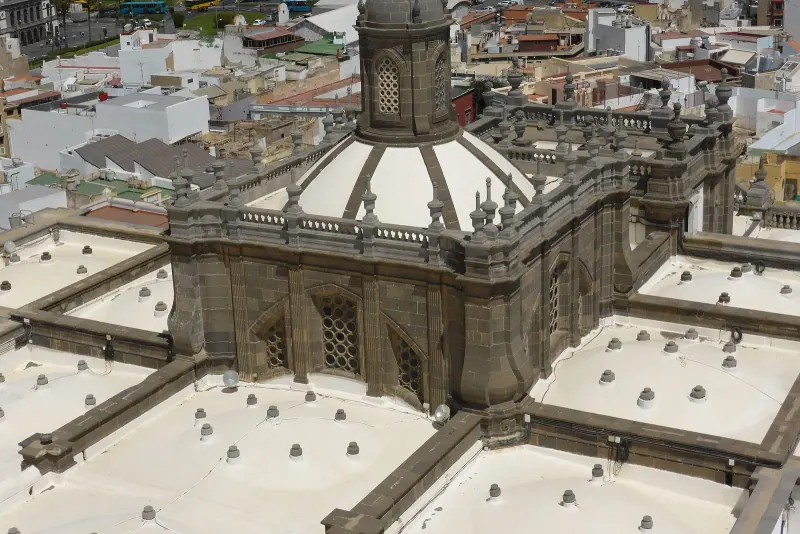 Is Las Palmas' Vegueta old town worth it?Go
Explore the decisions
 Is a Gran Canaria food tour worth it?It depends
Explore the decisions
 Is the Agaete and west-coast drive worth it?Go
 Is the Teror and north-villages day trip worth it?Go
Explore the decisions
 Gran Canaria airport to Las Palmas or the south: which way?Our pick: Global airport bus
 Gran Canaria or Tenerife: which island?Our pick: Tenerife
 Where to stay in Gran Canaria: Las Palmas or the south?Our pick: The south: Maspalomas, Playa del Ingles and Meloneras
Plan your Gran Canaria trip
Where to stay
12 hotel picksLuxury, mid-range and budget, cross-checked against traveler reports
Getting there
Airport to city, priced outGran Canaria airport to Las Palmas or the south: which way
Book a private transfer partner site
In pictures
the Agaete and west-coast drive worth itGran Canaria airport to Las Palmas or the south: which waya Gran Canaria food tour worth itGran Canaria or Tenerife: which islandthe Maspalomas dunes worth itPuerto de Mogan worth itthe Roque Nublo hike worth itthe Teror and north-villages day trip worth itKeep exploring
Gear verdicts from our sister site, Real Buyer Experiences:


