


A five-star estate tied to the story of Pedro and Inês, with old gardens, a spa and a destination restaurant; the calm splurge across the river.
Santa Clara, across the river
Check rates on Expediapartner siteCity guide / Portugal
Portugal's university city on a hill: a gold-leaf library, a fortress-like old cathedral, fado sung in small rooms and a river below, at prices under Porto. Our verdicts cover the university, the old town, fado, food and day trips.
The review
A gold-leaf library, black-caped students and fado in small rooms, on a hill that rewards good shoes and an early ticket.
Coimbra is worth it if you want Portugal's most atmospheric university town at a human scale, and it suits travelers who like climbing through an old town more than ticking off a long sight list. The payoff reported again and again is the university hill: a timed visit to the Joanina library, a fortress-like old cathedral a few minutes below it, then fado in a small room after dark. It also costs less than Porto, and a major US newspaper's 2025 list of places to go named it as an escape from the Lisbon and Porto crowds.
The hard truth is that the city is steep, the headline sights fit into a day and a half, and the evenings go quiet outside the fado hours. The library runs on timed tickets that can sell out, older guides still describe a train hop to a station that closed in January 2025, and the city council voted in July 2026 to raise its overnight tax from EUR 1 to EUR 2 while it studies a levy on the tour buses that clog its streets. Travelers who arrive expecting a polished showpiece find a lived-in student city with cobbles, stairs and some rough edges.
The fix is simple. Book the library slot before you travel, step off the train at Coimbra-B and take a taxi or the new MetroBus rather than hunting for the old station, sleep in the flat Baixa unless you want to pay for views with stairs, and give the city two days. Add Conimbriga or the Bussaco forest if a third day is free, and pack shoes you trust on wet stone.
The long read
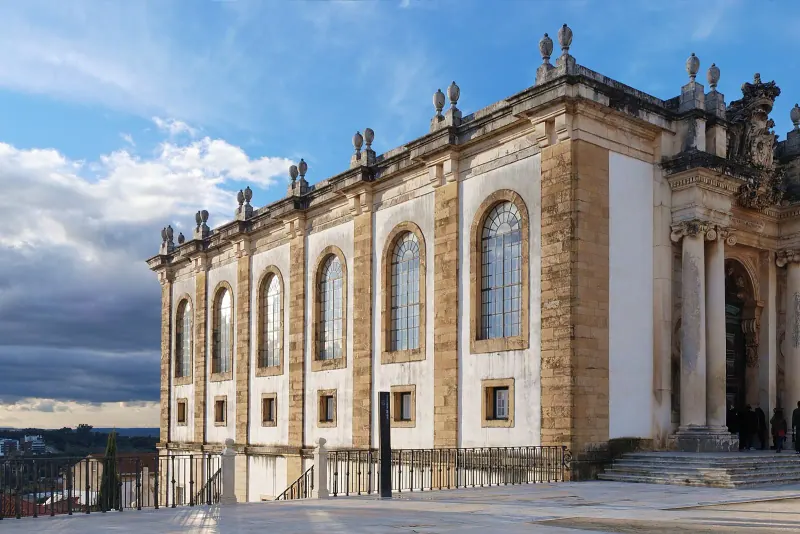
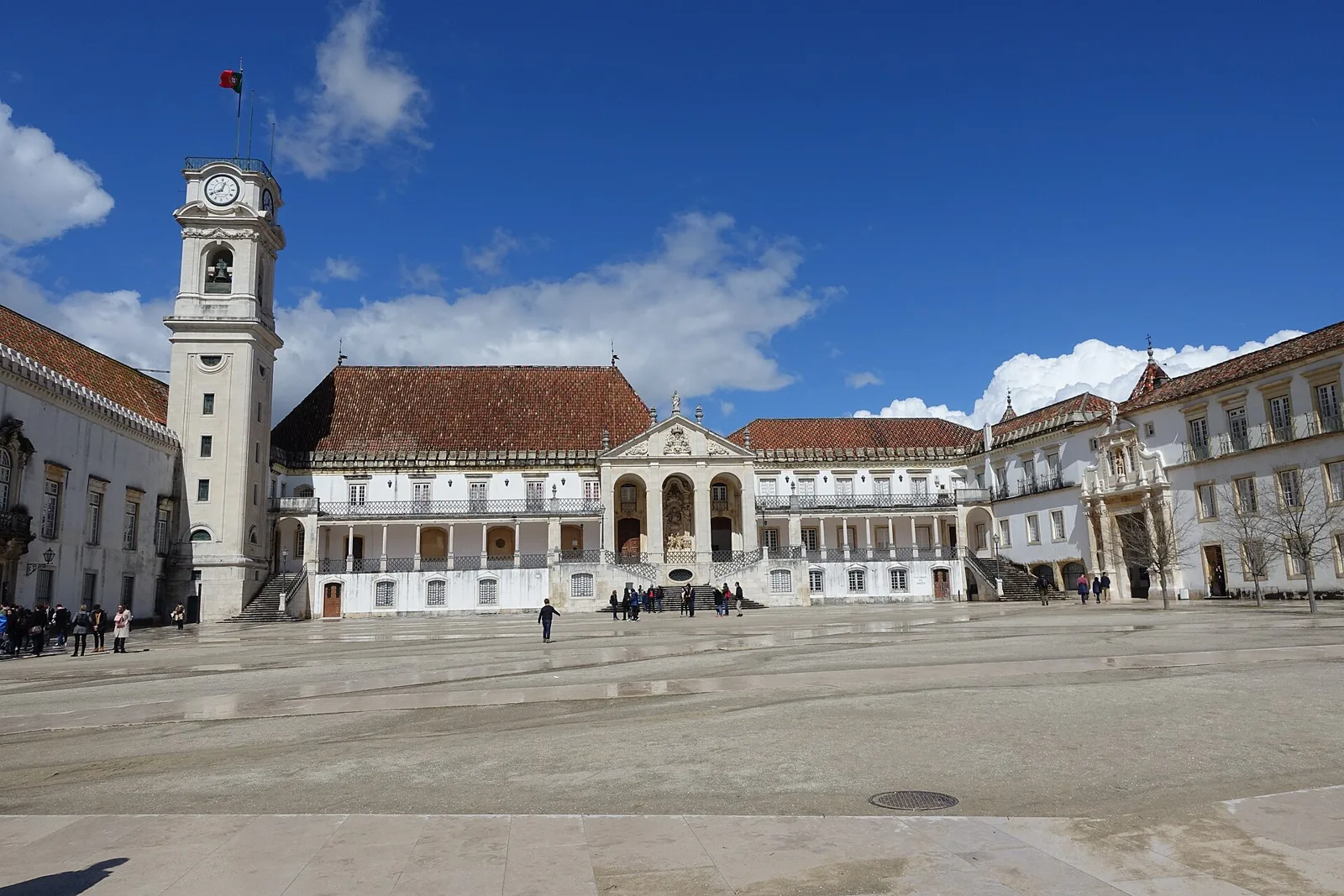
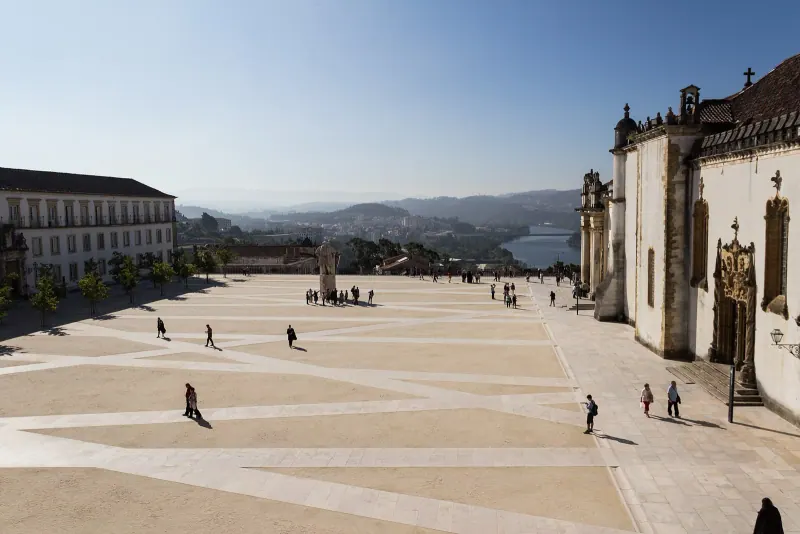
The climb to the university is the first thing travelers describe, and most call it steep but constantly rewarding. From the river you walk up through the old town, past the Sé Velha, to a hilltop courtyard that, as one parent notes, is free to wander. The guided tour then moves through the palace rooms and the chapel, which writers call opulent, and ends in the Joanina library, which several describe as the biggest highlight of the whole visit.
The library is also the place where plans go wrong. Entry is timed and sold on a combined ticket, groups are let in batches, and the doors are locked between batches to protect the books from humidity. One traveler who booked an 11am slot about two weeks ahead found every slot gone on the day in late September. Another missed a 2pm slot and was let into the next one by staff, so a small delay is not always fatal, but nobody should count on it. Photography is not allowed inside, which some regret and others find a relief.
Plan the hill early in the day, when the cobbles are cool and the courtyard is quiet, and keep a slot in your pocket before you leave home. Our university and Joanina verdict covers tickets and timing in detail.
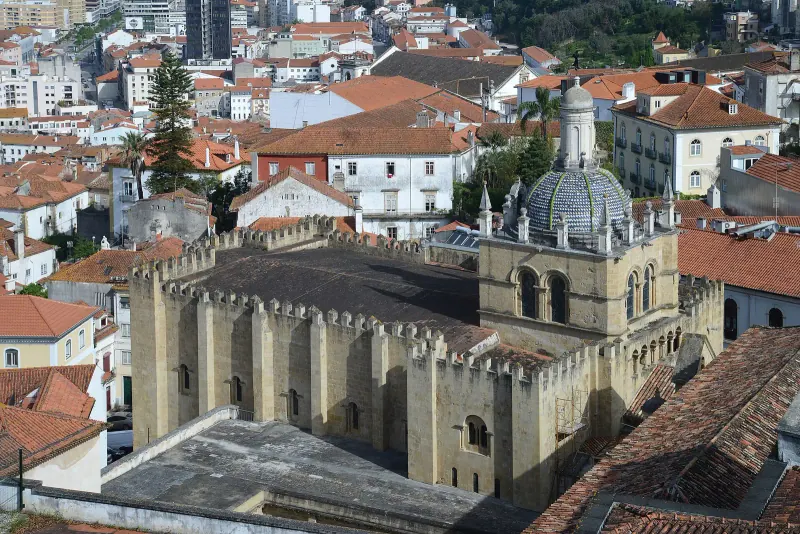
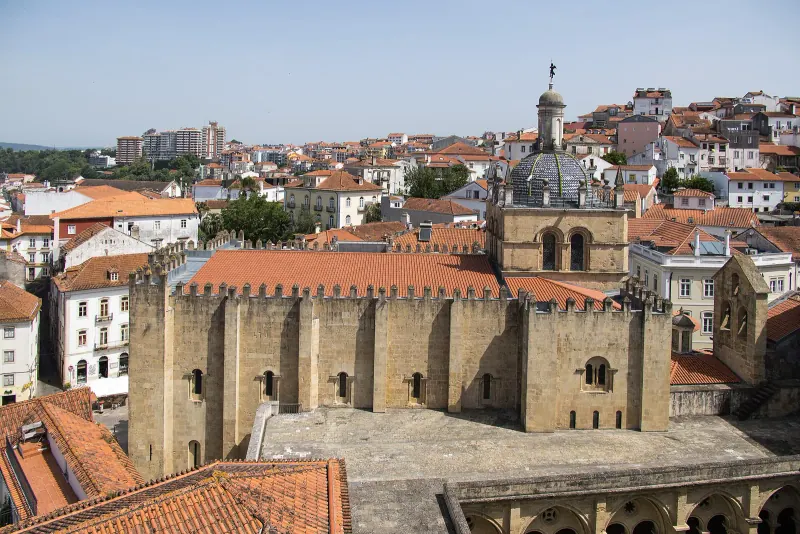
Below the university, the old town is a tumble of lanes that travelers walk in a loop: along Rua Ferreira Borges, under the Almedina arch, up the sloping cobbles of Quebra Costas and out onto the Largo da Sé Velha. Reports call the old cathedral fortress-like, with crenellations, a triple nave and a Gothic cloister, and describe lunch on its square as a slow two hours with locals at the next table. Two travelers found the whole center more compact and less crowded than Lisbon's Alfama.
The lower streets are pedestrian only and easy, which is where the city feels like a normal, lived-in place rather than a set. The upper lanes are another matter. Travelers joke that Coimbra is uphill both ways, and one rainy-day report found Santa Cruz and Santa Clara-a-Nova more ornate than expected once the weather drove them inside. In shoulder season, one visitor had whole streets almost to themselves.
Expect cobbles, stairs and hills everywhere, and pack walking shoes. Our old town and cathedral verdict lays out what is worth the climb.
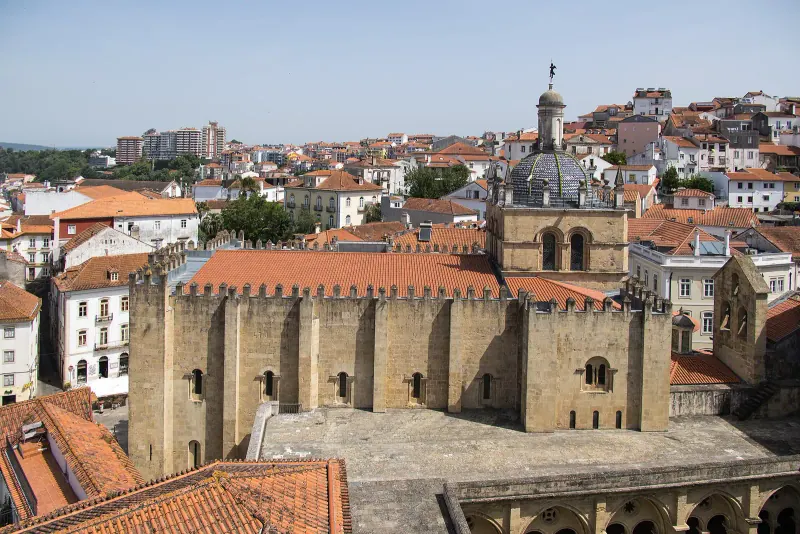
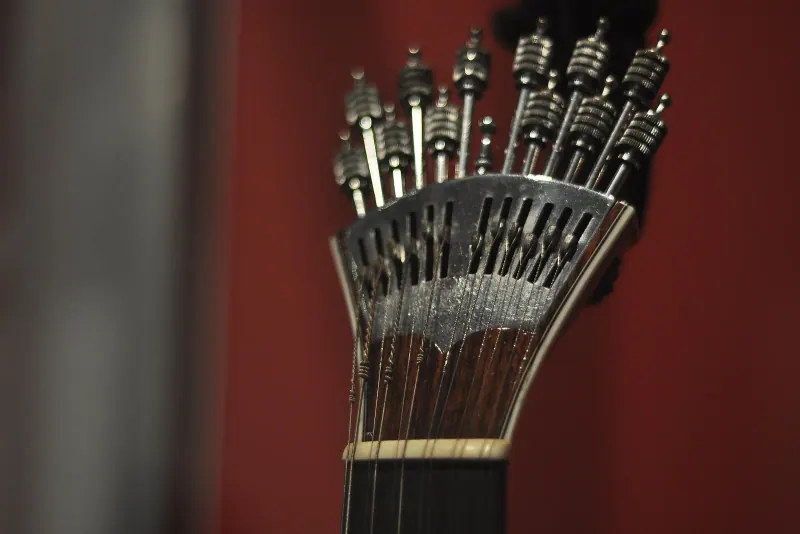
Fado in Coimbra is not the Lisbon version, and travelers notice. It is tied to the university, and the best-known moment is the serenata, sung at night on the old cathedral steps by students and graduates. In October 2025 the student paper reported a crowd listening in silence as women sang on those steps for the first time, and in May 2026 the Monumental Serenata opened the Queima das Fitas week in front of the Sé Velha, with one parent grumbling that too many groups crowded the stage.
For visitors without a student friend, the venues are small and scheduled. Fado ao Centro runs an early-evening show with the songs explained, a visitor describes a free nightly set at Café Santa Cruz where an older singer and two young instrumentalists hold the room, and another ended an evening with dinner and fado in a 14th-century chapel. The university's own news service lists 17:00 sessions in the Casa das Caldeiras at EUR 15.
The trade-off is that most of these are early evening shows, not late-night sessions, so the fado fits before dinner rather than after it. Our Coimbra fado verdict compares the venues.
Across the Mondego the city is quieter and greener. A Lisbon resident who has stayed several times recommends the Santa Clara side for its views back over the old town, and the ruined Santa Clara-a-Velha monastery sits on this bank. Quinta das Lágrimas, the estate tied to the story of Pedro and Inês, is the splurge hotel here, with old gardens and a spa, and the calm that comes with sleeping away from the student streets.
The riverside is also where the working city shows. A Camino walker staying at the riverside Astoria praised the breakfast but reported that her partner was kept awake by early-hours partying. Most travelers cross the river for a late-afternoon view and a walk, then come back to the center for dinner.
Coimbra's menus run to slow, rich dishes, and travelers who ate their way through the city name the same few: chanfana, goat slow-cooked in red wine; roast kid; crispy duck rice; and beef braised in wine. A writer who ate around the city calls the chanfana at A Cozinha da Maria the best goat stew she has had, while a food team that spent several days eating recommends a mix of contemporary kitchens and traditional houses.
The pitfall is timing. The same writer found Taberna Casa Costa had run out of chanfana by 8pm on a Wednesday, so popular dishes can be gone by the time you sit down. Book a table or eat on the early side. Our Coimbra food tour verdict covers whether a guided tasting is worth it.
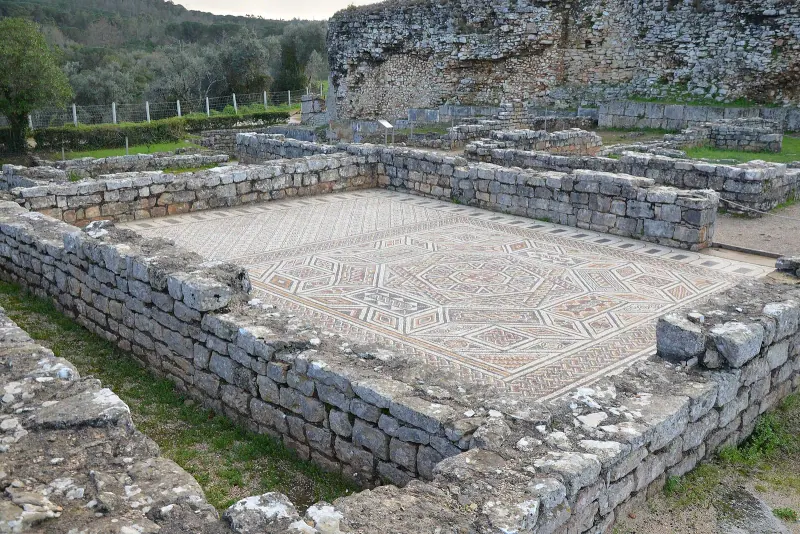
Conimbriga is the best-reported excursion: excavated streets, in-place mosaics, a forum, baths and the Casa dos Repuxos, plus a small museum. Reports say to start in the museum for the site plan, expect to pay about EUR 10 for the combined ticket, and arrive early enough that the museum does not close before the site. A late-afternoon arrival one traveler had the ruins nearly empty. Without a car the bus is limited, with few returns, and a taxi or ride app is the backup. One poster who had seen Italica and Ostia found the ruins nothing special, so the stop suits people who like archaeology more than spectacle.
Bussaco is the other classic. Travelers walk the mossy paths, chapels and stairways of the forest and some stay at the palace hotel. A family who walked in from Luso to avoid the paid parking found the Fonte Fria the busiest spot and cut the loop short because of the heat and the many stairs. Aveiro, by train, gives canals and ovos moles in about five hours, though writers warn the Venice comparison oversells a small lagoon town. See the Conimbriga, Bussaco and Aveiro verdicts.
Travelers who compare the two describe Coimbra as the calmer, cheaper and more academic choice, and Porto as the lively riverfront city with more depth. One Porto local treats Coimbra as a doable excursion about 118 km by train.
Tourism is growing from a smaller base: the city counted 698,151 overnight stays in 2025 and its council voted in July 2026 to raise the tourist tax from EUR 1 to EUR 2 a night. Our Coimbra or Porto verdict helps decide where to sleep.
The pitfalls
The library is only on the combined university ticket and entry is in timed batches, with doors locked between groups. One traveler who booked an 11am slot two weeks ahead found every slot gone on the day in late September. Another missed a 2pm slot and was let into the next, so book ahead and arrive early.
The downtown Coimbra-A station closed on 12 January 2025, and all trains now end at Coimbra-B outside the center. Several recent blogs still describe the old rail hop, and CP still sells tickets under the name Coimbra-B. Book Coimbra-B and take a taxi or the MetroBus that reached Praça da República in September 2026.
Travelers describe the upper old town as steep and uphill both ways, with cobbles underfoot. A Lisbon resident calls the Alta atmospheric but extremely steep and nearly impossible for parking, and recommends the flat Baixa for first-timers. Take a taxi with bags and pack sturdy shoes.
A Camino walker staying by the river said her partner was kept awake by early-hours student partying. Another couple found a Baixa apartment well insulated despite music outside. Ask for a back or higher room.
Reports describe a limited bus to Conimbriga with few return services, a museum that can close before the site, and a taxi or ride app as the realistic backup. Check the return time before you go and plan to arrive in the morning.
A writer who ate around Coimbra found Taberna Casa Costa had run out of chanfana by 8pm on a Wednesday, even though the dish is a signature of the city. Book ahead or eat early, and do not count on a late dinner finding the specialty.
When to go
Best time
April, early May, September, October
Mild weather for the hill climb, whole streets nearly empty in shoulder season by one traveler's account, and none of the summer heat that cut one family's Bussaco walk short.
Peak season
mid-May to August
The Queima das Fitas student festival opens in late May and brings the biggest crowds and noise, then summer heat and day-trip groups follow. Heat cut short one family's Bussaco walk in June.
Off season
November to March
The quietest months, with rain likely, as a rainy March report shows. Indoor sights, the Christmas program and evening fado keep the city worth a stop.
April, early May, September and October give mild weather for the hill and room to breathe. Mid to late May brings the Queima das Fitas student festival, which opened in 2026 with a midnight serenata on the Sé Velha steps. Winter is quiet and damp, with a Christmas program in December.
Getting there and around
| Airport | Distance | To the centre | How |
|---|---|---|---|
| OPO Porto Airport (Francisco Sa Carneiro) | 130 km | about 120 min | No direct train from the airport. Take Metro line E into the city; some trains run on to Campanhã, otherwise change at Trindade for a line that reaches Campanhã. From Campanhã take a CP Alfa Pendular or Intercidades train to Coimbra-B, about 1 hour 10 on the fastest service. Every long-distance train now ends at Coimbra-B outside the center. Check CP for current fares and times. (source, checked Oct 2026) |
| LIS Lisbon Humberto Delgado Airport | 200 km | about 150 min | Take the Red metro line to Oriente station, then a CP Alfa Pendular or Intercidades to Coimbra-B, about 1 hour 40 on the Alfa Pendular per travelers. A taxi or the MetroBus covers the last hop from Coimbra-B into town. Check CP for current fares and times. (source, checked Oct 2026) |
The old town is walkable but steep, and the lower pedestrian streets are the easy part. All long-distance trains now end at Coimbra-B outside the center, since the downtown station closed in January 2025. Since 10 September 2026 the MetroBus runs from Coimbra-B to Praça da República with peak waits of about five minutes, and from 1 October 2026 the MOVE-C card covers city buses, the MetroBus and some CP regional trains in the Coimbra area (CP does not sell the card; the first top-up is at a city bus or Metro Mondego sales point). A taxi is the easiest last hop with bags. See Coimbra airport and train for the arrival chain.
Where to stay
We earn a commission if you book through our links. It never changes a verdict. How this works
High-end stays whose guests report the setting and service earn the rate.
A five-star estate tied to the story of Pedro and Inês, with old gardens, a spa and a destination restaurant; the calm splurge across the river.
Santa Clara, across the river
Check rates on Expediapartner siteA five-star former royal hunting palace inside the Bussaco forest about 25 km from Coimbra; guests praise the staff and the setting, though some note no air conditioning and weak in-room WiFi.
Bussaco forest, Luso
Search Expedia for this hotelpartner siteA four-star boutique in converted heritage buildings about 400 meters from the university, with a spa, deluxe rooms and a suite with a private pool; a top boutique for the hill, where stairs and cobbles come with the address.
University hill
Check rates on Expediapartner siteA four-star boutique of 22 rooms in three buildings beside the Joanina library, with a rooftop bar over the roofs; the top boutique on the university hill and the pick for views without a resort price.
University hill
Check rates on Expediapartner siteThe comfortable middle: well placed, well run, priced for a normal trip.
A large riverside four-star on the Santa Clara side of the Mondego with a spa, indoor and outdoor pools and two restaurants; the comfortable chain option for families and drivers.
Riverside, Santa Clara side
Search Expedia for this hotelpartner siteA historic 1926 hotel on Avenida Emídio Navarro by the river, praised for breakfast; one guest reported student partying at night.
Baixa riverside
Search Expedia for this hotelpartner siteA four-star spa hotel in Luso, about 25 km from Coimbra near the Bussaco forest, with a pool and a tunnel to the thermal baths; check that the hotel is open, since winter renovation closures have been listed.
Luso, near Bussaco
Search Expedia for this hotelpartner siteA family-run three-star in the Baixa where guests praise the reception staff's restaurant tips and the central location; ask for a quiet room.
Baixa
Check rates on Expediapartner siteCheaper beds that travelers still rate well for location and cleanliness.
A hostel with private rooms on the cathedral square, with breakfast included and a lobby lounge; the location is the draw.
Old town, Largo da Sé Velha
Search Expedia for this hotelpartner siteA hostel with private suites, a quiet garden and a sunny terrace near the university; guests praise the rooms, breakfast and rooftop.
Sé Nova, near the university
Search Expedia for this hotelpartner siteA large central hostel on Praça do Comércio in the Baixa, four minutes from the old station; cheap and well placed, with mixed reviews on cleanliness, so check recent feedback before booking.
Baixa, Praça do Comércio
Search Expedia for this hotelpartner siteA central two-star hostel with private suites beside the Jardim da Sereia, a minute from Praça da República; reviews are mixed, so treat it as a location pick.
Baixa, near Jardim da Sereia
Search Expedia for this hotelpartner siteQuestions
Two days cover the university and Joanina library, the old town, the river side and a fado evening. Forum posters planning the city suggest two to three nights. Add a half day for Conimbriga or Bussaco if you have a third day.
Reports say yes, with rooms and meals below Porto prices. The city council voted in July 2026 to raise its tourist tax from EUR 1 to EUR 2 a night; check the start date and rules with the city before you book.
No, a car is more trouble than help in the old town, where parking is hard and the upper streets are steep. Trains reach Coimbra-B and the new MetroBus links it to Praça da República. A car only helps for Bussaco or Conimbriga, where public transport is limited.
Coimbra-B. The downtown Coimbra-A station closed on 12 January 2025, and all long-distance trains now end at Coimbra-B outside the center. CP still sells tickets under the name Coimbra-B, and taxis and the MetroBus cover the last hop.
It can be. A parent who came with a toddler calls the university and library the star attraction and advises booking library tickets early, and the courtyard is free to wander. Expect hills and cobbles, so bring a carrier or a light stroller.
Travelers name the early-evening Fado ao Centro show, free nightly fado at Café Santa Cruz, and sessions in the Casa das Caldeiras at EUR 15. Most are early evening, so plan fado before dinner.
How this guide was written. We read 35 traveler reports about Coimbra published between Nov 2024 and Sep 2026, and checked the facts against official sources in Oct 2026. Nobody on the team claims a visit; hotel picks are chosen from what guests report, never from what they pay us. How we judge.
Explore the decisions
 Is a Coimbra fado evening worth it?Go
 Is Coimbra University and the Joanina library worth it?Go
 Is Coimbra's old town and cathedral worth it?Go
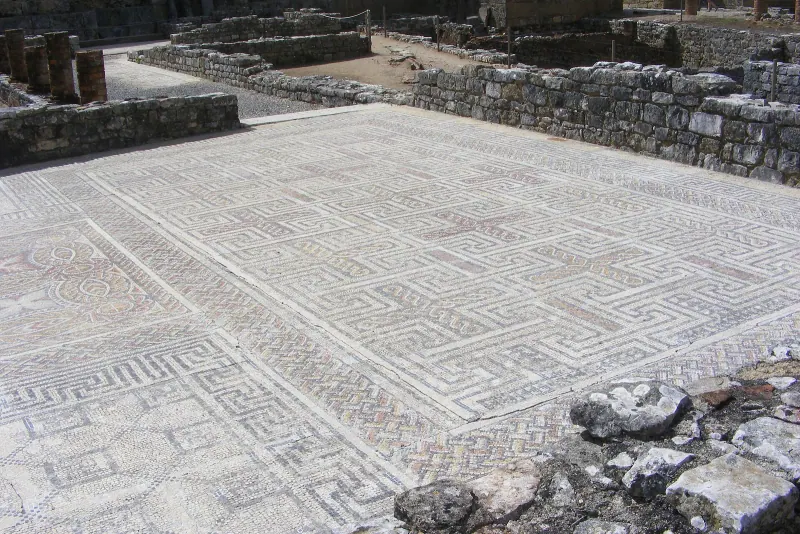 Are the Conimbriga Roman ruins worth it?Go
Explore the decisions
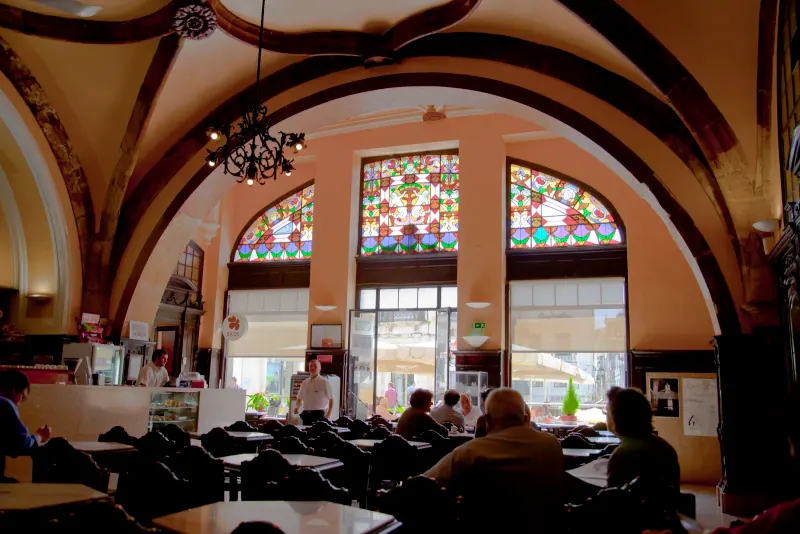 Is a Coimbra food tour worth it?It depends
Explore the decisions
 Is a Bussaco forest day trip from Coimbra worth it?Go
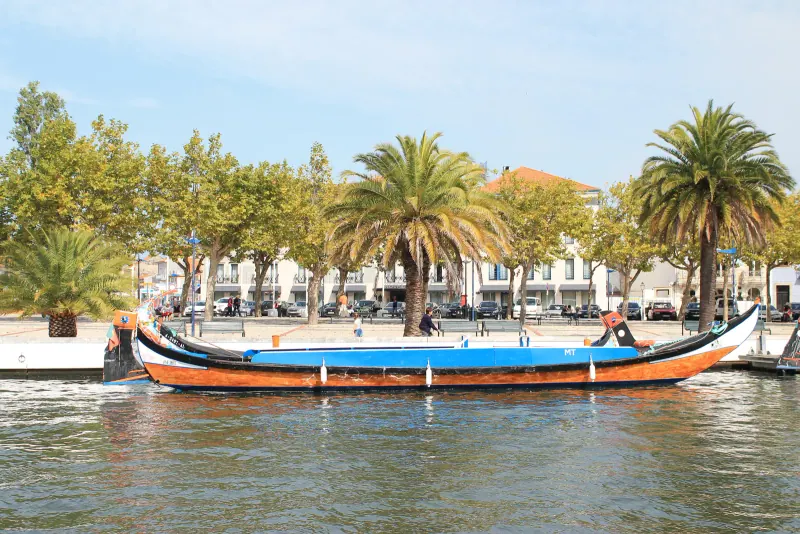 Is an Aveiro day trip from Coimbra worth it?It depends
Explore the decisions
 Coimbra or Porto: which city?Our pick: Porto
 Coimbra: which airport or train route?Our pick: Fly into Porto, then the train
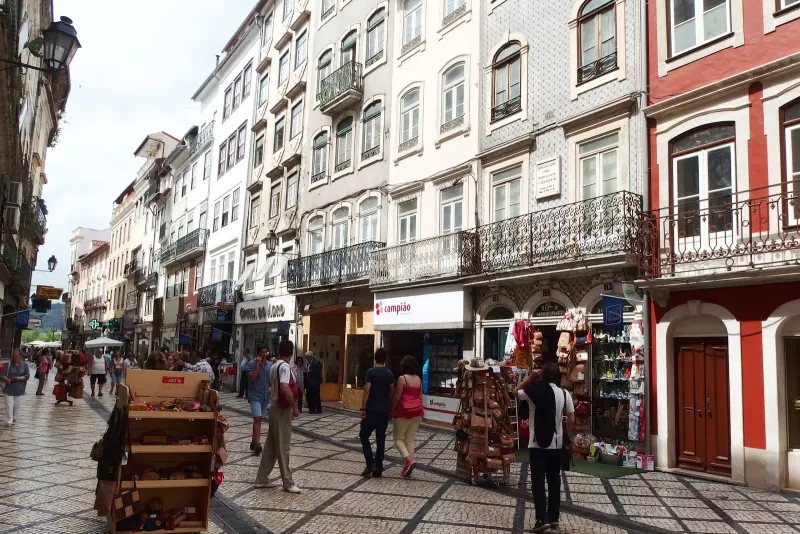 Where to stay in Coimbra: which area?Our pick: Baixa (downtown)
Plan your Coimbra trip
Where to stay
12 hotel picksLuxury, mid-range and budget, cross-checked against traveler reports
Getting there
Airport to city, priced outCoimbra: which airport or train route
In pictures
an Aveiro day trip from Coimbra worth ita Bussaco forest day trip from Coimbra worth itCoimbra: which airport or train routea Coimbra fado evening worth ita Coimbra food tour worth itCoimbra's old town and cathedral worth itCoimbra or Porto: which cityCoimbra University and the Joanina library worth itKeep exploring
Gear verdicts from our sister site, Real Buyer Experiences:


