


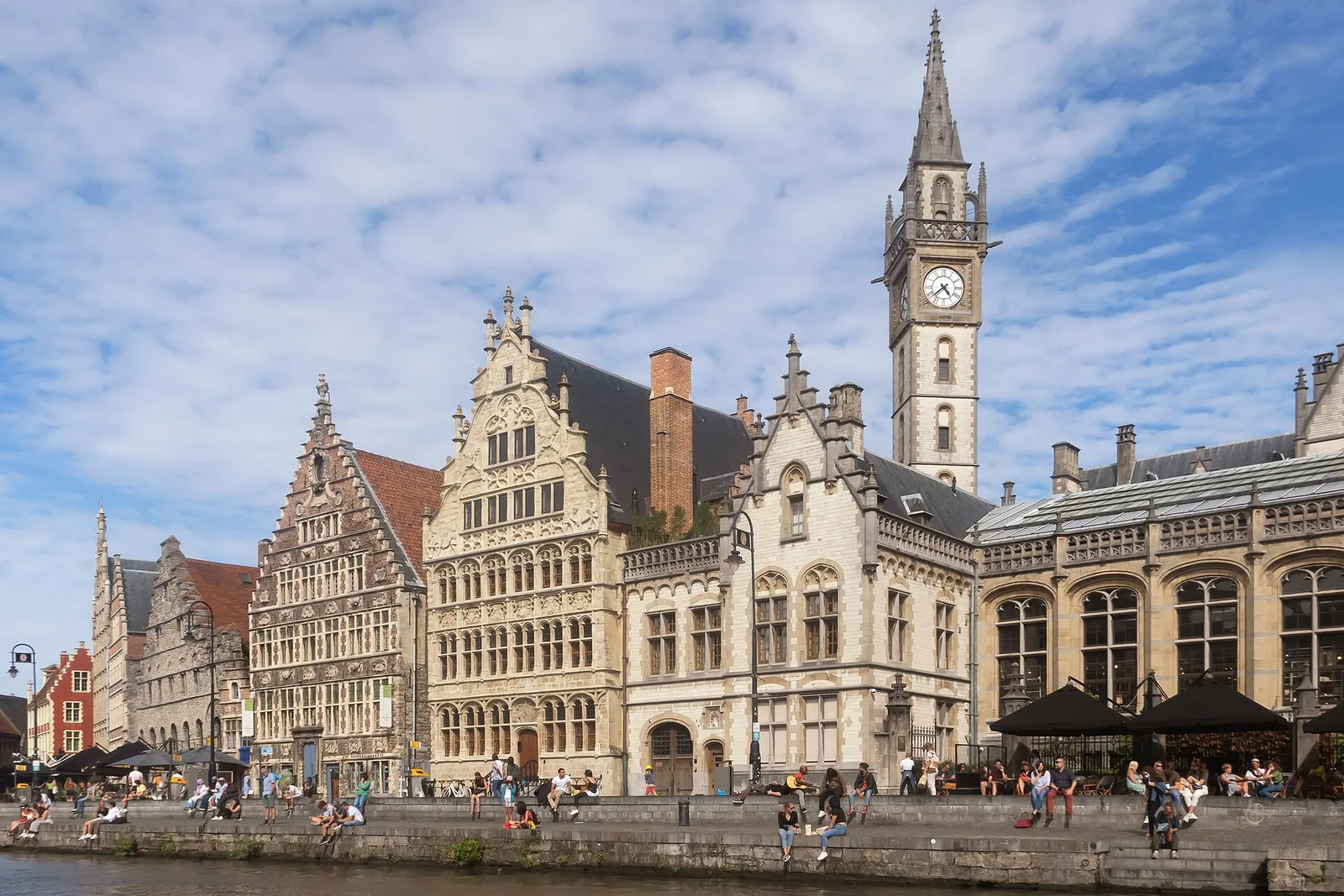
A four-star design boutique in the former neo-Gothic post office on the Graslei, the top boutique pick in town; guests praise the location, staff and the breakfast room with a fireplace.
Graslei, historic center
Check rates on Expediapartner siteCity guide / Belgium
Ghent pairs a medieval center of guild houses, a castle and the Ghent Altarpiece with the pulse of a student city. Several travelers pick it over Bruges as the Flanders base.
The review
A castle on the high street, a famous altarpiece and quays full of students: Flanders with the polish traded for life.
Ghent is worth it for travelers who want a medieval Flemish city that still feels lived in. The guild houses of the Graslei and Korenlei, the Gravensteen castle on the high street, the Belfry and the Ghent Altarpiece all sit within an easy walk, and the food and beer scene is stronger than the size of the city suggests. Several travelers say it is the better overnight base than Bruges, and one repeat visitor calls it a favorite Belgian city but warns that the Gentse Feesten crowds get intense.
The hard truth is that Ghent is less polished and takes a little planning. Sint-Pieters station is a 20 to 30 minute walk from the center, so you need a tram. The Altarpiece needs its own timed ticket, the castle and Belfry involve narrow stairs, and the free nave of the cathedral does not include the Altarpiece. In the Feesten week in July, crowds turn intense.
The fix is simple. Stay in the historic center or Patershol, book the Altarpiece ahead, give the city one to two days, and add Bruges by a 25-minute direct train or Antwerp and Brussels by rail. Most travelers decide the trade of polish for life is worth it.
The long read
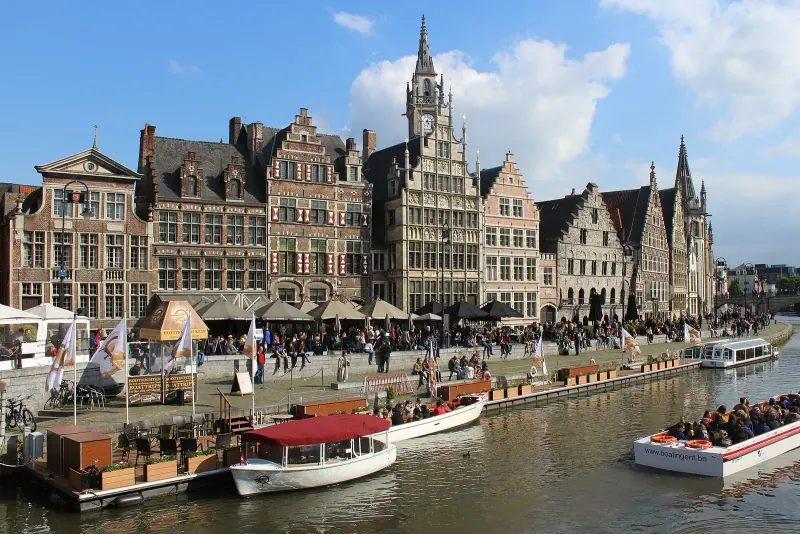
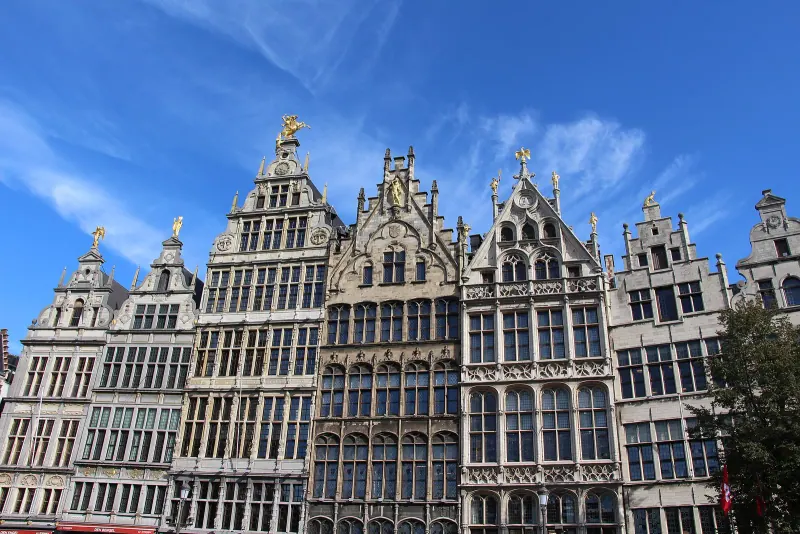
Start at the water. The Graslei and Korenlei face each other across the Leie, the old port lined with guild houses and watched over by the towers of the Belfry, St Bavo's and St Nicholas'. Travelers who walk the canal paths report doing it without fighting crowds, and one writer who counts Ghent among the highlights of her Belgium trip describes a lively university city rather than a museum set.
The best view costs nothing. One writer who climbed the Belfry says the view he liked most in Ghent was the free one from St Michael's Bridge. The tower still earns its price for most people: a lift covers most of the climb, the bells and the dragon weathervane are worth a stop, and a couple on a July 2026 weekend loved the 360-degree panorama. The top platform is narrow, so passing and lingering are hard. The Belfry verdict has the detail.
The center is small enough to cross on foot. One walking route links the cathedral, Gravensteen, the Korenlei and the Groentenmarkt in a few hours, and the core is largely closed to through traffic. That is why evenings feel calm by the quays. A first-time visitor describes Ghent as a lived-in medieval city that rewards staying after dark.
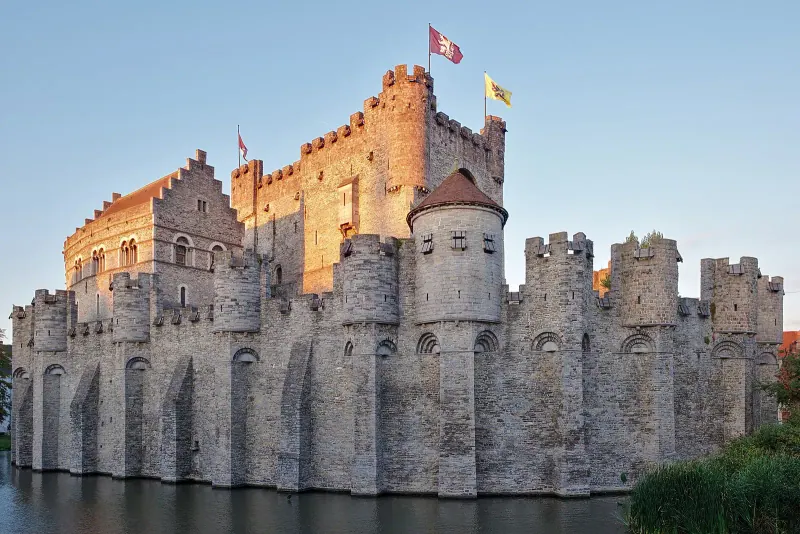
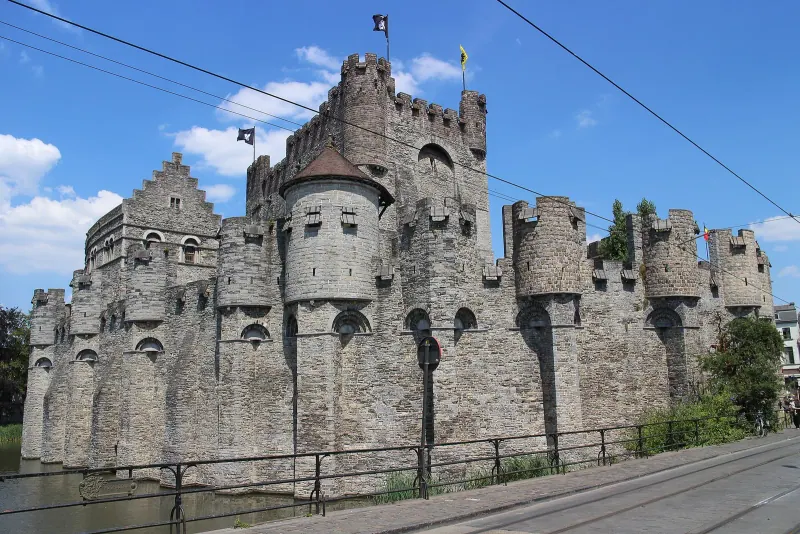
Gravensteen is a moated medieval castle on the high street, and a repeat visitor ranks it as the favorite sight in the city. Travelers like the ramparts and the rooftop views, and one lingered in the keep watching boats on the Leie. The audio guide divides people: some find it funny, others call it corny. The rooms are sparse, the spiral stairs are narrow and some rampart sections are poorly protected, so watch children and your footing. Late arrivals have been turned away before closing, and pre-booking is advised in high season. See the Gravensteen verdict.
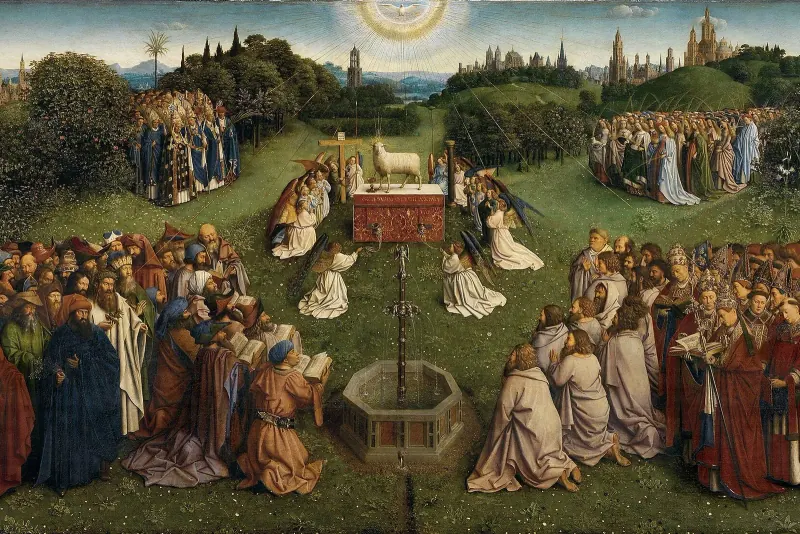
The Ghent Altarpiece in St Bavo's Cathedral is the art draw. One art-history guide calls it the gateway to the Flemish Primitives and a definite yes for anyone in town. Visitors can stay as long as they like and watch the crowd come and go, and the augmented reality crypt tour, available in versions for kids, standard and expert levels, is described as fun and rare for a cathedral. The nave is free, but the Altarpiece zone needs its own timed ticket, and the tourism office encourages booking online ahead to secure a visit. Cathedral and Altarpiece hours differ, especially on Sundays.
Book this one ahead. The tourism office notes the first and last slots of the day let you see both the open and closed panels. It also reports that the upper register of the inner panels is being restored at the Museum of Fine Arts, so check what hangs in the cathedral on your date. Read the Altarpiece verdict before choosing a slot.
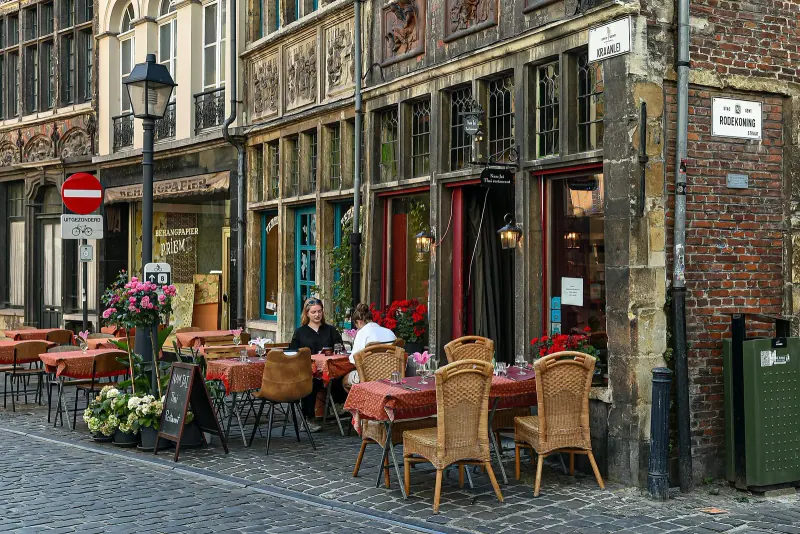
Ghent punches above its size at the table. One food guide calls the dining scene disproportionately strong for a city of 260,000, and another describes two-star kitchens sitting beside frituur stands in a city that does not take itself too seriously. The catch is timing: small serious restaurants can book out two weeks ahead, so reserve before you arrive.
The local canon is short and worth tasting: fish waterzooi, Gentse stoverij, cuberdons, Tierenteyn mustard and Ganda ham. A repeat visitor names De Rechters, opposite the cathedral, for waterzooi and calls the 2.5-hour food tour with five tastings and a history walk worth every bite. That tour is the easy answer if you want the canon without researching it.
Beer is its own circuit. Specialist beer cafes and bottle shops make a self-guided tasting route, and the craft bars around the center keep evenings lively. Check hours before you cross town: one beer traveler found the famous Dulle Griet closed at its posted hours and ended up at a canal-side bar instead. For atmosphere after dinner, travelers point to Patershol, the old lanes beside the castle, which is quiet at night yet close to everything.
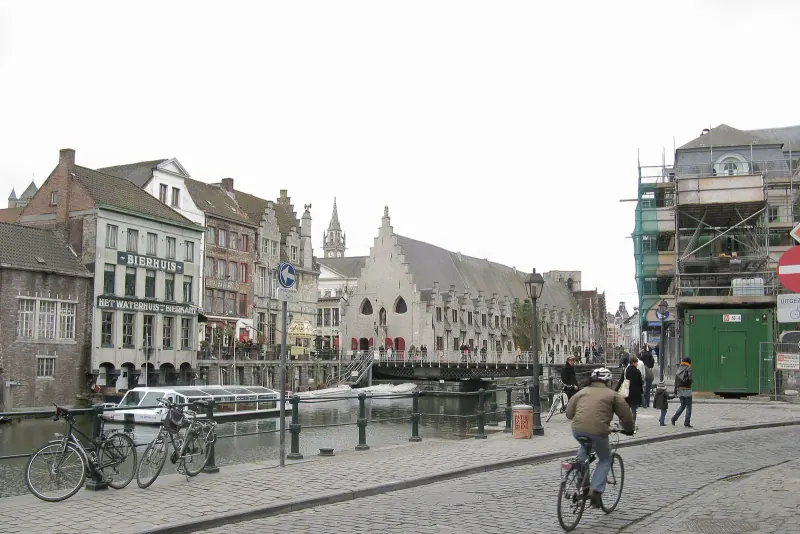
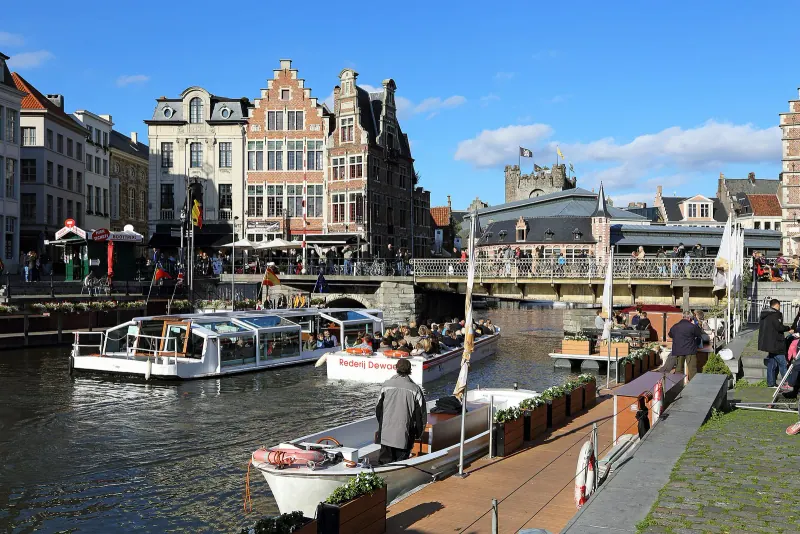
The canal cruise runs on the Leie and its sister waterways, and one travel writer who calls Ghent a favorite Belgian city describes the boat tour as a fun way to see the architecture. The CityCard includes one guided boat tour, which is the simplest way to try it. The boat tour verdict weighs it.
On the ground, the city tourism office describes a center largely closed to through traffic and built around walkers and cyclists, with trams and buses covering the rest. Look for bikes and tram rails before stepping off a curb. The CityCard comes as a 48 or 72 hour card; the tourism office lists transit, one guided boat tour and a once-only 10 euro Altarpiece discount among its benefits, so it can pay off for a museum-heavy trip.
Several travelers say sleep in Ghent. One writer calls her first half day in Ghent a mistake and now bases there, taking the 25-minute direct train to Bruges and reaching the Markt by 9:30, ahead of the coach parties. Another Belgium-based writer says Ghent wins on beauty and as a base near Bruges and the coast. Domestic intercity trains need no reservation and run several times an hour between the Flemish cities, so day trips are simple. See the Bruges day trip.
The Ghent versus Bruges question comes up constantly. Ghent is calmer and livelier after dark, while Bruges wins on pure polish and visual density; the Bruges or Ghent comparison lays it out. Against Antwerp, the choice is closer to a pairing: a long-weekend plan splits days between the two on one rail line. The Ghent or Antwerp verdict helps you decide.
In July, Ghent turns into a ten-day street party. The Gentse Feesten ran from 17 to 26 July in 2026, fill the center with large crowds. A repeat visitor warns that the crowds get intense during the Feesten and suggests spring or early fall for a calmer visit. It is a fantastic reason to come if you want music in the streets, and a reason to book rooms early and skip it if you want quiet.
Winter has its own pull. The Christmas market is part of the Gentse Winterfeesten and, per the city, runs 3 December 2026 to 3 January 2027. The broadcaster's report on the 2025 opening describes more than 150 stalls across the Korenmarkt, Klein Turkije, Emile Braunplein and Sint-Baafsplein, a free market, and an ice rink back after a gap. The Light Festival runs every three years; the last edition ended in February 2024 and the next is announced for 2027, with dates not yet published. Expect rain more than snow.
The pitfalls
The Altarpiece needs its own timed ticket and the tourism office encourages booking online ahead to secure a visit. The first and last slots of the day let you see both the open and closed panels, and part of the upper register is being restored elsewhere, so check what is on display.
The ten-day festival ran 17 to 26 July in 2026 and fills the center with huge crowds. A repeat visitor warns that crowds get intense during these days and suggests spring or early fall for a calmer visit. Book rooms early or pick another month if you want quiet.
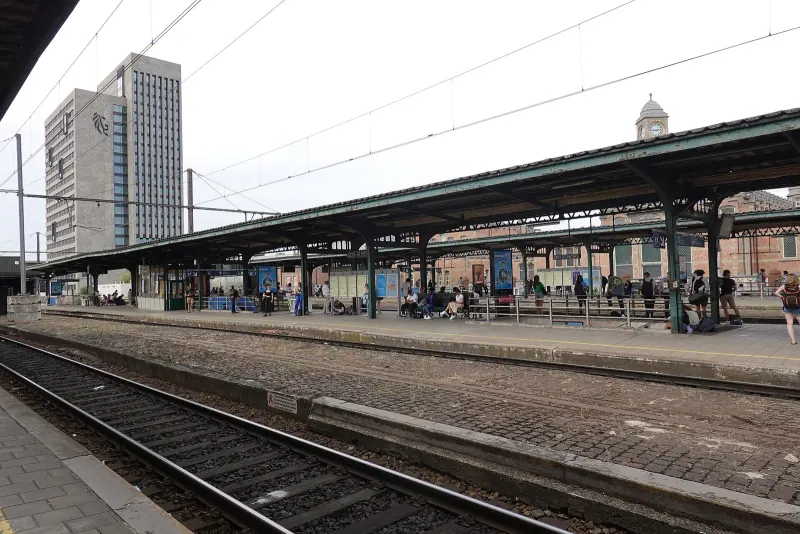
Sint-Pieters is a 20 to 30 minute walk from the historic center, and travelers warn the area does not look like the tourist photos. The city's public transport page sends visitors to the tram, with tickets at the station shop. Arrive with a tram plan, especially with luggage.
The Belfry has a lift for most of the climb, but the way down is a spiral of about 250 steps, the top platform is narrow and the stairs are very narrow. At Gravensteen, spiral stairs and some poorly protected rampart sections need care. Late arrivals have been turned away before closing.
A castle report saw late arrivals turned away before closing at Gravensteen, and pre-booking is advised in high season. Arrive well before closing and check the day's hours.
The Museum of Fine Arts lists Monday as closed, and the tourism office notes that various attractions close on the first day of the working week. Cathedral and Altarpiece hours differ, especially on Sundays, when the visitor center opens in the afternoon. Check hours for your date before building a day around one sight.
Small serious restaurants can book out two weeks ahead, according to one food guide. A beer traveler found the famous Dulle Griet closed at its posted hours. Reserve dinner before you travel and carry a backup bar.
Travelers arriving by air tell others to search for Brussels Airport-Zaventem as the departure station rather than Brussels-Central or Midi, to hold a valid ticket before boarding and to allow a buffer after landing. The rail operator says an airport supplement applies and is often already included in the ticket price.
When to go
Best time
April to June and September to early October
Travelers recommend these months for mild weather and thinner crowds than July, with outdoor canal paths and quays at their best.
Peak season
Mid to late July
The Gentse Feesten fill the center for ten days, with free music and street events, and crowds that turn intense.
Off season
December to February
Rain is more likely than snow, but the center is lit and busy with the winter festival, and the quieter months suit museum days.
April to June and September to early October bring mild weather and thinner crowds, according to travelers. The Gentse Feesten fill the center in late July, and the Christmas market and winter festival run from early December to early January.
Getting there and around
| Airport | Distance | To the centre | How |
|---|---|---|---|
| BRU Brussels Airport | 70 km | about 55 min | Direct train from the station under the terminal to Gent-Sint-Pieters in about 55 minutes, according to the airport, then a tram of roughly ten minutes to the center. Travelers search for Brussels Airport-Zaventem as the origin. An airport supplement applies on top of the standard fare and is usually included in tickets sold to or from the airport; check the current amount on the rail operator's page. (source, checked Oct 2026) |
| CRL Brussels South Charleroi Airport | 90 km | about 90 min | No train from the terminal. Flibco shuttles serve Ghent from the airport (nine daily shuttles from Bruges and Ghent, from 5 euro, according to the airport); check Flibco for times, or take the shuttle to Charleroi-Sud station and the train via Brussels, which takes longer. Book the coach online ahead of low-cost flights. (source, checked Oct 2026) |
Walk the compact center; the city describes it as largely closed to through traffic and built for walkers and cyclists, so watch for bikes and tram rails. Trams run from Sint-Pieters station to the Korenmarkt, and tickets are sold at the transport shops at the station and at Korenmarkt, by machine at the stop, and by contactless card on board. Check De Lijn for the current single fare.
Where to stay
We earn a commission if you book through our links. It never changes a verdict. How this works
High-end stays whose guests report the setting and service earn the rate.
A four-star design boutique in the former neo-Gothic post office on the Graslei, the top boutique pick in town; guests praise the location, staff and the breakfast room with a fireplace.
Graslei, historic center
Check rates on Expediapartner siteA 17th-century building with a spa and sauna and gourmet dining, a walk of about eight minutes from the castle, town hall and cathedral. A top boutique rated 4.5 stars rather than five.
Hoogpoort, historic center
Search Expedia for this hotelpartner siteA five-star boutique on Sint-Niklaasstraat in the car-free center, a few minutes from the Korenmarkt and the quays; newly opened, with few reviews so far, so expect polish and a small-hotel feel rather than a track record.
Sint-Niklaasstraat, historic center
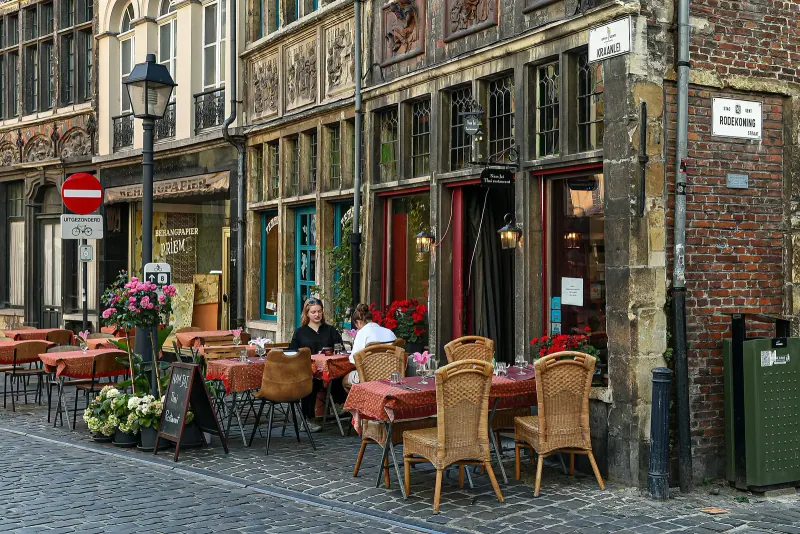
Search Expedia for this hotelpartner siteA four-star canal-side boutique townhouse standing in for the tier on the Kraanlei, about 100 meters from Gravensteen and highly rated by guests; the Patershol pick.
Patershol, Kraanlei
Check rates on Expediapartner siteThe comfortable middle: well placed, well run, priced for a normal trip.
A dependable four-star behind a listed facade beside the Belfry, a short walk from the quays and the cathedral; the value pick in the old core.
Korenmarkt, historic center
Check rates on Expediapartner siteA chain hotel with sauna, fitness room, restaurant and bar near the town hall and Gravensteen; guests praise staff and breakfast, a few mention street noise.
Hoogpoort, historic center
Search Expedia for this hotelpartner siteA practical three-star by the Opera and Kouter side with a garden, bar and bike hire, close to the Belfry and St Michael's Bridge.
Opera quarter, near the Kouter
Search Expedia for this hotelpartner siteAn Art Deco three-star near Citadelpark with an indoor pool, sauna and spa, recommended by one repeat visitor for value; trams link it to the center.
Citadelpark, south of Sint-Pieters
Search Expedia for this hotelpartner siteCheaper beds that travelers still rate well for location and cleanliness.
A central hostel with small private rooms for three or four, about 110 meters from the Graslei and Korenlei; guests call it clean, central and quiet.
Sint-Michielsplein, by St Michael's Bridge
Search Expedia for this hotelpartner siteA modern youth hostel about 150 meters from Gravensteen with twin and multi-bed rooms with private bathrooms; busy during the Gentse Feesten.
Sint-Widostraat, near Patershol
Search Expedia for this hotelpartner siteA simple central chain hotel on the Voldersstraat where guests praise the helpful staff and the clean rooms.
Voldersstraat, historic center
Search Expedia for this hotelpartner siteA three-star in the Stationsbuurt Noord with a bar and room service; practical for early trains, though the center is a tram ride away.
Sint-Pieters station quarter
Search Expedia for this hotelpartner siteQuestions
One to two days covers the castle, the Altarpiece, the Belfry and the quays. Travelers who stay overnight say the evenings are the best part, and a second day lets you add Bruges, 25 minutes away by direct train.
They suit different travelers. Bruges wins on polish and visual density, while Ghent is calmer, livelier after dark and a better base for day trips. Several writers recommend sleeping in Ghent and visiting Bruges by train.
Take the direct train from the airport station to Gent-Sint-Pieters, about 55 minutes according to the airport, then a tram to the center. Search for Brussels Airport-Zaventem as the origin, and note the airport supplement, which is often already in the ticket price.
No. The center is largely closed to through traffic, trains reach Bruges, Antwerp and Brussels, and trams cover the rest of the city. Foreign-plated cars must register for the city's low emission zone before driving in (registration is free), so check the city page first.
Yes in practice. Booking ahead is strongly advised: the tourism office encourages booking online to secure a visit (mandatory only for CityCard discounts). The first and last slots of the day let you see both the open and closed panels, so book those early.
For a first stay, travelers pick the streets between Korenmarkt, Sint-Baafsplein, Graslei and Gravensteen, then Patershol for old-town atmosphere. The station quarter works for train-heavy trips and some value, but the center is a tram ride away.
How this guide was written. We read 28 traveler reports about Ghent published between Jan 2025 and Sep 2026, and checked the facts against official sources in Oct 2026. Nobody on the team claims a visit; hotel picks are chosen from what guests report, never from what they pay us. How we judge.
Explore the decisions
 Is a Ghent boat tour worth it?It depends
 Is Gravensteen castle in Ghent worth it?Go
 Is the Ghent Altarpiece worth it?Go
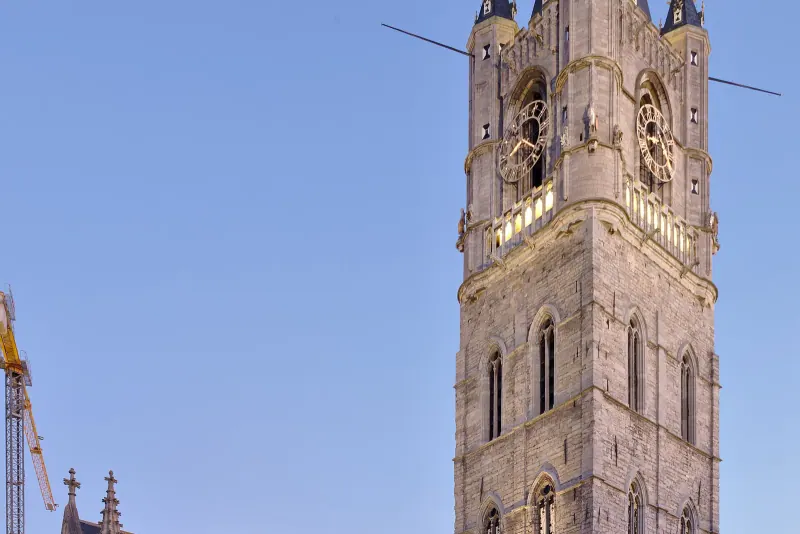 Is the Ghent Belfry worth it?Go
Explore the decisions
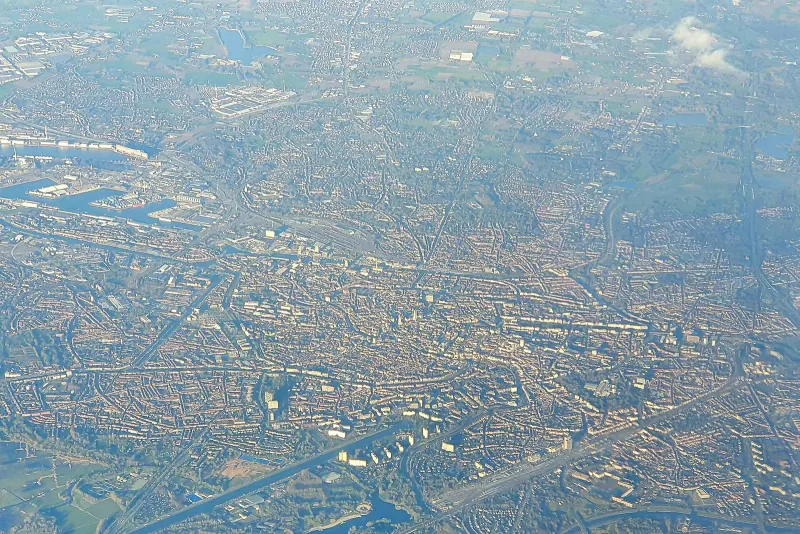 Is the CityCard Gent worth it?It depends
Explore the decisions
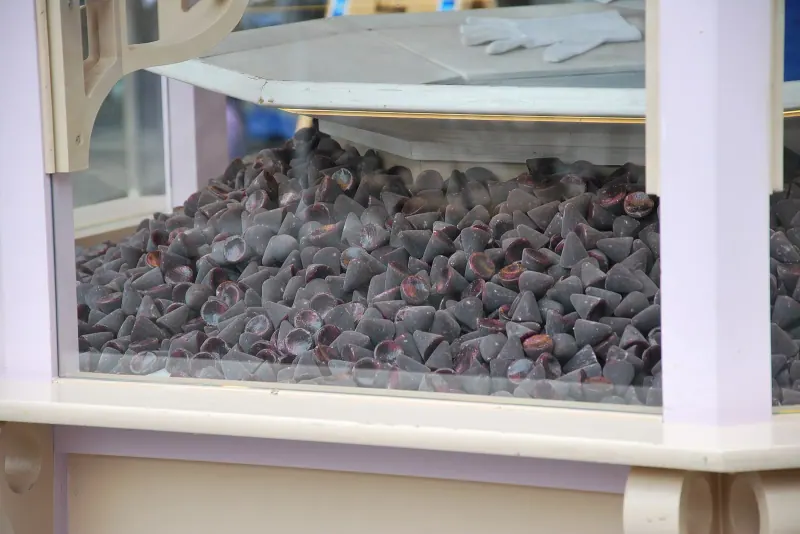 Is a food tour in Ghent worth it?It depends
Explore the decisions
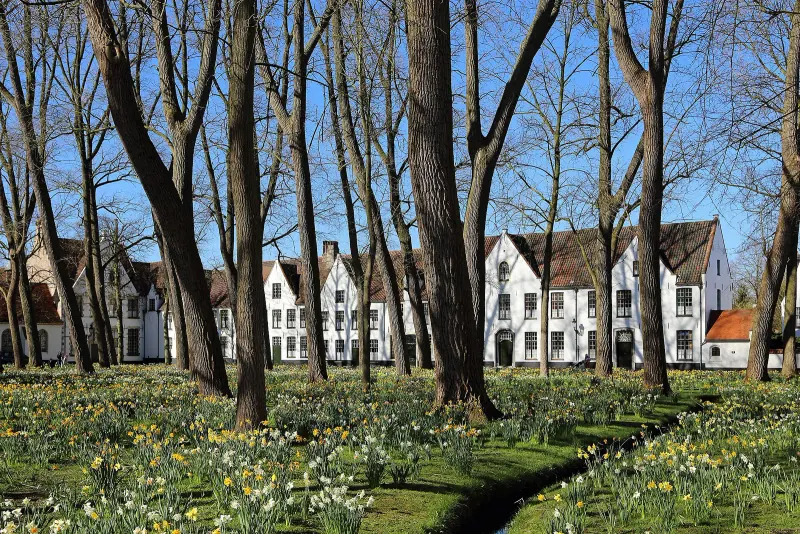 Is a Bruges day trip from Ghent worth it?Go
Explore the decisions
 Brussels airport to Ghent: which way?Our pick: SNCB airport train
 Ghent or Antwerp?Our pick: Ghent
 Where should you stay in Ghent?Our pick: Historic centre: Korenmarkt to Graslei
Plan your Ghent trip
Where to stay
12 hotel picksLuxury, mid-range and budget, cross-checked against traveler reports
Getting there
Airport to city, priced outBrussels airport to Ghent: which way
In pictures
the Ghent Belfry worth ita Bruges day trip from Ghent worth itBrussels airport to Ghent: which waythe CityCard Gent worth itthe Ghent Altarpiece worth ita Ghent boat tour worth ita food tour in Ghent worth itGhent or AntwerpKeep exploring
Gear verdicts from our sister site, Real Buyer Experiences:


