


A grand hotel in a former 1909 trade fair palace in the old town, with a spa and two restaurants. Guests rate it among the best in town.
Zentrum, Salzgäßchen
Search Expedia for this hotelpartner siteCity guide / Germany
Leipzig is Berlin's cheaper, calmer cousin: Bach's choir, the 1989 story, a creative west side and lakes in summer. Travelers call it compact, easy and better with three or four days.
The review
Bach, the 1989 story and a creative west side, at a slower and cheaper pace than Berlin.
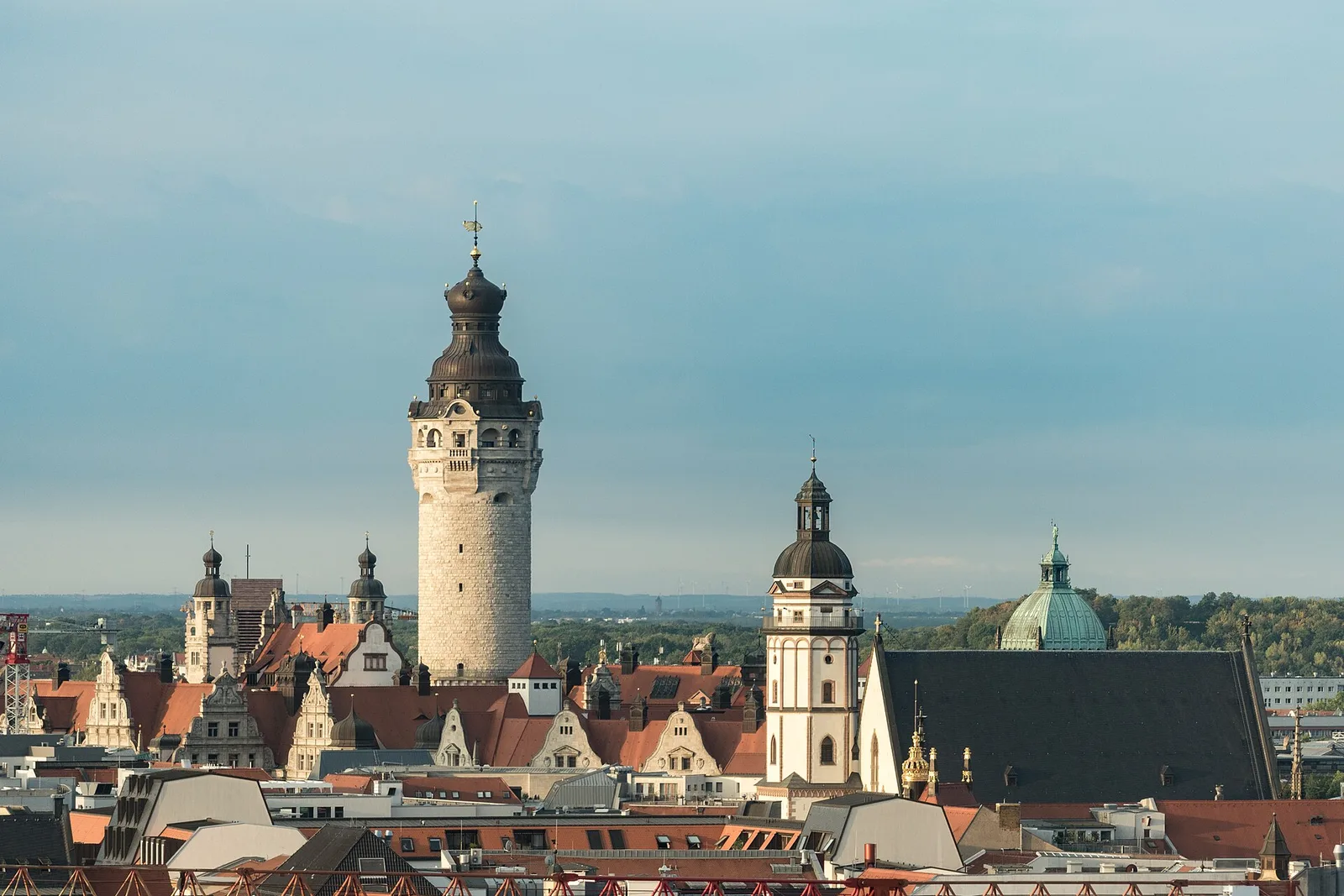
Leipzig is worth it for travelers who like music, layered history and a city they can actually relax in. A long-term resident calls it laid-back, safe and easy to get around, and a student who compared a summer here with a weekend in Berlin enjoyed Leipzig more. The center is compact, the Thomaskirche sings Bach in the room where he worked, and the former factory districts in the west give the city a creative second act.
The hard truth is that it does not hand you a postcard. The old town is a rebuilt set of arcades and courtyards rather than a riverside panorama, the biggest sights sit outside the center, and most businesses close on Sundays. Nightlife seekers will find Berlin louder. Expect busier streets during the Book Fair in March, the Bachfest in June and the goth festival at Pentecost.
The fix is simple. Base yourself in Zentrum for a first visit, or in the Südvorstadt if you want the Karli bars and cheaper meals, and use the trams for the monument, the Panometer and Plagwitz. Plan three or four days, book event weekends early, check Sunday hours before you go, and keep a day for Dresden or Weimar by train.
The long read
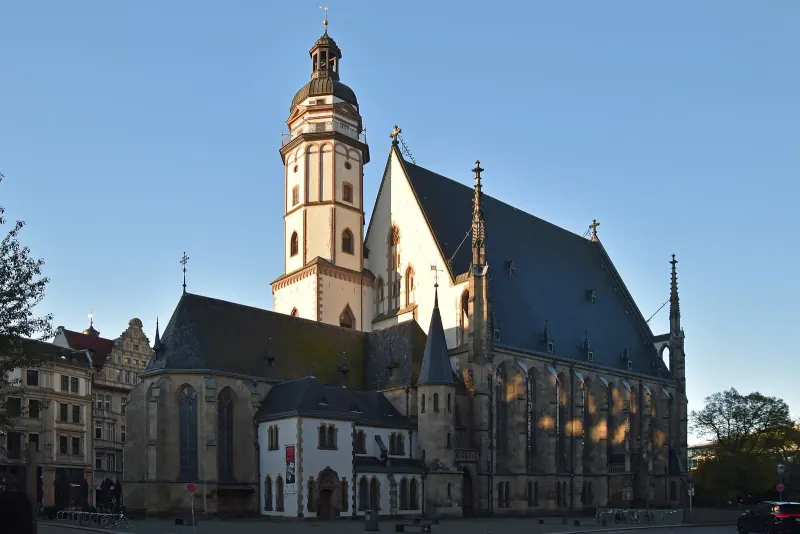
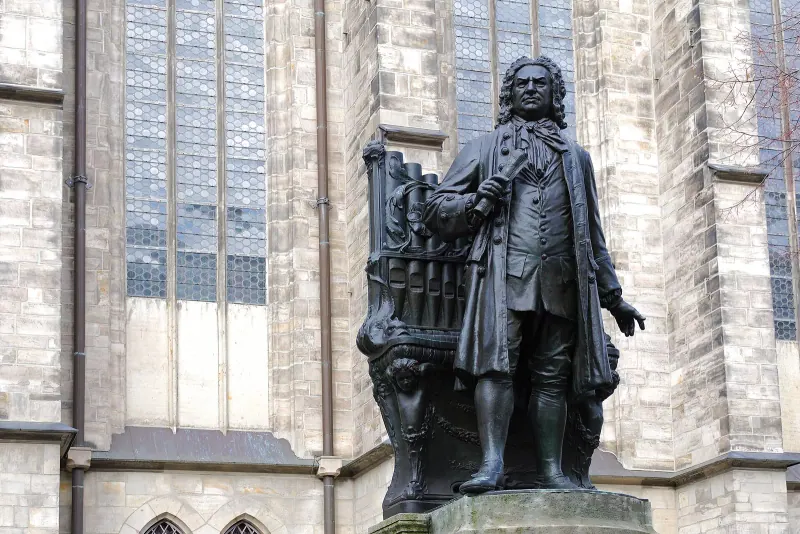
Music is the thread that ties Leipzig together, and the Thomaskirche is where travelers feel it most. One music blogger describes a Saturday motet where pilgrims queued under storm clouds, the nave was packed and the afternoon ended with the opening of the B Minor Mass. A traveler who made the church his first stop called hearing the organ play Bach in that room one of the high points of his time in Europe.
Not every moment is that moving. Bach's grave is cordoned off, so one writer saw the plaque only from an angle. A local family climbed the tower on a Saturday donation tour and found the 234 steps tiring for the legs but fun for children. They also recommend gallery seats for the Saturday 15:00 motet, which suggests arriving early for the best view of the choir.
For deeper immersion, the Bachfest is the draw. One blogger attended eight concerts in six days and describes a Sunday service in the Thomaskirche rebuilt as it would have run in Bach's time. In 2027 the festival runs from 10 to 20 June under the motto Passion, with more than 200 events, according to the city tourism board. A hotel review notes that the opera and the Gewandhaus are within walking distance of central rooms, so a concert evening needs no taxi.
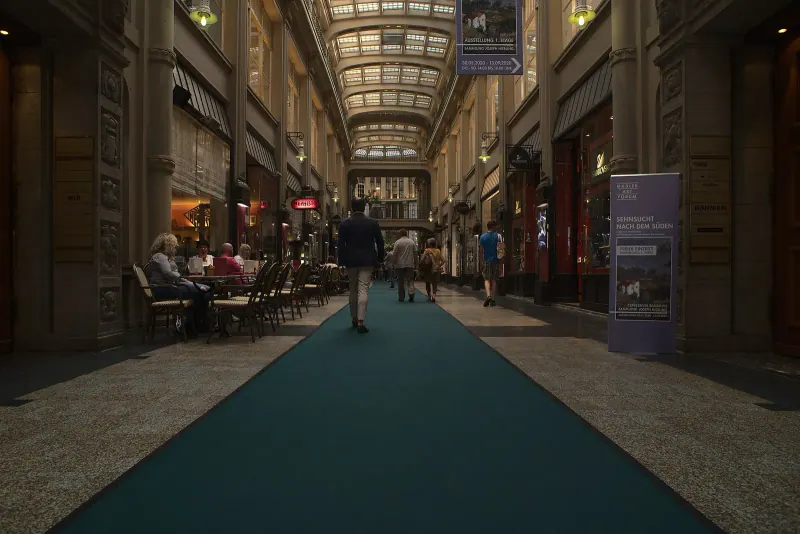
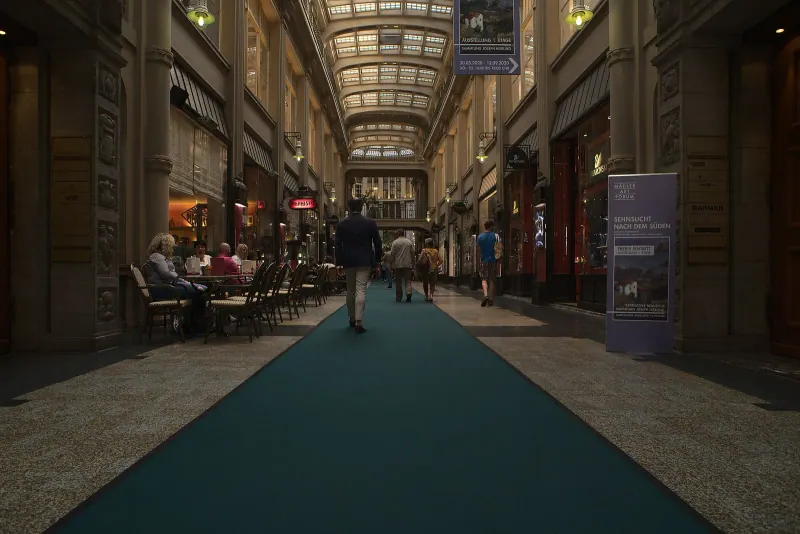
The old town is small enough to walk in one sitting. A one-day itinerary points out that the core sits about three minutes on foot from the Hauptbahnhof, so rail arrivals step straight into the market square, the shopping passages and the churches. Writers who linger describe the passage system as the real charm: Mädler Passage, Barthels Hof and Specks Hof, with courtyards that open off the street and an Auerbachs Keller dinner under the Faust lore.
It is a rebuilt old town rather than a medieval one, and reports say so plainly. One feature writer photographs the restored facades and lanes as the visual case for the city, while another notes that the lanes fill on event weekends. A diary written over an Easter weekend remembers church bells over the market square and a first-night dinner in the cellar, which shows how quiet the center can feel outside the big events.
History is the second layer. The Nikolaikirche, a short walk from the market, is the church where the Monday peace prayers led to the demonstrations of 1989, according to the federal government, and travelers who care about East German history add it to the Thomaskirche. A student who spent a summer here said the car-free center and the trams impressed him, and that he found Leipzig tidier and calmer than Berlin.
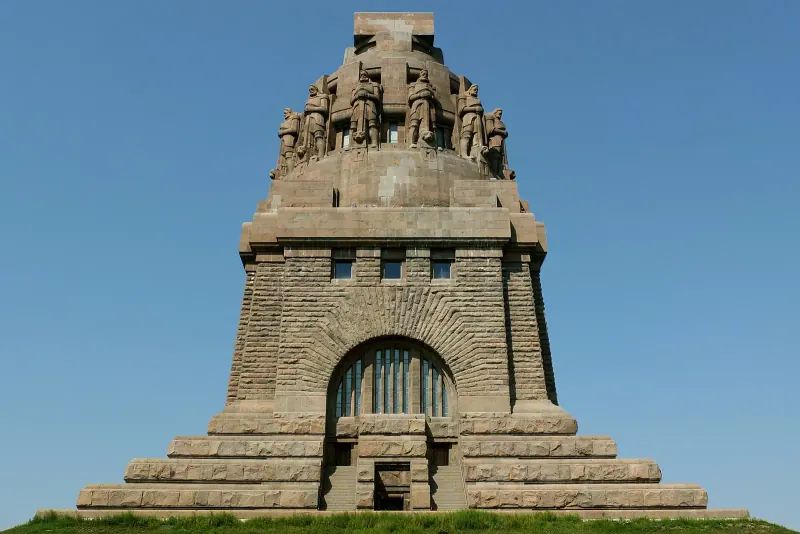
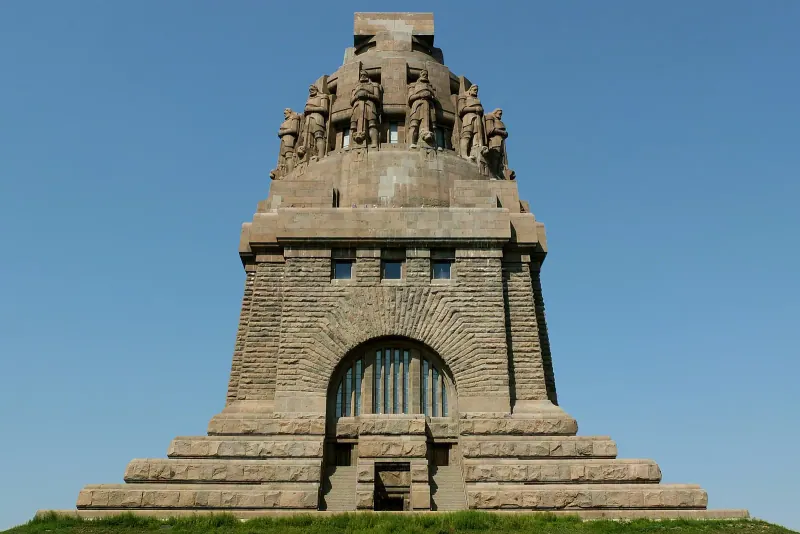
The Monument to the Battle of the Nations is the sight that divides opinion. Travelers call it massive and imposing; one writer calls it monolithic and another says photographs in sunshine do not do it justice, adding that you need to like Wilhelmine brutalism. Inside, the scale continues with huge death masks, crypt guardians and four large virtue figures. Exchange students singled out the pond in front and the architecture inside.
The climb is the part to plan for. The top is reached by a very narrow spiral staircase, and a student counted more than 400 stairs in all and still found the view worth it. A club outing took a guided tour and found much of the site workable for wheelchair users. The monument sits outside the center, so allow a tram ride out.
The Panometer is the surprise. A converted gasholder south of the center holds a 360 degree panorama by Yadegar Asisi. The ANTARKTIS panorama, premiered in early 2026, puts you at the waterline with whales and penguins and uses light and sound to simulate day and night. Reviewers describe a 32 meter rotunda that literally feels colder, and a climb up a central tower to the top platform. A day-tripper from Erfurt made the train ride for it alone and judged it worth the trip, and a family report says the single huge image holds children's attention.
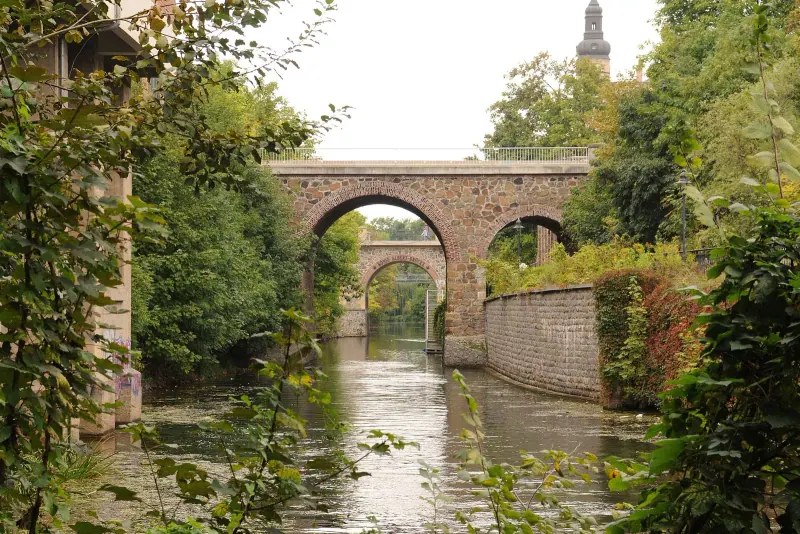
The west is where Leipzig stops feeling like a museum. Plagwitz and Lindenau wrap around canals and former factories, and a local's guide threads the Renaissance market square, the cafe-lined Karli quarter and the Spinnerei art complex together as one everyday city. Nomad-focused writers describe repurposed factories, art collectives and lower living costs than Berlin, at a slower pace.
The Spinnerei, a former cotton mill turned gallery complex, keeps tight hours. The city tourism board lists it as open Tuesday to Saturday from 11:00 to 18:00 and closed on Sunday and Monday, with gallery rounds held in spring and early September in 2026. Plan it for a weekday or Saturday afternoon rather than a Sunday stroll.
Karl-Liebknecht-Strasse, known as Karli, is the student-flavored strip in the Südvorstadt. A neighborhood guide says eating there costs less than in the center, and a local guide places its cafes, restaurants and bars at the center of everyday food and nightlife. Zentrum, the Südvorstadt and Plagwitz are each 10 to 15 minutes apart by tram, which makes the western districts workable even if you sleep in the center.
Travelers who stay a while describe brunch as a local sport and say the city kept a traditional coffee-house culture that other German cities lost. A tasting route write-up lists the classics: Leipziger Lerche pastries, potato soup and Gose beer, served with bilingual commentary and dietary needs accommodated.
A vegetarian visitor who spent a week eating along Karl-Heine-Strasse found an unusually deep vegan and vegetarian scene. The same report logged cash-only counters, a 30 minute wait for the bill and a 17 euro salad at one canal-side spot. A long-term resident also warns that cash is still preferred in places, so carry some.
At the upper end, an industry magazine's 2026 ranking puts four Leipzig kitchens in the national top tier, from classic gourmet menus to bio-focused and relaxed fine dining. A neighborhood bar in Connewitz shows the everyday side, with cakes from mid-afternoon and a warm evening kitchen.
Dresden is the best day trip by train. A regional writer says the catch is that there is too much to see in a day and suggests two hours for the Old Masters gallery alone. A one-day itinerary admits the day is busy and that a week suits deeper exploring. Arrive early to stay ahead of coach groups.
Weimar suits a slower day. Writers describe the Bauhaus museum, the Rococo Library and a beloved bakery; a budget guide calls the town calm and quiet and worth one to two nights. A traveler who walked the grounds of the Buchenwald memorial called it the most moving stop of a Germany trip, so leave time for it rather than squeezing it between other stops.
Berlin is a train ride away, which is why many travelers pair the two. The usual verdict is that Leipzig is the calmer, cheaper half, with a creative edge in the west and a smaller crowd in the old town. If you want big-city energy, the capital wins; if you want music, space and an easy week, Leipzig does.
The pitfalls
The Leipzig Book Fair runs 18 to 21 March 2027 and its reading festival spreads to more than 300 places in the city. The Bachfest runs 10 to 20 June 2027 with over 200 events, and the 2026 festival's ticket sale opened in late November 2025, so check the Bach Archive for the 2027 date. The goth festival is listed for the Pentecost weekend, 14 to 17 May 2027. Book beds early for these dates.
A long-term resident notes that most businesses close on Sundays, and the Spinnerei galleries are closed on Sunday and Monday per the city tourism board. Plan the art quarter and shopping for Tuesday to Saturday and keep Sunday for the park, the lakes, a church service or a museum you have already checked.
The viewing platform of the Battle of the Nations Monument is reached by a very narrow spiral staircase, and one report counts more than 400 stairs in all. Travelers with strollers, limited mobility or claustrophobia may want to skip the top. The interior still delivers the scale.
Pilgrims queue for the Saturday motet at the Thomaskirche and the nave fills, as one blogger describes in a packed service. Bach's grave is cordoned off, so one traveler saw the plaque only from an angle. Arrive early for a gallery seat and do not expect a close look at the grave.
A vegetarian visitor along Karl-Heine-Strasse logged cash-only counters, a 30 minute wait for the bill and a 17 euro salad at a canal-side spot. A long-term resident also says cash is still preferred in places. Carry some euros and allow extra time at busy canal-side tables.
Travel writers who recommend Dresden as a day trip also warn that there is too much to see in one day, with one itinerary admitting the day is busy. Choose two or three anchors, such as the Old Masters gallery and the Zwinger, and arrive early to beat crowds.
When to go
Best time
late May to September
Reports describe warm streets and festival season. The Bachfest fills June, and the lakes south of the city open for swimming.
Shoulder season
March to May and October
The city is calmer than in summer, but event weekends such as the Book Fair push hotel demand up.
Off season
November to February
Winters are cold, but reports and city listings point to the Christmas market, indoor panoramas and church music.
Late May to September gives warm streets, the Bachfest in June and swimming at the lakes south of the city. December brings the Christmas market around the Markt and Augustusplatz. March is lively and expensive during the Book Fair.
Getting there and around
| Airport | Distance | To the centre | How |
|---|---|---|---|
| LEJ Leipzig/Halle Airport | 18 km | about 20 min | The airport station sits directly under the terminal. S-Bahn lines S5 and S5X run together about every 30 minutes, taking about 14 minutes (S5X) to 22 minutes (S5) to the Leipzig Hauptbahnhof. IC trains also stop here. The airport lies outside the city fare zone, so check the current MDV fare in the DB Navigator app or at the machine. (source, checked Oct 2026) |
| BER Berlin Brandenburg Airport | n/a | about 90 min | The rail operator shows no direct connection between the Leipzig Hauptbahnhof and BER, so expect at least one change. Its sample journeys take about 1 hour 29 to 33 minutes using regional and ICE trains. From the airport to Berlin Hauptbahnhof takes about 23 minutes since the December 2025 timetable change, per the Berlin-Brandenburg transport authority. Check the current timetable before you book. (source, checked Oct 2026) |
The old town sits a few minutes on foot from the Hauptbahnhof, and trams cover the monument, the Panometer, Plagwitz and Karli. The airport train runs under the terminal. City bike docks are widespread. Check the current MDV zone fare, and whether your ticket also covers trams, in the DB Navigator app or on the operator's page before you buy.
Where to stay
We earn a commission if you book through our links. It never changes a verdict. How this works
High-end stays whose guests report the setting and service earn the rate.
A grand hotel in a former 1909 trade fair palace in the old town, with a spa and two restaurants. Guests rate it among the best in town.
Zentrum, Salzgäßchen
Search Expedia for this hotelpartner siteA large upscale tower five minutes on foot from the station with an indoor pool, sauna and and a restaurant on the top floor of a 27-level tower.
Hauptbahnhof side, Gerberstrasse
Search Expedia for this hotelpartner siteAn upscale hotel by the station with a large spa, a short walk from the platforms and about 11 minutes on foot from the market square.
Hauptbahnhof side
Check rates on Expediapartner siteA four-star with an indoor pool and a central address at Am Hallischen Tor, a short walk from the opera.
Zentrum, Am Hallischen Tor
Search Expedia for this hotelpartner siteThe comfortable middle: well placed, well run, priced for a normal trip.
A large Art Deco hotel with 288 rooms on Richard-Wagner-Strasse, close to the main station and an easy walk to the old town.
Hauptbahnhof, opposite the station
Check rates on Expediapartner siteA hotel on Körnerstrasse in the lively Südvorstadt, a short way from the Karl-Liebknecht-Strasse bars. Guests rate it well, though one noted worn rooms.
Südvorstadt, near Karli
Search Expedia for this hotelpartner siteA boutique bed and breakfast in a merchant's house from 1707 near the market, with breakfast served and no restaurant. A 20-room boutique with a historic, central setting.
Zentrum, Katharinenstrasse
Search Expedia for this hotelpartner siteA modest hotel on Gohliser Strasse in leafy Gohlis near the zoo, with a Vietnamese restaurant and a garden; a quieter base a tram ride from the center.
Gohlis-Süd, near the zoo
Search Expedia for this hotelpartner siteCheaper beds that travelers still rate well for location and cleanliness.
A design budget chain right on the Nikolaikirche square, steps from the old town core.
Zentrum, Nikolaikirche square
Check rates on Expediapartner siteA hostel with private rooms in the creative west, with a shared kitchen and library. Bathrooms are shared, so it suits travelers who accept hostel living for a low price.
Lindenau, near Plagwitz
Search Expedia for this hotelpartner siteA big hostel-style budget chain with 163 rooms, a bar and a 24 hour front desk opposite the central station, handy for early trains and the old town; breakfast costs extra.
Hauptbahnhof side, Brandenburger Strasse
Search Expedia for this hotelpartner siteA small two-star guesthouse on Fichtestrasse south of the center, well rated by guests for value.
South of the center, Fichtestrasse
Search Expedia for this hotelpartner siteQuestions
A long-term resident recommends three to four days for a first visit. Two days cover the old town, the Thomaskirche and one outer sight such as the monument or the Panometer. Add a day for Dresden or Weimar by train.
Writers who compare the two describe Leipzig as cheaper, with lower living costs than Berlin or Hamburg and cafes and bookshops priced for locals. Eating along Karli costs less than in the center, according to a neighborhood guide.
A resident of several years calls it laid-back, safe and easy to get around, best explored by bike. The center is compact and the public transport is dense, which suits solo trips.
Reports are positive. A local family found the Thomaskirche tower fun for children, a family report says the Panometer's single huge image holds attention, and a winter family guide recommends its family tours. Strollers and narrow stairs do not mix at the monument.
A neighborhood guide narrows it to three areas: Zentrum for first visits, the Südvorstadt around Karli for food and nightlife, and Plagwitz for the creative west. All are 10 to 15 minutes apart by tram.
No. The Hauptbahnhof is a few minutes from the old town, trams reach the monument, Panometer and Plagwitz, and the city has bike docks everywhere. Dresden and Berlin are both reachable by train; check the rail operator's timetable for current journey times.
How this guide was written. We read 38 traveler reports about Leipzig published between Nov 2024 and Oct 2026, and checked the facts against official sources in Oct 2026. Nobody on the team claims a visit; hotel picks are chosen from what guests report, never from what they pay us. How we judge.
Explore the decisions
 Is Leipzig old town worth it?Go
 Is St Thomas Church in Leipzig worth it?Go
 Is the Monument to the Battle of the Nations in Leipzig worth it?Go
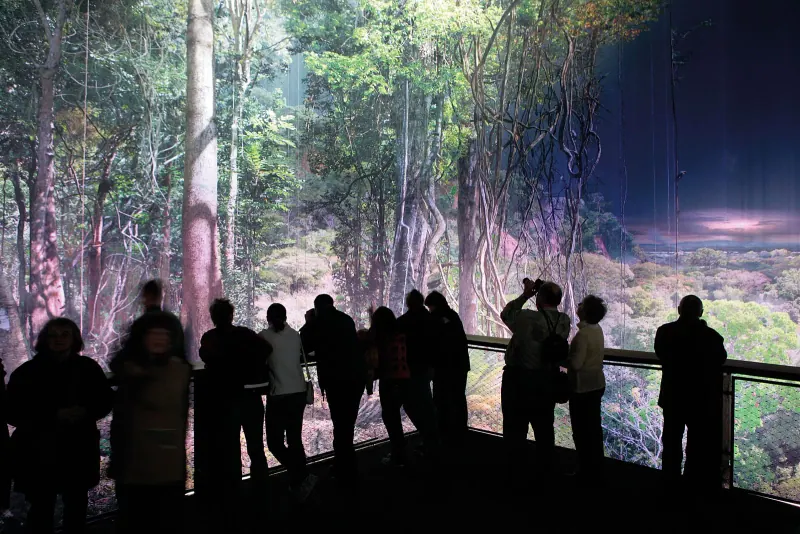 Is the Panometer in Leipzig worth it?It depends
Explore the decisions
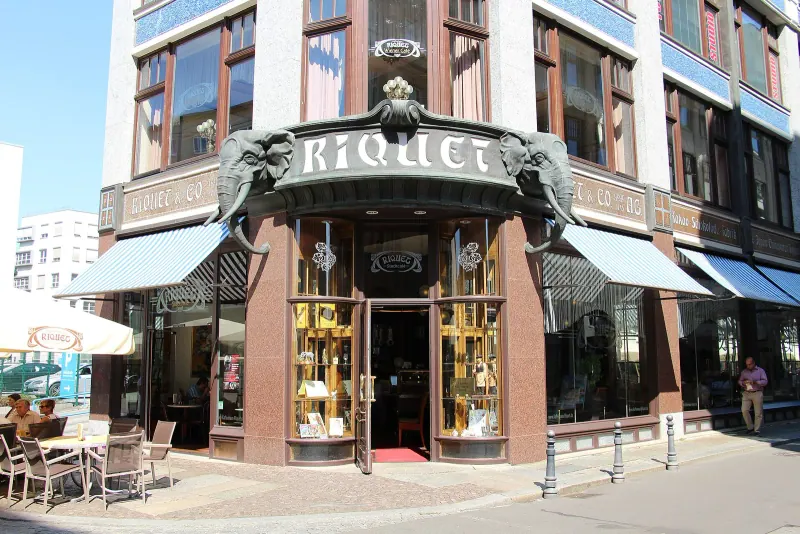 Is a food tour in Leipzig worth it?It depends
Explore the decisions
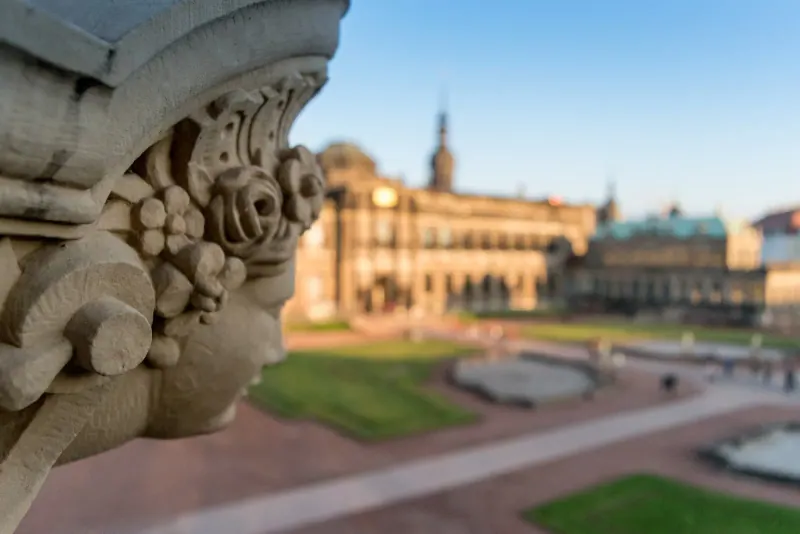 Is a Dresden day trip from Leipzig worth it?Go
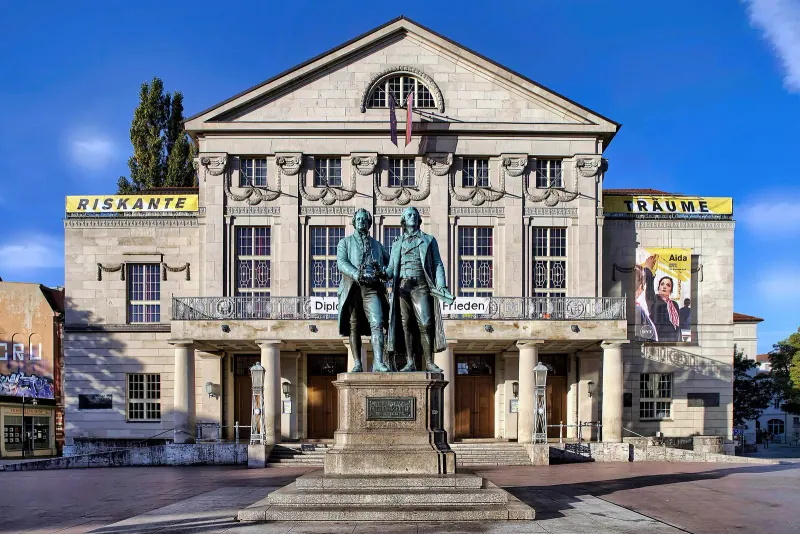 Is a Weimar day trip from Leipzig worth it?Go
Explore the decisions
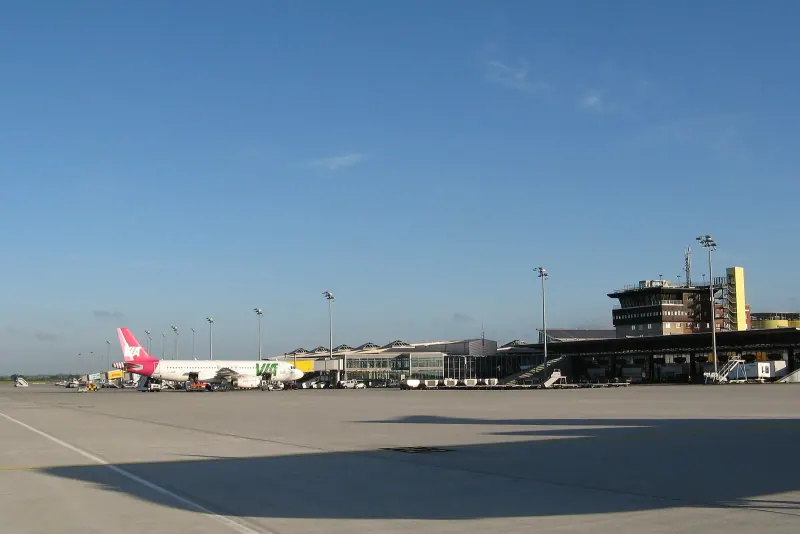 Leipzig airport to the city: which way?Our pick: S-Bahn S5 or S5X
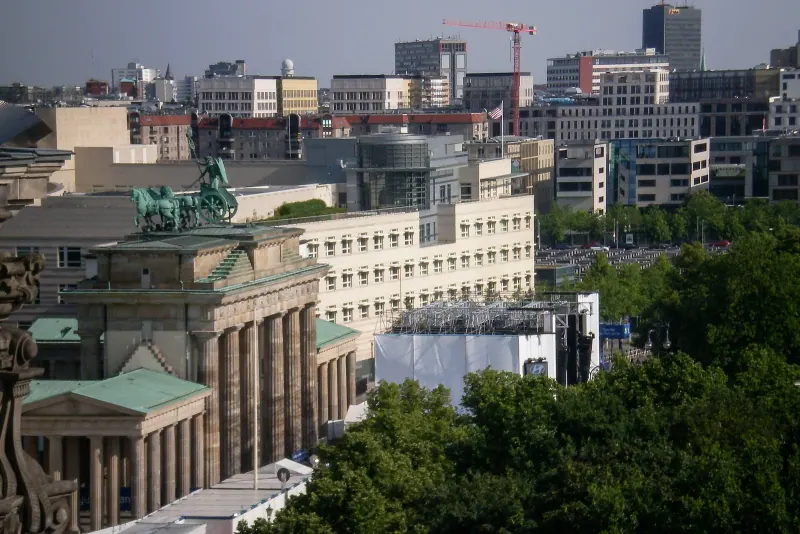 Leipzig or Berlin: which city to visit?Our pick: Leipzig
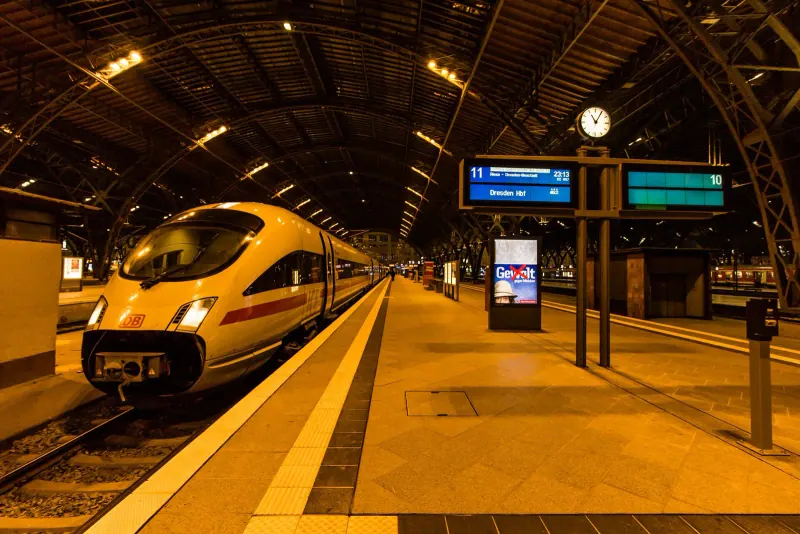 Where to stay in Leipzig: which area?Our pick: Zentrum
Plan your Leipzig trip
Where to stay
12 hotel picksLuxury, mid-range and budget, cross-checked against traveler reports
Getting there
Airport to city, priced outLeipzig airport to the city: which way
In pictures
the Monument to the Battle of the Nations in Leipzig worth ita Dresden day trip from Leipzig worth itLeipzig airport to the city: which waya food tour in Leipzig worth itLeipzig old town worth itLeipzig or Berlin: which city to visitthe Panometer in Leipzig worth itSt Thomas Church in Leipzig worth itKeep exploring
Gear verdicts from our sister site, Real Buyer Experiences:


