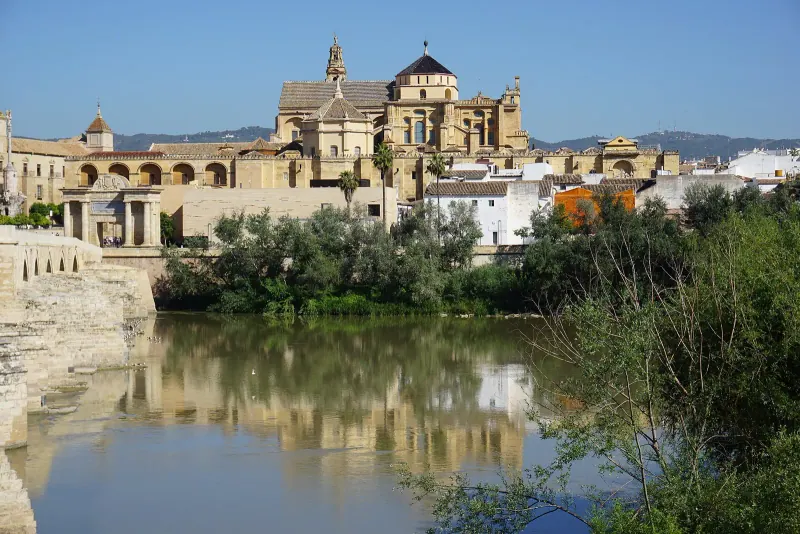
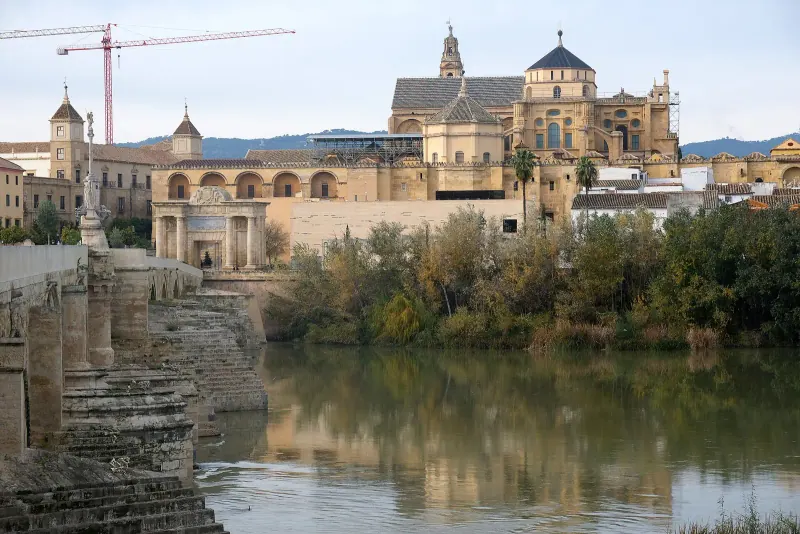
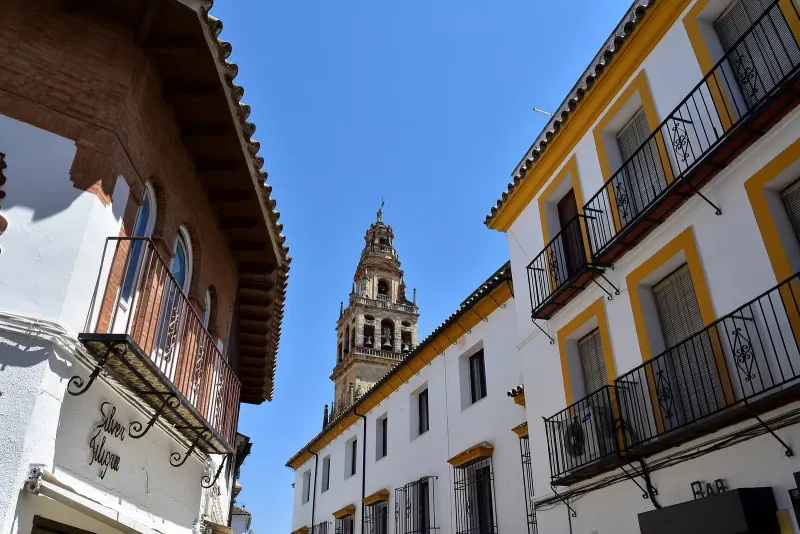
Cordoba packs one of Europe's greatest monuments into a calm, walkable city that works as an overnight or a weekend. Travelers rate the Mezquita, the Juderia lanes, the patios and the tapas, and warn about summer heat and a restored Alcazar.
A compact UNESCO old town where one giant mosque, quiet lanes, patios and tapas fill a relaxed weekend.
Best time
April to early June, and October
How long
One full day covers the Mezquita, Juderia, Alcazar gardens and Roman bridge. Two days add the patios properly, a palace and Medina Azahara, and give you the calm evenings that day-trippers miss.
Cost level
Budget
Nearest airport
Seville Airport (SVQ)about 150 min to the centre
Cordoba is worth it for travelers who want one of Europe's great monuments in a calm, walkable city, and it works best as an overnight rather than a rushed stop. The Mezquita is the draw, and the Juderia lanes, the Alcazar gardens, the patios and a strong tapas culture fill the rest. Reports describe it as calmer and less tourist-trapped than Seville.
The hard truth is timing and heat. Summer heat is severe, the patios are at their fullest in the May festival and then come with queues, and the headline sights are crowded between about 10:30 and 18:00 when day trips arrive. The Alcazar building was closed for works in several 2025 and 2026 reports, and Medina Azahara disappoints people who expect a standing palace.
The fix is simple: stay the night, see the Mezquita in the free early hour or the last slot, keep midday for lunch and a rest, and add Medina Azahara only if you have a second day. Come in April, May or October and book rooms early for the patio weeks.
Go if
The Mezquita-Cathedral, the one essential sight
Juderia lanes, the synagogue and the Alcazar gardens
Patios and courtyards, fullest during the May festival
Tapas, salmorejo and Montilla-Moriles wines
Couples and solo travelers who like quiet evenings
Weekend stops between Seville, Malaga and Madrid
Skip if
You can only visit in July or August; average daily highs sit near 37C and midday is hard
You want big-city nightlife; evenings here are relaxed and local
You are museum-driven; the draw is architecture, patios and food
You expect a standing palace at Medina Azahara; most of it is foundations
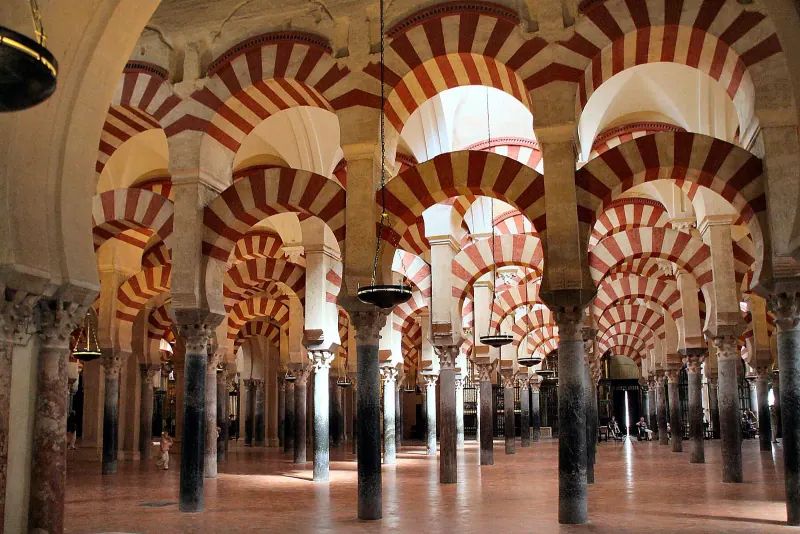
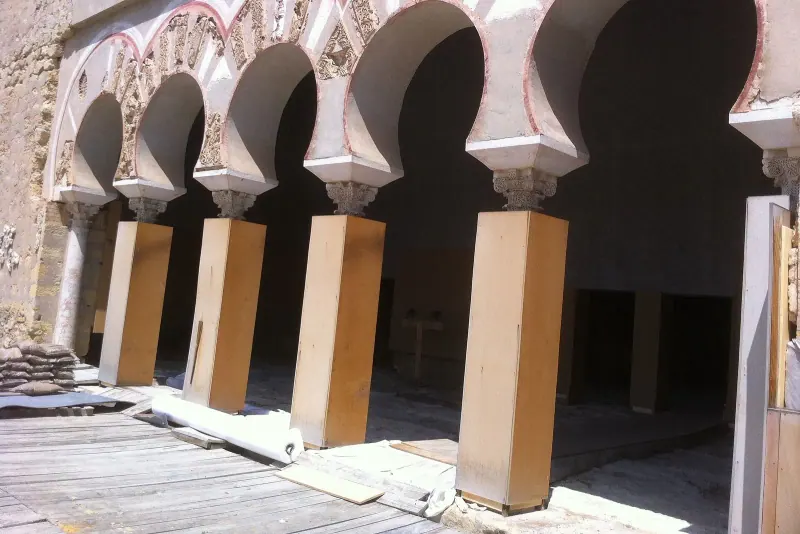
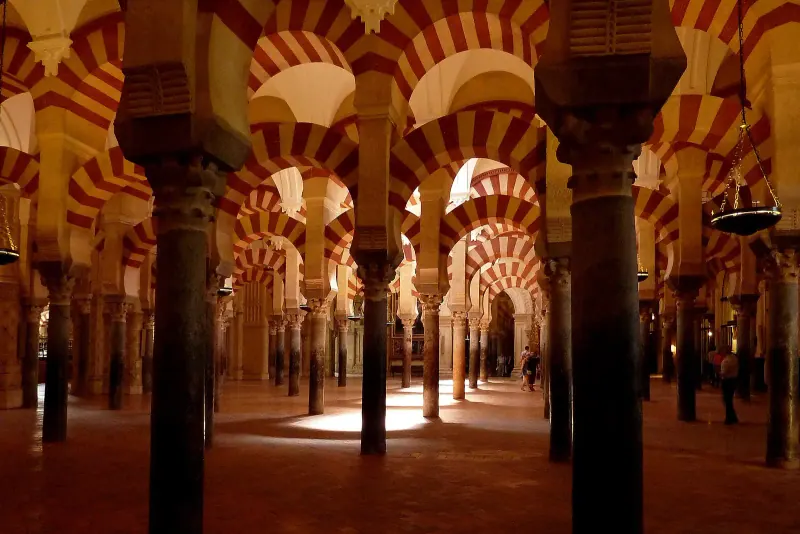
Cordoba is built around one building. The Mezquita-Cathedral is a hall of hundreds of two-tier striped arches that travelers expect to be small and find anything but. One couple who booked the first timed slot of the day said it did not feel busy for an hour, and a walking blogger calls it one of the few places where the word iconic is earned. The cathedral planted in the middle of the arches is the oddest part, and most reports say it is the reason to go in with some context or a guide.
Timing decides the experience. The official ticket page lists a free, individual visit from 8:30 to 9:30 Monday to Saturday (no groups), with access stopping at 9:20, so aim to be inside before 9:20. A Spain writer puts the heavy hours at 11:00 to 15:00 and warns that Sundays and religious holidays close the building at midday with a rush when it reopens. Paid entry is on the official ticketing page. Read the Mezquita verdict before you choose a slot.
One thing to know in 2026: a fire in August 2025 left parts of the interior restricted. A local daily reports the Espiritu Santo chapel reopening on 11 September 2026, so the building is close to whole again, but expect some scaffolding or roped-off areas.
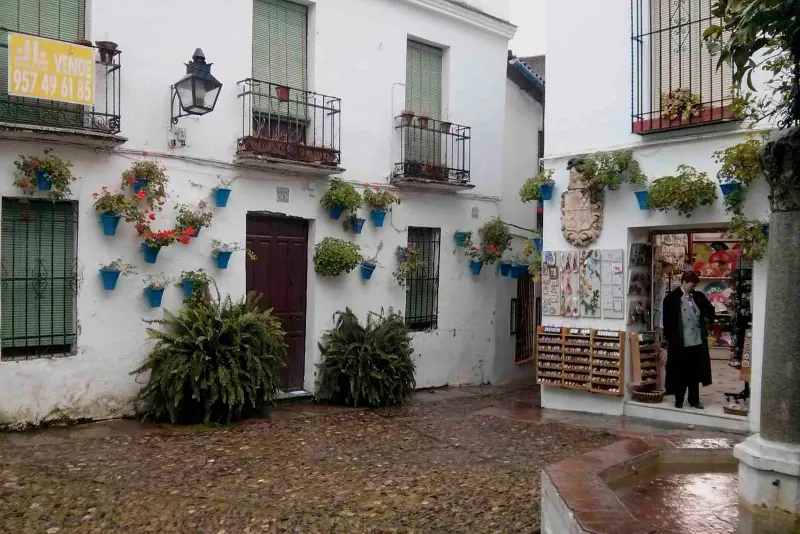
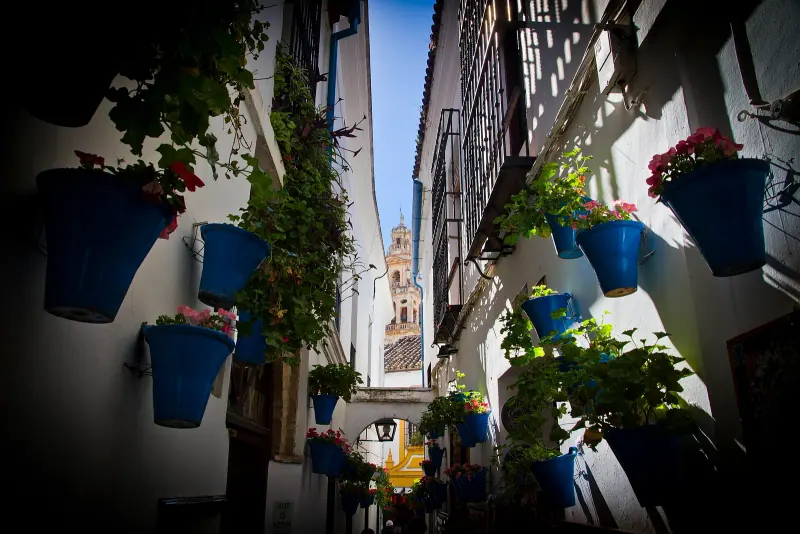
The old Jewish quarter is a maze of whitewashed lanes, flower pots and tiny squares that sits right behind the Mezquita. Travelers describe it as small, a little deceptive and best walked without a plan. A video walk filmed in January 2026 shows how calm it is between landmark stops once the groups have passed.
The one indoor stop is the synagogue. Reports say it is easy to walk past from outside and short to visit, a small room of carved stucco and Hebrew inscriptions, and city news covers conservation works on its interior stucco and a visitor reception center being built beside it. The Juderia and synagogue verdict covers the details.
The quarter is also where the reports find the city's friction. A wire report in September 2026 relays council complaints about pickpocketing and cleanliness around the Mezquita and Juderia streets, so keep bags zipped in the busiest hours. Cobbled, pedestrian lanes also make wheeled luggage a chore.
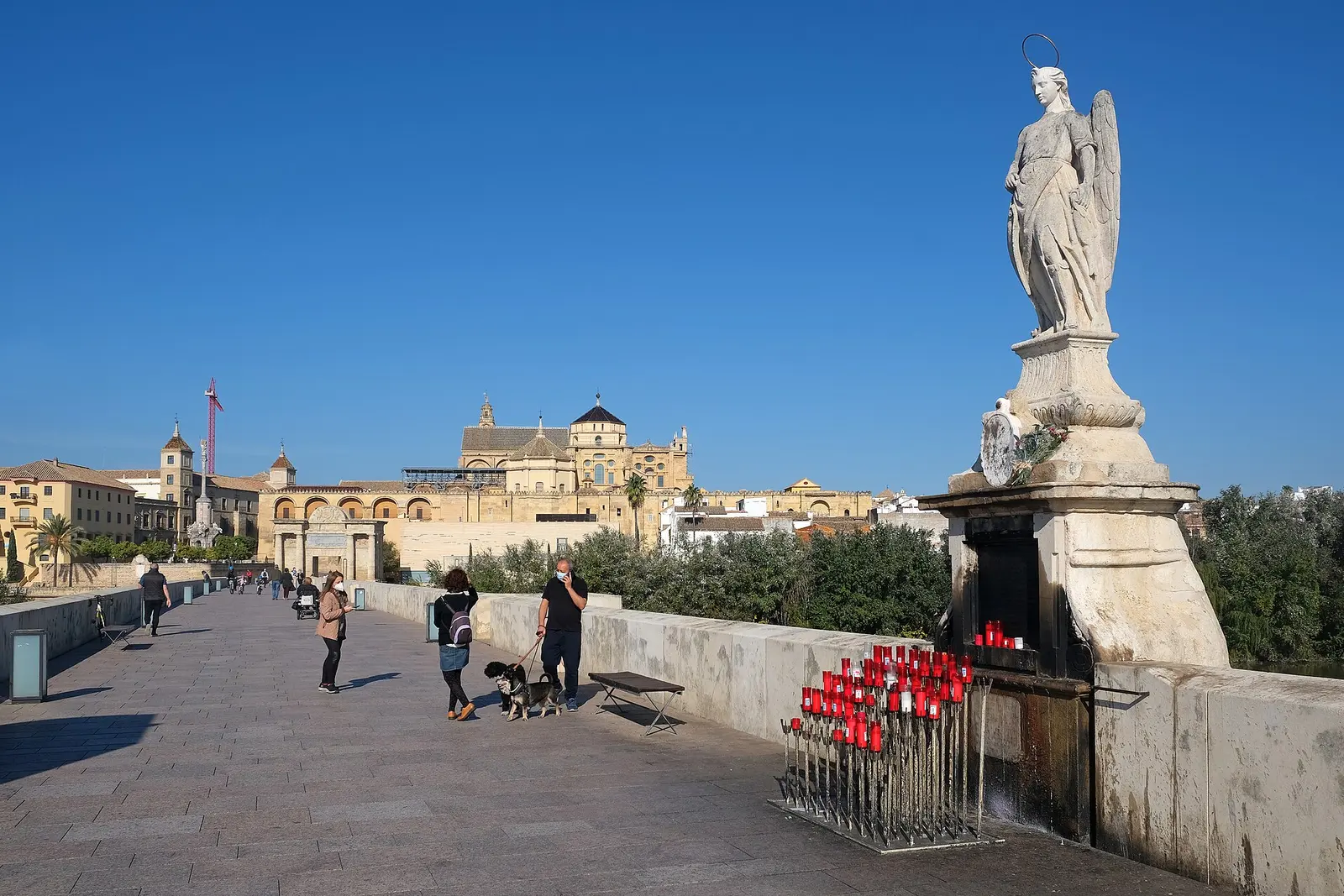
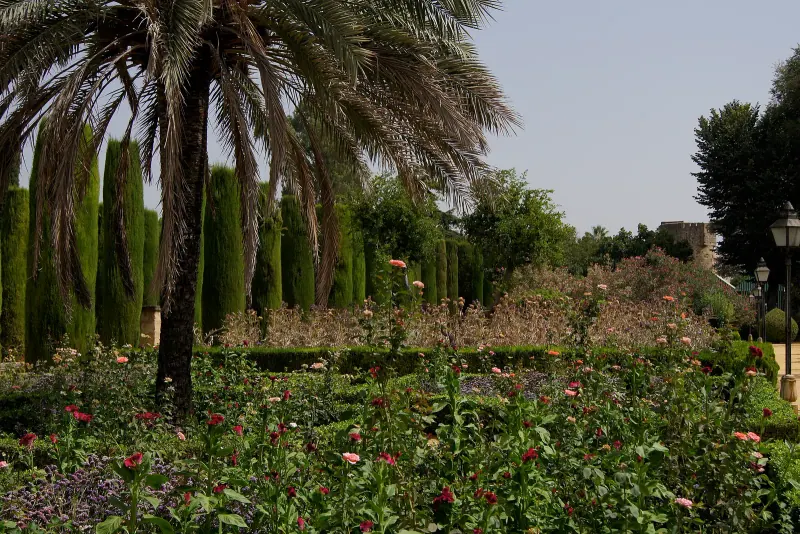
The Alcazar de los Reyes Cristianos is the gardens-and-towers stop: a fortress on the river with pools, fountains, cypress-lined promenades and tower views. Several 2025 and 2026 travelers found the building itself closed for restoration but called the gardens a pleasant surprise.
The status has moved. A local newsroom reports the gardens reopening on 16 June 2026 after works since January, with a garden entry fee and short summer morning hours; summer hours may have changed since, so check the page. Whether every interior room is open now is not confirmed in the reports we hold, so check the monument's own page before you plan around the interior. See the Alcazar verdict.
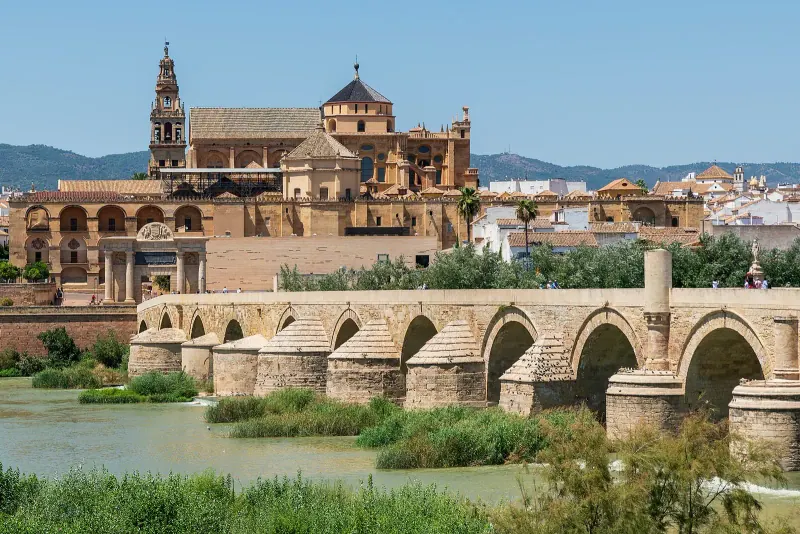
Travelers pair the Alcazar gardens with the nearby river and Roman bridge in a one-day plan.
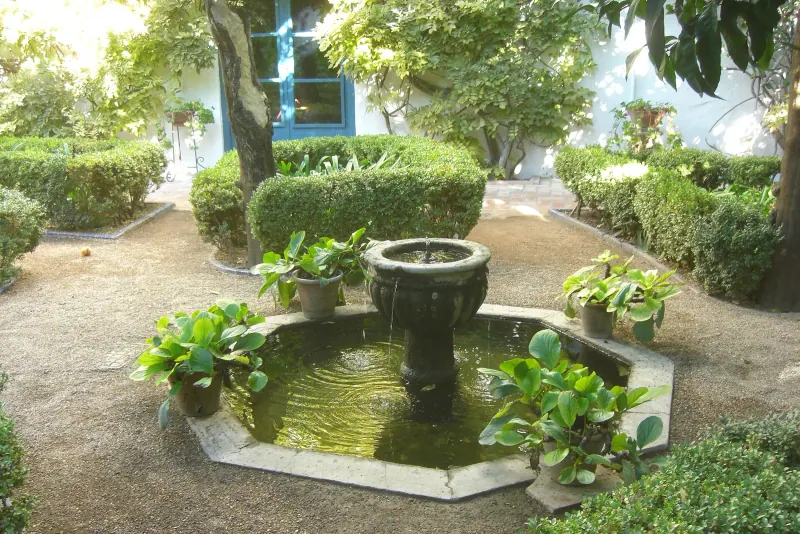
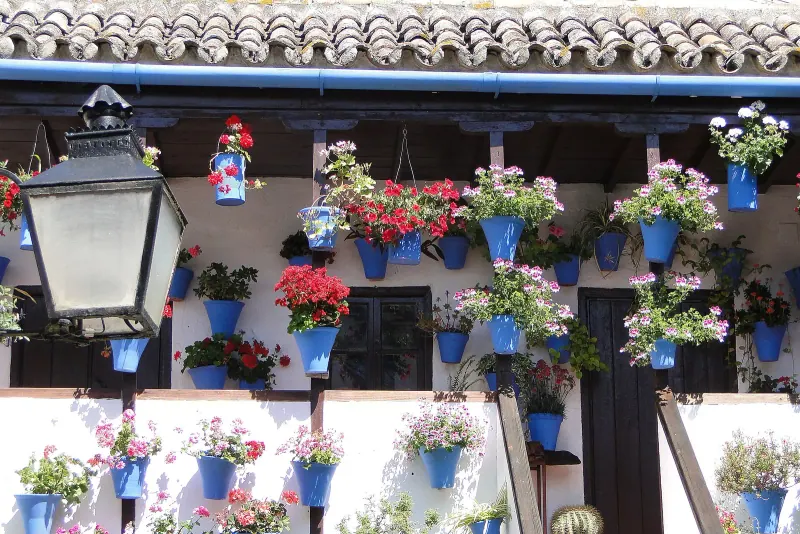
The patios are Cordoba's second signature. In May the city runs a festival where residents open private courtyards full of potted flowers, and the reports are split between delight and queues. Two festival travelers describe waits of about twenty minutes per courtyard, one 40 minute line they abandoned, and a treasure-hunt feel they loved. A Cordoba resident says the same spirit lives year-round at the Viana palace, where twelve patios spill from one to the next like a neighborhood.
The reports agree on two things: expect queues in festival weeks, and book rooms early, since a writer on the city warns that festival week brings crowds and tight rooms. The 2027 festival is expected in May; the city announces exact dates ahead of the season.
Outside festival weeks, the Viana palace is the way to see the tradition without a queue. Start with the patios verdict.
Food, wine and the evening
Cordoba eats well and cheaply. Travelers talk about tapas and fortified wines from nearby Montilla-Moriles. One blogger who ate through seven places found Cordoba less tourist-trapped than Seville, Malaga or Granada, even near the center.
A shop tasting that pairs those wines with local tapas gets warm reviews from one couple, and eating independently also works, since the center has plenty of small bars.
Evenings are the quiet joy. Reports say the center is busy by day around the main sights and calmer once the day-trippers leave, so an overnight is the way to get both. The food tour verdict weighs the guided option.
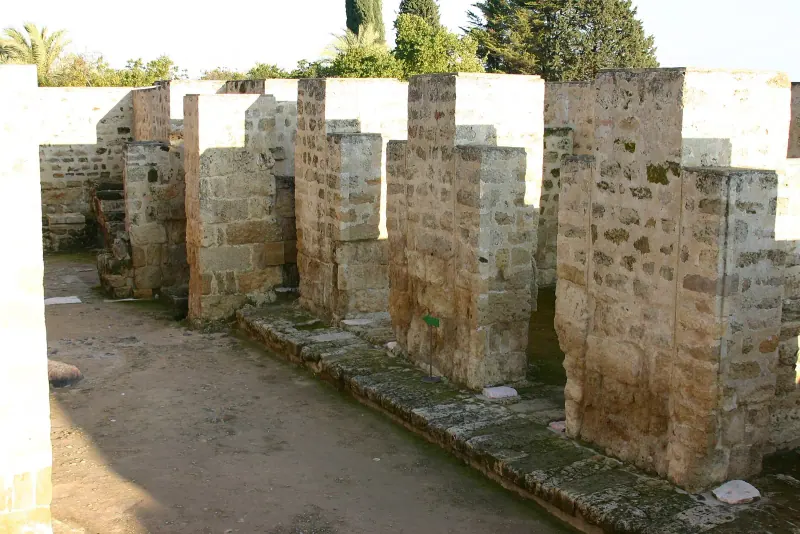
Medina Azahara is the ruined caliphal city outside Cordoba, and the reports split on it. A repeat visitor calls it worth it for anyone interested in al-Andalus history. A blunt guide says only a small part of the city is excavated and that it suits archaeology fans more than checklist tourists.
Practicalities shape the visit. The museum comes first, a shuttle runs from the museum to the ruins, and one visitor flags a long shuttle queue and real summer heat. The regional government's 2026 summer program lists free theatrical night visits on selected summer evenings with advance registration, and guided Salon Rico visits at weekends. Regional figures put visits at about 230,000 in 2025. Check opening days on the site's own page before you go.
Add it on a second day, not instead of the center. The Medina Azahara verdict has the logistics.
Day trip or overnight
Cordoba works as a day trip from Seville, Malaga or Madrid and as an overnight, and the reports prefer the overnight. One traveler who stayed a single night called it the right decision. A day-trip guide says crowds arrive around 10:30 and drain away by 6pm, and several writers say one full day covers the Mezquita, Juderia, Alcazar gardens and the Roman bridge while two days add Medina Azahara and a palace.
If you do come for a day from Seville, take the earliest AVE so you land for the free Mezquita hour and leave late. The day trip or overnight verdict compares them, and the where to stay guide covers the areas.
The pitfalls
What goes wrong in Cordoba
The Alcazar building may be closed
Travelers in September 2025, April 2026 and September 2026 found the Alcazar closed for restoration, with only the gardens open. The gardens reopened on 16 June 2026 with a garden entry fee and short summer morning hours. Check the monument's own page for current hours and the interior.
Mezquita timing and closures
The free visit runs 8:30 to 9:30 Monday to Saturday, individual only, and access stops at 9:20. A Spain writer puts peak crowds at 11:00 to 15:00 and warns that Sundays and religious holidays close the building at midday with a rush at reopening. A 2025 fire also left some areas restricted, with the chapel reopening in September 2026.
Summer heat
Average daily highs reach about 37C in July and August (AEMET climate normals), and one visitor flagged real heat in the Medina Azahara shuttle queue. Plan sights for the early morning, rest from midday to evening and keep indoor stops for the afternoon.
Luggage and the station walk
Day-trippers report that station lockers fill early. Forum travelers split on the walk from the station: some call it flat and easy, others say cobbled pavements fight wheeled bags and a short taxi saved time.
Pickpocketing around the main sights
A wire report in September 2026 relays council complaints about recurring pickpocketing and cleanliness around the Mezquita and Juderia streets. Keep bags zipped and phones out of back pockets in the busiest lanes.
Patio festival queues and noise
Festival travelers report waits of about 20 minutes per courtyard and a 40 minute line they gave up on. Festival week also brings crowds and tight rooms, so book early for May.
Medina Azahara expectations
Only a small part of the city is excavated, and a blunt guide says it suits archaeology fans more than checklist tourists. The shuttle queue can be long, so check the site's own page for opening days before you go.
When to go
Cordoba by season
Best time
April to early June, and October
Warm days, long evenings and the patio season. The comfortable middle of the year gives the best balance of weather and access to the main sights, though May is the busiest month.
The Patios Festival in May 2027, when residents open private courtyards
The Mezquita at the free morning hour before day-trippers arrive
Calm old-town evenings once day-trippers leave
Peak season
Holy Week (March 21 to 28, 2027) and the May festivals
Easter week and May draw the biggest crowds and fullest hotels. Book rooms early.
Holy Week processions through the old town in March 2027
Patio festival courtyards in May, with queues of 20 to 40 minutes in the busiest streets
Shoulder season
June to September (hot, low demand)
Hot, with average daily highs near 37C in July and August (AEMET). Midday is hard, so see the Mezquita at the free morning hour or the last slot, rest in the afternoon and come out late.
Free theatrical night visits at Medina Azahara on selected summer evenings (the 2026 program ran 4 July to 19 September, with advance registration)
Late-evening tapas when temperatures fall
Off season
November to February
Mild but cool, with the city running a Christmas program and fewer day-trippers than in spring.
The city's Christmas program: the last edition ran from 21 November to 8 January, with patios opened in the evenings from 5 to 28 December. The 2026 dates are not yet confirmed.
Nativity displays and Christmas events listed by the tourism board
A quieter old town between holidays
April to early June and October are the sweet spot, with the patio festival in May at its busiest. July and August are the hot months, with average daily highs near 37C (AEMET climate normals), which empties the middle of the day. Winter is mild and quieter, with a city Christmas program and patios opened in the evenings in December.
Getting there and around
Airports near Cordoba
Airport
Distance
To the centre
How
SVQ Seville Airport
140 km
about 150 min
Take the airport bus EA to the city (the airport page lists EUR 6 single and EUR 8 same-day return, paid on board by card or at the terminal stop) and get off at Santa Justa station, then take the AVE to Cordoba in about 45 minutes to an hour depending on the train. The nearest big airport and the easiest rail link. (source, checked Oct 2026)
AGP Malaga Airport
165 km
about 105 min
Take the Cercanias C1 from the airport to Malaga Maria Zambrano station (the airport lists about 8 minutes), then the AVE to Cordoba in about 50 to 60 minutes depending on the operator. (source, checked Oct 2026)
MAD Madrid-Barajas Airport
400 km
about 200 min
Take the Cercanias C1 from Terminal 4 to Atocha (the airport lists single fares of EUR 1.70 to 2.60 by zone), then the direct AVE or similar high-speed train to Cordoba in about 1 hour 45 minutes to 2 hours. The airport lists the Cercanias leg as free for passengers holding an AVE ticket that connects with a flight. Madrid is about 400 km away, so allow roughly 3 to 3.5 hours door to door. (source, checked Oct 2026)
Cordoba is walkable, and the old town is largely pedestrian. From the station, travelers report about a 20 minute walk to the Mezquita; cobbles are hard on wheeled bags, a short taxi saved time for some, and station lockers fill early. Cordoba's own airport is tiny, with a Barcelona route that drops to one weekly flight this winter and a Gran Canaria route, so most visitors arrive by AVE: under an hour from Seville or Malaga, and under two hours from Madrid.
Where to stay
12 hotels that fit this trip in Cordoba
We earn a commission if you book through our links. It never changes a verdict. How this works
Luxury
High-end stays whose guests report the setting and service earn the rate.
Hospes Palacio del Bailío
Five-star design hotel in a 16th-century palace built over Roman remains, with patios, a garden, an outdoor pool and a spa; luxury guides rank it among the city's best five-star stays.
Five-star hotel on the line between the new and old town, with a seasonal pool and garden; a chain pick for travelers who want a big-hotel standard close to the old quarter.
Four-star boutique stay with only ten rooms around the patios of a former monastery and a rooftop terrace, a few steps from the Mezquita; one of the top-rated small hotels in the old quarter.
Four-star hotel made of several converted noble houses with 64 rooms, courtyards and an outdoor pool, three to five minutes on foot from the Mezquita; a heritage stand-in for the tier.
Two restored 17th and 18th-century noble houses with a courtyard pool, gym and restaurant, close to the Mezquita and the synagogue; a reliable chain choice inside the old quarter (some booking sites list it under another NH name, and the tier is borderline upscale).
Small guesthouse-style stay on Plaza Santa Catalina, about three minutes from the Mezquita, with a 24-hour front desk and free wifi; a plain, central base.
Simple two-star hotel with a terrace and garden, about five minutes on foot from the Mezquita, with single, twin and triple rooms for solo travelers and small groups.
One full day covers the Mezquita, Juderia, Alcazar gardens and Roman bridge. Two days add the patios, a palace like the Viana and Medina Azahara, and give you the calm evenings after day-trippers leave. Most reports prefer an overnight.
Is Cordoba worth visiting?
Yes, mainly for the Mezquita and the old town. It suits travelers who like architecture, patios and food, and it is calmer and less tourist-trapped than Seville. It is a weaker choice for nightlife, museums or a visit in July and August.
Is Cordoba expensive?
Costs are moderate by Spanish standards for food and sights, but rooms tighten in Holy Week and the May patio festival, when reports describe crowds and tight rooms. Check current rates before you book.
Is Cordoba safe?
Reports describe a calm, walkable city with no major dangers. A September 2026 wire report relays council complaints about pickpocketing and cleanliness around the Mezquita and Juderia streets, so keep bags zipped in the busiest lanes and carry little in back pockets.
Should you stay in the Juderia?
For a first visit, yes: it puts you two to five minutes from the Mezquita. The trade-offs are lanes where cars cannot reach hotels and wheeled luggage on cobbles. A neighborhood hotel guide names Santa Marina or San Pedro as calmer mid-range alternatives within 15 minutes on foot.
How do you get to Cordoba without an airport?
Fly to Seville or Malaga and take the AVE, under an hour from either, or ride the direct train from Madrid in under two hours. Cordoba's own airport has very limited flights.
How this guide was written. We read 37 traveler reports about Cordoba published between Dec 2024 and Sep 2026, 1 of them mainly negative, and checked the facts against official sources in Oct 2026. Nobody on the team claims a visit; hotel picks are chosen from what guests report, never from what they pay us. How we judge.