Santiago de Compostela / The verdict
Last 100 km of the Camino or a normal visit: which suits you?
Pick the last 100 km from Sarria if you have five days and want the full pilgrim ending: the Compostela certificate, the trail camaraderie and the walk over Monte do Gozo into the square. Choose a normal visit when time, mobility or the season's crowds argue against five days on the busiest stretch of the whole Camino.
By The Real Traveler Experiences team. We earn a commission if you book through our links. It never changes a verdict.
The Santiago de Compostela story
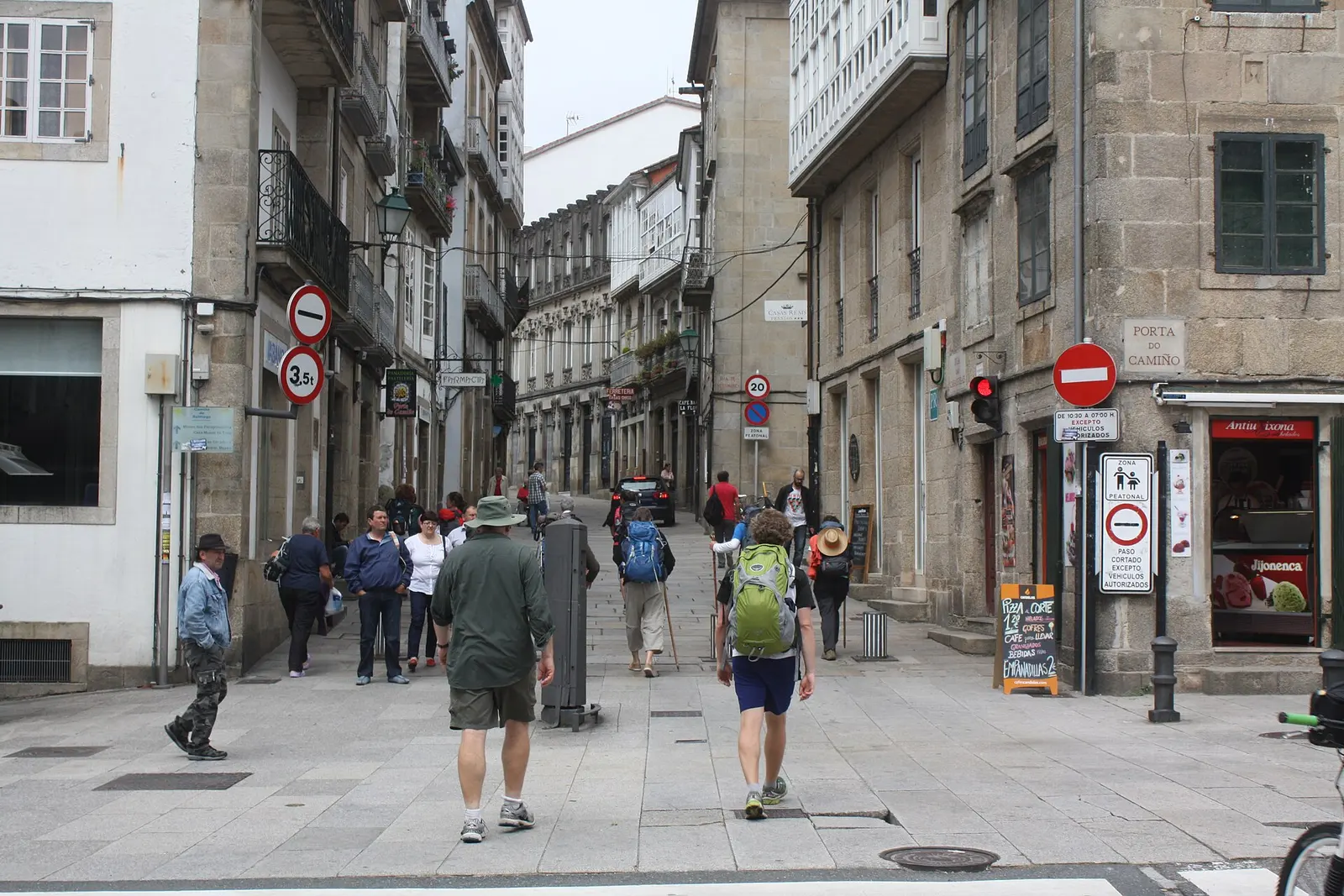
Santiago de Compostela is worth it for travelers who like old stone, food and watching people arrive somewhere they walked to. Reports describe a compact granite old town built around the cathedral, a square where pilgrims arrive after hundreds of kilometers, and a market and bar scene that makes eating the main event. Two days covers the core, and a third opens the coast.
The verdict in 30 seconds
Our pick: Walk the last 100 km from Sarria (runner-up: Visit Santiago the normal way)
Pick the last 100 km from Sarria if you have five days and want the full pilgrim ending: the Compostela certificate, the trail camaraderie and the walk over Monte do Gozo into the square. Choose a normal visit when time, mobility or the season's crowds argue against five days on the busiest stretch of the whole Camino.
Go if
- Travelers who want to earn the Compostela; the Pilgrim's Reception Office requires the last 100 km on foot with two stamps a day on the credential
- First-time pilgrims who want the most serviced stretch; Sarria has the densest bed-and-bar network on the whole route
- Groups who need luggage moved; Correos transfers bags stage to stage for EUR 30 total
- Walkers with five days free who want the classic arrival rather than a snapshot
Skip if
- You have fewer than five days; Sarria to Santiago cannot really compress below that without skipping stages
- You picture a wilderness trail; reports describe a continuous stream of pilgrims and Sarria alone sent about 162,000 of them in 2025
- You cannot walk 19 to 28 km a day; the shortest realistic stage option still asks about 19 km daily
- You are traveling in July or August and want quiet; those are the peak months on the busiest stretch
The options
Walk the last 100 km from Sarria Go
Travelers with five days who want the Compostela and the pilgrim ending, on the most serviced stretch of the Camino.
Good
- The full experience: certificate at the Pilgrim's Reception Office, five stages of classic Galician countryside and the Monte do Gozo arrival.
- The easiest Camino stretch to organize: dense albergue-and-bar network, waymarking and Correos bag transfer at EUR 30 total.
- The social energy that first-timers actually sign up for; shared tables and trail friendships are the reports' most repeated praise.
Watch out
- The busiest stretch on the network: about 162,000 pilgrims set out from Sarria in 2025, and reports call it a procession in season.
- Beds run out fast in July and August; unprepared walkers describe early-start races and full albergues.
- Five days minimum in reality, which is most of a week's holiday spent walking.
Correos Paq Mochila bag transferPilgrim's Reception Office, Compostela rules
Visit Santiago the normal way Go
Travelers who want the cathedral, the food and the pilgrim atmosphere without five days of walking.
Good
- The city rewards non-walkers fully: the cathedral, the old town and the market plus Finisterre or food day trips fit a weekend.
- No logistics to manage: book a hotel, arrive by plane or train, and the pilgrim finish line is still on the square to watch.
- Works year-round; the winter city is quieter while the trail is nearly empty anyway.
Watch out
- No Compostela and no trail camaraderie; you watch other people's finish instead of making your own.
- You miss the arrival feeling reports call the payoff of the whole route.
- A purely city visit leaves the countryside half of the destination unseen.
Santiago Turismo, official city guideCathedral guided visits, official ticketsSee Finisterre day trip optionspartner site
Sample one stage without finishing It depends
Curious travelers who want the trail feel and pilgrim crowds for a day without the five-day commitment.
Good
- A day stage out of Sarria, such as the 22 km to Portomarin, delivers the arrows, the stamps and the company in one shot.
- Cheap and reversible: taxi or bus back if it is not your thing, no booking chain required.
Watch out
- No Compostela; the certificate needs the full last 100 km with twice-daily stamps.
- Reports call it a taste rather than the experience; the payoff is cumulative and a single stage mostly gets the logistics.
- You still meet the busiest stretch in its busiest hours on a day walk.
Peak-season Sarria with no bookings Skip
Nobody, realistically; it is the failure mode reports warn about rather than a plan.
Good
- Spontaneity is the only upside, and July's energy on the trail is high.
Watch out
- Albergues fill completely in July and August; walkers report arriving to no beds and taxiing onward.
- The worst crowd version: school groups, tour groups and first-timers all share the same stages at once.
- The rescue option, booking beds as you go, mostly does not exist in the peak weeks.
| Criterion | Walk the last 100 km from Sarria | Visit Santiago the normal way | Sample one stage without finishing | Peak-season Sarria with no bookings |
|---|---|---|---|---|
| Days needed | Five classic stages, four to six days total | A weekend covers the city | One day on the trail | Same five days, minus the bed guarantees |
| Compostela certificate | Earned with two stamps a day | Not earned | Not earned | Earned, at the worst crowd level |
| Walking per day | 19 to 28 km | Sightseeing only | About 22 km once | 19 to 28 km regardless |
| Crowds reported | The busiest stretch of the Camino in season | City-center crowds near the cathedral | Thin once you leave the headline towns | The absolute worst of the calendar |
| Bed guarantee | Book ahead May to September | Ordinary hotel booking | Return the same day | Often none left on arrival |
| Luggage | Correos moves it stage to stage, EUR 30 total | Stays in the hotel room | Daypack only | On your back if bookings fall through |
What it costs
- Correos Paq Mochila rucksack transfer, Sarria to Santiago, total per bag: €30 (EUR 30 covers the whole Sarria to Santiago chain regardless of stage count, per bag up to 15 kg, in the March 16 to October 31 season; free cancellation to the day before). Official source, checked Oct 2026.
- Cathedral roofs and Carraca tower guided tour, general ticket: €15 (About 60 minutes and roughly 140 steps for the normal-visit option; reduced rate EUR 12, and it bundles same-day museum access). Official source, checked Oct 2026.
- Compostela certificate: €0 (issued free at the Pilgrim's Reception Office to walkers of at least the last 100 km). Official source, checked Oct 2026.
- Certificate of distance (optional): €3 (records the distance walked; sales help fund the free reception service). Official source, checked Oct 2026.
What travelers report
Based on 13 traveler reports (Apr 2025 to Aug 2026) and the official sources linked on this page. 0 were negative.
What people like
- The arrival over Monte do Gozo into the cathedral square lands as one of travel's great finishes (5 of 13 reports)
- The logistics are beginner-proof: beds, bars and bag transfer every few kilometers on the most serviced stretch (4 reports)
- The social layer, shared tables and first-timer energy that many walkers call the point (4 reports)
- Santiago rewards pilgrims on arrival, with the certificate office and the square completing the arc (3 reports)
What people complain about
- The crowds: reports describe a walking procession on the busiest stretch, worst May to September (5 of 13 reports)
- Bed scarcity that forces early starts or months-ahead booking in season (4 reports)
- The commercial feel of the most-touristed stages compared with quieter earlier sections (3 reports)
- The final stage into the city reads anticlimactic to some after days of countryside (2 reports)
How to do it right
- For the walk: fly or train to Sarria, collect a credential, and stamp it at least twice a day; the Pilgrim's Reception Office at Rua Carretas 33 in Santiago issues the Compostela free.
- Budget five days for the classic split: Sarria to Portomarin about 22 km, then Palas de Rei, Arzua and O Pedrouzo, then the final 19 km into the city.
- Book beds ahead from May to September; reports call this the busiest stretch of the entire Camino network and Sarria alone sent 161,901 pilgrims in 2025.
- Ship the bag if carrying it matters: Correos' Paq Mochila service moves it stage to stage for EUR 30 total in season, so you walk with a daypack.
- Start each day before about 08:00 to stay ahead of school groups and claim albergue beds where they are first-come.
- For the normal-visit version, base yourself in the old town, do the cathedral and market, and take the Finisterre or food options as day plans instead.
The trap to avoid
Arriving in Sarria in July or August with nothing booked. Reports describe full albergues, early-start bed races and a walking procession; the stretch takes more pilgrims than any other on earth between May and September. Reserve beds ahead or walk in April, October or the quieter edges of the season.
What to do instead
Why this pick
Walk the last 100 km from Sarria if you have five days and want the Compostela; otherwise visit Santiago the normal way. The evidence splits on what the last 100 km is for. Reports from walkers who chose it deliberately describe a forgiving five days of 19 to 28 km stages through oak woods and stone villages on the most serviced stretch of the network, ending in the square the certificate is named for. A photographer’s diary dwells on new walking friends and pulpo dinners, and two sisters on their first Camino describe it village by village.
Reports focused on the crowds say the same stretch is the busiest of the whole network between May and September, with Sarria alone sending about 162,000 pilgrims in 2025. Several walkers describe the change at Sarria: sudden crowds, tour buses, school groups and a different energy. One blogger met more walkers in an hour out of Sarria than in a whole earlier day, and a walking group that finished from O Pedrouzo found the finale crowded and more subdued than on a 2024 walk.
Both are true, and they point at different readers. If you have five days, want the certificate and can accept company, the walk is the pick: the crowd is part of the atmosphere many first-timers are after, and the postal service’s bag transfer removes the hardest part of the logistics. If you want Santiago itself, the cathedral, the market and a Finisterre day, a normal visit answers in a weekend without a step walked.
The middle options resolve the rest. Sampling one stage out of Sarria earns no Compostela and reads in reports as a taste rather than the thing itself. Arriving in peak season with nothing booked is the one option the evidence says not to do: that is when the crowds and the bed scarcity stack into the bad version of the experience.
Timing and tickets
The walk needs a pilgrim credential stamped at least twice a day on the last 100 km. The Pilgrim’s Reception Office in Santiago issues the Compostela free; an optional certificate of distance costs EUR 3. The office opens daily 08:00 to 20:00 from Easter Monday to October 31 and 10:00 to 19:00 from November to Easter, closed December 25 and January 1, and it notes it may close up to an hour early when busy.
Correos runs its Paq Mochila bag transfer from mid-March to October 31 at EUR 30 per bag for the whole Sarria to Santiago chain, bags up to 15 kg, with free cancellation until the day before. That lets you walk with a daypack.
For a calmer trail, reports favor April and October over the July to September peak. In the busy months, book beds ahead and pick a start time that keeps you away from the tour groups: one couple’s guide suggests starting late, after the groups have moved off.
For the normal-visit version, base yourself in the old town. The cathedral’s roofs and tower tour costs EUR 15 general or EUR 12 reduced on the official ticket site, runs about an hour with roughly 140 steps, and includes same-day museum access. A day by road to Finisterre and Muxia on the Costa da Morte fills a second day.
Book or check times
Correos Paq Mochila bag transferPilgrim's Reception Office, Compostela rulesSantiago Turismo, official city guideCathedral guided visits, official tickets
We earn a commission if you book through our links. It never changes a verdict. How this works
See Finisterre day trip optionspartner site
Where to stay
Staying in Santiago de Compostela?
A converted monastery with an indoor pool a short walk from the cathedral; the most comfortable base inside the historic core for travelers who want character and rest.
Old town, by the cathedral
Check rates on Expediapartner siteA garden-facing hotel on the old town's eastern edge, within a ten-minute walk of the market and the cathedral; quiet while staying central, which suits travelers who dislike lane noise.
Old town eastern edge
Check rates on Expediapartner siteA full-service hotel in the Ensanche, between the old town and the newer center, with a seasonal outdoor pool, sauna and gym. Guests describe it as a good four-star rather than a five-star.
Ensanche, Rua Alfredo Branas
Check rates on Expediapartner siteWhich area of Santiago de Compostela to stay in, based on traveler reports. Search Santiago de Compostela hotels on Expedia partner site
Getting there
Flying into Santiago de Compostela?
Compare every way from the airport first; trains and buses are often cheaper. Book a private airport transfer partner site
Questions
How long is the last 100 km actually?
About 114 km from Sarria to the cathedral door over five classic stages. The Compostela's 100 km minimum is the qualifying distance on foot, which is why Sarria, sitting just beyond it, is the most popular starting point on the route.
What does the Compostela require?
Walk the last 100 km (or cycle the last 200) with at least two credential stamps per day, then show it at the Pilgrim's Reception Office on Rua Carretas 33. The office is open daily except December 25 and January 1, and the certificate itself is free.
Can I send my bag ahead on the last 100 km?
Yes. Correos' Paq Mochila moves a bag of up to 15 kg stage to stage for EUR 30 total in the mid-March to October season, and private transfer companies do the same. Reports call bag transfer the single biggest comfort upgrade on the stretch.
How crowded is the last 100 km?
The busiest stretch of the whole Camino: Sarria alone sent 161,901 pilgrims in 2025, roughly two-thirds of the Frances route's total. Forum reports describe a stream of walkers in season, with school groups in spring and the heaviest traffic July to September.
Is the last 100 km hard?
No, by Camino standards: 19 to 28 km days over rolling Galician countryside on the most serviced stretch of the network, with beds, bars and bag transfer every few kilometers. The challenge is the crowds and the multi-day commitment rather than the terrain.
What if I only want a taste of the walk?
Walk one stage out of Sarria, such as the 22 km to Portomarin, and return by taxi or the next bus; you get the trail feel and the pilgrim crowd without the five days or the Compostela. Reports describe it as a reasonable sampler rather than the real thing.
Keep planning
More decisions in Santiago de Compostela
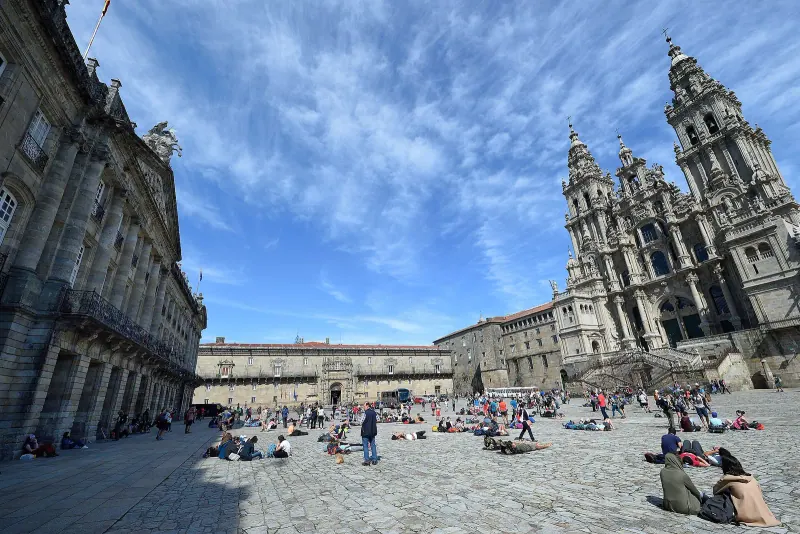 Where to stay in Santiago: which area?Our pick: Casco Antiguo, the old town

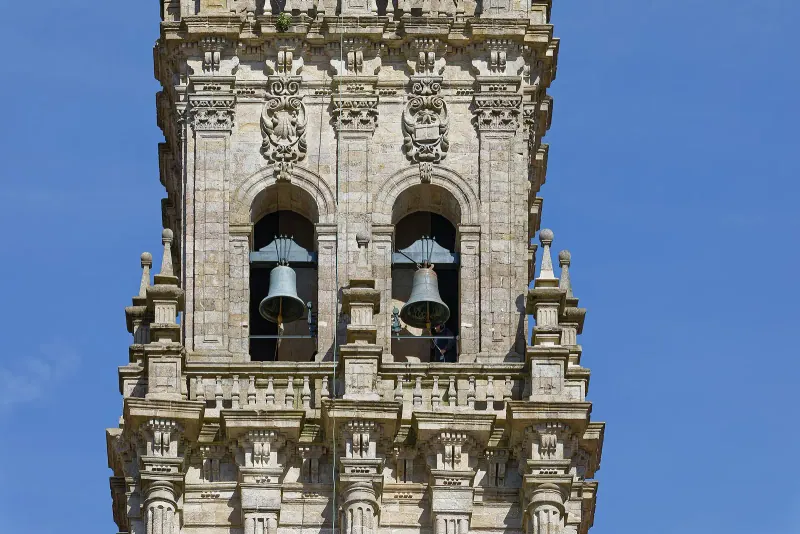 Santiago airport to the old town: which way?Our pick: Bus 6A

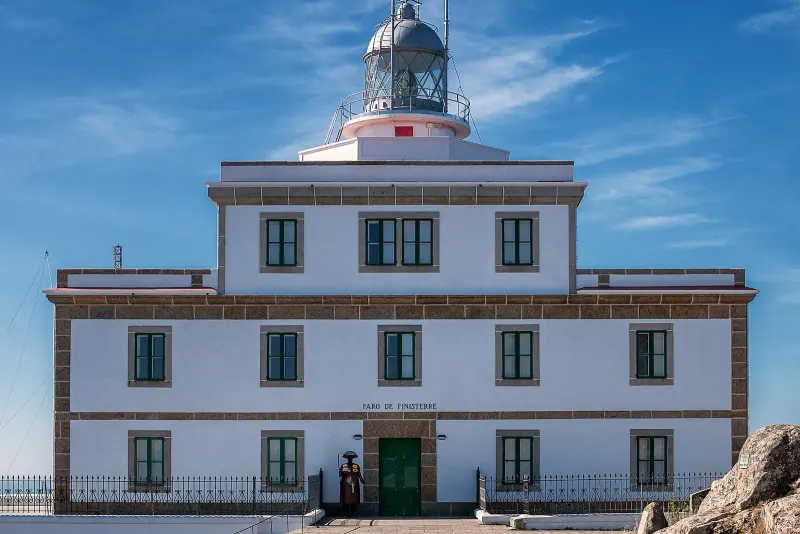 Is a Finisterre day trip worth it?Go

 Is a Santiago food tour worth it?It depends

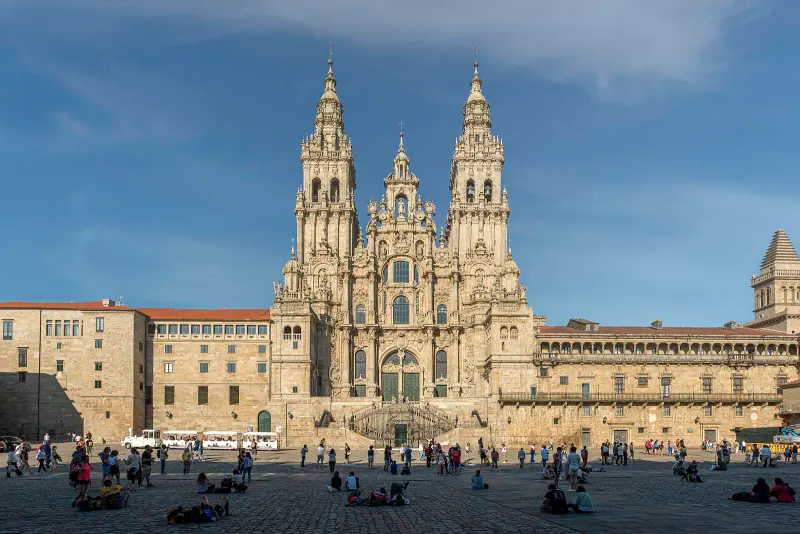 Is Santiago Cathedral worth it?Go

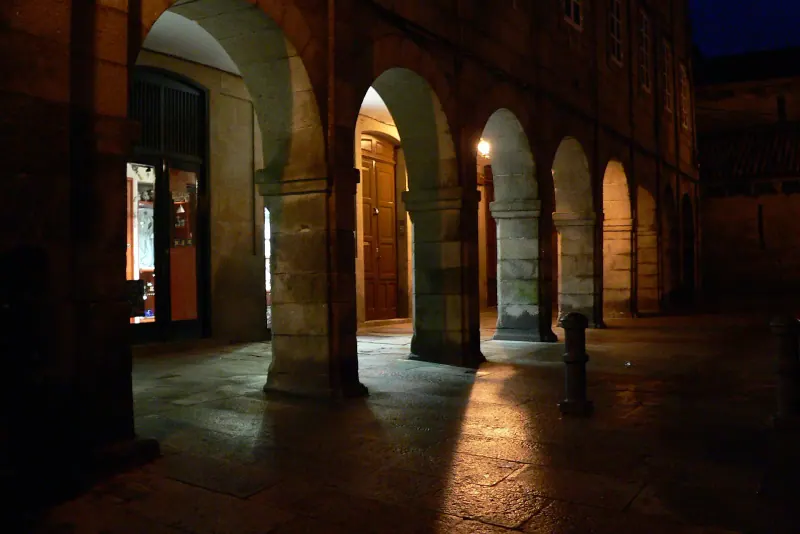 Is Santiago's old town worth it?Go

Pack for it
Gear verdicts from our sister site, Real Buyer Experiences: