Zagreb / The verdict
Where to stay in Zagreb: which area?
Stay in the Lower Town grid around Ban Jelacic square: every report puts first-timers there for the flat walkable streets, the tram links and the deepest hotel stock. Choose the Upper Town lanes for atmosphere over convenience, the station edge only for early departures, and skip the airport strip entirely.
By The Real Traveler Experiences team. We earn a commission if you book through our links. It never changes a verdict.
The Zagreb story
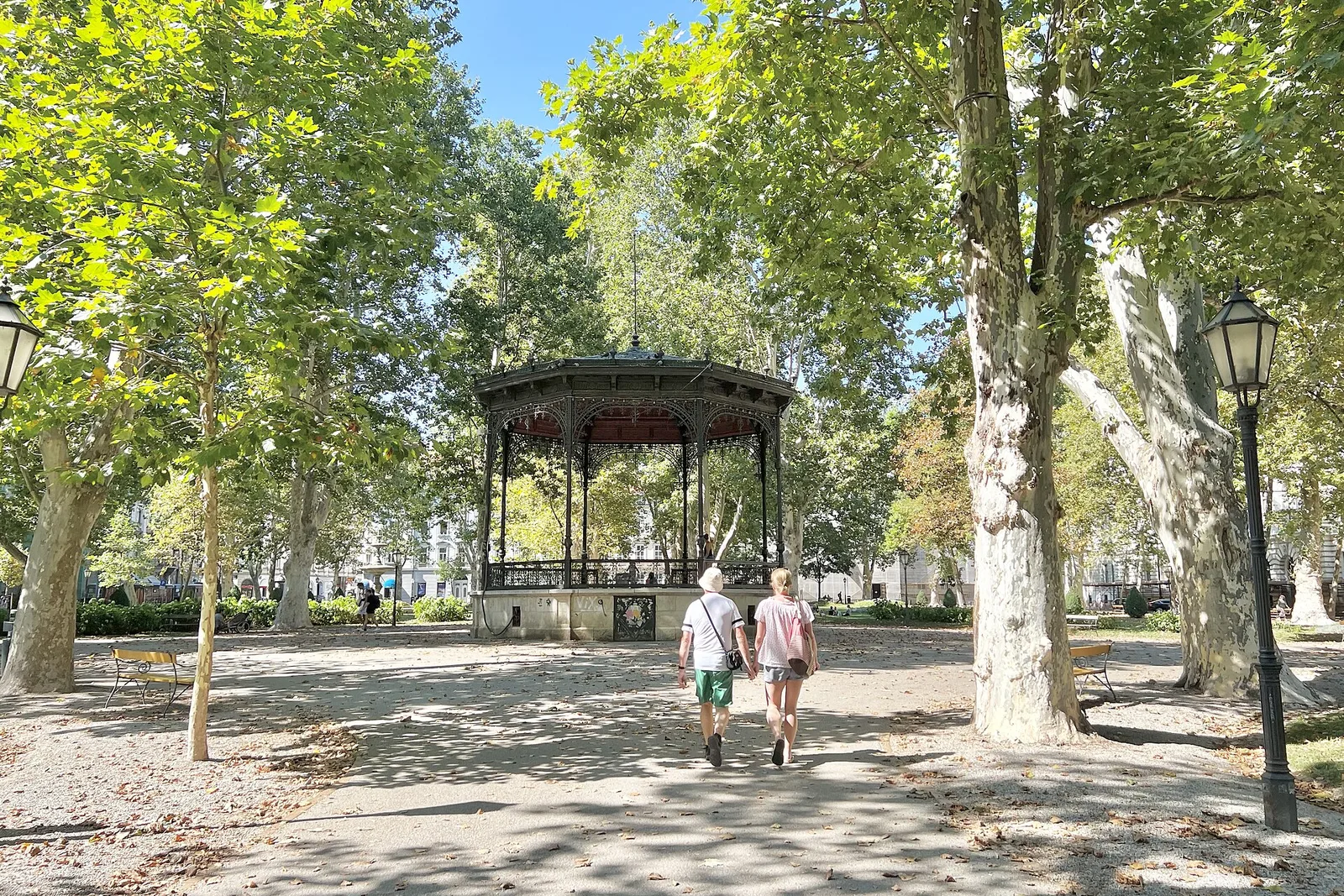
Zagreb is worth two real days if you like cities that run on cafes, markets and small museums rather than monuments. Travelers describe a compact capital where the medieval [Upper Town](/zagreb/zagreb-upper-town/) sits above a grid of Austro-Hungarian squares and parks, everything is walkable, and prices stay well under the coast. A long-stay writer calls it plainer than Split but a real local city.
The verdict in 30 seconds
Our pick: Lower Town (Donji grad) (runner-up: Upper Town (Gornji grad))
Stay in the Lower Town grid around Ban Jelacic square: every report puts first-timers there for the flat walkable streets, the tram links and the deepest hotel stock. Choose the Upper Town lanes for atmosphere over convenience, the station edge only for early departures, and skip the airport strip entirely.
Go if
- First-time visitors who want to walk to Dolac market, the museums and the cafe streets
- Travelers planning day trips to Samobor or Plitvice who need easy station access
- Anyone who values quiet nights over being on the square itself
Skip if
- You are certain you want old-town atmosphere over hotel choice; the Upper Town is the swap
- You need a car with parking daily; the center is a paid-zone maze
The options
Lower Town (Donji grad) Go
Most first-time stays: travelers who want the main square, museums, trams and the widest hotel stock within a flat, walkable grid.
Good
- The consensus pick across reports: the grid around Ban Jelacic square puts Dolac market, the museums and most restaurants within a ten-minute walk.
- The deepest accommodation stock in the city, from hostel dorm beds up to the grand Esplanade on the station edge.
- Tram lines cross the grid, so Upper Town, the stations and the rest of the city are minutes away.
- The Green Horseshoe parks and the spica cafe ritual give it daytime character without nightlife noise.
Watch out
- The least old-world of the walkable options: streets are handsome Austro-Hungarian blocks rather than medieval lanes.
- Weekend and event nights can carry bar-street noise near Flower Square and Tkalciceva.
- Streets immediately off the bus terminal feel utilitarian at night, though reports call the area safe.
Zagreb tourist board, city guideSee hotel options in this areapartner site
Upper Town (Gornji grad) Go
Atmosphere-first stays: travelers who want gaslit lanes, the Stone Gate and views at the door, and do not mind cobbles and a climb.
Good
- The most atmospheric option in the log: medieval lanes, the cathedral skyline and quiet evenings once day visitors leave.
- Sights at the doorstep: St Mark's church, Lotrscak tower and the Stone Gate are inside the quarter.
- quiet at night, which light sleepers single out.
Watch out
- Cobblestones and a hill: rolling luggage and limited mobility both struggle, and reports flag the climb.
- Thin hotel stock: mostly apartments and small guesthouses rather than full-service hotels.
- Fewer evening options at the door; dinner and nightlife mean walking down to the Lower Town.
Museum of Broken Relationships, in the Upper TownSee hotel options in this areapartner site
Around the bus and train stations It depends
Transit-heavy stays: early buses, airport shuttles and day trips to Samobor or Plitvice, or a one-night stopover on the way through.
Good
- The logistics pick: the airport shuttle terminates at the bus station and the Samobor and Plitvice coaches leave from here.
- The Esplanade anchors the station edge, and business hotels on Radnicka street cover the reliable mid-range.
- Cheaper mid-week rates than the main-square blocks for comparable rooms.
Watch out
- The least characterful area in the comparison: wide roads and office blocks rather than old streets.
- Reports call the blocks around the terminals utilitarian at night; safe but joyless.
- Fifteen to twenty minutes on foot or a tram to the old-town sights.
Near the airport Skip
Only a dawn departure: the airport sits in Velika Gorica across the motorway with little around it.
Good
- A few hotels sit within a short drive of the terminal, useful before a 6:00 departure.
Watch out
- Reports note there are no true walk-up airport hotels; the nearest beds still need a shuttle or taxi.
- Nothing to see or do around the airfield: every evening in Zagreb requires the twenty-minute shuttle each way.
- The airport shuttle runs about every 30 minutes for 9 EUR, so even a late arrival can sleep in the city.
| Criterion | Lower Town (Donji grad) | Upper Town (Gornji grad) | Around the bus and train stations | Near the airport |
|---|---|---|---|---|
| Walk to the main square | Inside it: the square is the doorstep | Ten minutes down the hill | Fifteen to twenty minutes or a short tram | The shuttle bus ride, about twenty minutes |
| Evening atmosphere | Cafe terraces, wine bars and the weekend spica crowd | Quietest nights in the comparison; dinners happen downhill | Quiet streets, sparse late options | None to speak of |
| Hotel and apartment stock | The deepest in the city at every price point | Mostly apartments and small guesthouses | Business and transit hotels plus the Esplanade | A handful of roadside hotels |
| Day-trip logistics | Trams to the bus and train stations in minutes | A downhill walk plus tram to either terminal | Coaches and the airport shuttle at the door | The shuttle's terminus is across town |
| Night noise | Moderate: bar streets around Flower Square and Tkalciceva | Quietest after the day visitors leave | Traffic hum rather than nightlife | Quiet, with nothing outside |
| Reported price level | Widest spread: hostel beds about 20 EUR to landmark luxury | Mid to upper, leaning on apartments | Mid-range, often cheaper mid-week | Low to mid, but you pay in shuttle time |
What it costs
- Zagreb airport shuttle to the bus station, one way: €9 (runs about every 30 minutes, roughly 35 minutes to the main bus terminal; children under 7 ride free). Official source, checked Oct 2026.
- ZET tram, 90-minute ticket: €1.33 (30-minute tickets cost 0.53 EUR, a day ticket 3.98 EUR). Official source, checked Oct 2026.
- ZET funicular, one way: €0.66 (Links the Lower Town with the Upper Town; ZET daily ticket 3.98 EUR). Official source, checked Oct 2026.
What travelers report
Based on 13 traveler reports (Jan 2025 to Jul 2026) and the official sources linked on this page. 0 were negative.
What people like
- The Lower Town grid wins across reports for being flat, walkable and local in feel.
- The Upper Town's quiet evenings are singled out by light sleepers.
- Hotel stock covers every budget: 20 EUR dorm beds to a landmark grand hotel.
- Trams make the whole center feel close, so a slightly cheaper bed stays connected.
What people complain about
- The Upper Town's cobbles and hill punish rolling luggage and tired legs.
- Blocks around the terminals read as utilitarian at night.
- The airport area has nothing around it and no walk-up hotels.
- Bar streets near Flower Square carry noise on weekend nights.
How to do it right
- Map your priorities first: atmosphere points to the Upper Town, walkability and hotel choice to the Lower Town, and dawn departures to the station edge.
- Within the Lower Town, stay inside the central grid: reports from a five-year resident say anything inside it is a ten-minute walk to everything that matters.
- Check the street before booking: blocks directly off the bus terminal are described as utilitarian at night, so pick a street a block or two in.
- For the Upper Town, confirm stairs and luggage reality with the host; the charm is on cobbles above the city.
- Skip the airport strip unless your flight leaves at dawn; the shuttle into town runs about every 30 minutes.
- Book ahead for Advent weekends and late-summer festivals, when the central hotels fill.
The trap to avoid
Booking near the airport for a city stay. There are no true walk-up airport hotels, the surroundings are motorway fields, and the shuttle makes the center an easy reach even late at night.
What to do instead
Why this pick
Stay in the Lower Town (Donji grad), the flat grid around Ban Jelacic square. It is the pick in the area guides in the log, and a guide written by a five-year resident sums up why: anything inside the central grid is a ten-minute walk from everything that matters. The same resident names two specific areas to avoid and puts hostel beds around 20 EUR, so the grid works on a budget too. Twelve of the 13 logged reports are positive; the one mixed report is a forum thread about a one-night airport stay.
The Lower Town also gives you the city’s daily rhythm on the doorstep. One guide explains the spica ritual, the Saturday-morning coffee crowd downtown, and a district profile covers the Green Horseshoe parks and where the quieter side streets sit. If the main square itself sounds too busy, two guides point to calmer options that keep the walkability: the side streets just off the central grid, and Britanski trg to the west.
The alternatives
The Upper Town (Gornji grad) is for atmosphere. Guides that cover it describe the trade plainly: character on one side, cobblestones, a hill and luggage on the other. Stock is thinner and evenings mean walking down for dinner. The ZET funicular linking it to the Lower Town costs EUR 0.66 one way, which takes some of the sting out of the climb.
The station edge suits logistics. The airport shuttle ends at the main bus station, and one review praises the landmark station-edge hotel for easy day trips to Samobor and Plitvice. A hotel review puts that edge about a fifteen-minute walk from the main square, so it is workable for sightseeing, just less charming than the grid.
Near the airport is the skip. The forum thread in the log notes there are no true airport hotels within walking distance and points one-night stays to the business hotels on Radnicka street instead. With the shuttle running often, sleeping in the city makes more sense even after a late arrival.
Getting around and getting in
From the airport, the Pleso prijevoz shuttle runs to the main bus station about every 30 minutes, takes roughly 35 minutes and costs EUR 9 one way, with children under 7 free. Inside the city, ZET trams cross the Lower Town grid. A 90-minute ticket costs EUR 1.33 if bought in advance, and EUR 1.99 from the driver. If you will ride several times, the daily ticket is EUR 3.98 and a three-day ticket EUR 9.29.
How to book
Decide on the trade first: walkability and choice point to the Lower Town, atmosphere to the Upper Town, early coaches to the station edge. Then check the exact street, not just the district name, since the resident guide’s warnings are about specific blocks. For the Upper Town, ask the host about stairs and the walk from the nearest tram stop before booking with heavy bags.
Book or check times
Zagreb tourist board, city guideMuseum of Broken Relationships, in the Upper TownPleso prijevoz airport shuttle timetableZagreb airport, official site
We earn a commission if you book through our links. It never changes a verdict. How this works
See hotel options in this areapartner siteSee hotel options in this areapartner site
Getting there
Flying into Zagreb?
Compare every way from the airport first; trains and buses are often cheaper. Book a private airport transfer partner site
Questions
What is the best area to stay in Zagreb for a first visit?
The Lower Town (Donji grad) grid around Ban Jelacic square: reports put the sights, trams and most hotels within a flat ten-minute walk, making it the default first-timer base.
Is the Upper Town a good place to stay?
Yes if atmosphere ranks above convenience. You get the gaslit lanes and quiet nights, but the stock is apartments and small guesthouses, the streets are cobbled, and dinner means walking downhill.
Should I stay near Zagreb airport?
Only for a dawn departure. There are no hotels you can walk to from the terminal, and the shuttle runs about every 30 minutes for 9 EUR, so even late arrivals can sleep in the city.
Is it safe around the bus and train stations?
Reports describe the blocks as utilitarian and joyless at night rather than unsafe. Solo travelers routinely stay there for the early departures; pick a street a block inside the grid for a better feel.
How much do Zagreb hotels cost?
Reports put hostel beds in the center around 20 EUR, mid-range rooms in the low hundreds or less off-season, and the landmark Esplanade clearly above that. Prices climb on Advent weekends.
Where do locals recommend for a quieter stay?
Residents point to the side streets just off the main grid and Britanski trg to the west: calm, still walkable, and with the morning market and cafes at the door.
Keep planning
More decisions in Zagreb
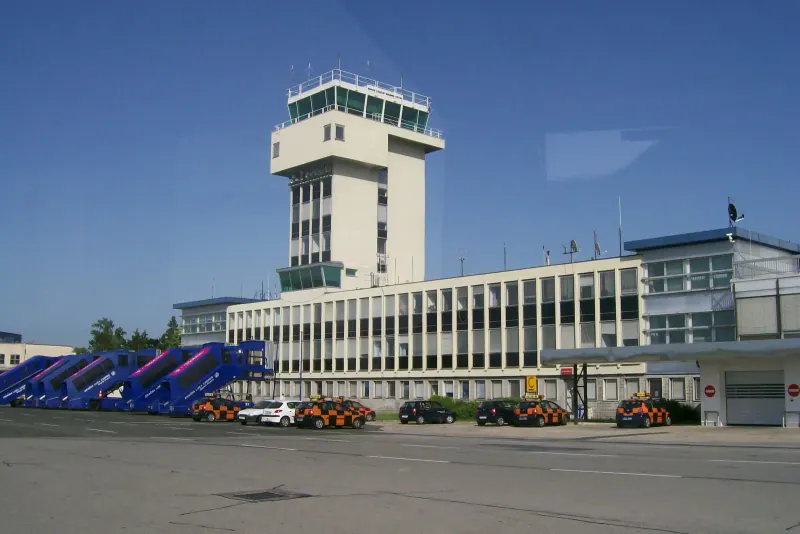 Zagreb airport to the city: which way?Our pick: Pleso Prijevoz airport shuttle

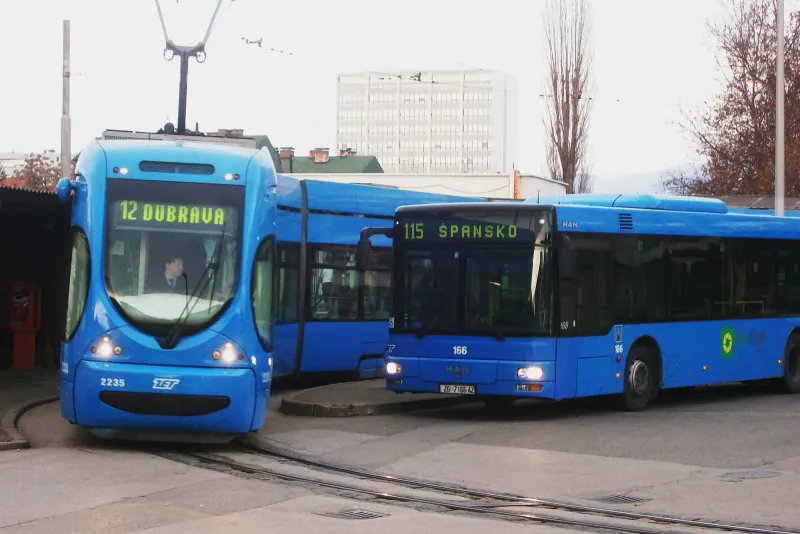 Is the Zagreb Card worth it?It depends

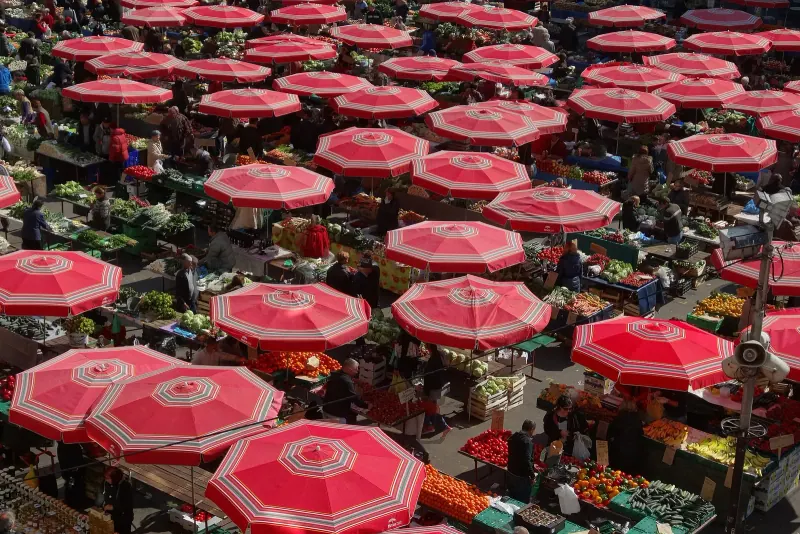 Is a food tour in Zagreb worth it?It depends

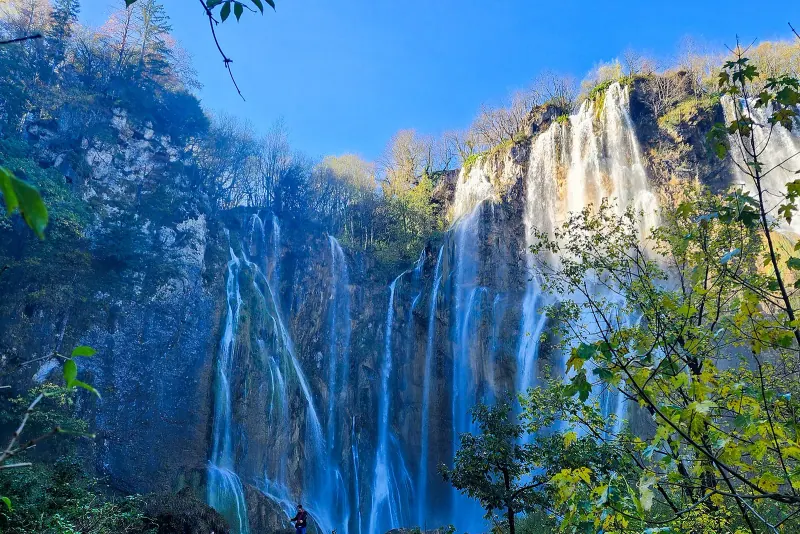 Is a Plitvice Lakes day trip from Zagreb worth it?It depends

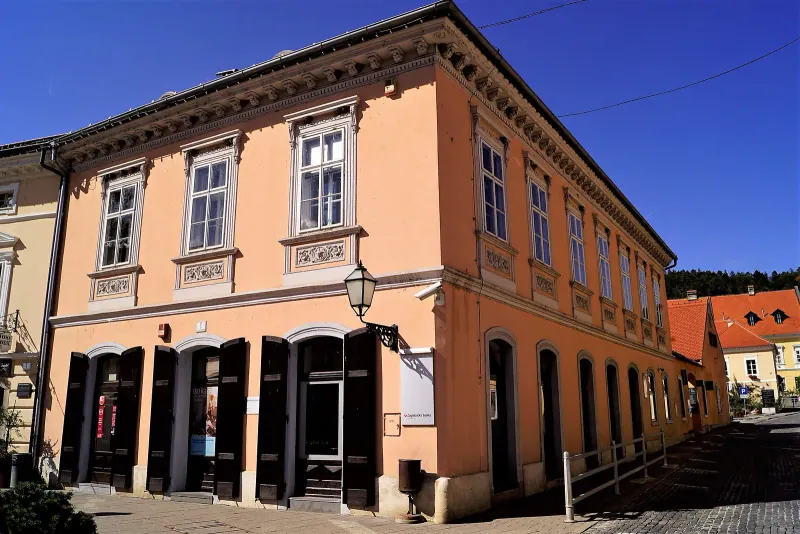 Is a Samobor day trip from Zagreb worth it?Go

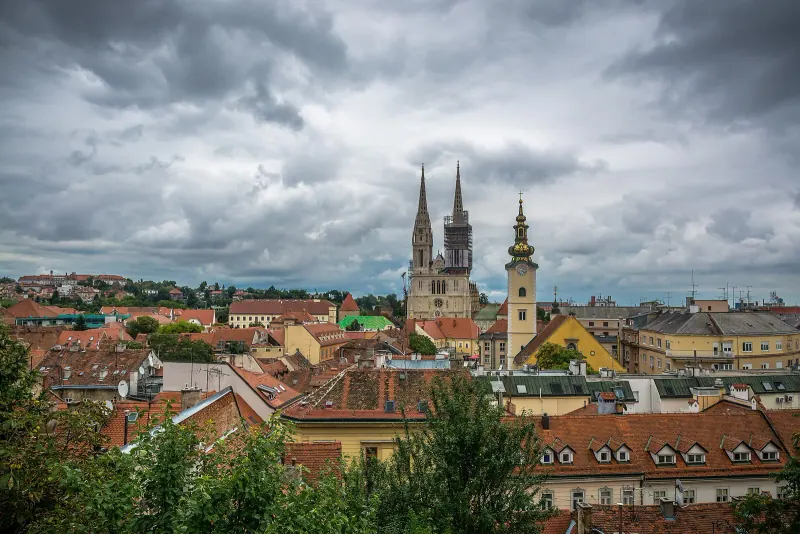 Is the Museum of Broken Relationships worth it?Go
