Vilnius / The verdict
Is a Hill of Crosses day trip from Vilnius worth it?
Depends on how much logistics friction you will tolerate: the hill is free, strange and moving for about an hour, but it sits two-plus hours from Vilnius with an awkward last leg, so the practical play is a guided round trip rather than piecing together trains and taxis.
By The Real Traveler Experiences team. We earn a commission if you book through our links. It never changes a verdict.
The Vilnius story
Vilnius is worth it for travelers who like a walkable old city with real depth and low prices. Reports describe a baroque [Old Town](/vilnius/vilnius-old-town/) you can cross in about 20 minutes, church interiors that reward a peek inside, and a cafe and tavern scene that stays local rather than tourist priced. It suits first-time Baltic travelers, history readers and anyone who wants a city break that does not drain the budget.
The verdict in 30 seconds
It depends
Depends on how much logistics friction you will tolerate: the hill is free, strange and moving for about an hour, but it sits two-plus hours from Vilnius with an awkward last leg, so the practical play is a guided round trip rather than piecing together trains and taxis.
Go if
- Travelers who collect unusual, specifically Lithuanian sights
- Photographers and anyone drawn to Soviet-era history and Catholic tradition
- Visitors who have already done the easy wins like Trakai and want the stranger one
Skip if
- You have only a day or two in Vilnius and want easy logistics
- You are on a tight budget and guided tours are out of reach
- Religious memorial sites are not your thing; the hill is the only real draw out there
What it costs
- Hill of Crosses entry: €0 (the official site confirms free entry year-round with no tickets required). Official source, checked Oct 2026.
- Hill of Crosses car parking: €1 (approximately 1 EUR per car per the official site; tour buses pay about 7 EUR). Official source, checked Oct 2026.
What travelers report
Based on 12 traveler reports (Oct 2024 to Sep 2026) and the official sources linked on this page. 0 were negative.
What people like
- Visitors across faiths describe the hill as moving and stranger than any photograph conveys.
- The site is free, open year-round, and the visitor center sells crosses to add to the hill.
- A guided tour turns an awkward two-leg transfer into an easy half-day with context included.
- The Soviet bulldozing history gives the place real weight, not just a photo op.
- Families report children loved buying and planting their own cross.
What people complain about
- The trip from Vilnius is long: over two hours each way plus a last leg that demands a taxi or a sparse bus.
- The hill rewards an hour at most, so the travel-to-site ratio is poor.
- Tour buses pack the car park midday in season and can crowd the mound.
- The return bus from the Domantai stop is infrequent and missing it gets expensive.
- Parking is paid and the machine setup trips up some drivers.
How to do it right
- Decide DIY versus guided first, because that choice drives the whole day: reports put guided round trips from Vilnius at about 35 to 60 EUR, while DIY means a roughly two-hour train to Šiauliai plus a taxi or the infrequent Joniškis-direction bus for the last 15 kilometers.
- If DIY, ride LTG Link to Šiauliai, then take a Bolt or taxi to the hill: one guide logged 11.90 to 13.80 EUR for the roughly 15-kilometer leg, far simpler than the bay-12 bus and the two-kilometer walk from the Domantai stop.
- Buy a cross in the visitor center if you want the full ritual: adding a cross to the hill is the point of the place for pilgrims, and visitors with kids describe it as the thing the children remember.
- Plan 45 to 90 minutes on the hill itself: even positive reports say it does not take long, so do not allocate a whole afternoon there.
- Go with a tour if the return leg matters: the bus back from the Domantai stop runs at long gaps and missing it turns a cheap day into an expensive taxi ride; guided trips bundle the drive, the hill and often Šiauliai or a memorial stop.
- Time it for early or late light if you care about photos: the car park fills with tour buses midday in season, and visitors describe golden hour as the atmosphere that makes the trip.
The trap to avoid
The last leg: the hill is free, but it sits 12 kilometers north of Šiauliai with sparse local buses, and the return run from the Domantai stop has wide gaps. Reports call the transport, not the sight, the hard part, and the cheap DIY option turns expensive the moment you miss a bus and pay for taxis both ways.
What to do instead
Why this verdict
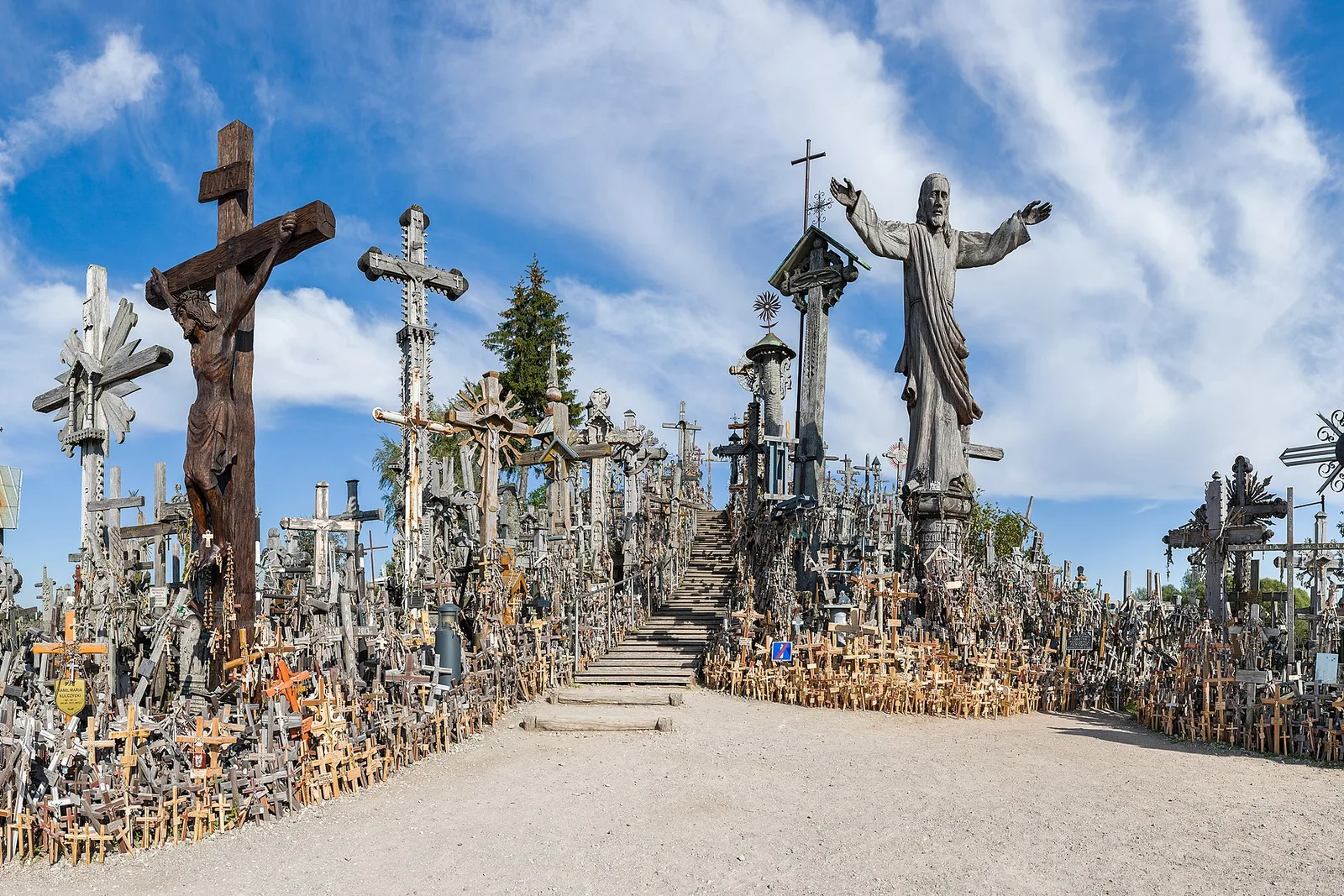
It depends on how much transport friction you will accept. The hill itself is free, open all year and one of the strangest sights in the Baltics, and eight of the 12 logged reports are positive about it. Visitors describe a forest of crosses, counted in the hundreds of thousands, that is more contemplative and more affecting than photographs suggest. A walking video and several reports repeat the Soviet-era history of a hill bulldozed and replanted again and again, which gives the place its weight. A family who visited twice, by day and at night, got a monk-guided tour that brought the pilgrimage story to life for their children.
The four mixed reports are all about the trip, not the hill. Forum posters agree the visit does not take long once you are there, which sharpens the question on a day of two-plus hours each way. A local guide and a country guide both name the return bus as the failure mode of a do-it-yourself day. A driver describes a chaotic car park full of tour buses and a ticket machine for parking that spoils the first minutes.
So the split is logistics. Travelers who collect unusual sights, photographers and anyone drawn to the Catholic and Soviet history should go, ideally with transport sorted. Rushed itineraries, budget purists and anyone lukewarm on religious sites can skip it, or save it for a Baltic road trip where the hill sits on the way between Vilnius and Riga.
Getting there
The hill sits about 12 kilometers north of Siauliai. Trains on the LTG Link line from Vilnius reach Siauliai in a little over two hours, according to the reports; check the operator’s current timetable before you commit to a return train. The last leg is the hard part: a sparse local bus toward Joniskis, a walk of about two kilometers from the Domantai stop, and a return bus with long gaps. A country guide took a ride-hailing car for the roughly 15-kilometer leg from the station, and both guides warn against relying on the return bus if your train home is fixed.
Guided round trips from Vilnius bundle the drive, the hill and often a stop in Siauliai. For most travelers without a car that is the simpler choice, because a missed return bus turns the cheap version into taxis both ways.
Timing on the hill
Entry is free with no ticket, and the official site lists parking at about 1 EUR per car. Plan 45 to 90 minutes on the hill itself. Midday in season brings the tour buses, so early or late light is calmer and better for photos. The visitor center sells crosses for those who want to add one; families in the log describe it as the part children remember. The hill stands in open, flat countryside, and one visitor on a tour from Riga found that landscape part of the spell.
Book or check times
Hill of Crosses official prices and entry infoOfficial Šiauliai district directions pageLTG Link Vilnius to Šiauliai timetable
We earn a commission if you book through our links. It never changes a verdict. How this works
See Hill of Crosses day trips from Vilniuspartner siteSee the full-day Hill of Crosses tourpartner site
Where to stay
Staying in Vilnius?
A 17th century baroque mansion turned design hotel on the Old Town's grandest street. Guests praise the generous breakfast and warm staff, and there is a spa.
Old Town, Didzioji street
Check rates on Expediapartner siteA book-themed boutique hotel in a renovated 17th century palace on a quiet lane minutes from the cathedral, with free bikes for exploring the city.
Old Town, Bernardinu street
Check rates on Expediapartner siteNo frills high rise in the New Town near the stations, with big views from upper floors. Reviewers call rooms clean and the beds comfortable, though some find the rooms dated.
Naujamiestis
Check rates on Expediapartner siteWhich area of Vilnius to stay in, based on traveler reports. Search Vilnius hotels on Expedia partner site
Getting there
Flying into Vilnius?
Compare every way from the airport first; trains and buses are often cheaper. Book a private airport transfer partner site
Questions
How do you get from Vilnius to the Hill of Crosses?
The usual routes are a roughly two-hour LTG Link train to Šiauliai then a taxi or the Joniškis-direction bus from bay 12 for the last 15 kilometers, or a guided day trip that handles the whole transfer; reports put guided options around 35 to 60 EUR and note the DIY return buses are infrequent.
Is the Hill of Crosses free to visit?
Yes: the official site confirms free entry year-round with no ticket required; the only visitor cost is parking at about 1 EUR per car.
How long do you need at the Hill of Crosses?
About 45 to 90 minutes covers the hill, the paths and the visitor center for most travelers; even enthusiastic reports say the site does not take long, so the day is mostly travel.
Is a Hill of Crosses day trip worth it from Vilnius?
For travelers drawn to unusual, specifically Lithuanian sights, yes: reports consistently call it moving and strange in a good way. For everyone else the depends verdict holds, because two-plus hours each way for an hour on the hill only makes sense with a tour doing the driving.
Can you visit the Hill of Crosses without a car or a tour?
Yes, but it is the fiddly version: train to Šiauliai, then a Bolt around 12 EUR or a local bus plus a two-kilometer walk, with the return bus the weak link; several guides explicitly recommend the guided route for that reason.
Why is the Hill of Crosses significant?
The hill is a pilgrimage site where Lithuanians have planted crosses for generations, bulldozed repeatedly under Soviet rule and rebuilt each time; reports highlight that history as what elevates it beyond a roadside curiosity.
Keep planning
More decisions in Vilnius
 Where to stay in Vilnius: which area?Our pick: Old Town

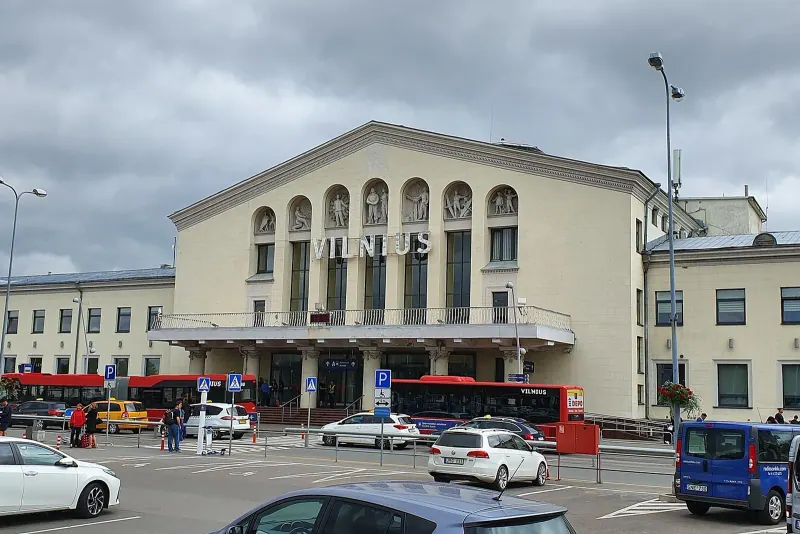 Vilnius airport to the city: which way?Our pick: Train to Vilnius Central Station

 Is a food tour in Vilnius worth it?It depends

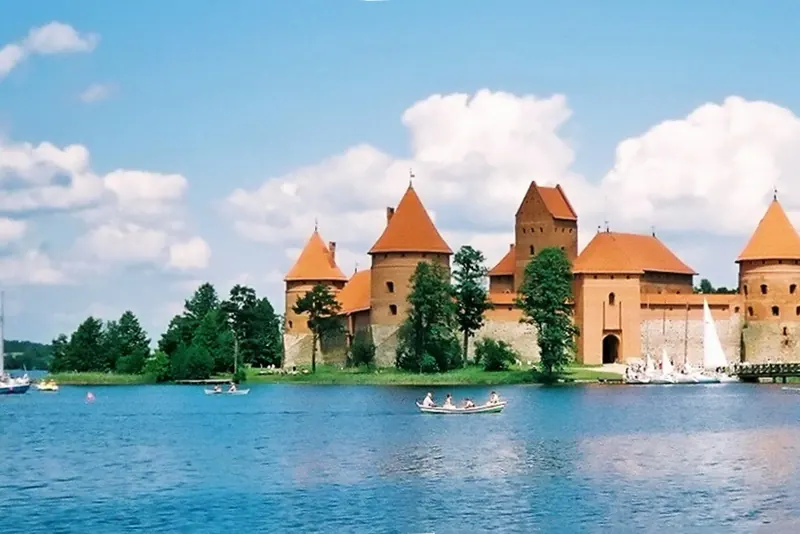 Is a Trakai day trip from Vilnius worth it?Go

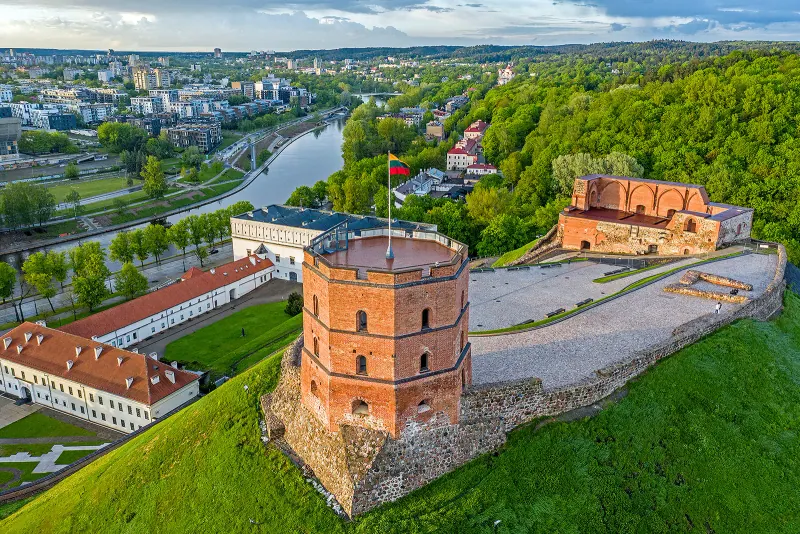 Is Gediminas Tower in Vilnius worth it?It depends

 Is the Museum of Occupations in Vilnius worth it?Go

Pack for it
Gear verdicts from our sister site, Real Buyer Experiences: