Gran Canaria / The verdict
Are the Maspalomas dunes worth it?
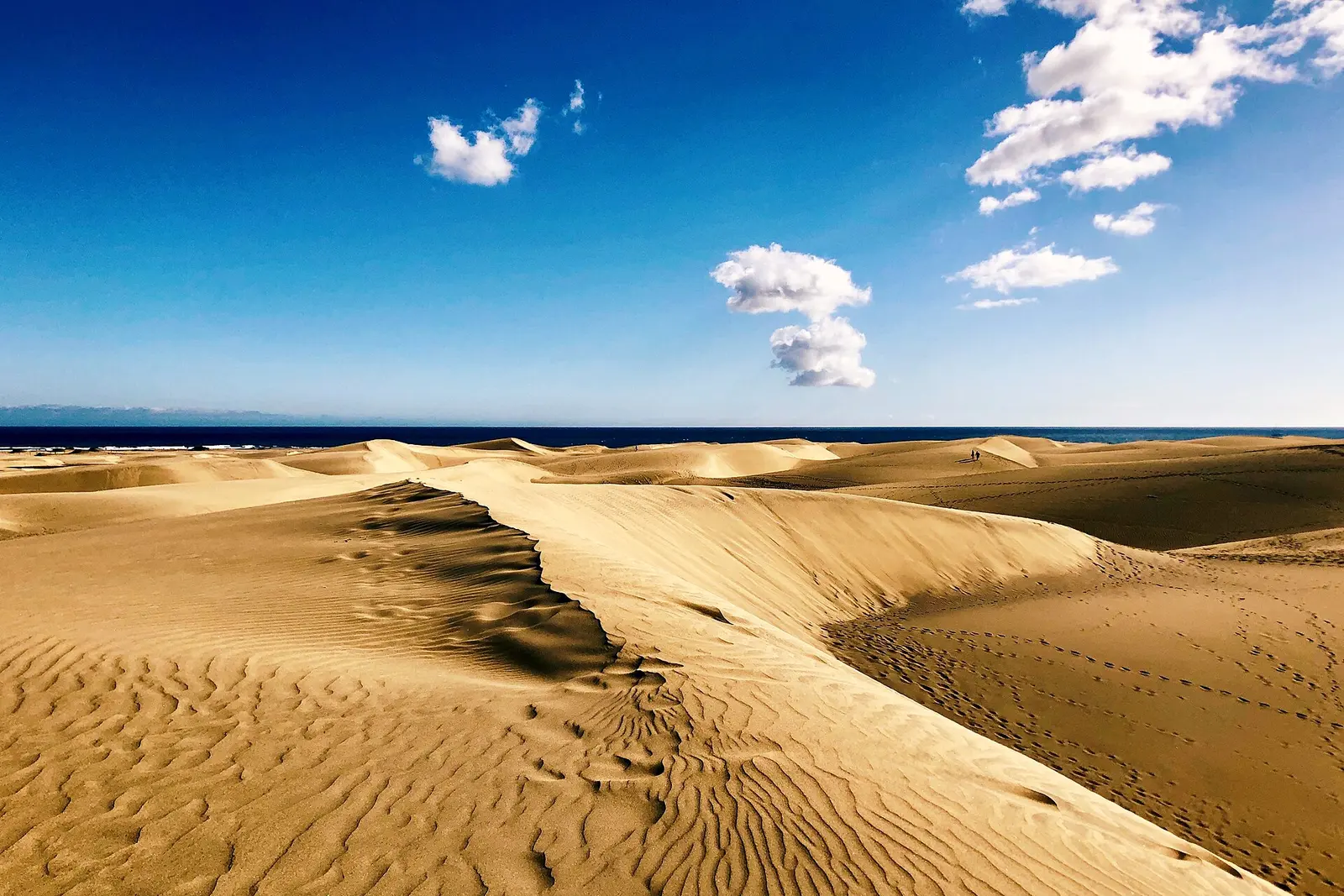
Yes, for most visitors: the dunes are Gran Canaria's signature landscape, and walking in needs no ticket. The catches are the rules (marked paths only, with patrols at sunset), midday heat with no shade, and wind that can blast sand.
By The Real Traveler Experiences team. We earn a commission if you book through our links. It never changes a verdict.
The Gran Canaria story
Gran Canaria is worth it for travelers who want sun and variety in one week: a golden dune field at Maspalomas, a proper city with a surfable reef beach at Las Canteras, and a mountain interior around Roque Nublo and Tejeda. Writers who have done several Canary Islands call it the most compact way to get beach, culture and hiking without long transfers, and an easier first Canary than Tenerife for city lovers.
The verdict in 30 seconds
Go
Yes, for most visitors: the dunes are Gran Canaria's signature landscape, and walking in needs no ticket. The catches are the rules (marked paths only, with patrols at sunset), midday heat with no shade, and wind that can blast sand.
Go if
- You are staying in Maspalomas, Meloneras or Playa del Ingles and can walk in
- You want the island's signature landscape without paying an entry fee
- You can go early morning or late afternoon, when reports describe cooler sand and better light
- You enjoy a long sand walk and have two hours or more for the crossing toward the lighthouse
Skip if
- You can only go at midday in summer; there is no shade and the sand gets hot
- You want to roam and climb freely; the official reserve page asks visitors to keep to marked paths, and patrols steer people back
- Strong wind is forecast; one visitor was caught in a windstorm that blew sand over the whole beach
What it costs
- Camel ride, adult: €18 (children 3 to 12 EUR 13, under 3 free with a parent; 30 to 35 minutes; daily 09:15 to 14:15, last admission 14:15). Official source, checked Oct 2026.
What travelers report
Based on 12 traveler reports (Apr 2025 to Aug 2026) and the official sources linked on this page. 0 were negative.
What people like
- A real dune sea rolling to the Atlantic, which visitors find bigger and more impressive than photos suggest.
- The Mirador de las Dunas gives the classic panorama within minutes of parking.
- Early morning and late-afternoon light bring out the ridges, and several reports rank the dunes the island's standout landscape or an essential stop.
- La Charca lagoon and the lighthouse make a good end to the walk, with birds on the water.
What people complain about
- No shade on the open dunes, and the deep sand is tiring.
- Sunset brings crowds and footprints on every crest; sensors count about 1,000 people a day at the viewpoint in the sunrise and sunset windows.
- Many visitors ignore the paths, and patrols and fines are the response.
- Wind can blast sand across the beach and dunes.
How to do it right
- Start at the Mirador de las Dunas beside Hotel Riu Palace Maspalomas for the classic first view, then follow the marked path down; drivers report free parking by the Cita centre.
- Alternative entries: the Faro de Maspalomas end for La Charca lagoon, or the Playa del Ingles promenade to come in over the crests.
- Go early: one photographer recommends sunrise because the night wind wipes footprints off the ridges, while sensors count about 1,000 people a day at the viewpoint around sunrise and sunset.
- Bring water, a hat and sun protection; reports agree there is no shade and the deep sand is tiring.
- Keep to the marked paths and boardwalks; the official reserve page asks for it, and a sunset patrol steers visitors out of restricted zones.
- For the camel ride, go to the station near La Charca on Calle Oceania between 09:15 and 14:15; the operator sells rides on its own site.
The trap to avoid
Walking off the marked paths for a photo on an untouched crest. The official reserve page asks visitors to keep to authorised paths, regional news reports drones, cameras and a sunset patrol in 2026, and fines apply. The open sand along the marked routes is enough.
Why this verdict
Yes, the Maspalomas Dunes are worth it, and they cost nothing. The reserve covers 403.9 hectares of protected sand between the resort strip and the Atlantic, with La Charca lagoon at its western end. Visitors keep finding it bigger than the photos suggest: one made the dune walk the top activity of the stay, another described a small desert beside a blue sea, and a walking video follows the whole route from Playa del Ingles to the lighthouse at sunset. Several island round-ups count it among Gran Canaria’s essential stops.
The negatives are about conditions and rules rather than the place. A March 2026 visitor found the deep sand tiring, watched many people ignore the marked paths, and got caught in a windstorm that blew sand over everyone on the beach. A photographer argues that sunset is the worst time for pictures because every crest carries footprints by then. None of this argues for skipping; it argues for timing.
The rules
The official reserve page asks visitors to always keep to the marked areas and authorised paths, and much of the reserve is closed for regeneration and nesting birds. Enforcement has stepped up: in August 2026 the regional broadcaster reported a sunset patrol of about ten officers steering people out of restricted zones, plus loudspeaker warnings in three languages every 15 minutes at the viewpoint. The marked routes and boardwalks still give you open sand and the feeling of a desert, so the rule costs less than it sounds.
When to go and how to beat the crowds
Go early. The same report says sensors count about 1,000 people a day passing the Mirador de las Dunas in the sunrise and sunset windows, so sunset is the busiest time. Early morning gives cooler sand, calmer air and ridges the night wind has wiped clean. Midday is the worst choice: reports agree there is no shade, and the sand on sun-facing slopes gets hot. Check the wind forecast too.
Getting there and how long to allow
You walk in. There is no car access onto the sand: drivers report free parking by the Cita centre for the viewpoint entry beside Hotel Riu Palace Maspalomas, and paid lots near the lighthouse. From Playa del Ingles you can walk straight in from the promenade. Allow under an hour for the viewpoint and first crests, and two hours or more for the crossing toward the lighthouse, since deep sand slows everyone down. Bring water, a hat and sun protection.
Tickets and the camel ride
No ticket is needed for the dunes; the official reserve page lists no fee. The one paid extra is the camel ride from the station near La Charca: the operator lists EUR 18 for adults and EUR 13 for children 3 to 12, rides of 30 to 35 minutes, and daily departures from 09:15 with last admission at 14:15. Book on the operator’s own site in busy periods.
Combine it with
Finish at the Faro de Maspalomas, where visitors end the crossing at La Charca lagoon and watch the birds. Puerto de Mogan along the south coast is the natural second stop for a half day in the south.
Book or check times
Official reserve page: Dunas de MaspalomasCamel ride, official operatorGlobal bus timetables
We earn a commission if you book through our links. It never changes a verdict. How this works
See the camel ridepartner site
Where to stay
Staying in Gran Canaria?
Which area of Gran Canaria to stay in, based on traveler reports. Search Gran Canaria hotels on Expedia partner site
Getting there
Flying into Gran Canaria?
Compare every way from the airport first; trains and buses are often cheaper. Book a private airport transfer partner site
Questions
Do you need tickets for the Maspalomas Dunes?
No. The official reserve page lists no entry fee or ticket, and local guides describe the reserve as free and open around the clock. The only ticketed activity is the camel ride, EUR 18 for adults on the operator's site.
Can you walk anywhere in the dunes?
No. The official reserve page asks visitors to always keep to the marked areas and authorised paths, and much of the 403.9-hectare reserve is closed for regeneration and birdlife. In 2026 regional news reports drones, cameras and a sunset patrol steering people back to the paths.
How long does the dunes walk take?
The viewpoint and the first crests take well under an hour. Reports describe the crossing toward the lighthouse as a longer, tiring walk in deep sand, so allow two hours or more for it, plus time on the beach.
When is the best time to visit the dunes?
Early morning. A photographer recommends sunrise because the night wind wipes the ridges clean, and another visitor suggests mornings for calm and cool air. Sunset is beautiful but busiest: sensors count about 1,000 people a day at the viewpoint in the sunrise and sunset windows.
Is the camel ride worth adding?
If you want the novelty: the operator lists EUR 18 for adults and EUR 13 for children 3 to 12, a 30 to 35 minute ride, and daily rides from 09:15 to 14:15. Book on its site in busy periods.
How do you get to the Maspalomas Dunes?
Walk in from Playa del Ingles, Maspalomas or Meloneras. There is no car access onto the sand: drivers park by the Cita centre for the viewpoint entry or in paid lots near the lighthouse. Global buses serve the resort area; check the operator's timetable page.
Keep planning
More decisions in Gran Canaria
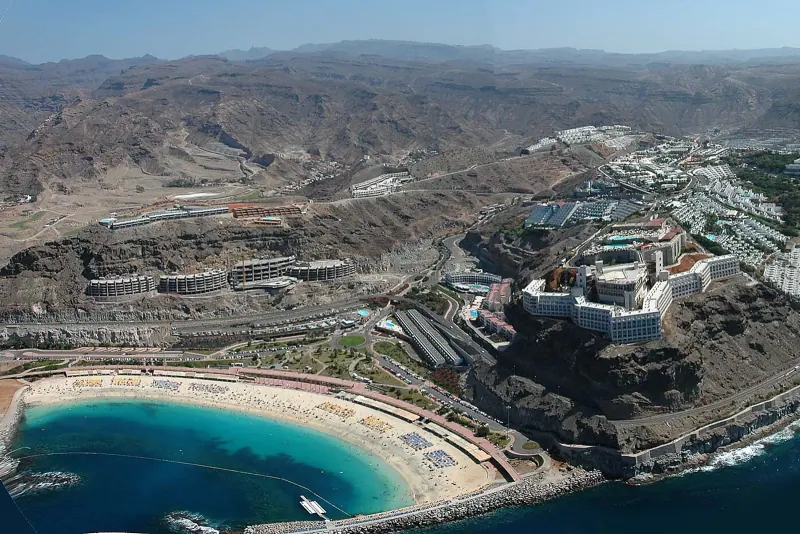 Where to stay in Gran Canaria: Las Palmas or the south?Our pick: The south: Maspalomas, Playa del Ingles and Meloneras

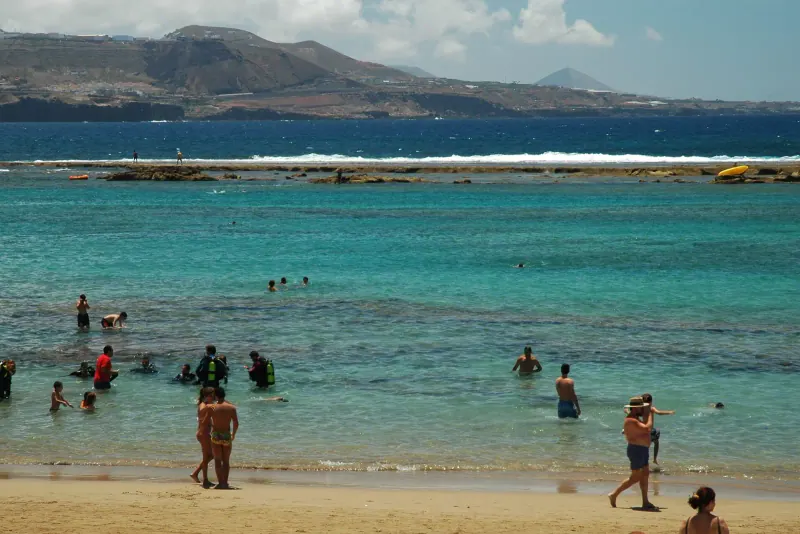 Gran Canaria airport to Las Palmas or the south: which way?Our pick: Global airport bus

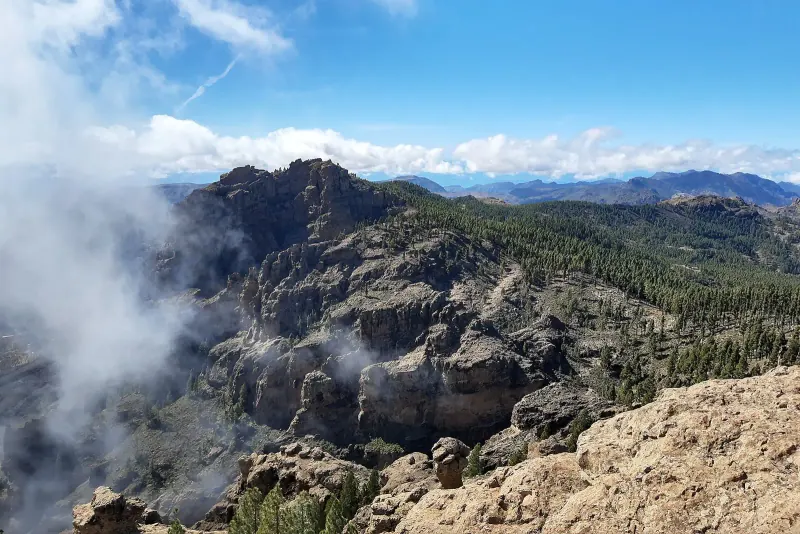 Gran Canaria or Tenerife: which island?Our pick: Tenerife

 Is a Gran Canaria food tour worth it?It depends

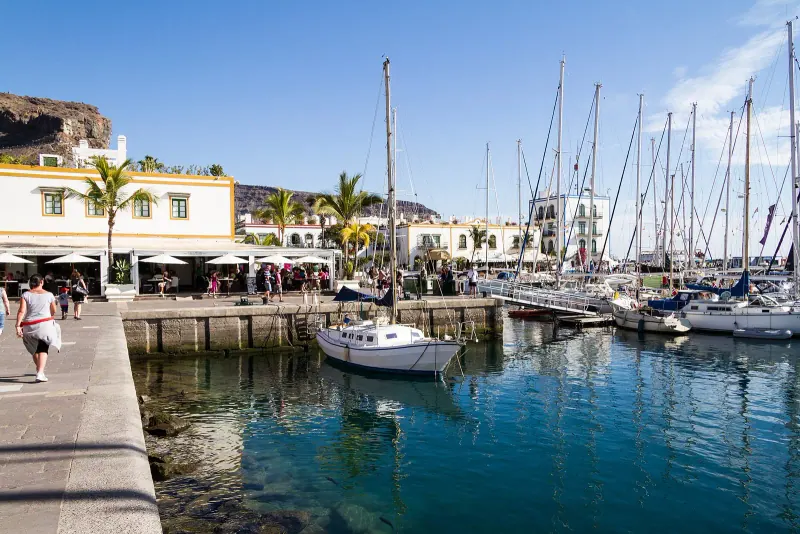 Is Puerto de Mogan worth it?Go

 Is the Agaete and west-coast drive worth it?Go

Pack for it
Gear verdicts from our sister site, Real Buyer Experiences: