Galway / The verdict
Are the Claddagh and Spanish Arch worth it?
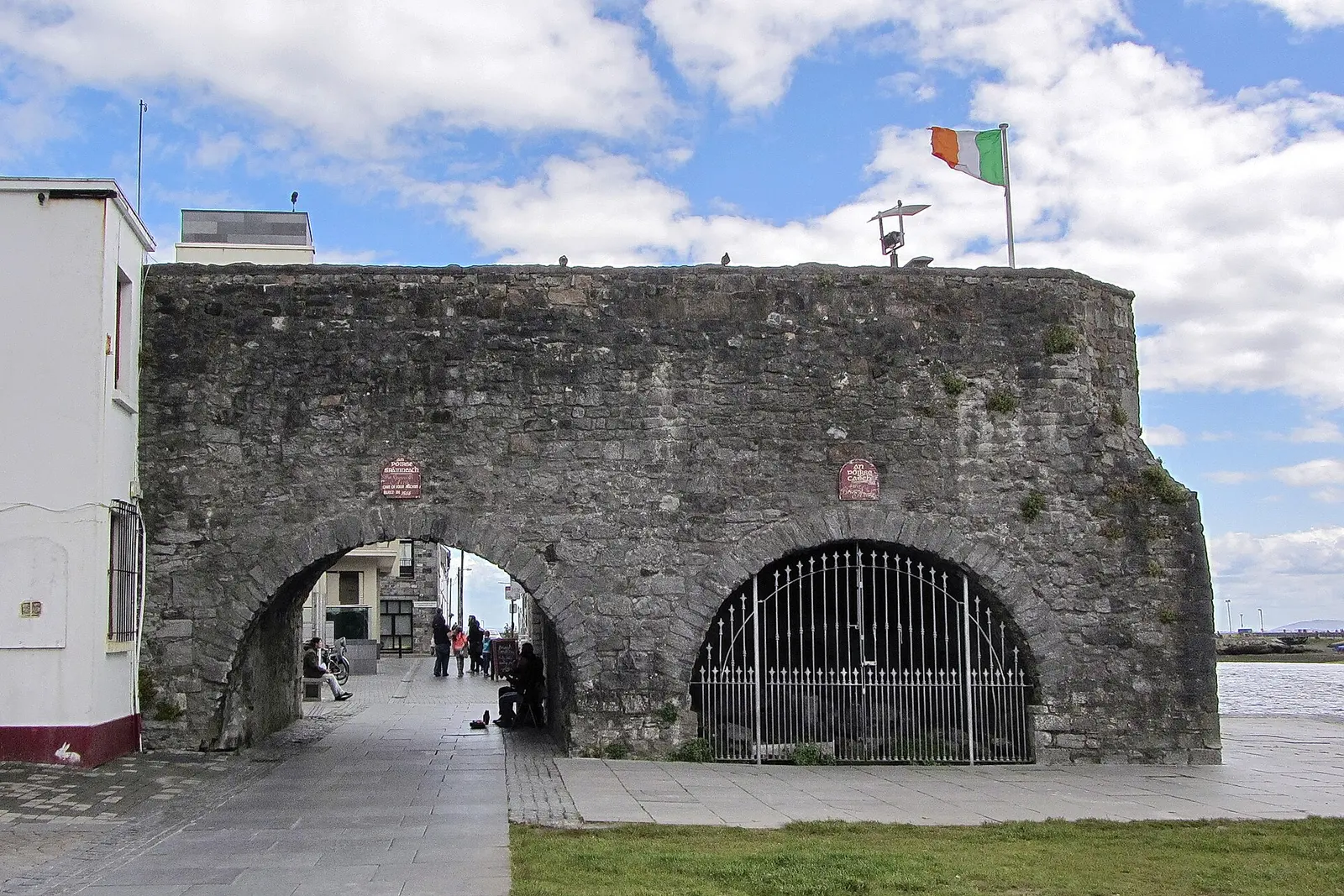
Yes, as a free half hour at the water's edge. The Spanish Arch is modest in scale, a pair of surviving arches from Galway's 1584 town wall damaged by a tsunami wave in 1755, but it stands where the Claddagh fishing village met the old quays, with swans in the basin, Galway Hooker boats alongside and the free City Museum steps away. Walk the Long Walk for the postcard view and pair it with the museum.
By The Real Traveler Experiences team. We earn a commission if you book through our links. It never changes a verdict.
The Galway story
Galway is worth it for anyone who wants Ireland's west coast with a lively evening scene attached. Travelers describe a small, walkable city where music spills out of Quay Street pubs by 7pm, buskers fill the pedestrian lanes, oysters come with stout, and the Cliffs of Moher, Connemara and the Aran Islands sit within day-trip reach. It suits couples, friends, solo travelers and food-minded visitors better than anyone chasing a long list of monuments.
The verdict in 30 seconds
Go
Yes, as a free half hour at the water's edge. The Spanish Arch is modest in scale, a pair of surviving arches from Galway's 1584 town wall damaged by a tsunami wave in 1755, but it stands where the Claddagh fishing village met the old quays, with swans in the basin, Galway Hooker boats alongside and the free City Museum steps away. Walk the Long Walk for the postcard view and pair it with the museum.
Go if
- Anyone already in the Latin Quarter: the arch sits at the bottom of Quay Street
- History readers who want the fishing-village backstory behind the Claddagh ring
- Photographers after the colorful Long Walk terrace and the swan-filled basin
- Families pairing a free museum with an easy riverside stroll
Skip if
- You expect a monumental fortress: the arch is two modest wall fragments and reports call it underwhelming on its own
- You are short on time and the City Museum is closed, since it is the area's real anchor (it shuts on Mondays)
- You dislike tourist-season crowding on narrow quaysides in summer
What it costs
- Spanish Arch, Long Walk and Claddagh quays, public access: €0 (Free open-air waterfront and surviving town-wall arches, accessible at all hours). Official source, checked Oct 2026.
- Galway City Museum admission: €0 (Free entry with a EUR 5 suggested donation; Tuesday to Saturday 10am to 5pm, Sundays noon to 5pm in season, closed Mondays). Official source, checked Oct 2026.
- City Direct city bus, adult single: €1.90 (Cash fare; €1.35 with TFI Leap or TFI Go; the museum lists city bus service to the Spanish Parade area). Official source, checked Oct 2026.
What travelers report
Based on 14 traveler reports (Dec 2024 to Aug 2026) and the official sources linked on this page. 0 were negative.
What people like
- The waterfront pairing wins: reports love the arch-museum-quays combination and call the Long Walk a lovely stroll with the classic colorful houses (5 of 14 reports).
- The free City Museum beside the arch gets specific praise for its Claddagh and Galway Hooker galleries (3 of 14 reports).
- Locals and repeat visitors describe the quay as Galway's best evening sitting spot when the sun comes out (3 of 14 reports).
- The living heritage shows up in reports: swans in the basin, blessed hooker boats in August and ring shops that trace back to 1750 (3 of 14 reports).
What people complain about
- The arch itself underwhelms as a standalone monument; it is two wall fragments (3 of 14 reports).
- Summer crowds compress the narrow quayside and the Latin Quarter approaches (2 of 14 reports).
- The museum's Monday closure catches visitors out, and galleries shut at 4:45pm (2 of 14 reports).
How to do it right
- Walk down Quay Street to the riverbank: the arch stands on the old quay beside the City Museum.
- Read the museum first if it is open; its Claddagh and Galway Hooker galleries explain everything you see outside.
- Cross Wolfe Tone Bridge for the Claddagh side: basin swans, the restored Hooker sailing boats and the quays where fishwives once sold the catch.
- Walk the Long Walk for the postcard terrace of colorful houses along the Corrib.
- Time it for a sunny evening if you can: reports say the quay becomes the city's open-air sitting room.
- Check the basin for traditional hooker boats; the restored fleet berths there and gets dressed for events like the August blessing of boats.
The trap to avoid
Expecting the Spanish Arch to be a sight on its own. It is two modest wall fragments, and a couple of reports call it underwhelming when treated as a standalone monument. The value is the setting: the museum beside it, the Claddagh basin and its swans, the moored Galway Hookers and the Long Walk. See it as a waterfront stop, not a fortress.
What to do instead
Why this verdict
Yes, as a free hour on the waterfront rather than a monument visit. The Spanish Arch is two surviving arches of the town wall Galway built in 1584 to guard its quays, damaged by a tsunami surge in 1755. On its own it is modest stonework, and one July itinerary in the log calls it a bit underwhelming before stopping for the photo anyway. The verdict is go because of what surrounds it: the free City Museum beside the arch, the Claddagh basin across the river with its swans and restored Galway Hooker boats, and the Long Walk terrace of colored houses along the Corrib.
The log leans clearly positive: 12 of 14 reports are positive and the other 2 are mixed, with none negative. A two-year resident describes the quay as a favorite evening spot when the sun comes out. Day diaries pair the arch with Thomas Dillon’s on Quay Street, which claims the original Claddagh ring makers and keeps a small ring museum at the back. The one mixed news report is about the hooker fleet itself: owners describe their hardest period since the 1970s revival as repair timber becomes scarce, which is a reason to see the boats while they sail.
Getting there
The arch sits at the bottom of Quay Street, where the Latin Quarter meets the river, so most visitors arrive on foot from the center. For the Claddagh side, cross Wolfe Tone Bridge to the basin, then walk back along the Long Walk for the classic view of the terrace. The museum lists paid parking in the hotel car park across from it and on Merchant’s Road, and says the city bus serves the Spanish Parade area. City Direct buses charge €1.90 cash for an adult or €1.35 with TFI Leap or TFI Go.
Timing and tickets
The outdoor areas are free and open at all hours. The museum is free too, with no booking and a €5 suggested donation. It opens Tuesday to Saturday, 10am to 5pm, and on Sundays from Easter to mid-September, noon to 5pm. It is closed on Mondays, and galleries close at 4:45pm. Read the museum first if it is open: its Claddagh and Galway Hooker galleries explain the boats, the fishwives and the ring before you see the quays.
Evenings in good weather bring the crowd to the quay, which is part of the appeal. On busy summer weekends the narrow quayside fills, so come early for photos. In August, news reports cover the blessing of the boats in the Claddagh basin, and Heritage Week listings include guided walks of the old village.
How long and what to combine
The arch itself takes minutes. Add the museum, the Claddagh quays and the Long Walk and it fills an unhurried afternoon. A guided city walk adds the history of the tribes, the walls and the ring if you want it told rather than read. The Latin Quarter is the natural next stop, and the area works as a gentle first afternoon before an Aran Islands day.
Book or check times
Galway City Museum: plan your visitGalway Tourism: the CladdaghDiscover Ireland: Galway City Museum
We earn a commission if you book through our links. It never changes a verdict. How this works
See guided walking tour optionspartner site
Where to stay
Staying in Galway?
Which area of Galway to stay in, based on traveler reports. Search Galway hotels on Expedia partner site
Questions
What is the Spanish Arch in Galway?
Two surviving arches of Galway's 1584 town wall, built to protect the quays where goods from Spain and elsewhere landed. A tsunami surge in 1755 partly damaged them, and the nearby blind Caoc Arch is part of the same fragment.
What is the Claddagh?
Galway's old fishing village across the Corrib from the walled town, famous for the Claddagh ring, its fishwives who sold the catch by the arch, and the traditional Galway Hooker sailing boats that still berth in the basin.
Are the Claddagh and Spanish Arch free?
Yes, both are open public waterfront. The City Museum beside the arch is also free, with a EUR 5 suggested donation, and it holds the Claddagh and Galway Hooker galleries.
How long do you need at the Spanish Arch and Claddagh?
Reports put it at twenty minutes for the arch alone, or a pleasant hour to ninety minutes with the museum and a stroll along the Long Walk and the Claddagh quays.
Is the Spanish Arch worth seeing?
As a monument it is small and some visitors find it underwhelming. It earns its place as the gateway to the quays: swans in the basin, the museum beside it, Hooker boats in season and the Long Walk terrace.
Where do you buy a real Claddagh ring?
Reports name Thomas Dillon's on Quay Street, which claims the original makers dating to 1750 and keeps a small museum of rings at the back of the shop.
Keep planning
More decisions in Galway
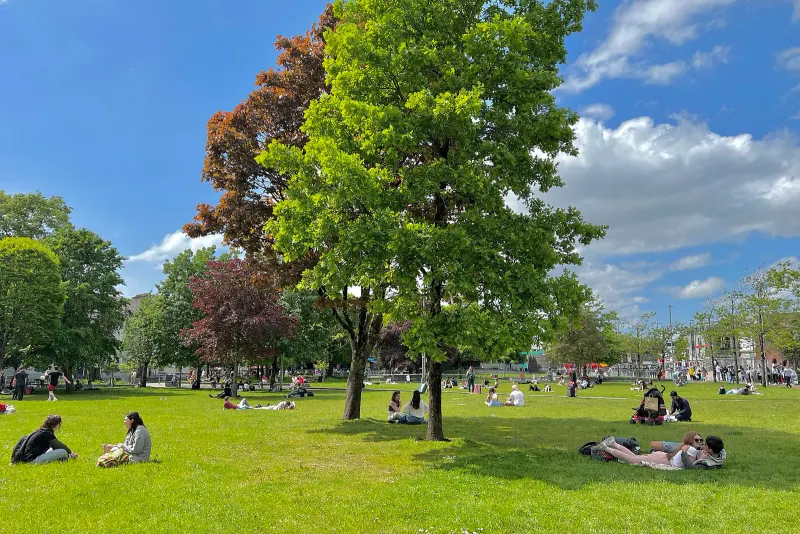 Where to stay in Galway: which area?Our pick: Eyre Square and the Latin Quarter

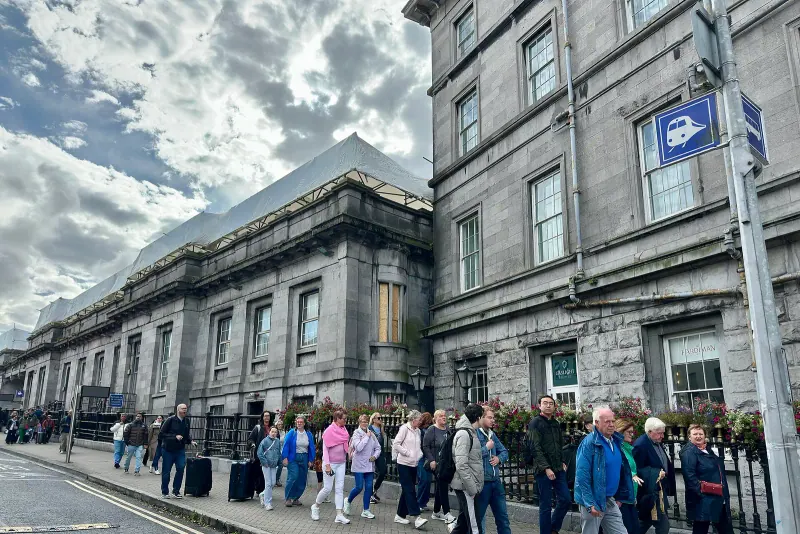 Galway: which airport or route?Our pick: Dublin Airport (DUB), then the express coach or train

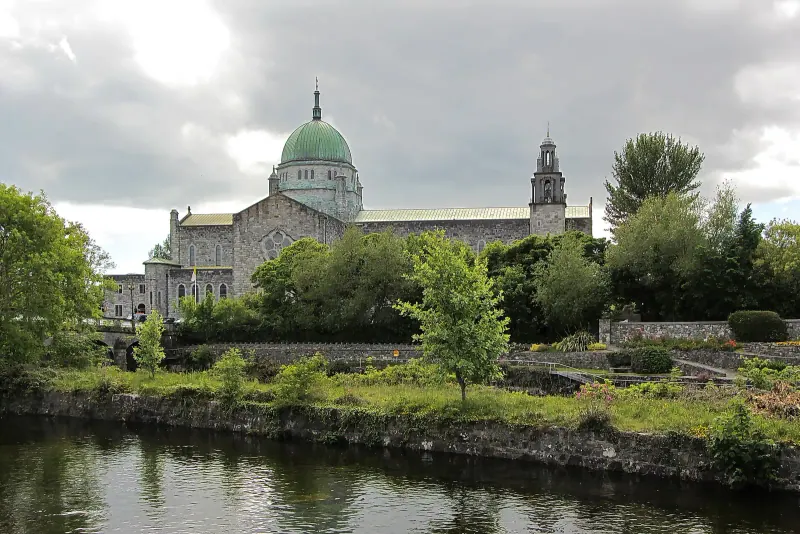 Are Galway Cathedral and Salthill worth it?Go

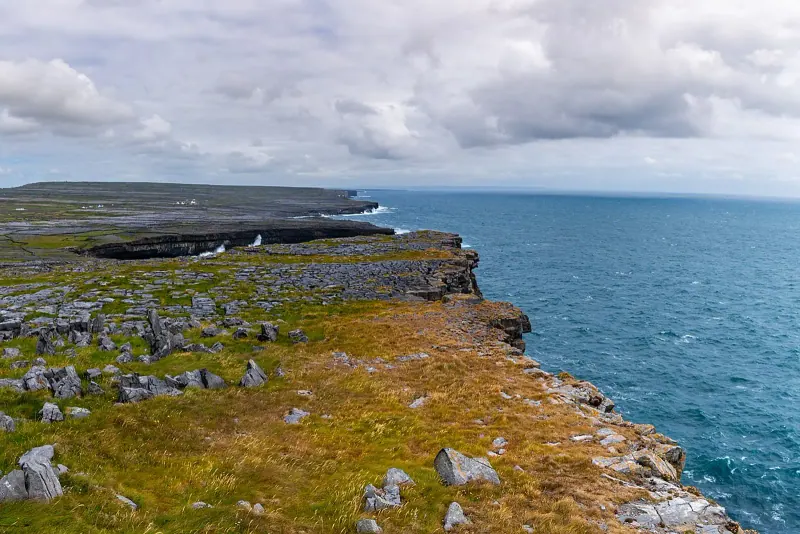 Are the Aran Islands from Galway worth it?Go

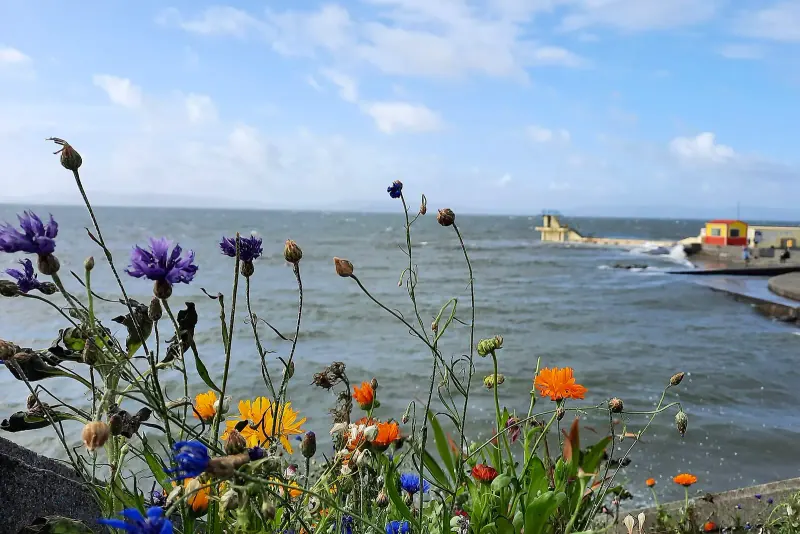 Galway or Dublin: which Irish base?Our pick: Dublin

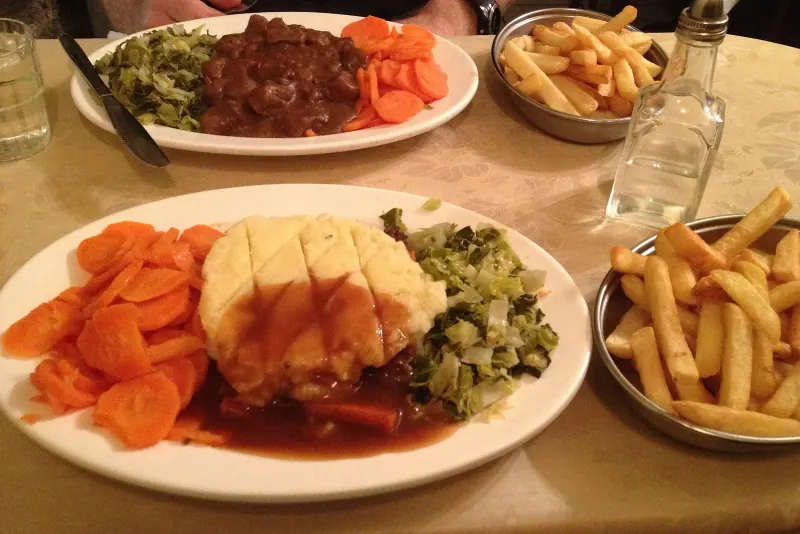 Is a Galway food tour worth it?Go

Pack for it
Gear verdicts from our sister site, Real Buyer Experiences: