Rhodes / The verdict
Is the Valley of the Butterflies worth it?
Go between late June and late August, when Jersey tiger moths cover the gorge; outside that window it is a pretty but ordinary shaded walk.
By The Real Traveler Experiences team. We earn a commission if you book through our links. It never changes a verdict.
The Rhodes story
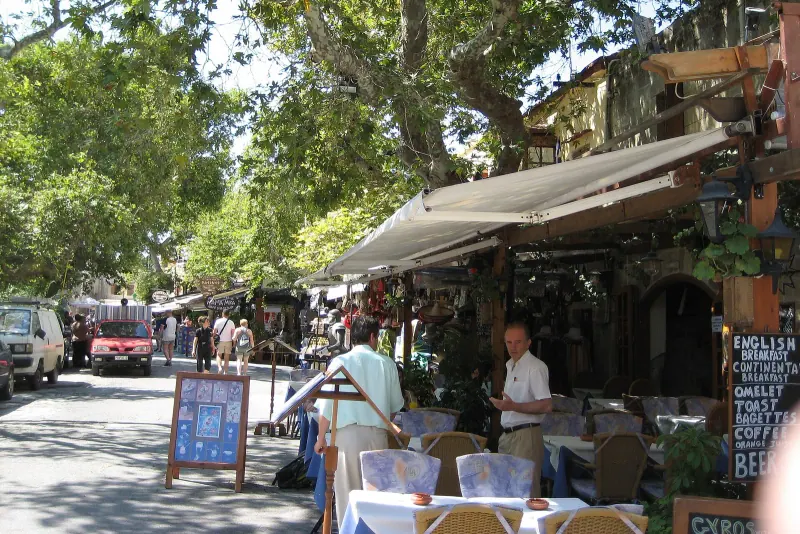
Rhodes is worth it for travelers who want history and beach days in the same week, and it rewards four to six days far more than a long weekend. Reports describe a walled medieval town that still works as a living city, the white village of Lindos under its clifftop acropolis, and an east coast of sandy bays with clear water. One traveler who expected the island to be overrated spent four days here by rental car and ranked the Old Town among the most impressive places in Greece.
The verdict in 30 seconds
It depends
Go between late June and late August, when Jersey tiger moths cover the gorge; outside that window it is a pretty but ordinary shaded walk.
Go if
- Nature and wildlife fans visiting in July or August
- Families looking for a cooler, shaded break from beach heat
- Photographers after a rare massed-insect spectacle
- A half-day paired with Filerimos or Seven Springs
Skip if
- You are visiting from November to April; the valley is closed and the moths are not there anyway
- You expect butterflies: the swarm is one moth species resting on tree trunks
- You cannot handle stairs, humidity and a steady uphill return
- You are visiting late in season: in 2026 the moths left weeks early in the heat
What it costs
- Entry ticket, peak season (22 June to 30 September): €6 (free for children under 12; the operator cut the ticket to EUR 3 early on 25 September 2026 after the moths departed ahead of schedule). Official source, checked Oct 2026.
- Entry ticket, shoulder season: €3 (12 April to 13 June and 1 to 31 October; closed from 1 November until the season reopens). Official source, checked Oct 2026.
- Ialysos archaeological site on Filerimos Hill, full ticket: €10 (Reduced 5 EUR; the usual pairing with the valley). Official source, checked Oct 2026.
What travelers report
Based on 12 traveler reports (May 2025 to Sep 2026) and the official sources linked on this page. 2 were negative.
What people like
- In peak season the moth coverage is called extraordinary, with trunks carpeted in resting insects (7 of 12 reports)
- The shaded ravine is praised as a cool, green break from the beach-heat summer (5 of 12 reports)
- The stream, wooden bridges and small crabs make it a real nature walk rather than a photo stop (4 of 12 reports)
What people complain about
- Off-season and late-season visitors report few or no moths, and the 2026 swarm left weeks early (5 of 12 reports)
- Stairs, humidity and heat make the climb harder than the photos suggest (4 of 12 reports)
- Kiosk prices and paid toilets get flagged as petty extras (2 of 12 reports)
How to do it right
- Go inside the swarm window: reports put the dense moth coverage from late June through August, with August as the usual peak.
- Arrive before 9am where possible: the gorge is busiest and hottest from late morning, and quiet is the whole point of the sight.
- Without a car, the west-side public bus leaves the Rhodes central station for Petaloudes a couple of times a day in season, a ride of roughly 45 minutes; driving or a taxi takes about 30 minutes.
- Wear shoes with grip and expect stairs: the path climbs a shaded ravine for about 1.5 km one way, and pushchairs struggle on it.
- Keep voices low around resting moths: they sit still to conserve energy, and every forced flight shortens their already short adult life.
- Check the season edge before paying: in September 2026 the population left weeks early and the operator cut the ticket to EUR 3 when the spectacle collapsed.
The trap to avoid
Arriving in April, May or October expecting swarms: outside late June to August the gorge holds almost no moths, yet the entrance fee still applies.
What to do instead
Why this verdict
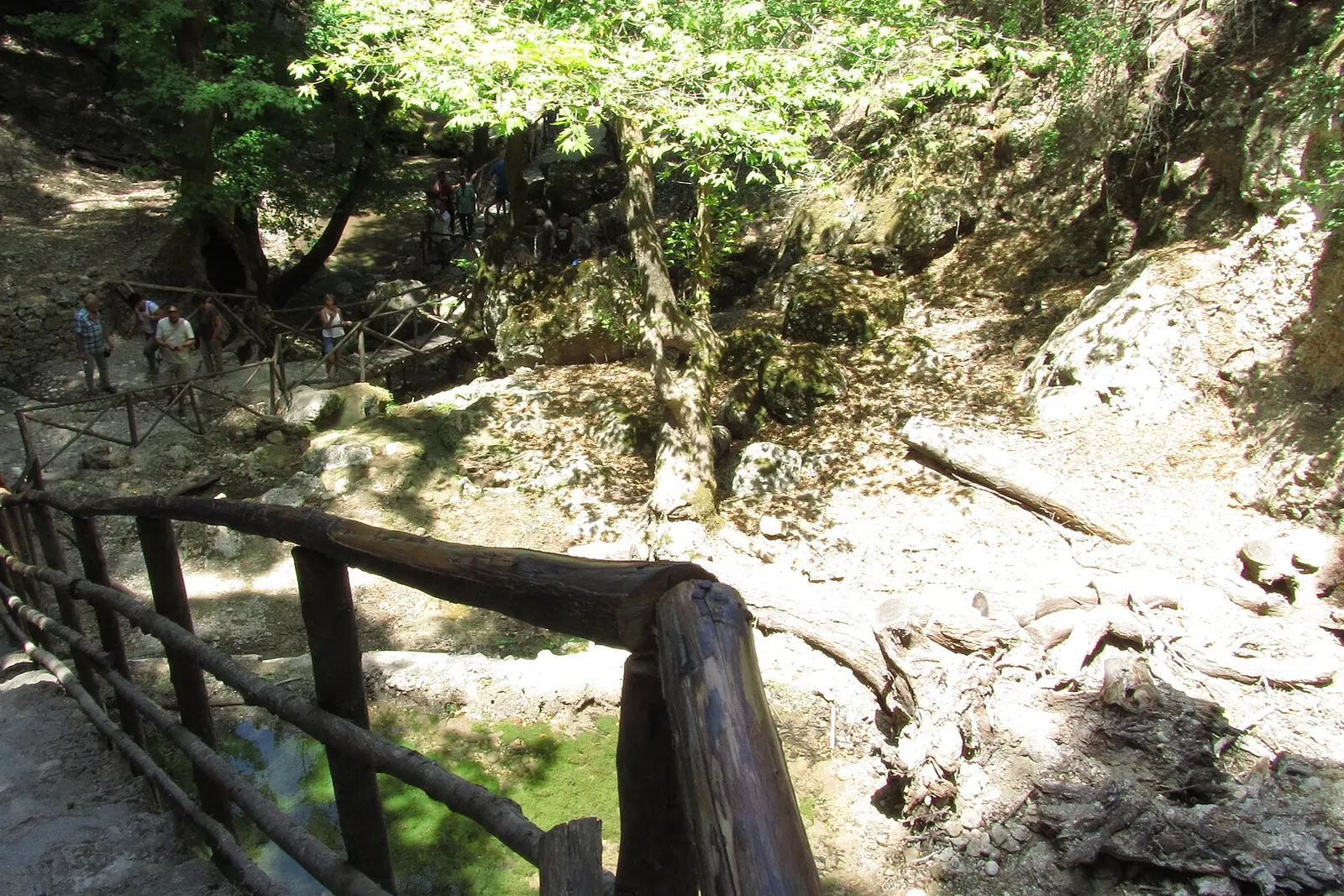
It depends on the calendar. The Valley of the Butterflies is really two different places. From late June through August, huge numbers of Jersey tiger moths rest on the oriental sweetgum trees of this shaded ravine, turning trunks into orange-and-black carpets; reports from that window call it one of the most memorable sights on the island. Outside it, the same ticket buys a pleasant wooded gorge walk with a stream, wooden bridges and few insects.
The 12 logged reports split six positive, four mixed and two negative, and the split follows the dates. In-season visitors found thousands of moths on the trunks and a cool, quiet gorge; one family in August also found camouflaged moths on every trunk and stream crabs the children loved, though parking was crowded and the hike back was steep. The mixed reports come from a Rhodes resident who would rather spend the time at Filerimos, a local site warning that September and October visitors see very few moths, and a science feature noting visitor pressure on the population. Both negative reports are news from September 2026, when the moths left weeks early after heat and low humidity and the operator cut the ticket from 6 EUR to 3 EUR because the spectacle had collapsed.
Timing and tickets
Tickets are bought at the gate. The official price list shows 6 EUR for adults in the summer window and 3 EUR in the shoulder months, with children under 12 free and daily hours from 08:00. The valley opens in mid-April and closes for the winter at the end of October, so check the official site before planning a spring or autumn visit.
Getting there: the valley sits about 26 km from Rhodes Town on the west side and about 10 km from the airport. A taxi or rental car takes about 30 minutes. The west-side public bus runs only a couple of times a day in season, and one 2025 guide reported about 6.50 EUR one way, so check the current timetable at the central bus station. A half-day transfer tour that adds Filerimos solves the thin bus schedule, but it does not include entry fees or a guide.
Go early. Reports advise arriving before 9am in summer, when the gorge is cooler and quieter, and keeping voices low: disturbing resting moths forces them to fly, which costs energy they cannot spare. Allow about an hour for the 1.5 km path up and back, a little more for the small natural history museum at the top. Wear shoes with grip; the route has many stairs, humidity builds in the ravine, and pushchairs struggle, so carriers suit toddlers better. One local site flags pricey coffee and paid toilets at the kiosk.
What to combine: Filerimos Hill, with the Ialysos archaeological site and monastery, is the classic pairing; its full ticket is 10 EUR on the official heritage site. Seven Springs is the other nature stop in the island’s interior. Outside the moth window, Filerimos alone is the better use of the morning.
Book or check times
Valley of the Butterflies official siteVisit Greece: Valley of the Butterflies
We earn a commission if you book through our links. It never changes a verdict. How this works
See half-day transfer tour optionspartner site
Where to stay
Staying in Rhodes?
Which area of Rhodes to stay in, based on traveler reports. Search Rhodes hotels on Expedia partner site
Getting there
Flying into Rhodes?
Compare every way from the airport first; trains and buses are often cheaper. Book a private airport transfer partner site
Questions
Are the butterflies actually butterflies?
No. The valley hosts Jersey tiger moths, Panaxia quadripunctaria, which gather to aestivate on the oriental sweetgum trees. The orange flash visitors see is the moth's hidden hindwing when it is disturbed.
When is the Valley of the Butterflies open?
It opens on 12 April and closes on 1 November, with official hours of 8am to 6pm. The moth season itself runs June through September, peaking in July and August.
How do you get to the Valley of the Butterflies?
It sits about 26 km from Rhodes Town on the west side and 10 km from the airport. The municipal west-side bus runs twice daily in season, and a taxi or rental car takes about 30 minutes.
Is it worth visiting outside moth season?
Only as a shaded gorge walk. October visitors report near-zero moth sightings, and in September 2026 the population left weeks early in the heat, prompting an early ticket cut to EUR 3.
How long does the valley take?
About an hour up and down the 1.5 km path covers it for most visitors. Add the small natural history museum at the top and the Kalopetra monastery viewpoint if you want to stretch it.
Is the valley suitable for children or pushchairs?
Children usually love the crabs in the stream and the moth-covered trunks, but the trail has many stairs and steep slopes, so carriers beat pushchairs for toddlers.
Keep planning
More decisions in Rhodes
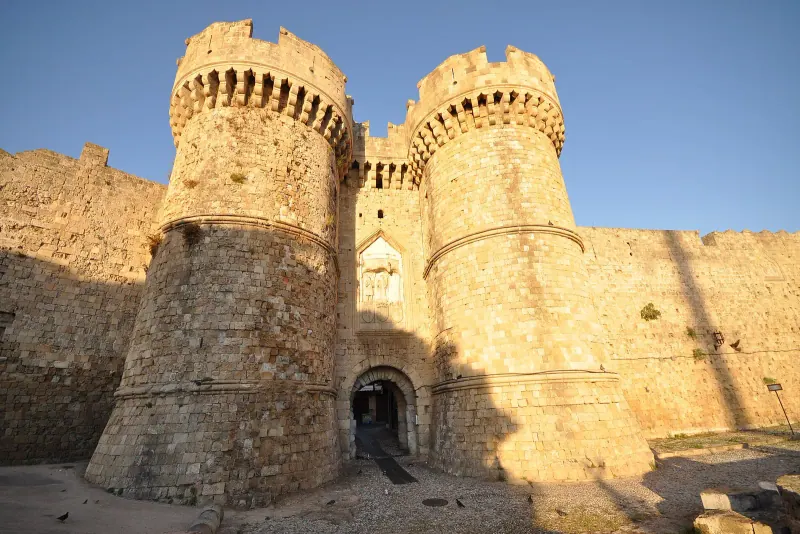 Where to stay in Rhodes: which base?Our pick: Rhodes Town

 Rhodes airport to Rhodes town: which way?Our pick: RODA bus to the New Market terminal

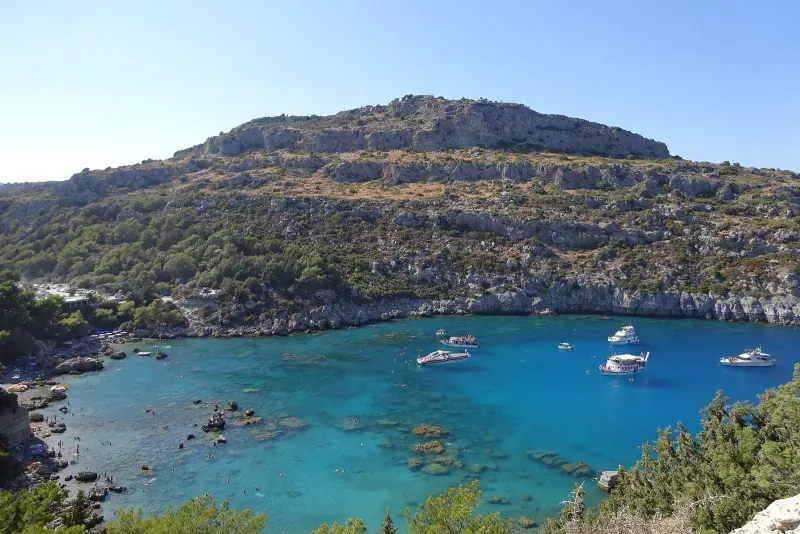 Are Rhodes' east-coast beaches worth it?Go

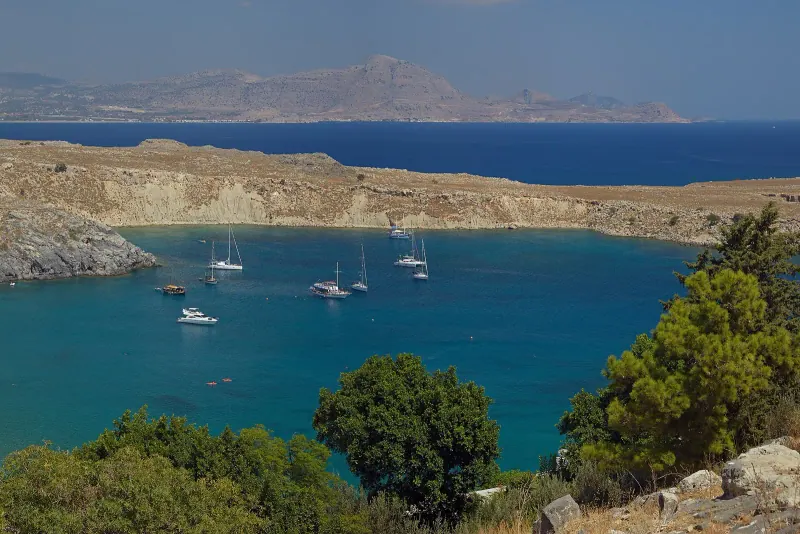 Is a Lindos day trip from Rhodes town worth it?Go

 Is a Rhodes food tour worth it?It depends

 Is a Symi island day trip worth it?Go

Pack for it
Gear verdicts from our sister site, Real Buyer Experiences: