Nuremberg / The verdict
Is Nuremberg old town worth it?
Go. The walled Altstadt is free, compact and made for wandering: Hauptmarkt with the Schoener Brunnen at noon, half-timbered Weissgerbergasse, bridges over the Pegnitz and the Imperial Castle above it all. It is a postwar reconstruction rather than a survivor, and reports say knowing that makes the walk better.
By The Real Traveler Experiences team. We earn a commission if you book through our links. It never changes a verdict.
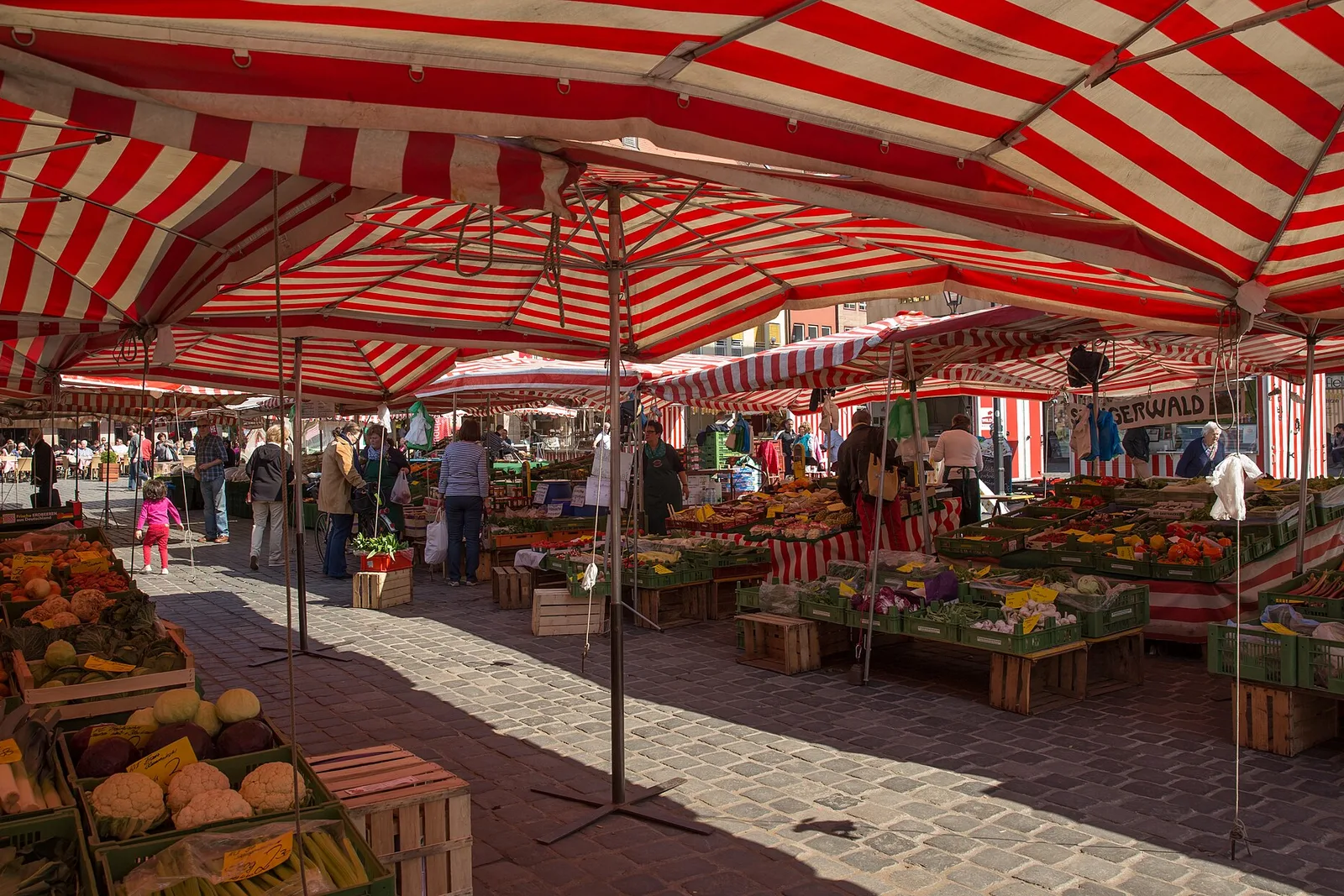
The Nuremberg story
Nuremberg is worth two days, and it suits travelers who want a walkable old town with the Kaiserburg on top, Franconian sausages and beer at the bottom, and one of Europe's most serious history sites a tram ride away. Travelers describe a compact center of red roofs, wall towers and church spires that feels laid-back to stroll, with the castle courtyard and the wall circuit free and the best views costing little. Advent adds the Christkindlesmarkt, which writers rank among the best in Germany.
The verdict in 30 seconds
Go
Go. The walled Altstadt is free, compact and made for wandering: Hauptmarkt with the Schoener Brunnen at noon, half-timbered Weissgerbergasse, bridges over the Pegnitz and the Imperial Castle above it all. It is a postwar reconstruction rather than a survivor, and reports say knowing that makes the walk better.
Go if
- You like exploring a compact medieval core entirely on foot, with every sight inside a five-kilometre wall
- You want a mostly free day: squares, bridges, fountains, churches and the castle approach cost nothing
- You are pairing Nuremberg with Munich, Bamberg or Rothenburg and have a day or two
Skip if
- You want an untouched medieval original: the core was rebuilt after 1945, so Bamberg or Rothenburg are the preserved alternatives
- You need step-free routes throughout: cobbles are standard and the lane up to the castle is steep
- You dislike crowds: December market weekends overwhelm the Hauptmarkt
What it costs
- Walled old town, Hauptmarkt and city walls: €0 (The squares, bridges, Schoener Brunnen, wall circuit and castle approach are public space; the tourism office publishes a free self-guided route). Official source, checked Oct 2026.
- Imperial Castle combination ticket (Palas and museum, Deep Well, Sinwell Tower): €10 (EUR 9 reduced; under 18 free; Deep Well and Sinwell Tower alone EUR 4; castle gardens free; sold only at the cash desk, no online sales). Official source, checked Oct 2026.
- NUERNBERG CARD, adult (48 hours): €38 (Free entry to about 30 museums and attractions in Nuremberg and Fuerth plus Zone A public transport; child 6 to 11 EUR 12, under 6 free with an adult card; city tours not included). Official source, checked Oct 2026.
What travelers report
Based on 12 traveler reports (Oct 2024 to Sep 2026) and the official sources linked on this page. 0 were negative.
What people like
- Everything inside the walls is free: squares, bridges, fountains, churches and the wall circuit.
- The core crosses in about 25 minutes on foot, so a day covers it without transit.
- Weissgerbergasse's half-timbered row and the Pegnitz bridges are the photo stops reports single out.
- The noon clock figures on the Frauenkirche and the golden-ring ritual make Hauptmarkt a daily ritual for visitors.
- Several writers say knowing it is a faithful reconstruction makes the walk more interesting rather than less.
What people complain about
- A minority of travelers find the postwar rebuild lacks the patina of untouched Franconian towns like Bamberg or Rothenburg.
- Cobbles plus the steep lane up to the castle punish bad shoes and mobility limits.
- The main shopping axis between Museumsbruecke and Koenigstrasse is narrowed by the Lorenzkirche station rebuild through 2026.
- Christmas market weekends overwhelm the Hauptmarkt; reports recommend weekdays in December.
- Guided old-town tours can run toward $100 per person, which forum posters call steep for a self-walkable core.
How to do it right
- Start at the Frauentor gate opposite Hauptbahnhof and walk Koenigstrasse north past St Lorenz church to the Pegnitz.
- Follow the tourism office's free self-guided route or your own loop: Henkersteg, the Weinstadel, the Kettensteg chain bridge and Weissgerbergasse west of the river.
- Be on Hauptmarkt at noon for the Frauenkirche clock figures, and turn the golden ring on the Schoener Brunnen fence as travelers do.
- Climb the lane to the Kaiserburg for the view, then drop back through Tiergaertnertorplatz past the Albrecht-Duerer-Haus.
- In December, visit the Christkindlesmarkt on a weekday; a repeat visitor calls Friday to Sunday overwhelmingly busy.
The trap to avoid
Treating the old town as a medieval original: about 90 percent of it was destroyed in January 1945 and rebuilt on the old street plan, so the real story is the reconstruction, and reports say the seams show if you walk it slowly.
What to do instead
Why this verdict
Yes, go: the walled old town is free, compact and made for walking. Of 12 logged reports, 9 are positive and 3 mixed, and even the mixed ones enjoyed the stroll. One walking-tour writer puts the crossing of the walled core at about 25 minutes, so a day covers the squares, the Pegnitz bridges, the half-timbered houses and the castle without any transit. Reports keep the same anchors: the Kaiserburg above the red roofs, Hauptmarkt at noon for the Frauenkirche clock figures, and the ring on the Schoener Brunnen.
What you are looking at is mostly a rebuild. Reports put the destruction at about 90 percent in January 1945, and the core was rebuilt on the medieval street plan, partly with salvaged stones. Writers split on how much that matters. One blogger calls the merits of full reconstruction debatable yet still found the town unusually laid-back to stroll. Others argue the seams are the story, and that knowing the before-and-after history makes the walk richer. Travelers who want an untouched original should look at Bamberg or Rothenburg instead.
The other mixed reports are about specific stops and seasons. A one-day route calls the Handwerkerhof a well-done but fake medieval village and found the inside of St Lorenz underwhelming. A repeat visitor at Christmas found Friday to Sunday market days overwhelmingly busy but a Tuesday and Wednesday magical. None of this changes the verdict for a free, walkable core.
Timing and tickets
The streets, squares, bridges and wall circuit need no ticket, and the tourism office publishes a free self-guided route. Start at the Frauentor opposite the main station and walk north past St Lorenz to the river, then on to Hauptmarkt for noon.
The Imperial Castle is the main paid stop. The combination ticket costs EUR 10 (EUR 9 reduced) and covers the Palas with the double chapel and castle museum, the Deep Well and the Sinwell Tower; the well and tower alone cost EUR 4. Under-18s enter free, and the castle gardens are free. Tickets are sold only at the cash desk in the outer courtyard and cannot be bought online. One three-day plan calls the castle view over the rooftops the reason to climb; the lane up is steep and cobbled, so wear proper shoes.
The NUERNBERG CARD costs EUR 38 for adults for 48 hours and includes about 30 museums and attractions plus public transport in Zone A. It pays off only if you stack the castle with several museums and ride transit; one itinerary writer used it for sights plus transport over two days. It does not cover city tours.
For a flat walk away from the crowds, one plan recommends the wall-and-moat circuit around the core. A forum regular warns against spending the whole trip on the WWII sites and missing the old town and its museums. In December, see the Christmas market on a weekday. Pair the old town with a day trip to Bamberg if you want a town that came through the war intact.
Book or check times
Official self-guided old town walkNuremberg tourism portalNUERNBERG CARD details
We earn a commission if you book through our links. It never changes a verdict. How this works
See guided old town walkspartner site
Where to stay
Staying in Nuremberg?
Which area of Nuremberg to stay in, based on traveler reports. Search Nuremberg hotels on Expedia partner site
Getting there
Flying into Nuremberg?
Compare every way from the airport first; trains and buses are often cheaper. Book a private airport transfer partner site
Questions
Is Nuremberg old town free to visit?
Yes. The walled core, Hauptmarkt, the Schoener Brunnen, the Pegnitz bridges and the city-wall circuit are all public space. The paid items are the museums, the Kaiserburg interiors and tours; the tourism office publishes a free self-guided walking route.
How much of the old town is original?
Less than it looks. Reports put wartime destruction at about 90 percent in January 1945, and the rebuild followed the medieval street plan mostly in the 1950s and 60s. Genuine survivors include most of the roughly five-kilometre wall, parts of the castle and the half-timbered row of Weissgerbergasse.
How long do you need in the old town?
Reports put the walk across the walled core at about 25 minutes, and a full sights loop at a leisurely half day. Add the Kaiserburg interiors and a museum such as the Albrecht-Duerer-Haus or the Toy Museum for a full day.
When is the best time to visit?
Weekday mornings for quiet streets, and Hauptmarkt at noon for the Frauenkirche clock's figure procession. In December the Christkindlesmarkt fills the square; a returning visitor found weekends overwhelmingly busy and Tuesday or Wednesday magical.
Is the old town easy with limited mobility?
Partly. The core is pedestrianized but cobbled, and the lane up to the castle is steep. Through 2026 the main axis around the Lorenzkirche U-Bahn passage is a construction site, which narrows the main route between Museumsbruecke and Koenigstrasse.
Keep planning
More decisions in Nuremberg
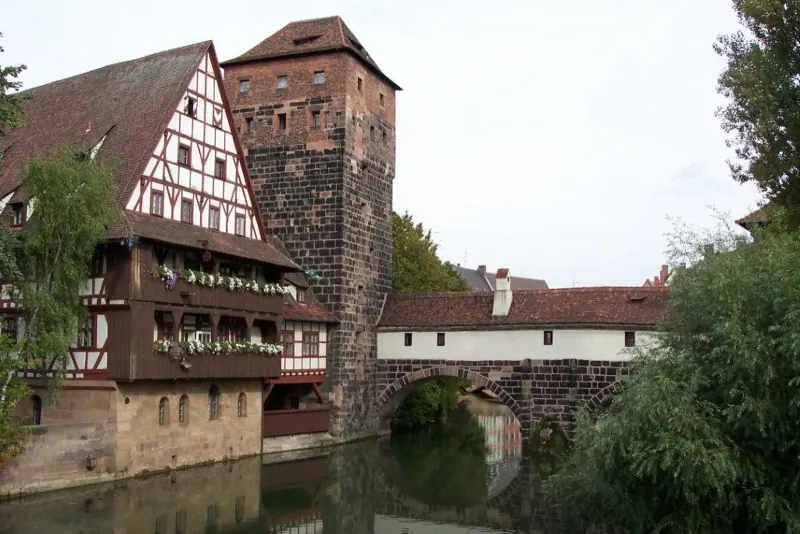 Where to stay in Nuremberg: which area?Our pick: Altstadt (Old Town)

 Nuremberg airport to the city: which way?Our pick: U-Bahn U2

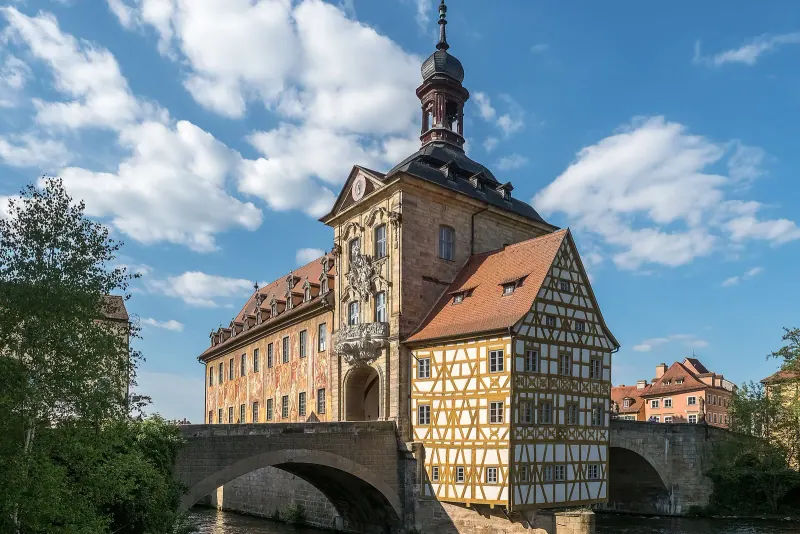 Is a Bamberg day trip from Nuremberg worth it?Go

 Is a food tour in Nuremberg worth it?It depends

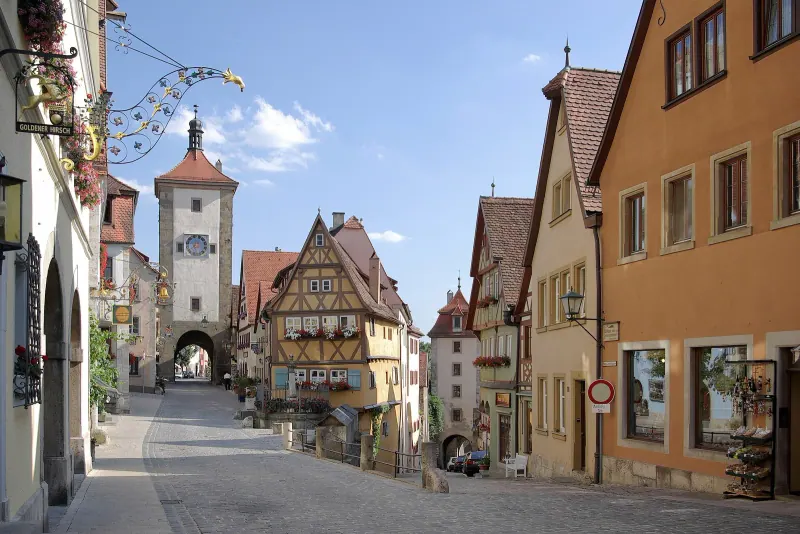 Is a Rothenburg day trip from Nuremberg worth it?Go

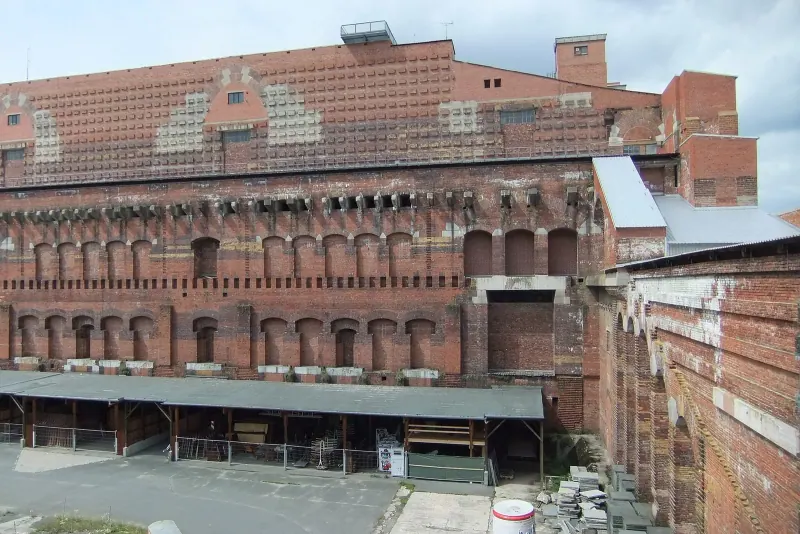 Is the Documentation Center Nazi Party Rally Grounds worth it?Go

Pack for it
Gear verdicts from our sister site, Real Buyer Experiences: