Naples / The verdict
Is the Naples National Archaeological Museum worth it?
Yes, and doubly so if Pompeii or Herculaneum is on your trip: the mosaics, frescoed walls, bronzes and everyday objects excavated there live in this building. Allow three to four hours and check the rotating room closures before you go.
By The Real Traveler Experiences team. We earn a commission if you book through our links. It never changes a verdict.
The Naples story
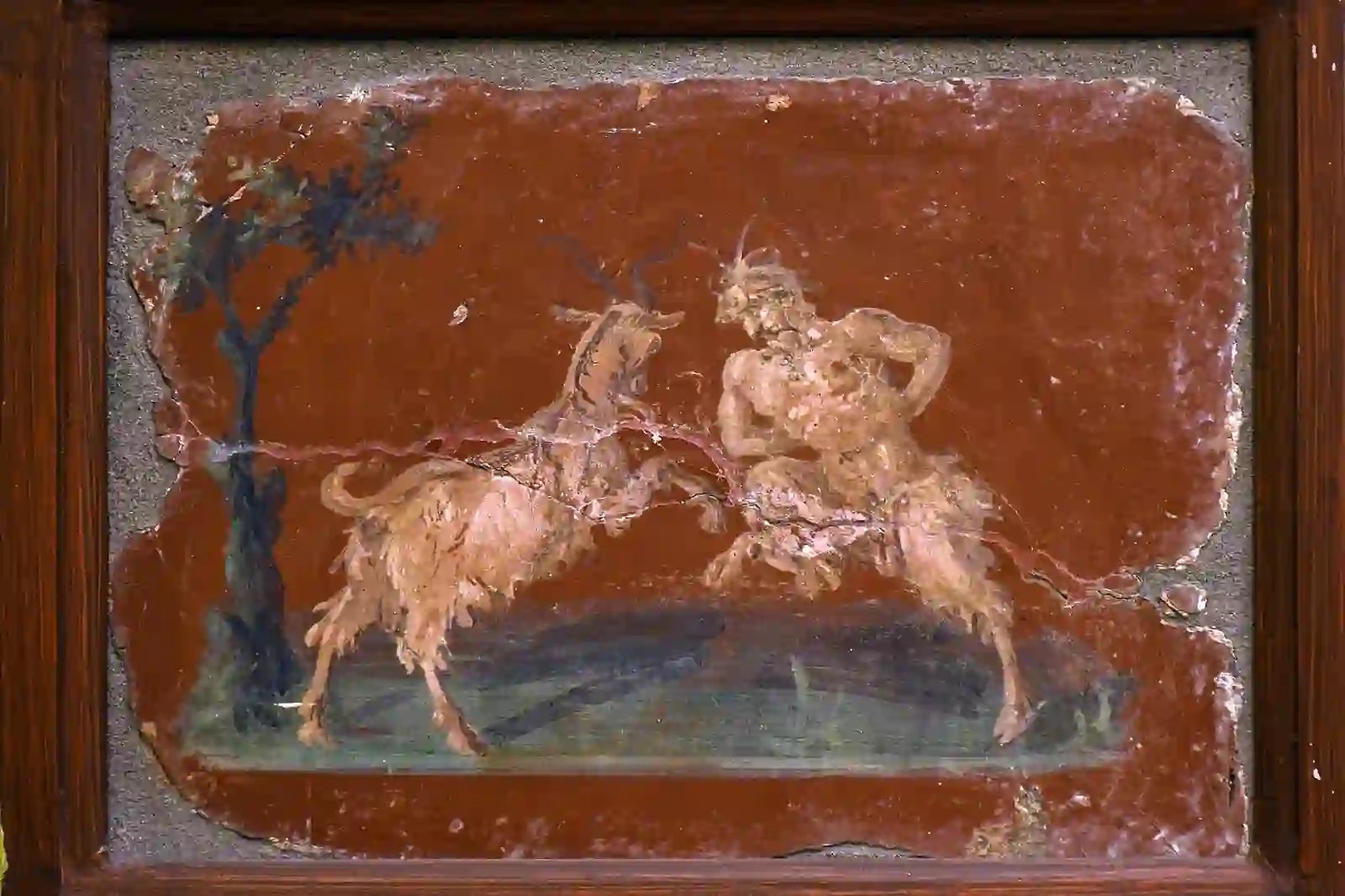
Naples is worth it for travelers who want Italy raw and full of flavor. Reports agree on the payoff: the pizza and street food in the city that invented them, the [archaeological museum](/naples/naples-archaeological-museum/) holding what Pompeii and Herculaneum gave up, the [Veiled Christ](/naples/sansevero-chapel/), a lived-in historic center, and [Pompeii](/naples/naples-to-pompeii/), [Herculaneum](/naples/herculaneum-day-trip/) and Vesuvius on the same rail network. No other Italian city puts that much within day-trip range.
The verdict in 30 seconds
Go
Yes, and doubly so if Pompeii or Herculaneum is on your trip: the mosaics, frescoed walls, bronzes and everyday objects excavated there live in this building. Allow three to four hours and check the rotating room closures before you go.
Go if
- You are visiting Pompeii or Herculaneum: the best portable finds from both sites are here
- You can spare at least half a day, or you are happy seeing only the highlights
- You want context before the ruins: reports say the museum makes Pompeii legible
Skip if
- Your only free day is a Tuesday, when the museum is closed
- You are set on one specific collection: galleries and single rooms close on rotation, so check the open-rooms schedule first
- Museum fatigue is real for you: this is a large, old-fashioned building with sparse labeling
What it costs
- Daily ticket (Intero): €20 (covers the permanent collections and temporary exhibitions; timed online tickets carry no presale fee). Official source, checked Oct 2026.
- Reduced ticket, ages 18-25 (EU/EEA and partner countries): €2 (free for under 18, disabled visitors and other listed categories). Official source, checked Oct 2026.
- Special ticket for Artecard holders: €10 (applies once the card's free entries are used up). Official source, checked Oct 2026.
What travelers report
Based on 12 traveler reports (Jan 2025 to Sep 2026) and the official sources linked on this page. 0 were negative.
What people like
- The Pompeii and Herculaneum material is the draw: mosaics, frescoed walls, jewelry, surgical tools, even a carbonized loaf.
- The Farnese collection holds the Hercules and the Bull, which reports single out as stop-you-in-your-tracks sculptures.
- It explains the ruins: reports repeatedly say the museum makes Pompeii make sense, before or after the site visit.
- It is big enough to get lost in, in a good way: travelers report hours passing across three floors.
What people complain about
- Galleries and single rooms close on rotation during the reorganization, which surprised visitors planning around one collection.
- Labeling is sparse by modern standards; at least one report recommends a guide for exactly that reason.
- It is simply huge: reports describe missing whole sections and running out of energy before running out of museum.
- Third-party voucher tickets caused problems for one traveler, who ended up buying direct at the door for less.
How to do it right
- Buy a timed EUR 20 ticket on the official ticket shop (CoopCulture) or at the desk; the online presale adds no fee.
- Check the schedule of open rooms the day before: the museum is reorganizing its collections and some sections open on rotation or only part of the day.
- Allow three to four hours for the main floors; the mosaics, frescoes and Farnese sculptures alone fill a morning.
- Go before or right after Pompeii: reports agree the two explain each other, and several call the museum the better first stop.
- Take the metro to Museo on Line 1 or Cavour on Line 2; the entrance is on Piazza Museo a few steps away.
- Bring earphones if you want the audio content on your own phone.
The trap to avoid
Visiting on a free-entry day expecting everything open. First Sundays and the state free days waive the ticket, but on those days the Egyptian Collection, the Secret Cabinet and the Magna Graecia section stay closed. If those are what you came for, pay the EUR 20 on a normal day instead.
Why this verdict
The reports are close to unanimous, and they explain why: this is where Pompeii’s contents live. The mosaics, frescoed walls, bronzes, jewelry and everyday objects excavated from the buried cities are in this building, not at the site. Travelers who did both describe the ruins and the museum as two halves of the same visit, and several say the museum first makes Pompeii legible when you get there.
The hesitations are about scale and upkeep, not the collection. It is a large, old-fashioned museum: reports describe three floors you cannot finish in a day, labeling that is sparse by modern standards, and energy running out before the museum does. The fix the reports converge on is selectivity: the Pompeii and Herculaneum galleries, the Farnese sculptures and the Secret Cabinet cover what most people came for in three to four hours.
The open question is renovation. The museum is reorganizing its collections and some galleries or single rooms close on rotation. Visitors in mid-2026 still call it worth the trip because so much stays open, but the online schedule of open rooms is worth checking if one section is your reason for going.
Timing and tickets
Buy direct. The official site sells timed EUR 20 tickets through its ticket shop with no presale fee, and a recent report describes a modest line anyway: about fifteen minutes, which is why skip-the-line resellers add little here. Two cautions from the official site itself: some sections keep their own schedules, so collections like Magna Graecia and the Farnese gems open only certain days or half days, and on free-entry days several famous sections stay closed entirely. Plan a morning on the main floors and take the metro to Museo or Cavour, a few steps from the entrance.
Book or check times
Official hours and ticketsSchedule of open rooms
We earn a commission if you book through our links. It never changes a verdict. How this works
Check tickets and timespartner site
Where to stay
Staying in Naples?
The 1882 seafront grande dame facing Castel dell'Ovo, with sea-view rooms and old-school Neapolitan glamour on the water. Guests rate it highly.
Lungomare, Santa Lucia
Check rates on Expediapartner siteReliable value with a courtyard garden by the student quarter; walk to the museum and Spaccanapoli.
Centro Storico
Check rates on Expediapartner siteEarly 1900s boutique rooms a block from San Gregorio Armeno; character inside the real old town.
Centro Storico
Check rates on Expediapartner siteWhich area of Naples to stay in, based on traveler reports. Search Naples hotels on Expedia partner site
Getting there
Flying into Naples?
Compare every way from the airport first; trains and buses are often cheaper. Book a private airport transfer partner site
Questions
How long do I need inside?
Reports converge on three to four hours for the main collections, and a full day still leaves sections unseen. If time is tight, the Pompeii and Herculaneum galleries plus the Farnese sculptures are the core most people came for.
Is it worth it if I am already going to Pompeii?
That is the main argument for going, not against. Reports describe the ruins and the museum as two halves of one visit: the site shows the buildings, this museum shows the contents, and the scale model helps you grasp the size of the city.
Do I need to book ahead?
It helps but is not essential. The official site sells timed tickets with no presale fee, while a recent report describes a line of about 15 minutes at the entrance. Booking online just removes the wait.
Does the regional museum pass cover it?
Yes, the museum is a participating site: the card's free entries work here, and once they are used up the special EUR 10 ticket applies.
Is the whole museum open right now?
Not always. The museum is reorganizing its collections, so some galleries or single rooms close on rotation and a few collections keep their own morning or afternoon schedules. The museum posts a schedule of open rooms; recent visitors still call the trip worth it because so much stays open.
What about the Secret Cabinet?
The Gabinetto Segreto holds the erotic material excavated from Pompeii and Herculaneum, locked away for most of its history and open to the public since 2000. Reports call it surprising and worth the detour; parental discretion applies. On free-entry days it stays closed.
Keep planning
More decisions in Naples
 Where should you stay in Naples?Our pick: Centro Storico (historic center)

 Naples airport to the city: which way?Our pick: Alibus

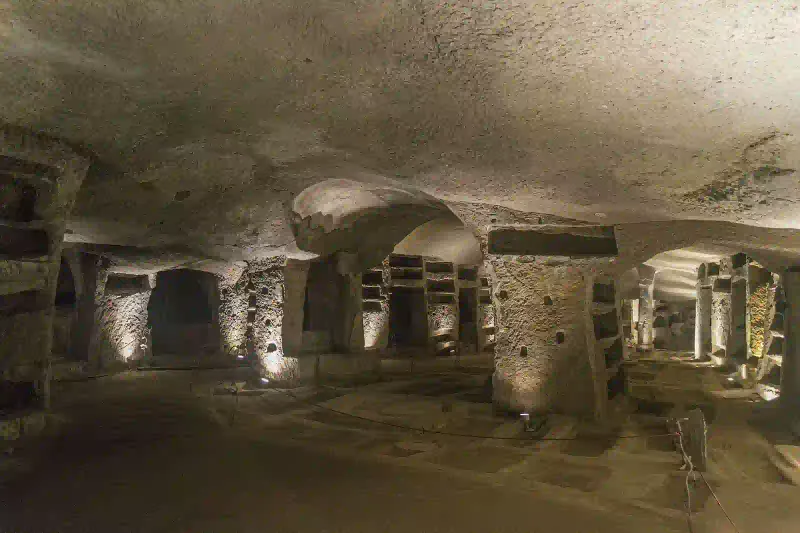 Are the Catacombs of San Gennaro in Naples worth it?Go

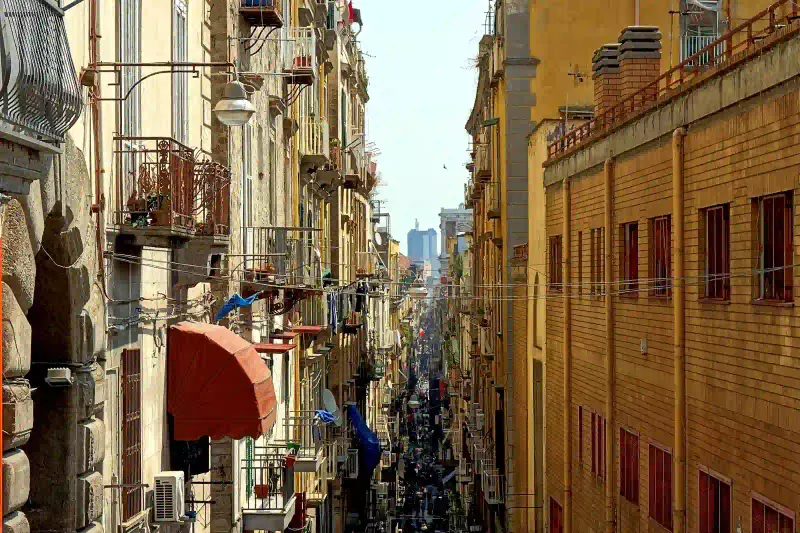 Is a guided walking tour of Naples old town worth it?Go

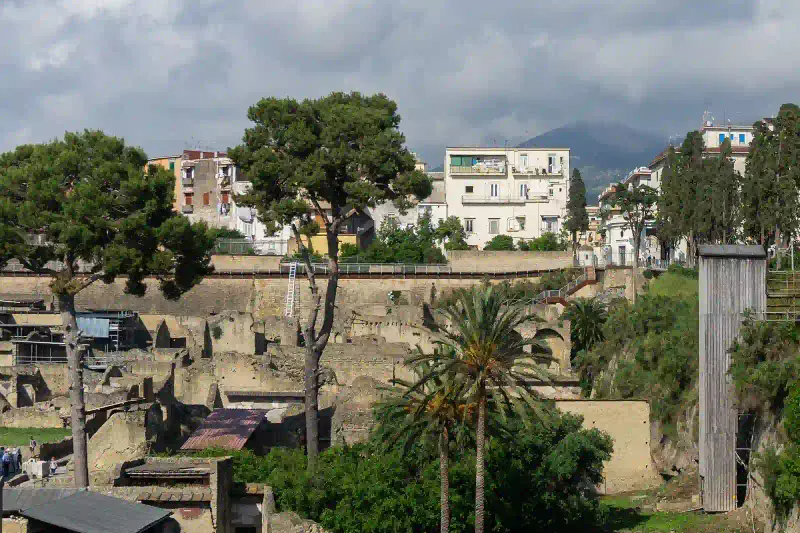 Is a Herculaneum day trip from Naples worth it?Go

 Is a pizza or street food tour in Naples worth it?Go
