Bari / The verdict
Are Bari Vecchia and the San Nicola basilica worth it?
Go: the old town is the reason Bari works as a city break, and the basilica that anchors it is free and extraordinary.
By The Real Traveler Experiences team. We earn a commission if you book through our links. It never changes a verdict.
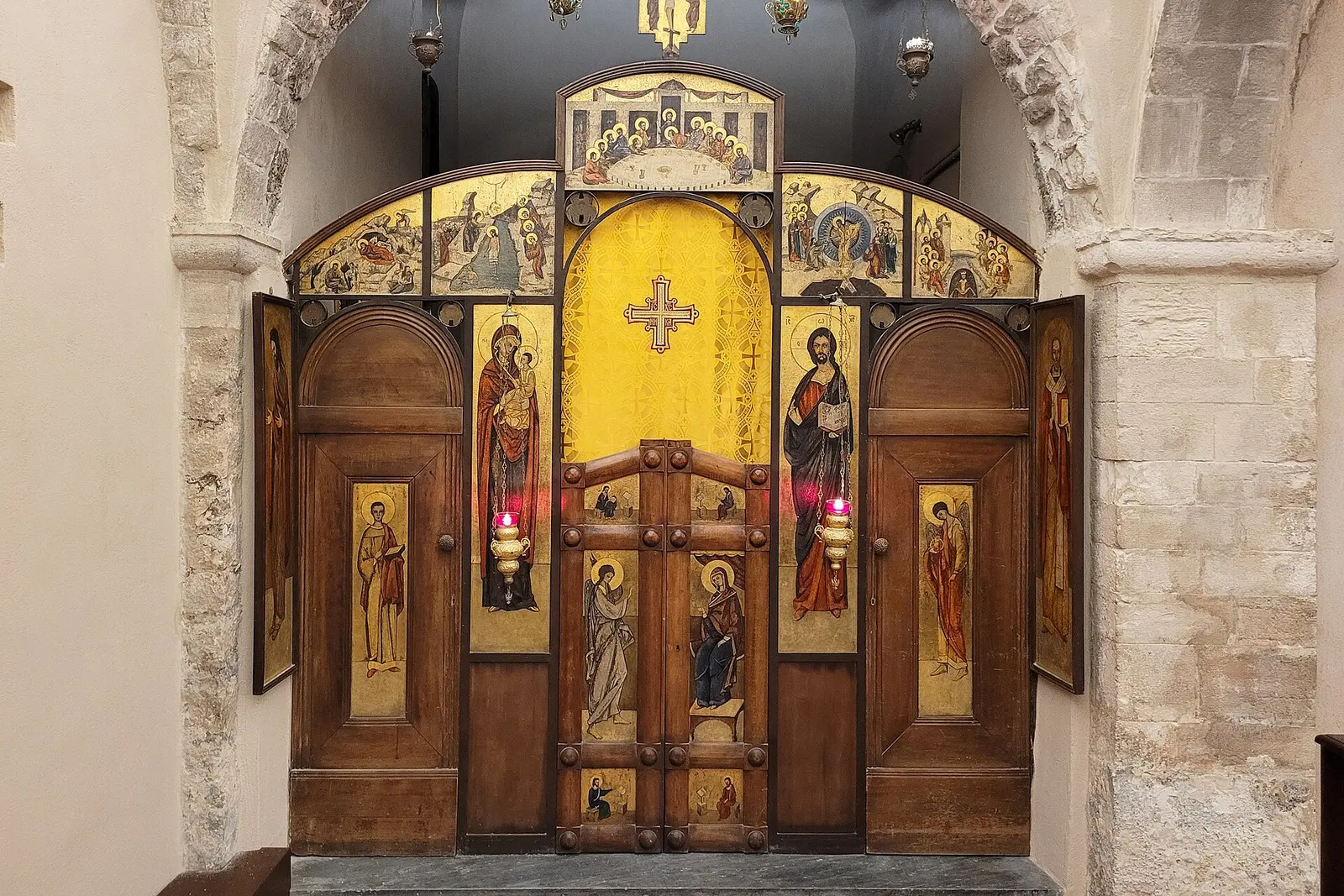
The Bari story
Bari is worth it as a food-led base of two or three nights, not as a polished city break. Travelers report an old town where grandmothers shape orecchiette in the doorway, a basilica holding the relics of St Nicholas, and a seafront promenade that fills at dusk. The pay-off is a lived-in southern Italian city where snacks cost little and the day trips are easy.
The verdict in 30 seconds
Go
Go: the old town is the reason Bari works as a city break, and the basilica that anchors it is free and extraordinary.
Go if
- First-time visitors who want the authentic, lived-in side of Bari
- Travelers who enjoy slow wandering, churches and street life over ticketed sights
- Cruise passengers and day-trippers with only a few hours
Skip if
- Travelers who dislike crowds at peak hours or uneven cobbled lanes
- Anyone wanting a polished, curated district: this is a working neighborhood
What it costs
- Basilica di San Nicola entry, including the crypt: €0 (Free entry on the official basilica site; open daily, roughly 06:30 to 20:30, Sundays to 22:00.). Official source, checked Oct 2026.
- Airport train, Bari Centrale to Bari airport, one-way: €5.30 (Ferrotramviaria line; the operator page lists about 15 minutes). Official source, checked Oct 2026.
- AMTAB city bus ticket, 90 minutes: €1.20 (1.50 EUR if bought from the driver; daily ticket 2.50 EUR). Official source, checked Oct 2026.
What travelers report
Based on 12 traveler reports (Nov 2024 to Aug 2026) and the official sources linked on this page. 0 were negative.
What people like
- The quarter still lives: residents point visitors toward landmarks, laundry hangs over lanes and festivals fill the basilica.
- The basilica is free, imposing and used: pilgrims queue for the crypt tomb and the ceiling surprises most visitors.
- It packs tight: San Nicola, San Sabino, the pasta lane, the walls and the seafront all sit within a few minutes' walk.
- Timing is forgiving: reports love it at quiet December mornings and in festival crowds alike.
What people complain about
- Cruise and tour groups can pack the lanes in the middle of the day.
- Some corners price for tourists, and the mornings see the little fish quay more than a real market
- After about 11 pm the advice is to keep to the lit main thoroughfares, as in most old ports.
- It lacks the postcard polish of Alberobello or Polignano, so scenic-wow hunters rate it lower.
How to do it right
- Enter under Arco Alto or from Piazza del Ferrarese and drop the map: the vecchia is small and rewards drifting.
- Visit the basilica first and descend to the crypt to see the Saint Nicholas tomb before the groups arrive.
- Carry on to the Cathedral of San Sabino and the Exsultet display, then out to the walls over the harbour.
- Walk the lanes again after the midday rush: residents reclaim the streets and the atmosphere changes completely.
- If you are in town in early May, expect San Nicola processions, masses and fireworks to take over the quarter
The trap to avoid
Treating the vecchia as a midday-only stop. Reports are consistent that the lanes feel theme-parked when cruise groups pour in around lunch, and far better early in the morning or after dinner, when the neighborhood goes back to being a neighborhood. Pair it with the walls and the promenade at golden hour rather than queuing behind flags at noon.
What to do instead
Why this verdict
Yes: the vecchia is the part of Bari that turns a stopover into a trip, and its centerpiece costs nothing. Twelve recent reports, from week-long stays to cruise calls to filmed walks, describe a working medieval quarter rather than an open-air museum: locals stop visitors to point out landmarks, laundry hangs over the lanes and festivals still take over the streets. The basilica anchoring it is free, holds the tomb of Saint Nicholas and stays a real pilgrimage site, with travelers noting pilgrims alongside the tour groups. Reports praise its scale too: plain walls outside, a spectacular ceiling inside and a quiet crypt below.
The evidence splits eight positive to four mixed, and none of the mixed reports says to skip the quarter. Their points are modest: litter and smells in some alleys, a couple of tourist-priced corners, sellers working the lanes, and one writer who found less postcard drama than the Itria towns. Those are reasons to set expectations, not to stay away. If you want polished, whitewashed scenery, Alberobello or Polignano deliver it better; if you want a lived-in old port, this is the stronger stop.
The main timing lesson repeats across reports: midday belongs to cruise and walking-tour crowds, while mornings and evenings belong to the neighborhood itself. On safety, current guidance puts the quarter at normal city caution late at night, with the lit main streets and the seafront the way home.
Timing and tickets
Nothing here needs a ticket. The basilica and crypt are free, the official site lists it open daily from early morning into the evening, and masses run through the day, so sightseeing is quietest between services. The lanes, the pasta-making stretch and the walk along the walls are public.
Getting there is simple. From the airport, the Ferrotramviaria train runs to Bari Centrale in about 15 minutes for 5.30 EUR, per the rail operator’s page. Within the city, an AMTAB bus ticket is 1.20 EUR for 90 minutes, or 1.50 EUR bought from the driver, and the official daily ticket is 2.50 EUR.
Allow two hours for a loop of the basilica, the Cathedral of San Sabino, the pasta lane and the walls, and a half day if you want to sit down to eat and come back after the midday rush. A morning visit to the basilica followed by an evening return for the walls and the seafront gives you both moods the reports describe.
What to combine: the Castello Svevo sits at the quarter’s edge and is the one paid sight nearby; the pasta-making lane known as the Strada delle Orecchiette is inside the quarter; and the seafront promenade starts at the walls. A guided walk mainly adds the history behind the churches and the saint’s relics, which the lanes themselves do not explain. Early May brings the San Nicola festival, the busiest and most atmospheric week of the year, so book a bed early if your dates overlap.
Book or check times
Basilica di San Nicola official site
We earn a commission if you book through our links. It never changes a verdict. How this works
Book a private Bari old-town walkpartner site
Where to stay
Staying in Bari?
Which area of Bari to stay in, based on traveler reports. Search Bari hotels on Expedia partner site
Getting there
Flying into Bari?
Compare every way from the airport first; trains and buses are often cheaper. Book a private airport transfer partner site
Questions
Is Bari Vecchia safe?
Current reports rate it safe by day and fine on the lit main streets at night, including the seafront. The old rough reputation is decades out of date; ordinary city caution late is the standard advice.
Does the Basilica di San Nicola cost anything?
No. Entry to the basilica and its crypt is free, and it is open daily from early morning into the evening. Masses run at set times, so sightseeing quietest between services.
How long do you need in Bari Vecchia?
Reports converge on two hours for a quick loop and a half day for the basilica, cathedral, pasta lane and walls without rushing. Cruise passengers manage it inside a shore call.
When is the best time to visit?
Early morning or evening, when the tour groups are gone. For atmosphere at its loudest, the San Nicola festival in early May fills the quarter with pilgrims and processions.
Is it just a tourist attraction?
No: travelers repeatedly stress it is a lived-in quarter. People still hang laundry, cook, argue football and pray in the basilica, which is exactly what visitors say makes it worth the time.
Keep planning
More decisions in Bari
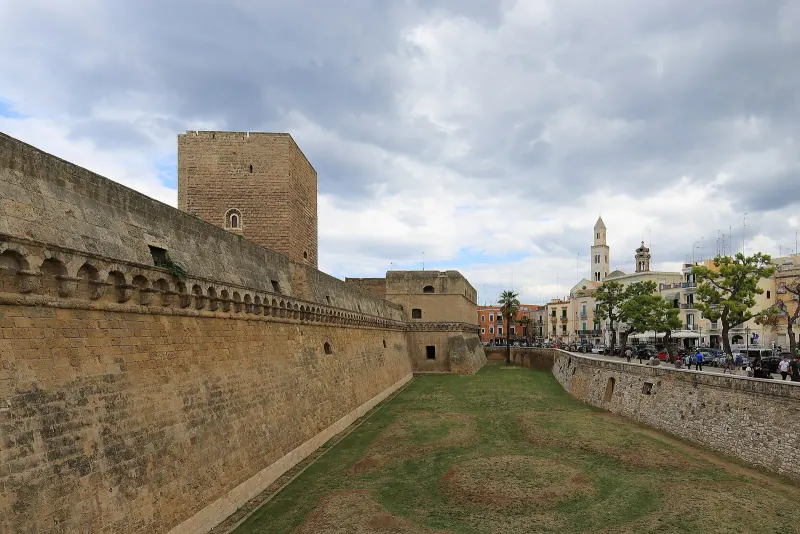 Where to stay in Bari: which area?Go

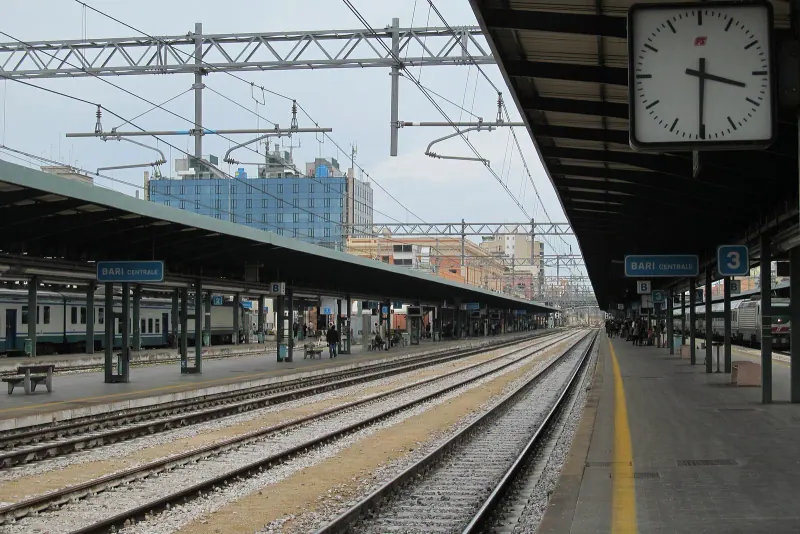 Bari: which airport or train route?Our pick: Fly into Bari Karol Wojtyla Airport (BRI)

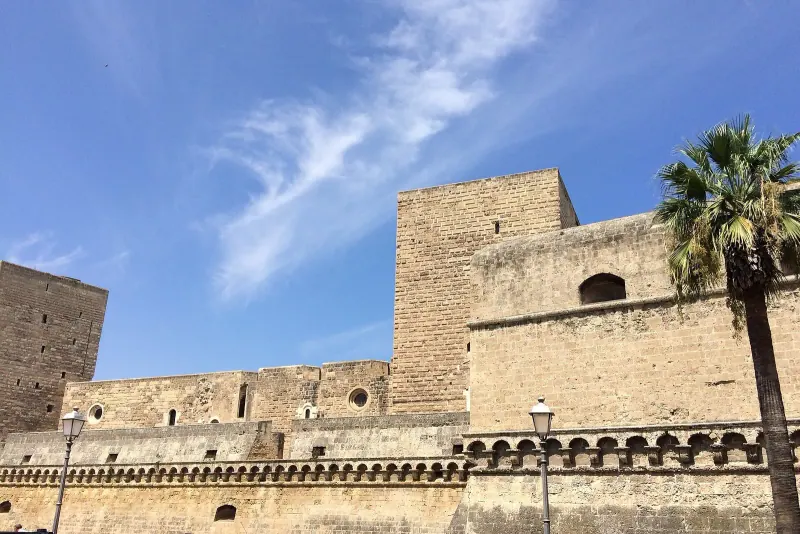 Are Bari's castle and waterfront worth it?Go

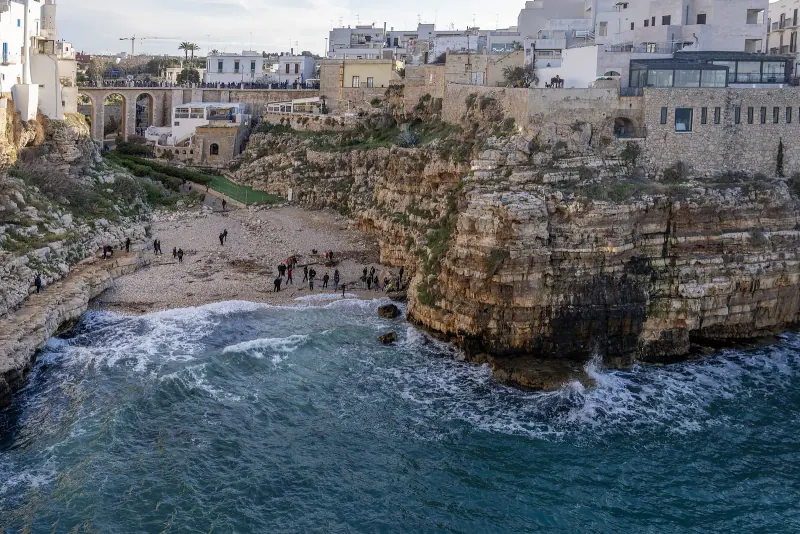 Are Polignano a Mare and Monopoli worth it?Go

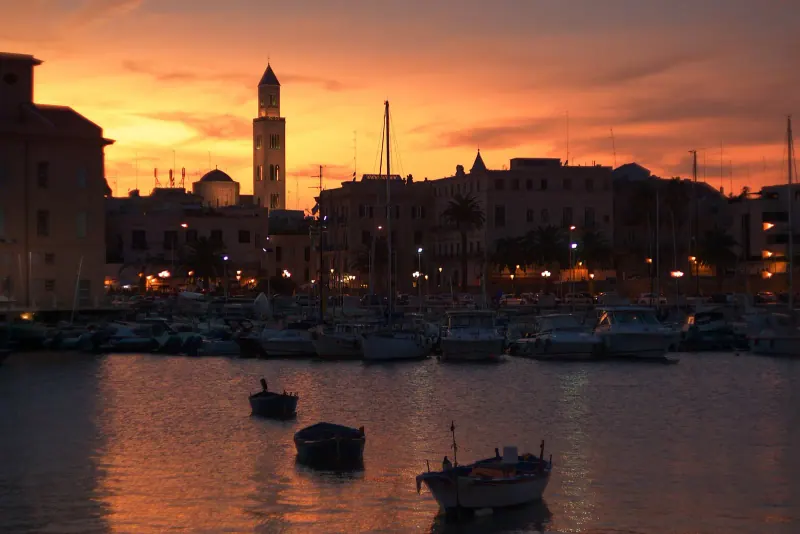 Bari or Lecce: which Puglia base?Go

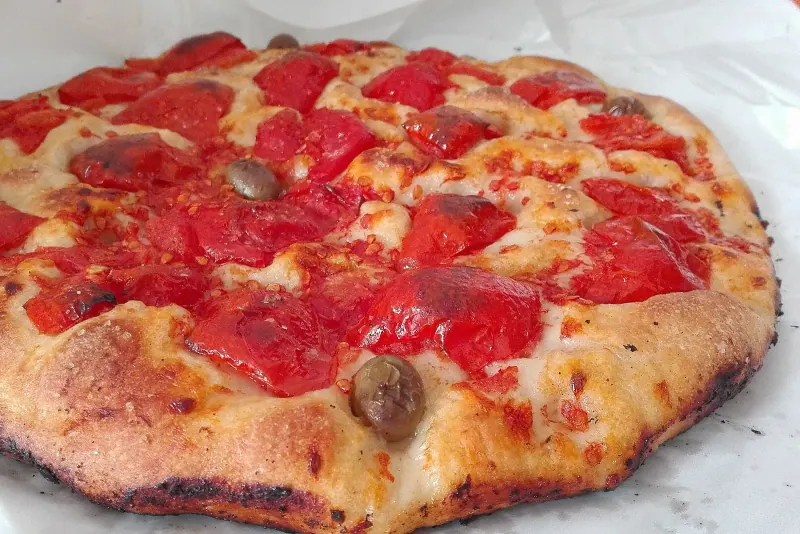 Is a Bari food tour worth it?Go

Pack for it
Gear verdicts from our sister site, Real Buyer Experiences: