Aarhus / The verdict
Is Den Gamle By in Aarhus worth it?
Yes, go. The world's first urban open-air museum won European Museum of the Year 2026, and for DKK 205 you get a whole town of real buildings across four centuries of Danish life, with everyone under 18 free.
By The Real Traveler Experiences team. We earn a commission if you book through our links. It never changes a verdict.
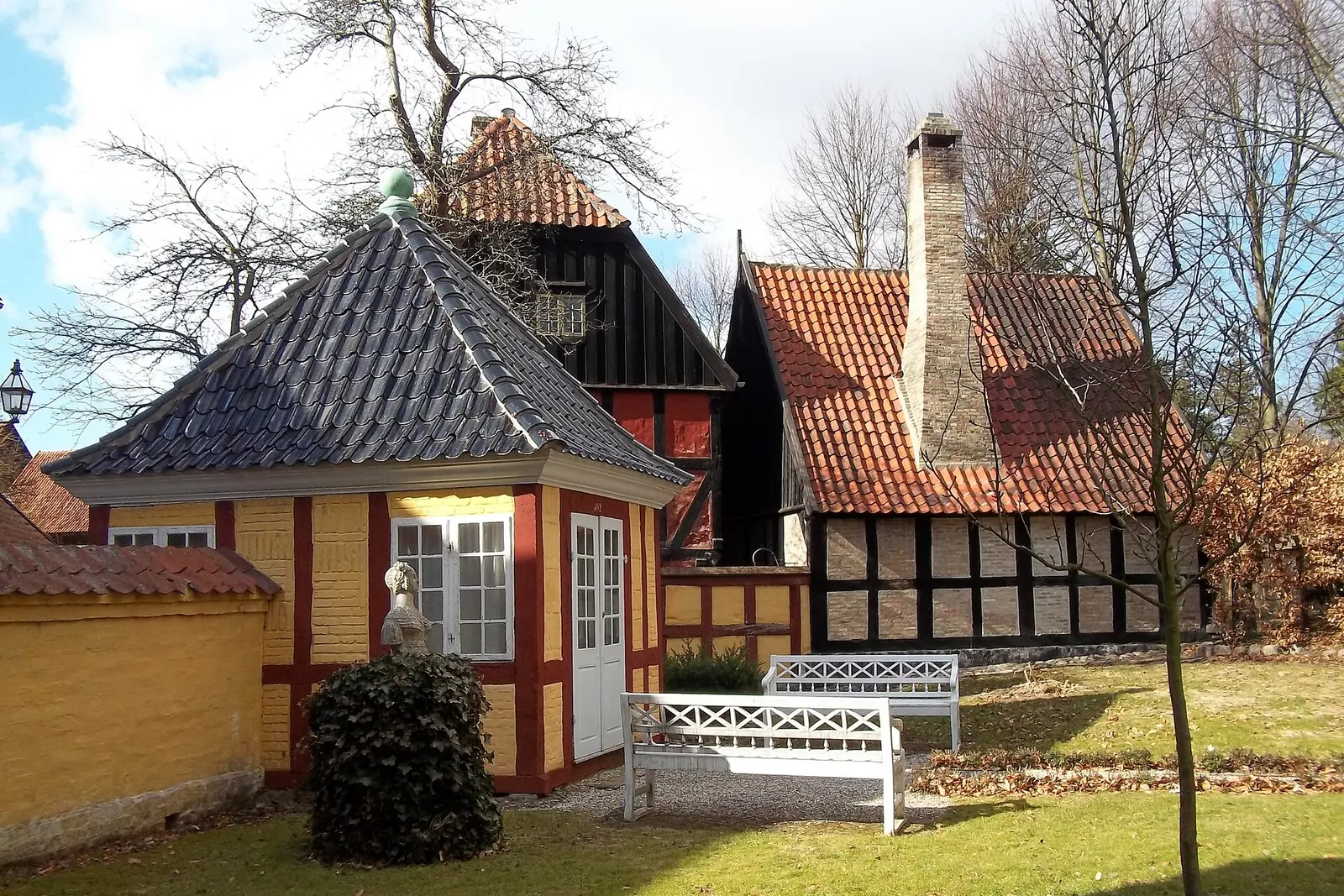
The Aarhus story
Aarhus is worth it for travelers who like museums, design and water more than palaces and postcards. Reports describe a compact city where the ARoS rainbow panorama, the timbered lanes of Den Gamle By, the cobbled Latin Quarter and the harbor bath all sit within a short walk or bus ride. One traveler argues it delivers Copenhagen-grade culture at second-city prices.
The verdict in 30 seconds
Go
Yes, go. The world's first urban open-air museum won European Museum of the Year 2026, and for DKK 205 you get a whole town of real buildings across four centuries of Danish life, with everyone under 18 free.
Go if
- History and architecture travelers: 75-plus buildings moved from about 20 Danish towns and rebuilt across four time zones, from a 1600s market square to a working 1974 high street
- Families: under-18s are free, and costumed interpreters, the toy museum and the bakery keep children absorbed
- Slow travelers: this rewards people who open doors, talk to the actors and lose half a day
- December visitors: the Christmas-season town and its evening openings are among Denmark's biggest seasonal draws
Skip if
- You have under three hours: the museum itself recommends four to five, and the town sprawls
- You are visiting January to March and want the full living-history show; the price drops to DKK 145 but many interiors and the costumed program mostly run from Easter to New Year
- Cobblestones, steep lanes and old staircases are a problem; mobility is possible via lifts in some buildings but the town is uneven by design
What it costs
- Den Gamle By adult admission, high season: kr 205 (28 March to 30 December; under-18s free; students 105 DKK at the entrance with valid ID; groups of 20-plus pay 175 DKK each). Official source, checked Oct 2026.
- Den Gamle By adult admission, low season: kr 145 (1 January to 27 March; students 75 DKK at the door; the winter program is reduced). Official source, checked Oct 2026.
- Den Gamle By student admission, high season: kr 105 (sold only at the entrance with a valid student card; DKK 75 from 1 January to 27 March). Official source, checked Oct 2026.
- Den Gamle By adult annual pass: kr 525 (DKK 50 off each pass when buying two or more of the same type). Official source, checked Oct 2026.
What travelers report
Based on 12 traveler reports (Apr 2025 to Jul 2026) and the official sources linked on this page. 0 were negative.
What people like
- The living-history interpreters get the loudest praise: travelers describe chatting with shopkeepers, blacksmiths and householders who stay firmly in period.
- The 1974 quarter is the sleeper hit, turning recent decades into nostalgia that catches visitors off guard.
- Families rate it among Denmark's best days out, with free under-18 admission, hands-on interiors and the toy museum.
- The Christmas transformation earns annual raves; Danish press reviews describe the December evenings as a uniquely atmospheric dose of old-fashioned Christmas.
What people complain about
- DKK 205 in the main season is the second-priciest ticket in Aarhus, and adult groups feel it since only under-18s go free; a Dutch visitor counted it near 30 euros a head
- January to March many interiors and the costumed program scale back, so the winter visit is streets and architecture more than live town life
- Cobblestones, thresholds and steep old staircases make parts of the town hard work for wheels and bad knees
- Arrive late and the town shrinks: a German family that started at 15:30 found shops already closing and lost half the museum to the 17:00 close; December evenings book out in advance
How to do it right
- Buy tickets online at dengamleby.dk to skip the entrance queue; the same ticket covers all quarters and the specialist museums inside.
- Enter from Viborgvej through the 2023 entrance hall, grab the town map, and start at whichever period pulls you: the market square, the 1927 street or the 1974 quarter.
- Plan to talk: costumed interpreters staff shops, kitchens and workshops through the main season and happily explain their trades.
- Eat inside the town: the bakery sells wienerbrød and æbleskiver, and the old wine cellar, Simonsens garden restaurant and the Bent J jazz bar cover meals.
- In December, check the calendar for the separately scheduled Christmas evening openings at 18:00 to 21:00.
- In winter, expect shorter hours and a reduced program; the trade-off is DKK 145 entry and near-empty streets.
The trap to avoid
Underestimating the scale. The museum itself recommends four to five hours and the town covers four centuries; reports that started mid-afternoon left with half of it unseen. Arrive by early afternoon at the latest and by mid-morning in winter, when it closes at 16:00.
What to do instead
Why this verdict
Yes, go, and give it most of a day. Den Gamle By opened in 1914 around a rescued Renaissance mayor’s house and was the world’s first open-air museum of urban history; in June 2026 the European Museum Forum named it European Museum of the Year. More than 75 buildings moved from about 20 Danish towns now stand as a working little town, with shops, workshops and kitchens staffed in character for much of the year.
The reports agree on the core. Of 12 logged reports, 9 are positive and none is negative; the 3 mixed ones are about money and time. A Dutch visitor counted the adult ticket near 30 euros a head, a German family that arrived at 15:30 lost half the town to the 17:00 close, and one couple skipped it because two hours did not seem worth the full price. Nobody in the log complains about the town itself. The costumed staff, the 1974 quarter and the sheer number of interiors are what travelers single out.
The structure keeps it varied. Beyond the market-town quarters of the 1700s and 1800s sit a 1927 street, a 1974 quarter with a jazz bar and period flats, and a 2014 harborfront stretch. A Randers house telling the story of Jewish everyday life between the wars opened in June 2026.
Getting there
The main entrance is at the junction of Viborgvej and Silkeborgvej. The museum’s directions page puts it at a 15-minute walk from Aarhus Central Station and 1.5 km (about 20 minutes on foot) from Dokk1, where cruise passengers start. By bus, take route 3A from the station to the Viborgvej stop; the museum lists it at about every 15 minutes, with routes 14, 114 and 118 about every half hour. City bikes have stations at the Ceres junction and along Viborgvej.
Timing and tickets
The museum recommends four to five hours, and the late-arrival reports show why. From August to 30 December it opens 10:00 to 17:00 (10:00 to 15:00 on 24 and 31 December). In January and early February it closes at 16:00, and July runs to 21:00. Arrive by late morning in winter and by early afternoon at the latest in season.
Adults pay DKK 205 from 28 March to 31 December and DKK 145 from 1 January to 27 March. Everyone 0 to 17 is free all year. Students pay DKK 105 (DKK 75 in winter), sold only at the entrance with a valid student card. Buying adult tickets online saves time at the door. An adult annual pass costs DKK 525, so it pays off from a third visit, which suits the forum regular in the log who returns every trip.
December is the busiest stretch. The Christmas evening openings run 18:00 to 21:00 on 27 and 28 November and on 4, 5, 11, 12, 18 and 19 December; check the museum calendar for how evening entry is sold before you plan around one. Winter visits trade a reduced living-history program for the lower price and quiet streets.
What to combine
A visit of four to five hours leaves room for one more stop. ARoS art museum is in the city center and fits the rest of the day. Moesgaard Museum, the prehistory museum outside the center, needs its own half day. Eat inside the town: the bakery, the old wine cellar, the garden restaurant and the jazz bar cover a full day’s meals.
Book or check times
Den Gamle By: tickets and opening hoursDen Gamle By: explore the townDen Gamle By: European Museum of the Year 2026Den Gamle By at VisitAarhus
We earn a commission if you book through our links. It never changes a verdict. How this works
See private guided tour optionspartner site
Where to stay
Staying in Aarhus?
Which area of Aarhus to stay in, based on traveler reports. Search Aarhus hotels on Expedia partner site
Getting there
Flying into Aarhus?
Compare every way from the airport first; trains and buses are often cheaper. Book a private airport transfer partner site
Questions
How much does Den Gamle By cost?
Adults pay DKK 205 from late March to late December and DKK 145 from January to late March. Everyone under 18 is free year-round, and students pay DKK 105 or 75 at the door with ID.
How long do you need at Den Gamle By?
The museum recommends four to five hours, and repeat visitors routinely spend a full day. Two hours is enough to walk the streets but not enough to go inside the houses.
Is Den Gamle By open in winter?
Yes, it is open every day of the year. Winter hours are shorter (10:00 to 16:00 in January and early February), the price drops, and the living-history program is quieter than the Easter-to-New-Year season.
Are the buildings real?
Yes. More than 75 buildings were dismantled in about 20 Danish towns and rebuilt inside the museum, starting with the 1597 mayor's house that Peter Holm saved from demolition in 1909.
What is the 1974 quarter?
A full street and apartment block recreated as Denmark looked in the 1970s, with a jazz bar, period flats and shops; visitors regularly call it the most surprising part of the museum.
Did Den Gamle By win a big award recently?
Yes. In June 2026 it was named European Museum of the Year by the European Museum Forum, praised for redefining the open-air museum genre.
Keep planning
More decisions in Aarhus
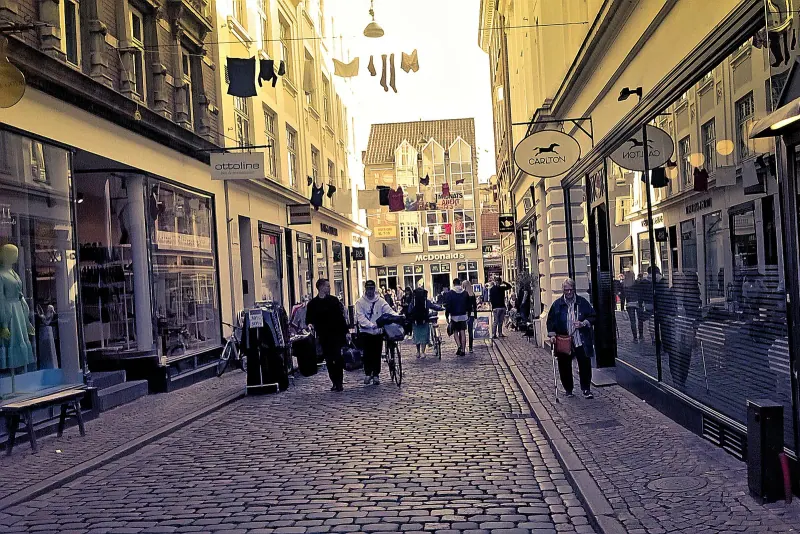 Where to stay in Aarhus: which area?Our pick: Indre By and the Latin Quarter

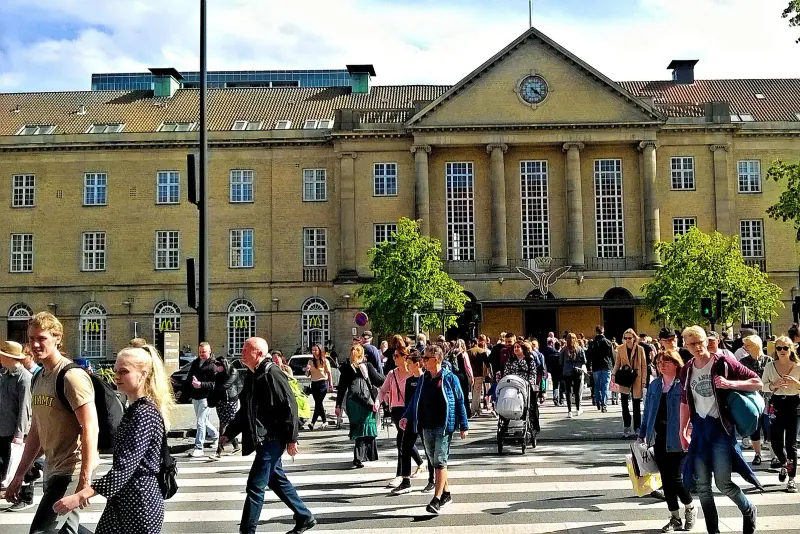 Aarhus: which airport or train route?Our pick: Copenhagen Airport (CPH), then the direct DSB train

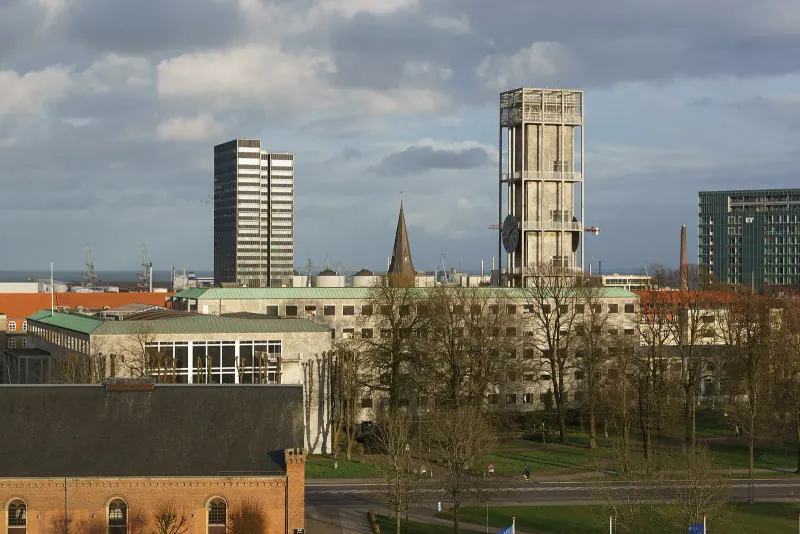 Aarhus or Copenhagen: which Danish city?Our pick: Copenhagen

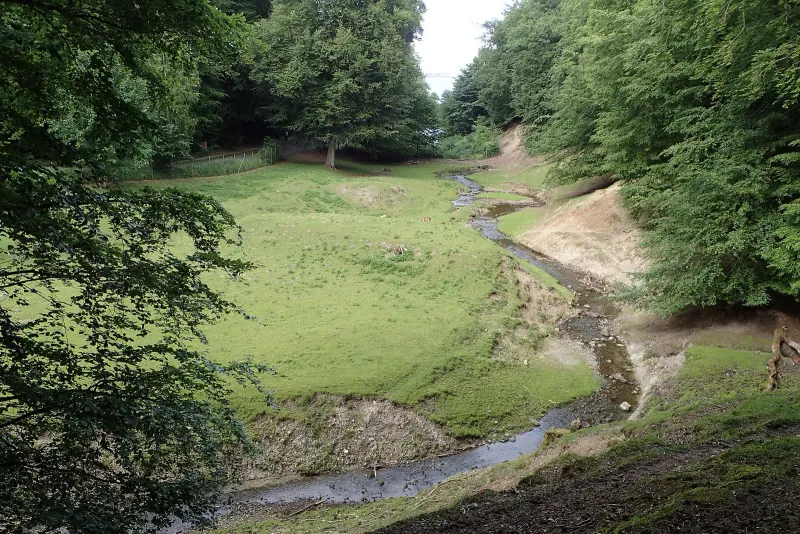 Are the Aarhus deer park and beach worth it?Go

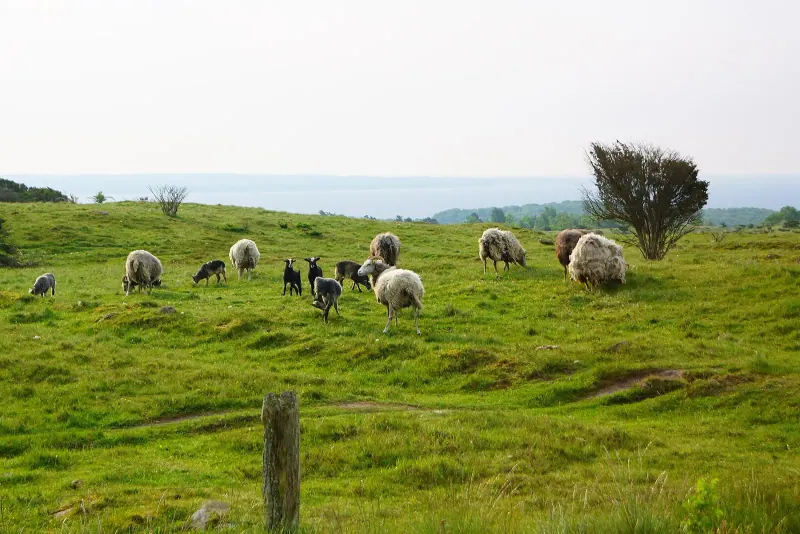 Is a Mols Bjerge day trip from Aarhus worth it?Go

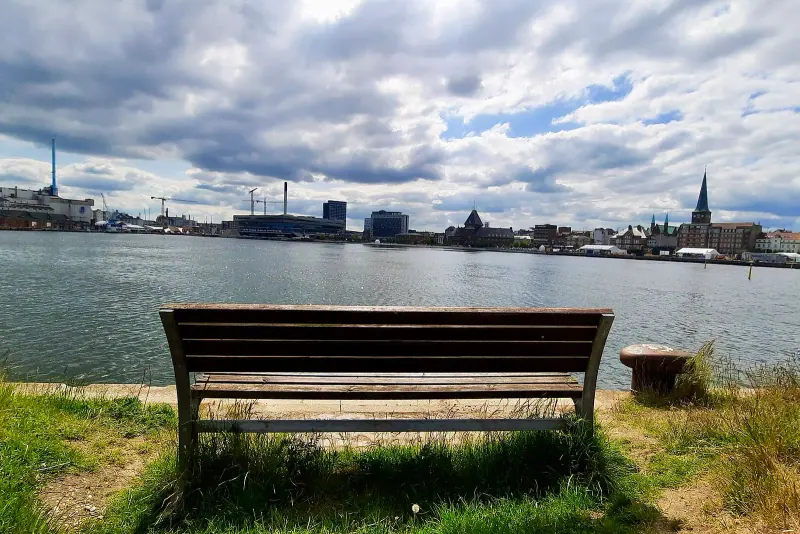 Is Aarhus harbour and the Dome of Visions worth it?Go

Pack for it
Gear verdicts from our sister site, Real Buyer Experiences: